


Remove or Run Periodically? Storing Outboard All Winter
- The Two Storage Paths for Your Tohatsu 6 HP 4-Stroke
- The "Run Periodically" Method: Risks and Procedures
- Essential Winterization Steps for the Tohatsu 6 HP
- Storage Location and Setup
- Post-Storage Spring Checklist
- Quick Reference Specifications: Tohatsu 6 HP MFS6
- When to Call a Pro
- The Bottom Line: Remove or Leave On?

After twenty years wrenching on outboards, I've seen both approaches work—and fail spectacularly. Whether you pull your Tohatsu 6 HP off the transom or leave it mounted depends on your storage setup, how much freezing you get, and whether you're willing to babysit it all winter.
The Two Storage Paths for Your Tohatsu 6 HP 4-Stroke

You've got two real options here. Pull the motor and store it inside on a stand, or leave it on the boat and either winterize it completely or run it periodically through the cold months. Each has trade-offs.
Remove and Store Indoors
Pulling the motor gives you full control. The Tohatsu 6 weighs roughly 60 lbs, so it's manageable solo if you've got a dolly or engine stand. Once it's off, you can store it in a basement, heated garage, or even a dry shed where you can keep an eye on it.
Advantages: No theft risk. Easy to inspect seals, anodes, and the lower unit without crawling under a boat. You can run it in a barrel every few weeks without dealing with frozen hoses or weather. If you need to pull the carb bowl drain screw or check the gear lube, it's right there at bench height.
Downsides: You need a stable stand or a reinforced shelf. Storing it on its side requires attention—lay it tiller-handle-side down to prevent oil from the crankcase seeping past the piston rings into the combustion chamber. Don't just toss it in a corner.
Leave on Boat (Full Winterization Required)
If your boat's on a trailer in a carport or unheated pole barn, leaving the motor attached can work. You must winterize it completely—no shortcuts. This means flushing, fogging, fuel treatment, and draining every last bit of water from the block and lower unit.
Store the motor tilted fully down after draining to let gravity pull residual water out of the cooling passages. Some guys tilt it up to "protect" it. Wrong. Water pools in the mid-section and freezes.
Advantages: No lifting, no unmountingbolts (which can seize if you haven't removed them in years). Convenient if your boat's already secured and you're not worried about theft.
Downsides: Higher exposure to temperature swings, moisture, and vermin. The prop stays on, vulnerable to damage if someone bumps the trailer. You can't easily run the engine unless you hook up muffs every time, and doing that in freezing weather is miserable.
The "Run Periodically" Method: Risks and Procedures
Some folks try to skip full winterization by firing up the engine every few weeks. This only works if your storage area stays above freezing and you can safely supply water to the cooling system each time.
How to Do It Without Cracking the Block
If you're going to run it periodically, here's the protocol:
- Every 3 weeks minimum: Hook up flush muffs to a hose. If it's below 40°F outside, warm the hose indoors first so ice doesn't form in the muffs during startup.
- Run for 15 minutes: Long enough to heat the block, circulate oil, and burn off moisture. Watch the pee stream—it should be strong and steady. If it dribbles or stops, shut down immediately; the impeller may be frozen or damaged.
- Fuel treatment: Add stabilizer to the tank before the first run. Each subsequent run circulates treated fuel, but if you let it sit more than 6 weeks between runs, the carb bowl can still gum up.
- Battery maintenance: Keep it on a trickle charger between runs. A dead battery in cold weather can freeze internally and crack.
The Catch
Water sitting in the pump housing, exhaust passages, or lower unit between runs can freeze. Even if the block stays warm, those outer areas don't. I've seen cracked exhaust housings on motors stored in unheated sheds where the owner ran it monthly but didn't drain the system after each session. If your storage area dips below 32°F at night, this method is a gamble.
Recommendation: If you can't guarantee above-freezing temps 24/7, don't rely on periodic running. Do a full winterization and forget about it until spring. For guidance on winterization products, consider the selection available in our Winterizing Kits vs. DIY Supplies: What Do You Really Need? blog.
Essential Winterization Steps for the Tohatsu 6 HP

Whether you're pulling it or leaving it on, these steps are non-negotiable. The Tohatsu MFS6 series has a few specific quirks you need to address.
Tools and Supplies Checklist
Before you start, gather:
- 10mm socket (oil drain plug)
- 18mm spark plug socket
- Fuel stabilizer (STA-BIL or Star Tron)
- Marine fogging oil
- 10W-30 or 10W-40 4-stroke marine oil (450ml / 15 oz capacity)
- GL-5 marine gear lube
- NGK DCPR6E spark plug (gap: 0.8–0.9mm)
- Grease gun with marine-grade waterproof grease
- Bucket or flushing muffs
- Drain pan
Our Fuel Additives Showdown: Do Cleaners and Stabilizers Work? post dives deep into choosing the right fuel stabilizer.
Flush the Cooling System
Run the engine in a barrel or with muffs attached for 10 minutes. You need the pee stream flowing. If it's weak, the impeller or intake screen is clogged—fix that before you proceed. Salt, sand, and algae will corrode the passages over winter if you don't flush them out now. We cover How to Replace a Mercury Outboard Water Pump Impeller which is useful when dealing with impeller issues affecting cooling.
After flushing, remove the lower-unit drain plugs (magnetic and vent) and let it drip completely. Tilt the engine all the way down. Even a teaspoon of trapped water can crack the block when it freezes.
Fuel System: Stabilize and Drain the Carb Bowl
Fill the tank to 95% with fresh fuel. Add stabilizer at the ratio on the bottle. Run the engine for 10–15 minutes so treated fuel reaches the carburetor, fuel lines, and pump.
Here's the critical step most guys skip: drain the carburetor bowl. The Tohatsu 6 has a small Phillips-head drain screw on the bottom of the carb bowl, right under the cowl. Loosen it with a cup underneath until fuel stops dripping. Treated fuel in the tank is good; treated fuel sitting in the carb bowl all winter is better. Untreated fuel left in the bowl turns to varnish and clogs the main jet by March.
If your model has an integral fuel tank (some portable Tohatsu 6s do), drain it separately using the fuel valve and primer bulb.
Check out our Tohatsu Carburetor Repair Kit collection for parts to maintain your carburetor properly.
Fog the Engine
With the engine running, spray marine fogging oil directly into the carburetor throat. The engine will sputter, smoke, and try to die. Keep spraying until it stalls. This coats the cylinder walls, piston rings, and valves with a protective film that prevents rust while it sits.
Don't skip this. A 4-stroke sitting for months can develop surface rust on the cylinder walls, especially in humid environments. That rust turns into scoring when you fire it up in spring. Our article on Fogging Your Engine for Winter: Why and How explains this process in detail.
Change the Oil and Filter
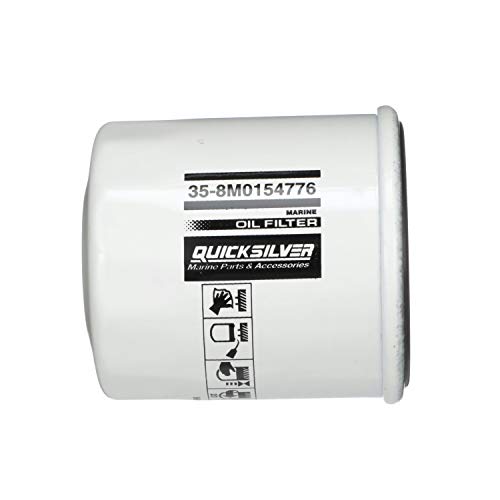
The Tohatsu 6 takes about 450ml (15 oz) of oil. Warm the engine first (during your final fuel-system run), then pull the 10mm drain plug on the bottom of the crankcase. Let it drain completely. Replace the oil filter if your model has a spin-on cartridge (some MFS6 variants use an internal screen instead—check your manual).
Refill with fresh 10W-30 or 10W-40 marine-grade 4-stroke oil. Automotive oil lacks the rust inhibitors and corrosion protection you need for equipment that sits idle in damp conditions.
Service the Lower Unit
Pull the upper (vent) and lower (drain) plugs on the gearcase. If the old lube comes out milky or gray, you've got a bad seal—water's getting in. That's a bigger problem; don't just refill and ignore it. You'll need to replace the seals before next season or risk grenading the gears.
If it comes out clean (honey-colored or amber), refill from the bottom hole with GL-5 marine gear lube until it runs out the top. Replace both plugs. Check the magnetic drain plug for metal shavings—a few specks are normal; chunks mean gear damage.
See more in our Maintaining Your Outboard’s Gearcase: Mercury vs. Yamaha guide for detailed instructions.
Grease and Lubricate Moving Parts
Pull the propeller. Inspect the prop shaft for fishing line, damage, or corrosion. Clean it and coat the shaft with marine grease. Grease the clamp bracket swivel pin while you're at it—this is a known seize point on Tohatsu portables if you skip it.
Spray marine corrosion inhibitor (like CRC 6-56 or Yamaha's Silicone Spray) on external metal surfaces: shift linkage, steering tube, and any exposed bolts.
Spark Plug Service
Pull the plug with an 18mm socket. The Tohatsu 6 uses an NGK DCPR6E. Check the gap with a feeler gauge—it should be 0.8 to 0.9mm. If the electrode is fouled or eroded, replace it. A fresh plug in spring makes starting easier.
For more details on spark plugs, check out High-Performance Spark Plugs: Do They Make a Difference?.
Battery Care
If your Tohatsu has electric start or powers accessories, disconnect the battery. Clean the terminals with a wire brush. Store it indoors on a wood shelf or battery mat—concrete floors can discharge it faster. Connect a smart trickle charger and check it monthly. A frozen battery is a dead battery.
Learn more tips in Battery Care During the Off-Season: Keep It Charged.
Storage Location and Setup

Unheated Shed or Garage: What You Need to Know
An unheated shed works if the engine is fully drained. You can't rely on "mostly drained." Even a film of water in the thermostat housing or exhaust ports can expand and crack metal. Ventilation matters here—you don't want condensation building up on cold nights. A breathable cover (not a sealed tarp) keeps dust off but lets moisture escape.
Humidity control: If your shed is damp, throw a few desiccant packs near the engine or run a small dehumidifier if you've got power. Mold and surface rust love stagnant, humid air.
Our post on Heated Garage vs. Outdoor Storage: Protecting Your Outboard explores these options further.
Engine Stand vs. Leaving It Mounted
If you've pulled the motor, an engine stand is ideal. It keeps the block upright, prevents oil migration, and makes periodic inspection easy. A sturdy workbench or reinforced pallet works too—just make sure it's stable.
Leaving it on the boat? Tilt it down, not up. I see guys tilt it vertical thinking they're "protecting" it. All that does is trap water in the mid-section. Tilted down, gravity drains the block. Secure the boat so it doesn't roll or shift; a rocking motor on the transom can crack mounting bolts.
Theft and Security
Outboards walk off trailers more often than people think. If you're storing outside or in an accessible shed, run a cable lock through the clamp bracket or remove the motor entirely. Even a cheap wheel lock on the trailer helps.
Explore our wide range of Boat Accessories including security options to protect your investment.
Post-Storage Spring Checklist
When the ice melts and you're ready to launch, do not just turn the key and go. Run through this first:
Visual Inspection
Check for corrosion on external fittings, wiring, and the lower unit. Look for cracks in the cowl or mounting bracket. Inspect fuel lines for stiffness or cracking—ethanol eats rubber over time.
Pull the cowl and check the kill-switch lanyard. If it's frayed or sun-damaged, replace it. A failed kill switch is a safety and legal problem.
Fluid Checks
Pop the oil dipstick. Level should be at the top mark. If it's milky or smells like gas, you've got contamination—investigate before starting. Check the gear lube sight plug; it should still show clean oil.
Spark Plug and Fuel System
Reinstall the spark plug if you pulled it for winter. Reconnect the fuel line. Pump the primer bulb until it's firm. If your carb bowl was drained, it'll take a few extra pumps to refill it.
Initial Start
Hook up flush muffs or put the motor in a barrel with the lower unit submerged. Turn the key or pull the starter. It may take a few cranks—the fogging oil will burn off as blue smoke for the first 30 seconds. That's normal.
Watch the pee stream. If it's strong and steady, you're good. If it dribbles or stops, shut down and check the impeller or intake screen.
Common Start-Up Issues After Storage
- Engine cranks but won't fire: Check fuel flow (primer bulb firm?), spark plug (wet or dry?), and kill switch (connected?).
- Runs rough or smokes heavily: Fogging oil burning off. Should clear in a minute. If it doesn't, check the plug gap and fuel quality.
- Pee stream weak or absent: Impeller may be stuck or damaged. Pull the lower unit and inspect before running further.
- Low oil pressure light flickers: Normal for a few seconds while oil circulates after sitting. If it stays on, check oil level and pressure switch.
Quick Reference Specifications: Tohatsu 6 HP MFS6
| Component | Specification |
|---|---|
| Engine Oil Capacity | 450ml (15 oz) |
| Recommended Oil | 10W-30 or 10W-40 (marine 4-stroke) |
| Gear Lube Type | GL-5 marine gear oil |
| Spark Plug | NGK DCPR6E |
| Plug Gap | 0.8–0.9mm |
| Fuel Stabilizer | STA-BIL Marine or Star Tron |
| Oil Filter (if equipped) | Tohatsu OEM or equivalent |
When to Call a Pro
If you pull milky gear lube, find metal chunks on the magnetic plug, or see cracks in the block or lower unit, stop. These aren't DIY fixes. A sealed lower unit costs hundreds to repair; a cracked block can total the motor. Same goes for a seized powerhead or fuel system you can't clear after multiple flushes.
See our When to Seek Professional Help vs DIY Fix for more guidance.
The Bottom Line: Remove or Leave On?
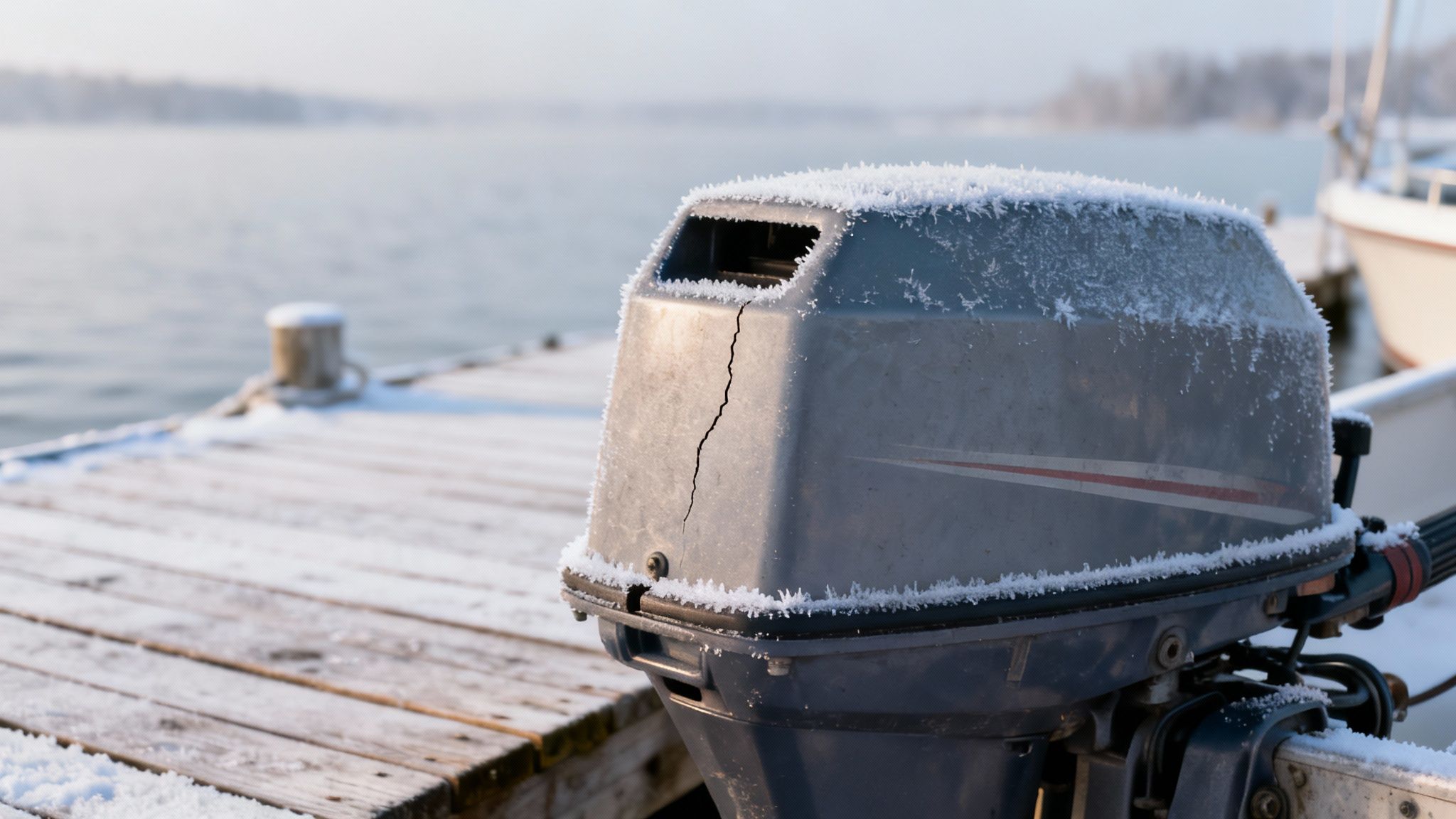
If you've got room and a stand, pulling the motor gives you the most control. You can store it warm, run it safely, and keep it away from thieves. If you're leaving it on the boat, winterize it like the engine depends on it—because it does. Drain everything, fog it, treat the fuel, and tilt it down. Don't half-ass it and hope the weather stays mild.
I've seen $5,000 motors turned into scrap because someone skipped the carb bowl drain or left water in the block. A couple hours of prep now beats a $2,000 spring repair bill.
Before you store it, double-check that your water intake screens and pee-hole are clear of debris. A blocked intake during your first spring start will overheat the engine in under a minute. For tips on cleaning, see our Unclogging a Blocked Outboard Cooling Water Intake post.
For all your marine parts and accessories needs to support these maintenance tasks, visit JLM Marine, your source for OEM quality outboard motor parts and boating supplies.