


First Start of the Season: Tips for a Smooth Spring Launch
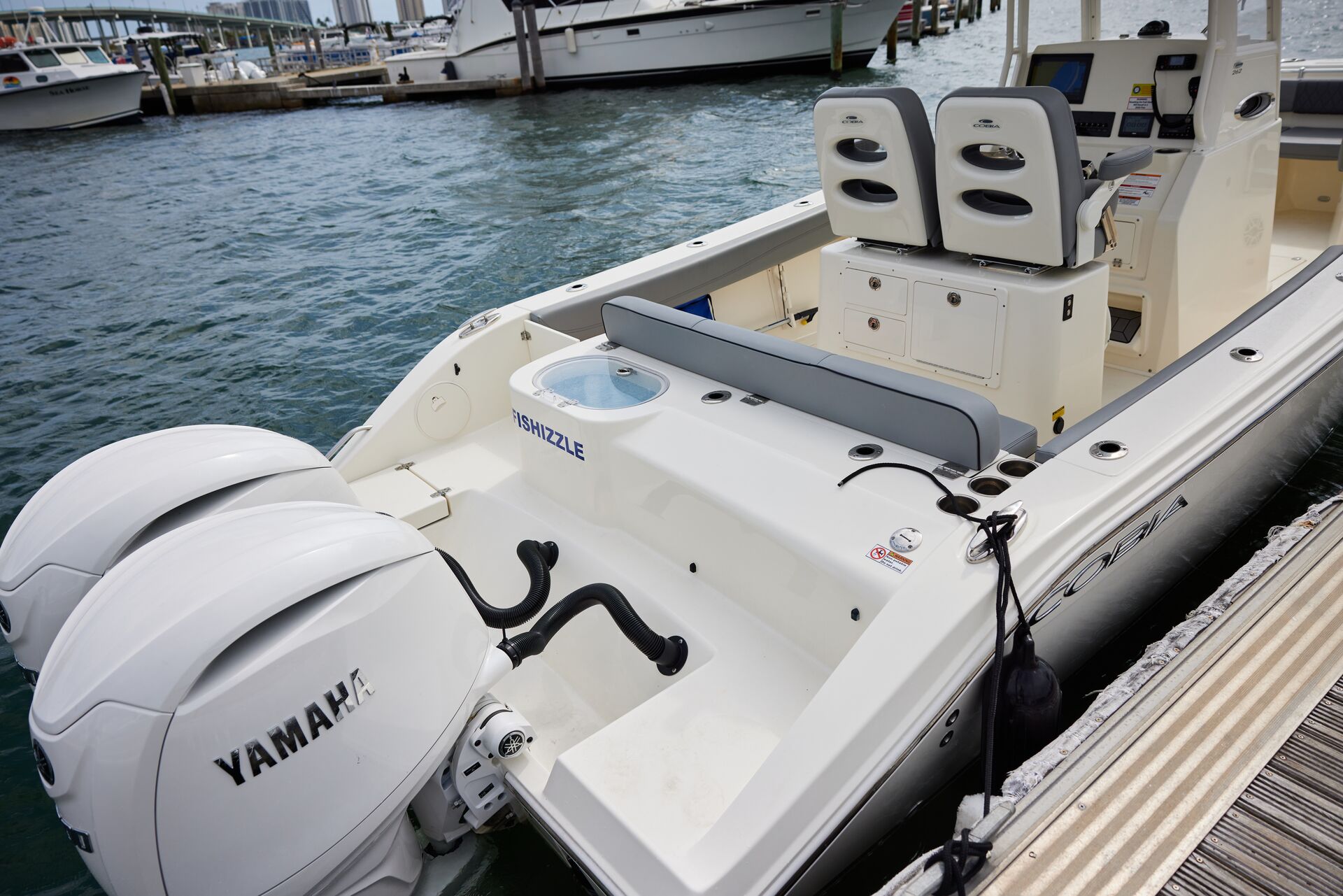
Most boaters rush their spring launch. They're so eager to get on the water that they skip critical checks, assume everything survived winter storage, and end up dead in the water a week later with a seized impeller or worse. I've been wrenching on outboards for 20 years, and I see the same avoidable failures every April.
The fix is a thorough pre-launch routine. No shortcuts. This isn't about getting your boat in the water; it's about making sure it stays running once it's there.
Spring Launch Preparation: Paperwork and Tools First
Start with manufacturer service schedules. Whether it's your Yamaha outboard, your sterndrive, or any accessory bolted to your transom, the OEM manual lists exact service intervals. Ignoring those intervals is how you turn a $50 impeller job into a $3,000 powerhead replacement. For parts, tools, and accessories, always buy from a trusted source like JLM Marine's direct factory boat parts to ensure OEM quality and fit.
Check your boat registration and trailer tags. According to BoatUS, expired documentation is a top reason for Coast Guard stops and fines. Verify your insurance coverage too—spring weather is unpredictable, and you want full protection before you launch.
Gather all your tools and parts before you start. You'll need marine cleaners, engine oil, fuel filters, a spare impeller, grease, rags, and a proper socket set. For Japanese engines, get JIS screwdrivers—Phillips heads will strip those fasteners. Having everything on hand beats making three trips to the parts store.
Hull Cleaning and Bottom Paint
Clean the hull below the waterline thoroughly. Winter leaves algae, slime, and barnacle residue that kills your speed and fuel economy. Marine hull cleaners often contain hydrochloric acid, which cuts through buildup fast. Wear heavy-duty gloves, goggles, and long sleeves when you're working with this stuff. Don't let it drip on your trailer or the grass. Rinse thoroughly after scrubbing.
For antifouling, we use water-based ablative paints. They release biocide slowly as they wear, preventing growth without the hard cleanup of old-school bottom paints. Mask the waterline precisely before you paint. A sloppy paint job looks bad and leaves gaps where growth starts.
If you want to protect the topsides, spray-on ceramic finishes work better than traditional wax. They're easier to apply, last longer, and give better UV protection. Don't use them below the waterline—they're for the gel coat you see while cruising.
Teak and varnished wood need attention after winter. Sand any rough spots and apply marine varnish with UV inhibitors. Multiple thin coats beat one thick coat every time.
Engine Oil, Filters, and Fuel System Checks
Change your engine oil and filter. If you didn't do it before winter storage, do it now. Old oil turns into sludge that looks like peanut butter and wrecks bearings. Fresh oil is the cheapest insurance you can buy.
Replace the water-separating fuel filter every spring. Water in fuel kills engines, especially outboards. Keep a spare filter onboard in case you get bad fuel at an unfamiliar dock. For reliable parts, consider options in the fuel filter collection from trusted suppliers. If your engine bogs or hesitates after refueling, the filter is the first thing to check.
The water pump impeller is critical. Manufacturers recommend replacement every three years or 300 hours, whichever comes first. We replace them more often because a failed impeller means an overheating engine, and overheating means a dead powerhead. If the impeller runs dry even for a few seconds, friction heat melts the rubber vanes and the pump stops moving coolant. Always carry a spare. You can find quality replacement parts like water pump impellers and complete water pump repair kits to service your outboard efficiently.
Inspect all fuel hoses and connections. Look for cracks, hardening, or soft spots. If a hose feels brittle or spongy, replace it. Fuel leaks are fire hazards, not just inconveniences.
Hit every grease fitting on your engine, steering, and tilt/trim system. Marine grease prevents corrosion and keeps everything moving smoothly. If your engine grinds when you tilt it, you missed a fitting.
Battery and Electrical System Maintenance
Pull your batteries and clean the terminals. Check electrolyte levels on non-sealed batteries and top them off with distilled water if needed. Upgrade from wing nuts to proper locking nuts on the terminals—vibration loosens wing nuts, and a loose connection means a no-start.
Inspect your fuse panels and all wiring connections for corrosion. A little dielectric grease on each connection prevents oxidation (the grease doesn't conduct electricity; it just seals out moisture and air so the metal contact stays clean). Corroded connections cause intermittent failures that are a nightmare to diagnose.
Update firmware on your GPS, chartplotter, and VHF radio. Garmin, Raymarine, and other manufacturers release updates that fix bugs and add features. Keeping your electronics current means fewer glitches when you need navigation or communication.
Safety Gear: Flares, PFDs, and Fire Extinguishers
Check your visual distress signals. USCG-approved pyrotechnic flares expire, usually 42 months from manufacture. Expired flares are illegal and unreliable. We recommend electronic flare sets approved by the Coast Guard—they last for years and work reliably even in damp conditions.
Inspect every life jacket. Make sure you have the right sizes for everyone who'll be aboard. Check for rips, tears, or fabric degradation. For inflatable PFDs, verify the CO2 cartridge is properly seated and not corroded. A deflated inflatable is just a vest.
Fire extinguishers must be charged and accessible. Check the pressure gauge and shake dry chemical extinguishers to keep the powder loose. Under 33 CFR 175, you're required to carry a working extinguisher—don't wait for an inspection to find out yours is dead.
Your sound-producing device (horn or whistle) is legally required and critical in fog or low visibility. Test it.
Verify your first aid kit is stocked with bandages, antiseptic wipes, pain relievers, and any personal medications. A minor cut shouldn't end your day because you don't have a bandage.
Trailer Hardware and Dock Inspection
Inspect your trailer frame for cracks and rust. Check the bunk carpet or rollers for wear—torn bunks scratch your hull. If you're painting the hull, jack the boat slightly off the trailer so you can reach the bilge and keel.
Lubricate trailer wheel bearings, the winch, the jack, and any suspension pivot points. Check tire pressure and inspect for cracks or dry rot (look for small cracks in the sidewall near the rim). Test all trailer lights: brake lights, turn signals, and running lights. Getting pulled over for a burnt-out bulb wastes time and often results in a ticket.
At the dock, check that pilings are solid, cleats are secure, and fenders are in good shape. Inspect dock lines for fraying. A failed cleat or frayed line can let your boat drift into pilings or other boats.
Pre-Launch Test Run and Final Checks
Before you commit to a full day on the water, run a short test in a protected area near the ramp or marina. Listen for unusual noises—grinding, squealing, or knocking all mean trouble. Watch your gauges: oil pressure, temperature, and voltage should all be normal.
Most important: verify strong water flow from the cooling outlet. On outboards, the "pee stream" should be a solid flow, not a dribble. Water that spits at idle but improves with throttle usually means a partially clogged intake screen. No flow at all means a failed impeller or a blocked passage, and you need to shut down immediately to prevent overheating. For detailed guidance, see Signs Your Outboard Impeller Needs Replacement and Johnson/Evinrude Outboard Water Pump Replacement Guide.
Check for leaks in the bilge and around through-hull fittings. Inspect seacocks and strainers for cracks, especially if they're plastic—freezing temperatures can crack them even in "mild" climates.
After the test run, do a final systems check. Confirm bilge pumps operate (pour a bucket of water in the bilge and make sure the pump kicks on). Test navigation lights. Verify your GPS and electronics boot correctly.
Before you back down the ramp, check your drain plug. This is the most common catastrophic error. A missing plug means a sinking, and it happens every season to someone who was in a hurry.
After every trip, flush your engine with fresh water. It prevents salt and mineral buildup, keeps the cooling passages clear, and extends impeller life.
Sources:
- BoatUS spring launch checklist: https://www.boatus.com/news-room/release/time-tested-spring-boat-launch-checklist-from
- Boating Compass fitting-out guide: https://boatingcompass.org/fitting-out-your-boat-for-spring/
- USCG safety regulations: 33 CFR 175
- Trusted OEM boat parts and accessories: https://jlmmarine.com/