






Heated Garage vs. Outdoor Storage: Protecting Your Outboard
- Why Storage Method Matters for Your Outboard
- Heated Garage Storage: Maximum Protection
- Outdoor Storage: Calculating the Risk
- Unheated Garage: The Middle Ground
- Alternative Storage: Marina Slips and In-Water Storage
- Covering Strategies for Any Storage Type
- Pre-Storage Inspection Checklist
- Making the Decision: Budget, Protection, and Your Motor's Value
- Decision Matrix: Balancing Budget vs. Long-Term Reliability
- Essential Gear: Tarps vs. Custom Covers vs. Shrink-Wrap
- Winterization Checklist for Any Storage Method
- Battery Maintenance in Heated vs. Outdoor Storage
- Storage Inspection Schedule
- When Outdoor Storage is Okay
- OEM vs. Non-OEM Parts for Repairs After Storage Damage
- Timeline for Storage
- Next Steps
- Sources

Where you park your outboard during the off-season determines what you'll spend fixing it come spring. We've torn down enough motors to know that storage kills more engines than running them hard ever does. This breaks down heated garage versus outdoor storage so you can avoid the repair bills.
Why Storage Method Matters for Your Outboard
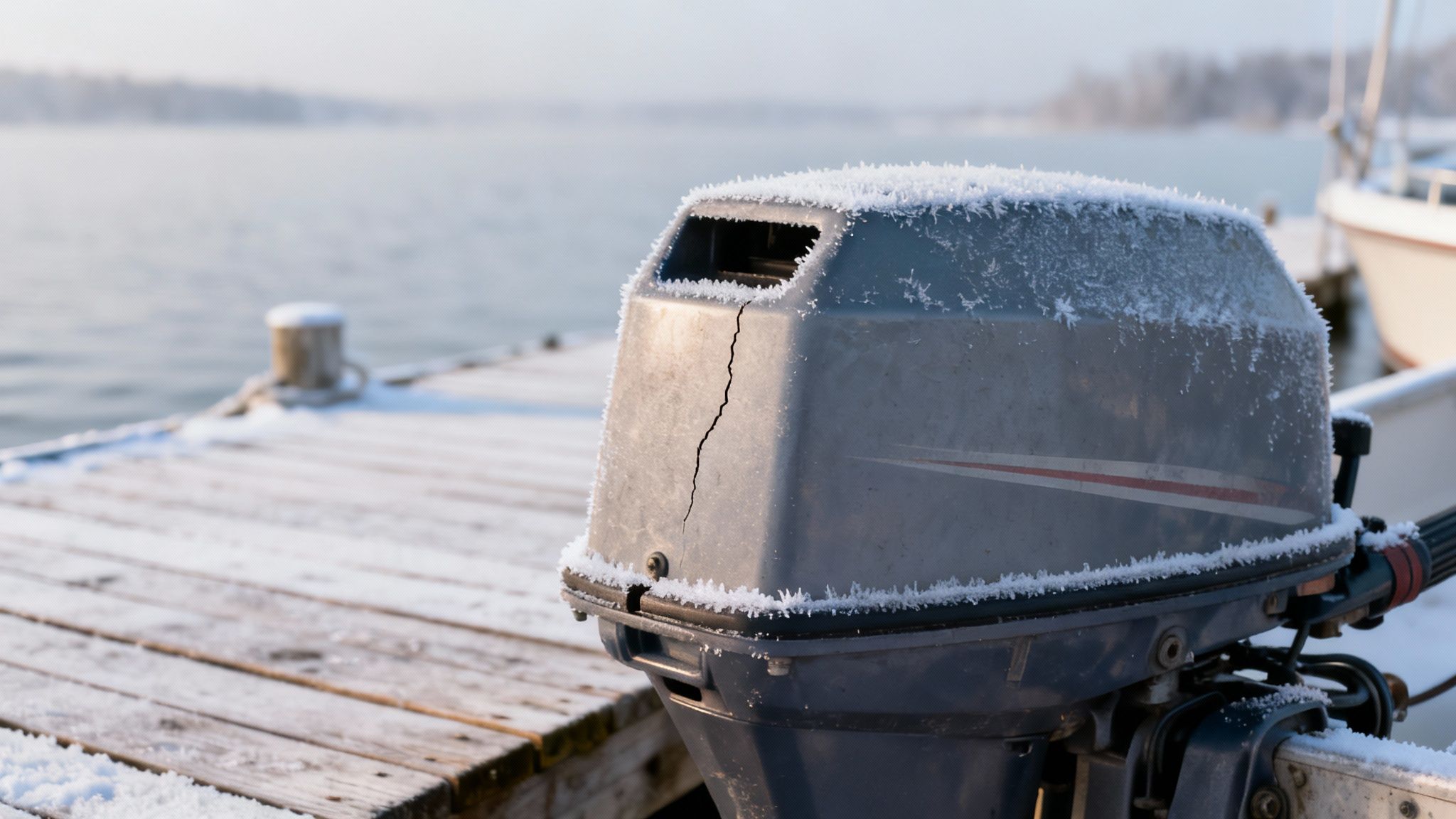
Your outboard sits idle longer than it runs. In that downtime, moisture, temperature swings, and freezing do their damage. North American service centers report over 60% of spring repairs trace back to improper winter storage, with outdoor exposure making it worse through ethanol fuel separation, internal rust, and accelerated wear on seals and gaskets.
Water expands 9% when it freezes. If any water sits in your cooling passages, block, or water pump housing when temps drop, you're looking at cracks. We've pulled apart power heads that looked like someone took a chisel to them—all from a freeze cycle that could've been avoided. For prevention tips on critical components like the water pump impeller, see How to Replace a Mercury Outboard Water Pump Impeller.
The question isn't whether to protect your motor. It's how much protection you can afford versus how much risk you're willing to carry.
Heated Garage Storage: Maximum Protection
A heated garage keeps temps stable above freezing. That alone prevents freeze-expansion cracks in the block, water pump, and lower unit passages. Even if you miss a pocket of water during winterization, warm air significantly cuts the risk of that water freezing and cracking critical components.
How Heated Storage Protects Your Motor
Stable temps kill condensation. When your motor goes from cold to warm to cold again (like it does in an unheated shed), moisture condenses inside the cylinders, on electrical terminals, and in fuel lines. Heated storage minimizes this cycle, drastically lowering corrosion on metal parts.
We had a guy up in a northern state rig a 250-watt heat lamp in his unheated outbuilding. He mounted it near the motor under a tarp and reported it warmed the engine area enough to prevent freeze damage all winter. That's a $20 fix that saved him from a cracked block.
The Cost Reality
Annual outdoor storage runs about $800. Heated indoor storage averages $2,500 per year in the US. That's a $1,700 gap. But heated storage cuts maintenance costs by 50-70% and can save up to $2,000 annually in UV and water damage repairs compared to outdoor. Over five years, you're looking at $7,500 in prevented damage—more than enough to offset the higher storage fee.
| Cost Factor | Outdoor Storage | Heated Garage | 5-Year Difference |
|---|---|---|---|
| Annual storage fee | ~$800 | ~$2,500 | +$8,500 |
| Annual repair costs (UV/water damage) | Up to $2,000 | Minimal | -$10,000 |
| Net 5-year outcome | ~$14,000 | ~$12,500 | $1,500 saved |
The numbers tilt further if you factor in one major failure. A cracked block or destroyed water pump can cost more than two years of heated storage in a single repair. For guidance on selecting the right water pump parts after winter damage, see Evinrude Water Pump.
When Heated Storage Makes Sense
If you're running a 300HP four-stroke or any motor north of $10,000, heated storage is cheap insurance. Smaller motors—2.5HP to 25HP—can tolerate more risk, but the same freeze and corrosion threats apply. The bigger and more complex your motor, the more you stand to lose.
Outdoor Storage: Calculating the Risk

Outdoor storage is the budget option. You'll pay the least upfront, but you're accepting exposure to freezing temps, rain, snow, UV rays, and humidity. If you skip steps or cut corners, you're gambling with your motor's life.
What Outdoor Storage Exposes Your Motor To
Moisture is the killer. Rain and snow find their way into cowling vents, around seals, and into the fuel tank if the cap isn't perfect. Outdoor storage accelerates rust on unpainted metal, fades gel coat, and degrades rubber components faster than any other method.
Freezing is the catastrophic risk. We had a case in Wisconsin: guy stored his $52,000, 300HP four-stroke tilted down in his driveway under a basic tarp. Winter hit, water pooled in the block, froze, and cracked the power head. The damage—cracked block, destroyed water pump, corroded injectors—cost $9,400 to repair. He couldn't swing it, sold the boat, and took a $17,000 loss.
That's not a rare story. Spring repair workload from improper winter storage makes up 25-35% of total shop work in northern states, and most of it traces to outdoor exposure.
How to Make Outdoor Storage Work
If outdoor is your only option, you need bulletproof covering and perfect winterization. Here's the bare minimum:
Covering:
- Tarps are the cheapest but flap in wind, trap moisture if not vented, and tear easily. If you use one, rig it tight and check it after every storm.
- Custom boat covers fit snug, breathe better, and resist UV. They're a step up but still let moisture sneak in around zippers and seams.
- Shrink-wrap is the gold standard for outdoor storage. Professional shrink-wrap creates a watertight seal, stops UV cold, and won't flap or tear. It costs more, but it's the best defense against moisture and physical damage during a harsh winter. Use foam buffers underneath to create positive drainage so water doesn't pool on top.
Winterization (non-negotiable):
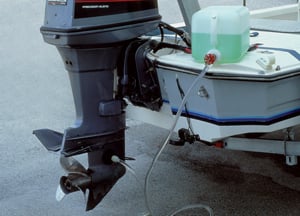
- Flush the cooling system completely. Tilt the motor to the exact angle that drains water out the prop exhaust—usually full trim down, then up to about 45 degrees. Any water left in the passages can freeze and crack. For detailed winterization procedures, refer to the Yamaha Outboard Winterization Guide.
- Fog the cylinders. Pull the plugs, spray fogging oil into each cylinder, turn the engine over by hand a few times to coat the walls.
- Stabilize the fuel. Run the motor with stabilizer mixed in for at least 10 minutes so it reaches the carbs or injectors. Top off the tank to minimize condensation inside.
- Change the lower unit oil. Water in the gear oil shows up as milky fluid—if you see that, your seals are shot. Fix it before you store, not after.
- Grease all fittings: steering pivot, tilt/trim ram, prop shaft. This keeps moisture out of the threads and bearings.
Battery Management: Pull the battery and store it inside on a trickle charger. Freezing temps kill battery capacity, and a dead battery can sulfate internally and never recover. A $15 trickle charger saves a $200 battery. For battery care tips during storage, see Battery Care During the Off-Season: Keep It Charged.
Fuel System in Fluctuating Temps: Temperature swings cause condensation inside your fuel tank. If you're storing outdoors, keep the tank full to limit the air space where moisture can condense. If you're worried about ethanol phase separation (and you should be in a vented outdoor environment), consider draining the carbs or running the fuel system dry after adding stabilizer. For EFI motors, leave fuel in the rails—they're sealed and won't vent moisture like carbs do.
When Outdoor Storage Might Be Acceptable
If you're in a mild climate where temps rarely drop below freezing, outdoor storage under a quality cover can work. But if you're anywhere in the northern US—Michigan, Wisconsin, Minnesota, Montana, the Dakotas—don't risk it unless you've nailed every winterization step and invested in shrink-wrap or a custom cover with serious weather resistance.
Unheated Garage: The Middle Ground

An unheated garage or shed beats outdoor storage by a mile. You're protected from direct rain, snow, UV, and wind, and you've got a roof to stop ice buildup. It's more affordable than heated storage while still offering solid shelter.
The catch: temps inside an unheated garage track with the outside air, so freezing is still a risk if you're in a cold zone. But if you winterize correctly—drain the cooling system, fog the cylinders, stabilize fuel—cold temps alone won't kill a properly prepped motor. The risk drops to condensation and minor corrosion, both manageable with a breathable cover and periodic checks.
For most US climates, an unheated garage with proper winterization is enough. You won't get the condensation control of heated storage, but you dodge the catastrophic exposure of leaving your motor outside.
Alternative Storage: Marina Slips and In-Water Storage

Storing your boat in the water long-term invites hull erosion, fouling, and—if temps drop—ice damage to the hull and running gear. Some marinas offer slip lifts that raise the boat out of the water when you're not using it, which cuts down on fouling and wave action but doesn't solve freeze risk or corrosion from humidity.
If you use your boat year-round in a warm climate, a slip with a lift makes sense. If you're seasonal and in a freeze zone, pull the boat and store it on land. In-water winter storage is asking for trouble unless you're in Florida or Southern California.
Covering Strategies for Any Storage Type
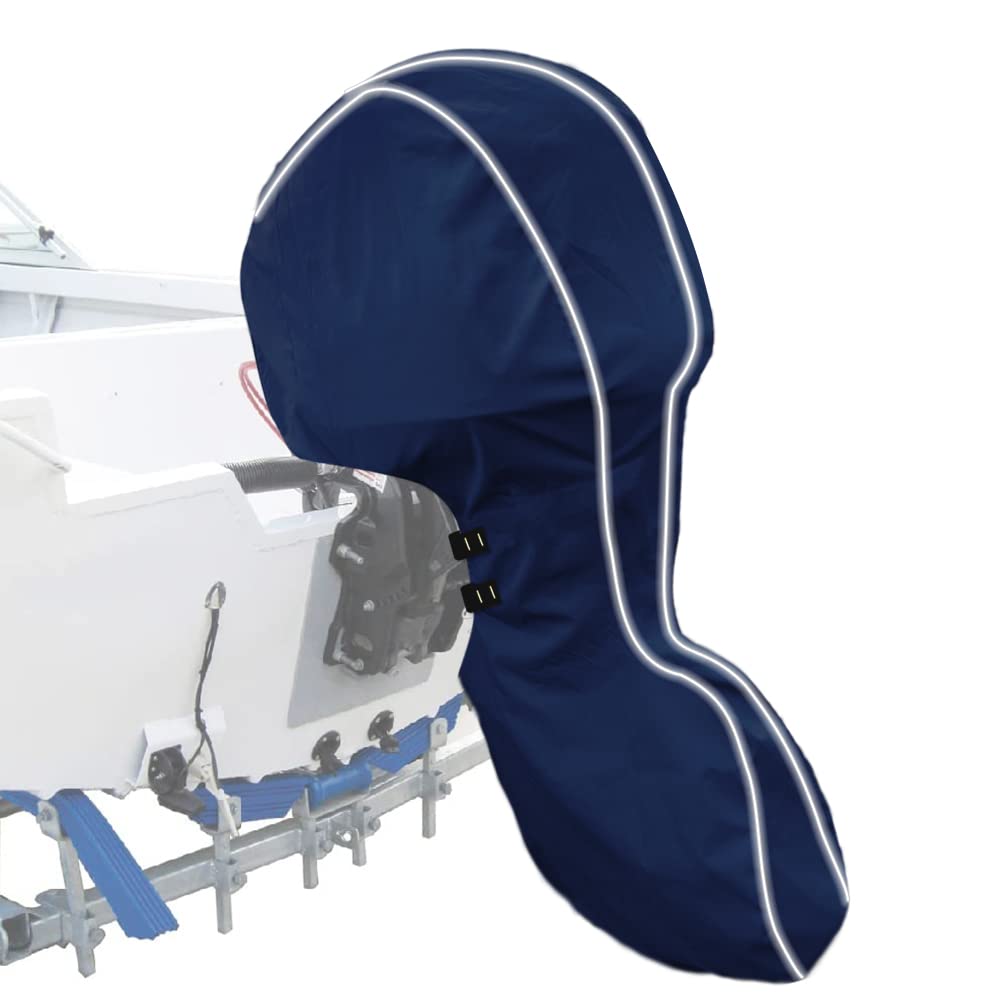
No matter where you store your motor, a good cover is your first defense.
Tarp vs. Custom Cover vs. Shrink-Wrap
- Tarps: Cheap, available everywhere, prone to failure. They flap, chafe gel coat, let wind underneath, and collect water in low spots. If you use a tarp, tie it down every two feet and check it weekly. Expect to replace it mid-season if the wind picks up.
- Custom Covers: Tailored fit, breathable fabric, UV-resistant. They cost $200-$600 depending on boat size but last multiple seasons and do a far better job keeping moisture out while letting condensation escape.
- Shrink-Wrap: Professional application runs $12-$20 per foot of boat length. It's a one-season product—you cut it off in spring—but it creates a drum-tight seal that stops moisture, UV, and debris cold. For outdoor storage or unheated garages in harsh climates, it's worth every cent.
Matching Cover to Storage
In a heated garage, a basic breathable cover works fine—you're mostly keeping dust off. In an unheated garage, step up to a custom cover to manage condensation. Outdoors, go shrink-wrap or accept that you'll be replacing tarps and dealing with moisture infiltration.
Pre-Storage Inspection Checklist
Before you commit your motor to any storage method, check these points:
- Prop shaft and lower unit seals: Pull the prop, inspect the shaft for fishing line wrapped behind the prop hub (it can cut the seal), and check for play in the prop shaft bearing. Spin the prop by hand—smooth is good, grinding or clicking means a bearing is done.
- Cooling system telltale: Run the motor in a barrel or on muffs. The pee stream should be strong and steady at idle. If it dribbles or quits, your water pump impeller is dying or your thermostat is sticking. Fix it now, not in spring. For detailed instructions, see Water Pump Repair Kit vs. Impeller Only: What Does Your Outboard Need?.
- Lower unit oil: Drop the oil. Milky = water intrusion = bad seals. Clear oil with metal flakes = bearing wear. Either way, you've got work to do before storage.
- Fuel system: If your motor has been sitting with ethanol fuel for more than 30 days, assume the fuel is degrading. Drain it or add stabilizer immediately.
- Electrical connections: Spray terminal connections with dielectric grease or corrosion inhibitor. Moisture finds these spots in storage and eats them alive.
Making the Decision: Budget, Protection, and Your Motor's Value
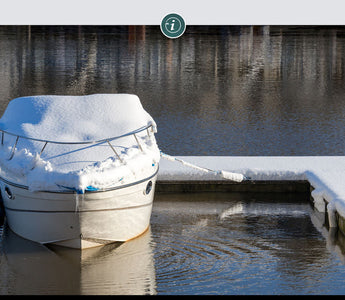
If your motor cost over $15,000 or you live where winter temps regularly drop below 20°F, heated storage is the smart play. The cost difference pays for itself in avoided repairs and extended motor life.
If heated isn't an option, an unheated garage with strict winterization gets you 90% of the way there. The remaining 10% is condensation risk and minor corrosion—manageable if you grease, fog, and cover properly.
Outdoor storage is a gamble. You can mitigate the risks with shrink-wrap, perfect winterization, and regular checks, but one missed step or one brutal cold snap can cost you the motor. If outdoor is your only choice, budget for shrink-wrap and don't skip a single winterization task.
Engine Size and Insurance Requirements
Small motors (2.5HP to 15HP) are cheap enough that outdoor storage won't financially ruin you if something goes wrong. Anything above 50HP, especially four-strokes, deserves indoor or heated protection.
Check your insurance policy. Some carriers require indoor storage or professional winterization to maintain coverage over winter. If your policy has that clause and you store outdoors without meeting the terms, you're on your own if the motor cracks.
Decision Matrix: Balancing Budget vs. Long-Term Reliability
| Factor | Heated Garage | Unheated Garage | Outdoor Storage |
|---|---|---|---|
| Freeze protection | Excellent | Good (if winterized) | Poor |
| Corrosion control | Excellent | Fair | Poor |
| UV protection | Excellent | Excellent | Poor (even with cover) |
| Annual cost | High (~$2,500) | Low (~$800-$1,200) | Lowest (~$800 or free) |
| Long-term savings | High (fewer repairs) | Moderate | Low (high repair risk) |
| Recommended for | Expensive motors, cold climates | Most US climates with winterization | Mild climates only, or as last resort |
Essential Gear: Tarps vs. Custom Covers vs. Shrink-Wrap
If you're buying a cover, here's what to look for:
- Tarps: Go heavy-duty (12-mil minimum), use bungees and rope, and inspect monthly. Don't trust a tarp alone in high-wind areas.
- Custom covers: Look for UV-resistant, breathable fabric (not vinyl—vinyl traps moisture). Pay for reinforced seams and a good warranty.
- Shrink-wrap: Hire a pro unless you've done it before. DIY shrink-wrap jobs often leave gaps or sag points that collect water. Pros use vents, support poles, and proper heat application to create a tight, ventilated seal.
One shrink-wrap pitfall: if you don't install vents, moisture from the boat's interior (bilge condensation, residual water in compartments) has nowhere to go. It condenses on the inside of the wrap and drips back down, creating mold and corrosion. Insist on at least two vents per wrap job.
Winterization Checklist for Any Storage Method
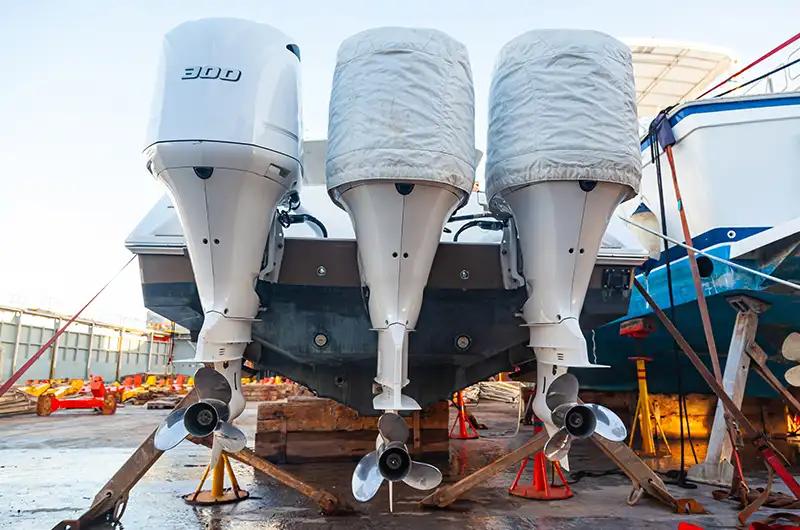
- Flush the cooling system. Run fresh water through muffs or a flush port for 10 minutes at idle. Tilt the motor to drain completely—water trapped in the block or exhaust will freeze and crack.
- Fog the cylinders. Pull the plugs, spray fogging oil into each hole, turn the flywheel by hand to distribute it.
- Stabilize the fuel. Add stabilizer, run the motor for 10 minutes, then either top off the tank (outdoor storage) or leave it half-full (indoor storage).
- Change lower unit oil. Drain from the bottom plug, refill from the top. If the old oil is milky, fix the seals before you button it up.
- Grease all fittings. Steering, tilt/trim, prop shaft, throttle/shift cables. Moisture follows ungreased threads.
- Pull the battery. Store it inside on a trickle charger.
- Cover it. Use a breathable cover or shrink-wrap depending on your storage environment.
Battery Maintenance in Heated vs. Outdoor Storage
Batteries lose charge faster in cold temps. A fully charged battery can handle freezing, but a discharged battery will freeze solid and crack internally. In outdoor or unheated storage, pull the battery and keep it inside on a trickle charger. In heated storage, you can leave it in the boat, but still connect a trickle charger—batteries self-discharge even in warm temps.
Storage Inspection Schedule
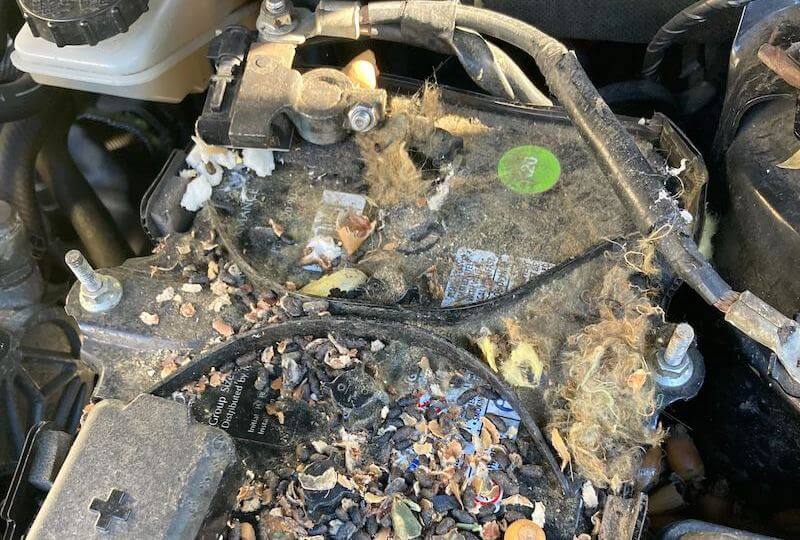
Visit your stored motor once a month if it's in a garage, every two weeks if it's outdoors. Check for:
- Rodent activity. Mice love cowling insulation and wiring. Set traps or use repellent pouches.
- Cover integrity. Look for tears, loose tie-downs, or water pooling on top.
- Moisture inside the cowling. If you see condensation on the inside of the cowling, add a moisture absorber pack or improve ventilation.
Catching a problem in December is a lot cheaper than finding it in April when you're trying to launch.
When Outdoor Storage is Okay
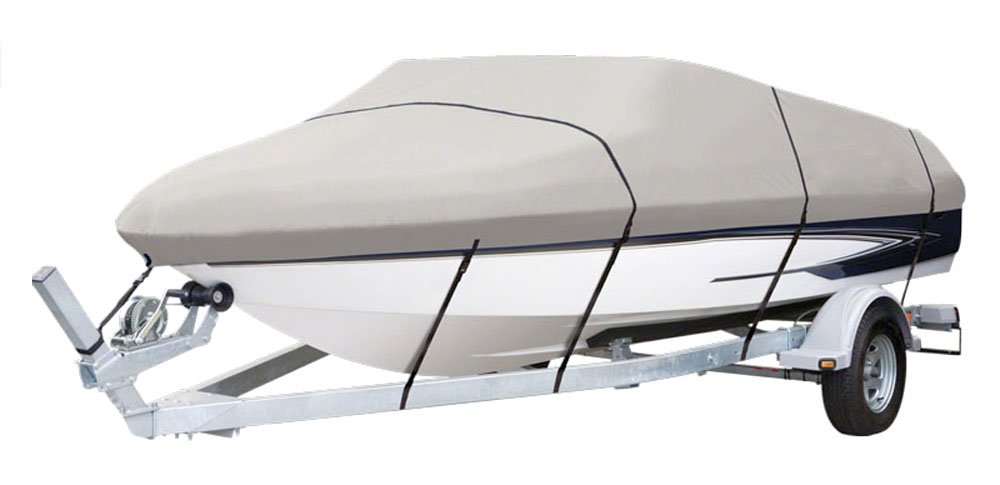
If you live in a climate where winter lows stay above 35°F, outdoor storage under a quality cover can work without catastrophic risk. You'll still deal with UV fade and moisture corrosion over time, but you won't face freeze damage. Add proper winterization and check the boat monthly, and you'll likely get through the season without major issues.
In climates where temps swing above and below freezing repeatedly, outdoor storage becomes a dice roll. Every freeze-thaw cycle risks trapped water expanding and cracking something.
OEM vs. Non-OEM Parts for Repairs After Storage Damage
If storage damage forces you into a rebuild—cracked block, destroyed water pump, corroded fuel system—you'll face the parts question.
OEM parts are reliable but overpriced. You're paying for the manufacturer's sticker. Non-OEM parts range from junk to excellent. Some factories that produce OEM components use excess capacity to make non-OEM parts of the same quality. JLM Marine sources parts this way—factory-spec quality without the dealership markup. You get proper fitment, the material lasts, and you don't burn cash unnecessarily. Browse our comprehensive Inboard & Outboard Motor Parts collection for OEM-quality parts at the best prices.
Avoid the $10 rebuild kits from random sellers. The rubber is too hard, gaskets don't seal, and you'll tear the motor apart again in six months. It's not worth the headache.
Timeline for Storage

Start winterization when daytime highs consistently drop below 50°F or when you know you won't use the boat for the next 30 days. If you're in a freeze zone, don't wait for the first freeze warning—by then, it's too late if water is trapped somewhere.
Pull the boat and winterize in October (northern states) or November (mid-latitudes). This gives you a buffer before hard freezes hit in December or January.
Next Steps

If you're leaning toward heated storage, call around now—heated spots fill up fast in northern states. If outdoor is your only play, budget $200-$600 for a custom cover or shrink-wrap and block out a weekend to winterize correctly. Skipping steps to save a Saturday afternoon can cost you thousands in spring.
Check your insurance policy to confirm coverage terms for winter storage. If your policy requires indoor storage or professional winterization, follow it—you don't want to fight a denied claim over a cracked block.
Pro tip: after every ride, flush your engine with fresh water for five minutes, and spray the electrical connections with dielectric grease once a month during the season—this keeps corrosion from starting in the first place, so your thermostat and starter solenoid won't seize up next spring. For thermostat maintenance tips, see Thermostat Maintenance: Keeping Your Outboard Running Cool.
Sources
- https://www.appleministorage.com/winterizing-your-boat-is-heated-storage-enough/
- https://www.youtube.com/watch?v=ifWmE8vT7Xk
- https://stackkly.com/The-Benefits-of-Indoor-Boat-Storage-and-How-to-Find-It-Near-You
- https://www.tpgmarinas.com/post/indoor-vs-outdoor-boat-storage-which-option-is-right-for-you
- https://www.fishandski.com/blog/ultimate-guide-to-storing-outboard-motors---best-practices-for-safe-storage--55934
- https://osmarineservice.com/2025/02/06/winter-storage-tips-for-outboard-motors/
- https://www.bbcboards.net/showthread.php?t=58725
- https://www.bbcboards.net/showthread.php?t=674974&page=2
- https://blog.strongsmarine.com/lifestyle/is-outdoor-winter-boat-storage-a-good-idea
Hi—I’m Jim Walker
I grew up in a Florida boatyard, earning pocket money (and a few scars) by rebuilding outboard carbs before I could drive. That hands-on habit carried me through a Ph.D. in mechanical engineering, where I studied how salt water quietly murders metal.
I spent ten years designing cooling systems for high-horsepower outboards, then joined JLM Marine as CTO. We bench-test every new part in the lab, but I still bolt early prototypes onto my own 23-foot skiff for a weekend shake-down— nothing beats real wake and spray for finding weak spots.
Here on the blog I share the fixes and shortcuts I’ve learned so your engine—and your day on the water—run smooth.

For Boat Owners:
To assist you in maintaining and repairing your marine engines, we hope the following resources may be of use:
- Mercury Serial Number Guide
- Owner's Manuals from Mercury
- Official Model Number Reference Guide PDF from BRP
- Johnson Serial Number Guide
-
Boat Accessories from JLM Marine
About JLM Marine
Founded in 2002, JLM Marine has established itself as a dedicated manufacturer of high-quality marine parts, based in China. Our commitment to excellence in manufacturing has earned us the trust of top marine brands globally.
As a direct supplier, we bypass intermediaries, which allows us to offer competitive prices without compromising on quality. This approach not only supports cost-efficiency but also ensures that our customers receive the best value directly from the source.
We are excited to expand our reach through retail channels, bringing our expertise and commitment to quality directly to boat owners and enthusiasts worldwide.
Boat Accessories on Sale
- $54.00
- $54.00
- Unit price
- per
- $38.50
- $38.50
- Unit price
- per
- From $39.13
$45.50- From $39.13
- Unit price
- per


- $53.50
- $53.50
- Unit price
- per
- From $54.00
- From $54.00
- Unit price
- per
- $34.50
- $34.50
- Unit price
- per


- $34.50
- $34.50
- Unit price
- per


- $54.00
- $54.00
- Unit price
- per
- $23.50
- $23.50
- Unit price
- per
-
Red
-
Blue


- $54.00
- $54.00
- Unit price
- per
- $45.00
- $45.00
- Unit price
- per
- $32.00
- $32.00
- Unit price
- per

- $40.00
- $40.00
- Unit price
- per
- $22.80
- $22.80
- Unit price
- per
-
Red
-
Blue
- $22.80
- $22.80
- Unit price
- per
-
Red
-
Blue


- $31.50
- $31.50
- Unit price
- per


- $59.00
- $59.00
- Unit price
- per

- $22.80
$27.00- $22.80
- Unit price
- per


- $54.00
- $54.00
- Unit price
- per

- $32.00
- $32.00
- Unit price
- per