


When to Seek Professional Help vs DIY Fix
- What You Can Handle Yourself
- When You Need to Stop and Call Someone
- Permits, Warranties, and Legal Requirements
- Planning Your Repair

Look, you're staring at a problem with your outboard and asking yourself: "Can I fix this, or do I need to call someone?" I've been turning wrenches on outboards for 20 years, and that question comes up every single day in the shop. Some jobs are straightforward—you grab the right socket, follow the steps, and you're back on the water. Others? You touch the wrong thing and you're looking at a blown powerhead or a fuel system fire.
The line between "doable" and "dangerous" isn't always obvious, but it's real. According to industry data, 37% of people who try DIY repairs end up calling a pro to fix their mistakes. That's not just wasted time—58% blow their budget because of errors, with 38% paying $500 or more to repair the damage they caused. You're not saving money if you have to pay double to undo what you did wrong.
What You Can Handle Yoursel
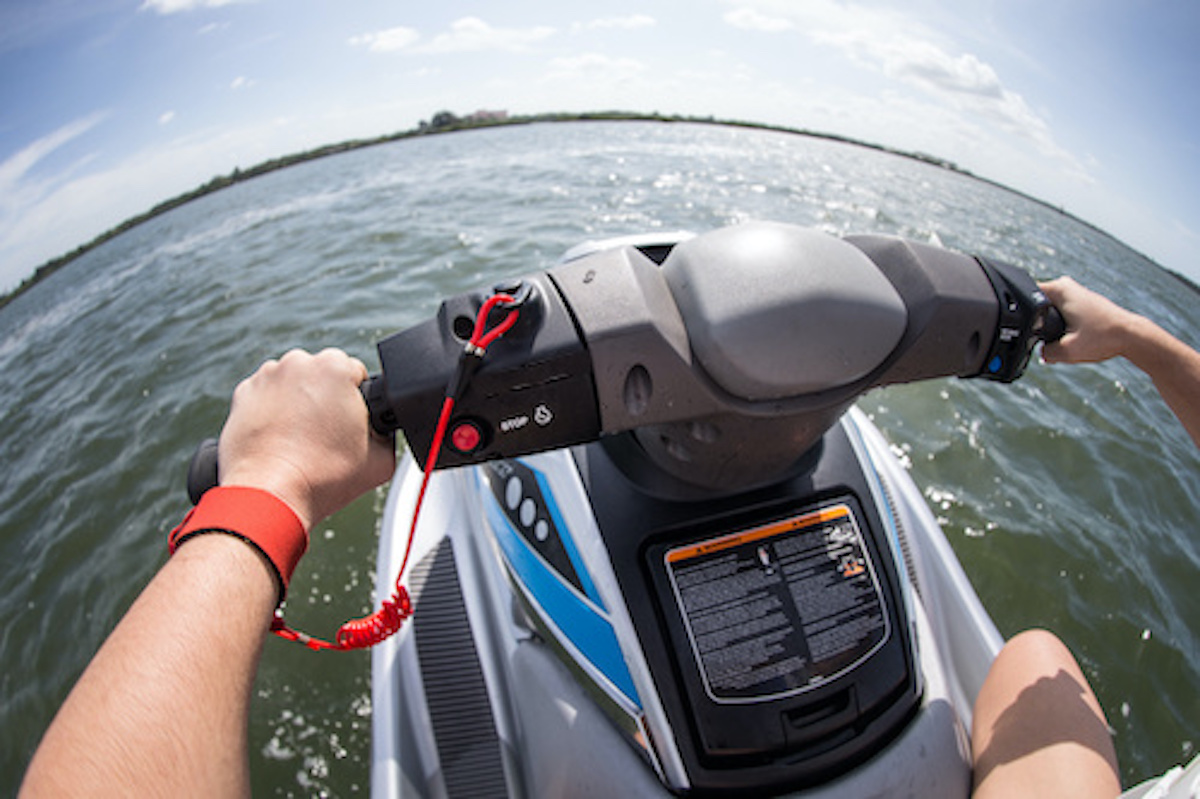
Certain maintenance tasks are low-risk and high-reward. If you can follow a procedure and you've got basic hand tools, you'll save cash and keep your engine running clean.
Routine Maintenance That Prevents Bigger Problems
Changing your lower unit oil, replacing the fuel filter, swapping spark plugs, cleaning the carb bowl—these are all jobs that keep you out of the shop. A clogged fuel filter will starve your engine and leave you drifting. Swapping it takes ten minutes and costs $15. Waiting until the engine quits and you're stuck offshore? That's a tow bill and lost fishing time.
Same with lower unit oil. Pull the drain screw, check for metal shavings or milky fluid (water intrusion), refill with the correct weight. If you see metal or water, that's your signal to dig deeper or call someone. But the oil change itself? Straightforward.
Flushing your engine after every saltwater run prevents the kind of corrosion that clogs your cooling passages. It's not glamorous, but it's the difference between a thermostat that lasts five seasons and one that seizes after two. You can learn optimal ways to perform this in our guide on Saltwater Use and Overheating: Prevention Tips.
Skills and Tools You Actually Need
For basic jobs, you need a metric and SAE socket set, a good set of screwdrivers (Phillips and flathead), needle-nose pliers, an adjustable wrench, and a lower unit oil pump. If the job calls for a specialty puller or a torque wrench you don't own and won't use again, stop and reconsider.
Before you start, watch a full video walkthrough. Not just the highlights—watch someone do the entire job start to finish. If you're confused about a step or you don't recognize the part they're holding, that's a warning. DIY satisfaction hovers around 67–71%, while professional work sits at 76–79%. Sometimes the time, frustration, and risk aren't worth the savings.
When You Need to Stop and Call Someone
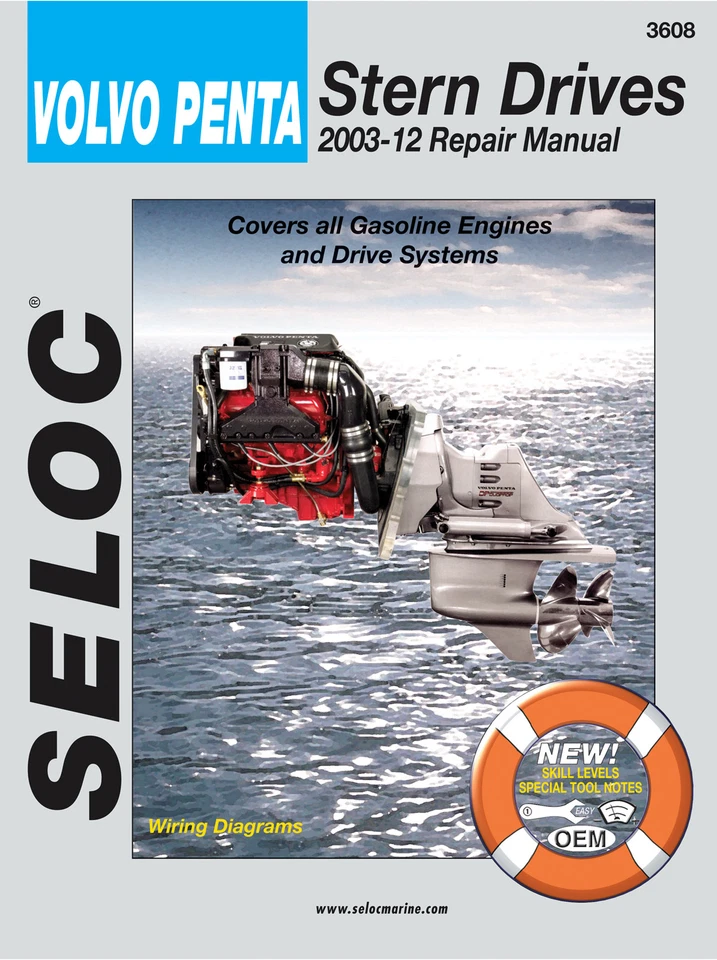
Some jobs will hurt you, wreck your engine, or both. The cost of getting it wrong isn't just money—it's safety.
High-Risk Work Requiring Certification or Experience
Anything involving the fuel system beyond filters and hose clamps—rebuilding carburetors with internal passages, replacing fuel pumps on EFI systems, diagnosing electrical faults in the ignition or charging system—these require diagnostic tools and knowledge you probably don't have. Electrical work is a prime example; messing with stator output, rectifier testing, or rewiring the harness can cause fires or leave you stranded. For detailed steps on carburetor servicing, consider our Yamaha Outboard Carburetor Rebuild Tutorial.
Powerhead work—pulling the head, lapping valves, honing cylinders, replacing piston rings—requires measuring tools (micrometers, bore gauges), a service manual with torque specs, and experience reading wear patterns. If you've never done it, your first attempt shouldn't be on your only engine.
Lower unit seal replacement is another gray area. Pulling the lower unit is easy. But replacing the drive shaft seal, pinion seal, or shift shaft seal without the right drivers and sealant? You'll have water in your gear oil by the second trip, and now you've got bearing damage on top of the original leak. For more on water pump maintenance, check our Water Pump Repair Kit vs. Impeller Only: What Does Your Outboard Need?.
The Real Cost of Mistakes
We've seen people try to rebuild a fuel pump without a kit that includes the correct diaphragm material. The aftermarket diaphragm swells in ethanol fuel, the pump stops pulling, and the engine leans out and seizes. On average, DIY errors that cause damage run about $599 to fix, but on an outboard, a seized powerhead can cost you $2,000 to $4,000 depending on the model.
A bad electrical connection in the kill switch circuit can leave you unable to shut the engine off. A misaligned lower unit installation can chew through your water pump impeller in one outing, overheat the engine, and warp the head. These aren't hypothetical—these are the jobs that show up in the shop every season.
Permits, Warranties, and Legal Requirements

If your engine is under warranty, read the fine print. Many manufacturers void coverage if you perform unauthorized repairs or use non-OEM parts without proper documentation. That doesn't mean you can't do the work—it means you need to know what's allowed.
When Documentation and Compliance Matter
If you're repowering a boat or installing a new engine, local regulations may require specific placards, capacities, or emissions compliance depending on your state and the engine year. Installing a used engine without verifying its compliance can get you fined during an inspection.
For commercial operators, insurance often mandates that certain repairs—anything affecting safety systems like steering, throttle, or kill switches—be done by a certified marine technician. A DIY fix might work, but if something fails and you're carrying passengers, your liability coverage could be denied.
Planning Your Repair
Whether you're doing it yourself or hiring it out, planning prevents surprises and keeps the job on track.
Diagnosing Before You Disassemble
Don't pull parts off until you've confirmed the diagnosis. If your engine won't pee water, check the telltale stream first. If it's weak at idle but strong at throttle, you likely have a partial blockage in the cooling passage, not a failed impeller. Pull the thermostat and inspect it. If it's stuck closed, replace it. If it's fine, pull the lower unit and check the impeller and the water tube grommet. For guidance, see our How to Replace a Mercury Outboard Water Pump Impeller: A Step-by-Step Guide and also the How to Replace the Thermostat on Your Yamaha F225, F250, or F300 4.2L V6 Outboard Motor.
Engines that lose prime often have a cracked fuel line between the tank and the bulb, or a leaking bulb itself. Pressurize the system with the bulb and listen for hissing. That's faster than tearing apart the fuel pump.
Getting the Right Parts
OEM parts fit and they work, but you're paying a markup. Non-OEM quality varies—some factories that produce OEM components also make aftermarket versions during off-shifts, and the quality is nearly identical. JLM Marine sources from these factories. You get the factory-spec gasket material, the correct impeller vane count, and the right durometer rubber, but without the dealership price. Explore our wide range of outboard motor parts for reliable components.
Cheap offshore kits are a different story. We've seen impellers with too few vanes, oil seals with incorrect lip angles, and gaskets made from material that dissolves in modern fuel. You'll spend the same amount of time installing it, but it'll fail in half the time. If you're going to do the work, use parts that last.
Consulting a Technician Before Major Work
If you're not sure whether a job is within your range, call a shop and ask. Most techs will give you a straight answer about whether it's doable for a DIYer. If you describe the symptoms and they immediately say "You need to pull the powerhead," that's your signal to let them handle it.
For hybrid jobs—where you do the disassembly and the shop does the machining or specialized work—clarify costs up front. Some shops won't warranty work if you did part of it yourself, so ask before you start pulling bolts.
Flush your cooling system with fresh water after every saltwater outing. It takes two minutes and prevents the thermostat, exhaust passages, and powerhead from corroding shut. See our Cooling System collection for quality parts to maintain this critical system.
For the full range of options and expert marine parts, start at the JLM Marine homepage.