





Dieseling (Engine Run-On) in Outboards: Causes & Prevention

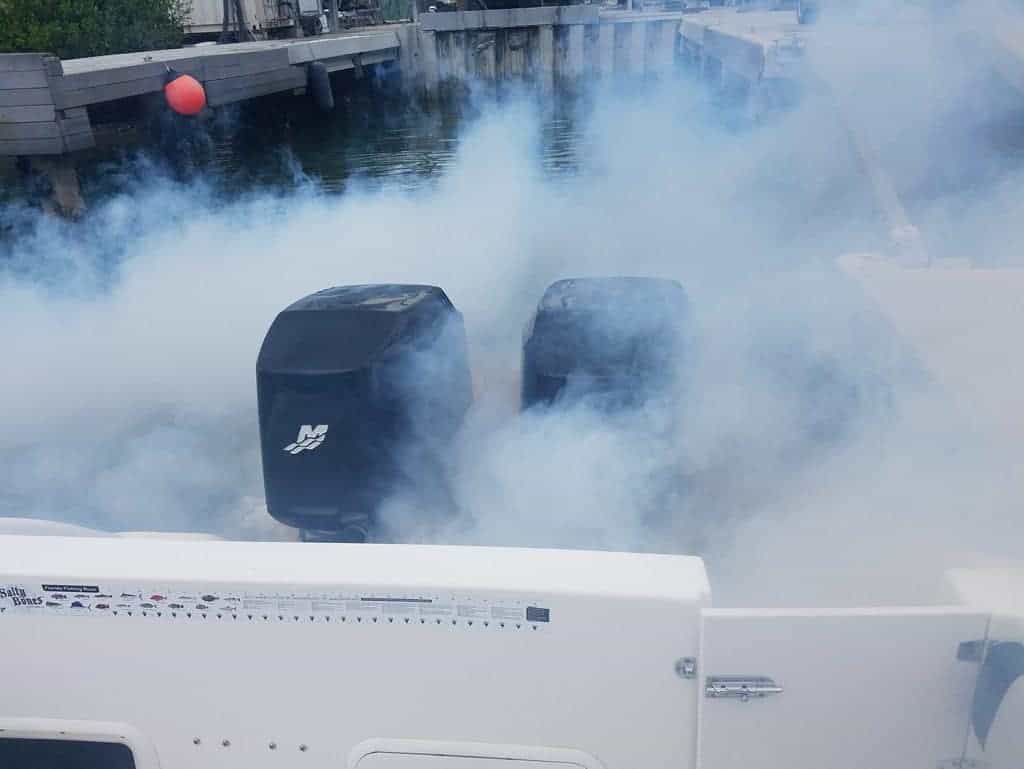
You shut off your outboard and it keeps chugging for a few seconds, maybe spitting black smoke. That's dieseling. It's run-on—the engine firing without spark because hot spots inside the combustion chamber are igniting the fuel. Happens most on carbureted gasoline outboards when they're hot. Not catastrophic usually, but noisy and it'll lead to bigger problems if you ignore it.
The symptoms are simple: motor keeps running after you turn the key off. Could be a rough sputter or a smoother continuation. Almost always happens only when the engine is hot. We see it a lot on older carbureted models, and the 4.3L block is a regular offender.
What Causes Dieseling in Outboard Motors
When an engine diesels, it's firing without spark. Hot spots—usually glowing carbon deposits—are doing the ignition work. A few things cause this.
Combustion Chamber Running Too Hot
Your engine has to be hot for this to happen. Heat causes carbon deposits to glow red. Those embers ignite the fuel-air mixture spontaneously. Engine run-on occurs when hot carbon acts like a glow plug, continuing combustion after you shut down.
Ignition Timing Set Too Advanced
If timing is advanced too far, the spark fires before the piston hits top dead center. This increases cylinder pressure and temperature during the compression stroke, making spontaneous ignition way more likely. Backing off timing by 2 degrees often makes a difference. That retard lowers peak cylinder pressure and peak temperature, which reduces the chance of hot spots igniting fuel.
Carbon Buildup on Pistons and Valves
Over time, carbon deposits form on piston tops, cylinder heads, and exhaust valves. Rich fuel mixtures or old oil breaking down accelerate this. These deposits retain heat—when the engine gets hot, they glow cherry red and act like tiny spark plugs. A few causes of dieseling include glowing carbon deposits on piston and/or valves from too rich idle mixture, idle speed set a bit too high. We've seen engines run for years with a slightly rich idle, and the combustion chambers end up looking like charcoal briquettes. This buildup is the primary driver of self-ignition after shutdown.
Low Octane or Poor Quality Fuel
Many older outboards and the 4.3L block were designed for better than 87 octane. Using low-octane fuel in an engine prone to dieseling is asking for trouble. Low-octane fuel is more volatile and ignites easier under heat and pressure. When you combine that with hot spots or advanced timing, you get run-on. Poor quality fuel like old or contaminated gas contributes to dieseling. Ethanol-blended fuels degrade faster and leave deposits that worsen the problem.
We often see guys jump from 87 to 89 octane and the problem disappears. Sometimes you need 91 or 93 if the engine's really fighting it. The cost difference is minimal compared to engine wear.
High Idle Speed and Carburetor Problems
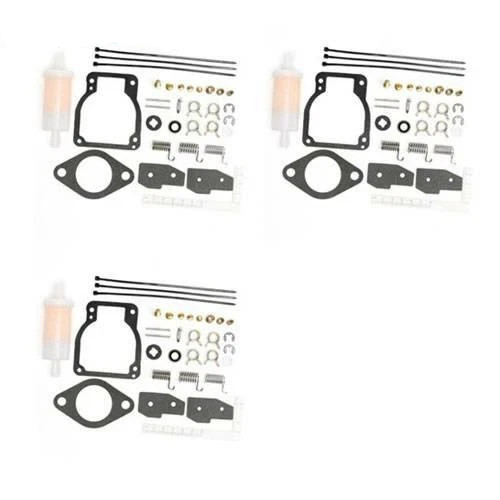
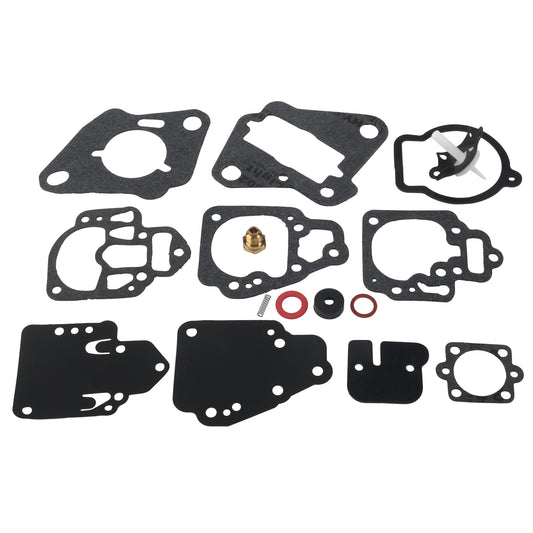
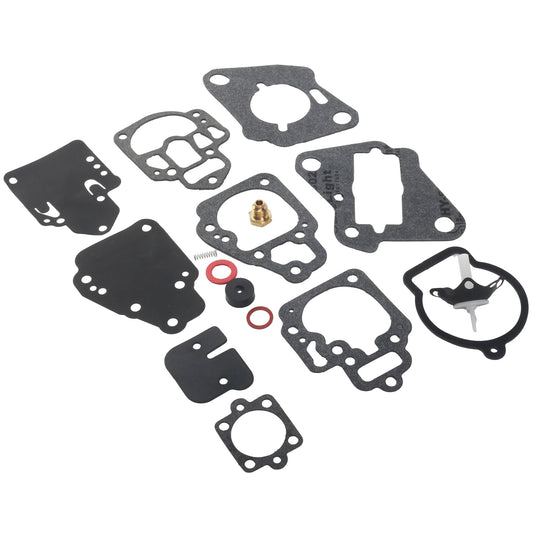
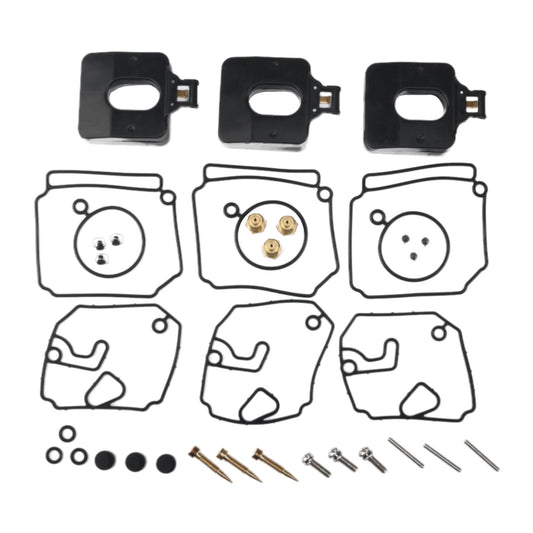
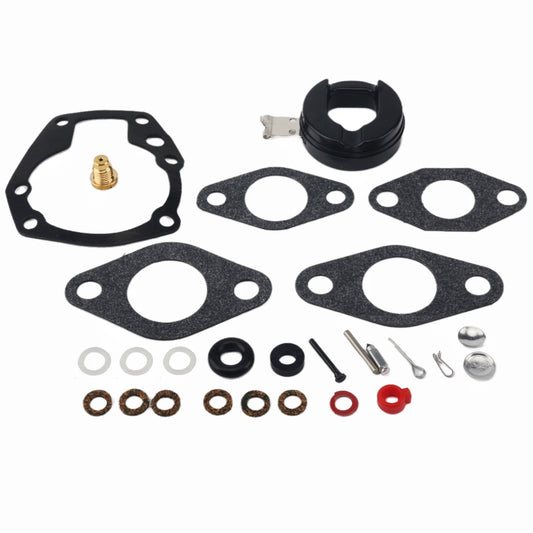
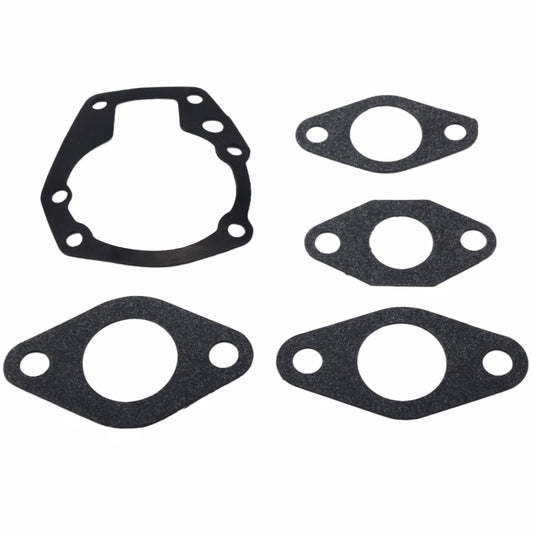
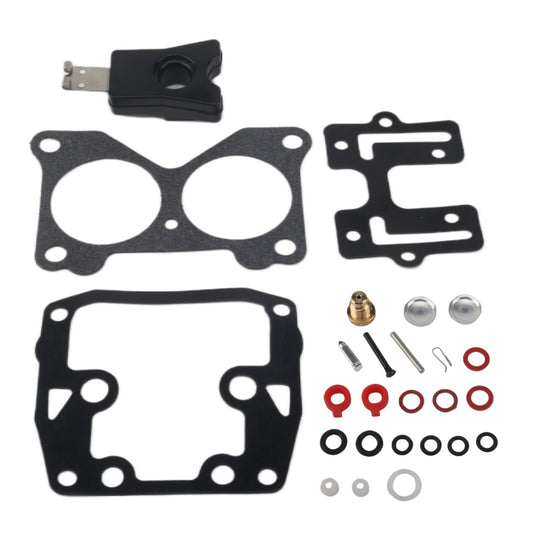
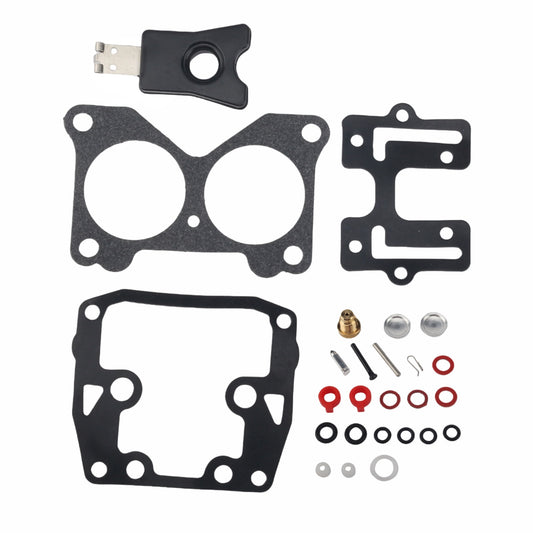
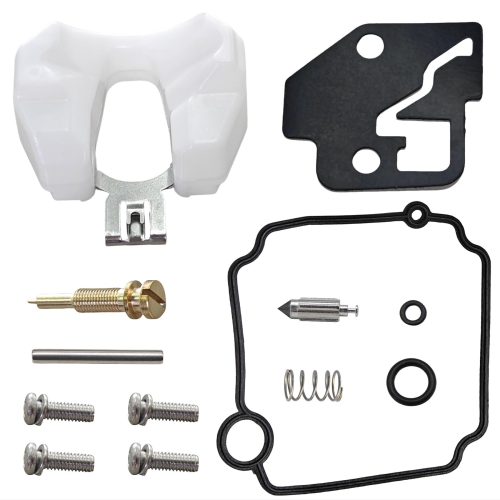
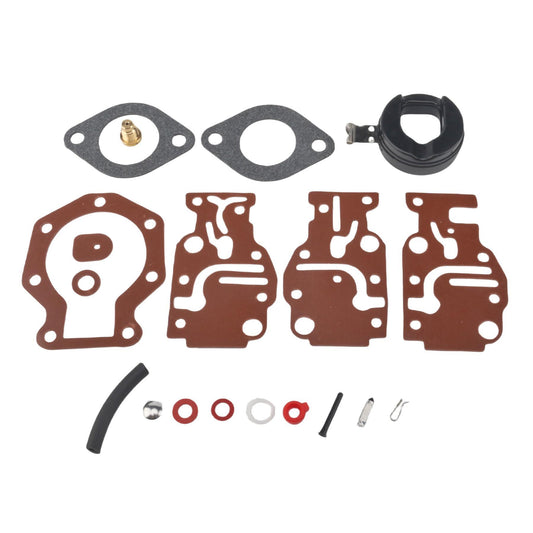
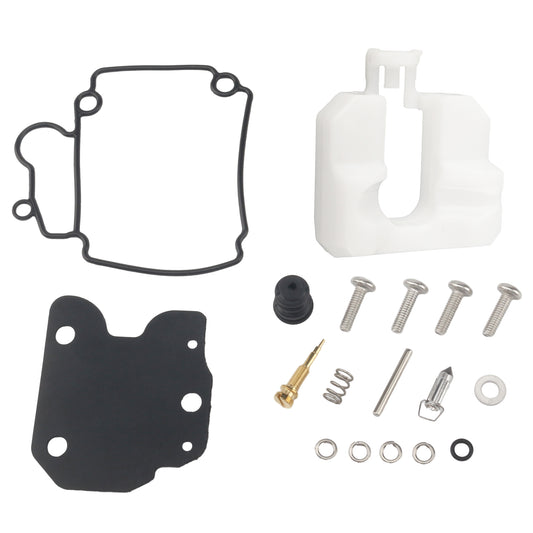
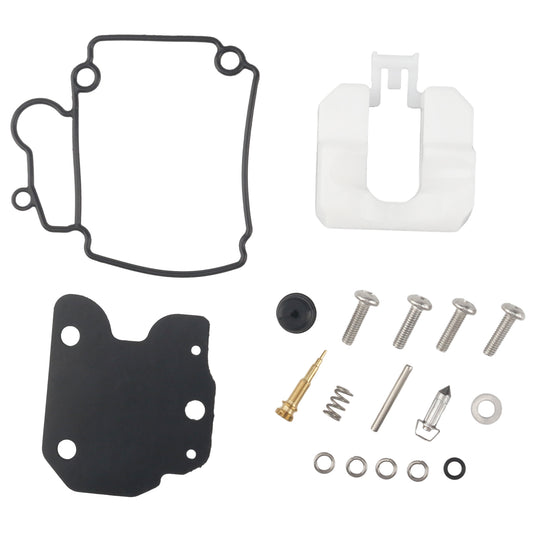
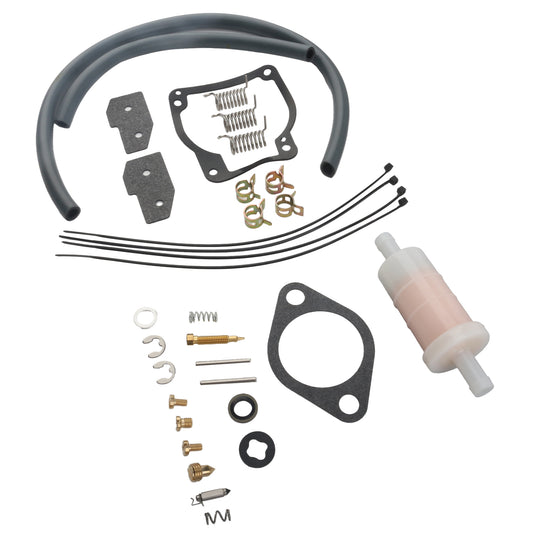
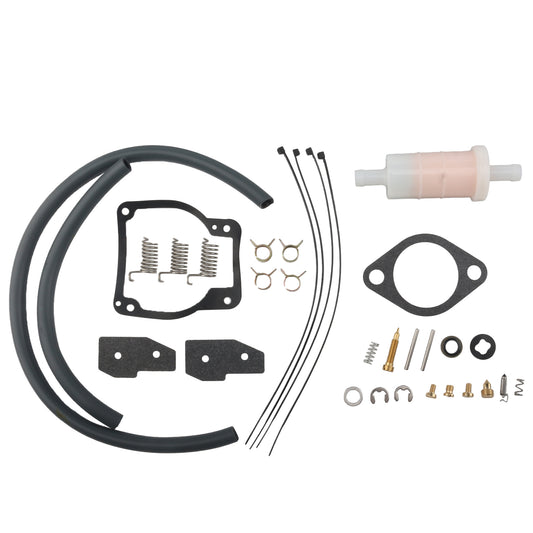
If your idle is set too high, the throttle plates stay open enough to let air and fuel flow after shutdown. Excessive idle speed holds throttle open, allowing residual fuel flow. Improper carburetor adjustment—like transfer slots exposed when the throttle plates are closed, or leaking accelerator pumps—can supply fuel post-shutdown. Run-on is also known as dieseling, usually a lean condition causing it, primaries are too high, idle mixture is way off or timing is way off. If you need parts to fix your carburetor, consider the available carburetor repair kits and carburetors from JLM Marine.
Mercruiser and Volvo Penta 4.3L Specific Issues
We've worked on hundreds of 4.3L engines. Dieseling is a frequent complaint with these blocks. They're reliable workhorses, but they're particularly susceptible to carbon buildup and timing issues if maintenance slips. The intake manifold design and cooling flow patterns on these engines can create localized hot spots that exacerbate the problem. Service bulletins from Mercruiser (like older TSBs addressing hot restart and run-on issues on 4.3L V6 models) often recommend specific timing checks, spark plug upgrades, or carburetor idle stop solenoid retrofits to combat this exact issue. Always check if there's a bulletin for your specific year and model.
Spark Plug Heat Range and Dieseling
Spark plugs do more than ignite—they manage combustion chamber temperature.
Understanding Heat Range
Every spark plug has a "heat range" describing how fast it transfers heat from the firing tip to the cooling system. A "hotter" plug retains more heat at the tip; a "colder" plug dissipates heat faster. For engines prone to dieseling, especially at higher operating temps, a slightly hotter plug can help. The hotter plug burns off carbon deposits more effectively during normal operation, preventing them from building up to the point where they glow.
But there's risk. If your engine is overheating due to lean conditions or cooling system failure, stepping to a hotter plug can cause damage. The plug can overheat, causing pre-ignition during normal operation or even electrode melting. Only go hotter if the engine is running at normal temperature and you're trying to prevent carbon buildup, not if you're chasing an overheating issue.
Checking and Changing Plugs
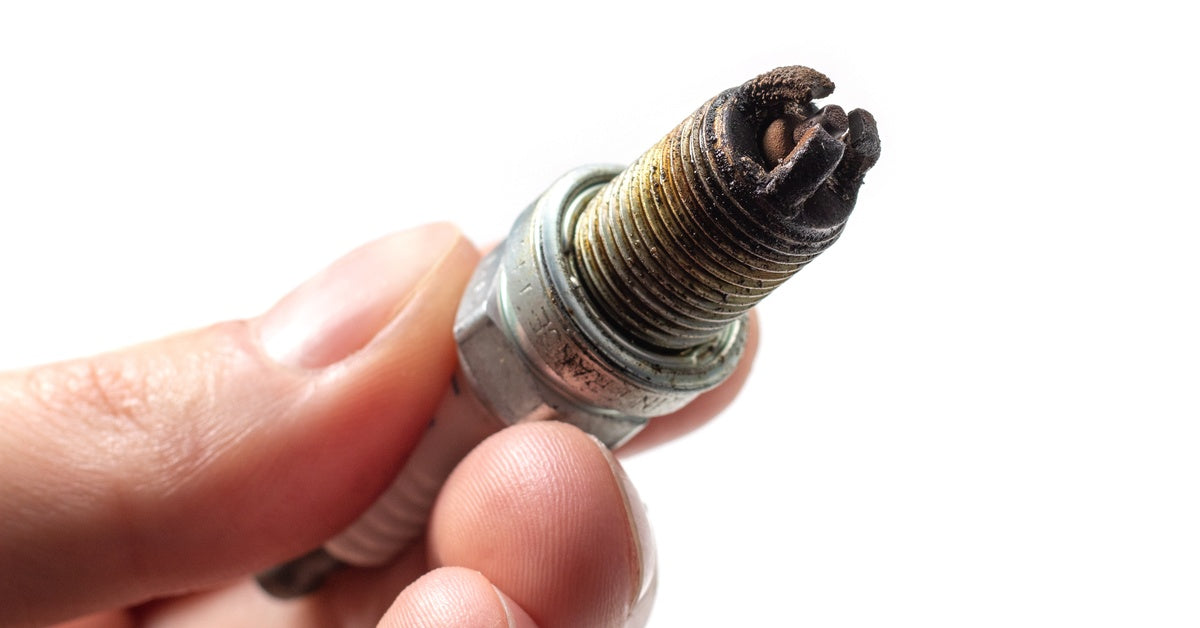
Pull your spark plugs. Look for black sooty deposits, oil fouling, or excessive wear. Fouled plugs indicate incomplete combustion or oil contamination. If they're neglected, that's a clear signal. For many 4.3L motors, stepping up one heat range can help. For example, if your engine originally called for an NGK TR5, try an NGK TR6. Always verify the correct plug type and gap for your specific engine by consulting your owner's manual or NGK's official spark plug heat range charts.
When you pull the plugs, "read" them. Blistering on the ceramic insulator indicates heat issues—the plug's too hot or the engine's running lean. Heavy black soot means rich mixture. Tan or light gray is normal.
Fuel Octane and Quality
The fuel you put in your boat matters more than most people think.
Why Octane Matters
Relying on 87 octane in engines running hot, near operating limits, or with existing carbon buildup is often insufficient to prevent pre-ignition. Lower octane fuels have combustion characteristics that make them ignite more easily under pressure. Low-octane fuel prone to detonation exacerbates auto-ignition tendencies.
When and Why to Upgrade Octane
If your engine is dieseling, upgrading fuel is the first practical fix after checking the basics. Start with 89 octane. If that doesn't fully resolve it, step up to 91 or 93. We've shipped parts worldwide—Australia, Europe—and this fuel recommendation is universal once guys hit warmer waters or higher altitudes.
Marine Gas vs. Pump Gas
Most marinas offer 87 octane ethanol-free "marine gas," which is better than standard pump gas with ethanol. Ethanol-blended fuels degrade faster, attract water, and leave deposits that contribute to running lean or hot. If you can get ethanol-free fuel at 89 or higher octane, that's your best bet. If you're stuck with pump gas, use a quality fuel stabilizer to slow degradation and keep your tanks topped off to minimize moisture.
Beyond octane, old or stale fuel can lead to less efficient combustion, more deposits, and higher operating temps—all contribute to dieseling. Some mechanics swear by adding Seafoam periodically to break down existing carbon deposits and keep things clean. For fuel filtration to protect your engine, browse quality fuel filters collection.
How to Diagnose and Fix Dieseling: 6-Step Guide
Here's how we'd troubleshoot this step-by-step.
Safety First
Before you start, work in a well-ventilated area. If you're in an enclosed engine bay, run your bilge blower. You'll be working with ignition sparks (timing lights) and fuel vapors—don't skip this. Keep a fire extinguisher nearby.
Tools You'll Need
- Timing light
- Socket set
- Spark plug gap tool
- Spark plug socket
- Screwdrivers (flathead and Phillips)
- Owner's manual or service manual
Step 1: Record Engine Details
Know exactly what you're working with. Grab your engine's manual or check the manufacturer's tag. Record year, horsepower, make, and model. If you have a 4.3L, note that specifically. This info is critical for looking up correct parts and specs.
Step 2: Inspect and Replace Spark Plugs
Pull out the spark plugs. Look for fouling, excessive wear, or incorrect gap. If they look questionable, replace them all. Consider stepping up one heat range if your engine might benefit (4.3L often does). Verify the heat range recommendation for your specific engine model. Always use quality plugs—NGK, Champion, or equivalent OEM-spec plugs. Don't cheap out with $2 plugs from a random seller; the electrode material is junk and they'll foul fast.
Gap them to spec. A plug gapped too wide or too narrow won't fire correctly and can contribute to incomplete combustion and carbon buildup.
Step 3: Check and Adjust Ignition Timing
You'll need a timing light. Connect it according to the instructions for your engine. Many marine ignitions (especially Mercruiser and Volvo Penta models) require you to shunt the ignition system into "base timing mode" before checking. This usually means disconnecting a specific wire or grounding a terminal to lock out the electronic advance. Check your manual—this step is critical. If you check timing with the advance active, your reading will be wrong.
Check your manual for base timing spec, usually at idle when the engine is at operating temperature. If your timing is advanced too far, back it off by rotating the distributor. Usually, we'll retard it by 2 degrees to see if that helps. Loosen the distributor hold-down bolt, rotate the distributor slightly (clockwise typically retards timing), and re-tighten. Recheck with the timing light. You should hear the engine RPM drop slightly and smoothen out as you retard the timing.
Always follow the correct procedure for your engine. Some systems have locked timing or require specific procedures.
Step 4: Lower Idle Speed
High idle is a primary mechanical cause of dieseling that often gets overlooked. If your idle is set too high, the throttle plates stay open enough to sustain combustion even after ignition shutdown. Locate the idle speed adjustment screw (usually on the carburetor throttle linkage). Turn it counterclockwise to lower idle RPM. Consult your manual for the correct idle RPM spec—usually around 600-800 RPM in gear for most outboards. A lower idle reduces airflow and makes it harder for residual heat to sustain combustion.
Step 5: Clean Carbon Buildup
You can tackle carbon deposits a few ways. Many mechanics recommend using a quality decarbonizing spray that you introduce into the carburetor while the engine is running at slightly elevated RPM. Follow the product instructions carefully. The "soak" method works well: with the engine warm, spray the decarbonizer into the carb throat while holding RPM at around 1500-2000, then shut it down and let it soak for 15-30 minutes before restarting and running it hard to blow out loosened carbon.
Alternatively, run a higher octane fuel with a generous dose of Seafoam in the tank for a few tanks to help slowly break down deposits. For severe buildup, professional cleaning or even a top-end teardown might be necessary. For parts during maintenance, check the outboard motor parts collection for carburetor components and cleaning supplies.
Step 6: Test with Higher Octane Fuel
After addressing plugs, timing, idle speed, and cleaning, fill your boat with higher octane fuel—start with 89 if you were using 87. Take it out for a run, let the engine get good and hot, then shut it down. Listen carefully. A healthy shutdown should be instant—no chugging, no sputtering, just silence. If the dieseling is gone or significantly reduced, you've found your solution.
What If Nothing Works?
If you've gone through these steps and still have run-on, dig deeper. Check for vacuum leaks at the intake manifold or carburetor base gasket—leaks cause lean conditions and overheating. Verify carburetor throttle plate alignment; if the plates are warped or the shaft is worn, they won't close fully. Check if your carburetor has an electromagnetic idle cutoff solenoid (common on later carbureted models)—if it's faulty, it won't block airflow post-shutdown. Electromagnetic idle cutoffs on carbs block air post-shutdown to prevent run-on.
Search for manufacturer service bulletins specifically for dieseling or hot engine run-on for your model. Sometimes there are known issues with specific components like fuel injectors (on EFI models, dieseling is rare but can happen due to leaking injectors), internal engine wear, or cooling system deficiencies. If you're not comfortable, reach out to a qualified marine mechanic.
Preventing Dieseling: Best Practices
Stick to a Regular Maintenance Schedule
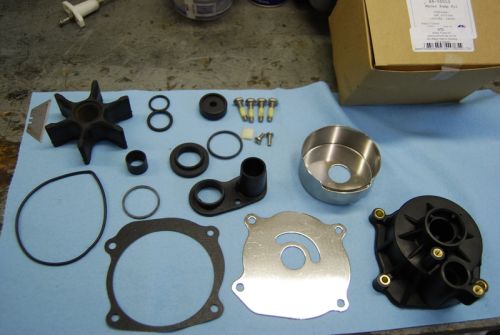
Follow your recommended maintenance intervals. Regular spark plug checks and replacements, periodic ignition timing verification, and ensuring your engine's cooling system is in top shape all prevent overheating and carbon buildup. Carbon deposits are less likely to form and get out of hand if the engine runs cool and clean. For guidance on cooling system upkeep, see the cooling system parts collection to find water pumps, thermostats, and impellers that keep your engine running cool.
Use the Right Fuel Consistently
Know what your engine manufacturer recommends for octane. When in doubt, use higher octane, especially if you run your boat hard or in warm conditions. Use a quality fuel stabilizer if your boat sits for extended periods. Consider using Top Tier detergent gasoline, which has higher detergent levels to reduce deposits.
Avoid Overheating
Watch your temperature gauge. If your engine runs hotter than it should, address it immediately. Overheating accelerates carbon buildup and increases dieseling risk. Ensure your cooling system is clean and functioning—check the raw water intake screens, verify the water pump impeller is good, and flush the system with fresh water after every saltwater outing. Regular maintenance like flushing cooling systems prevents corrosion and buildup aiding run-on.
Watch for Differences Between Freshwater and Saltwater Use
Saltwater corrosion can affect cooling system components, restricting flow and causing overheating. If you boat in saltwater, be extra diligent about flushing and inspecting anodes. Corroded cooling passages or a failing thermostat will spike engine temps and contribute to dieseling.
Carburetor Maintenance
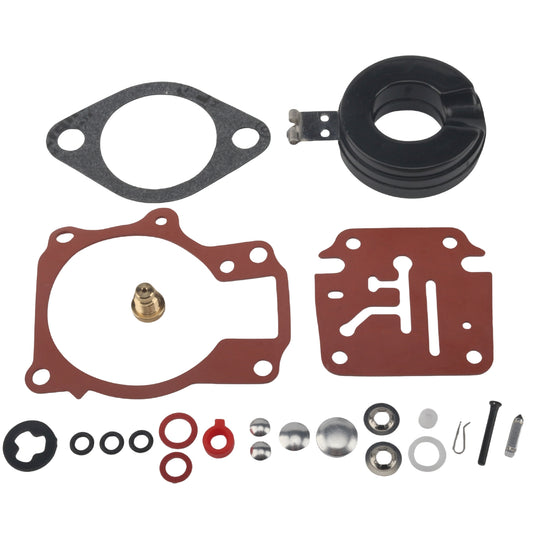
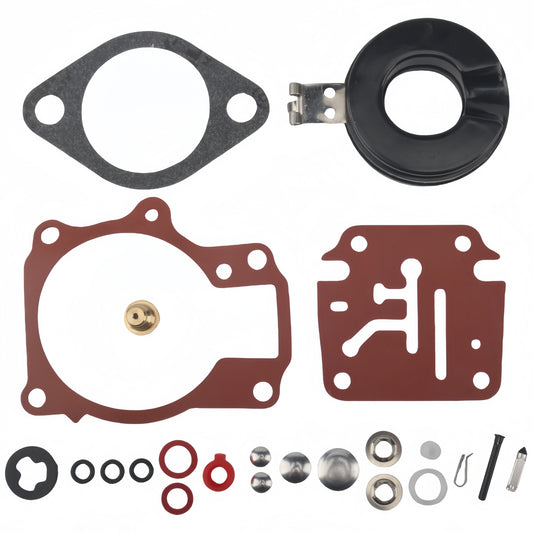
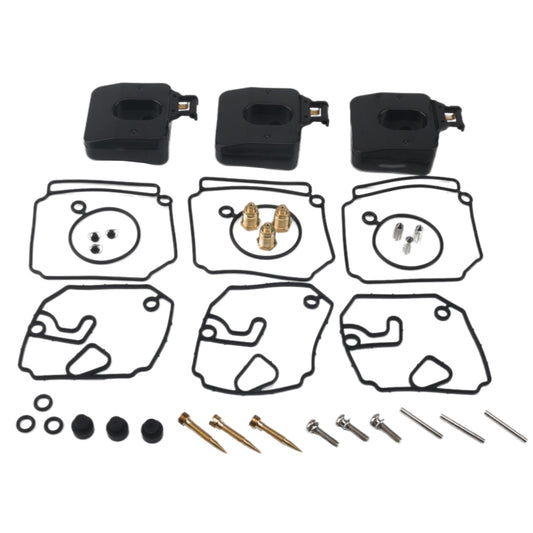
If you have a carbureted engine, rebuild or clean the carburetor every few years, especially if the boat sits for long periods. Varnish buildup from old fuel can stick throttle plates open or clog idle circuits, contributing to run-on. This is especially important if you use ethanol fuel, which degrades faster and leaves more deposits. Browse the carburetor repair kit collection for quality parts to maintain your fuel system.
Keep your air filter clean. A clogged air filter restricts airflow, richens the mixture, and can increase carbon buildup.
If your engine runs for more than a few seconds after shutdown, check your idle mixture and speed. After every ride, especially in saltwater, flush your engine with fresh water for at least 10 minutes to keep the cooling system clear and prevent deposits that raise combustion temps.
For more parts, accessories, and tips for maintaining your overall marine equipment, visit the JLM Marine homepage.
Links added:
For Outboard Owners:
To assist you in maintaining and repairing your marine engines, we hope the following resources may be of use:
-
Carburetors from JLM Marine
-
Carburetor Rebuild Kits from JLM Marine
About JLM Marine
Founded in 2002, JLM Marine has established itself as a dedicated manufacturer of high-quality marine parts, based in China. Our commitment to excellence in manufacturing has earned us the trust of top marine brands globally.
As a direct supplier, we bypass intermediaries, which allows us to offer competitive prices without compromising on quality. This approach not only supports cost-efficiency but also ensures that our customers receive the best value directly from the source.
We are excited to expand our reach through retail channels, bringing our expertise and commitment to quality directly to boat owners and enthusiasts worldwide.
Carburetor Repair Kits on Sale
- $46.00
$55.00- $46.00
- Unit price
- per
- $24.99
$29.00- $24.99
- Unit price
- per
- $18.13
$59.00- $18.13
- Unit price
- per

- $19.50
$23.00- $19.50
- Unit price
- per
- $17.39
$22.50- $17.39
- Unit price
- per

- $16.99
$20.00- $16.99
- Unit price
- per


- $21.99
$24.00- $21.99
- Unit price
- per
- $21.19
$32.00- $21.19
- Unit price
- per
- $18.99
$15.00- $18.99
- Unit price
- per
- $15.99
$13.00- $15.99
- Unit price
- per

- $19.99
$23.00- $19.99
- Unit price
- per
- $25.50
$30.00- $25.50
- Unit price
- per

- $18.79
$15.00- $18.79
- Unit price
- per

- $21.99
$19.00- $21.99
- Unit price
- per

- $19.99
$23.00- $19.99
- Unit price
- per

- $20.89
$17.00- $20.89
- Unit price
- per
- $20.72
$18.00- $20.72
- Unit price
- per

- $17.68
$16.00- $17.68
- Unit price
- per
- $17.58
$23.00- $17.58
- Unit price
- per
- $30.50
- $30.50
- Unit price
- per