

Outboard Overheating 101: Quick Checks to Prevent Damage
- How Yamaha Outboards Overheat: The Usual Failures
- On-the-Water Diagnosis When the Alarm Sounds
- Dockside Checks and Component Inspection
- Overheating at Different RPMs: What It Means
- Preventing Overheating: Maintenance That Works
- Saltwater vs. Freshwater Considerations
- OEM vs. Aftermarket Parts for Cooling Components
- Sound and Smell: What Your Senses Tell You
- When to Call a Mechanic
- Troubleshooting Common Yamaha Overheating Questions

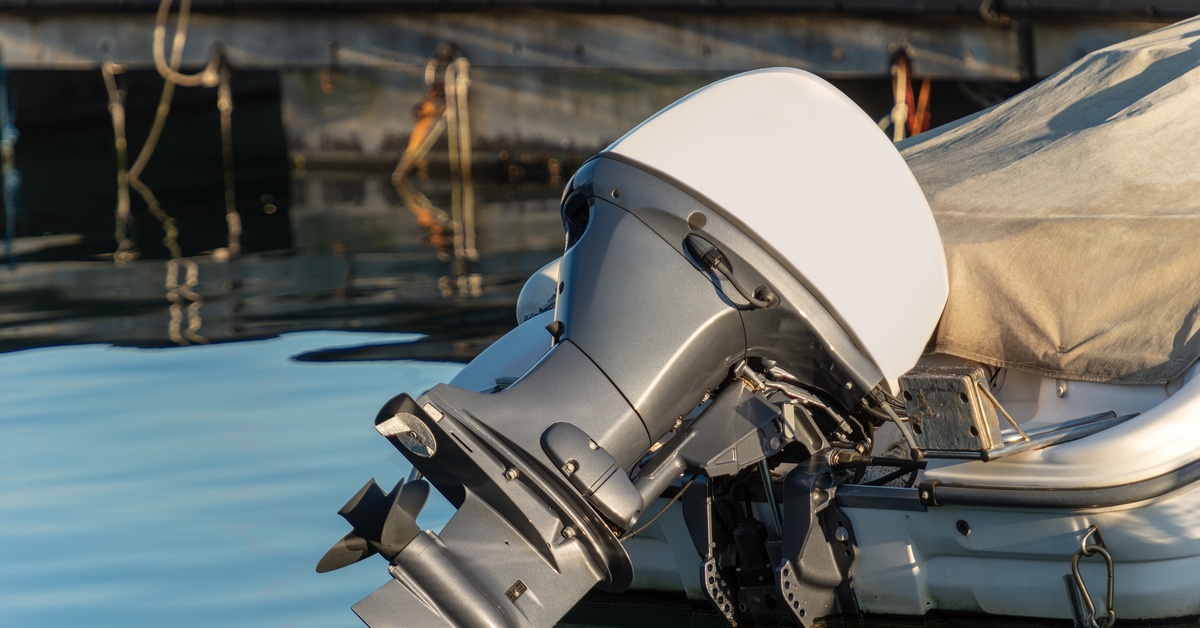
If your Yamaha outboard is overheating, you're looking at potential warped cylinder heads, blown gaskets, or complete engine seizure. I've been wrenching on outboards for 20 years, and I can tell you that most of the catastrophic failures we see at JLM Marine started as a simple cooling issue that got ignored.
Overheating sneaks up. It might be intermittent or only happen at wide-open throttle, making it easy to dismiss until you're dead in the water. This guide covers the checks you need to run, the parts that fail most often, and how to keep your Yamaha from cooking itself.
How Yamaha Outboards Overheat: The Usual Failures
Your cooling system pulls raw water through the lower unit, pushes it past the cylinders, and spits it out the tell-tale. When that flow stops or slows, temperatures climb fast. Above 230°F, you're damaging metal. Normal operating range sits between 140°F and 160°F depending on your model.
Impeller failure accounts for roughly eight out of ten overheating cases in our service records. The rubber fins crack, lose flexibility, or snap off completely. When that happens, water flow drops. At idle you might still see a trickle from the pee hole, but throttle up and the flow disappears—classic sign of a dying impeller. Running the engine dry for even 30 seconds or pushing it hard without proper maintenance accelerates wear. For detailed guidance, check our expert resource on signs your outboard impeller needs replacement.
Stuck thermostats are the second most common issue. The thermostat restricts flow when cold to help the engine warm up, then opens fully at operating temp. Salt, debris, and corrosion jam it shut. We've pulled thermostats that looked like they'd been cemented in place with crusty deposits. When it sticks closed, coolant can't circulate even if the impeller is perfect. Learn how to test a Yamaha outboard thermostat effectively in our guide on testing a Yamaha outboard thermostat in hot water.
Blocked intakes cause sudden overheating. The water intake grates on your lower unit suck in everything floating nearby: seaweed, plastic bags, sand, small fish. A partial blockage might not trigger an alarm at idle, but it will under load. Debris also works deeper into the cooling passages over time, building up inside the block where you can't see it.
Low oil contributes indirectly. When oil level drops, friction spikes, generating extra heat that the cooling system has to handle. On Yamaha digital gauges, owners sometimes confuse the low-oil-pressure alarm with the overheat alarm because both can trigger together under stress.
On-the-Water Diagnosis When the Alarm Sounds
Shut down immediately. Every second you keep running a overheated engine multiplies the damage. Throttle back and kill it as soon as it's safe. If you see steam coming off the powerhead or from the tell-tale, you're already in the danger zone—coolant isn't circulating and internal temps are critical.
Once you're anchored or tied to a dock, here's the sequence:
Check the tell-tale stream. At idle, you should see a strong, steady flow from the pee hole. Weak, intermittent, or no flow means stop. Don't restart. The water coming out should be warm to the touch but not scalding; if droplets sizzle and evaporate instantly on the powerhead, you've got severe overheating.
Inspect water intake grates. Get down and look at the intake ports on the lower unit. Clear any weeds, bags, or sand. This is the most common cause of sudden overheat in shallow or weedy water.
Feel the lower unit. The water pump housing, just above the cavitation plate, should be noticeably cooler than the engine block. If it's extremely hot, you've got poor water circulation even if the intakes look clear.
Let the engine cool completely before trying to restart or doing further diagnostics. Steam means you're well past safe temps.
Dockside Checks and Component Inspection
Back at the dock, pull the cowling and dig deeper.
Oil level: Confirm you're at the correct mark on the dipstick and using Yamalube or the oil specified in your service manual. Low oil increases friction and heat load on the cooling system.
Impeller condition: This usually requires removing the lower unit or the water pump housing. A healthy impeller has flexible, intact fins. If the rubber is brittle, cracked, or missing pieces, replace it. We recommend annual replacement or every 100-200 hours, whichever comes first, regardless of appearance. Waiting until it fails guarantees you'll be doing the job on the water instead of in your driveway. For a detailed replacement tutorial, see our step-by-step guide on installing a water pump repair kit on a Yamaha outboard.
When you buy a replacement kit, make sure it includes the O-rings and housing gasket, not just the rubber impeller. Cheap kits from random sellers often use harder rubber that doesn't seal properly and won't last a season—you'll be pulling the leg off again in a month. This is why we spec the JLM kits: factory-grade quality, correct fitment, no dealership markup. Explore high-quality options in our cooling system collection.
Thermostat check: Pull the thermostat and inspect it for debris or corrosion. To test function, drop it in a pot of water on the stove and heat it gradually. Watch when it opens and confirm it opens fully. If it sticks, opens late, or doesn't move, replace it. Use OEM Yamaha thermostats or equivalent-spec aftermarket parts for reliable operation. For thermostat maintenance details, read about thermostat maintenance: keeping your outboard running cool.
Drive belt tension: On some Yamaha models, a worn or loose belt can cause the water pump to spin too slowly, reducing flow. Check for cracks and ensure proper tension per your service manual specs.
Tools you'll need for these checks:
- 10mm and 12mm sockets
- Torque wrench
- Impeller puller (if applicable to your model)
- Pot for thermostat testing
- Flashlight
Overheating at Different RPMs: What It Means
Overheating at idle or low speed usually points to a stuck thermostat. The engine isn't demanding maximum cooling flow, so if it overheats when it should be running cool, the thermostat isn't opening.
Overheating at high RPM or under load points to the impeller or intake blockages. At wide-open throttle, the engine needs maximum water flow. A weak impeller or restricted intake can't deliver it.
If the engine goes into limp mode—shaking, rough running, or refusing to rev past 2,000 RPM—that's the ECU protecting itself from heat damage. Don't try to push through it. Shut down and diagnose.
Preventing Overheating: Maintenance That Works
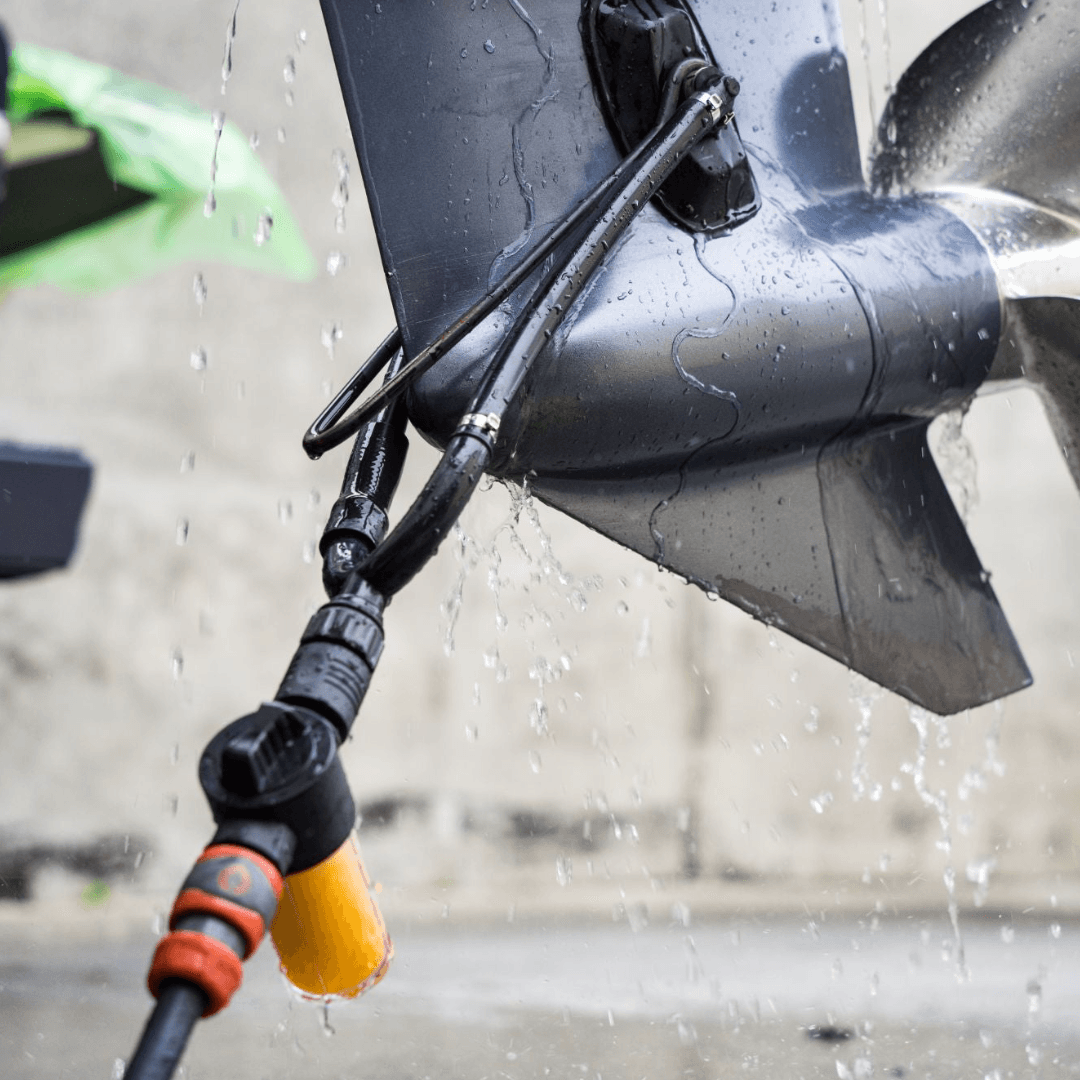
Flush after every single use. This is non-negotiable, especially in saltwater or brackish water. Hook up a hose to the flush port or use muffs on the lower unit and run fresh water through the system for at least 10 minutes. Salt, sand, and algae harden fast; flushing removes them before they can clog passages.
For engines with heavy salt buildup, use an acid-based descaler safe for aluminum blocks. Follow the product instructions and flush thoroughly afterward. We've seen engines completely choked with calcified deposits that required professional chemical cleaning to restore flow.
Replace the impeller annually. Even if it looks fine, rubber degrades from heat and use. An impeller is cheap insurance compared to a seized engine.
Inspect belts regularly. Look for cracks, fraying, or glazing. If a belt looks questionable, replace it. Check tension according to your service manual.
Use the correct oil. Stick with Yamalube or the exact spec listed in your Yamaha service manual. Automotive oils and cheap marine oils don't hold up in the saltwater environment and increase wear, which increases heat.
Pre-launch visual check. Before you even start the engine, look at the intake grates. Clear any debris. Start the engine on the hose or muffs and confirm a strong tell-tale stream before you head out.
Saltwater vs. Freshwater Considerations

While this guide focuses heavily on saltwater corrosion and salt buildup, freshwater boaters face their own issues. Mud, silt, and sand are your main enemies. They don't corrode like salt, but they clog just as effectively. Flush regularly and watch for intake blockages in shallow, silty water.
OEM vs. Aftermarket Parts for Cooling Components
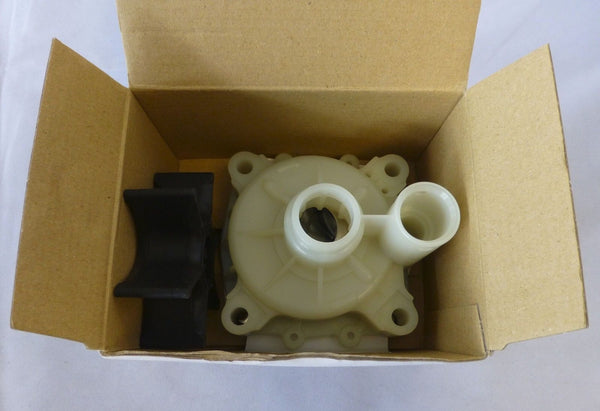
OEM Yamaha parts are reliable and meet exact factory specs, but you're paying a premium for the logo. Cheap no-name aftermarket parts are a gamble—wrong rubber hardness, poor fitment, short lifespan.
Reputable aftermarket suppliers like JLM Marine source parts from factories that also produce for OEM brands. The quality is equivalent, the specs match, and you're not burning cash on dealership markup. For critical components like impellers and thermostats, choose parts engineered to precise standards, whether OEM or from a trusted supplier.
Explore our range of Yamaha water pump impellers and kits for high-quality replacement options.
Sound and Smell: What Your Senses Tell You
On Yamaha outboards, the overheat alarm is a continuous solid tone. Intermittent beeps usually indicate low oil or water in fuel. Learn the difference.
Before the alarm sounds, you might notice a distinct "hot electrical" smell or see paint discoloration on the cylinder head. Yamaha paint often changes color when exposed to extreme heat—if you see that, you've already overheated.
Steam from the tell-tale looks like white vapor that dissipates quickly. Don't confuse it with blue oil smoke (burning oil) or dense white exhaust (fuel vapor or water in combustion).
When to Call a Mechanic
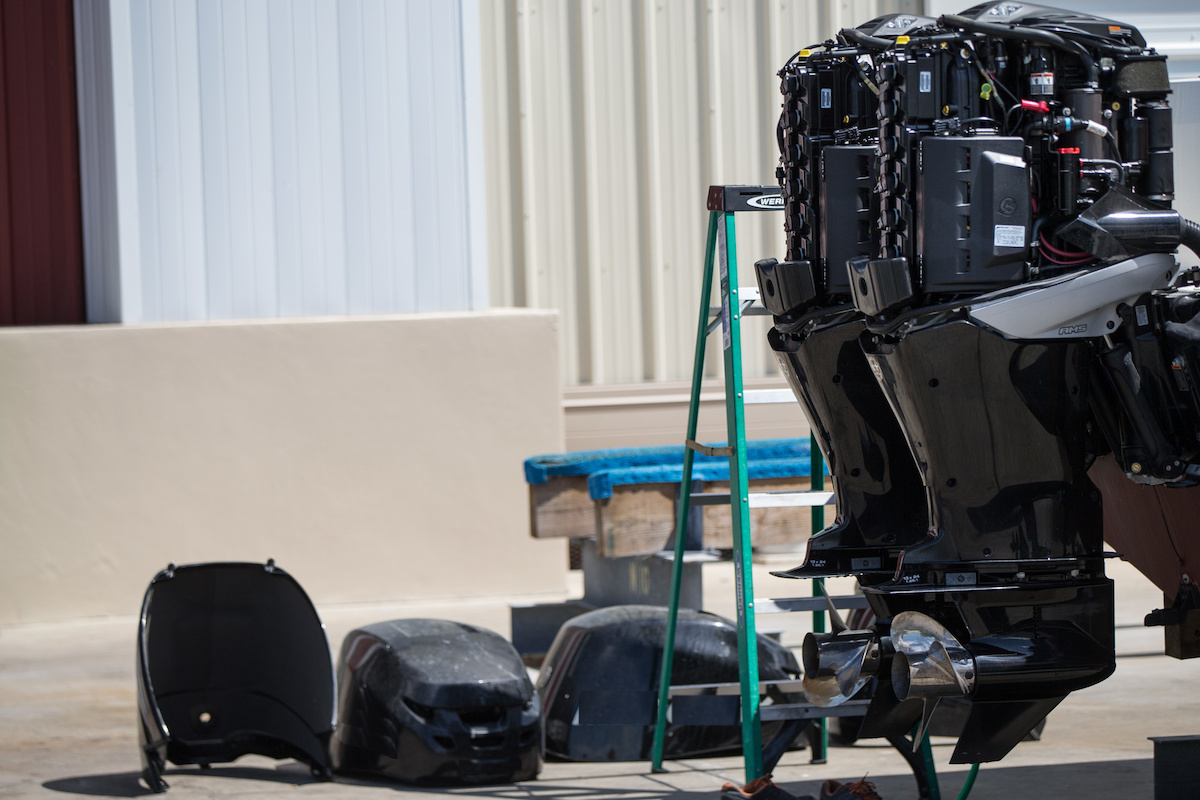
Many overheating fixes—clearing intakes, swapping an impeller, replacing a thermostat—are within reach for a DIYer with basic tools and a service manual. If you've done those checks and the problem persists, or if you suspect internal blockages deep in the block, it's time for a professional. Certified marine techs have specialized flushing equipment and diagnostic tools to find issues you can't see.
This guide helps you diagnose the problem. For step-by-step repair walkthroughs, refer to separate guides or your Yamaha service manual for procedures like "How to Replace a Yamaha Impeller" or "Thermostat Removal." For further step-by-step repair help, see our Water Pump Repair Kit vs. Impeller Only: What Does Your Outboard Need? guide.
Troubleshooting Common Yamaha Overheating Questions
Why does my Yamaha outboard keep overheating even after I've checked the basics?
Recurring overheating usually means a problem you haven't found yet: partially blocked internal cooling passages, a thermostat that opens late, or an impeller that looks OK but has lost pumping efficiency. It could also be a combination—say, a marginal impeller that works fine until you add a fouled thermostat. If you've cleared the intakes, confirmed tell-tale flow, and replaced the impeller, pull the thermostat and test it. If that checks out, internal scale buildup in the block is the likely culprit.
What's the most common cause of overheating on Yamaha outboards?
In our shop records, it breaks down like this:
- Worn or damaged impeller
- Clogged water intake grates (weeds, plastic, sand)
- Stuck thermostat
- Internal cooling passage blockages from salt or scale
The impeller leads by a wide margin.
Can I fix overheating myself or do I need a mechanic?
Clearing intake debris, replacing an impeller, and swapping a thermostat are all DIY-friendly if you have basic mechanical skills, the right tools (10mm and 12mm sockets, torque wrench), and your service manual. If you've done those steps and it still overheats, or if you suspect deep internal blockages, bring it to a certified tech. They can chemically flush passages and diagnose issues that aren't visible during a standard inspection.
How often should I replace the Yamaha water pump impeller?
Every year or every 100-200 hours, whichever comes first. Even if the impeller looks fine, the rubber degrades from heat cycles and loses flexibility. It's cheap preventive maintenance that avoids a mid-trip failure. When we send impeller kits internationally—we had a customer in Australia with this exact issue last month—the old impeller almost always shows wear that wasn't obvious until you compare it side-by-side with a new one. For more on impeller replacement frequency, see how often should you replace your outboard’s impeller.
What happens if I ignore the overheat alarm?
You'll warp the cylinder head, blow the head gasket, melt pistons, or seize the engine completely. We've seen all of it. According to U.S. Coast Guard boating accident data, machinery failure is the fifth leading cause of recreational boating accidents, contributing to 291 incidents in 2023. Overheating is a major part of that category. It's an expensive, avoidable mistake.
Do I need OEM Yamaha parts or can I use aftermarket?
OEM parts guarantee exact specs and fitment, but you pay a premium. Quality aftermarket parts from reputable suppliers give you the same performance without the dealership markup. At JLM Marine, our cooling system components are sourced from factories that manufacture for OEM brands, so you get factory-spec quality at a better price. For critical parts like impellers and thermostats, avoid the cheap no-name kits—they use harder rubber, fit poorly, and fail early. Stick with OEM or trusted aftermarket.
What's the difference between overheating at idle versus at high RPM?
Overheating at idle usually means a stuck thermostat—it's not opening to allow circulation even though the engine doesn't need much flow yet. Overheating at high RPM or under load points to the impeller or a blocked intake, because the engine is demanding maximum cooling and the pump can't deliver it.
Should I worry about overheating in freshwater or just saltwater?
Both. Saltwater accelerates corrosion and leaves mineral deposits that clog passages, so flushing is critical. Freshwater doesn't corrode, but mud, silt, and sand clog intakes and cooling passages just as effectively. Flush regularly and watch for debris regardless of where you boat.
Pro tip: Flush your engine with fresh water after every single use, even if you're running in freshwater. It takes 10 minutes and prevents 90% of the cooling problems we see in the shop. For more parts and accessories to maintain your Yamaha outboard, visit the JLM Marine homepage.