




Night Boating: Engine Light Signals and Safety Checks
- USCG Navigation Light Requirements for Powerboats
- Sidelight Specifications and Visibility Arcs
- Masthead and Stern Light Requirements
- Special Vessel Light Configurations
- How to Read Navigation Lights in Crossing Situations
- Common Navigation Light Failures and Troubleshooting
- Pre-Departure Safety Checklist for Night Boating
- USCG Vessel Safety Check Program
- Inland vs. International Navigation Rules
- What to Do If Your Lights Fail While Underway
USCG Navigation Light Requirements for Powerboats
If you're heading out after sunset or when visibility drops, navigation lights aren't optional—they're federally mandated by the U.S. Coast Guard. For power-driven vessels under 39.4 feet, you need a red port sidelight, a green starboard sidelight, and a white stern or all-round light. These lights tell other boats your size, direction, and what you're doing.
According to the 2024 USCG Recreational Boating Statistics, operator inattention and improper lookout rank as top contributors to the 556 deaths recorded in 3,887 incidents. A higher proportion of fatalities occur at night despite fewer boats on the water, largely because visibility plummets and boats become invisible without proper lights.
Failure to display correct lights is a high-ranking navigation rule violation, contributing to 34% of boating deaths. Skipping this step isn't just illegal—it's dangerous.
Sidelight Specifications and Visibility Arcs
Red (port) sidelight: 112.5-degree arc, mounted on the left side, visible from dead ahead to just past the beam on the port side.
Green (starboard) sidelight: 112.5-degree arc, mounted on the right side, visible from dead ahead to just past the beam on the starboard side.
Both sidelights must be visible for 1 to 2 nautical miles depending on vessel length. If you see only a red light, the other boat is approaching from your port side or heading away on its port side. Green light only means it's approaching from starboard or heading away on starboard. Both red and green together means the vessel is coming straight at you.
The arcs can't overlap. If your red light shows from a head-on angle, that's incorrect installation and will confuse other mariners. We've seen boats with sidelights mounted too high or obstructed by canvas, radar arches, or davits—common on modified center consoles and pontoon boats where furniture blocks the arc.
Masthead and Stern Light Requirements
Masthead light: White light showing a 225-degree arc forward, visible 2 to 5 nautical miles depending on vessel size. It tells other boats you're a power-driven vessel underway.
Stern light: White light showing a 135-degree arc directly astern, visible 2 nautical miles. If another boat sees your white stern light, you're moving away from them or stationary.
For powerboats under 39.4 feet, a single all-around white light visible 2 nautical miles can replace both the masthead and stern light, as long as it meets the visibility requirement. Boats under 65.7 feet may use bi-color sidelights (combined red/green in one housing).
Steve D'Antonio, a marine consultant, warns: "Don't assume a vessel's navigation lights are correct just because the vessel is new… check your lights to make certain they comply for your vessel's design and size, and inspect them regularly to make certain they are properly illuminated."
Special Vessel Light Configurations
Sailing vessels under 7 meters (23 feet) can use a handheld flashlight showing red, green, and white in time to prevent collision instead of fixed lights. Small rowed or paddled vessels under 23 feet may also use a white-light flashlight.
Night diving vessels: Three vertical lights—red over white over red—tell other mariners there are divers in the water. Give them wide clearance.
Fishing vessels (trawling): Green over white vertical lights indicate they're actively fishing and likely not maneuverable.
Anchored vessels: Display a 360-degree all-round white light visible 2 nautical miles if anchored outside designated anchorage areas.
Understanding these signals is critical. If you see green over white, you're looking at a trawling fishing boat—slow-moving and unable to maneuver quickly. The Navigation Rules (33 CFR Subchapter E) detail every configuration, but these are the most common you'll encounter.
How to Read Navigation Lights in Crossing Situations
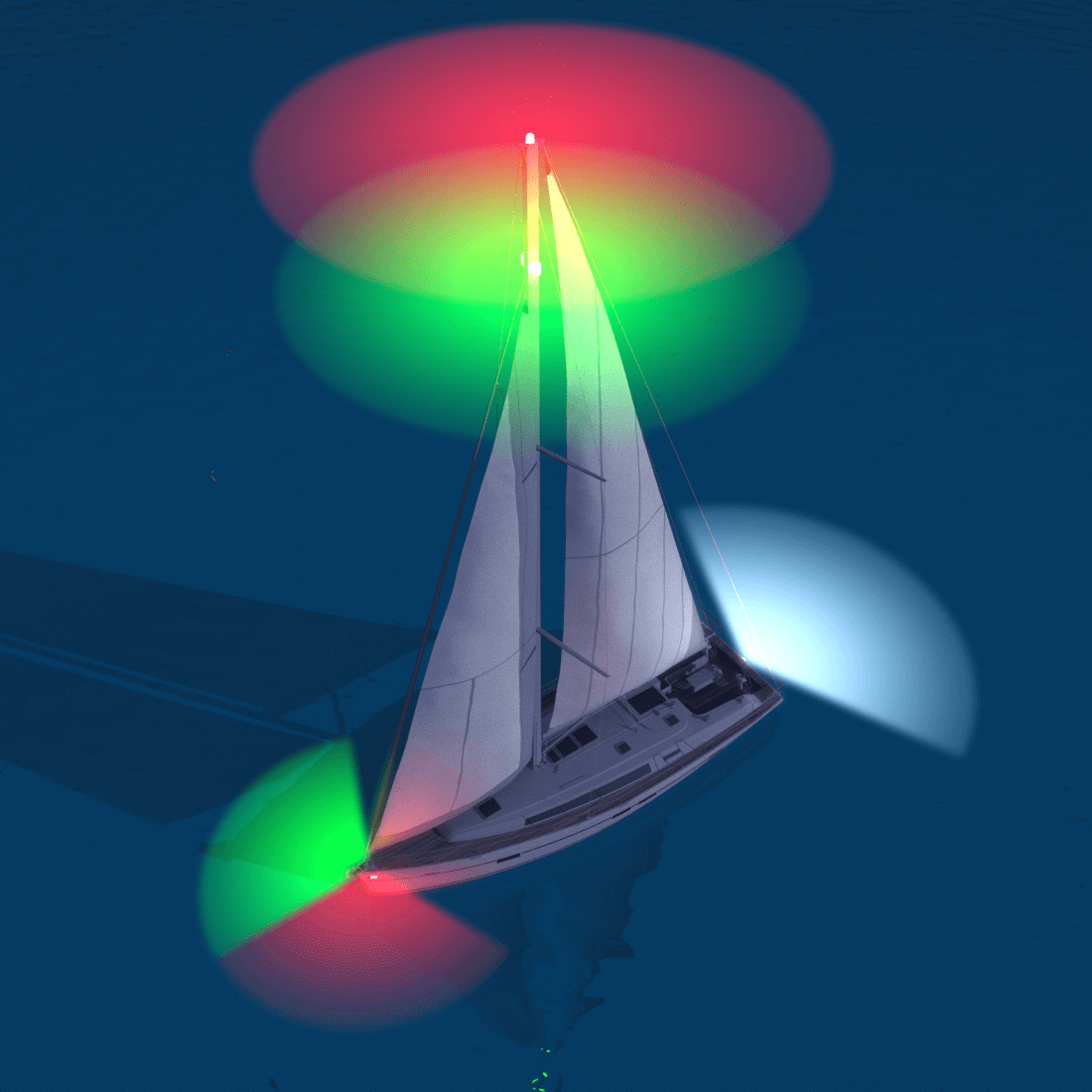
When you see a red light in a crossing situation, the other vessel is coming across your path from your port side. You generally have right-of-way, but maintain a lookout anyway. If you see a green light, the vessel is approaching from your starboard side—you must give way.
Both red and green lights visible with no white light means the vessel is coming toward you head-on. If you see green and a white masthead light, it's heading away from you on its starboard side. Red and white masthead means it's heading away on its port side.
Distance and speed perception change drastically at night. A small bright light can look close when it's actually a mile away. City background light pollution makes it harder to distinguish navigation lights against a busy shoreline. We recommend slowing down and using binoculars to confirm what you're seeing if there's any doubt.
David Pascoe, a marine surveyor, puts it bluntly: "It's hard enough to operate by night with good lights, but to run around with marginal lights is to flirt with catastrophe. Maybe you can see where you're going, but the other guy can't see you."
Common Navigation Light Failures and Troubleshooting
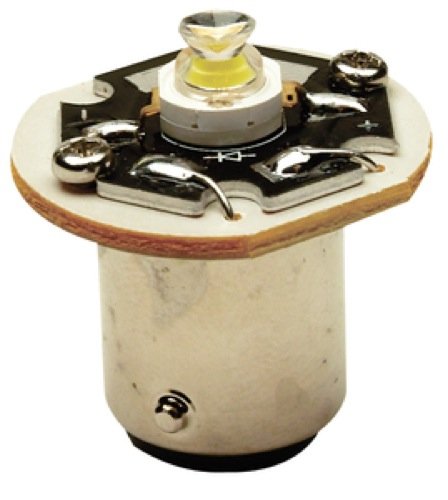
Dead lights are a violation, and they're usually preventable. Here's how to diagnose the most common failures:
Check the fuse box first. Most navigation light circuits run through a dedicated fuse or breaker. If all lights are out, start there.
Inspect bulb filaments. Remove the lens, pull the bulb, and look for a broken filament. Festoon and bayonet-style bulbs are most common. Keep spares onboard—they're cheap insurance.
Clean corrosion from contacts. Saltwater intrusion corrodes the socket contacts. We pulled a corroded green sidelight socket off a center console last month where the brass had turned green and crusty. Spray contact cleaner, scrub with a small wire brush, and coat with dielectric grease.
Test wiring continuity. If the bulb and fuse are good, use a multimeter to check for voltage at the socket. No voltage means a wiring break, often at a crimp or connection point near the transom where water collects.
Check ground connections. Many light failures trace back to a poor ground. Look for loose or corroded ground wires bolted to the hull or engine block.
Boats with a significant bow-up attitude when underway can have light arcs blocked by the hull itself. If your lights are mounted low on the gunwales, the bow rise can obstruct the forward arc. This is especially common on flats boats and bass boats.
Pre-Departure Safety Checklist for Night Boating
Test all navigation lights. Turn them on at the dock and walk 50 feet away to verify visibility and arc coverage. We do this on every service call.
Verify distress signals. Coastal waters require three USCG-approved night visual distress signals. An electric SOS light flashing 50-70 times per minute counts, as do hand-held or aerial flares. Boats under 16 feet need night signals only when operating from sunset to sunrise. (Source: BoatUS distress signal requirements)
Check PFDs. One wearable life jacket per person, plus a throwable for boats over 16 feet.
Inspect engine compartment. Look for fuel or oil leaks, ensure ventilation is clear, check bilge for water, and confirm battery terminals are tight and corrosion-free.
Sound devices. You need a horn or whistle. Sound signals are part of the Navigation Rules (Rule 35) for restricted visibility—five short blasts means danger or confusion.
VHF radio and GPS. File a float plan, monitor Channel 16, and have backup navigation tools (charts, compass) in case electronics fail.
In July 2020, a fishing boat off Stuart, Florida experienced sudden engine shutdown at 30 knots as the sun set. The operator called for a tow, but the vessel was hit during the rescue attempt. Everyone survived, but the incident underscores the need for working navigation lights and regular engine maintenance to prevent failures in low light. An engine shutdown at dusk can disable your electrical system, killing your navigation lights and leaving you invisible. For tips on maintaining your engine's reliability before heading out, see our Outboard Engine Pre-Run Inspection Guide.
USCG Vessel Safety Check Program
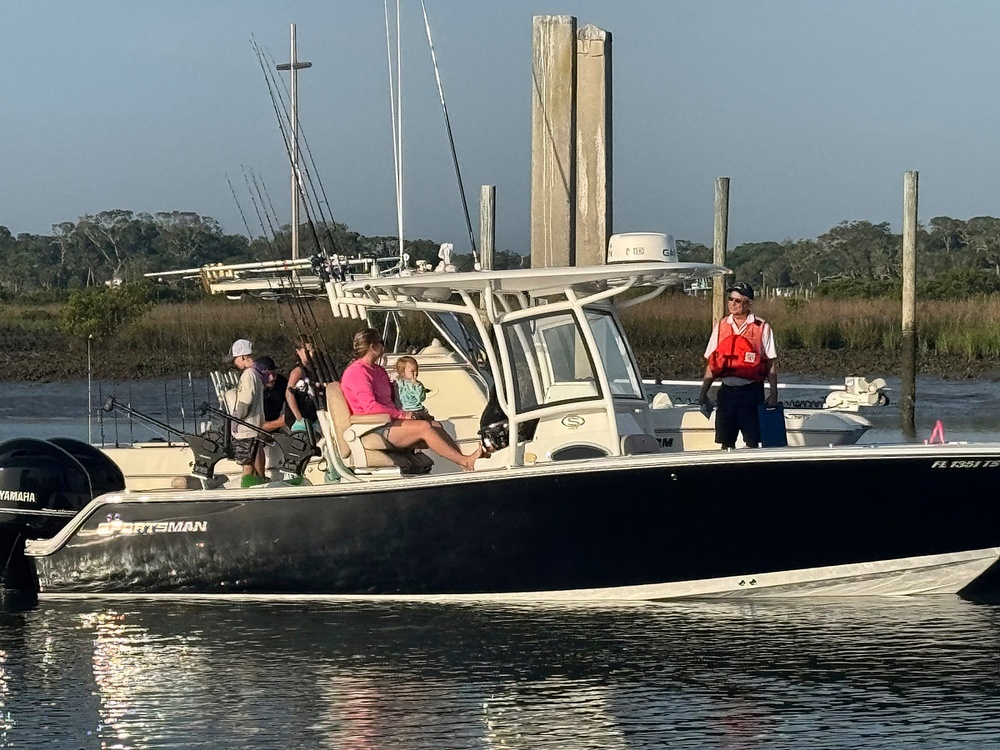
The Coast Guard Auxiliary offers free Vessel Safety Checks (VSC) to verify compliance with federal requirements. They inspect navigation lights, distress signals, life jackets, fire extinguishers, ventilation, backfire flame arrestors, and battery connections.
A VSC doesn't replace your own pre-departure checks, but it's a good annual baseline. The examiners look for things you might miss—like incorrect light mounting height, obstructed arcs from new equipment, or expired flares.
If your boat passes, you get a VSC decal. If it doesn't, they give you a list of what to fix—no fines, no penalties. It's purely educational.
Inland vs. International Navigation Rules
Most recreational boaters in the U.S. operate under Inland Rules (33 CFR Subchapter E), which apply to harbors, rivers, and waters inside demarcation lines. International Rules apply outside those lines, typically offshore.
The light requirements are nearly identical for small powerboats, but there are differences in sound signals and right-of-way rules. If you're running the Intracoastal Waterway, you're under Inland Rules. If you're heading offshore, you cross into International waters at the demarcation line (marked on charts).
Visibility range requirements differ slightly by vessel size. Boats under 12 meters (39.4 feet) need sidelights visible 1 nautical mile and a masthead light visible 2 nautical miles under Inland Rules. Larger vessels have higher requirements.
What to Do If Your Lights Fail While Underway
Slow down immediately. Reduced speed gives you more reaction time and makes you less of a hazard.
Use a flashlight. A handheld white light shown in time to prevent collision is legal for small vessels under 23 feet. Shine it on your sails or hull to make yourself visible.
Sound signals. Use your horn or whistle. Five short blasts signal danger. One prolonged blast every two minutes signals a power-driven vessel underway.
Call for assistance. Use your VHF radio (Channel 16) to notify nearby vessels and the Coast Guard of your position and situation.
Head to the nearest safe harbor. Don't continue your trip. Fix the problem at the dock, not in the dark.
We've seen guys try to rig temporary lights with duct tape and LED headlamps. It's not compliant, but it's better than nothing if you're stuck. The priority is to be seen and to get off the water safely.
After every saltwater outing, rinse your engine and check your navigation light lenses for cracks or fogging—it takes less than five minutes and prevents bulb failure down the line. For support with marine engine parts to keep your boat running smoothly, explore our extensive boat accessories collection for quality parts.
Sources:
- https://www.uscgboating.org/library/accident-statistics/Recreational-Boating-Statistics-2024.pdf
- https://stevedmarineconsulting.com/feature-navigation-lights-editorial-marine-systems-excellence-underway-once-again/
- https://www.yachtsurvey.com/navigation_lights.htm
- https://www.westmarine.com/west-advisor/Navigation-Light-Rules.html
- https://www.boatus.org/distress-signals/requirements
- https://cgaux.org/vsc/
- https://www.youtube.com/watch?v=5xr38QqnIwY
- https://www.888boatlaw.com/nighttime-navigation-risks-why-fatal-boating-accidents-rise-after-dark/
- https://driveaboatusa.com/blog/boating-at-night/
- https://jlmmarine.com/
Для владельцев подвесных моторов:
Мы надеемся, что следующие ресурсы окажутся полезными для вас в обслуживании и ремонте ваших судовых двигателей:
-
Карбюраторы от JLM Marine
-
Комплекты для восстановления карбюраторов от JLM Marine
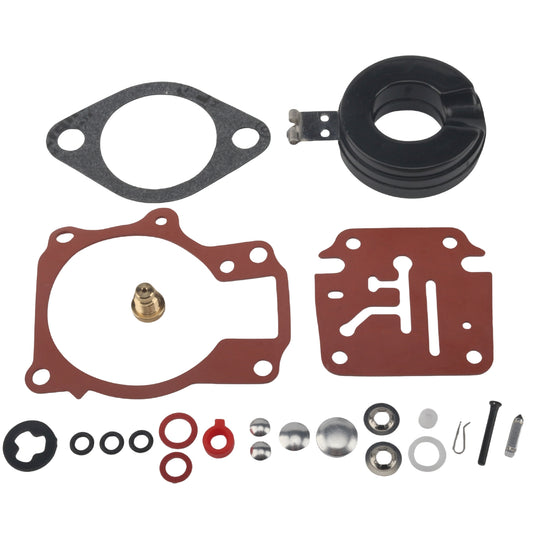
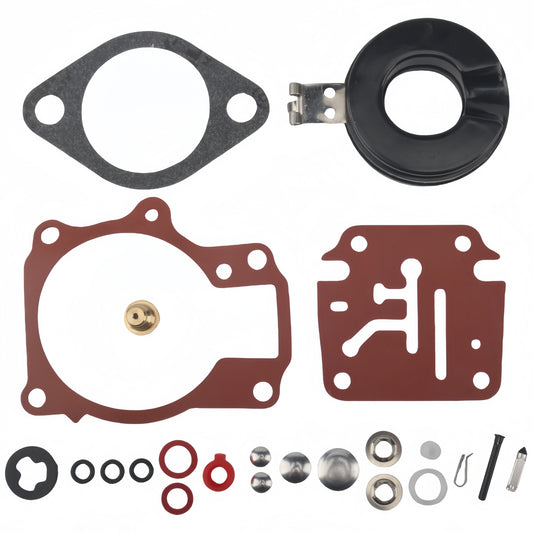
- Комплект для ремонта карбюратора
- Комплект для ремонта карбюратора Yamaha
- Комплект для ремонта карбюратора Mercury
- Комплект для ремонта карбюратора Johnson
- Комплект для ремонта карбюратора Evinrude
- Комплект для ремонта карбюратора Suzuki
- Комплект для ремонта карбюратора Honda
- Комплект для ремонта карбюратора Volvo
- Комплект для ремонта карбюратора Tohatsu
О компании JLM Marine
Основанная в 2002 году, компания JLM Marine зарекомендовала себя как специализированный производитель высококачественных морских деталей, базирующийся в Китае. Наша приверженность совершенству в производстве заслужила нам доверие ведущих мировых морских брендов.
Как прямой поставщик, мы обходим посредников, что позволяет нам предлагать конкурентоспособные цены без ущерба качеству. Такой подход не только поддерживает экономическую эффективность, но и гарантирует, что наши клиенты получают наилучшую ценность напрямую от источника.
Мы рады расширить свое присутствие через розничные каналы, предлагая наш опыт и приверженность качеству непосредственно владельцам и любителям лодок по всему миру.
Комплекты для ремонта карбюратора в продаже
- $46.00
$55.00- $46.00
- Unit price
- per
- $30.50
$29.00- $30.50
- Unit price
- per
- $30.50
$59.00- $30.50
- Unit price
- per

- $22.50
$23.00- $22.50
- Unit price
- per

- $22.50
$20.00- $22.50
- Unit price
- per
- $22.50
$22.50- $22.50
- Unit price
- per
- $22.50
$32.00- $22.50
- Unit price
- per


- $21.99
$24.00- $21.99
- Unit price
- per
- $22.50
- $22.50
- Unit price
- per
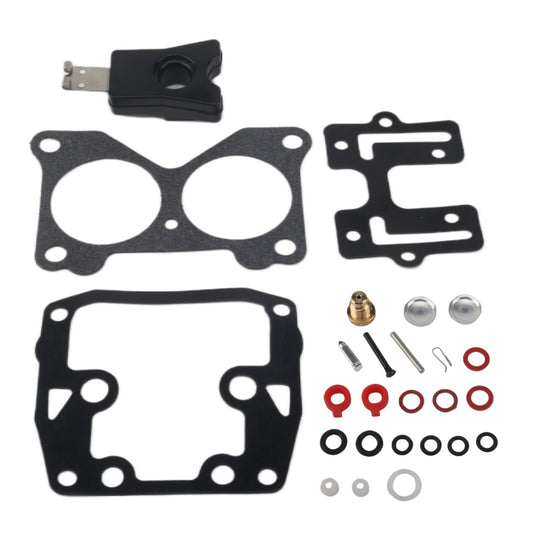
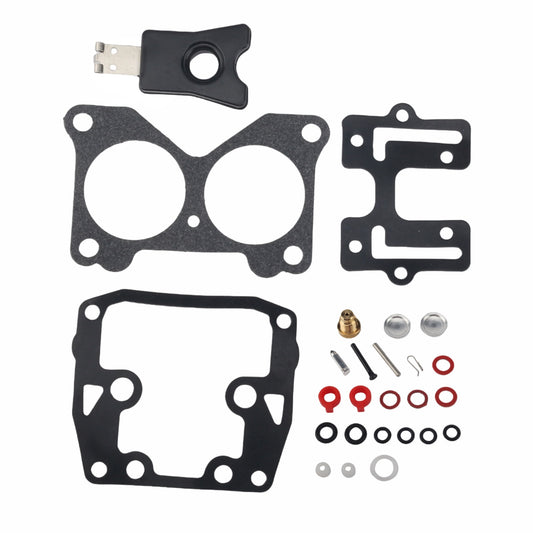
- $22.50
- $22.50
- Unit price
- per

- $22.50
$23.00- $22.50
- Unit price
- per

- $22.50
- $22.50
- Unit price
- per
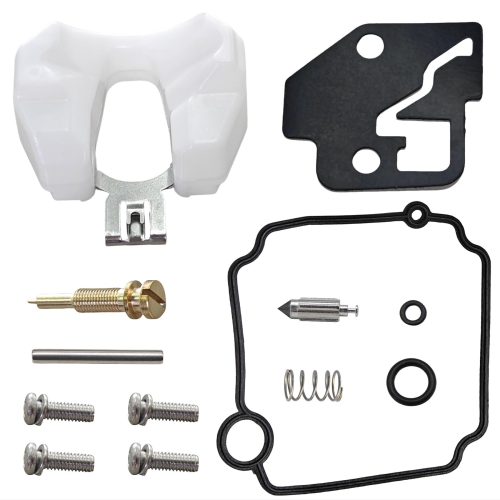
- $25.50
$30.00- $25.50
- Unit price
- per

- $24.50
- $24.50
- Unit price
- per

- $26.50
$23.00- $26.50
- Unit price
- per

- $22.50
- $22.50
- Unit price
- per
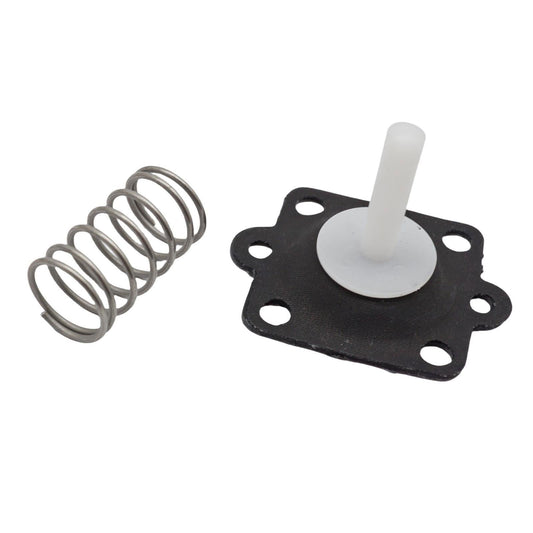
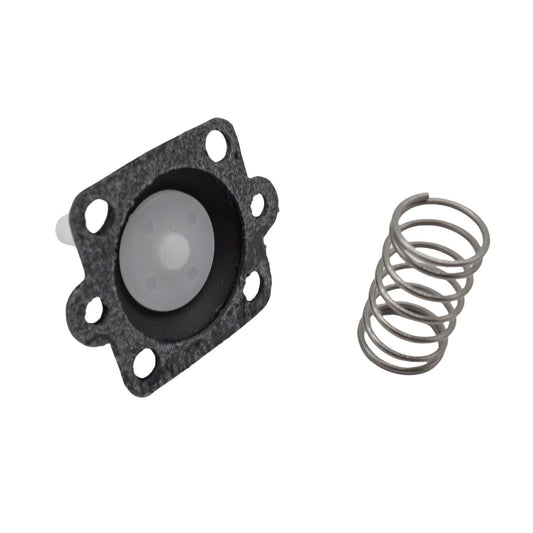
- $20.72
- $20.72
- Unit price
- per
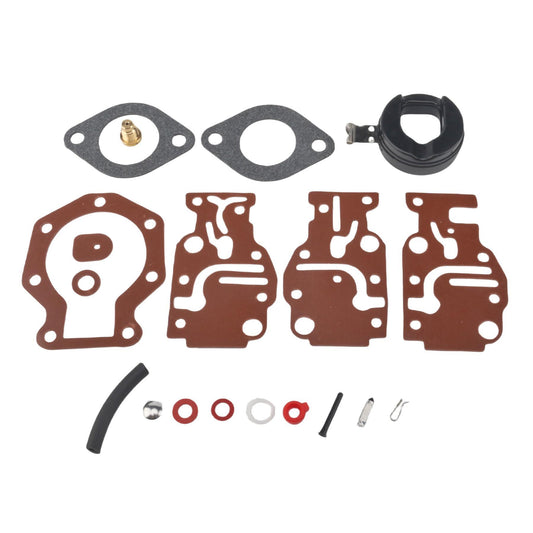

- $26.50
- $26.50
- Unit price
- per
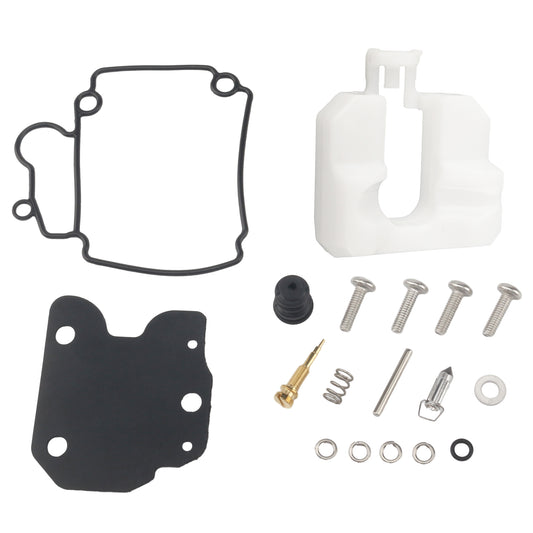
- $23.50
$23.00- $23.50
- Unit price
- per
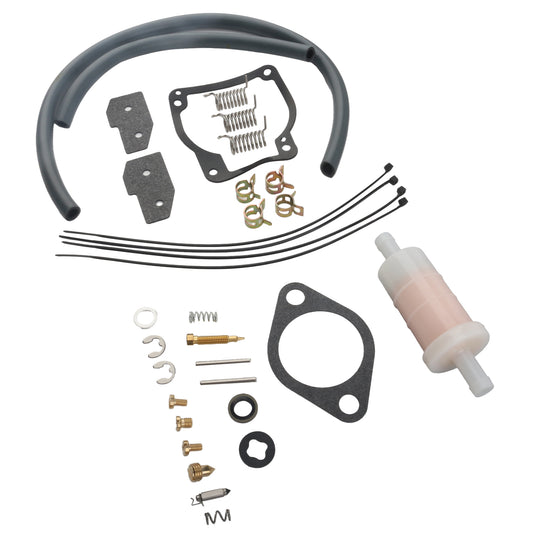
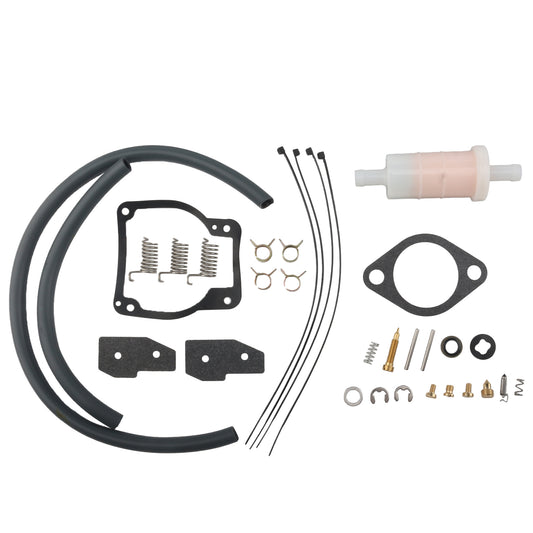
- $30.50
- $30.50
- Unit price
- per