



Regular Emergency Drills: Practicing Engine Failure Scenarios
- Why You Need to Practice Engine Failures
- Setting Up Your Drill Schedule
- The Basic Drill: Simulated Total Failure
- Troubleshooting Sequence: Most Likely to Least Likely
- Multi-Engine Drills
- Communication and Safety Gear Check
- Drill Variations: Different Scenarios
- Post-Drill Debrief
- Common Mistakes I See
- What Your Drills Teach You
- The "Restart Isn't Working" Plan
- Tools and Spares You Need On Board
- Advanced Drill: Total Electrical Failure
- Seasonal Drill Schedule
- Teaching Others
- Record Keeping and Improvement
- The Reality Check
Why You Need to Practice Engine Failures

Your outboard will quit on you. Not if—when. Could be a fuel delivery issue, electrical fault, overheating, or just bad luck. If you're out there staring at a dead motor without having practiced what to do, you're going to make mistakes. Maybe dangerous ones.
I've spent two decades turning wrenches on outboards, and the boats that come back on a tow rope? Usually piloted by guys who never ran through a failure scenario. They panic, flood the engine trying to restart it, or worse, drift into trouble because they didn't have a plan.
Regular drills build the muscle memory you need when your brain is busy dealing with waves, wind, and maybe passengers freaking out.
Setting Up Your Drill Schedule
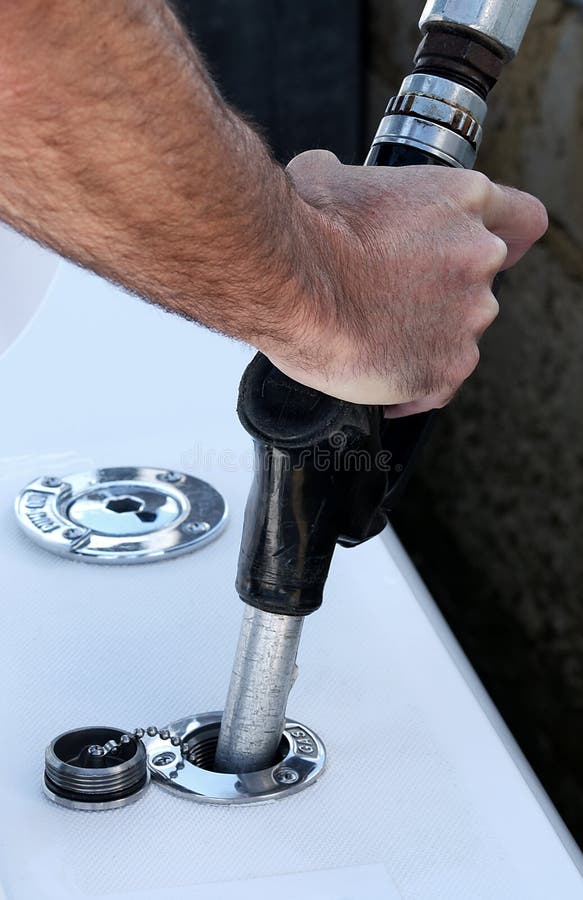
Run a full engine-out drill once a month minimum during your active season. Pick a safe spot—calm water, no traffic, good visibility. You want enough space to drift without hitting anything.
Mark it on your calendar. Treat it like changing your lower unit oil. If you only practice when you "feel like it," you won't practice.
I also recommend doing a quick mental walkthrough before every trip. Takes thirty seconds: "If the motor dies right now, where's my paddle? Where's my radio? What's my restart checklist?"
The Basic Drill: Simulated Total Failure
Cut your engine intentionally at cruising speed in open water. Don't warn your passengers—surprise is part of the drill. (Obviously brief them first that you'll be doing this sometime during the trip.)
Immediate actions:
- Trim the motor down if it kicked up
- Check if you're drifting toward hazards
- Deploy your drift anchor or sea anchor if you have one
Restart checklist:
- Squeeze the primer bulb—feel for resistance (should be firm) — refer to testing your fuel system in guides like the Fuel Filter and Fuel Pump collections to keep these components in top shape.
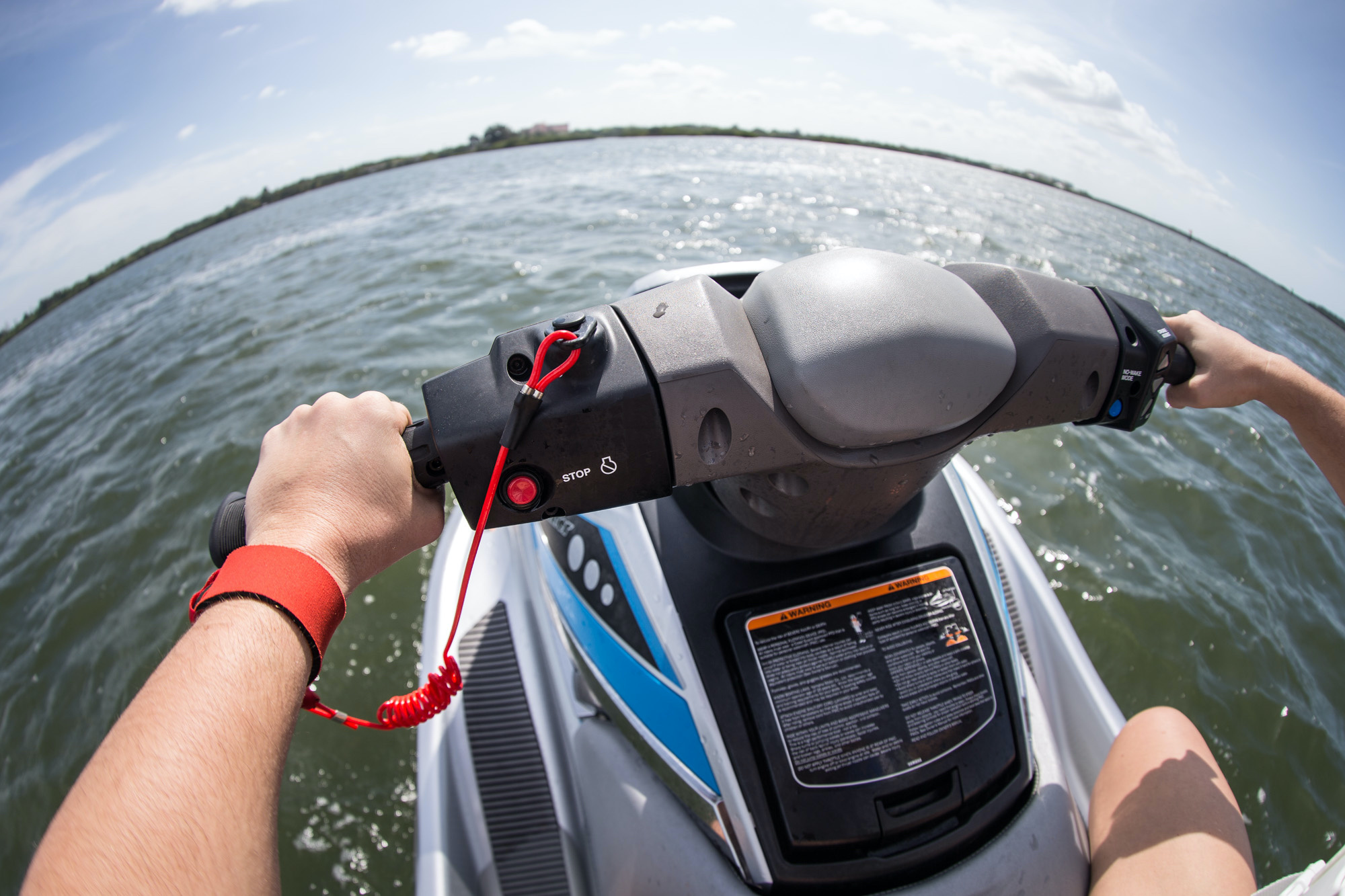
- Check the kill switch lanyard is connected
- Verify your shift lever is in neutral
- Turn the key and watch for the fuel primer to cycle
- Attempt start
If it doesn't fire in three cranks, stop. You're just killing your battery. Time to troubleshoot.
Troubleshooting Sequence: Most Likely to Least Likely
Fuel Delivery Issues (70% of no-starts in my experience)
Check the primer bulb first. If it's soft and stays soft after squeezing, you've got a fuel delivery problem. Could be:
- Clogged fuel filter (especially if you haven't changed it this season) — keeping a spare from the Evinrude Fuel Filter or Fuel Filter collection onboard can save you.
- Pinched fuel line
- Failed fuel pump on the engine — note the advice on replacement parts in our Fuel Pump Kit section.
- Tank vent closed or clogged
Pop your cowling and listen while someone cranks. You should hear the fuel pump clicking on a four-stroke. No click? Fuel pump's dead or no power to it.
Electrical Problems (20% of cases)
Dead battery is obvious—your starter won't even try to turn over. But you can also have:
- Corroded battery terminals (green crusty stuff)
- Blown fuse (check your main and accessory fuses)
- Bad kill switch (disconnect it and try starting)
- Faulty ignition coil (harder to diagnose on the water)
Carry a voltmeter. 12.4V or higher at the battery means it's probably charged. Below 12V and you're draining fast.
Overheating Shutdown (5% but critical)
If your motor has an overheat protection circuit and it kicked in, the engine won't restart until it cools. Check your telltale stream—if it wasn't peeing before shutdown, you overheated.
Pull the cowling and touch the cylinder head carefully. If it's too hot to hold your hand on, let it sit for 10-15 minutes. Don't force a restart—you'll seize the powerhead.
For more on preventing overheating, see our detailed guides like Johnson/Evinrude Outboard Water Pump Replacement Guide and Yamaha Outboard Overheating: Diagnose & Clear Blocked Cooling Passages.
Mechanical Seizure (5% and your worst day)
If the starter tries to turn but the engine won't rotate, you might have:
- Hydrolock from water ingestion
- Seized powerhead from overheating
- Broken connecting rod (you'll sometimes hear a clunk)
Pull the spark plugs. If water shoots out when you crank, you've hydrolocked. Let it drain, replace plugs, try again. If the engine still won't turn, you're done—time to call for a tow.
Multi-Engine Drills
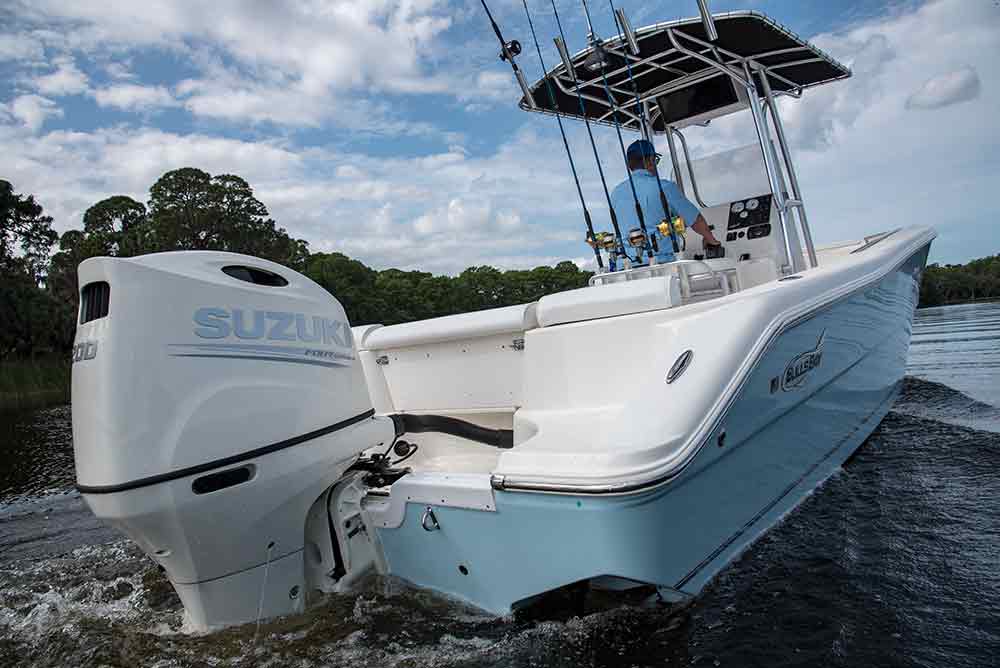
If you're running twins, practice single-engine operation. Kill one motor and run home on the other. You need to know:
- How your boat handles with asymmetric thrust
- Your maximum safe speed on one engine
- Fuel consumption rate (it's not half—it's usually 60-70% because the remaining engine works harder)
Trim is critical. You'll need to adjust your trim tabs and motor trim to keep the boat tracking straight. On my twin Yamaha 150 setup, I run about 3 degrees of tab correction toward the dead engine.
Also practice the restart procedure while underway on one motor. You don't want to kill both engines just to troubleshoot one.
Communication and Safety Gear Check

During every drill, physically touch your safety equipment:
- VHF radio—turn it on, call a buddy or switch to a weather channel to confirm it works
- EPIRB or PLB—check the battery expiration date on the label
- Flares—they have expiration dates too (usually 3-4 years)
- Paddle or oars—make sure they're not buried under a pile of gear
Call in a float plan to someone on shore before running your drill. Tell them "I'm testing emergency procedures, if you don't hear from me in two hours, call the Coast Guard."
I've seen too many guys with dead radios or expired flares that they discover only when they actually need them. Test your gear under pressure.
Drill Variations: Different Scenarios

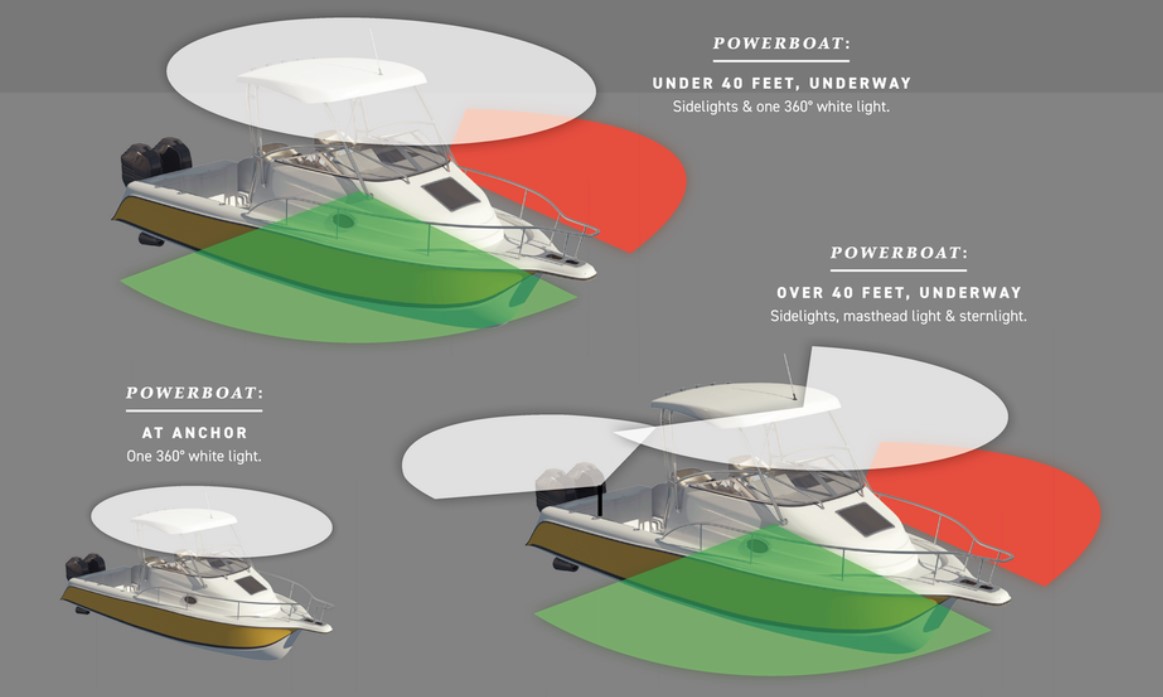
Scenario 1: Failure on Plane
Cut the engine while running 30+ mph. This simulates a high-speed failure. You'll feel the boat decelerate quickly. Practice:
- Getting weight forward to prevent the bow from digging
- Steering as you slow (you lose rudder authority fast)
- Trimming the dead motor up to reduce drag
Scenario 2: Inlet or Current Failure
Run your drill near (not in) an inlet or area with current. Kill the engine and see how fast you drift. This shows you how much time you really have to get restarted before you're in trouble.
Time your drift rate. If you're moving 1 knot in current, you'll cover 100 feet per minute. That's how much real estate you lose while troubleshooting.
Scenario 3: Night Failure
Do this one at dusk in familiar, safe waters. Kill the engine as light fades. Practice finding your tools, flashlight, and safety gear in low light. It's a completely different experience than daylight drills.
Your headlamp or flashlight should be in the same place every trip. I keep mine clipped to the inside of the console. Fumbling around in the dark wastes time and kills night vision.
Scenario 4: Rough Water Failure
Only do this if you're experienced and conditions are safe. Kill your engine in 2-3 foot chop. You'll learn how hard it is to work on a pitching boat. This teaches you to:
- Brace yourself while working
- Secure tools so they don't slide overboard
- Recognize when conditions are too rough to safely troubleshoot (just call for help)
Post-Drill Debrief
After every drill, write down:
- Time from failure to attempted restart: ___ minutes
- What took the longest (finding tools, diagnosing, etc.)
- What you forgot or couldn't find
- What worked well
I keep a small notebook in a ziplock bag in my console. Sounds dorky, but patterns emerge. If you're always fumbling for the same tool, relocate it. If your restart checklist takes 8 minutes, figure out how to cut that to 4.
Review your notes every few months. Adjust your procedures and gear placement based on what the drills teach you.
Common Mistakes I See

Skipping the drift anchor. Most boaters don't carry one. When your engine dies in current or wind, you need to slow your drift immediately. A drift sock or improvised sea anchor (bucket on a line) buys you time.
Not carrying basic spares. At minimum: spare fuel filter, spark plugs, fuses, and a fuel line repair kit. I've seen guys dead in the water because of a $8 fuel filter they didn't have. You can easily stock these in our Boat Accessories collection.
Relying on your phone. Cell coverage is spotty offshore. Your VHF radio is your primary communication device. Know how to use Channel 16 for distress and Channel 9 or 68 for hailing. See advice in the blog VHF Calls and Engine Failure: How to Signal for Help.
Over-cranking. If it doesn't start in 3-4 attempts, stop. You're flooding it or killing your battery. Figure out why it won't start before you keep cranking.
Panicking passengers. Brief everyone on board before you leave the dock. Tell them what to do if the engine quits: sit down, stay calm, put on a life jacket if you say so. Passengers who know the plan don't freak out.
What Your Drills Teach You

These drills expose your weak points. Maybe you realize your tool kit is inadequate. Maybe you discover your kill switch lanyard is frayed and needs replacement. Maybe you learn your battery is weak and won't crank the engine more than a few times.
Better to find this stuff out during a drill than during a real emergency.
You'll also get a realistic sense of how long things take. Most guys think they can diagnose and fix a fuel problem in 5 minutes. Reality? More like 15-20 minutes, especially in rough conditions. That knowledge changes how you plan your trips and how far offshore you're willing to go.
The "Restart Isn't Working" Plan
Sometimes the motor just won't restart, no matter what you do. That's when you execute Plan B:
- Deploy your drift anchor to slow down
- Call for a tow on VHF (or cell if you have signal)
- Put on life jackets
- Prepare a tow line from your bow eye
- Stay with the boat unless it's sinking
Practice this too. Make the radio call. Rig your tow line. Get your life jackets out of the storage compartment where they're buried. If you've never done this stuff under pressure, your first real emergency will be a mess.
Tools and Spares You Need On Board
Keep these in a dedicated tool bag or box:
- Adjustable wrench (8-inch)
- Phillips and flathead screwdrivers (multiple sizes)
- Needle-nose pliers
- Wire cutters/strippers
- Spark plug socket and ratchet
- Voltmeter or test light
- Spare fuel filter (correct model for your engine) — find quality parts in our Fuel Filter collection.
- Spare spark plugs (gapped correctly)
- Spare fuses (all sizes your engine uses)
- Electrical tape and marine wire
- Fuel line repair kit
- Zip ties (assorted sizes)
- Flashlight or headlamp with fresh batteries
I also carry a laminated checklist—restart procedure and troubleshooting steps—attached to the inside of my console with a carabiner. When your adrenaline is up, you forget steps. The checklist doesn't.
Advanced Drill: Total Electrical Failure
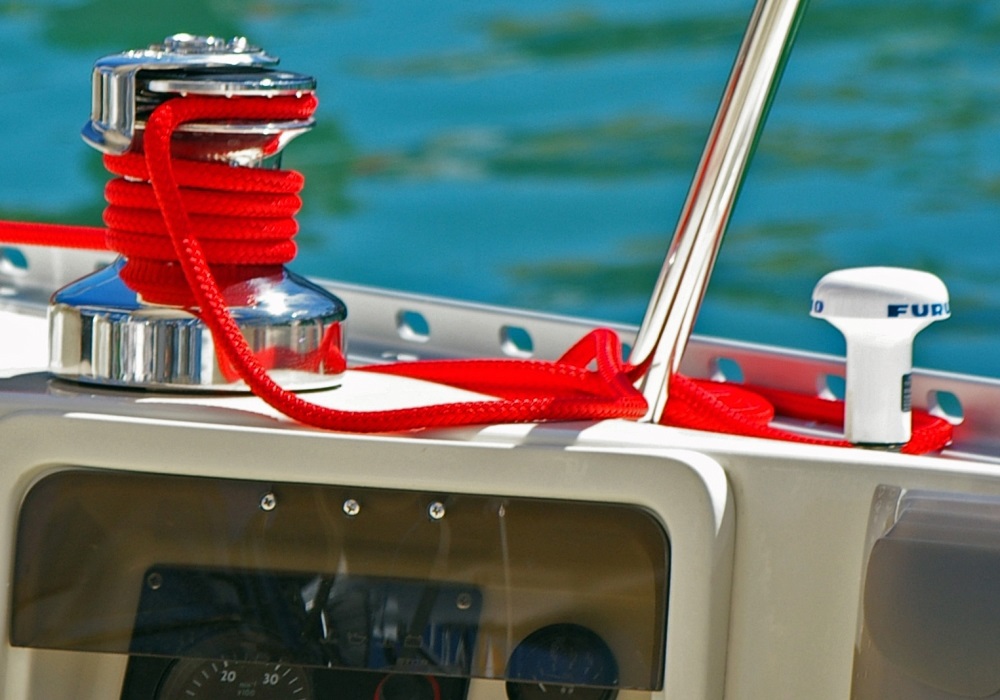
This is rare but devastating. You lose all electronics—no gauges, no trim, no navigation lights, no radio.
Practice running your boat with:
- Manual compass navigation only
- Hand signals or shouting to communicate with other boats
- Manual bilge pumping if your automatic bilge relies on electric float switch
If your engine is fuel-injected and computer-controlled (most four-strokes), total electrical failure means no restart. Carry a backup GPS that runs on batteries, and know how to get home using visual landmarks and your compass.
Seasonal Drill Schedule

Spring (pre-season): Run a full simulated failure drill on your first trip. You're shaking out problems after winter storage.
Summer (active season): Monthly drills. Mix up the scenarios—day, dusk, calm water, chop.
Fall (late season): One final comprehensive drill before you winterize. Test everything one more time.
Winter (off-season): If you're in a warm climate and still boating, keep up monthly drills. If you're laid up, review your notes and upgrade your spare parts or tools based on what the season taught you. Check out our Winterizing Kits vs. DIY Supplies guide to help with off-season maintenance prep.
Teaching Others

If you have crew or family who boat with you regularly, teach them the restart procedure. They don't need to diagnose a failed fuel pump, but they should know:
- Where the kill switch is and how it works
- How to use the VHF radio to call for help
- How to deploy the drift anchor
- Basic restart steps (neutral, primer bulb, key)
I had a buddy whose wife saved his butt when he slipped and knocked himself half-conscious on a gunwale. She knew how to call the Coast Guard and how to restart the engine to get them back to the dock. That doesn't happen without practice.
Record Keeping and Improvement
Track your drill results over time. If your restart time improves from 10 minutes to 5 minutes, your procedures are working. If it's getting worse, something's wrong—maybe your gear is deteriorating, or you're getting sloppy.
Also note any near-failures or weird symptoms during normal operation. If your engine stumbled once but recovered, write it down. Patterns can predict real failures.
The Reality Check
Most boaters never practice this stuff. They assume their engine will always start, their radio will always work, and they'll always have cell service. Then reality hits, and they're not ready.
You don't need to be paranoid. You need to be prepared. Twenty minutes a month running these drills can prevent a serious emergency or at least make it manageable.
I've been doing this for two decades, and I still practice. Skills degrade if you don't use them. The procedures that felt automatic last season feel rusty if you haven't repeated them.
Pro tip: After every trip, squeeze your primer bulb and make sure it firms up. A soft bulb after the engine's been off for 30 minutes can mean a slow fuel leak or a check valve going bad in your fuel pump—catch it early before it strands you. For replacement parts or maintenance supplies, browse our JLM Marine hub for trusted factory-direct options.
Hi—I’m Jim Walker
I grew up in a Florida boatyard, earning pocket money (and a few scars) by rebuilding outboard carbs before I could drive. That hands-on habit carried me through a Ph.D. in mechanical engineering, where I studied how salt water quietly murders metal.
I spent ten years designing cooling systems for high-horsepower outboards, then joined JLM Marine as CTO. We bench-test every new part in the lab, but I still bolt early prototypes onto my own 23-foot skiff for a weekend shake-down— nothing beats real wake and spray for finding weak spots.
Here on the blog I share the fixes and shortcuts I’ve learned so your engine—and your day on the water—run smooth.

Для владельцев лодок:
Мы надеемся, что следующие ресурсы окажутся полезными для вас в обслуживании и ремонте ваших судовых двигателей:
- Руководство по серийным номерам Mercury
- Руководства пользователя от Mercury
- Официальное руководство по номерам моделей в формате PDF от BRP
- Руководство по серийным номерам Johnson
-
Аксессуары для лодок от JLM Marine
О компании JLM Marine
Основанная в 2002 году, компания JLM Marine зарекомендовала себя как специализированный производитель высококачественных морских деталей, базирующийся в Китае. Наша приверженность совершенству в производстве заслужила нам доверие ведущих мировых морских брендов.
Как прямой поставщик, мы обходим посредников, что позволяет нам предлагать конкурентоспособные цены без ущерба качеству. Такой подход не только поддерживает экономическую эффективность, но и гарантирует, что наши клиенты получают наилучшую ценность напрямую от источника.
Мы рады расширить свое присутствие через розничные каналы, предлагая наш опыт и приверженность качеству непосредственно владельцам и любителям лодок по всему миру.
Распродажа лодочных аксессуаров
- $37.99
$45.99- $37.99
- Unit price
- per
- $34.99
- $34.99
- Unit price
- per
- $128.99
- $128.99
- Unit price
- per

- $25.30
$30.00- $25.30
- Unit price
- per


- $34.99
$41.99- $34.99
- Unit price
- per

- $32.50
$31.00- $32.50
- Unit price
- per

- $139.99
- $139.99
- Unit price
- per


- $45.00
- $45.00
- Unit price
- per

- $28.50
$29.00- $28.50
- Unit price
- per

- $159.99
- $159.99
- Unit price
- per


- $105.00
- $105.00
- Unit price
- per


- $34.99
$41.99- $34.99
- Unit price
- per


- From $68.00
- From $68.00
- Unit price
- per


- $34.99
$41.99- $34.99
- Unit price
- per

- $59.95
$71.00- $59.95
- Unit price
- per

- $59.99
$71.00- $59.99
- Unit price
- per


- $34.99
$41.99- $34.99
- Unit price
- per

- $65.50
$78.00- $65.50
- Unit price
- per

- $67.00
$65.00- $67.00
- Unit price
- per

- $19.99
- $19.99
- Unit price
- per