



Coast Guard Safety Requirements: Engines & Fuel Systems
- Federal Equipment Requirements for Gasoline Engines
- Backfire Flame Arrestors for Inboard Engines
- Ventilation Requirements by Boat Age
- Fuel Tank Construction and Installation Standards
- Fuel Hose Types and Specifications
- Fuel Pump Placement and Fire Test Requirements
- Hose Clamps and Fitting Standards
- Fuel System Component Access and Maintenance
- Engine Cut-Off Switch Requirements
- Ventilation System Airflow Requirements
- Fuel Tank Vents and Flame Arrestors
- Fuel Filters and Water Separators
- Anti-Siphon Valves and Fuel Line Routing
- Fuel System Grounding and Static Discharge
- EPA Emissions Compliance for Fuel Systems
- Real-World Fuel System Failures
- Navigation Light Requirements by Vessel Length
- Sound Signaling Device Requirements
Federal Equipment Requirements for Gasoline Engines
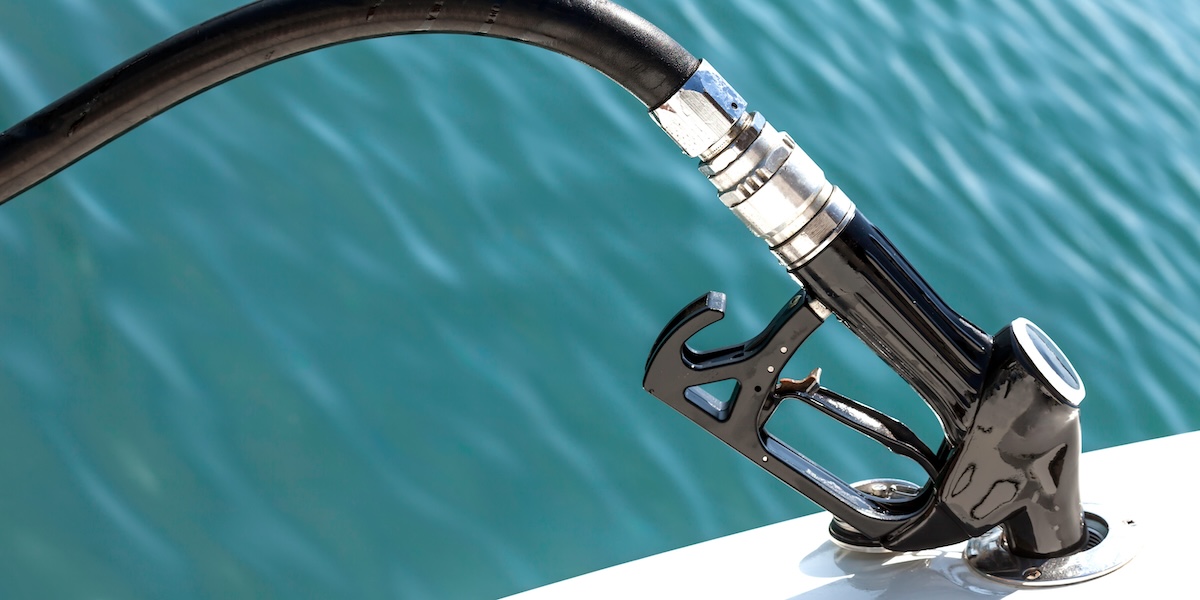
The U.S. Coast Guard sets baseline safety standards for recreational boats under 33 CFR Part 183, focusing heavily on gasoline inboard engines. Outboards get a pass on most of this—the real scrutiny falls on boats with enclosed engine compartments and permanent fuel systems. These regulations exist because gasoline vapors are heavier than air, settle in the bilge, and turn your boat into a potential bomb if you're not careful with ignition sources.
Federal rules cover backfire flame arrestors, ventilation systems, and every component in your fuel delivery chain—tanks, hoses, pumps, filters. The goal is preventing fires and explosions, which remain a serious risk. In 2024, machinery failure was the 4th leading cause of boating incidents, accounting for 289 cases with 13 deaths and 94 injuries out of 3,887 total incidents. While not all machinery failures are fuel-related, a significant portion trace back to compromised fuel systems or improper engine components.
States can add requirements on top of federal minimums. Always check your state boating authority—usually a division of Natural Resources or Fish and Wildlife—for local rules before assuming federal compliance is enough.
Backfire Flame Arrestors for Inboard Engines
Any gasoline inboard engine installed after April 25, 1940, must have a Coast Guard-approved backfire flame arrestor. This is a screen or mesh element that sits on the carburetor or intake manifold to stop flame propagation if the engine backfires. Without one, a backfire can ignite accumulated fuel vapor in the engine compartment.
The arrestor must meet SAE J-1928 or UL 1111 standards and be clearly marked as USCG-approved. Outboard motors are exempt—they vent to open air. If you're rebuilding an older inboard or swapping carburetors, verify the replacement arrestor carries the proper certification stamp. We've seen non-approved mesh screens sold as "flame arrestors" that offer zero protection. Check the housing for the approval label before installation. OEM-equivalent parts are important to maintain compliance and safety; learn more about proper component replacements in our Carburetor Repair Kit collection.
Ventilation Requirements by Boat Age
Ventilation rules depend on when your boat was built. For gasoline-powered vessels constructed before August 1, 1980, natural ventilation—open hatches, cowl vents, louvers—was considered acceptable. These boats rely on passive airflow to clear vapors.
Boats built after August 1, 1980 with enclosed engine compartments require powered exhaust blowers. These blowers actively pull explosive vapors from the bilge and engine compartment before startup. Run the blower for at least four minutes with the compartment closed before cranking the engine. This isn't optional—it's a federal mandate under 33 CFR Subpart K.
Check that your blower is actually working. Listen for the fan motor when you flip the switch. Inspect the intake and exhaust ducts for blockages—wasp nests, debris, collapsed hoses. The ducting must be corrosion-resistant and properly sized to move enough air. If the blower is silent or the airflow feels weak, replace it before you risk an ignition event.
Fuel Tank Construction and Installation Standards
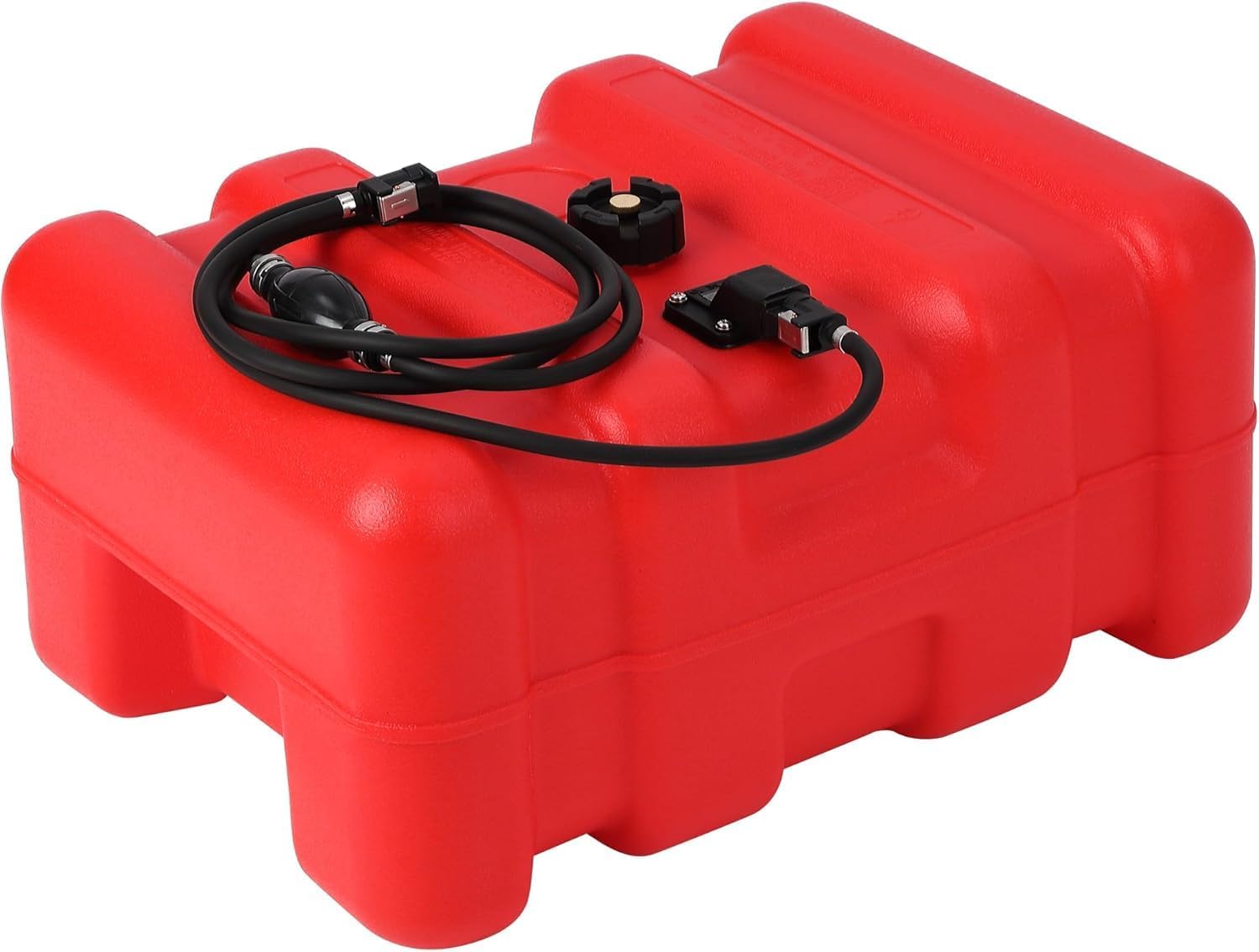
Fuel tanks on gasoline-powered boats must pass a fire resistance test under 33 CFR §183.510—they're subjected to flame for 2.5 minutes and cannot leak. Tanks must be labeled with capacity, material, and manufacturer information, and installed securely above the normal accumulation of bilge water.
Materials matter. Untreated aluminum is prohibited for gasoline tanks due to corrosion risk. Acceptable materials include marine-grade aluminum alloys, steel, or composite materials that meet the fire test. Tanks must be mounted with supports that prevent movement under normal operation and secured with straps or brackets that won't chafe the tank surface.
Vent lines require flame arrestors at the termination point to prevent external ignition sources from flashing back into the tank. Tank fittings—fill, vent, gauge sender—must be compatible with modern ethanol-blended fuels, which are more aggressive than straight gasoline. Older tanks with non-ethanol-resistant components degrade faster, leading to leaks at fittings and seams.
Fuel Hose Types and Specifications
Fuel hoses are not interchangeable with automotive or general-purpose hose. The Coast Guard mandates specific marine-rated hoses under 33 CFR §183.540 and §183.558. For high-pressure fuel lines located within 12 inches of the engine or near exhaust components, you must use USCG Type A1-15 hose. This designation means the hose is fire-resistant and designed to withstand 15 psi at 150°F.
For fuel lines outside the engine compartment or in lower-risk locations, Type B1-15 hose may be acceptable, but using A1-15 throughout provides better safety margin. The hose will have a layline—a continuous line of text stamped along its length—that states the USCG type, manufacturer, and relevant standards like SAE J1527. If the layline is missing, faded, or doesn't list a USCG type, replace the hose.
Ethanol-blended fuels accelerate hose degradation. Older non-ethanol-resistant hoses develop surface cracks, internal delamination, and softening. Squeeze the hose—if it feels spongy or shows visible cracking, it's done. Modern ethanol-resistant hoses are widely available and must be used with E10 or higher ethanol blends.
Fuel Pump Placement and Fire Test Requirements
Traditional fuel pump regulations required pumps to be installed within 12 inches of the engine unless the pump could pass a 2.5-minute fire test without leaking, as specified in 33 CFR §183.566. This rule aimed to keep pumps close to the engine block where temperatures are monitored and suppression systems can act quickly.
A major policy shift occurred in 2025. The USCG now accepts fuel pumps installed inside fuel tanks if they comply with ABYC H-24 (2025) standards. Jeff Ludwig, Chief of the USCG Office of Auxiliary & Boating Safety's Recreational Boating Product Assurance Branch, stated: "Our new policy allowing fuel pumps to be placed in fuel tanks in compliance with ABYC H-24 (2025) provides flexibility to boat manufacturers to incorporate the latest fuel system technology. The policy would not have been possible without the extensive testing conducted by ABYC and the hard work of the Fuel & Ventilation Systems Project Technical Committee."
For traditional external pump installations, electric pumps must be sealed and ignition-protected to prevent sparks from igniting vapors. Mechanical pumps are restricted in certain configurations. Fuel injection systems often have specific exemptions due to their pressurized, sealed design, but still require compliance with broader fuel system integrity standards. Consider choosing parts from a trusted source like our Fuel Pump collection for reliable marine-rated components.
Hose Clamps and Fitting Standards
Hose clamps are a frequent failure point. The Coast Guard requires all critical fuel connections to use 316L stainless steel clamps—a marine-grade alloy resistant to saltwater corrosion. Standard hardware-store clamps, especially zinc-plated or low-grade stainless, corrode quickly and lose clamping force.
For high-pressure fuel lines, double clamping—two clamps per connection—is standard practice and often required by ABYC guidelines. Position the clamps so they overlap slightly but don't interfere with each other's compression. This provides redundancy if one clamp fails.
Where permanent fittings are used—such as swaged or crimped fuel line ends—clamps may not be required because the connection is mechanically secured. However, barbed fittings, push-on fittings, and hose-to-nipple connections all require proper clamps. Never use spring clamps, wire ties, or automotive-style worm clamps on fuel systems. They don't provide adequate clamping force and fail under vibration.
Fuel System Component Access and Maintenance
Fuel system components must be installed to allow inspection and maintenance per 33 CFR guidelines. You need to be able to see your fuel lines, check for cracks, verify clamp tightness, and inspect fittings without tearing apart half the boat. If fuel lines are permanently sealed behind panels or encapsulated in foam, you can't perform required inspections.
Ethanol-blended fuels accelerate component degradation through phase separation—water in the fuel causes ethanol to separate and sink, creating a corrosive layer at the bottom of tanks. This layer attacks aluminum fittings, degrades gaskets, and promotes microbial growth. Hoses exposed to ethanol blends show surface hazing, internal delamination (the inner liner separates and breaks into chunks), and hardening. Squeeze hoses regularly and look for surface cracks or stiffness.
All fuel system components—hoses, clamps, filters, pumps—must be compatible with the fuel you're using. If you're running E10 (10% ethanol), verify every component is rated for ethanol use. Older boats originally designed for straight gasoline may need complete fuel system upgrades to handle modern fuel blends safely. For compatible parts, browse our Fuel & Induction collection to find components that stand up to today's fuel challenges.
Check fuel filters for water contamination. Transparent inline filters let you see water accumulation at the bottom. Water in the fuel indicates either condensation in the tank (common in boats stored outdoors) or contaminated shore fuel. Drain the filter and consider adding a water separator if you don't have one.
Engine Cut-Off Switch Requirements
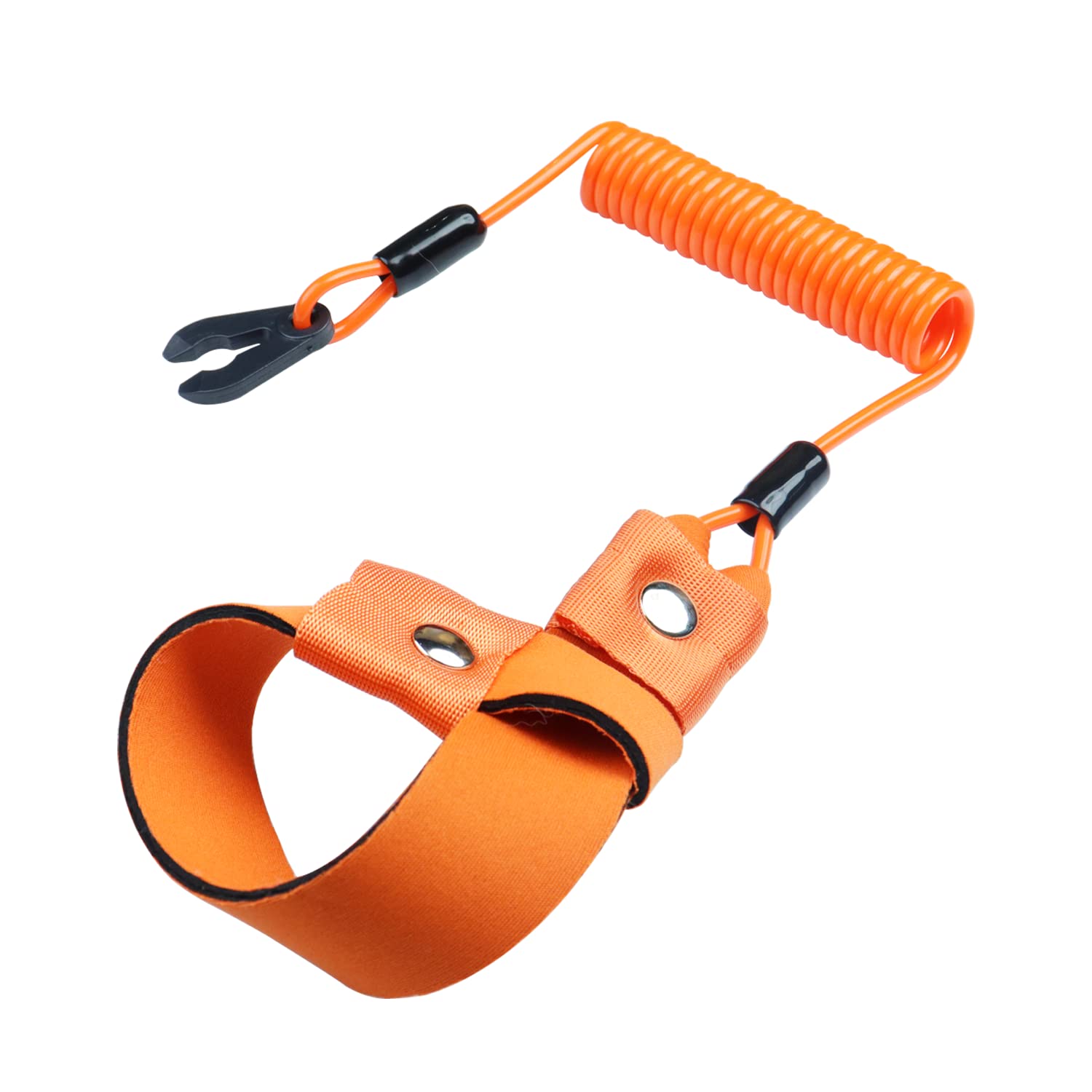
For boats less than 26 feet equipped with an engine cut-off switch (ECOS), federal law requires the operator to wear the lanyard or activate the wireless link when the boat is on plane or above displacement speed. The rule applies as of April 1, 2021, and exempts docking and idle-speed maneuvering.
The ECOS is a kill switch that shuts down the engine if the operator is thrown from the helm. Wireless systems use a fob worn by the operator that maintains a signal to the engine control module. If the signal is lost, the engine stops. This prevents runaway boats—a scenario where an unmanned boat circles at high speed, striking swimmers, other boats, or running aground.
Compliance is simple: clip the lanyard to your PFD or belt loop, or wear the wireless fob. If your boat didn't come with an ECOS, aftermarket kits are available for most engines. Installation typically involves splicing into the engine's kill circuit or ignition system. Verify compatibility with your engine's wiring before purchasing.
Ventilation System Airflow Requirements
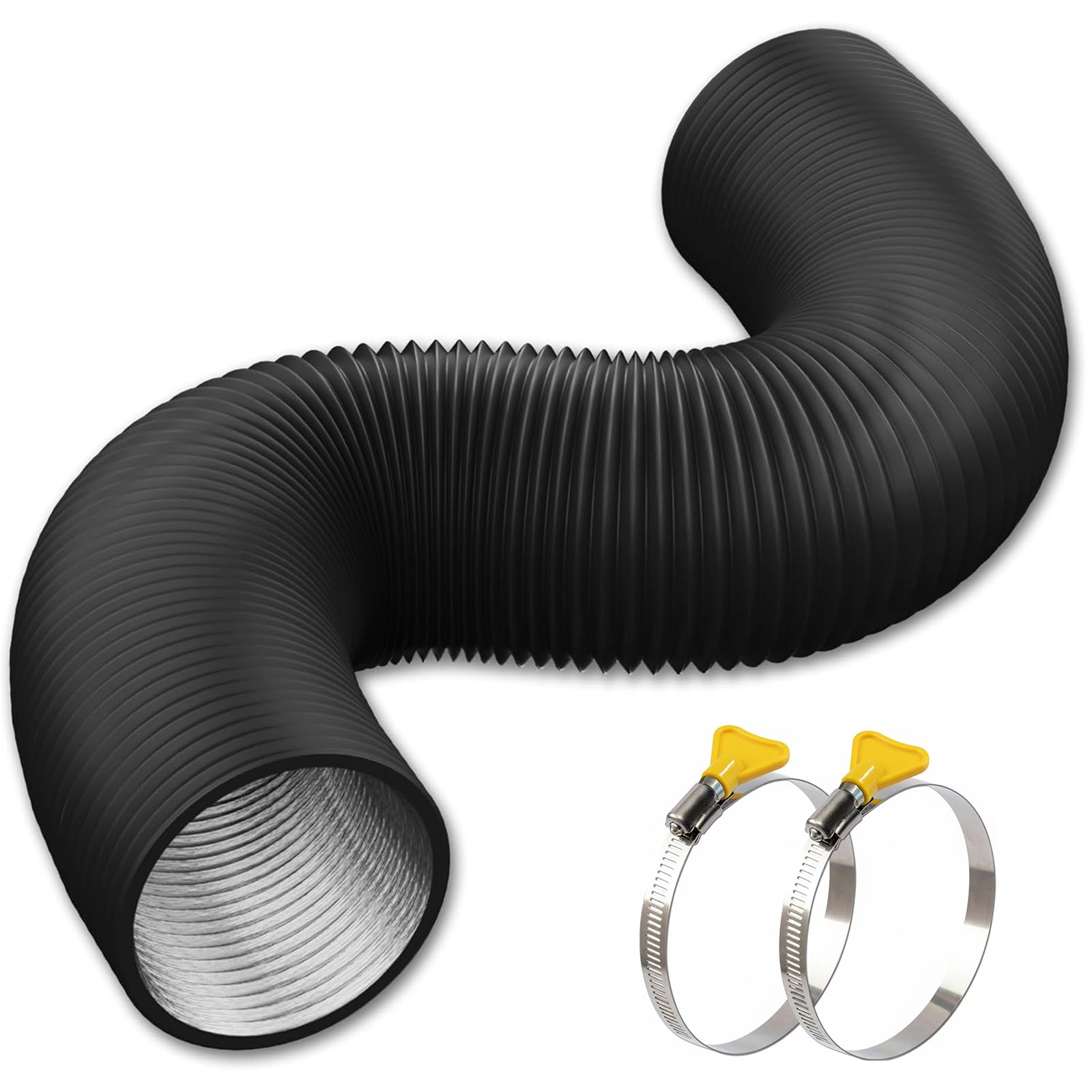
Powered ventilation systems must move enough air to clear explosive vapors from the bilge and engine compartment. The Coast Guard doesn't specify exact CFM (cubic feet per minute) ratings in the federal regulations, but ABYC standards provide guidance: ventilation systems should exchange the air in the compartment at a rate sufficient to reduce gasoline vapor concentrations below the lower explosive limit (LEL) within the required four-minute blower runtime.
Natural ventilation systems on pre-1980 boats rely on passive airflow through cowl vents, louvers, and hatches. The intake vent must draw air from outside the hull, and the exhaust vent must be located to allow vapors to exit—typically higher than the intake due to convection. However, gasoline vapors are heavier than air, so natural systems are less effective than powered blowers at clearing the bilge, which is why the requirement changed.
Inspect blower ductwork for kinks, splits, or disconnections. Flexible ducting should be secured with clamps at both ends and routed to avoid contact with hot exhaust components. The blower intake should be positioned low in the bilge where vapors accumulate, and the exhaust should vent overboard or to a well-ventilated area away from ignition sources.
Fuel Tank Vents and Flame Arrestors

Fuel tank vent lines allow air to enter the tank as fuel is consumed and let vapors escape as the tank heats up. The vent terminus—where the vent line exits the hull—must be fitted with a flame arrestor to prevent external ignition sources (lightning, sparks, engine backfire from nearby boats) from flashing back into the tank.
Vent lines must be routed to prevent water ingress while allowing free airflow. Vent terminations are typically located on the hull side or transom, angled downward to shed water but high enough to stay above the waterline during normal operation. A common failure is vent lines that terminate below the waterline during heavy loading or listing, allowing water to siphon into the tank.
Check vent flame arrestors for blockage—insects, dirt, and corrosion can clog the mesh screen. A blocked vent creates a vacuum in the tank as fuel is consumed, which can collapse flexible fuel lines, starve the engine, or cause the tank to deform. If the engine surges, stumbles, or stalls after running for a while and the tank sounds like it's under vacuum when you open the fill cap, the vent is blocked.
Fuel Filters and Water Separators
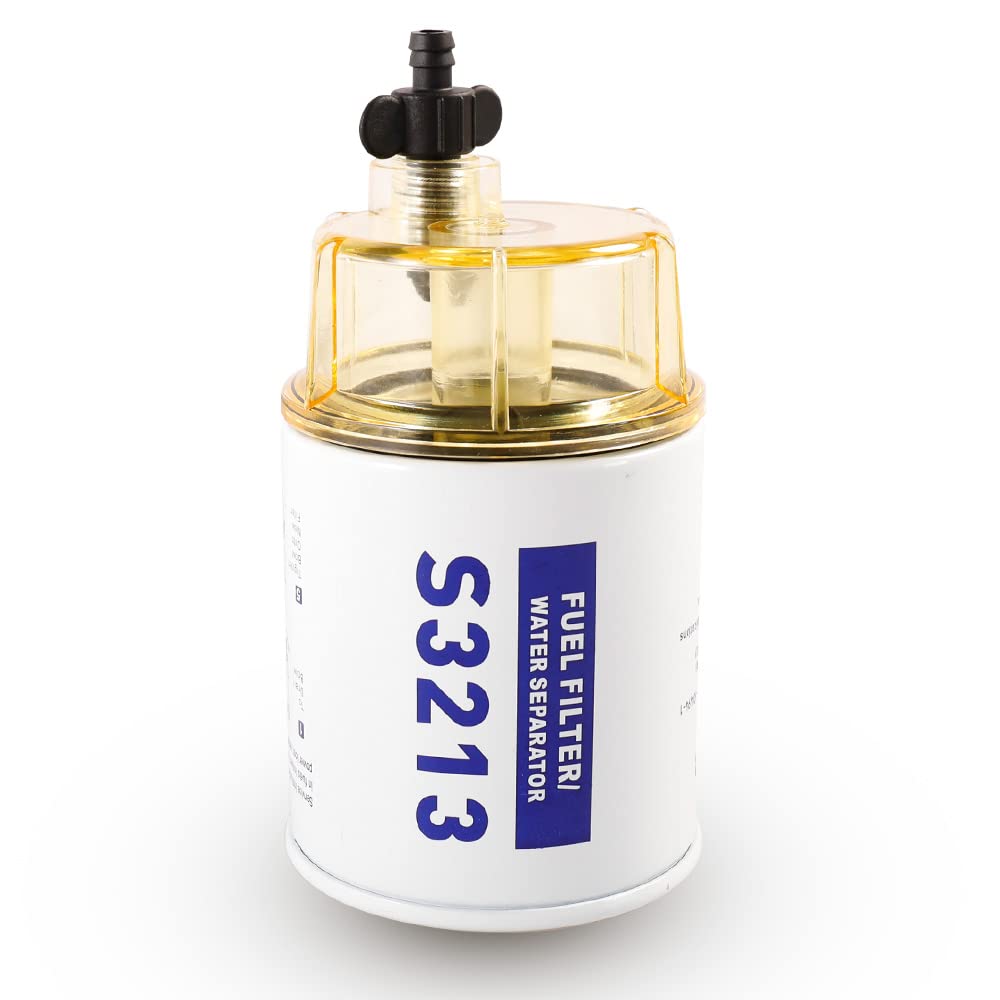
Fuel filters trap debris, rust, and contaminants before they reach the carburetor or fuel injection system. Water separators are a specific type of filter designed to remove water from the fuel—critical with ethanol blends that attract moisture. The Coast Guard doesn't mandate specific filtration micron ratings, but ABYC and engine manufacturers recommend 10-micron filters for most gasoline engines.
Filters should be installed in the fuel line between the tank and the engine, as close to the tank as practical to prevent debris from reaching downstream components. Transparent filter bowls let you visually inspect for water or sediment. Water appears as a distinct layer at the bottom of the bowl, often with a yellowish or cloudy tint.
Replace filters at the interval recommended by the engine manufacturer or sooner if you notice performance issues—hard starting, hesitation, loss of power. Filters on boats using ethanol fuels may need more frequent changes due to phase separation and microbial growth. If you see sludge, black particles, or gel-like material in the filter, your fuel system is contaminated and needs cleaning. Consider exploring our Fuel Filter collection for high-quality, compatible parts.
Anti-Siphon Valves and Fuel Line Routing
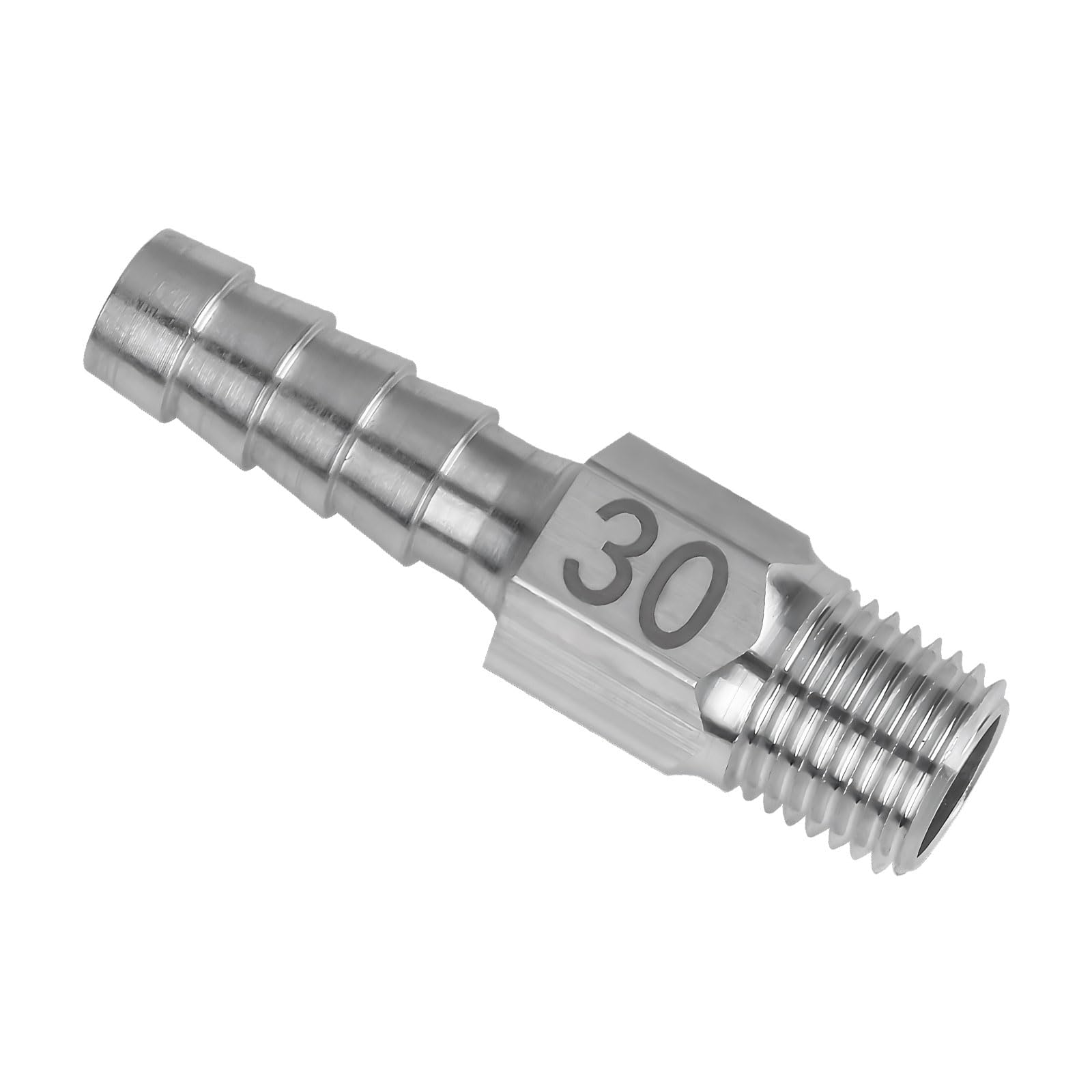
Anti-siphon valves prevent fuel from siphoning out of the tank through the fuel line if the line is damaged below the tank level. They're typically installed at the tank outlet and incorporate a spring-loaded valve that closes when fuel flow stops. If the fuel line develops a leak or is cut, the valve prevents the tank from draining overboard or into the bilge.
Fuel lines must be routed to avoid chafing against sharp edges, contact with hot exhaust components, and excessive exposure to vibration. Secure fuel lines every 18 to 24 inches with padded clamps or cushioned brackets. Avoid routing fuel lines through areas where they can be stepped on or crushed by shifting cargo.
Long fuel line runs between the tank and engine should include expansion loops or slack to accommodate hull flexing and thermal expansion. Rigid fuel lines (hard metal tubing) require proper support and vibration isolation fittings at the engine connection to prevent stress cracks from engine vibration.
Fuel System Grounding and Static Discharge
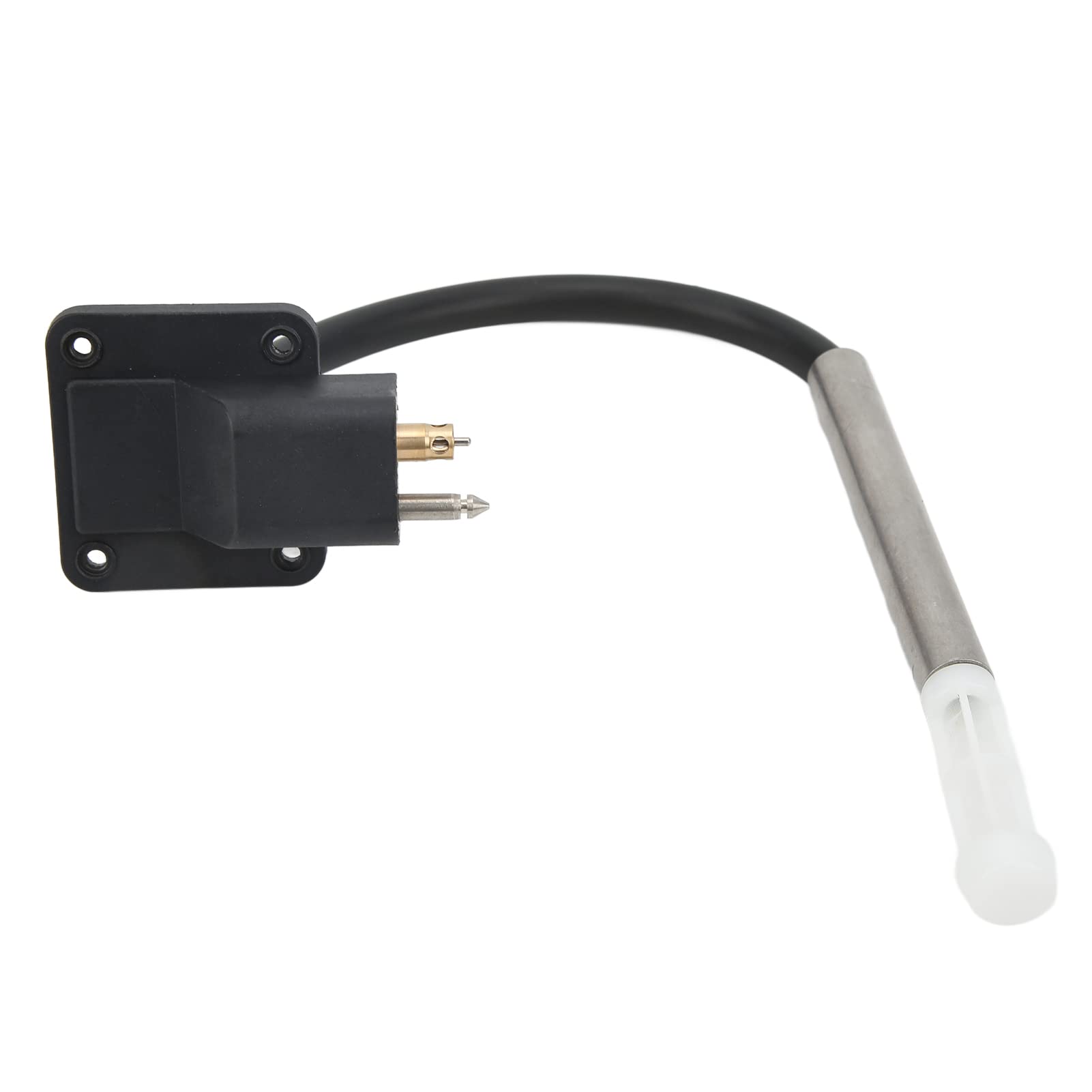
Fuel tanks and fill lines must be electrically bonded to the boat's grounding system to prevent static discharge during fueling. Static electricity generated by fuel flowing through the fill hose can ignite vapor at the tank opening if there's no grounding path. The fill nozzle, fill deck fitting, and fuel tank must all be electrically connected.
Most modern boats use metal fill fittings bonded to the tank with a grounding strap or wire. Plastic fuel tanks require a grounding plate inside the tank or a bonding wire attached to the fill fitting that connects to the boat's common ground. Test bonding integrity with a multimeter—resistance between the fill fitting and the tank should be less than one ohm.
During fueling, keep the nozzle in contact with the fill opening to maintain a grounding path. Never use your phone, smoke, or operate electrical switches at the fuel dock. Shut down engines, generators, and all ignition sources before fueling.
EPA Emissions Compliance for Fuel Systems
In addition to Coast Guard safety regulations, fuel systems on gasoline-powered boats must comply with EPA evaporative emissions standards. This primarily affects boats built after specific EPA rule dates and requires fuel tanks, fuel lines, and fuel caps to meet permeation standards—limiting the amount of fuel vapor that escapes through materials.
EPA-compliant fuel tanks are labeled with certification information. Fuel caps must seal properly to prevent vapor loss. Fuel lines must be low-permeation hose types, often marked with SAE J2006 or equivalent standards. Boats manufactured for sale in the U.S. come with EPA-certified fuel system components, but replacement parts must also meet these standards.
If you replace a fuel tank, fuel cap, or fuel hose on a newer boat, verify the replacement component is EPA-compliant. Using non-compliant parts may violate federal emissions regulations in addition to compromising safety.
Real-World Fuel System Failures

A passenger vessel operating off the Atlantic coast experienced a fuel spray fire when a modified fuel hose on a Detroit Diesel 16V92 engine failed, spraying fuel onto the engine's exhaust insulation. The hose was an improper replacement for the original male-to-male coupling, violating Coast Guard requirements for proper OEM-equivalent parts in fuel systems under 46 CFR Subchapter F. The crew followed emergency procedures by securing ventilation and releasing CO2 suppression, extinguishing the fire without injuries among 174 passengers.
Another case involved the NYC ferry SANDY GROUND, which suffered fuel over-pressurization from improper valve manipulation on fuel return lines during day tank leveling. The pressurization ruptured spin-on filters on all four main engines, spraying fuel that ignited on an exhaust manifold. Unapproved replacement of check valves with ball valves—lacking relief devices per 46 CFR 56.07-10—and no written leveling procedures violated Coast Guard piping and fuel system rules. The crew activated NOVEC 1230 suppression after delayed fuel shutoff, enabling safe evacuation of 866 passengers with assist from nearby vessels, though damage totaled $12.7 million.
These incidents highlight the consequences of using non-approved parts or deviating from proper fuel system maintenance and operational procedures. Both cases involved commercial vessels, but the principles apply equally to recreational boats—improper modifications and component substitutions create fire hazards.
Navigation Light Requirements by Vessel Length
The Coast Guard requires all boats operating at night to display navigation lights based on vessel length. Boats under 39.4 feet (12 meters) must display red and green sidelights visible from two miles, and a white stern light visible from two miles. A white masthead light visible from two miles is required for powerboats under 39.4 feet when underway, though boats under 23 feet can combine the masthead and stern light into a single all-around white light if under seven knots.
Boats 39.4 to 65.6 feet (12 to 20 meters) require separate masthead, side, and stern lights, with sidelights visible from two miles and masthead/stern lights from three miles. Sailboats have different configurations—under sail alone, they may display sidelights and a stern light or a tri-color light at the masthead, but never a white masthead light unless motoring.
Lights must meet Coast Guard certification standards for brightness, color, and arc of visibility. Aftermarket lights should be labeled as USCG-approved. Improper lighting is a leading cause of collisions at night and in restricted visibility. Check bulbs before every night trip, and carry spares for critical lights. LED lights are more reliable than incandescent bulbs and draw less power.
Sound Signaling Device Requirements
Boats less than 39.4 feet (12 meters) in length must carry a sound-producing device capable of producing an audible signal. This is typically a hand-held air horn, a mounted electrical horn, or a whistle. The device must be loud enough to be heard at a reasonable distance—generally interpreted as at least half a nautical mile.
The requirement for bells on recreational boats has been phased out. Previously, boats 65.6 feet (20 meters) or longer were required to carry a bell in addition to a horn. Current regulations focus on a single sound signaling device for collision avoidance and distress signaling, regardless of vessel length.
Sound signals are used in restricted visibility to indicate your position and heading to other vessels. Proper use of sound signals is outlined in the Navigation Rules—one short blast for altering course to starboard, two short blasts for altering to port, and five or more short blasts as a danger signal. If your horn fails, you're required to produce the signals by any means available, including manually operated devices.
Check your fuel line clamps every season with a 5/16-inch nut driver, and re-torque them if they've loosened from engine vibration. To source high-quality parts for replacements and maintenance, explore the broad selection at our JLM Marine boat parts hub.
Hi—I’m Jim Walker
I grew up in a Florida boatyard, earning pocket money (and a few scars) by rebuilding outboard carbs before I could drive. That hands-on habit carried me through a Ph.D. in mechanical engineering, where I studied how salt water quietly murders metal.
I spent ten years designing cooling systems for high-horsepower outboards, then joined JLM Marine as CTO. We bench-test every new part in the lab, but I still bolt early prototypes onto my own 23-foot skiff for a weekend shake-down— nothing beats real wake and spray for finding weak spots.
Here on the blog I share the fixes and shortcuts I’ve learned so your engine—and your day on the water—run smooth.

Для владельцев лодок:
Мы надеемся, что следующие ресурсы окажутся полезными для вас в обслуживании и ремонте ваших судовых двигателей:
- Руководство по серийным номерам Mercury
- Руководства пользователя от Mercury
- Официальное руководство по номерам моделей в формате PDF от BRP
- Руководство по серийным номерам Johnson
-
Аксессуары для лодок от JLM Marine
О компании JLM Marine
Основанная в 2002 году, компания JLM Marine зарекомендовала себя как специализированный производитель высококачественных морских деталей, базирующийся в Китае. Наша приверженность совершенству в производстве заслужила нам доверие ведущих мировых морских брендов.
Как прямой поставщик, мы обходим посредников, что позволяет нам предлагать конкурентоспособные цены без ущерба качеству. Такой подход не только поддерживает экономическую эффективность, но и гарантирует, что наши клиенты получают наилучшую ценность напрямую от источника.
Мы рады расширить свое присутствие через розничные каналы, предлагая наш опыт и приверженность качеству непосредственно владельцам и любителям лодок по всему миру.
Распродажа лодочных аксессуаров
- $37.99
$45.99- $37.99
- Unit price
- per
- $34.99
- $34.99
- Unit price
- per
- $128.99
- $128.99
- Unit price
- per

- $25.30
$30.00- $25.30
- Unit price
- per


- $34.99
$41.99- $34.99
- Unit price
- per

- $32.50
$31.00- $32.50
- Unit price
- per

- $139.99
- $139.99
- Unit price
- per


- $45.00
- $45.00
- Unit price
- per

- $28.50
$29.00- $28.50
- Unit price
- per

- $159.99
- $159.99
- Unit price
- per


- $105.00
- $105.00
- Unit price
- per


- $34.99
$41.99- $34.99
- Unit price
- per


- From $68.00
- From $68.00
- Unit price
- per


- $34.99
$41.99- $34.99
- Unit price
- per

- $59.95
$71.00- $59.95
- Unit price
- per

- $59.99
$71.00- $59.99
- Unit price
- per


- $34.99
$41.99- $34.99
- Unit price
- per

- $65.50
$78.00- $65.50
- Unit price
- per

- $67.00
$65.00- $67.00
- Unit price
- per

- $19.99
- $19.99
- Unit price
- per