


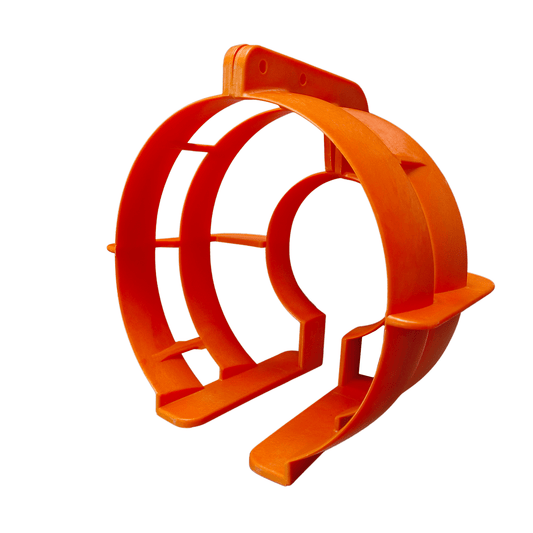

Outboard Theft Protection: Locks and Tips to Secure Your Engine
- Why Thieves Target Outboards
- Clamp-Screw Locks for Portable Engines
- Bolt Locks for Larger Engines
- Propeller and Cowling Locks
- Trailer Security
- Tender and Dinghy Protection
- Alarms and GPS Trackers
- Visible Deterrents and Parking
- Marking and Documentation
- Insurance Coverage
- What to Do If Your Engine Is Stolen
- Two Independent Locks
- Sources

Your outboard sits on the transom or trailer unattended—it's a target. Thieves hit marinas, storage yards, even driveways. We've worked on boats for 20 years, and the pattern is always the same: high value, quick removal, easy resale. According to the National Insurance Crime Bureau, Florida, California, and Texas see the most watercraft thefts, and outboards are consistently among the most stolen components because they're not registered like hulls—no paper trail.
Organized crews in the Southeast have been hitting dealers with cordless impact wrenches, removing 150–350 hp engines in minutes. Each engine can be worth $30,000 or more. Only one in ten stolen watercraft is ever recovered. Your job is to make your rig harder to hit than the one next to it.
Why Thieves Target Outboards
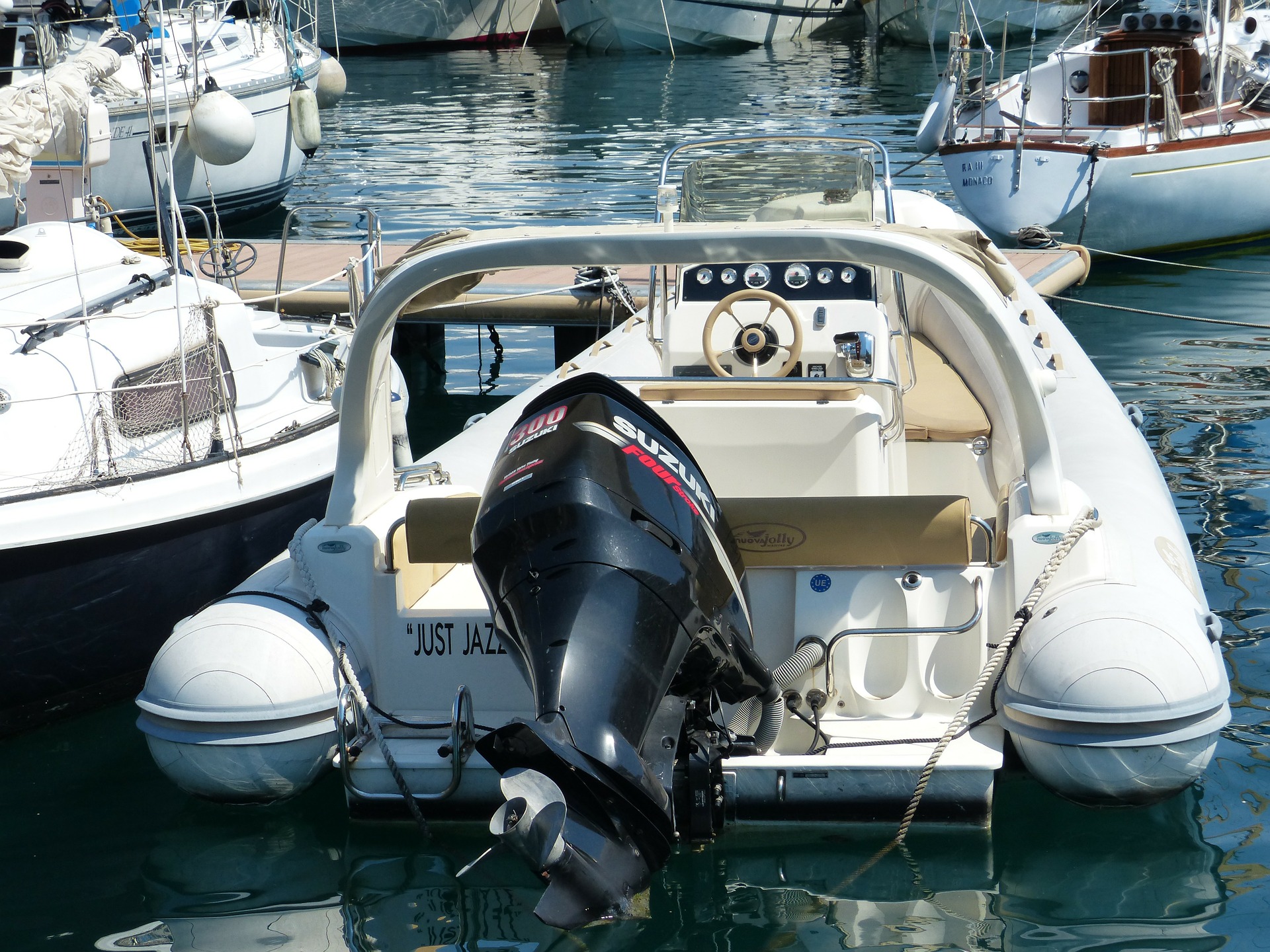
Three reasons: value, speed, and no registration. A 25 hp portable clamps on with two screws. A thief with a wrench can pull it in under three minutes if there's no lock. Larger bolted engines take longer, but not much—cordless tools make fast work of standard mounting bolts.
We see it constantly. A customer shows up, engine gone, left with a ruined weekend and an insurance claim. Marine insurers note that outboards, electronics, and generators are the top theft targets because they're portable and untraceable. Theft accounts for roughly 6% of all boat insurance claims, and engines lead that category.
Coastal states and warm-weather regions see the worst of it—year-round boating season means year-round opportunity for thieves. This is why understanding boat accessories and security solutions can be an essential part of protecting your marine investment.
Clamp-Screw Locks for Portable Engines
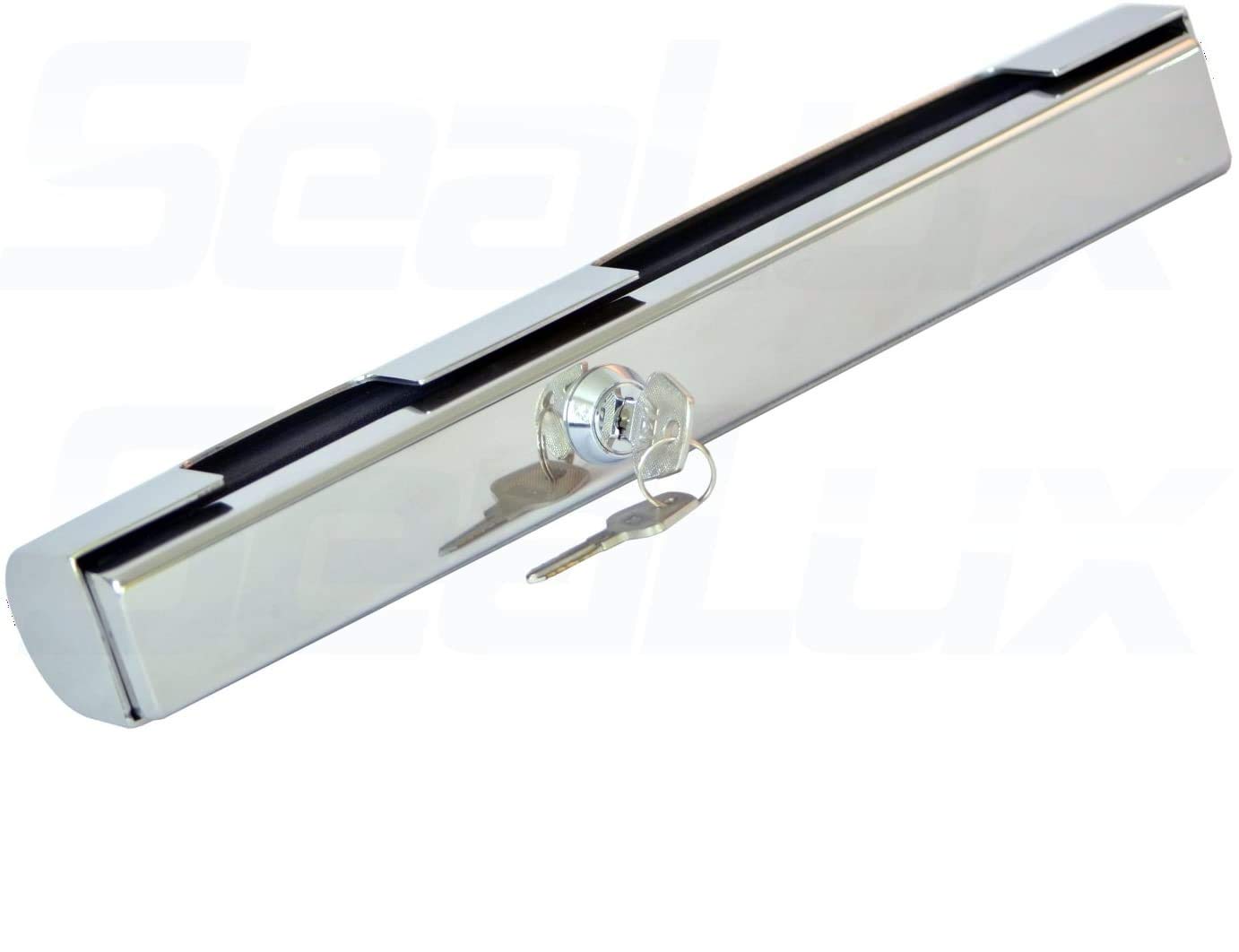
Small outboards under 40 hp usually mount with clamp screws. If those screws aren't locked, removal is trivial.
Cap locks cover the clamp screws with hardened stainless steel. The screw head sits inside a protective cap that only opens with a key. Thieves can't get a wrench on it. Cruisers prefer cap locks because they're tamper-resistant and hold up in saltwater. Check the cap's thread compatibility with your clamp screws before buying—metric versus SAE matters.
Rail-style locks secure both toggle screws with a hardened bar. The bar connects the two clamp handles so they can't be loosened independently. These add time and noise to any theft attempt. Noise is your friend—it drives thieves away.
Tube locks (like Trimax TBL610 or Seasense 50073730) slide over the clamp handles and lock with a keyed cylinder. They work up to about 40 hp. The downside: if the tube steel isn't marine-grade or hardened, a decent set of bolt cutters will go through it. Always check the material spec. Standard hardware-store locks won't cut it—literally, a thief will cut them.
In saltwater, lubricate the lock mechanism every two weeks with a dry graphite or marine-grade spray. Don't use oil-based lube; it gums up with salt and seizes the lock. We've had customers unable to remove their own engines because the lock cylinder corroded shut. For maintenance tips on keeping your outboard running smoothly, you might find our Outboard Engine Pre-Run Inspection Guide helpful.
Bolt Locks for Larger Engines
Engines over 40 hp are typically through-bolted to the transom. The bolts run through the mounting bracket and clamp bracket, secured with nuts on the inside of the transom. A thief goes after those nuts.
Locking nuts replace one of the standard mounting nuts. McGard makes a common model—it threads onto the transom bolt and features a free-spinning outer collar. When a thief grabs it with channel-locks or an adjustable wrench, the collar spins freely; the nut doesn't turn. Only the keyed McGard socket can remove it. It's about $28 and works well as a deterrent. A determined thief with a grinder can still cut the bolt itself, but that takes five to ten minutes of sparks and noise. Most move on.
Bolt covers are another option. These are hardened stainless caps that fit over the entire nut and bolt head, secured with an anti-pick cylinder. We've seen units trap between the clamp pad and transom, making removal extremely difficult without the key. Make sure you measure your transom bolt length and thread pitch before ordering. If you have a jack plate or extended bracket, the standard bolt length may not accommodate a locking nut—verify fitment with your engine's manual or resources such as our Installing a Jack Plate: Benefits for Shallow Water Boating guide.
For permanently mounted engines, insurers like Pantaenius note that if the engine is bolted per manufacturer specs and theft occurs without negligence, claims are generally accepted. That said, a lock still stops opportunistic theft, and your premium may reflect it.
Propeller and Cowling Locks
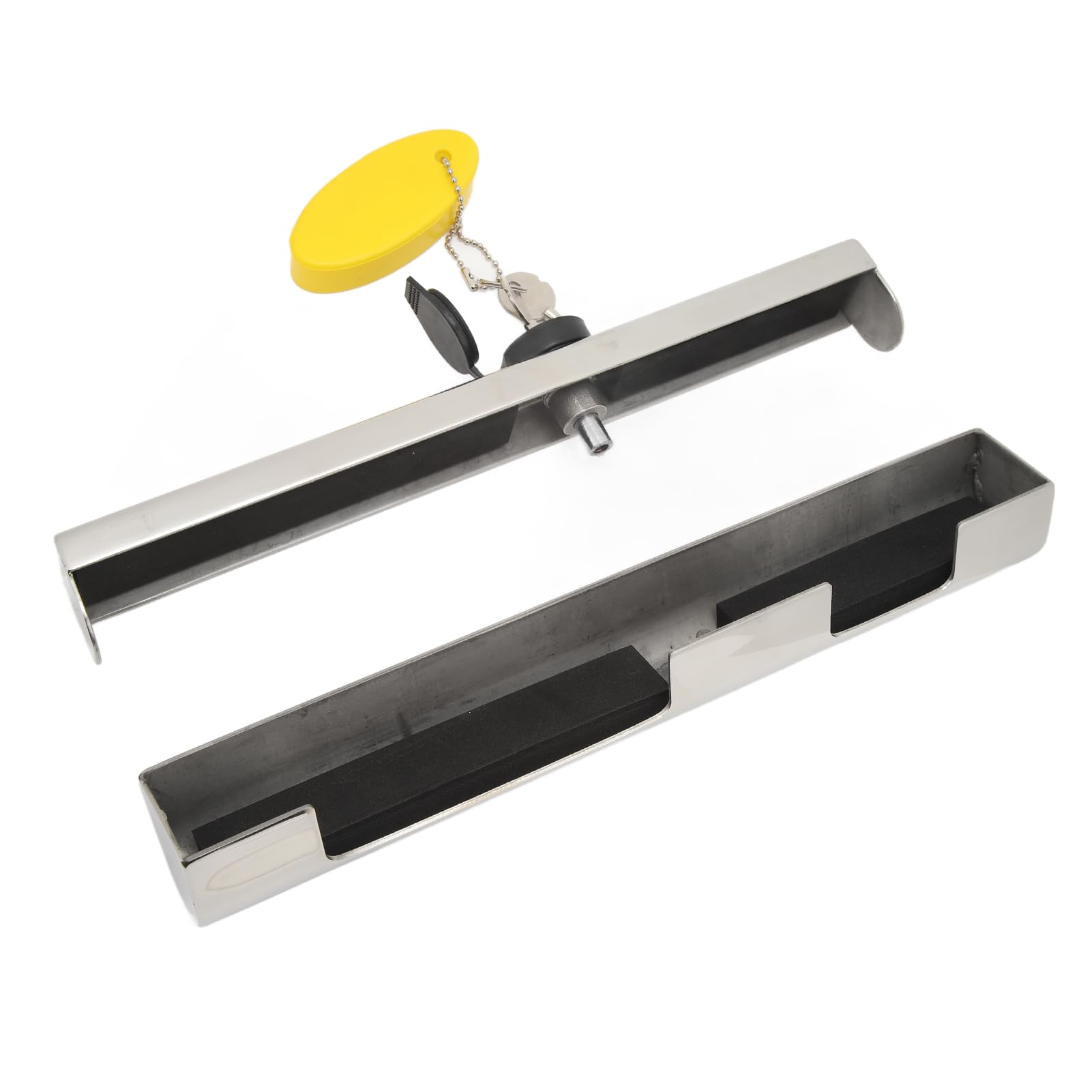
Thieves sometimes strip parts instead of taking the whole engine. The cowling (engine cover) on a large Yamaha or Mercury can run $800–$1,200 to replace. If your cowling uses simple spring latches, a thief pops it off in seconds.
Upgrade to locking latches or run a small cable lock through the latch holes. Mark the inside of the cowling with your hull ID or a custom engraving—it won't stop theft, but it kills resale value.
Propeller locks are less common but useful on high-end stainless props. They replace the prop nut with a keyed version. McGard also offers prop locks. Again, a grinder defeats it eventually, but it buys time.
Trailer Security
Half the time, thieves don't bother with just the engine—they take the whole rig. Lock the trailer coupler with a heavy-duty coupler lock. Use a wheel lock or boot if you can. Position the trailer backed up to a wall, garage, or solid fence so there's no room to work around the transom. We've seen setups where the boat is parked with the engine six inches from a concrete block wall—thieves can't get a wrench in there.
If the trailer sits in a driveway, add motion-sensor lights. A $20 LED floodlight with a PIR sensor is enough to spook most opportunistic thieves. Keep the trailer hitch locked even when the boat is off the trailer; an unsecured hitch makes it easy to hook up and roll.
Tender and Dinghy Protection
If you cruise or live aboard, your tender is vulnerable. Lock it to the dock or the mothership every time you leave it. Lift it out of the water at night and lock the lifting tackle or davit lines so it can't be lowered without a key. Visible locks make a thief choose the easier target—the dinghy next to yours with no lock.
For tender outboards, use a cap lock or rail lock on the clamp screws. Also run a steel cable through the motor's lifting eye and around a thwart or cleat, then lock it. Two independent locking points mean defeating one lock doesn't free the motor.
Alarms and GPS Trackers
Mechanical locks slow thieves down. Alarms and trackers catch them or recover your engine.
Marine alarm systems use accelerometers to detect movement or vibration. If someone lifts the cowling or tries to unbolt the engine, the system triggers a siren and sends an alert to your phone. Siren Marine systems can detect approaching bodies at three to five feet and distinguish human mass from animals, cutting false alarms. These run $300–$600 depending on features. Mount the control unit inside a locked cabin or under the console where it's not obvious.
Hidden GPS trackers won't stop a theft, but they give you a shot at recovery. Mount the tracker inside the cowling or under the flywheel cover where it's hard to spot. Battery-powered units need a recharge every few months; hardwired trackers tap into the engine's power and last indefinitely but are harder to hide. Subscription services run $10–$20 per month.
A kill switch or fuel-line shutoff wired into a hidden location adds another layer. Even if a thief gets the engine off the boat, they can't start it without finding and bypassing the switch.
Visible Deterrents and Parking

Thieves scout. They look for the easiest score. Make your setup look like a hassle.
Use visible, heavy-duty locks. A big stainless padlock or a brightly colored locking bar signals that this engine is secured. Thieves will move to the next boat.
Park in well-lit areas. Marinas with 24-hour lighting and security cameras see fewer thefts. If you store at home, park under a floodlight or near a window where you can see the boat. Motion lights work well—sudden illumination is a strong deterrent.
Position matters. In a storage yard, request a slot against a building or fence. In dry-stack storage, ask for an upper-level slot—making thieves haul a heavy engine down a ladder or lift adds serious difficulty. Facilities like Caribee Boat Sales in Florida use perimeter beams, cameras, and security patrols, and their advice is to "make things as difficult and time-consuming as possible."
Marking and Documentation
Engrave your engine's serial number on the mounting bracket, clamp bracket, and inside the cowling. Use a rotary engraver or permanent marking paint. Add your hull identification number (HIN) or a custom code. This doesn't prevent theft, but it tanks the resale value on the black market and helps law enforcement trace recovered engines. For guidance on serial numbers and identification, see our Mercury Serial Number Guide.
Photograph your engine from multiple angles. Capture the serial number plate, any custom installations, and unique wear or modifications. Store these photos off the boat—cloud storage or a safe at home. If the engine is stolen, you'll need this documentation for the insurance claim and police report. Insurers and police stress that marked engines are harder to sell and easier to recover.
Keep your original purchase receipt, registration (if applicable in your state), and a copy of the serial number in a separate location. If your boat burns or sinks and the engine is a total loss, you'll still have proof of ownership and value.
Insurance Coverage

Not all boat insurance policies automatically cover outboard theft, especially for high-value replacement engines. Read your policy. Confirm that the engine is covered whether it's stolen while mounted on the boat, sitting on a stand, or during transport. Some policies require "recognized anti-theft devices" for coverage to apply—find out what qualifies and install it.
If your engine is worth more than $10,000, consider agreed-value coverage instead of actual cash value. Actual cash value depreciates over time; if a five-year-old engine is stolen, you'll get a payout based on depreciated value, not replacement cost. Agreed value locks in a set payout amount when you write the policy.
Document your security measures (photos of installed locks, receipts, alarm system details) and provide them to your insurer. Some companies offer premium discounts for proper security.
What to Do If Your Engine Is Stolen
File a police report immediately. Provide the serial number, photos, and any GPS tracker data if available. Alert nearby marinas and dealers—stolen engines often show up for resale locally within a week or two. Post the serial number and photos on local boating forums and social media groups.
Contact your insurance company the same day. They'll ask for the police report number, documentation, and proof of ownership. Recovery odds are low—only about one in ten stolen watercraft is recovered, and engines are often stripped or shipped overseas—but marking and tracking improve your chances.
Two Independent Locks
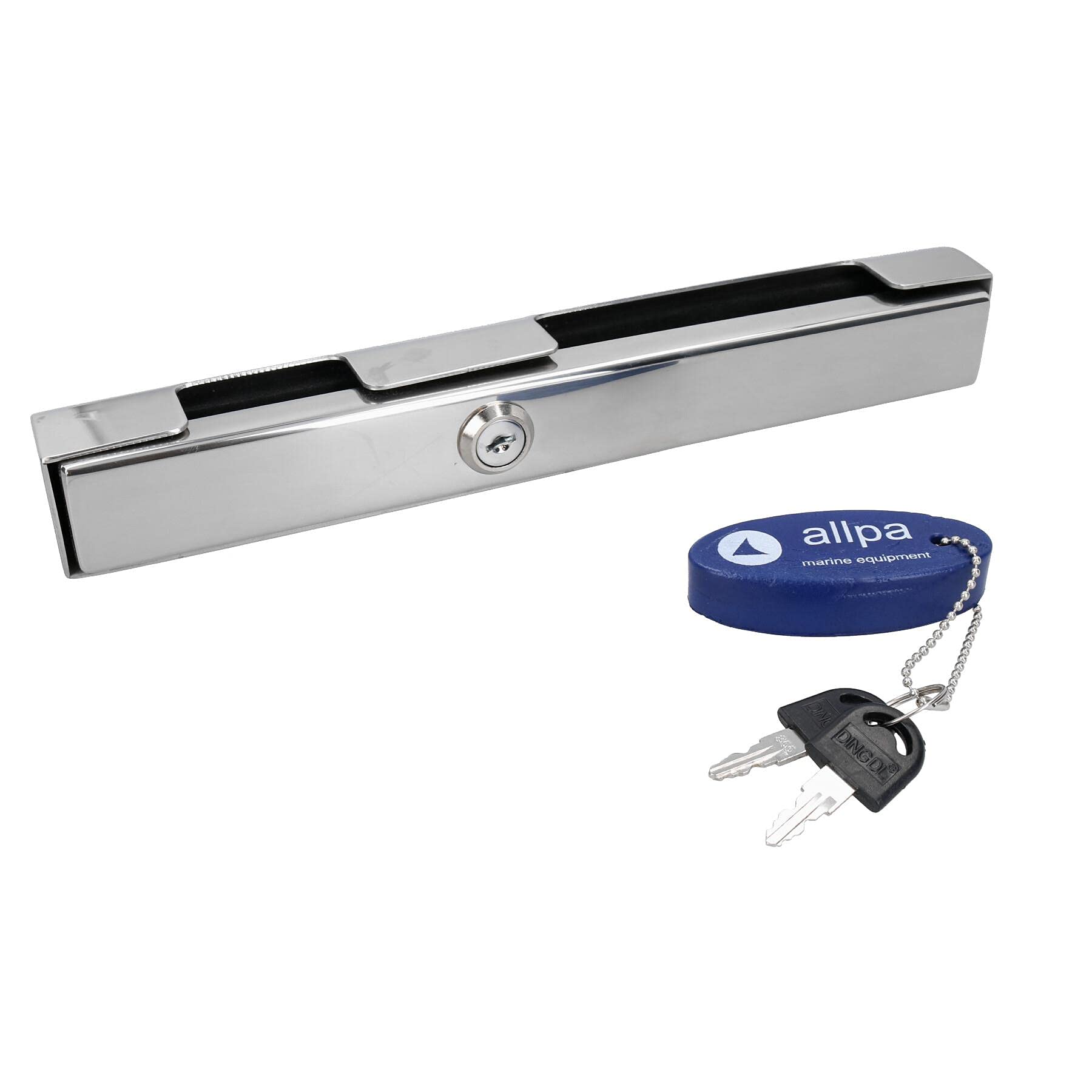
If you take one thing from this, make it this: use two independent locking points. One lock on the clamp handles and a steel cable through the lifting eye, locked to the transom or a thru-bolt. Or a locking nut on one mounting bolt and a hardened cap on another. Defeating one lock shouldn't free the motor. Each lock adds time, noise, and risk for the thief.
We've seen too many engines vanish because the owner relied on a single cheap padlock. Spend the $100 on quality locks now, or spend $8,000 replacing the engine later.
When you're done for the day, flush the engine with fresh water for three minutes. It keeps the cooling passages clear and corrosion down, and it forces you to check that the locks are in place and secure before you walk away. For flushing tips, our Daily Engine Flush for Saltwater Boats: A Good Habit guide is a great resource.
For more comprehensive marine engine parts and accessories, visit our JLM Marine homepage and explore quality parts to maintain and protect your investment.
Sources
- https://www.nicb.org/news/blog/boat-thefts-continue-sink
- https://www.sportfishingmag.com/prevent-boat-engine-stealing/
- https://www.pantaenius.com/au-en/insights/journal/article/how-to-protect-your-outboard-motor-from-theft/
- https://www.pantaenius.com/uk-en/insights/journal/article/outboard-motor-thefts-are-rising-heres-how-to-stay-protected/
- https://blog.noforeignland.com/how-to-protect-your-outboard-motor-and-tender-from-theft/
- https://www.practical-sailor.com/systems-propulsion/diesel-engines/outboard-engine-locks
- https://shop.mcgard.com/products/marine/outboard-motor-locks
- https://www.waterwayguide.com/knowledge-center/news-post/7324/boat-us-offers-5-tips-to-stop-your-boat-from-being-stolen
- https://blog.getboat.com/travel-tips-advice/best-outboard-motor-locks/
- https://www.pbo.co.uk/news/warning-after-spike-in-outboard-engine-thefts-25530
Hi—I’m Jim Walker
I grew up in a Florida boatyard, earning pocket money (and a few scars) by rebuilding outboard carbs before I could drive. That hands-on habit carried me through a Ph.D. in mechanical engineering, where I studied how salt water quietly murders metal.
I spent ten years designing cooling systems for high-horsepower outboards, then joined JLM Marine as CTO. We bench-test every new part in the lab, but I still bolt early prototypes onto my own 23-foot skiff for a weekend shake-down— nothing beats real wake and spray for finding weak spots.
Here on the blog I share the fixes and shortcuts I’ve learned so your engine—and your day on the water—run smooth.

Для владельцев лодок:
Мы надеемся, что следующие ресурсы окажутся полезными для вас в обслуживании и ремонте ваших судовых двигателей:
- Руководство по серийным номерам Mercury
- Руководства пользователя от Mercury
- Официальное руководство по номерам моделей в формате PDF от BRP
- Руководство по серийным номерам Johnson
-
Аксессуары для лодок от JLM Marine
О компании JLM Marine
Основанная в 2002 году, компания JLM Marine зарекомендовала себя как специализированный производитель высококачественных морских деталей, базирующийся в Китае. Наша приверженность совершенству в производстве заслужила нам доверие ведущих мировых морских брендов.
Как прямой поставщик, мы обходим посредников, что позволяет нам предлагать конкурентоспособные цены без ущерба качеству. Такой подход не только поддерживает экономическую эффективность, но и гарантирует, что наши клиенты получают наилучшую ценность напрямую от источника.
Мы рады расширить свое присутствие через розничные каналы, предлагая наш опыт и приверженность качеству непосредственно владельцам и любителям лодок по всему миру.
Распродажа лодочных аксессуаров
- $37.99
$45.99- $37.99
- Unit price
- per
- $34.99
- $34.99
- Unit price
- per
- $128.99
- $128.99
- Unit price
- per

- $25.30
$30.00- $25.30
- Unit price
- per


- $34.99
$41.99- $34.99
- Unit price
- per

- $32.50
$31.00- $32.50
- Unit price
- per

- $139.99
- $139.99
- Unit price
- per


- $45.00
- $45.00
- Unit price
- per

- $28.50
$29.00- $28.50
- Unit price
- per

- $159.99
- $159.99
- Unit price
- per


- $105.00
- $105.00
- Unit price
- per


- $34.99
$41.99- $34.99
- Unit price
- per


- From $68.00
- From $68.00
- Unit price
- per


- $34.99
$41.99- $34.99
- Unit price
- per

- $59.95
$71.00- $59.95
- Unit price
- per

- $59.99
$71.00- $59.99
- Unit price
- per


- $34.99
$41.99- $34.99
- Unit price
- per

- $65.50
$78.00- $65.50
- Unit price
- per

- $67.00
$65.00- $67.00
- Unit price
- per

- $19.99
- $19.99
- Unit price
- per