





Daily Engine Flush for Saltwater Boats: A Good Habit
Saltwater corrodes metal 5 times faster than freshwater and 10 times faster than humid air. That's not theory—that's what happens inside your cooling system every time you run in salt. If you're not flushing after every saltwater outing, you're letting crystalline salt deposits sit in your water jackets, impeller housing, and thermostat. Those deposits don't just rinse out on their own. They eat metal, clog passages, and turn a $200 maintenance job into a $2,500 powerhead rebuild.
Flushing with freshwater after every saltwater use cuts corrosion rates by up to 40%. It's the simplest, cheapest insurance you can buy for your engine.
Why Saltwater Destroys Engines

Salt doesn't just sit in your cooling system—it actively corrodes. When saltwater circulates through your engine and then sits idle, it leaves behind salt crystals. These crystals create an electrochemical reaction that eats away at aluminum, steel, and even stainless components. The process accelerates in the tight, enclosed passages of your cooling jackets and around your thermostat housing.
Your sacrificial anodes are supposed to corrode first, protecting the engine block. But if you're not flushing, the salt residue overwhelms them. They get chewed up fast, and once they're gone, the corrosion moves to your expensive parts—cylinder heads, exhaust passages, water pump housing.
Neglected engines also burn 10-20% more fuel because clogged cooling passages force the engine to work harder to maintain temperature. And if salt clogs the system enough to cause overheating, you're looking at warped heads, damaged pistons, or a completely seized powerhead. Engine failure risk jumps 30% when you skip freshwater flushing.
We've pulled engines where the cooling tubes were so clogged with salt scale that water flow was maybe 30% of spec. The owner couldn't figure out why the engine kept overheating at idle. That's a $2,000+ repair that a $0.50 garden hose would've prevented.
How to Flush Your Outboard After Saltwater Use

Do this while the engine is still warm. A warm thermostat stays open, which means freshwater can reach the cylinder head cooling jackets instead of bypassing them through the stat. For detailed steps on thermostat maintenance and replacement, see our guide on Thermostat Maintenance: Keeping Your Outboard Running Cool.
What You Need
- Garden hose with steady water pressure
- Flushing muffs (Y-shaped rubber cups) for lower-unit intakes, or use your engine's flush port if it has one
- Optional: Salt Away or similar salt-dissolving flush agent
The Process
Make sure the boat is secure—on a trailer or tied off where it won't move. Put the transmission in neutral. Never run the engine in gear on the hose. You're not testing the prop; you're circulating water through the block.
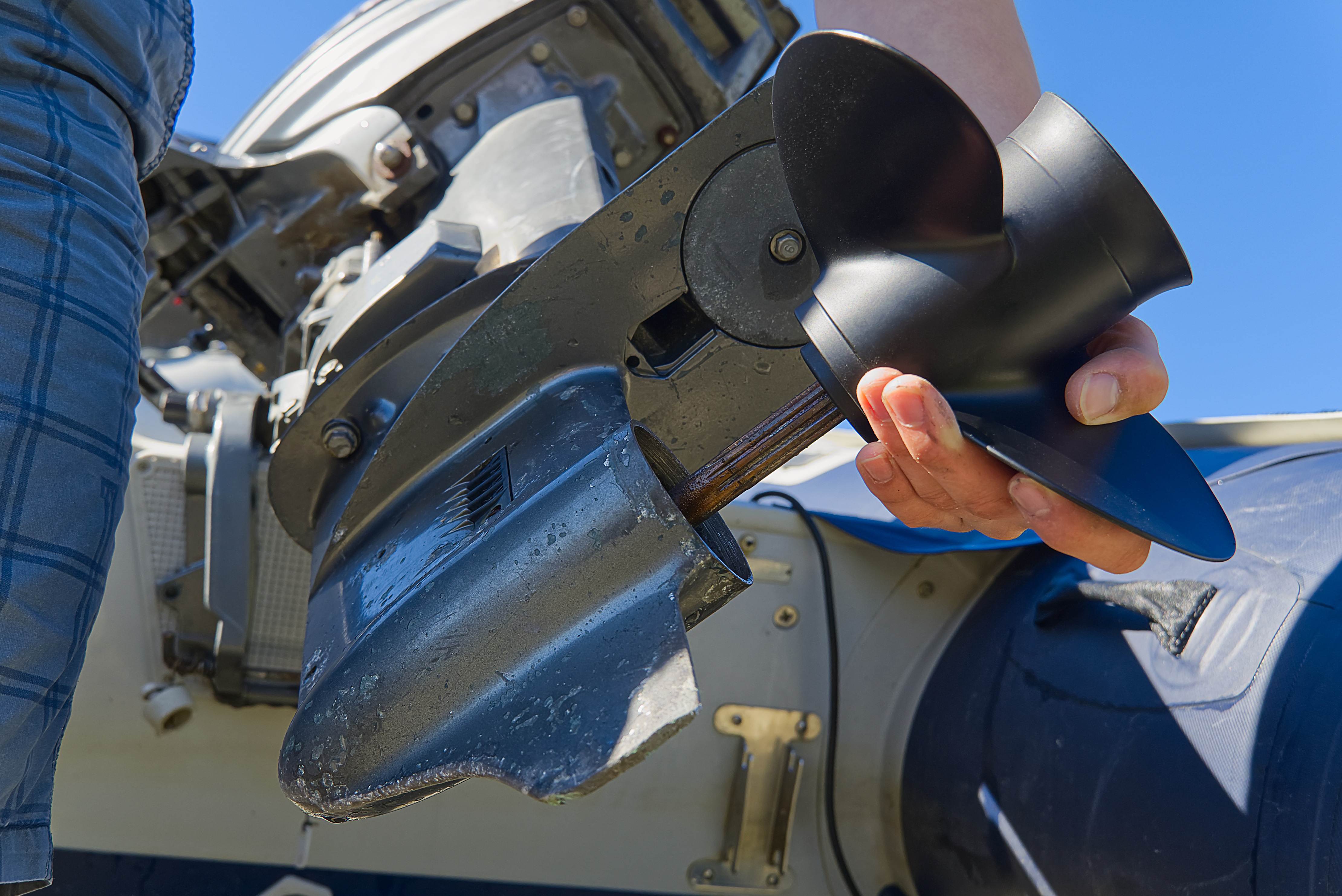
If you're using flush muffs, slide them firmly over the water intake grilles on the lower unit (the grid-like vents just above the prop). If your engine has a built-in flush port—usually a threaded cap on the side of the block—unscrew it and attach the hose directly. Important: engines with flush ports usually require the engine to be off during flushing, unlike muffs where the engine runs. Check your manual.
Turn on the water before you start the engine. You need flow to prime the water pump. Once you see a strong stream coming out of the prop hub or the tell-tale (that little pee-hole outlet), start the engine and let it idle. Don't touch the throttle.
Watch the tell-tale stream. It should be steady and strong—not dribbling, not scalding hot. If the stream stops or goes weak, shut down immediately. Running the pump dry destroys the impeller in minutes. For guidance on dealing with impeller issues, see How to Replace a Mercury Outboard Water Pump Impeller.
Let it run for 5 to 10 minutes. If you've been in heavy salt or haven't flushed in a while, go 15 minutes. The goal is to flush out every trapped salt crystal, not just rinse the surface.
When you're done, shut off the engine first, then turn off the water. Do it in that order. If you kill the water first and the engine is still running, the pump can pull air and run dry for a second or two. It's a small thing, but it matters.
Disconnect the muffs or flush port hose and let the engine drain. Tilt the motor up and down a few times to clear any residual water from internal passages, then store it in the vertical (down) position so everything drains completely. Water trapped in pockets can freeze in cold climates or create new corrosion sites. Proper winterizing techniques also help prevent freeze damage and corrosion during storage.
Flush Ports vs. Muffs
If your outboard has a built-in flush port, the procedure is different. Most flush ports (Yamaha, Mercury, Suzuki) are designed for engine-off flushing. You connect the hose, turn on the water, and let city water pressure push freshwater through the block for 10-15 minutes. No ignition, no pump running. The pressurized hose does the work.
Muffs, on the other hand, require the engine to run so the water pump pulls freshwater through the system. The pump is what circulates the flush.
Don't assume they're interchangeable. Running the engine with a flush port hose attached can over-pressure the system. Using muffs without running the engine does nothing—the water just sits in the cups. Read your manual.
Using Salt Dissolvers
Plain freshwater works. But if you run in heavy salt or boat frequently, products like Salt Away are worth it. These aren't just soaps—they emulsify salt deposits and leave a protective film on internal metal surfaces.
Mix the concentrate per the instructions (usually in a bucket or pump sprayer that connects to your muffs). Run the solution through for the recommended time—usually 5 minutes—then follow with a plain freshwater rinse. You'll see foam or residue coming out of the tell-tale as the product breaks down salt crystals.
We've cracked open engines that were flushed with Salt Away for years, and the cooling passages look almost new. Engines flushed with plain water? Still decent, but you can see scale buildup starting. It's not necessary for everyone, but for guys who fish saltwater three days a week, it's smart.
What Happens If You Skip a Flush
If you forget once, it's not the end of the world. But salt starts working immediately. Within hours, it's forming crystals in your cooling passages. Within days, those crystals are bonding to metal and starting the corrosion process.
Skip it regularly, and you'll start seeing symptoms:
- Overheating at idle that improves with throttle (clogged passages restrict flow at low RPM)
- Weak or intermittent tell-tale stream
- White or green corrosion around fittings and fasteners
- Rough idle or misfires (overheating affects combustion)
- Seized thermostat (salt locks it closed)
By the time you notice, the damage is done. We've seen engines where the impeller housing was so corroded that the impeller blades couldn't seal properly. The pump was running, but it wasn't moving water. That's a lower-unit teardown and a new housing—easily $800 in parts and labor. For tips on identifying worn impellers, see Signs Your Outboard Impeller Needs Replacement.
And if you let it go long enough, you'll cook the powerhead. Overheating warps the cylinder head, blows the head gasket, scores the cylinder walls. At that point, you're looking at a full rebuild or replacement. For a 150HP outboard, that's $5,000-$8,000.
All of that from skipping a 10-minute flush.
Additional Saltwater Maintenance
Flushing is the backbone, but it's not the whole picture.
After flushing, wipe down any exposed metal—steering arm, tilt tube, throttle linkages—with a rag. Salt spray dries on these parts and corrodes them from the outside. A quick spray with a silicone-based corrosion inhibitor (like Boeshield T-9 or CRC Heavy Duty) after the wipe-down adds a protective layer.
Check your sacrificial anodes every few months. If they're more than 50% eroded, replace them. Anodes are cheap—$15-$30 depending on size. A new powerhead is not.
Grease all pivot points—steering, tilt/trim, throttle cable ends—at least twice a season. Salt gets into these spots and seizes them. We've had to cut frozen steering arms off with a grinder because the owner never greased them. Five minutes with a grease gun would've saved a $400 part. For guidance on marine greases, check out our article on the Best Marine Greases and Lubes for Your Outboard.
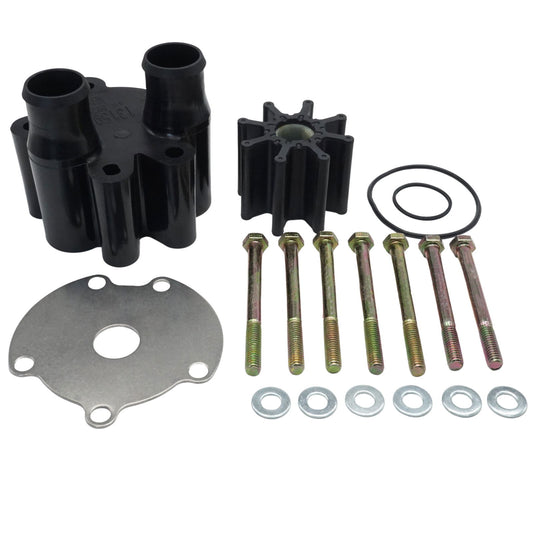
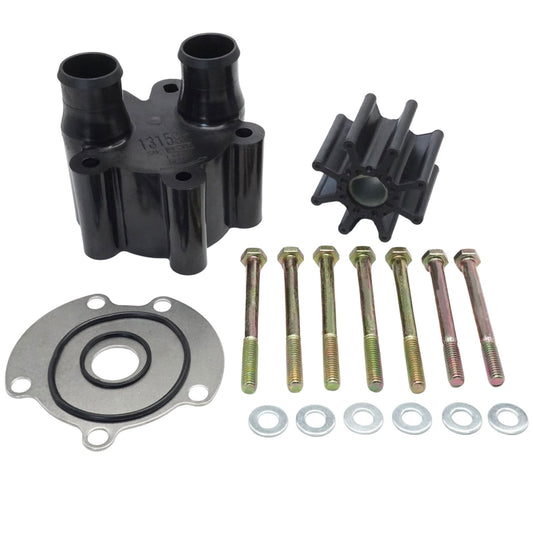
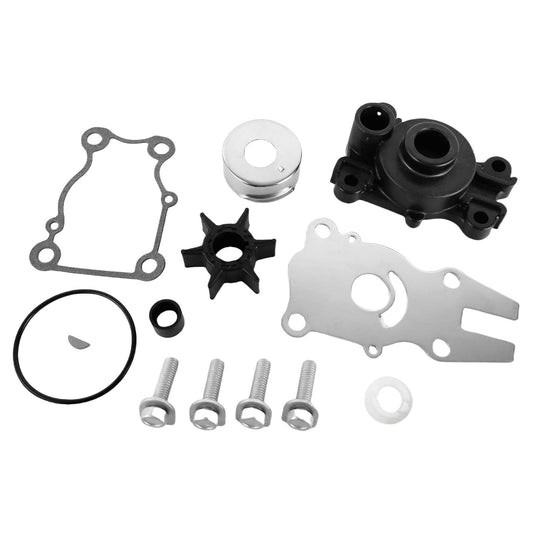
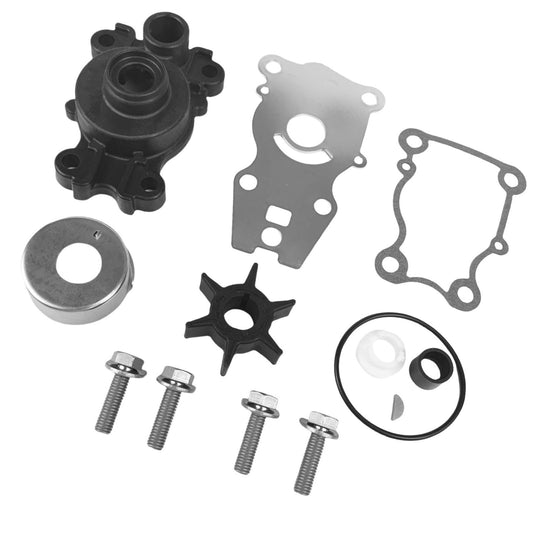
Check your water pump impeller every 200 hours or every two seasons, whichever comes first. Saltwater is hard on rubber. Even with perfect flushing, impellers wear out. If you wait for it to fail, you'll overheat the engine. Pull the lower unit, inspect the impeller, and replace it if the vanes are cracked, stiff, or worn down. A new impeller kit is $40-$60. An overheated engine is thousands.
Inspect fuel lines and hoses for cracks. Salt air degrades rubber and plastic over time. If you see any cracking or stiffness, replace them before they fail underway.
Real-World Results
Rob Piwowarczyk, a California yacht salesman, bought a Selene 55 trawler from an owner who flushed the engine and generator after every trip. Rob kept up the habit. After five years, his mechanic inspected the heat exchanger and aftercooler before a long run to Mexico. The verdict: "still look great." That's five years in saltwater with zero acidic corrosion in the cooling system, all because of consistent freshwater flushing.
Compare that to the engines we see in the shop that were never flushed. We've pulled heat exchangers that were so clogged with salt scale that you couldn't see through the tubes. The engine would overheat within 20 minutes of running. That's a $1,500 heat exchanger replacement plus labor, all preventable.
Boaters in Charleston, Savannah, and Hilton Head—areas where saltwater boating is constant—report that flushing while the engine is still warm prevents 90% of avoidable saltwater damage. The warm engine flushes faster and more completely because the thermostat is open and the water is circulating at full flow.
Owners of Mercury outboards with built-in flush ports flush for 15 minutes after every saltwater outing and routinely see 10+ years of corrosion-free operation. That's not luck—that's routine maintenance paying off. For a deep dive into preventing overheating with saltwater use, see Saltwater Use and Overheating: Prevention Tips.
Troubleshooting: Weak or No Water Flow

If your tell-tale stream is weak or stops during flushing, shut down immediately. Check the muffs first—they might've slipped off the intakes. Reposition them and restart.
If the muffs are seated correctly and you're still getting weak flow, the problem is upstream. It could be a clogged intake screen (pull the muffs and check for debris), a failing impeller (vanes worn or broken), or a clogged tell-tale tube itself (a piece of fishing line or a small shell can block it).
Pull the lower unit and inspect the impeller. If the vanes are flat, cracked, or missing chunks, replace it. While you're in there, check the impeller housing for scoring or corrosion. If the housing is damaged, the new impeller won't seal, and you'll still have weak flow.
If the impeller is fine, clear the tell-tale. Run a small wire or compressed air back through the tube to blow out any blockage. Sometimes salt crystals build up in the tube itself if the engine hasn't been flushed in a while.
Storage Position and Drainage
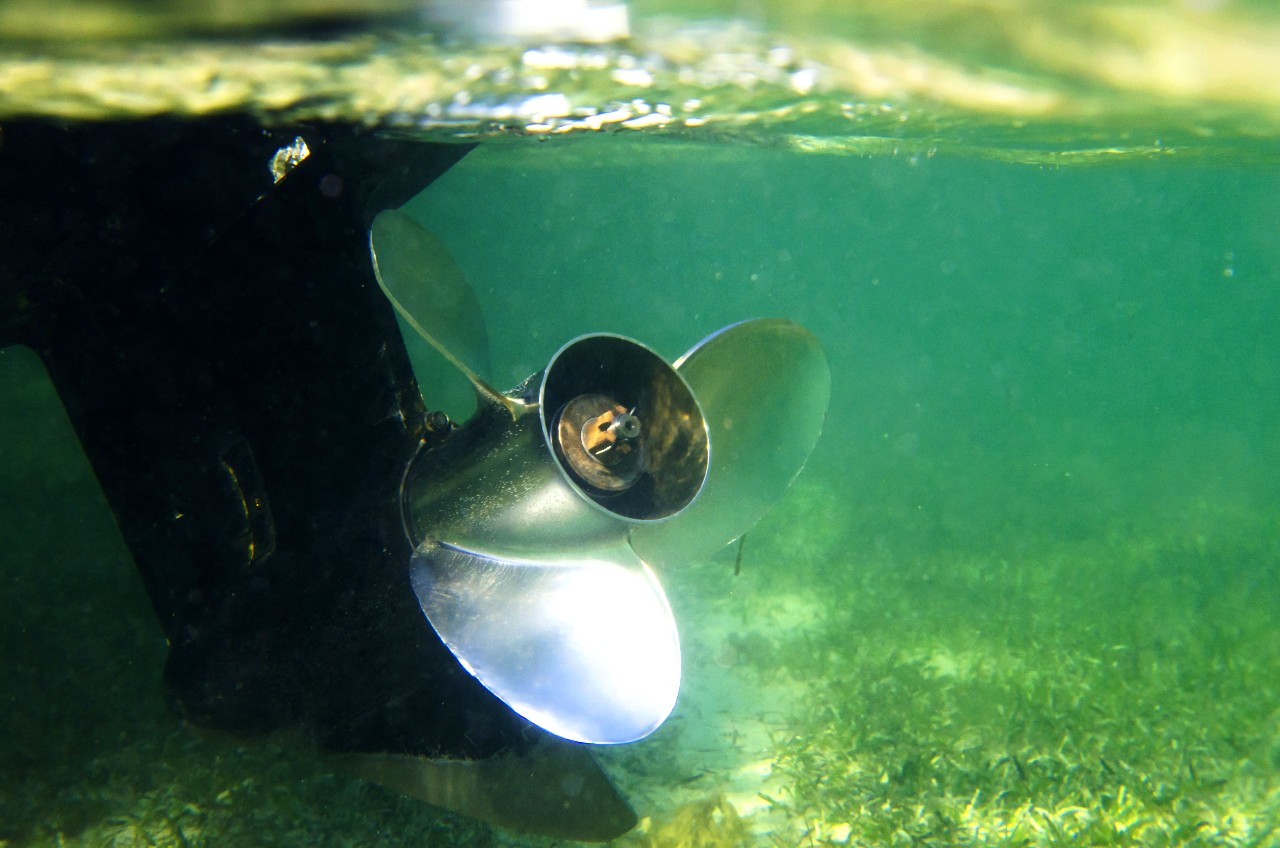
After flushing, store the engine in the vertical (down) position. Water trapped in horizontal passages or pockets won't drain if the engine is tilted up. In freezing climates, trapped water expands and cracks the block. Even in warm climates, standing water accelerates corrosion.
Tilt the engine up and down a few times after flushing to work any remaining water out of internal passages, then lower it to vertical and let it sit. If you're storing the boat for the off-season, consider fogging the cylinders with a rust inhibitor spray and running a fuel stabilizer through the system. For detailed off-season protection, see our Anti-Corrosion Tips for Winter Storage (Saltwater Boats).
Common Mistakes
Don't rev the engine while it's on the hose. Idle is enough. High RPM on muffs can overheat the engine because the muffs don't flow as much water as the boat does underway. You're flushing, not performance testing.
Don't turn off the water before shutting down the engine. The sequence is always: engine off first, then water off. Doing it backwards risks running the pump dry, even for a second.
Don't assume the flush port and muffs work the same way. Flush ports are usually pressure-fed with the engine off. Muffs require the engine to run. Mixing them up damages the system.
Don't skip flushing just because you're going out again tomorrow. Salt doesn't wait. It starts corroding immediately. If you're fishing saltwater three days in a row, flush after every trip or at least after the last trip before the boat sits.
Where to Learn More
Check manufacturer resources—Yamaha, Mercury, and Suzuki all publish detailed maintenance guides and videos specific to their engines. Discover Boating has general maintenance articles that cover flushing and seasonal upkeep.
Online forums like JetBoaters.Net and broader marine discussion boards are full of real-world advice from guys who run saltwater every day. The Marine Industries Association of Southwest Florida offers educational content and connects you with local marine pros.
If you're part of a boating club, tap into the network. Many clubs offer workshops or discounts on parts and services. Having a reliable contact for advice saves a lot of trial and error.
After every flush, spray a marine-grade lubricant on your throttle and steering linkages to keep salt from locking them up. For premium marine parts and maintenance supplies, visit JLM Marine’s main site.
Internal Links Added Summary:
- Thermostat maintenance and replacement guide: Thermostat Maintenance: Keeping Your Outboard Running Cool
- Impeller replacement guide: How to Replace a Mercury Outboard Water Pump Impeller
- Winterizing guide: Yamaha Outboard Winterization Guide
- Marine greases and lubricants: Best Marine Greases and Lubes for Your Outboard
- Signs of impeller replacement: Signs Your Outboard Impeller Needs Replacement
- Saltwater overheating prevention: Saltwater Use and Overheating: Prevention Tips
- Anti-corrosion winter storage tips: Anti-Corrosion Tips for Winter Storage (Saltwater Boats)
- JLM Marine main hub link: JLM Marine
About JLM Marine
Founded in 2002, JLM Marine has established itself as a dedicated manufacturer of high-quality marine parts, based in China. Our commitment to excellence in manufacturing has earned us the trust of top marine brands globally.
As a direct supplier, we bypass intermediaries, which allows us to offer competitive prices without compromising on quality. This approach not only supports cost-efficiency but also ensures that our customers receive the best value directly from the source.
We are excited to expand our reach through retail channels, bringing our expertise and commitment to quality directly to boat owners and enthusiasts worldwide.
Water Pump Repair Kits on Sale
- $29.75
$35.00- $29.75
- Unit price
- per
- $16.99
$27.00- $16.99
- Unit price
- per
- $19.99
$23.00- $19.99
- Unit price
- per

- $27.99
$33.00- $27.99
- Unit price
- per

- $85.99
$103.00- $85.99
- Unit price
- per

- $35.00
$42.00- $35.00
- Unit price
- per
- $50.99
$59.00- $50.99
- Unit price
- per
- $39.89
$45.00- $39.89
- Unit price
- per
- $55.50
- $55.50
- Unit price
- per
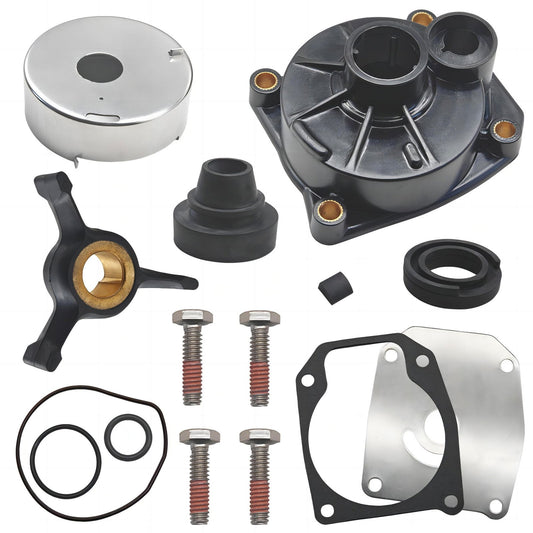
- $39.98
$45.00- $39.98
- Unit price
- per

- $29.99
$35.00- $29.99
- Unit price
- per

- $45.99
$55.00- $45.99
- Unit price
- per

- $27.99
$33.00- $27.99
- Unit price
- per

- $49.99
$59.00- $49.99
- Unit price
- per

- $55.00
$66.00- $55.00
- Unit price
- per
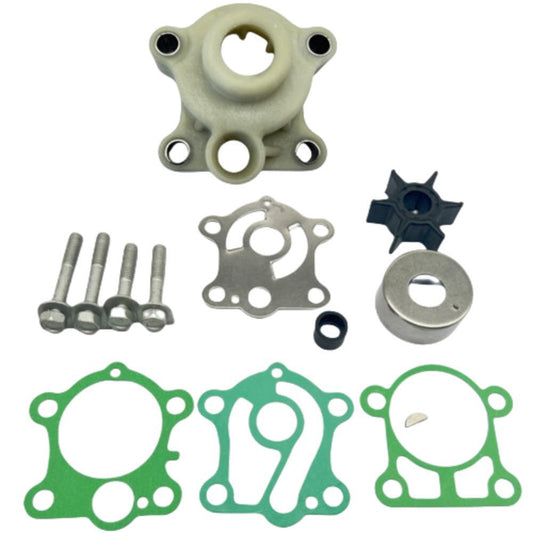

- $36.00
- $36.00
- Unit price
- per

- $35.98
$43.00- $35.98
- Unit price
- per
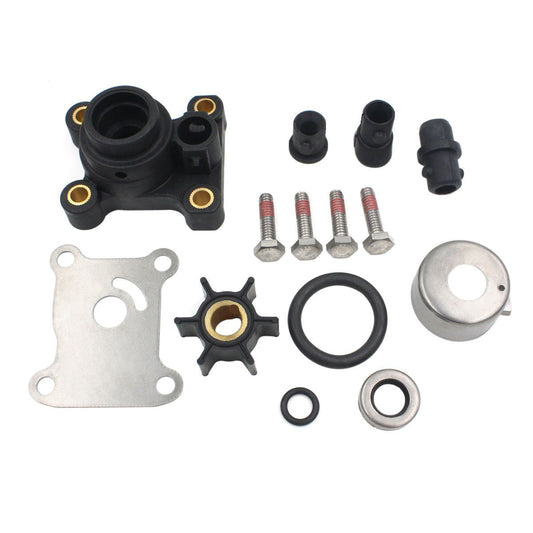
- $26.90
- $26.90
- Unit price
- per

- $43.00
- $43.00
- Unit price
- per

- $19.50
$23.00- $19.50
- Unit price
- per