


Avoid Running Out of Fuel: Planning & Reserve Rule
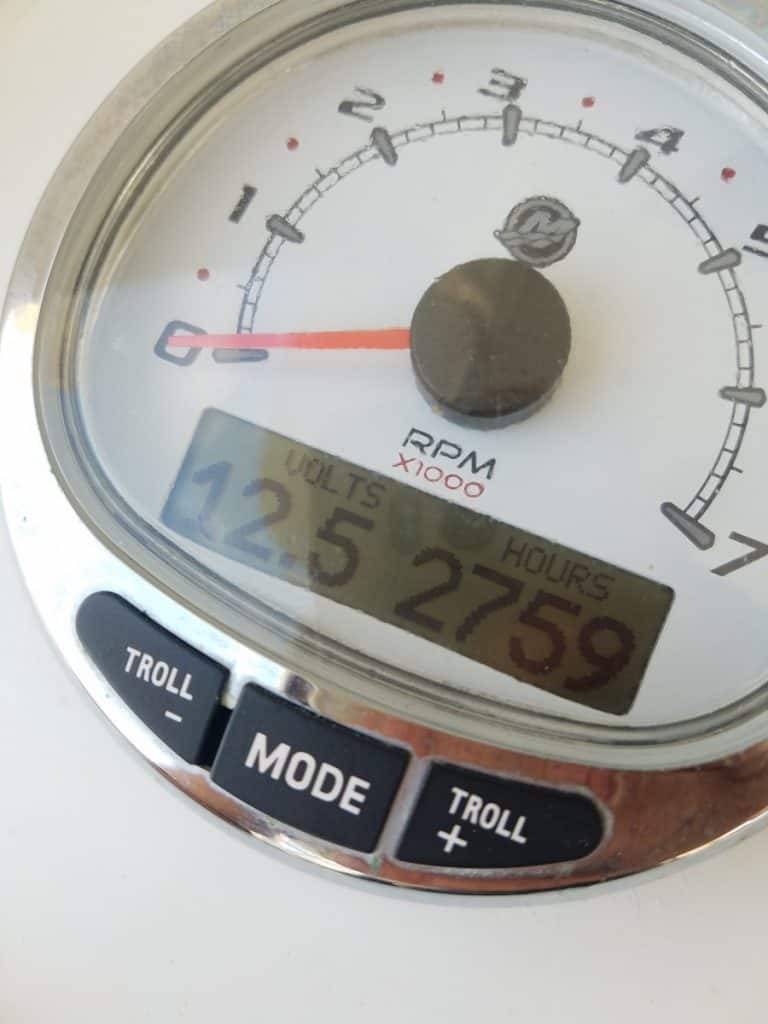
Look, running out of fuel is preventable, period. I've been wrenching on outboards for 20 years, and I've seen guys towed back to the dock more times than I can count because they didn't plan their fuel right. Same goes for pilots—fuel mismanagement is the sixth leading cause of general aviation accidents in the US, causing about 50 incidents annually. That's not a mechanical failure; that's a planning failure.
This isn't about worst-case scenarios or scare tactics. It's about knowing your numbers, sticking to a reserve rule, and not pushing your luck when conditions change. Whether you're running a 20-foot center console or flying VFR, the principle is identical: calculate what you need, add a buffer, and refuel before you're in trouble.
Fuel Reserve Rules for Marine Operators
The Rule of Thirds Breakdown
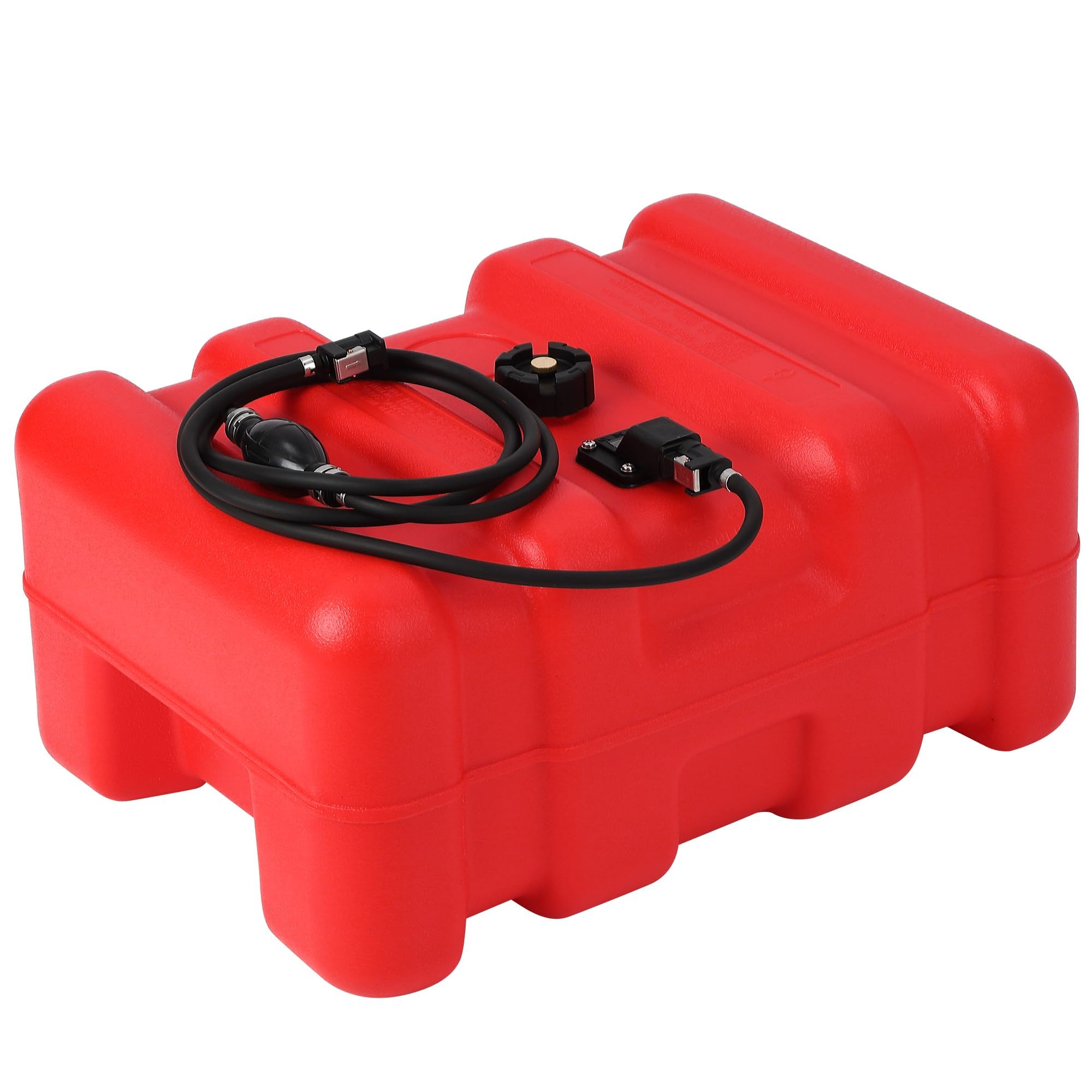
Use one-third of your total fuel capacity to reach your destination, one-third to return, and keep the final third as reserve. It's not arbitrary. On the water, conditions flip fast—what starts as calm seas at 0700 can turn into 15-knot headwinds and 3-foot chop by 1100, doubling your burn rate.
Here's a practical example: You've got a 20-foot center console with a 60-gallon tank. Your outboard burns 8 gallons per hour at cruise. Under the Rule of Thirds, you allocate 20 gallons outbound (2.5 hours of run time at 8 GPH), 20 gallons for the return, and hold 20 in reserve. If you hit unexpected current or have to detour around weather, that reserve keeps you off the VHF calling TowBoatUS.
Don't cheat the reserve by assuming ideal conditions. I've had customers come into the shop after limping back on fumes because they "thought" they could stretch it. The reserve isn't for ideal days—it's for when the forecast is wrong or your fuel gauge reads optimistic because the sender float is corroded. For tips on maintaining fuel system components that help with accurate readings, check out our detailed Fuel Filter guide.
Why Marine Fuel Gauges Lie
Boat fuel gauges are notoriously unreliable. They slosh, stick, and drift based on hull angle. I've pulled fuel senders where the float arm was so gunked with ethanol residue it read half-full when the tank was nearly dry. Relying solely on a dash gauge is gambling.
Keep a manual fuel log. Write down the date, gallons added, and engine hours at every fill-up. After a few trips, you'll have real-world data on your actual burn rate under different loads and sea states. This data beats any gauge. Cross-check your log against the gauge reading before you leave the dock. If they don't match, trust the log and top off. For more information on optimizing your outboard performance and fuel economy, visit our blog on 10 Ways to Improve Outboard Fuel Efficiency.
Aviation Fuel Requirements and Planning Components
VFR and IFR Regulatory Minimums
Federal Aviation Regulations set hard floors, not comfortable margins. For VFR day flights, you need enough fuel to reach your destination plus 30 minutes reserve at normal cruise. At night, that bumps to 45 minutes. If you're flying IFR, you need fuel to reach your destination, proceed to your filed alternate airport, then fly an additional 45 minutes at cruise.
These aren't suggestions. They're legal minimums, and they're bare minimums at that. J. Mac McClellan, a corporate pilot with over 12,000 hours, points this out directly: the intent behind reserve fuel is to handle the unexpected—wrong wind forecasts, longer ATC routing, or unfavorable altitude assignments that spike fuel burn. The regulations assume everything goes according to plan, but ATC doesn't always cooperate, and weather forecasts aren't perfect.
Fuel Planning Components Defined
Break your fuel plan into segments. Taxi fuel covers ground operations from ramp to runway and back. Trip fuel is the calculated burn from takeoff to touchdown at your destination. Contingency fuel accounts for minor routing changes or delays. If weather requires an alternate, you need alternate fuel to reach it. Finally, final reserve fuel—your untouchable cushion—sits at the bottom of the tanks.
Volaris, a Mexican carrier operating US routes, used flight planning software to optimize these components in 2019. They found that reducing final reserve fuel from 48 minutes to the regulatory 30 minutes saved 350 kg per flight on average—$20,000 per aircraft annually. But that optimization only worked because they had precise data on actual burn rates and ATC patterns. For a private operator flying a Cessna or a Piper, you don't have that infrastructure, so err conservative. Add fuel where you're uncertain.
Personal Minimums Above the Legal Floor
The FARs are minimums, not best practices. For VFR flights, land with at least one hour of reserve, not the required 30 minutes. Why? Because trying to stretch fuel to avoid a more expensive FBO, or because you're eager to get home, is how accidents happen. If you're starting to feel uneasy about your fuel state, or if conditions are deteriorating, divert and refuel. That slightly pricier avgas is cheap compared to an off-field landing.
One experienced Part 121 operator mandates carrying enough fuel to reach the nearest suitable airport other than the destination, regardless of arrival weather, in addition to the required 45-minute reserve. This buffers against ATC delays, unexpected holds, or airport closures. If you're planning a cross-country, identify at least two alternate airports along your route before you depart. Know their fuel availability and hours. Don't assume the airport you need will have fuel or be open when you arrive.
Monitoring Fuel Consumption and Logging Data

Building a Reliable Fuel Logbook
Whether you're running a boat or flying, keep a written fuel log. At every refuel, record the date, gallons or liters added, engine hours or Hobbs time, and any relevant conditions—RPM settings, sea state, wind speed, passenger load. After a few cycles, you'll develop a baseline burn rate for different operating conditions.
For example, if your outboard burns 10 GPH at 4,000 RPM in calm water but spikes to 14 GPH in a 20-knot headwind with four people aboard, you now have usable data. When you're planning a trip in similar conditions, you know to budget for the higher burn rate, not the optimistic number.
In aviation, a 2012 FAA investigation into a Hughes 369D helicopter fuel exhaustion incident near Childress, Texas, highlighted this exact issue. Improper maintenance caused erroneous fuel gauge readings. The pilot relied solely on the faulty gauge without cross-checking against fuel logs or manufacturer procedures during high-workload external load operations. The helicopter ran dry. Post-incident, the operator added formal fuel management procedures, dispatch minimums, and a dedicated "fuel watcher" role. The FAA issued an airworthiness directive to fix the wiring and tightened Part 133 oversight.
The lesson: gauges fail. Logs don't, if you maintain them.
Cross-Checking Gauges and Calculating Reserves
Before every departure, physically verify your fuel level. On boats, use a dipstick or sight gauge if your tank allows it. On aircraft, visually check the tanks and compare the reading to your fuel log. If the gauge shows three-quarters but your log says you burned 30 gallons since the last fill-up and only added 20, the gauge is lying.
Calculate your reserve based on logged data, not gauge optimism. If your baseline burn is 8 GPH and you're planning a 3-hour round trip, you need 24 gallons minimum. Under the Rule of Thirds, that same trip requires 36 gallons (12 out, 12 back, 12 reserve). Add 10% if you're facing headwinds or rough seas. This isn't paranoia; it's arithmetic.
Fuel Decision Authority and Safety Culture
The Commander's Responsibility
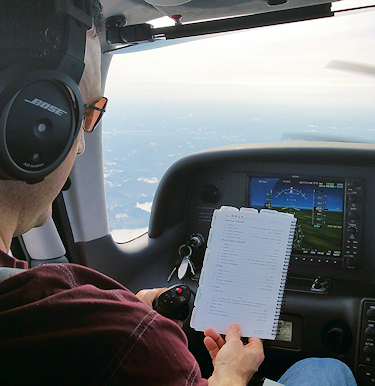
Whether you're the captain of a fishing boat or the pilot in command of a Cessna 172, the final decision on fuel rests with you. No one else. A "just culture" environment means your crew or passengers can raise concerns about fuel without fear of getting shut down. If your first mate says, "We're cutting it close," listen. If your co-pilot suggests diverting for fuel, don't wave them off because the destination is only 20 minutes away.
United Airlines Flight 173 crashed near Portland in 1978 after the crew spent an hour troubleshooting a landing gear issue while holding. The fuel gauges showed low levels, but only one crew member made a weak advisory about fuel risk. The captain was focused on the gear problem and didn't realize how critical the situation was until the engines quit on final approach. Ten people died. The NTSB blamed the captain's inattention to fuel and poor crew communication. This accident led directly to Crew Resource Management (CRM) training mandates, emphasizing assertiveness and vigilant monitoring—especially concerning fuel.
You don't need a multi-crew aircraft to apply CRM principles. If you're flying or boating solo, verbalize your fuel checks aloud. "I have 40 gallons, burn rate is 10 GPH, ETA is 2 hours—that leaves me 20 gallons reserve." Speaking it forces you to process the numbers.
Emergency Fuel Declarations and ATC Communication
In aviation, there's a critical distinction between "minimum fuel" and "emergency fuel" declarations. Minimum fuel means you can reach your intended airport but have no reserve for delays—it alerts ATC you cannot accept rerouting. An emergency fuel declaration means you are in imminent danger of running out. ATC will clear traffic and prioritize your landing.
Know when to use each. If you're holding and your fuel state is dropping toward your personal minimum, declare minimum fuel. If conditions worsen or ATC assigns another hold, escalate to emergency fuel. It's not ATC's job to manage your reserves; that's your responsibility. But once you declare, they will move heaven and earth to get you on the ground.
One aviation expert puts it bluntly: "You are legally obligated to arrive at the alternate with 45 minutes of reserve fuel remaining. That is what you will use when the wheels don't come down over the marker for the approach at the alternate. Moreover, it is not the controller's job to protect your fuel reserve; that's your job." If ATC is jerking you around with delays and your fuel is ticking down, suppress the urge to push on and divert. It screws up your schedule, but it beats the alternative.
Common Fuel Management Mistakes
Avoiding the "Stretch It" Mentality
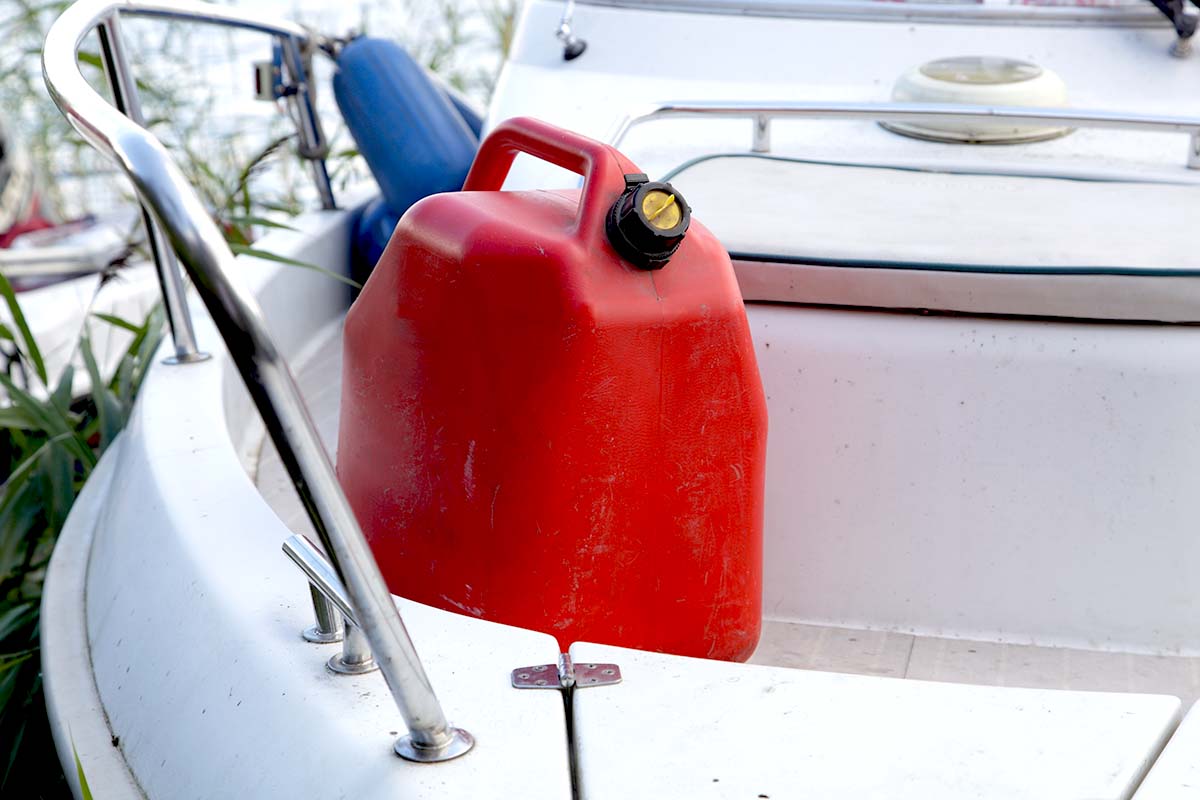
The biggest mistake is delaying refueling to reach a cheaper fuel stop or to avoid the hassle of an extra stop. I've heard every excuse: "The marina 10 miles up has fuel $0.30 cheaper," or "I can make it to my home field instead of stopping at this podunk airport." Then the headwind picks up, or the current turns against you, and suddenly that margin evaporates.
Plan your refueling points before you leave. Identify primary and backup stops. If your primary stop is unexpectedly closed or out of fuel, you already know where to divert. This redundancy costs you nothing but saves you from scrambling on a low tank.
Get-home-itis kills. You're tired, the weather is marginal, and you just want to be done. That's when you talk yourself into stretching the fuel "just a bit." Don't. If your fuel state is making you nervous, that's your gut telling you to land and refuel. Listen to it.
Accounting for Environmental and Operational Factors
Your baseline fuel consumption assumes flat water, calm winds, and no payload. Real-world conditions rarely cooperate. A 15-knot headwind can increase fuel burn by 25% or more. Rough seas force you to throttle up to maintain speed, spiking consumption. A full passenger load or heavy gear raises your hull or shifts your aircraft's weight, changing burn rates.
Before you depart, adjust your fuel plan for these factors. If the forecast calls for 20-knot headwinds, add 20% to your estimated burn. If you're running with a heavy load, reference your logbook for similar trips and plan accordingly. This isn't guesswork—it's using data you've already collected. For comprehensive advice on keeping your outboard well-tuned and fuel-efficient despite conditions, see our article on Why Regular Tune-Ups Improve Fuel Economy.
Safe Refueling Procedures
Marine Refueling Practices
Refueling with the engine running is generally a bad idea due to ignition risk, but some manufacturers allow it under specific conditions with strict precautions. If you must refuel with the engine on, ensure proper ventilation, ground the nozzle to the fill, and have a fire extinguisher within arm's reach. Better practice: shut down, refuel, then run the blower for four minutes before restarting.
Watch for fuel spitting back out of the fill during refueling—it means the vent is clogged or the tank is overfilled. A clogged vent can also cause fuel starvation underway as the tank creates a vacuum. After refueling, check the bilge for fumes or liquid fuel. If you smell gas, don't start the engine. Find the leak first. To help prevent fuel issues and leaks, consider browsing our Fuel Pump collection for quality marine parts.
Aviation Refueling and Pre-Flight Checks
Before refueling an aircraft, ground the nozzle to the aircraft to prevent static discharge. Visually inspect the fuel for contamination—water, sediment, or discoloration. Drain the sumps after refueling and check the sample in a clear container. If you see water or debris, don't fly until you've drained it all and identified the source.
After refueling, recalculate your weight and balance. A full fuel load can push you over gross weight or shift your center of gravity outside limits, especially in smaller aircraft. If you're marginal, offload fuel or payload.
Pre-Departure Fuel Checklist
Before you leave the dock or depart the airport, run through these checks:
- Physically verify fuel quantity—don't trust the gauge alone.
- Calculate total burn for the trip at your expected cruise setting, then add reserve.
- Identify at least two refueling points along your route and confirm their availability.
- Adjust your fuel plan for forecasted winds, sea state, or payload.
- Log your starting fuel quantity and engine hours or Hobbs time.
If any check raises doubt, top off the tank. Fuel is cheaper than a tow or an emergency landing.
Check your fuel vent line for blockages every 50 hours—a clogged vent causes erratic gauge readings and can starve the engine even when the tank is half full. For more insights into maintaining your outboard and its components, explore our comprehensive JLM Marine boat parts hub.