





Outboard Popping at Idle? Diagnose & Fix Rough Running in Older Marine Engines
- What That Popping Sound Actually Tells You
- Start With Spark Plugs and Ignition
- Carburetor and Fuel Mixture Issues
- Fuel Delivery Problems
- Vacuum Leaks and Intake Leaks
- Compression Test for Worn Engines
- Reed Valves on Two-Strokes
- Diagnostic Checklist in Order of Likelihood
- When to Stop and Call a Mechanic
- Parts Quality: What to Buy and What to Avoid
- Real-World Example: Mercury 90HP
- Tools You Need Onboard
- Prevent It Next Time
- Sources
If your outboard pops at idle, you've got a lean fuel mixture, ignition timing that's off, or a carburetor issue. That popping—whether it's through the intake or exhaust—means combustion isn't happening where or when it should. I've spent twenty years pulling cowls off older two-strokes and four-strokes, and this symptom shows up constantly on carbureted engines, especially pre-2000s Mercury, Johnson, and Yamaha models.
What That Popping Sound Actually Tells You
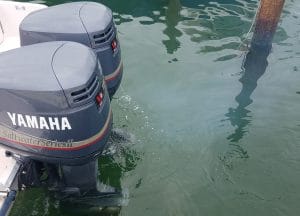
The sound matters. A quick "sneeze" through the intake means you're running lean—not enough fuel reaching the cylinder. A loud "bang" out the exhaust usually points to ignition firing before the intake ports close, burning fuel in the crankcase on two-strokes. On a 1988 Mercury 70HP three-cylinder, one owner described random pops with smoke puffs from one side and RPM drops at idle, while the engine ran fine above 1200 RPM. That's textbook lean condition or low idle speed causing backfire.
Listen closely when it happens. Does it pop only at idle, or does it follow you into higher RPM? Does the engine die when you try to throttle up? Write this down—it cuts diagnostic time in half.
Start With Spark Plugs and Ignition
Pull the plugs first. A white, blistered insulator means lean. Wet, black plugs point to ignition failure or flooding. Gap them to spec—most older outboards want 0.030" to 0.040", but check your manual.
Use an inline spark tester to verify spark strength. The gap on the tester should jump at least 7/16 of an inch on most older outboards. Weak spark from worn coils or cracked plug wires causes incomplete combustion. I've seen plug wires arc to the engine block in the dark—looks like a tiny lightning bolt and sounds like a pop.
On points-style ignition systems, timing drift is common. Use a timing light to verify advance at higher RPM. If timing is late, the fuel burns in the exhaust instead of the cylinder. If you don't have the tools or experience to set timing, this is where you call a mechanic—it requires a dial indicator and the factory service manual's spec sheet. For detailed help on diagnosing ignition issues, see our guide on Common Mercury Outboard Problems (and Simple Fixes).
Carburetor and Fuel Mixture Issues
Dirty carburetors are the most common cause of popping on older engines. The pilot jet—that tiny brass orifice in the carb bowl—clogs with varnish from ethanol fuel. When it's partially blocked, the engine runs lean at idle.
Remove the float bowl. Pull the pilot jet and hold it up to the light. If you can't see through the center hole clearly, it's clogged. Spray carb cleaner through it, then compressed air. Don't poke it with wire—you'll enlarge the orifice and throw off the mixture permanently.
The idle mixture screw controls air-fuel ratio at low RPM. If someone's messed with it, you need a baseline. Turn it in gently until it seats (don't force it), then back it out 1.5 turns. Start the engine and let it warm up. Turn the screw out 1/4 turn at a time, waiting 20-30 seconds between adjustments. When the idle smooths out and the RPM peaks, you're close. Back it out another 1/8 turn from peak for a safety margin. A forum expert puts it plainly: "If you have a popping sound you are most likely lean not rich so back out the idle mix screw 1/4 of a turn a time."
On a Yamaha 9.9HP two-stroke, an owner fixed stalling at idle in ten minutes by cleaning the external fuel filter and pilot screw without a full teardown. He unscrewed the bowl, sprayed carb cleaner, cleaned the screen, then counted the turns on the pilot screw, removed it, cleaned the passage, and reinstalled it to the original position. Engine idled perfectly. For more detailed carburetor rebuild instructions, check out our Yamaha Outboard Carburetor Rebuild Tutorial.
If the carb is heavily varnished, soak the disassembled parts in a carb cleaner bath overnight. Ethanol fuel gums up these old carbs fast, especially if the boat sits for months. You can find quality replacement parts at our Carburetor Repair Kit collection.
Fuel Delivery Problems
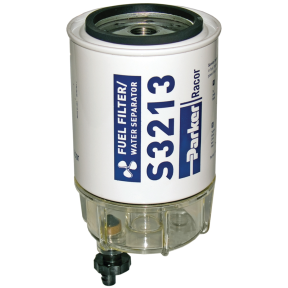
A clogged fuel filter starves the engine. Replace your inline filter annually, more often if you suspect contaminated fuel. Drain a sample from the bottom of the carb bowl into a clear glass jar. Let it sit five minutes. If you see a layer of water or cloudy separation, you've got phase separation from ethanol absorbing moisture. For trusted filtration options, browse our Fuel Filter collection.
Check the tank vent. A closed or blocked vent creates a vacuum that restricts fuel flow. Squeeze the primer bulb—it should stay firm. If it collapses while the engine runs, you've got a fuel delivery restriction somewhere in the line.
Water in fuel is a silent killer. It sinks to the bottom of the tank and gets sucked into the fuel pickup first. If you're dealing with a boat that sat all winter with fuel in it, assume contamination. Drain the tank, replace the filter, and run fresh stabilized fuel. See our article on Water in Fuel: How to Get Your Outboard Running Again for full details.
Vacuum Leaks and Intake Leaks

On two-strokes, crankcase leaks let air in where it shouldn't be, leaning out the mixture. Check the base gaskets and crank seals. A vacuum test with a hand pump and gauge will confirm this, but it's a mechanic-level diagnostic.
Intake manifold boots crack with age. Spray carb cleaner around the intake while the engine idles. If the RPM changes, you've found your leak.
Compression Test for Worn Engines
Low compression on one or more cylinders will cause rough idle and popping. You need a compression gauge. Warm the engine, pull all the plugs, hold the throttle wide open, and crank each cylinder. You're looking for 100-120 PSI on most older two-strokes, and the readings should be within 10% of each other.
If one cylinder is low, do a "wet test"—squirt a teaspoon of oil into the cylinder and retest. If compression jumps up, the rings are worn. If it stays low, you've got a valve, head gasket, or piston issue. At that point, no amount of carb cleaning will fix the rough idle. A 1979 Evinrude 115 case showed low compression leading to persistent rough running despite carb work—that engine needed a top-end rebuild.
Reed Valves on Two-Strokes
Broken or warped reed valves let the air-fuel charge blow back through the carb, causing intake popping. Pull the reed valve assembly and inspect each petal. They should lie flat against the cage with no gaps. If they're chipped, bent, or have gaps at the edges, replace the set. This is common on high-hour engines. For additional help on this, see our guide on Installing Performance Reeds in a 2-Stroke Outboard.
Diagnostic Checklist in Order of Likelihood
- Pull and inspect spark plugs. Replace if fouled, worn, or improperly gapped.
- Verify fuel flow: Open tank vent, squeeze primer bulb firm, drain water separator, inspect fuel lines and filters for clogs or cracks.
- Clean or rebuild carburetor. Remove float bowl, inspect pilot jet, clean all passages, set idle mixture screw to baseline (1.5 turns out).
- Test spark strength with inline tester. Check plug wires and coils for cracks or shorts.
- Compression test all cylinders. Readings within 10% of each other.
- Check ignition timing with timing light if equipped with points or adjustable timing.
- Inspect reed valves (two-strokes only) for chips or warping.
- Spray carb cleaner around intake boots to identify vacuum leaks.
If you've worked through this list and the engine still pops, the issue is likely internal—worn crank seals, a scored cylinder, or a failing ignition module that requires a dealer-level scan tool.
When to Stop and Call a Mechanic
If compression is more than 10% off between cylinders, you're looking at an internal rebuild. If you don't have a timing light or the factory service manual with timing specs, don't guess at timing adjustment. If the carburetor needs a full disassembly and you've never done it, the risk of losing tiny springs and setting the float height wrong isn't worth it. Find a certified marine shop and bring your notes—it'll save you diagnostic fees.
Parts Quality: What to Buy and What to Avoid
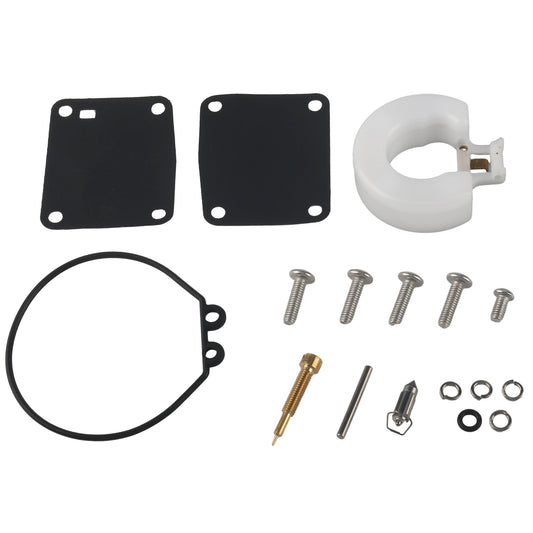
OEM parts are reliable, but you're paying a premium for the logo on the box. The dealership markup is steep.
Cheap aftermarket kits from random sellers are trouble. We've seen $10 carburetor rebuild kits where the rubber is too hard, the gaskets don't seal, and the jets are miscast. You'll be tearing the carb apart again in two weeks. It's not worth the headache or the wasted time.
Reputable aftermarket manufacturers produce parts to factory specs. Some factories that make OEM components use their excess capacity to produce non-OEM items—these are often of similarly high quality. We source from these factories directly. You get the correct fitment, the right materials, and you don't burn cash unnecessarily on dealership markups. For trusted sources, browse our Carburetor collection.
Real-World Example: Mercury 90HP
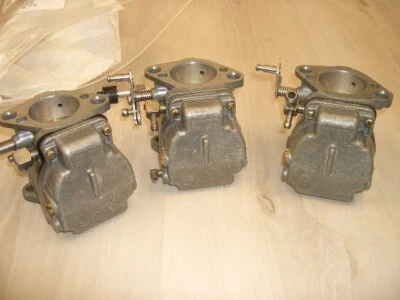
A 1991 Mercury 90HP came into a forum discussion with misfires and popping at startup, refusing to idle below 1200 RPM. The owner couldn't get it to hold a steady idle without shutting down. Common advice pointed to carb cleaning, timing checks, or lean fuel issues. The fix wasn't detailed in that thread, but based on the symptoms, the likely culprit was clogged pilot jets or a vacuum leak at the intake boots.
Tools You Need Onboard

Keep a basic diagnostic kit: an inline spark tester, a set of spark plugs gapped to your engine's spec, a spare fuel filter, a can of carb cleaner, and a small socket set. A clear jar for fuel samples helps identify water contamination. If you're serious about your own maintenance, invest in a compression gauge and a timing light—they'll pay for themselves in avoided shop fees.
Prevent It Next Time
Use marine-grade fuel stabilizer if your boat sits for more than two weeks. Ethanol fuel degrades fast and leaves varnish in the carb. Run the engine dry before long-term storage, or fill the tank completely to minimize condensation. For tips on fuel treatment options, see our article comparing Fuel Additives Showdown: Do Cleaners and Stabilizers Work?.
Replace your fuel filter every season. Inspect spark plugs annually and replace them if the electrodes are worn or the insulator is cracked.
Adjust your idle speed to the manufacturer's spec—usually 650-800 RPM in neutral. Low idle speed increases the chance of backfire on two-strokes because the intake ports stay open longer.
After every saltwater run, flush your engine with fresh water for at least ten minutes. It prevents internal corrosion and keeps the thermostat from seizing, which indirectly affects how the engine runs at low RPM by altering operating temperature. For flushing and cooling system maintenance, check out our How to Replace a Mercury Outboard Water Pump Impeller: A Step-by-Step Guide.
Sources
- https://grassrootsmotorsports.com/forum/off-topic-discussion/mercury-outboard-popping-smoking-idle-grassrootsboatersports/128524
- https://www.boatdesign.net/threads/carburetor-popping.12219/
- https://www.yamahaoutboardparts.com/forum/general-discussion/yamaha-outboard-forum/8425-won-t-idle-here-s-what-i-did-to-fix-it
- https://forums.iboats.com/threads/1979-evinrude-115-outboard-rough-idle-and-wot-please-help.626860/
- https://www.tinboats.net/threads/90hp-mercury-popping-misfire-on-idle.48636/
- https://www.nmma.org/
- https://jlmmarine.com/
- https://jlmmarine.com/collections/carburetor-repair-kit
- https://jlmmarine.com/collections/carburetor
- https://jlmmarine.com/collections/fuel-filter
- https://jlmmarine.com/blogs/outboard-101/yamaha-outboard-carburetor-rebuild-tutorial
- https://jlmmarine.com/blogs/outboard-101/common-mercury-outboard-problems-and-simple-fixes
- https://jlmmarine.com/blogs/outboard-101/water-in-fuel-how-to-get-your-outboard-running-again
- https://jlmmarine.com/blogs/outboard-101/installing-performance-reeds-in-a-2-stroke-outboard
- https://jlmmarine.com/blogs/outboard-101/fuel-additives-showdown-do-cleaners-and-stabilizers-work
- https://jlmmarine.com/blogs/outboard-101/how-to-replace-a-mercury-outboard-water-pump-impeller-a-step-by-step-guide