


Check Hoses and Fuel Lines for Cracks Post-Winter
After twenty years wrenching on outboards, I can tell you that spring is when fuel system problems crawl out of the woodwork. Winter does a number on hoses and fuel lines—cold contracts the rubber, road salt eats at metal fittings, and freeze-thaw cycles crack what looked fine in October.
Most of you already know the drill, but here's what actually matters when you're checking things over.
Why Winter Wrecks Fuel Lines

Cold makes rubber brittle. When temps drop, hoses contract and lose flexibility, so any existing weak spots turn into cracks. We see it all the time: a hose that passed inspection in fall shows hairline splits by March.
Freezing temperatures accelerate wear on fuel system components, especially seals, gaskets, and hoses. Road salt is worse—it corrodes metal fuel lines and exposes rubber hoses to chemicals that speed up degradation. Moisture buildup inside fuel tanks from condensation combines with ethanol in modern fuels, which absorbs water and causes phase separation. That separation eats away at hose linings from the inside out, so a line can look fine externally but be flaking apart internally.
When fuel freezes in the line, the pump works overtime trying to push through the blockage. That extra pressure can overheat the pump or, in bad cases, burst the line outright. We shipped a replacement line kit to a guy in Minnesota last year who had exactly that—cracked fitting, fuel spraying everywhere, and a pump that cooked itself trying to compensate.
What to Look For
Visible Cracks on the Hose Surface
Start with a visual. Grab a flashlight and check every inch of fuel line you can see, especially at bends and where the hose connects to fittings. Modern bio-fuels cause hoses to degrade from the inside first, but external cracks are your warning flag.
Look for crazing—those spiderweb patterns on the surface—and any deep fissures. Pay special attention to areas exposed to high heat or where the hose flexes under vibration. Rubber and Neoprene lines show this differently than steel-braided or Fluoroelastomer hoses: rubber cracks, braided steel frays at the outer jacket, nylon gets cloudy and stiff.
Even hairline cracks mean the protective layers are compromised. Cracks or visible deterioration signal brittleness from aging, and winter stress makes it worse. For any of you running equipment that sees road use—boat trailers, portable generators—cracks become more pronounced after winter cold, so check before you tow anywhere.
Don't just look at the rubber. Check the metal clamps and fittings. We find more leaks at loose or corroded clamps than in the hose itself. Winter's freeze-thaw cycles loosen those crimp rings, and salt pits the metal until it doesn't seal anymore.
Fuel Smell
If you smell gasoline around your engine or inside the cabin, don't brush it off. That's fuel vapor escaping, which means there's a leak—could be a pinhole in the hose, could be a loose fitting, could be internal delamination where the hose is collapsing but not yet split.
Here's the thing: temperature changes cause vapor expansion, so a faint whiff on a cold startup isn't always an active leak. But if the smell lingers or gets stronger, you've got a real problem. Gasoline is volatile, and even a small leak gets worse fast. We've pulled hoses that looked fine on the outside but were swiss cheese internally from ethanol phase separation.
Fuel Leaks or Drips
If you see a puddle under the engine or drips coming from the fuel line, stop everything. This isn't a "finish the day and fix it later" situation. A fuel leak is a fire waiting for a spark—hot exhaust, electrical short, even static can ignite it.
Leaks impact engine performance too. The motor misfires, stumbles, or stalls because it's not getting consistent fuel pressure. We had a case last spring where a guy brought in his rig after another shop zip-tied the fuel line to the suspension, right over the exhaust. The line was rubbing on the hot pipe—one more trip and it would've melted through. That's the kind of routing mistake that causes fires on the highway.
If you see fuel dripping, tow it. Don't drive it. If you only smell gas faintly on startup and it goes away, you can drive directly to a shop, but don't wait.
How to Inspect Properly
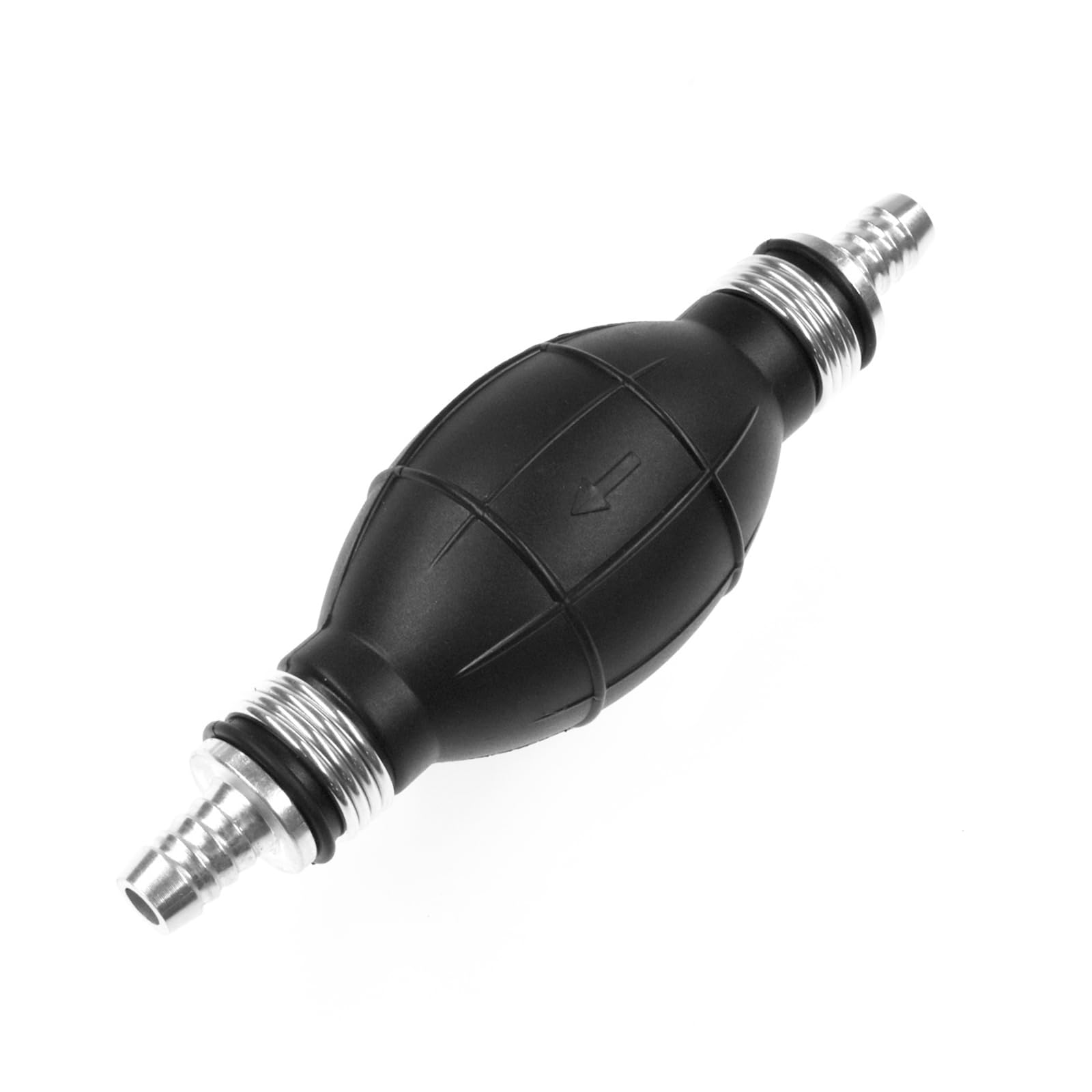
When the engine's cool, flex the hoses gently. They should rebound—not stay dented (too soft) or resist like a pipe (too hard). That's the pinch test: squeeze the hose between your thumb and finger. If it feels spongy or brittle, it's done.
Use an inspection mirror to check the top side of the fuel tank and hidden runs along the frame rail. That's where dirt accumulates and moisture sits, and it's where we find most of the sneaky cracks. Look for swelling, kinks, oily residue, or wet spots. Flex the line at connection points and bends—hidden damage shows up there first.
Carbureted engines vs. fuel-injected systems: the pressure difference matters. Carbureted setups run low pressure, so a small crack might just weep. Fuel injection systems run 40-60 PSI, so the same crack sprays fuel everywhere. Check your system type before you decide whether a tiny leak is driveable. Our Yamaha Outboard Carburetor Rebuild Tutorial can help you understand more about carbureted systems and maintenance.
Tools You'll Need
- Flashlight (preferably LED, bright enough for tight spaces)
- Inspection mirror (the telescoping kind with a swivel head)
- Clean rag (to wipe down lines and spot fresh leaks)
- Fuel pressure gauge (if you're testing for internal blockages or pump issues)
Hose Lifespan and Replacement

Fuel hoses don't last forever. Most manufacturers recommend replacement every 5 years, even if the hose looks okay, because rubber degrades over time from fuel exposure and heat cycling. Gates and Continental both spec this interval for their marine and automotive lines.
When you're buying replacements, check the ratings. For marine use, you want USCG Type A1 or A2 hose—that's Coast Guard approved for below-deck fuel systems. For automotive or portable engine setups, look for SAE J30R9 or higher. Don't cheap out on fuel line. A $10 no-name hose from a random seller will have rubber that's too hard, fitment that's off, and you'll be tearing things apart again in six months. It's not worth the headache.
OEM hoses are reliable, but you're paying a premium for the logo on the package. The junk aftermarket stuff is a disaster waiting to happen—wrong durometer, poor fuel resistance, bad crimp fittings. The middle ground is reputable aftermarket like what we use: factory-spec quality without the dealership markup. Some of the same factories that make OEM parts run excess capacity for non-OEM brands, and the quality's identical if you source it right.
What to Do If You Find a Problem

If you spot cracks, smell fuel, or see drips, here's your decision tree:
- Active drip or puddle: Shut it down, don't restart, tow it to a shop.
- Strong fuel smell, no visible leak: Open the hood to ventilate (only if there are no flames), turn off the ignition, and call for a tow.
- Hairline crack, no smell or drip yet: You've got a little time, but don't delay—drive straight to a mechanic and get it replaced before it fails under load.
Fuel system work is not a DIY job unless you know what you're doing. Gasoline is flammable, pressurized fuel systems are dangerous, and one wrong move puts you in the burn unit. A qualified mechanic has the tools to safely depressurize the system, inspect the full run of line, and replace compromised sections without spilling fuel everywhere.
Hose inspection is one of the most overlooked maintenance tasks, and neglecting it leads to preventable failures. A spring check after winter takes twenty minutes and catches problems before they strand you or start a fire. For more seasonal care, see our Spring Maintenance: Getting Your Outboard Ready for Boating Season.
Marine vs. Automotive Hose
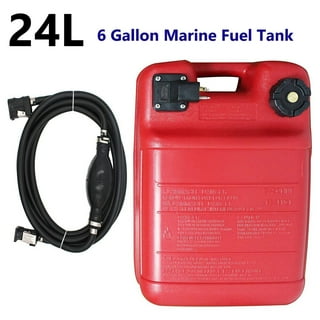
If you're running a boat or maintaining a trailer-mounted rig, don't use standard automotive fuel hose. Marine environments combine saltwater corrosion, UV exposure from open decks, and vibration from wave pounding—completely different stress than road use. Automotive hose isn't rated for that, and it'll fail faster.
We see this mistake all the time: someone replaces a fuel line on their outboard with whatever they grabbed at the auto parts store, and six months later it's cracked and leaking. Marine fuel hose has to meet USCG fire safety standards and resist ethanol degradation better than automotive spec. The same applies in reverse—if you're fixing your truck, don't use marine hose; it's overkill and costs more than you need to spend.
At JLM Marine, we manufacture to those standards because we know what happens when you cut corners. Our fuel lines are ISO-certified, built for saltwater, UV, and fuel with up to 10% ethanol. We ship direct from the factory worldwide, so whether you're in Australia or Minnesota, you're getting the same quality we'd install on our own boats. Explore and order from our extensive Boat Accessories collection for all your marine needs.
Pro tip: After every run, especially in saltwater, flush your fuel system with a stabilizer additive to prevent ethanol phase separation and internal corrosion. It takes five minutes and saves you from tearing apart clogged lines next spring.
For more resources and to explore our full range of marine parts, visit the JLM Marine homepage.
Hi—I’m Jim Walker
I grew up in a Florida boatyard, earning pocket money (and a few scars) by rebuilding outboard carbs before I could drive. That hands-on habit carried me through a Ph.D. in mechanical engineering, where I studied how salt water quietly murders metal.
I spent ten years designing cooling systems for high-horsepower outboards, then joined JLM Marine as CTO. We bench-test every new part in the lab, but I still bolt early prototypes onto my own 23-foot skiff for a weekend shake-down— nothing beats real wake and spray for finding weak spots.
Here on the blog I share the fixes and shortcuts I’ve learned so your engine—and your day on the water—run smooth.

For Outboard Owners:
To assist you in maintaining and repairing your marine engines, we hope the following resources may be of use:
-
Fuel Pumps from JLM Marine
-
Fuel Pump Kits from JLM Marine
About JLM Marine
Founded in 2002, JLM Marine has established itself as a dedicated manufacturer of high-quality marine parts, based in China. Our commitment to excellence in manufacturing has earned us the trust of top marine brands globally.
As a direct supplier, we bypass intermediaries, which allows us to offer competitive prices without compromising on quality. This approach not only supports cost-efficiency but also ensures that our customers receive the best value directly from the source.
We are excited to expand our reach through retail channels, bringing our expertise and commitment to quality directly to boat owners and enthusiasts worldwide.
Fuel Pump on Sale
- $73.50
$88.00- $73.50
- Unit price
- per
- $16.00
- $16.00
- Unit price
- per
- $17.99
$21.00- $17.99
- Unit price
- per

- $18.99
- $18.99
- Unit price
- per

- $21.99
- $21.99
- Unit price
- per

- $45.99
$55.00- $45.99
- Unit price
- per

- $23.59
$28.00- $23.59
- Unit price
- per

- $28.99
$34.00- $28.99
- Unit price
- per

- $21.99
- $21.99
- Unit price
- per
- $46.50
$60.00- $46.50
- Unit price
- per
- $26.80
- $26.80
- Unit price
- per
- $24.80
- $24.80
- Unit price
- per
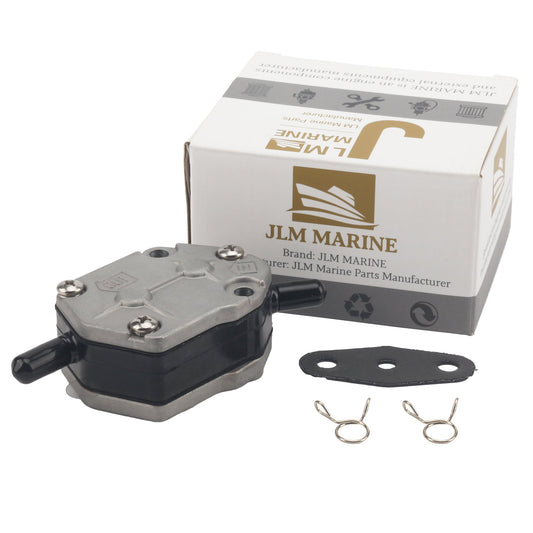
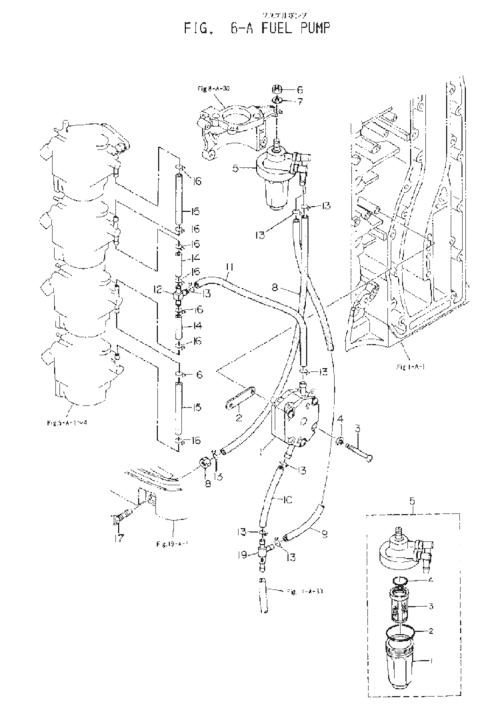
- $28.90
- $28.90
- Unit price
- per

- $27.77
- $27.77
- Unit price
- per

- $56.99
- $56.99
- Unit price
- per

- $129.95
$155.00- $129.95
- Unit price
- per

- $31.20
$37.00- $31.20
- Unit price
- per

- $129.95
$155.00- $129.95
- Unit price
- per
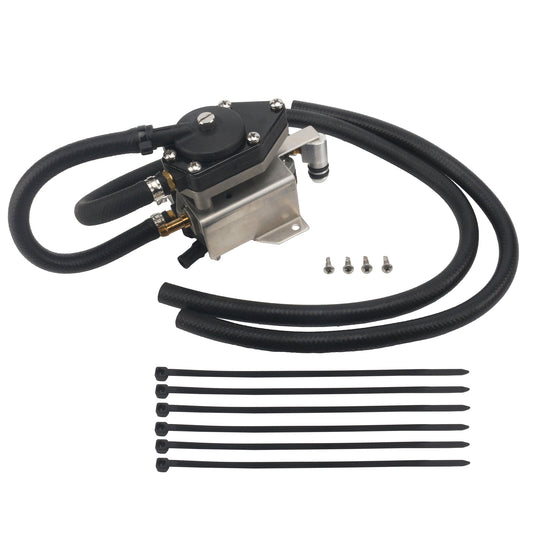
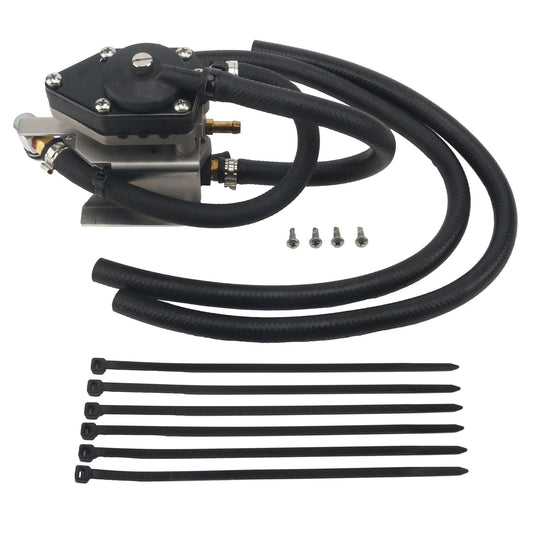
- $138.00
- $138.00
- Unit price
- per
- $24.80
$45.00- $24.80
- Unit price
- per