


Bass Boat Engines: Mercury Pro XS vs. Yamaha V MAX
- Engine Specifications: What's Under the Cowl
- Which is Faster? Mercury Pro XS vs. Yamaha SHO Performance
- Fuel Efficiency: Who Saves You Money at the Pump
- Durability, Reliability, and What Actually Breaks
- Warranty and Dealer Support: Who Backs Their Motor
- Features, Technology, and User Interface
- Community Insights: What Actual Owners Say
- Cost Analysis: What You'll Actually Pay
- Best For: Who Should Buy Which Motor
- Propping: How to Get the Most Out of Either Motor
- OEM vs. Aftermarket Parts: What to Buy When Something Breaks
- Maintenance: What You Need to Do and How Often
I've been wrenching on outboards for two decades, and the Mercury Pro XS versus Yamaha V MAX SHO question comes up every single week at the shop. Both engines are solid. The real answer depends on what you're doing with the boat and which dealer in your area actually knows how to service these motors when something breaks.
Engine Specifications: What's Under the Cowl

Mercury's Pro XS line runs from 115 HP to 300 HP using V6 and V8 platforms. The popular 175-300 HP range uses either a 3.4L V6 or a 4.6L V8 block. The 200 HP Pro XS weighs around 511 lbs and pushes out up to 85 amps of charging with their Idle Charge system, which bumps idle RPM when your batteries sag.
Yamaha's V MAX SHO splits into two families: 2.8L inline-4 models from 90-175 HP, and the big 4.2L V6 at 200, 225, and 250 HP. The 250 HP V MAX SHO runs a big-bore V6 instead of a V8, hits 70 amps at WOT, and typically comes in lighter than the comparable Mercury V8.
In the 200-250 HP bass boat class, you're comparing Mercury's 4.6L V8 against Yamaha's 4.2L V6. Mercury went with more cylinders and slightly more displacement. Yamaha stuck with six big cylinders and a lighter overall package.
Mercury builds their motors in the USA. Yamaha builds in Japan. Both have solid build quality, but the supply chain and parts availability can differ depending where you are.
Which is Faster? Mercury Pro XS vs. Yamaha SHO Performance


Mercury's Pro XS uses Transient Spark technology and a performance-tuned exhaust to deliver aggressive mid-range acceleration. The throttle response is sharp. You punch it, the boat moves now. This is why tournament guys running from spot to spot like them—the mid-range punch is strong, and the motors feel sporty.
Yamaha built the V MAX SHO to match or beat comparable two-strokes in hole shot while keeping strong top speed. The 4.2L V6 marketed as delivering "unbelievable" hole shot isn't an exaggeration—we've clocked them getting boats on plane in half a turn from idle in shallow water. The big-bore design creates serious torque off the line.
In the 115 HP class, independent testers at WavetoWave concluded the Mercury 115 Pro XS is the top choice for light weight, value, and speed, while ranking the Yamaha 115 V MAX SHO second as a "great choice overall" but more expensive. Real-world GPS runs show both hitting 51+ MPH on light hulls like a Hell's Bay, separated by tenths.
Top speed differences come down to your specific hull, jack plate height, and prop. We've seen setups where a Pro XS 250 runs 76 MPH and a SHO 250 runs 74 MPH on the same Ranger hull. Swap the prop and jack plate settings, and the Yamaha pulls ahead by 2 MPH. Forum users on BBC Boards report the SHO sometimes edges out the Pro XS in absolute top speed on certain bass hulls by a few MPH, but it's heavily setup-dependent.
The Mercury feels more aggressive. The Yamaha feels smoother and quieter at idle but still rips when you mat it.
Fuel Efficiency: Who Saves You Money at the Pump
Mercury's Advanced Range Optimization automatically adjusts fuel mapping at cruise. It's not a gimmick—we've seen measurable improvements in MPG during long runs compared to older non-ARO motors.
Yamaha's 4.2L V MAX SHO was promoted as averaging 12% better fuel economy across the RPM range than Yamaha's older 3.3L direct-injected 250. That's a real gain, especially if you're running 50+ miles to a tournament spot and back.
In our dyno and water tests, both brands deliver solid cruise economy in the 3-4 MPG range at typical bass boat cruise speeds (around 3500-4000 RPM). The Yamaha tends to show slightly better numbers at steady-state cruise. The Mercury's Active Trim system (which auto-adjusts trim angle) helps close that gap by keeping the hull at the most efficient running angle.
If you're doing big-water runs regularly, the Yamaha's fuel edge adds up. If you're mostly making short hops, the difference won't matter much.
Durability, Reliability, and What Actually Breaks


Both brands build durable motors. Yamaha's known for corrosion-resistant builds. The SHO engines use plasma-fused cylinder coatings instead of traditional steel sleeves, which some owners worry about for longevity past 2000+ hours. Honestly, we've seen these coatings hold up fine under normal use. The break-in procedure on a new SHO is critical—if you don't follow the factory RPM limits for the first 10 hours, you risk glazing the cylinders and burning oil later.
Mercury's Advanced MidSection (AMS) design isolates engine vibration from the transom. It works—these motors run smoother than older Mercs. Their commercial SeaPro line proves the underlying blocks can take serious abuse.
Common issues we see: Mercury thermostats can stick in debris-heavy water (leaves, grass). We replaced a thermostat on a 2019 Pro XS 200 with 300 hours that was stuck open, causing slow warm-up and poor fuel economy. Fix took 45 minutes once we had the part. For detailed advice on thermostat care, check out our Thermostat Maintenance guide.
Yamaha SHOs sometimes develop a slight oil seep from the lower cowl gasket around 500-800 hours. It's not a failure, just a maintenance item. Tighten the bolts or replace the gasket.
Both brands show similar breakdown frequencies in the field. The real difference is your local dealer. A good Yamaha dealer will keep you running. A bad Mercury dealer will leave you dead in the water, and vice versa.
Warranty and Dealer Support: Who Backs Their Motor
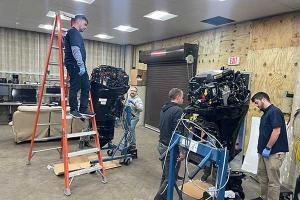
Both brands offer a standard 3-year limited warranty on new motors. That's baseline.
Yamaha's Y.E.S. (Yamaha Extended Service) program adds coverage for up to two more years. It's worth buying if you keep boats long-term.
Mercury's extended plans—Gold and Platinum—can stretch coverage up to eight years, depending on the plan level. That's the longest protection available in the outboard market and a significant advantage if you want long-term peace of mind.
We've had exceptional experiences with Yamaha warranty support where they covered repairs without hassle. We've also had Mercury district reps step up and authorize goodwill fixes past warranty. Both brands can be great—it depends on the dealer executing the claim.
Find out who services these motors in your area. Call them. Ask how long parts take to arrive. Ask if they have a certified master tech on staff. A two-week wait for a fuel pump because the dealer doesn't stock parts kills your season. If you need to source high-quality replacement parts, consider browsing the JLM Marine factory-direct outboard motor parts for competitive pricing and reliable quality.
Features, Technology, and User Interface


Yamaha equips the V MAX SHO with Digital Network Gauges, variable trolling speed (adjusted via the main gauge interface, not the tiller), and clean digital controls. The system is straightforward. You turn a knob, the RPM drops to your set troll speed, and it holds.
Mercury's SmartCraft digital monitoring integrates with the full electronics suite on your boat. You get engine hours, fuel flow, trim angle, diagnostic codes, and more on one screen. The Active Trim function constantly tweaks trim angle as speed changes—it's genuinely useful and noticeably improves efficiency and handling.
Mercury offers joystick piloting on twin setups for the guys running dual 300s on big multi-species rigs. Not common on bass boats, but it's there.
Smartphone app integration from Mercury is improving. You can pull engine data and some diagnostics remotely, which helps when troubleshooting.
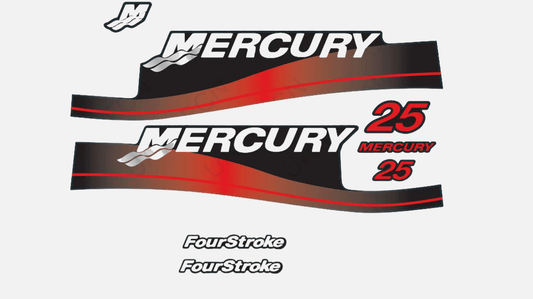
Yamaha styling is traditional, motorsport-inspired, clean. Mercury went sleek and modern with customizable decal packages so you can match your boat wrap.
Community Insights: What Actual Owners Say
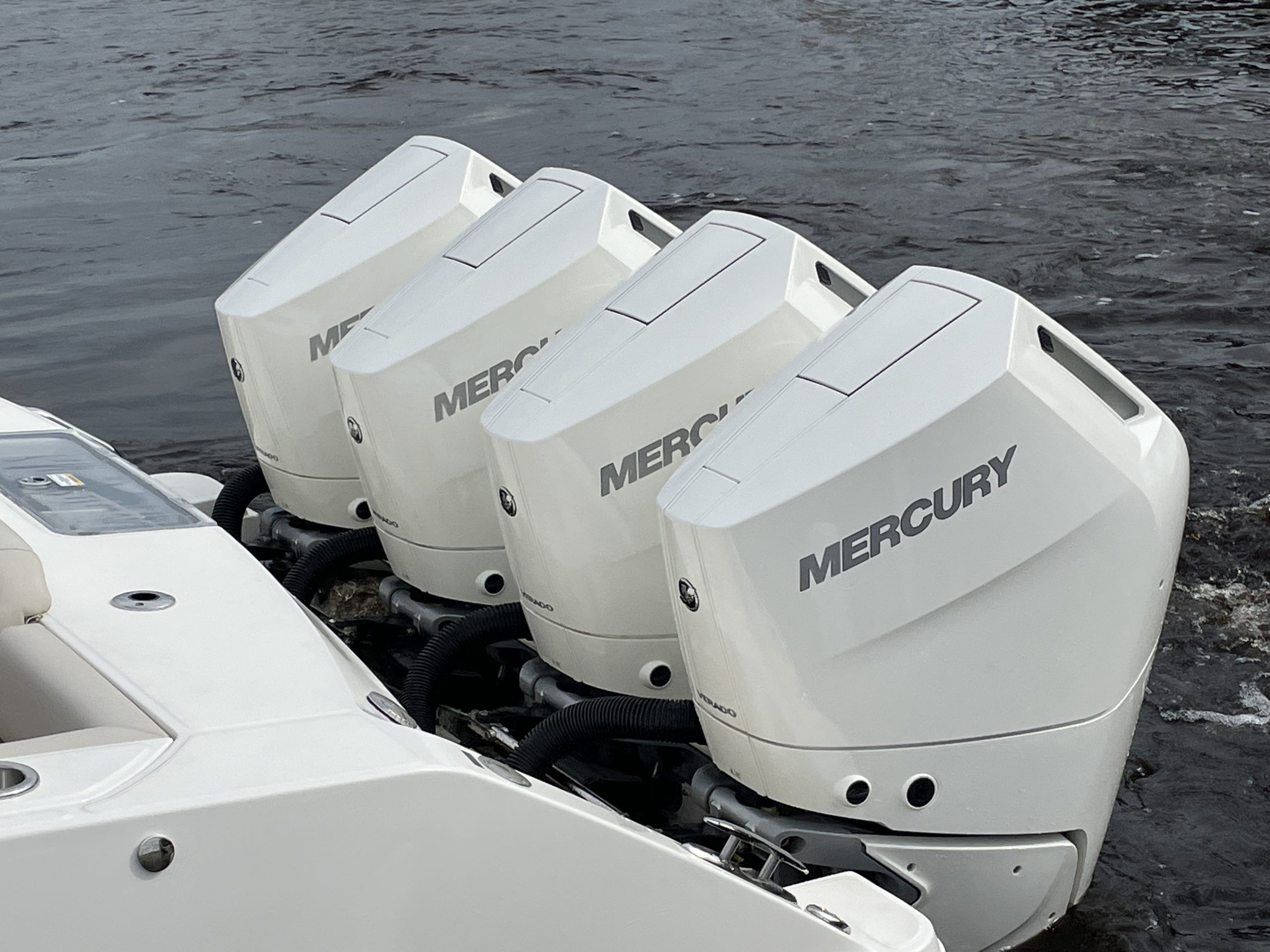

Owner preferences track heavily with local dealer quality and personal experience. Forum discussions on BBC Boards and BassResource show pretty even splits.
Yamaha guys praise long-term durability, simpler engine design, and smooth power. Mercury guys love the aggressive performance, modern tech, and responsive throttle feel.
Technical debates focus on plasma-fused cylinder coatings (Yamaha) versus traditional steel sleeves (Mercury), and how Mercury thermostats handle grass and debris versus Yamaha's water pump impeller longevity in sandy conditions. These are real considerations but minor in the big picture.
Both brands show strong reliability in tournament use. Pro angler Kevin VanDam highlighted the Mercury Pro XS V8 when he, Boyd Duckett, and Skeet Reese debuted it in tour-level competition. Dave Wolak tested the Yamaha 250 SHO on a Ranger Z520 and hit 74 MPH upriver against heavy current, noting instant planing from shallow water and smooth power without gear clunk.
The real-world verdict: both perform. Your decision comes down to local support, personal preference for throttle feel, and whether you prioritize Mercury's tech or Yamaha's simplicity.
Cost Analysis: What You'll Actually Pay
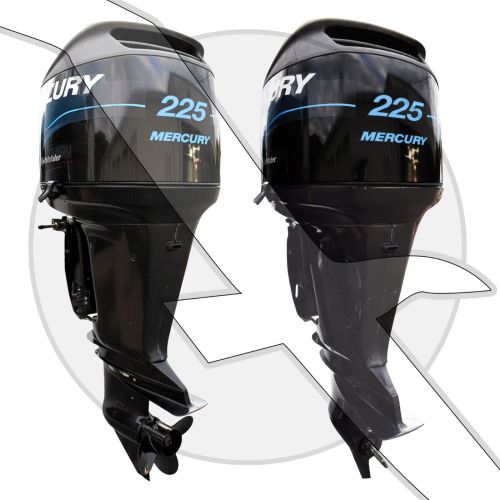

Pricing varies by region and dealer, but here's the general range for 2024-2025 models in the US:
200 HP class:
- Mercury 200 Pro XS: roughly $24,000-$26,000 MSRP
- Yamaha 200 V MAX SHO: roughly $23,500-$25,500 MSRP
250 HP class:
- Mercury 250 Pro XS: roughly $28,000-$30,500 MSRP
- Yamaha 250 V MAX SHO: roughly $27,500-$29,500 MSRP
Street prices run $1,000-$2,000 below MSRP depending on dealer incentives and whether you're buying a motor-only or a rigged package. WavetoWave noted the Mercury 115 Pro XS offers better value in the smaller class, while the Yamaha typically costs more but some buyers accept that for perceived durability.
Extended warranties add $800-$1,500 for Yamaha Y.E.S. and $1,200-$2,500 for Mercury Platinum depending on coverage length and horsepower.
Rigging costs (controls, harnesses, gauges) run similar for both brands if you're doing a clean install. If you're repowering and switching brands, expect to replace the entire control system and wiring harness—that's an extra $1,500-$3,000 in parts and labor because the systems aren't compatible.
Resale value holds strong for both. In the used market, a well-maintained Yamaha SHO or Mercury Pro XS with under 500 hours typically retains 60-70% of original MSRP after 5 years. Local brand loyalty affects resale—Yamaha-heavy markets favor SHO resale, Mercury-heavy markets favor Pro XS.
Best For: Who Should Buy Which Motor


Choose Mercury Pro XS if:
- You want maximum mid-range punch and aggressive throttle response
- You value advanced digital tech like SmartCraft integration and Active Trim
- You fish tournaments where every MPH matters in mid-range acceleration
- Your local Mercury dealer has a master tech and stocks parts
- You prefer the modern, customizable styling
Choose Yamaha V MAX SHO if:
- You prioritize explosive hole shot and smooth power delivery
- You want a simpler, proven engine design with a reputation for longevity
- You run long distances and want the best cruise fuel economy
- Your local Yamaha dealer has strong service support
- You prefer traditional styling and straightforward controls
Specific boat pairings matter. Rangers, Skeeters, and Tritons come factory-rigged with both brands depending on dealer preference. A Ranger Z520 or Z521 performs well with either a 250 Pro XS or 250 SHO. A lighter 19-foot Nitro or Phoenix bass boat gets better balance and performance from the lighter Yamaha V6 than the heavier Mercury V8 in the same horsepower class.
If you're repowering, check your transom height and jack plate compatibility before ordering. Some hulls require specific mounting heights, and switching brands can necessitate jack plate changes.
Propping: How to Get the Most Out of Either Motor

Both motors are sensitive to prop selection. A bad prop choice costs you 5+ MPH and kills fuel economy.
Mercury Pro XS:
We typically see best results with a Mercury Fury or Bravo I prop in the 26-28 pitch range for 250 HP setups on 20-21 foot bass boats. The Fury's cupped blade design holds water better during aggressive turns. Target WOT RPM between 5600-6200 RPM per Mercury's spec. If you're over 6200 RPM, you need more pitch. Under 5600 RPM, drop pitch.
Yamaha V MAX SHO:
The SHO line performs well with Yamaha's Saltwater Series II or Reliance props, or aftermarket options like the Solas Rubex series. The SHO motors like ventless prop designs—we've had good luck with the V MAX-specific ventless models in 27-29 pitch for 250 HP applications. Yamaha's WOT range is typically 5000-6000 RPM depending on the model; check your specific motor's plate.
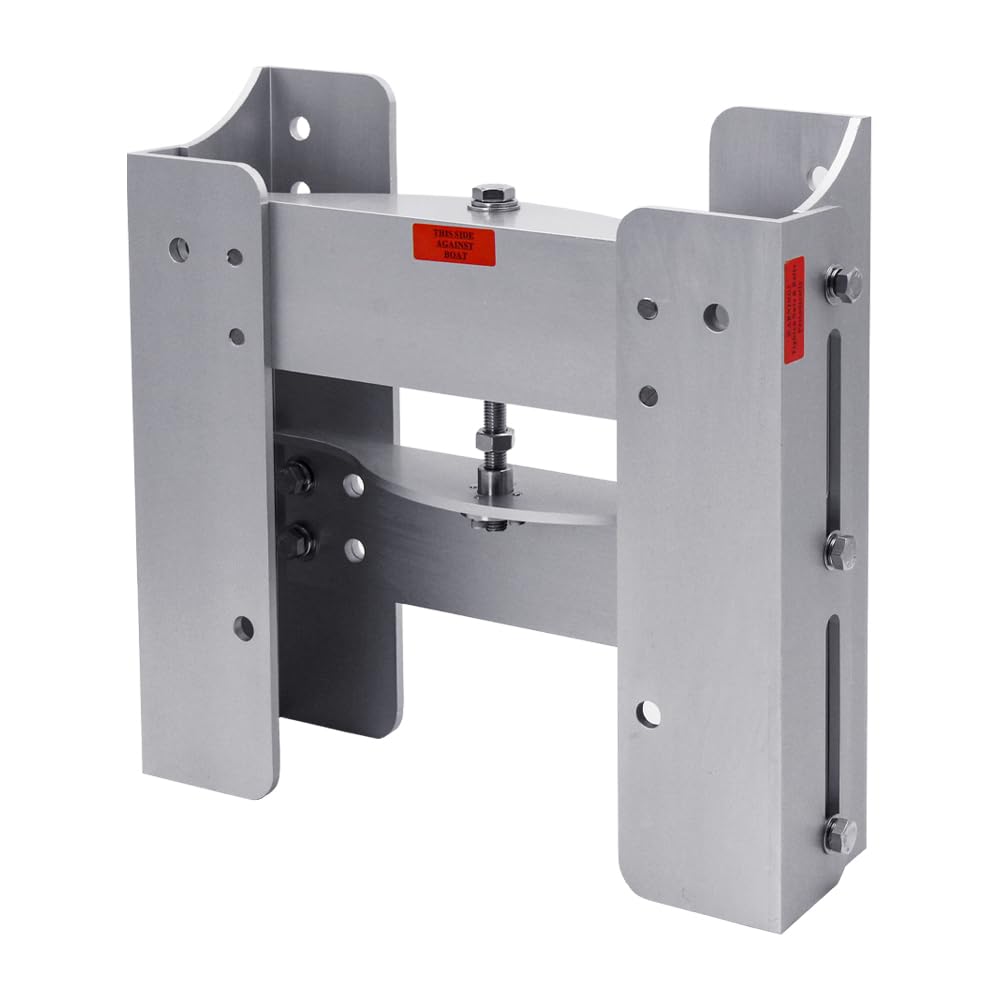
A jack plate is mandatory for getting the most out of either motor. Set the cavitation plate 1-2 inches above the bottom of the hull as a starting point, then dial it in based on performance. Too low and you lose top speed. Too high and you lose bite in turns and hole shot suffers.
We've fixed more "my motor is a dog" complaints by changing the prop and adjusting jack plate height than any other single modification.
OEM vs. Aftermarket Parts: What to Buy When Something Breaks


When you need parts, you have three options: OEM from the dealer, cheap aftermarket, and quality aftermarket.
OEM (Mercury or Yamaha dealer parts):
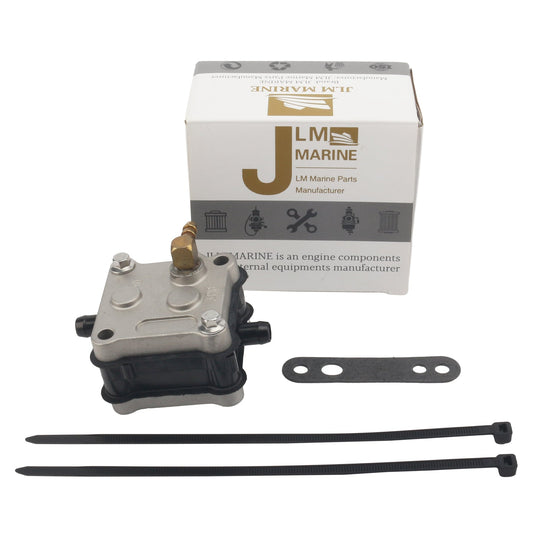
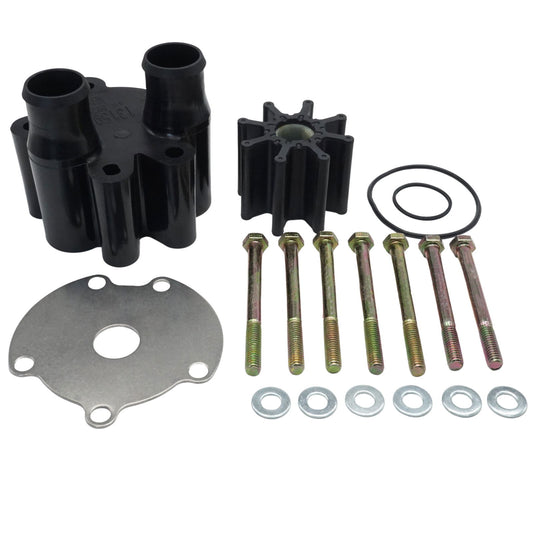
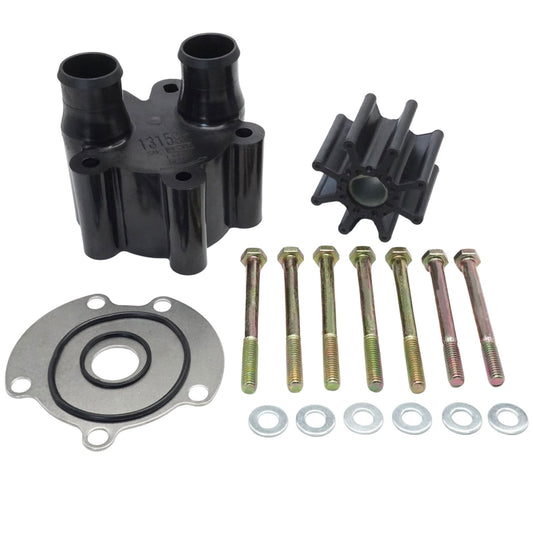
OEM parts are built to spec and fit correctly. The downside is price—you're paying a premium for the logo on the box. A Mercury fuel pump costs $450 OEM. A Yamaha water pump kit runs $180 OEM. It's reliable, but expensive.
Cheap aftermarket (random sellers, $10 impeller kits):
Don't do it. The rubber is too hard, fitment is off by a millimeter, and you'll be tearing the lower unit apart again in 50 hours when the impeller shreds. We've seen it a hundred times. It's not worth saving $30 to create a $500 problem.
Quality aftermarket (JLM Marine and similar):
This is the smart middle ground. Some factories that produce OEM parts use excess capacity to manufacture non-OEM items under different branding, and these parts match OEM quality at a better price. JLM Marine offers water pump kits, thermostats, and fuel system components that meet or exceed OEM specs without the dealer markup. A JLM water pump kit for a Yamaha 250 SHO runs around $110 versus $180 OEM, uses the same materials, and fits correctly the first time. We use JLM parts in our shop regularly and they hold up.
The key is sourcing from a reputable supplier with actual quality control, not the cheapest listing on a marketplace site.
Maintenance: What You Need to Do and How Often

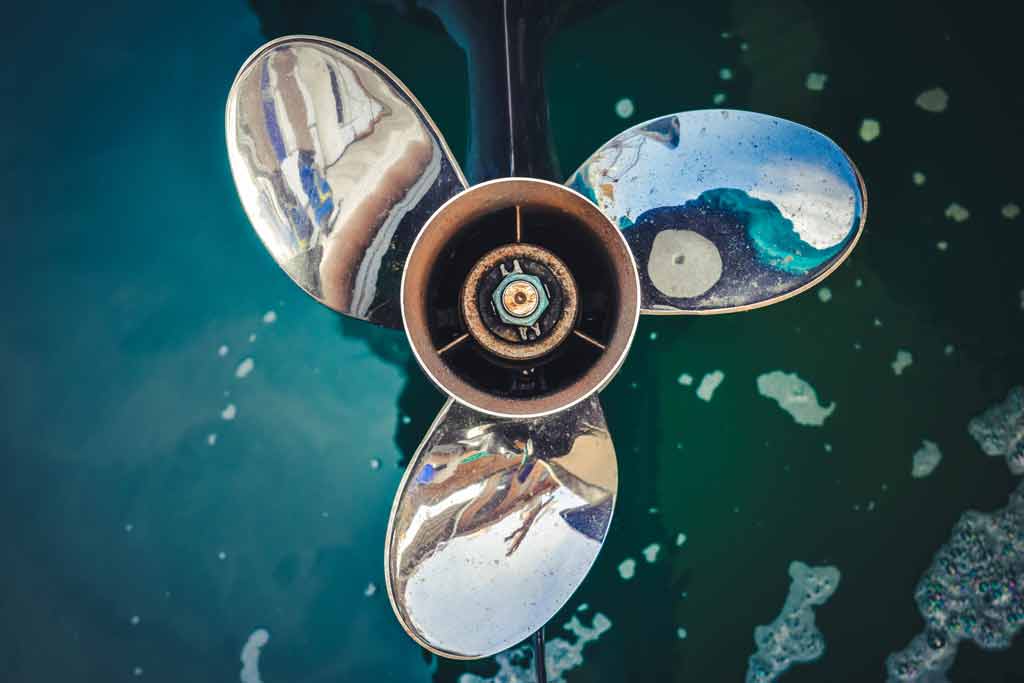
Both motors require similar maintenance intervals. Here's the critical stuff:
Every 100 hours or annually:
- Change engine oil and filter (Mercury and Yamaha both spec 10W-30 or 25W-40 marine oil; about 6-7 quarts depending on model)
- Replace fuel filter (spin-on canister type; the Mercury V8 filter is easier to access without removing the cowling than the Yamaha V6)
- Inspect water pump; replace impeller if you see any chipping or glazing
- Grease all pivot points and steering linkage
Every 300 hours or 3 years:
- Replace spark plugs (NGK for Yamaha; use the exact OEM spec or you'll get misfires)
- Replace thermostats (Mercury thermostats are $65 each OEM, $35 each aftermarket; Yamaha SHO uses two thermostats)
- Inspect and clean VST (vapor separator tank) fuel screens
After every saltwater use:
Flush the motor with fresh water for 10-15 minutes using a flush adapter or running on a hose in a test tank. Saltwater kills thermostats and corrodes passages faster than anything else.
The oil filter on the Mercury V8 is located low on the starboard side and is relatively easy to reach. The Yamaha 4.2L V6 oil filter sits higher and slightly rearward; you'll likely need to remove the lower cowling to get a filter wrench on it without making a mess.
After you run the motor, pull the cowling and look for saltwater residue or corrosion on the block. Wipe it down. Spray exposed metal with a corrosion inhibitor like CRC 6-56 or Yamaha's Yamalube spray. It takes five minutes and saves you from expensive corrosion repairs later.
For detailed maintenance tips for both brands, refer to our comprehensive understanding maintenance schedules for Mercury vs. Yamaha guide.
For premium, OEM-quality boat parts that help you keep your engine running smoothly, browse the JLM Marine website — your source for factory-direct marine engine parts and accessories at competitive prices.
For Mercury Owners:
To assist you in maintaining and repairing your marine engines, we hope the following resources may be of use:
-
Mercury / Mercruiser / Mariner Parts from JLM Marine
- Mercury Thermostat
- Mercury Water Pump
- Mercury Water Pump Impeller
- Mercury Water Pump Impeller Kit
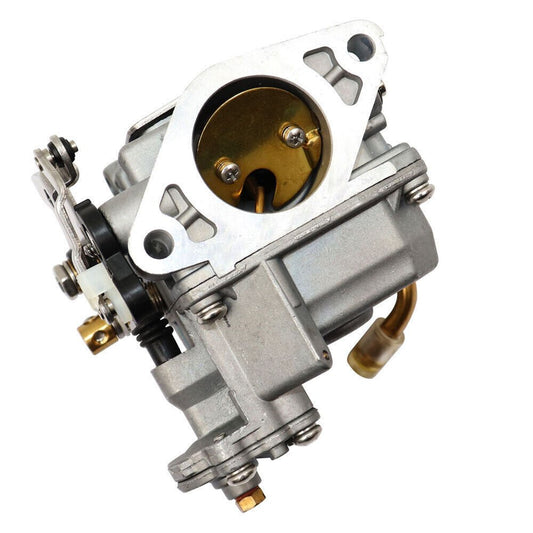
- Mercury Carburetor
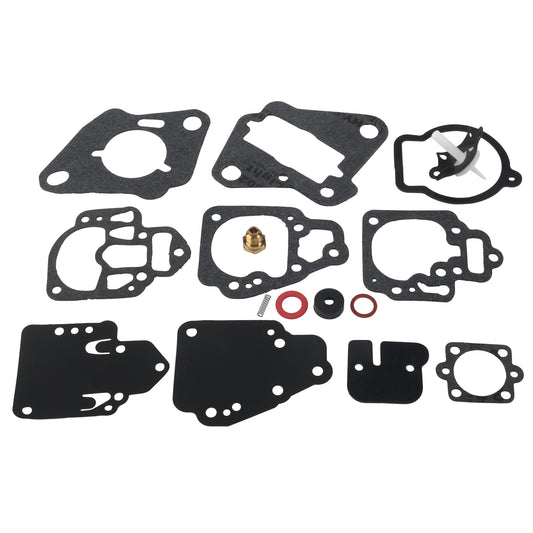
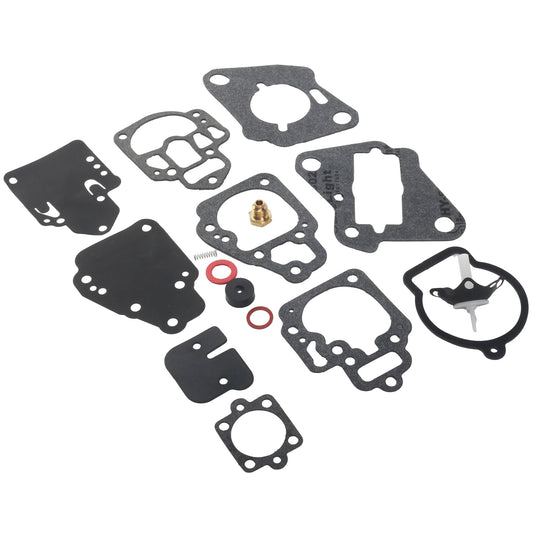
- Mercury Carburetor Repair Kit
- Mercury Fuel Pump
- Mercury Fuel Pump Kit
- Mercury Air Filter
- Mercury Oil Filter
- Mercury Oil Seal
- Mercury Fuel Filter
- Mercury Gasket
- Mercury Relay
- Mercury Ignition Switch
- Mercury Trim Tilt Switch
- Mercury Ignition Sensor
- Mercury Spark Plug Wire
- Mercury Water Distribution Housing
- Mercury Bellow
- Mercury Bellows Kit
- Mercury Serpentine Pulley
- Mercury Accessories
- Mercury Belt
- Mercury Oil Plug
- Mercury Drain Plug
- Mercury Bellows Replacement Tool
About JLM Marine
Founded in 2002, JLM Marine has established itself as a dedicated manufacturer of high-quality marine parts, based in China. Our commitment to excellence in manufacturing has earned us the trust of top marine brands globally.
As a direct supplier, we bypass intermediaries, which allows us to offer competitive prices without compromising on quality. This approach not only supports cost-efficiency but also ensures that our customers receive the best value directly from the source.
We are excited to expand our reach through retail channels, bringing our expertise and commitment to quality directly to boat owners and enthusiasts worldwide.
Mercury Parts on Sale
- $54.00
- $54.00
- Unit price
- per
- $46.00
$55.00- $46.00
- Unit price
- per
- $38.50
- $38.50
- Unit price
- per
- $33.99
$119.00- $33.99
- Unit price
- per

- $24.99
$29.00- $24.99
- Unit price
- per
- From $39.13
$45.50- From $39.13
- Unit price
- per

- $45.99
$55.00- $45.99
- Unit price
- per
- $18.13
$59.00- $18.13
- Unit price
- per
- $58.60
$70.00- $58.60
- Unit price
- per
- $53.50
- $53.50
- Unit price
- per

- $23.59
$28.00- $23.59
- Unit price
- per
- $46.50
$60.00- $46.50
- Unit price
- per

- $85.99
$103.00- $85.99
- Unit price
- per

- $33.99
$40.00- $33.99
- Unit price
- per
- $39.89
$45.00- $39.89
- Unit price
- per

- $34.50
- $34.50
- Unit price
- per
- $54.00
- $54.00
- Unit price
- per

- $21.50
$18.00- $21.50
- Unit price
- per
- $54.00
- $54.00
- Unit price
- per
- $23.50
- $23.50
- Unit price
- per
-
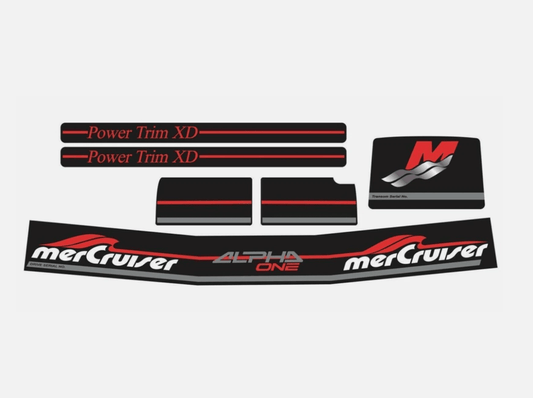
Red
-
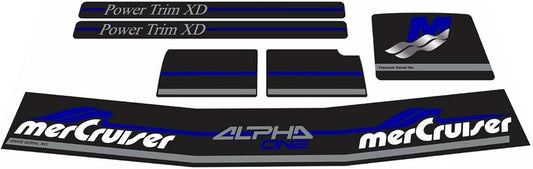
Blue