




Mercury Outboard Cranks but Won’t Fire Up: Causes & Fixes

When your Mercury outboard cranks but won't fire, you're looking at a fuel, spark, or compression problem—not the starter. The engine turns over fine, but it's missing one of the three things it needs to run. I've worked on thousands of these cases over 20 years, and the pattern is always the same: fuel system issues are the most common, ignition problems come second, and low compression shows up less often but still happens.
Skip the guessing. Work through the systems methodically, starting with the easiest checks.
Safety and Basic Checks First
Before you touch anything, handle the basics. These take two minutes and prevent wasted time.
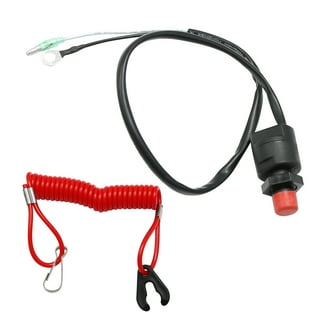
Kill switch lanyard. I check this every single time. If the lanyard isn't clipped to both the operator and the switch on the throttle handle, the engine won't start. It's the most common oversight I see.
Neutral gear. The shift lever must be fully in the neutral detent. Mercury outboards have a neutral safety switch—if the shift linkage isn't properly centered, the engine won't fire even if everything else is perfect.
Fuel tank vent. Open it. A closed vent creates a vacuum in the tank, starving the engine. Also check that the fuel line isn't kinked between the tank and the engine.
Primer bulb. Squeeze it a few times. It should feel firm when full. If it stays soft, you have a fuel supply issue upstream of the engine—air leak, clogged pickup, or empty tank.
Propeller. Pull off any fishing line or weeds wrapped around the prop shaft. A fouled prop can jam the shift linkage, preventing the engine from fully entering neutral and tripping the neutral safety switch.
No smoking. Fuel vapors will ignite. Work in open air, away from any flame or spark.
Battery and Electrical System

A weak battery or bad connection is one of the top reasons a Mercury won't fire. The starter might crank the engine, but the ignition coils and fuel pump need consistent voltage to work. If voltage sags during cranking, spark weakens and the fuel pump quits.
Battery switch and terminals. Confirm the battery switch is "ON." Then inspect both battery terminals. Corrosion kills electrical contact. Clean the posts and clamps with a wire brush, tighten them down, and coat with dielectric grease to stop future buildup. A loose or corroded terminal drops voltage without warning.
Fuses. Locate your fuses—check your owner's manual for the exact spot. A blown fuse in the ignition or fuel pump circuit will stop the engine cold. Replace any blown fuse with the exact same amperage rating. If the new fuse blows immediately when you turn the key, you have a short to ground somewhere in that circuit. Do not keep replacing fuses; you'll damage the wiring. Trace the short or call a pro.
Voltage under load. A battery can read 12.6 volts at rest but drop below 10 volts under cranking load if it's weak or has a bad cell. Anything below 12.4 volts at rest means the battery needs charging. Under cranking, voltage shouldn't drop below about 10.5 volts. Use a multimeter across the battery terminals while someone cranks the engine. If it sags hard, replace the battery.
Emergency pull-start (engines ≤50 HP). Small Mercury outboards often have a recoil pull-start as a backup. If the engine fires on the pull-start but won't electric-start, your issue is in the electric start system—battery, solenoid, or wiring—not the engine itself. For engines above 50 HP without pull-start, you'll need to verify battery condition with a load tester or by measuring voltage drop during cranking.
Ignition System
If the battery checks out, move to spark. No spark or weak spark means the fuel-air mixture won't ignite.
Spark plugs. Pull them out. Inspect the electrodes and porcelain. Black, sooty deposits mean the engine is running rich or the plugs are fouled from incomplete combustion. Wet plugs covered in raw fuel indicate flooding or a stuck injector. Dry, white or gray deposits point to lean conditions or overheating. Clean the plugs with a wire brush and solvent, or just replace them—new plugs are cheap insurance. Check the gap with a feeler gauge and set it to your engine's spec (usually around 0.035–0.040 inches for most Mercurys). When reinstalling, tighten them hand-tight, then give them about a quarter-turn with a socket. Overtightening strips the aluminum threads in the head; undertightening causes them to blow out.
Spark test. Ground each plug wire against the engine block (use a jumper wire or lay the plug body on metal) and crank the engine. You should see a strong blue-white spark jump the gap. A weak yellow or orange spark won't reliably ignite fuel under compression. No spark at all means you have an ignition component failure.
Plug wires and caps. Inspect the spark plug wires, rubber boots, and ignition coils for cracks, corrosion, or carbon tracking. Salt and moisture create resistance that kills spark. Clean any corrosion off the terminals with electrical contact cleaner. If the boots are cracked or the wires are frayed, replace them.
ECM voltage peak output (VPO). This is an advanced test. The Engine Control Module sends a high-voltage signal to the ignition coils to trigger spark. Use a multimeter capable of reading AC voltage peaks (or a Mercury-specific diagnostic tool) and check the voltage at the coil primary leads while cranking. You're looking for a sharp peak in the 180–400 VDC range, depending on the model. Low or absent VPO indicates a faulty stator, power pack, or ECM. Consult your service manual for exact specs and procedures—this isn't a guess-and-check repair.
Fuel System

Fuel problems cause more no-starts than anything else. The engine needs clean fuel at the right pressure, and any restriction or contamination will stop it.
Fuel pump sound. Turn the key to "ON" without cranking. On EFI models, you should hear the electric fuel pump hum for a few seconds as it primes the system. Listen again while cranking. If you hear nothing, the pump is either dead or not getting power—check the fuse and wiring first. On carbureted engines, the mechanical fuel pump runs off engine rotation, so you won't hear it prime.
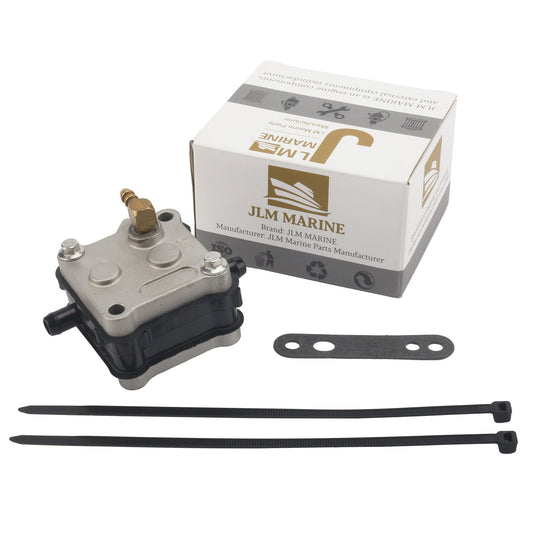
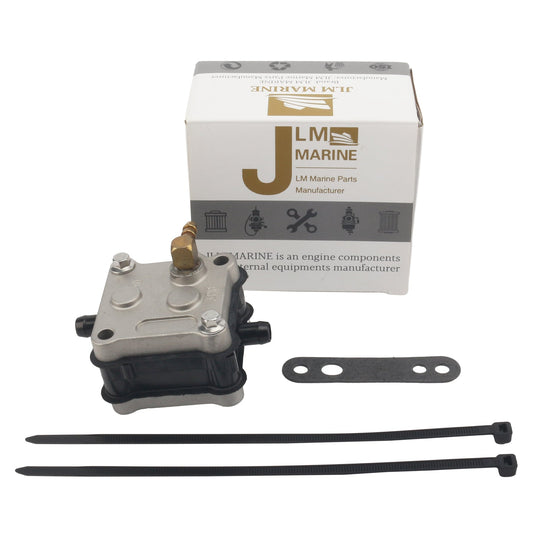
Fuel pump pressure test. Connect a fuel pressure gauge to the engine's fuel line (you may need an adapter fitting). Crank the engine and watch the gauge. Compare the reading to your engine's spec—most Mercury EFI engines run between 35–45 psi at idle, but older carbureted models might only need 3–6 psi. Low or zero pressure means a failed pump, clogged filter, or blocked line. I've seen cheap aftermarket pumps fail within a season because the diaphragm material isn't fuel-resistant. Stick with quality parts that meet or exceed OEM spec. Check out the full range of Mercury fuel pumps at JLM Marine to ensure OEM-level quality and reliability.
Fuel pump failure symptoms. Beyond no-start, a weak fuel pump causes rough idle, hesitation on acceleration, or a top-end miss at wide-open throttle. The engine might start cold but stumble when hot, or vice versa. If you've noticed any of those symptoms before the no-start, the pump is the likely suspect.
Fuel filters. Locate your inline fuel filter (between the tank and engine) and any on-engine filters or screens. Pull them out and inspect for dirt, water, or debris. Water in the fuel looks like small beads or a separate layer at the bottom of the filter bowl. Ethanol fuel can pull moisture out of the air, and phase separation leaves a layer of water-ethanol mix that won't combust. Replace dirty filters. For high-quality replacements, browse the Mercury fuel filters collection at JLM Marine. If you see water, drain the tank, replace the fuel, and check the tank vent and cap gasket.
Fuel lines and anti-siphon valve. Check every fuel line from the tank to the engine for cracks, kinks, or swelling. A tiny air leak on the suction side of the pump will let air in and prevent fuel delivery even though the line looks fine. The anti-siphon valve (usually built into the tank fitting or pickup tube) can stick shut, mimicking a dead fuel pump. If you've replaced the pump and filter but still have no pressure, check or replace the anti-siphon valve.
Vapor lock vs. fuel pump failure. Vapor lock happens in hot weather when fuel in the line boils and creates vapor bubbles that block flow. The engine will crank and may fire briefly, then die. It usually happens after a hot shutdown and restart. Cooling the fuel line or letting the engine sit often clears it. A failed pump, by contrast, won't recover—pressure stays low no matter what. If the problem only occurs on hot restarts, suspect vapor lock and consider insulating the fuel line or relocating it away from heat sources.
Ethanol and fuel stabilizers. Ethanol-blended gasoline (E10) is the standard in the US. It attracts water, corrodes aluminum and rubber parts, and degrades in as little as 30–90 days, leaving varnish and gum deposits in carburetors and injectors. Mercury Quickstor is the OEM-branded stabilizer made specifically for Mercury engines. Star Tron Enzyme Fuel Treatment and Sta-Bil Marine are proven aftermarket options. All three prevent phase separation, inhibit corrosion, and extend fuel shelf life.
Add stabilizer to a nearly full tank (reduces condensation), then run the engine for 10–15 minutes to circulate treated fuel through the entire system—pump, lines, VST (vapor separator tank on EFI models), and injectors or carb bowls. This is critical before seasonal storage. I've pulled apart engines with rock-hard varnish in the carb because the owner skipped this step. Follow the product's dosage instructions; overdosing doesn't help and wastes money.
Flooded engine (clear flood mode). If the engine is flooded—plugs soaked with raw fuel—it won't fire. On EFI models, advance the throttle to wide-open and crank in neutral without touching the key-on position first. This signals the ECM to cut fuel enrichment and admit maximum air, clearing the cylinders. On carbureted engines, open the throttle fully and crank with the choke off. Pull the plugs, dry them or replace them, and try again.
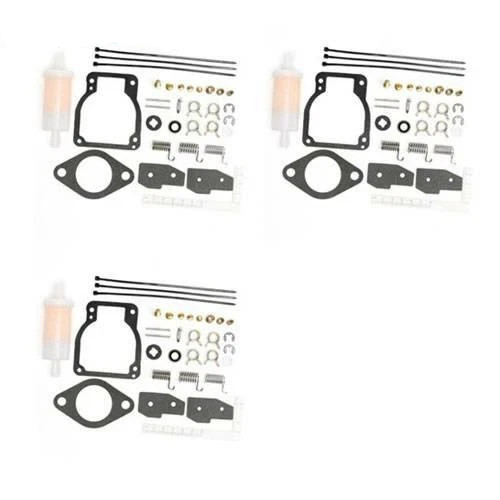
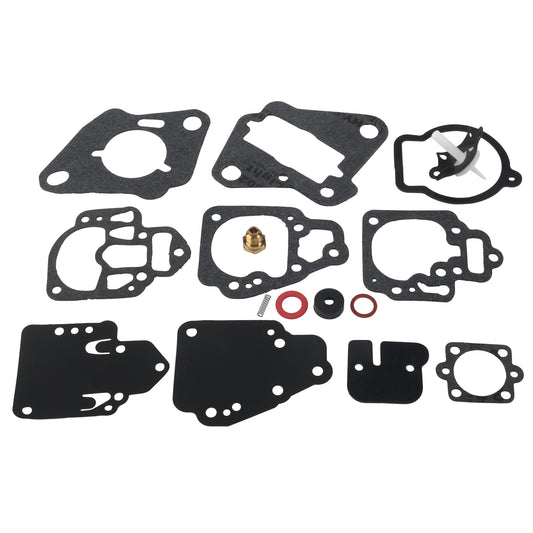
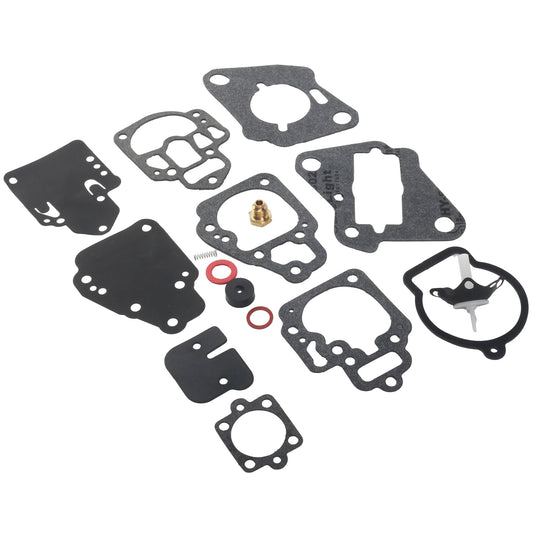
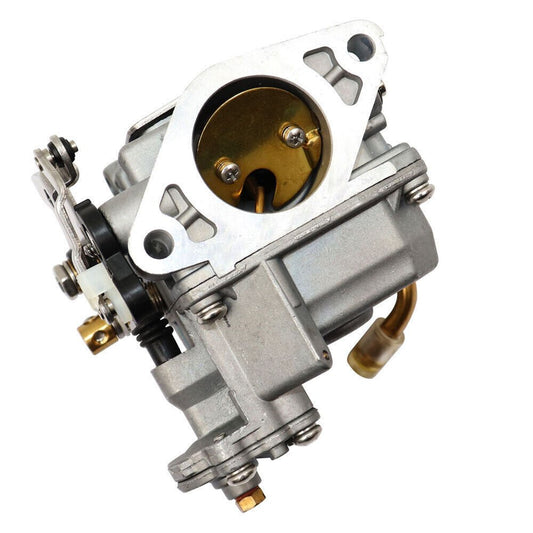
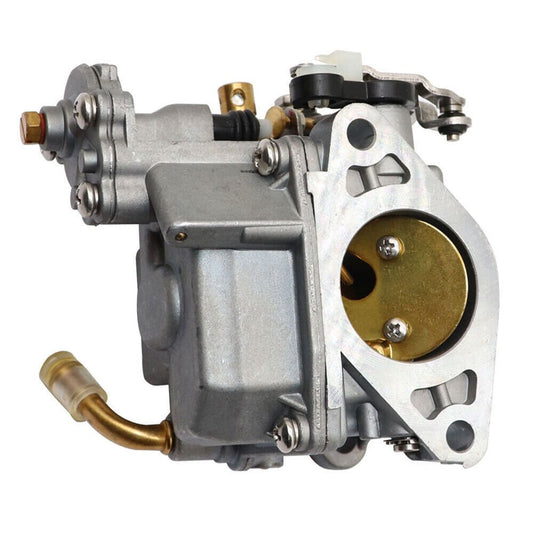
For carburetor maintenance and issues, see our Mercury carburetor repair kits collection for OEM-quality parts to keep your fuel system clean and reliable.
Compression and Mechanical Checks
If you have strong spark and confirmed fuel delivery, but the engine still won't catch, check compression.
Compression test. Remove all spark plugs. Thread a compression gauge into the #1 cylinder, hold the throttle wide open, and crank the engine through 4–6 compression strokes. Record the reading. Repeat for each cylinder. Healthy Mercury 2-strokes typically show 90–120 psi per cylinder; 4-strokes run 120–180 psi, depending on model and displacement. All cylinders should be within 10% of each other. Low compression (below about 90 psi on a 2-stroke or 100 psi on a 4-stroke) or a big variance between cylinders points to worn rings, scored cylinder walls, a blown head gasket, or valve problems (4-stroke). Compression issues require teardown and internal repair—beyond DIY for most owners.
Hydro-lock. If water has entered the cylinders (from a dunking, failed head gasket, or cracked block), the engine can't compress the liquid and may not crank freely or may crank but never fire. Pull the plugs and crank the engine; if water shoots out, you have a serious problem. Drain the water, dry the cylinders, inspect for damage, and determine the entry point before reassembly.
Mercury Outboard Longevity and Maintenance

A well-maintained Mercury outboard can deliver 1,500 to 4,000+ hours of service. 2-stroke models often reach the lower end of that range before needing significant powerhead work, while 4-strokes typically hit the higher end if you stay on top of oil changes and valve adjustments.
Seasonal storage prep. Before winter or extended layup, add fuel stabilizer to a full tank and run the engine for 10–15 minutes. This ensures stabilized fuel fills the VST, high-pressure fuel pump, injectors (or carb bowls and passages), and all the lines. It prevents varnish, phase separation, and internal corrosion. Drain the VST bowl on EFI models if your service manual recommends it (some do, some don't). Fog the cylinders with fogging oil through the intake or spark plug holes, and change the lower unit gear oil to purge any water that's seeped past the seals.
Fuel stabilizer dosage. Follow the bottle. A typical dose is 1 oz per gallon for storage, less for everyday use. More isn't better; it just costs more and can leave residue. Mercury Quickstor is formulated by the OEM and safe for all Mercury engines. Star Tron uses enzymes to break down water and sludge. Sta-Bil Marine is a proven corrosion inhibitor. All three work; pick one and use it consistently.
Engine Lifespan: 2-Stroke vs. 4-Stroke

2-stroke Mercury outboards (Optimax, older carbureted models) typically see 1,500–2,500 hours before major powerhead wear—rings, bearings, and cylinder scoring become issues. They're simpler mechanically but burn oil with the fuel, increasing carbon buildup.
4-stroke Mercury outboards (FourStroke lineup, Verado) often reach 3,000–4,000+ hours with routine maintenance—regular oil and filter changes, valve adjustments per the manual, and clean fuel. They're more complex (valves, camshafts, timing chains) but run cleaner and wear more slowly. Neglect oil changes or run dirty fuel, and you'll cut that lifespan in half.
For tips on maintenance schedules and avoiding costly issues, check out our blog on understanding maintenance schedules: Mercury vs. Yamaha.
When to Call a Pro 
Some diagnostics and repairs need specialized tools or expertise.
Model-specific service manual. If you're serious about DIY repair, buy the factory service manual for your exact Mercury model and serial number. It contains wiring diagrams, diagnostic flowcharts, torque specs, and step-by-step procedures. Mercury manuals are available through authorized dealers or online. The serial number is stamped on the engine's mounting bracket—you'll need it to order the correct manual. For help reading your serial numbers, see the Mercury serial number guide.
Limits of DIY. If you've confirmed good spark, verified fuel pressure, tested compression, and the engine still won't fire, you're likely facing an ECM failure, internal timing issue, or a problem that requires specialized scan tools and software. At that point, take it to a certified Mercury technician. Guessing at expensive components (ECM, injectors, VST) without proper diagnostics costs more than a professional hourly rate.
Parts and support. For common consumables—fuel pumps, filters, ignition coils, thermostats—quality aftermarket parts are available. Some factories that manufacture OEM components also produce similar parts under their own brand, and these can match OEM quality at lower cost. JLM Marine manufactures and supplies marine parts directly from the factory, offering OEM-level quality and fit without dealer markup. We provide technical support and can help identify the correct part for your engine model and serial number. We ship worldwide, so whether you're in the US or abroad, we can get parts to your dock. Browse our full range of Mercury parts and accessories.
Keep your fuel fresh, use a stabilizer before storage, and flush the engine with fresh water after every saltwater run. That alone will prevent half the no-start headaches I see in the shop.
For more expert advice and to find all the parts you may need, visit our JLM Marine home page.
Для владельцев Mercury:
Мы надеемся, что следующие ресурсы окажутся полезными для вас в обслуживании и ремонте ваших судовых двигателей:
-
Запчасти Mercury / Mercruiser / Mariner от JLM Marine
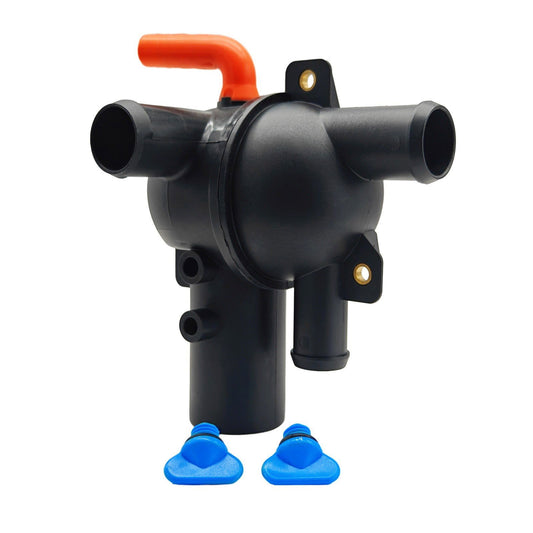
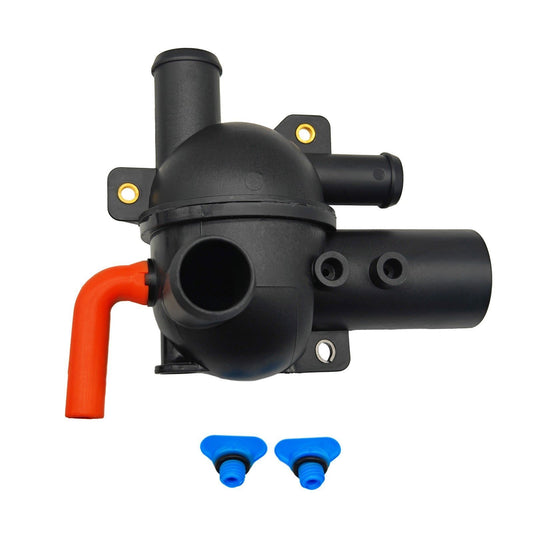
- Ртутный термостат
- Водяной насос Mercury
- Крыльчатка водяного насоса Mercury
- Комплект крыльчатки водяного насоса Mercury
- Ртутный карбюратор
- Комплект для ремонта карбюратора Mercury
- Ртутный топливный насос
- Комплект топливного насоса Mercury
- Воздушный фильтр ртути
- Фильтр масляный ртутный
- Ртутный сальник
- Ртутный топливный фильтр
- Прокладка ртути
- Ртутное реле
- Ртутный выключатель зажигания
- Переключатель наклона Mercury Trim
- Датчик зажигания ртутный
- Провод свечи зажигания ртутный
- Корпус для распределения воды Mercury
- Меркурий Беллоу
- Комплект сильфонов Mercury
- Ртутный шкив со змеевидным шкивом
- Аксессуары для Меркурия
- Пояс Меркурия
- Ртутная масляная пробка
- Пробка для слива ртути
- Инструмент для замены сильфонов Mercury
О компании JLM Marine
Основанная в 2002 году, компания JLM Marine зарекомендовала себя как специализированный производитель высококачественных морских деталей, базирующийся в Китае. Наша приверженность совершенству в производстве заслужила нам доверие ведущих мировых морских брендов.
Как прямой поставщик, мы обходим посредников, что позволяет нам предлагать конкурентоспособные цены без ущерба качеству. Такой подход не только поддерживает экономическую эффективность, но и гарантирует, что наши клиенты получают наилучшую ценность напрямую от источника.
Мы рады расширить свое присутствие через розничные каналы, предлагая наш опыт и приверженность качеству непосредственно владельцам и любителям лодок по всему миру.
Детали Mercury в продаже
- $54.00
- $54.00
- Unit price
- per
- $46.00
$55.00- $46.00
- Unit price
- per
- $38.50
- $38.50
- Unit price
- per
- $33.99
$119.00- $33.99
- Unit price
- per


- From $39.13
$45.50- From $39.13
- Unit price
- per

- $24.99
$29.00- $24.99
- Unit price
- per
- $18.13
$59.00- $18.13
- Unit price
- per

- $45.99
$55.00- $45.99
- Unit price
- per
- $58.60
$70.00- $58.60
- Unit price
- per


- $53.50
- $53.50
- Unit price
- per

- $23.59
$28.00- $23.59
- Unit price
- per
- $46.50
$60.00- $46.50
- Unit price
- per

- $85.99
$103.00- $85.99
- Unit price
- per

- $33.99
$40.00- $33.99
- Unit price
- per
- $39.89
$45.00- $39.89
- Unit price
- per

- $21.50
$18.00- $21.50
- Unit price
- per


- $34.50
- $34.50
- Unit price
- per


- $54.00
- $54.00
- Unit price
- per


- $54.00
- $54.00
- Unit price
- per
- $23.50
- $23.50
- Unit price
- per
-
Red
-
Blue