



Top 10 Winter Storage Mistakes (And How to Avoid Them)
- Mistake #1: Leaving Water in Anything with Plumbing
- Mistake #2: Storing Batteries Connected or Cold
- Mistake #3: Skipping Fuel Stabilizer (or Using It Wrong)
- Mistake #4: Not Fogging the Engine
- Mistake #5: Ignoring Exterior Seals and Vents
- Mistake #6: Using Non-Breathable Covers or Tarps
- Mistake #7: Letting Tires Sit Flat or Under-Inflated
- Mistake #8: Storing Anything in Cardboard Boxes
- Mistake #9: Skipping the Lower Unit Gear Oil Change
- Mistake #10: Choosing the Wrong Storage Location
- Setting Up for Success
After two decades wrenching on outboards, I've pulled enough frozen lower units and cracked engine blocks out of storage to know that most winter damage is preventable. The problem isn't winter itself—it's skipping the prep work. Here are the ten mistakes that cost boat owners, RV folks, and anyone storing gear the most money and headaches.
Mistake #1: Leaving Water in Anything with Plumbing
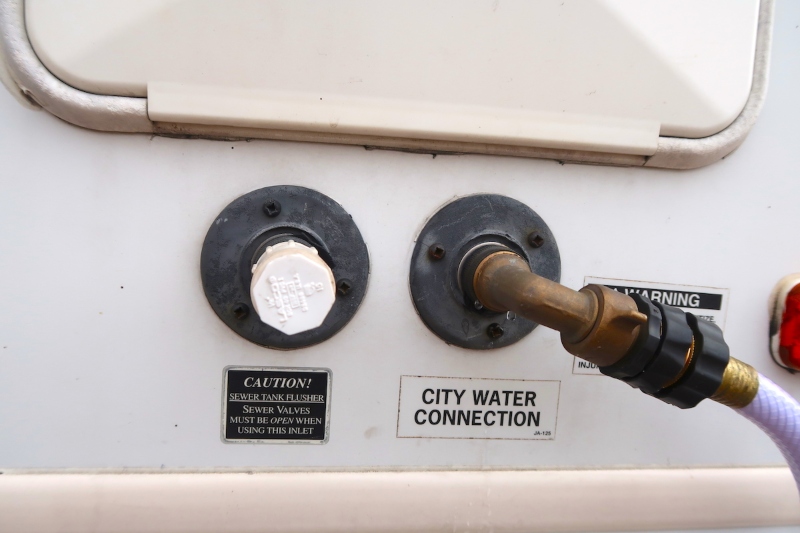
Water freezes at 32°F. When it does, it expands about 9%. That expansion splits pipes, cracks pumps, and destroys valve bodies. We see this constantly with boats and RVs.
60% of RV owners report plumbing damage from improper winterization, averaging $500 in repairs. For boats, it's worse—30% face over $1,000 in post-winter repairs because someone skipped draining the cooling system or the freshwater tank.
How to avoid it: Drain every tank, line, and pump. For boats, pull the lower unit drain plug and tilt the motor up to get all the water out of the cooling passages. For RVs, open all the faucets, drain the tanks, and blow compressed air through the lines. Then pump RV antifreeze (the pink stuff, not automotive coolant) through every line until it comes out each faucet. Don't skip the toilet or the outdoor shower.
Use a wet/dry vac on stubborn water pockets in the bilge or under sinks. Any water left behind is a cracked fitting waiting to happen.
For detailed tips on how to protect your engine components during the colder months, consult our Yamaha Outboard Winterization Guide to ensure your outboard stays in peak condition.
Mistake #2: Storing Batteries Connected or Cold
Cold kills batteries. A fully charged battery sitting at 0°F still loses about 35% of its cranking power. A partially charged one can freeze solid and crack the case, leaking acid everywhere.
Leaving batteries connected while stored drains them through parasitic loads—clocks, alarms, stereo memory. A dead battery in freezing temps sulfates permanently. We've replaced batteries that were only two years old because someone left them hooked up in an unheated shed all winter.
How to avoid it: Disconnect the negative cable first, then the positive. Pull the battery out and store it somewhere above 50°F if possible. A basement shelf works. Every 30 days, check the voltage with a multimeter. If it drops below 12.4V, hit it with a charger or a trickle maintainer.
For boats with multiple batteries or RVs with house banks, label each battery's location before removal. Use a battery maintainer with a temperature sensor if you're storing the rig with batteries installed—it adjusts the charge rate based on ambient temp and prevents overcharging in warmer spells.
Mistake #3: Skipping Fuel Stabilizer (or Using It Wrong)
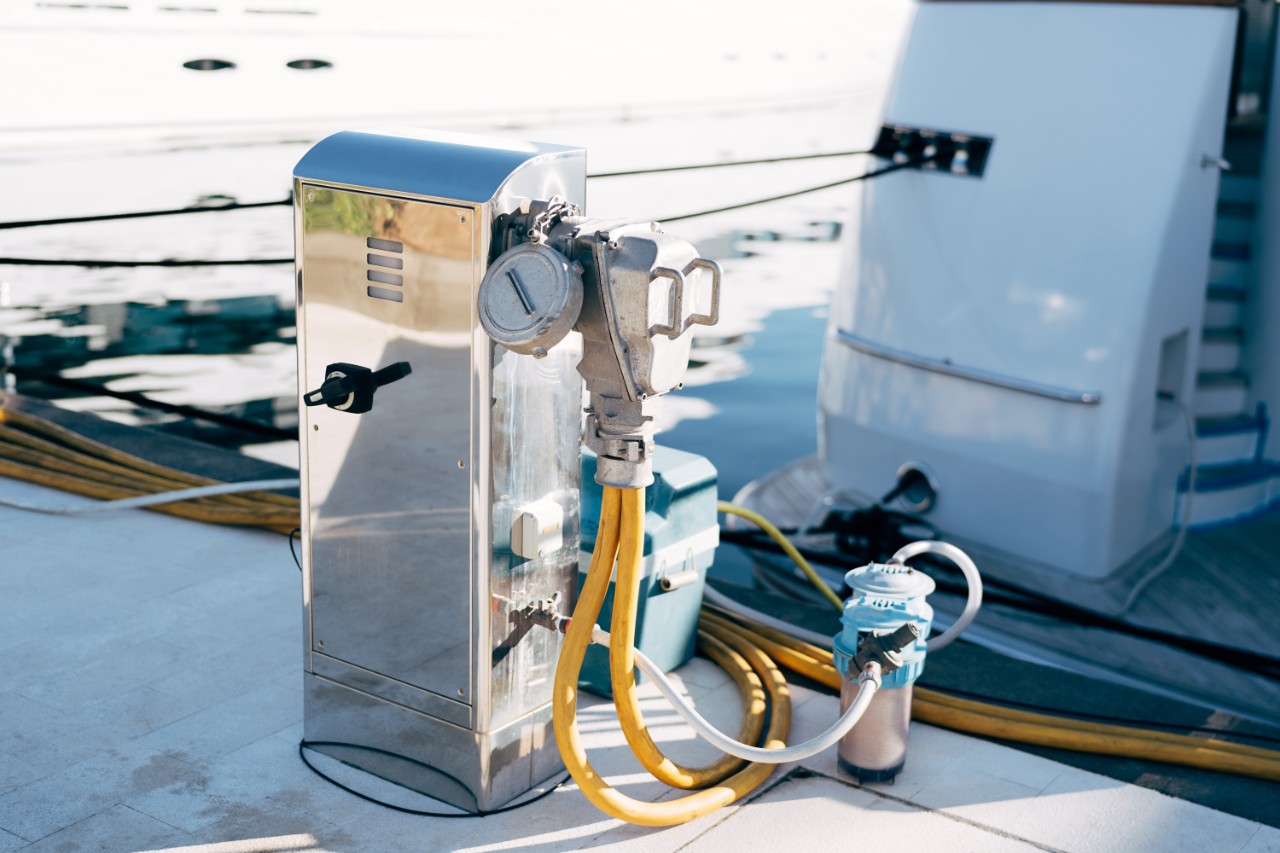
Gasoline breaks down. Ethanol-blended fuel (E10) starts deteriorating in about 30 days. The ethanol absorbs water, phase-separates, and turns into a varnish that clogs carburetors and injectors. Diesel gels in extreme cold and grows algae if water gets in.
We've torn down carbs on 25HP Yamahas that looked like someone poured maple syrup through them—all because the owner skipped stabilizer. 30% of boats face over $1,000 in repairs post-winter from fuel degradation alone.
How to avoid it: Add fuel stabilizer to a full tank. A full tank minimizes the air space where condensation forms. For outboards, we use marine-grade stabilizer rated for ethanol fuels—brands like Star Tron or Sta-Bil Marine. The dosage is usually 1 ounce per 2.5 gallons, but check the bottle.
After adding stabilizer, run the engine for 10 minutes to circulate treated fuel through the entire system—carb bowls, fuel lines, injectors. For carbureted engines, some guys drain the carb bowls after this step to prevent any residual fuel from gumming up. I do this on smaller motors (under 15HP) but not on bigger EFI setups where the injectors stay wetted.
For diesel RVs or generators, add a biocide along with the stabilizer to prevent algae growth.
If you're dealing with carburetors, consider exploring our Carburetor Repair Kit collection for OEM-quality parts and maintenance supplies to keep fuel delivery flawless.
Mistake #4: Not Fogging the Engine 
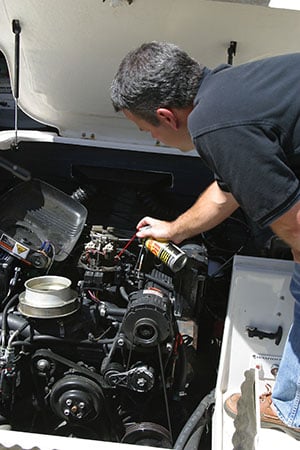
Fogging oil is a corrosion inhibitor sprayed into the intake while the engine is running. It coats the cylinder walls, piston rings, and valves with a protective film that prevents rust during months of sitting.
Skip this step and you risk stuck rings or surface rust on cylinder walls. I've seen two-stroke outboards seize on first spring startup because moisture got into the cylinders over winter.
How to avoid it: Get a can of fogging oil (we use Yamaha's or Mercury's branded stuff). With the engine running at idle, remove the air filter or flame arrestor. Spray fogging oil directly into the carburetor throat or throttle body while someone else holds the throttle at around 2000 RPM. Spray until the engine smokes heavily—thick white clouds. Then shut off the fuel supply and let the engine die on its own while continuing to spray. This ensures the cylinders are coated when the pistons stop.
For two-strokes, some techs pull the plugs and spray fogging oil directly into each cylinder, then turn the engine over by hand a few times to distribute it. For four-strokes, the intake spray method works fine.
To aid in fogging and other engine maintenance, check out our range of Outboard Motor Parts that includes authentic components for Yamaha, Mercury, and other major brands.
Mistake #5: Ignoring Exterior Seals and Vents
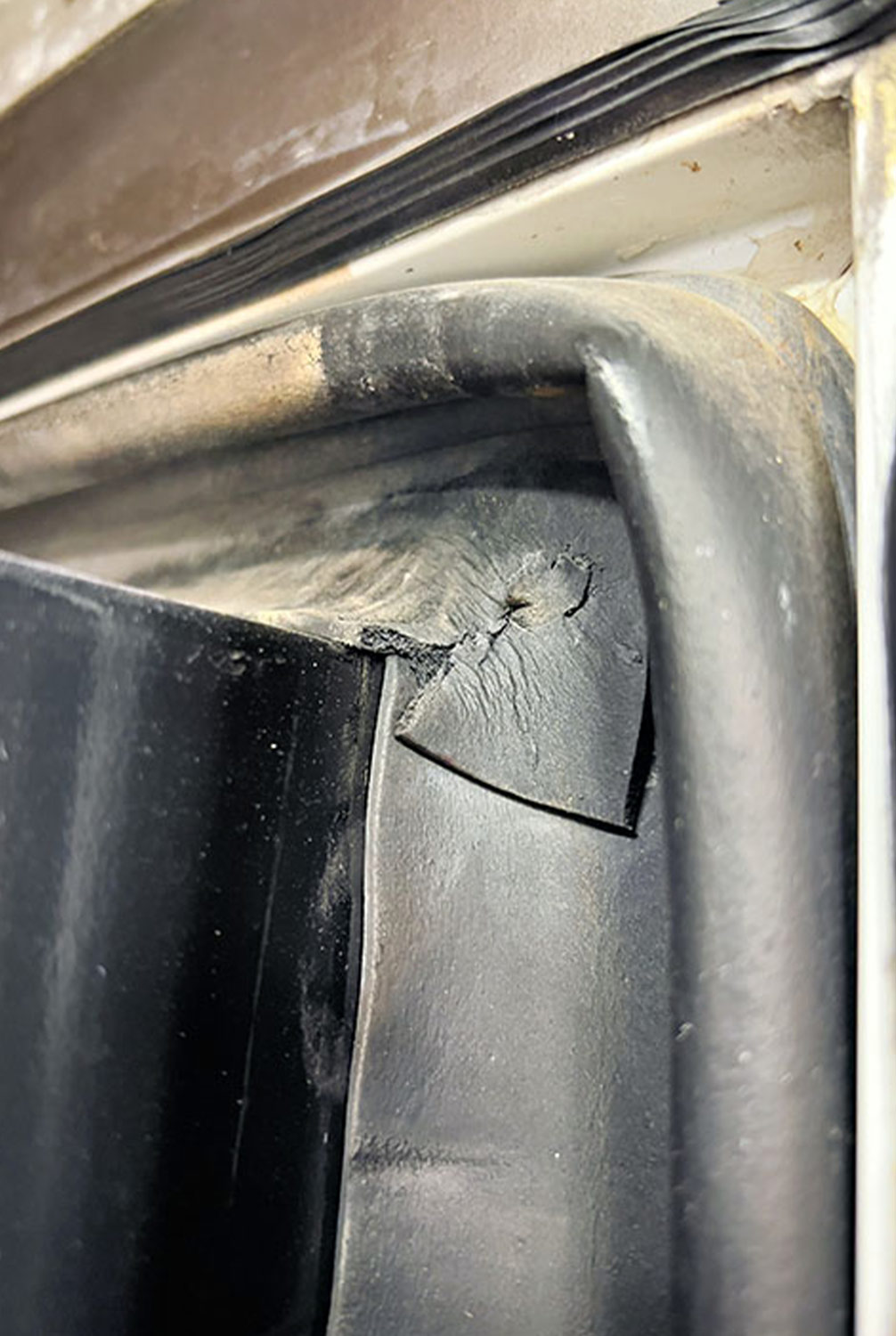
Cracked seals around hatches, windows, or vents let moisture and pests inside. 45% of RV owners face pest infestations during winter storage, costing over $300 in cleanup. Mice chew wiring, nest in air filters, and leave droppings everywhere.
On boats, a leaking hatch seal lets rain or snow into the cabin, soaking upholstery and causing mold.
How to avoid it: Inspect every seal before storage. Run your hand along hatch edges, window frames, and vent flanges. If the rubber is cracked, dried out, or pulling away, reseal it with marine-grade polyurethane caulk (3M 5200 for permanent, 4200 for semi-permanent).
Plug exhaust outlets and air intakes with rags or foam to keep rodents out, but label them clearly so you don't forget to remove them in spring. For RVs, check the roof seams annually and reseal any cracks with self-leveling lap sealant.
Steel wool stuffed into small gaps works better than expanding foam for blocking mice—they won't chew through it.
Mistake #6: Using Non-Breathable Covers or Tarps
Cheap plastic tarps trap condensation. Temperature swings cause moisture to condense on the underside of the tarp, then drip onto your boat or RV. This creates mold, mildew, and surface rust on metal components.
Properly covered RVs show 30% less exterior wear than uncovered ones, but only if the cover is breathable.
How to avoid it: Use a fitted, breathable cover made from materials like Sunbrella or similar marine-grade fabric. These let moisture vapor escape while blocking rain and snow. For boats, get a cover with support poles or a frame to prevent snow from pooling and collapsing the fabric.
Avoid shrink-wrap unless you're adding vents. Shrink-wrap is common for winter boat storage, but you need to install passive vents (usually 4-6 per boat) to allow air circulation. Without vents, shrink-wrap is just an airtight mold incubator.
For engines or smaller equipment, cotton or canvas tarps work better than plastic. If you must use plastic, prop it up with spacers so air can flow underneath.
Related to covers and protection, explore the Boat Accessories collection for quality covers and protective gear to safeguard your investment.
Mistake #7: Letting Tires Sit Flat or Under-Inflated
Tires develop flat spots when they sit in one position for months, especially in cold weather. The rubber loses elasticity in freezing temps, and the weight of the vehicle compresses the contact patch into a permanent deformation. This reduces tire lifespan by about 20% and causes vibration when you start driving again.
Low tire pressure accelerates this. Cold air contracts, so a tire inflated to 35 PSI in September might read 28 PSI by January.
How to avoid it: Inflate all tires to the maximum PSI listed on the sidewall (not the door jamb sticker—go higher for storage). For trailers, boats, and RVs, place the tires on sections of 2x10 lumber or plastic tire cradles to distribute weight and reduce ground contact.
If you're storing a vehicle long-term (6+ months), consider removing the wheels entirely and setting the axles on jack stands. Cover the tires with UV-resistant bags to prevent dry rot from ozone exposure.
Check tire pressure once mid-winter if you can access the storage site. A 10-degree drop in temperature equals about 1 PSI loss.
Mistake #8: Storing Anything in Cardboard Boxes
Cardboard absorbs moisture, falls apart, and attracts pests. Mice love to shred cardboard for nesting material. In a damp basement or unheated garage, cardboard boxes can collapse under their own weight after a few months, crushing whatever's inside.
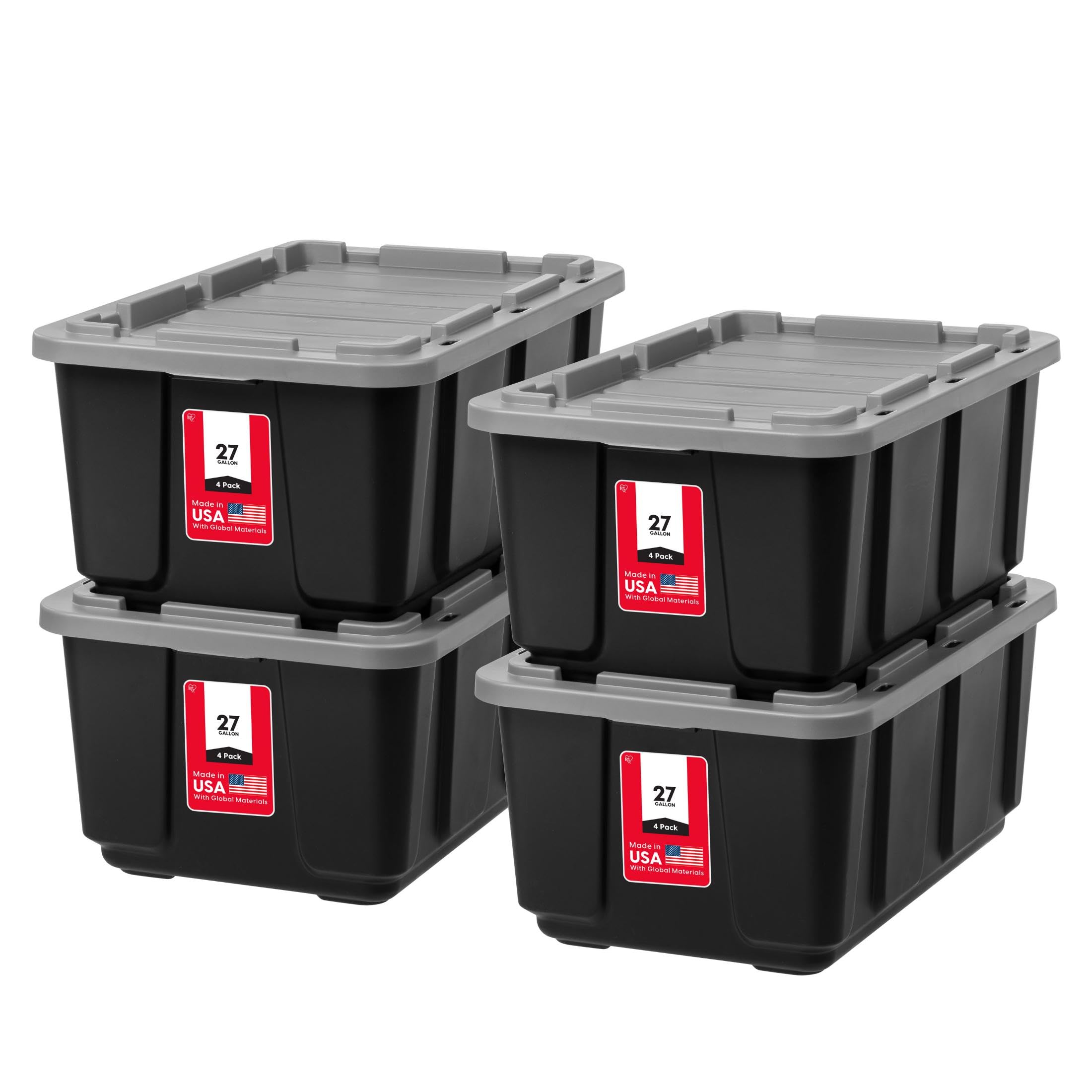
How to avoid it: Use heavy-duty plastic bins with gasket-sealed lids. Stack them on metal shelving or wooden pallets to keep them off the floor. Label each bin on the side (not the top) so you can read it when they're stacked.
For bins holding electronics, photos, or documents, toss in a 50-gram silica gel packet per 20-gallon bin to absorb residual humidity. You can buy reusable desiccant packs that change color when saturated—dry them out in the oven at 200°F for a few hours and reuse them.
If you're storing in a non-climate-controlled unit, avoid stacking bins more than four high. The weight can crack the bottom bins, and you want some airflow between rows.
Mistake #9: Skipping the Lower Unit Gear Oil Change
Lower unit gear oil lubricates the gears and acts as a barrier between water and metal. If the seals are even slightly worn, water gets in and mixes with the oil, turning it milky. That water freezes in winter, expands, and cracks the gear housing.
I've replaced lower units that cost $1,500+ because someone stored a boat with water-contaminated gear oil.
How to avoid it: Change the lower unit oil before storage, not after. Pull the drain plug first (bottom screw), then the vent plug (top screw). If the oil comes out milky, grey, or has metal flakes in it, you've got a problem—get the seals replaced before storing.
Refill with fresh marine gear oil (80W-90 or whatever your manual specifies) through the bottom hole using a pump until oil comes out the top hole. Replace both plugs with new crush washers if they're available. This is a 10-minute job that prevents catastrophic damage.
For outboards, we also grease the prop shaft splines and check the prop for fishing line wrapped around the shaft—line left on there all winter corrodes the shaft.
For parts and kits related to this important maintenance step, browse our Water Pump Repair Kit vs. Impeller Only guide and collection and Water Pump Impeller Kit collection for quality marine components.
Mistake #10: Choosing the Wrong Storage Location

Not all storage is equal. A dirt-floor pole barn in a wet climate is a recipe for mold. An unheated unit in Minnesota will freeze anything with residual moisture. A facility without security ends up costing you when someone breaks in.
How to avoid it: For anything valuable or sensitive—boats, RVs, classic cars, antique furniture—pay for a climate-controlled unit. These maintain 30-50% humidity and keep temps above freezing. It costs more, but it prevents mold, rust, and freeze damage.
If climate control isn't in the budget, look for a well-sealed unit with a concrete floor and a roof that doesn't leak. Check reviews or ask to inspect the unit before signing. Look for water stains on the walls or ceiling, check the door seal, and make sure the floor isn't damp.
For outdoor storage, choose a site with good drainage and gravel rather than dirt. Parking on grass or mud invites moisture and pests.
Ask about the facility's winter maintenance plan—do they plow? Do they salt the lot (which accelerates rust on trailers)? Are the units insulated at all?
Also, for detailed parts and accessories that help protect and maintain your boat during storage or use, visit our JLM Marine main site which offers a broad range of direct factory boat parts.
Setting Up for Success
Before you load anything into storage, do a final walkthrough with a checklist. We keep one taped inside the door of the shop for customers:
- All fluids stabilized or drained
- Batteries disconnected and stored warm
- Tires inflated and supported
- Interior cleaned, no food residue
- Hatches and vents sealed or plugged
- Cover installed with vents
- Desiccant packs placed
- Gear oil changed
- Engine fogged
Tag each piece of equipment with the date it went into storage and what prep work was done. Six months later, you won't remember whether you fogged the outboard or just thought about it.
Access your unit on dry days only. Dragging snow and rain inside defeats half the moisture-control work you did.
Pro tip: After every outing with your outboard, run it for two minutes connected to a hose with a flush attachment. This pushes out salt, silt, and debris before it hardens in the cooling passages. Do this consistently and your impeller, thermostat, and water pump will last twice as long.
For more tips on keeping your cooling system in good shape, refer to our detailed guide on How to Replace a Mercury Outboard Water Pump Impeller.
Visit the JLM Marine Hub to explore our full range of marine parts, accessories, and expert advice to keep your boat ready all year round.