



Avoiding Idle Wasting: Shut Off or Let It Idle?
- When to Shut Down Your Engine
- Fuel Costs Add Up Fast
- Engine Damage From Extended Idling
- Carbon Monoxide Danger at Idle
- Marine-Specific Idle Issues: 2-Stroke vs. 4-Stroke
- Cooling System Performance at Idle
- When Idling Is Necessary
- The Warm-Up Myth
- What High-Quality Parts Have to Do With It
- OEM vs. Aftermarket: What You Need to Know
- Calculating the Real Cost
- Emissions and Environmental Impact
- Frequently Asked Questions

If you're letting your outboard hum along while you're tying off dock lines or waiting on your buddy to show up with the bait, you're burning fuel and getting nothing for it. The question is simple: shut it off or leave it running?
When to Shut Down Your Engine
Turn it off if you're stopped for more than 10 seconds. That's the standard, and it holds up across most engines. Restarting uses less fuel than idling for anything longer than that. Modern fuel injection systems are efficient—they don't dump extra gas like the old carbureted setups did. The restart burns a tiny amount compared to what you'll waste sitting there in neutral.
Idling consumes 0.2 to 1 gallon per hour depending on your engine size. A bigger outboard or inboard? You're on the higher end of that range. That's fuel going straight out the exhaust without moving you an inch.
Nationally, vehicles waste 3 to 6 billion gallons of fuel annually just from idling. The cost tops $20 billion a year. Your boat's contributing to that if you're sitting at the dock with the engine running while you sort tackle or wait for the lock to cycle.
Fuel Costs Add Up Fast
Let's get specific. If your engine idles for 10 minutes, you've used the same fuel as driving 5 miles. Multiply that across a season of weekend fishing trips, and you're looking at 27 gallons of wasted fuel annually from short idle sessions alone. That's cash you're tossing overboard.
The restart argument? The added wear on your starter motor and ignition components costs less than $10 per year, even with frequent use. Compare that to $70-$650 in wasted fuel depending on how much you idle. The math isn't close.
Engine Damage From Extended Idling

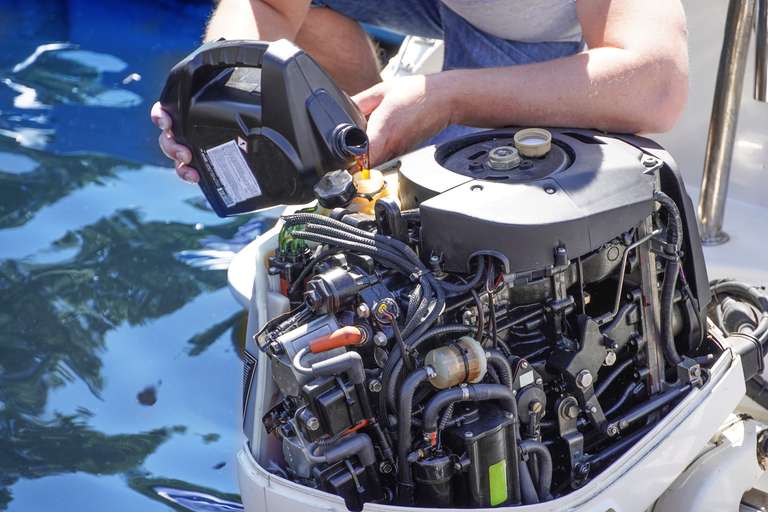
Idling isn't just a fuel issue—it's a mechanical one. At low RPM, combustion isn't complete. You get carbon buildup on spark plugs, especially on 2-stroke outboards where oil mixture is part of the fuel system. We see fouled plugs all the time from people who idle their engines too long.
Partial combustion leaves fuel residue on the plugs and exhaust components. Most manufacturers recommend against idling for more than 30 seconds unless you're in traffic or maneuvering. That residue builds up, shortens component life, and can increase fuel consumption by up to 5 percent over time.
On 4-stroke outboards and inboards, prolonged idling can affect the cooling system. At idle, water pump pressure is lower. If you're sitting in shallow or sandy water, the impeller might not pull enough flow to keep the upper cylinders cool, especially on vertical-shaft outboards. You won't see it immediately, but over time, heat stress accumulates. You might want to check out our Johnson/Evinrude Outboard Water Pump Replacement Guide for maintaining optimal cooling performance.
Carbon Monoxide Danger at Idle
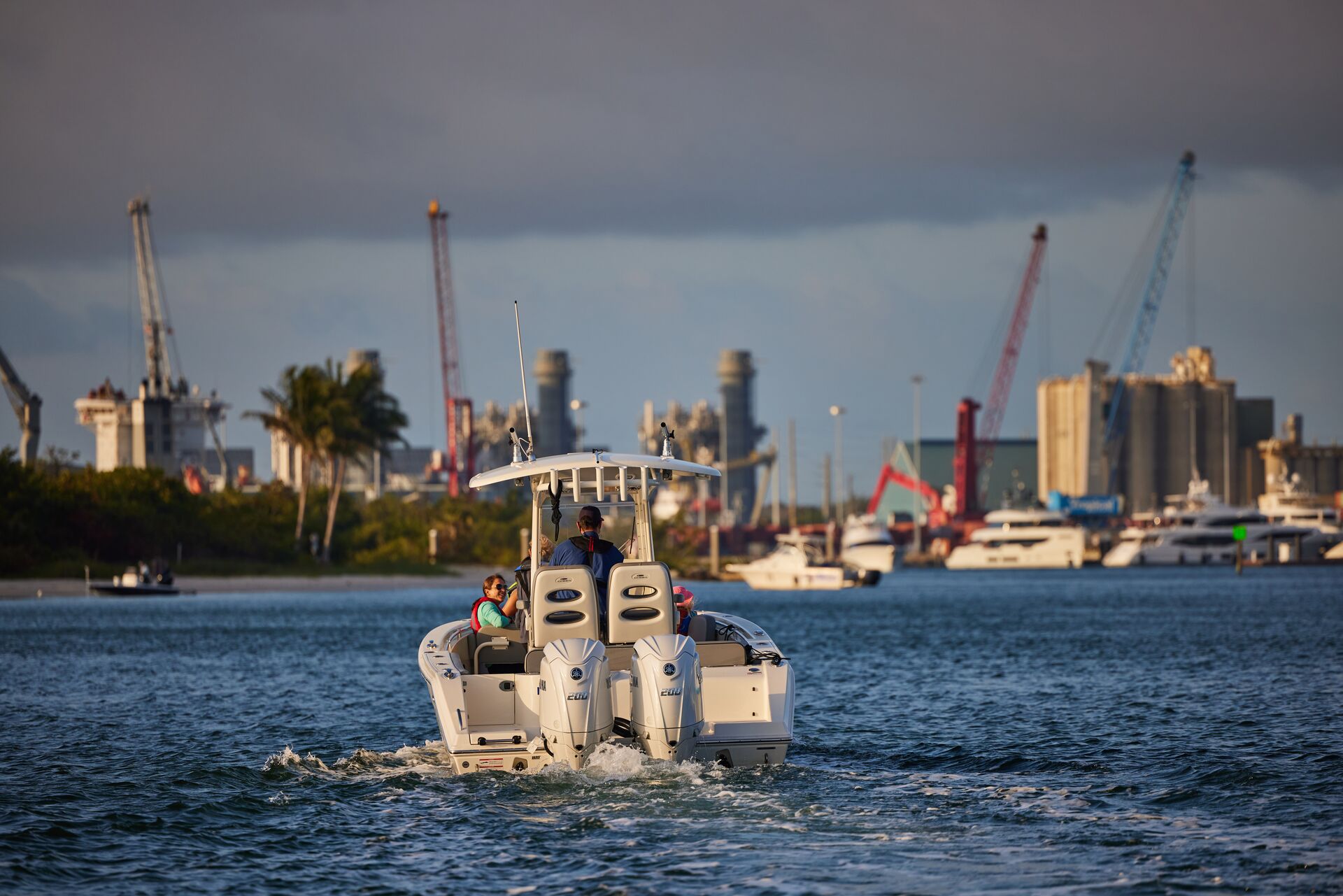
Here's the part most people ignore: idling at the dock or stern-to with swimmers nearby is a carbon monoxide hazard. CO builds up around the exhaust, especially with no wind. Passengers sitting at the stern or kids swimming off the transom can be exposed to dangerous levels without realizing it. The "station wagon effect"—where exhaust gets pulled into the cabin or swim platform area—is real and has caused fatalities.
If people are in the water or lounging near the stern, shut it down. No exceptions.
Marine-Specific Idle Issues: 2-Stroke vs. 4-Stroke
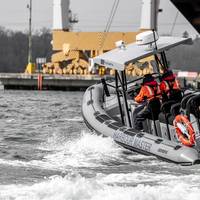
2-Stroke Outboards: These engines mix oil with fuel. At idle, the mixture doesn't burn cleanly. You'll see black smoke, smell unburned oil, and foul plugs faster than you would at throttle. Extended idling on a 2-stroke is asking for a rough start next time and carbon buildup in the exhaust ports. We've pulled exhaust covers off engines with a quarter-inch of carbon crust because the owner idled for hours while trolling or waiting. For help with carburetor components that influence this, see our Carburetor Repair Kit collection for factory-quality parts.
4-Stroke Outboards and Inboards: These handle idle better, but they're not immune. At low RPM, the oil doesn't circulate as effectively through the upper end. Combustion temps are lower, so you don't get complete burn. Over time, this leads to sludge in the crankcase and varnish on intake valves. If you've got a diesel inboard and you idle it heavily, you risk "wet stacking"—unburned fuel washing past the rings and contaminating the oil. We see this on commercial boats that idle for generator charging instead of running at load.
Cooling System Performance at Idle
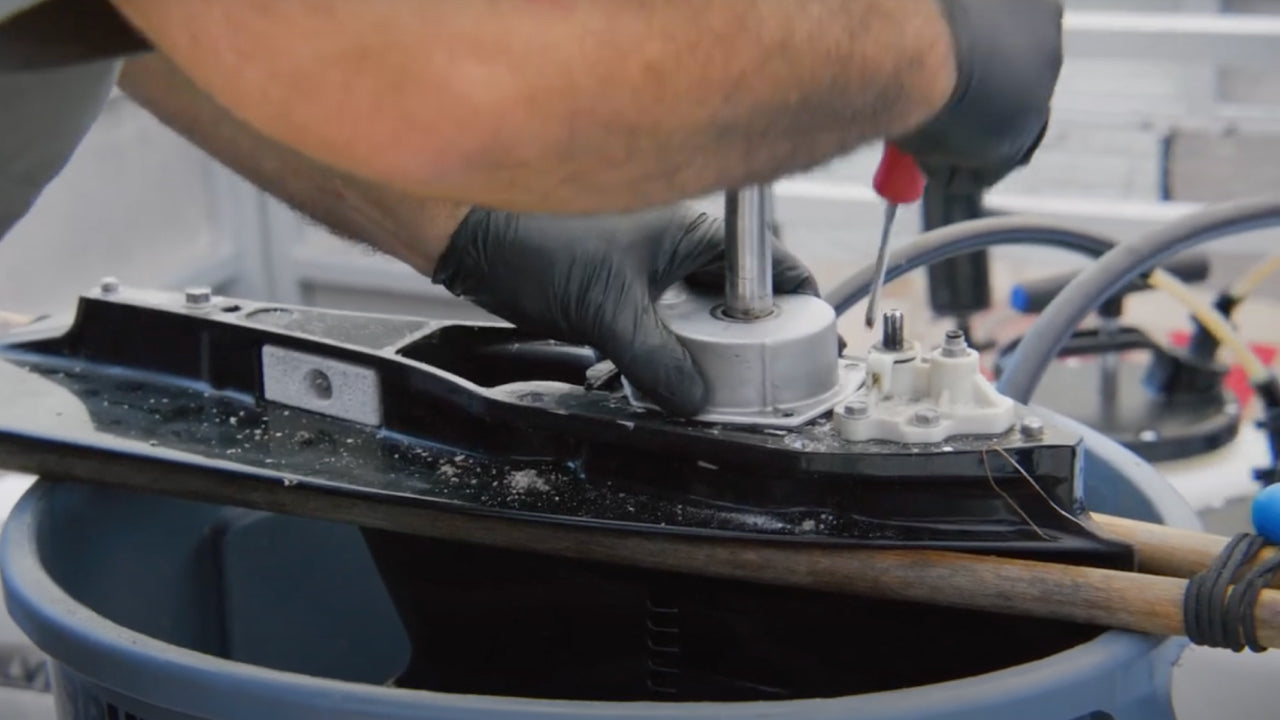
Outboards rely on the water pump impeller to pull raw water through the cooling system. At idle, the impeller spins slower, generating less pressure. On some models, especially older or higher-horsepower units, this reduced flow doesn't cool the cylinder head as effectively as operation at 2,000+ RPM.
If you idle for extended periods in warm water or with a partially clogged intake screen, you're running hotter than the engine was designed for. The temp sensor might not flag it because the block temp is fine, but the head's getting cooked. This accelerates gasket degradation and can warp aluminum heads over time.
Practical check: If your pee stream is strong at throttle but weak at idle, your impeller or intake screen needs attention. Don't wait. A failing impeller will overheat the engine, and it often happens at idle first because there's less margin for error. For detailed guidance on impeller upkeep, see our blog post Signs Your Outboard Impeller Needs Replacement.
When Idling Is Necessary

There are times you need to keep it running:
Maneuvering in tight spaces. Docking, navigating a no-wake zone, or working through a crowded marina requires throttle control. Shutting down isn't practical.
Trolling. If you're fishing at low speed for hours, idling or low-throttle operation is part of the plan. Just know you're fouling plugs faster and plan for more frequent maintenance.
Charging batteries. If you've run your electronics hard and need to top off the battery, a brief idle session can help. But if you're doing this regularly, your charging system or battery capacity is the real problem. Upgrade your alternator output or add a second battery rather than relying on idle time to keep up.
Cold weather warm-up. In freezing conditions, a slightly longer warm-up helps get oil flowing and prevents transmission or lower-unit oil from being too thick. But we're talking a minute or two, not ten. Once oil pressure is stable, get moving gently rather than sitting at the dock.
Traffic and locks. If you're stuck in a holding pattern waiting for a lock or a bridge, you'll idle. It's unavoidable. Just don't add to it unnecessarily.
The Warm-Up Myth

Modern marine engines don't need long warm-ups. Older carbureted engines required it because the choke needed time to adjust fuel mixture. Fuel injection solves that. Start your engine, let it run for 15-30 seconds to get oil circulating, then ease into gear and run gently until it's up to temp.
Driving smoothly at low throttle brings the engine to operating temperature faster and more evenly than sitting at idle. The transmission and lower-unit oil also warm up, which is critical. Those components don't get warm at idle because they're not under load. You need movement and resistance to generate the heat that brings gear oil up to proper viscosity.
What High-Quality Parts Have to Do With It
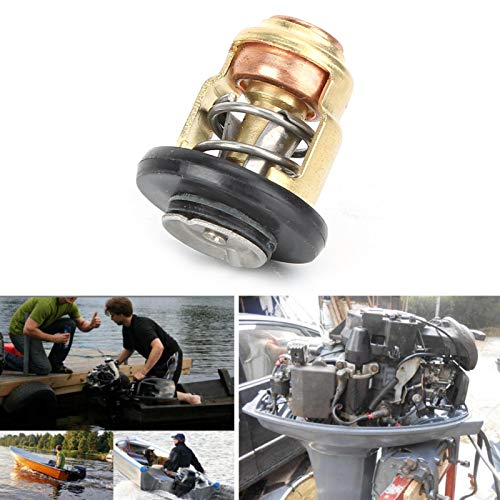
A properly maintained engine idles cleaner and more efficiently. Worn or cheap components make the problem worse. A clogged fuel injector, a sticking thermostat, or a failing temperature sensor can all lead to poor idle performance, which tempts you to keep the throttle up or idle longer than necessary to "clear it out."
We see this constantly: someone installs a cheap aftermarket thermostat that doesn't open at the correct temp. The engine runs cool, combustion is incomplete, and they end up fouling plugs. Or they use a no-name fuel filter that lets debris through, clogging the injectors, leading to rough idle and more time spent idling to "warm it up." Check out our Thermostat Maintenance blog and our Fuel Filter collection for genuine quality parts to avoid these issues.
Using the correct parts—factory-spec quality without the dealership markup—means your engine performs as designed. Fuel burns completely, the cooling system maintains proper temp, and you're not compensating for poor components with bad habits. That's why we supply direct-from-factory parts. The tolerances are correct, the materials are right, and the engine runs the way it's supposed to. Browse our full Inboard & Outboard Motor Parts collection for OEM-quality components.
OEM vs. Aftermarket: What You Need to Know

OEM parts are good quality, but you're paying a premium for the logo on the box. The dealership adds markup on top of that. Cheap aftermarket parts are a gamble. Rubber seals that are too hard, metal castings with rough edges, electrical components that fail early—we've seen it all. You'll spend more time fixing the fix than you saved on the part.
The middle ground is reputable aftermarket suppliers that manufacture to OEM specs. Some of the same factories that produce OEM parts use their excess capacity to make non-OEM components. The quality is the same; the packaging is different. That's what we provide. You get the part that fits and performs correctly, without the inflated dealer price.
A good example: thermostats. A quality aftermarket thermostat uses the same wax pellet and spring tension as the OEM. It opens at the rated temp, closes when it should, and lasts just as long. A cheap one uses inferior wax that degrades in saltwater, sticks open or closed, and causes overheating or overcooling. The price difference might be $10, but the result is a $500 repair when the engine overheats and warps a head.
We've shipped parts worldwide—from commercial fishing operations in Alaska to weekend boaters in Australia. The feedback is consistent: correct fit, reliable performance, no surprises. That's what you should expect from any part you install. Learn more about choosing quality parts on our OEM vs. Aftermarket Outboard Parts blog.
Calculating the Real Cost
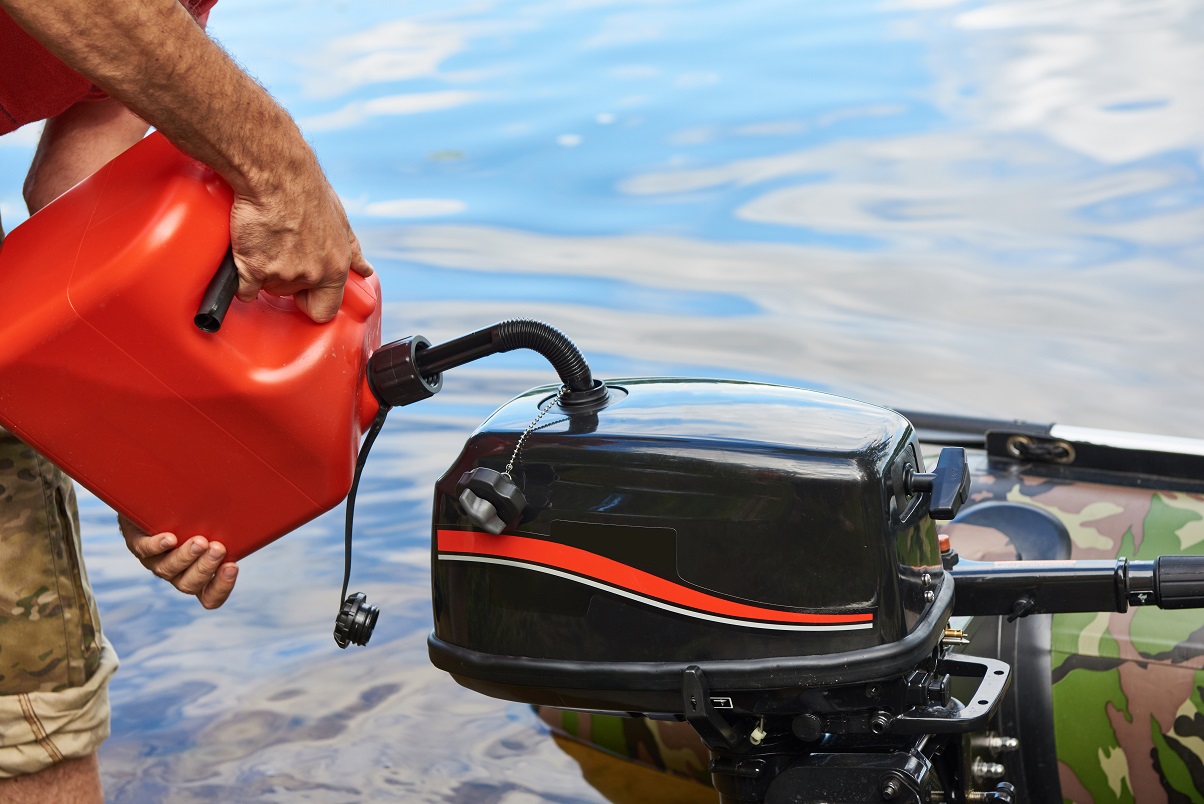
Let's break it down for a typical outboard. Say you idle for 20 minutes per outing, twice a week, over a 24-week season. That's 16 hours of idle time annually. At 0.5 gallons per hour (a conservative estimate for a mid-sized 4-stroke), you've burned 8 gallons of fuel doing nothing. At $4/gallon, that's $32. Doesn't sound like much, but add in the accelerated maintenance—spark plugs, oil changes, carbon cleaning—and you're over $100 in avoidable costs.
Now factor in the fuel you'd save by shutting down during those 20-minute waits. You'd use maybe 0.1 gallons total for restarts over the season. The savings: 7.9 gallons, or roughly $30 in fuel alone. The mechanical savings—fewer fouled plugs, less carbon buildup, cleaner oil—add up over time.
For a commercial operator running larger engines, the numbers are bigger. Long-haul trucks save over 900 gallons annually by cutting unnecessary idle time. Scaled to a commercial fishing boat that idles during net hauls or while waiting for ice, the fuel savings can hit thousands of dollars per season.
Emissions and Environmental Impact
Idling nationwide produces 30 million tons of CO2 per year. Every gallon you don't burn helps. Marine engines, especially older 2-strokes, emit hydrocarbons and CO at higher rates than cars. Reducing idle time cuts your contribution to local air quality problems, particularly in busy harbors and marinas where dozens of boats are idling simultaneously.
From a practical standpoint, cleaner operation also means less residue in your engine. Less carbon, less varnish, longer component life. It's a direct mechanical benefit that pays off in reduced maintenance.
Frequently Asked Questions
Is it better to shut off my boat engine or let it idle for short stops?
Shut it off if you're stopped for more than 10 seconds. Restarting uses less fuel and produces less wear than extended idling. Modern engines are built for this.
How much fuel does a boat engine waste when idling?
Between 0.2 and 1 gallon per hour depending on engine size. Larger engines burn more. That fuel produces zero movement.
Can prolonged idling damage my boat's engine?
Yes. Carbon builds up on spark plugs and exhaust components. Incomplete combustion leaves residue. On 2-strokes, it's worse because of the oil-fuel mixture. On 4-strokes and diesels, prolonged idle can cause oil contamination and sludge.
Does shutting off the engine frequently cause wear and tear?
Minimal. The wear costs less than $10 annually, far less than wasted fuel. Starter motors and ignition components are designed for regular use.
Are there situations where idling is necessary for a boat?
Yes. Maneuvering in tight spaces, trolling, charging batteries, and extreme cold-weather warm-up all require idling. But waiting at a dock, waiting for a companion, or sitting in non-traffic situations? Shut it down.
What's the difference between OEM and aftermarket marine parts regarding idling?
Quality components ensure efficient combustion and proper cooling, which reduces the need for compensatory idling. Cheap parts lead to rough idle, incomplete combustion, and bad habits. Reputable aftermarket parts—like those we supply—meet OEM specs without the dealer markup. Some factories that produce OEM parts also make non-OEM components during excess capacity, and those parts are often identical in quality.
Pro tip: Flush your engine with fresh water after every use, especially if you've been idling. This prevents salt and debris from building up in the cooling passages and keeps the thermostat from seizing. For more on cooling maintenance, visit our Cooling System parts collection.
For more marine engine parts and expert advice from the factory, explore JLM Marine’s full range.