


3-Blade vs. 4-Blade Prop: Which Gives Better Thrust?
- How Blade Count Affects Thrust
- Thrust vs. Speed Trade-Off
- Handling and Grip Differences
- Cavitation and Ventilation Resistance
- Fuel Efficiency at Different RPM Ranges
- Pitch Adjustment When Switching Blade Counts
- Diameter and Blade Area Impact
- Best Applications for 3-Blade Props
- Best Applications for 4-Blade Props
- Rake and Cup Geometry
- Aluminum vs. Stainless Steel Considerations
- When to Stick with Your Current Prop
- Real-World Testing Beats Theory

Neither one "wins" across the board. A 4-blade prop delivers more low-end thrust because four blades push water per rotation instead of three. A 3-blade prop spins faster with less drag, so it usually hits higher top speeds. Your boat, engine, and what you do on the water determine which works better.
How Blade Count Affects Thrust

More blades mean more surface area in the water at once. A 4-blade prop grabs harder at low RPM. That extra blade increases total blade area, giving you more push from a standstill or when you're loaded heavy. Michigan Wheel's comparison data shows this translates to quicker planing and better hole shot.
A 3-blade prop has less drag. The engine spins it to higher RPM more easily, which is why most speed-focused boats run them. Less surface area means less resistance, so you get 1-5% more top speed in most setups, as noted in Boatsetter's comparison data.
Thrust vs. Speed Trade-Off

A 4-blade prop generates more thrust at the same RPM because you're moving more water per rotation. On a heavy center console or a pontoon loaded with gear, that extra thrust gets you on plane faster. We've seen 24-foot deck boats drop their planing time by 30-40% after switching to a 4-blade.
But that extra blade creates drag. The engine works harder to spin it, so your WOT (wide open throttle) RPM drops. If your engine is spec'd to run 5000-6000 RPM and a 4-blade only gets you to 4800, you're leaving power on the table and losing top-end speed.
A 3-blade prop lets the engine breathe. It reaches higher RPM, which translates to higher boat speed. BoatTEST's RIB trial with a Suzuki 300hp showed a Solas 16x19 3-blade beat several 4-blade props in both acceleration and top speed on that specific hull. The 3-blade maintained plane at lower revs with less slip, proving that hull design matters as much as blade count.
Handling and Grip Differences

The 4-blade's extra surface area provides better grip in turns and choppy water. You get less slippage because more blade is biting the water. Calculated prop slip often drops from around 15% with a 3-blade to 10% with a 4-blade. That grip also reduces vibration—four blades balance smoother than three.
A 4-blade prop also provides stern lift, which helps heavy boats level out and plane easier. But on a light hull, that same stern lift can push the bow down and cause "bow steering," where the boat wants to wander left or right at speed.
3-blade props are simpler and lighter. They vibrate more, especially if you're running an aluminum prop with any flex. But they're easier on the lower unit bearings because there's less rotational mass.
Cavitation and Ventilation Resistance
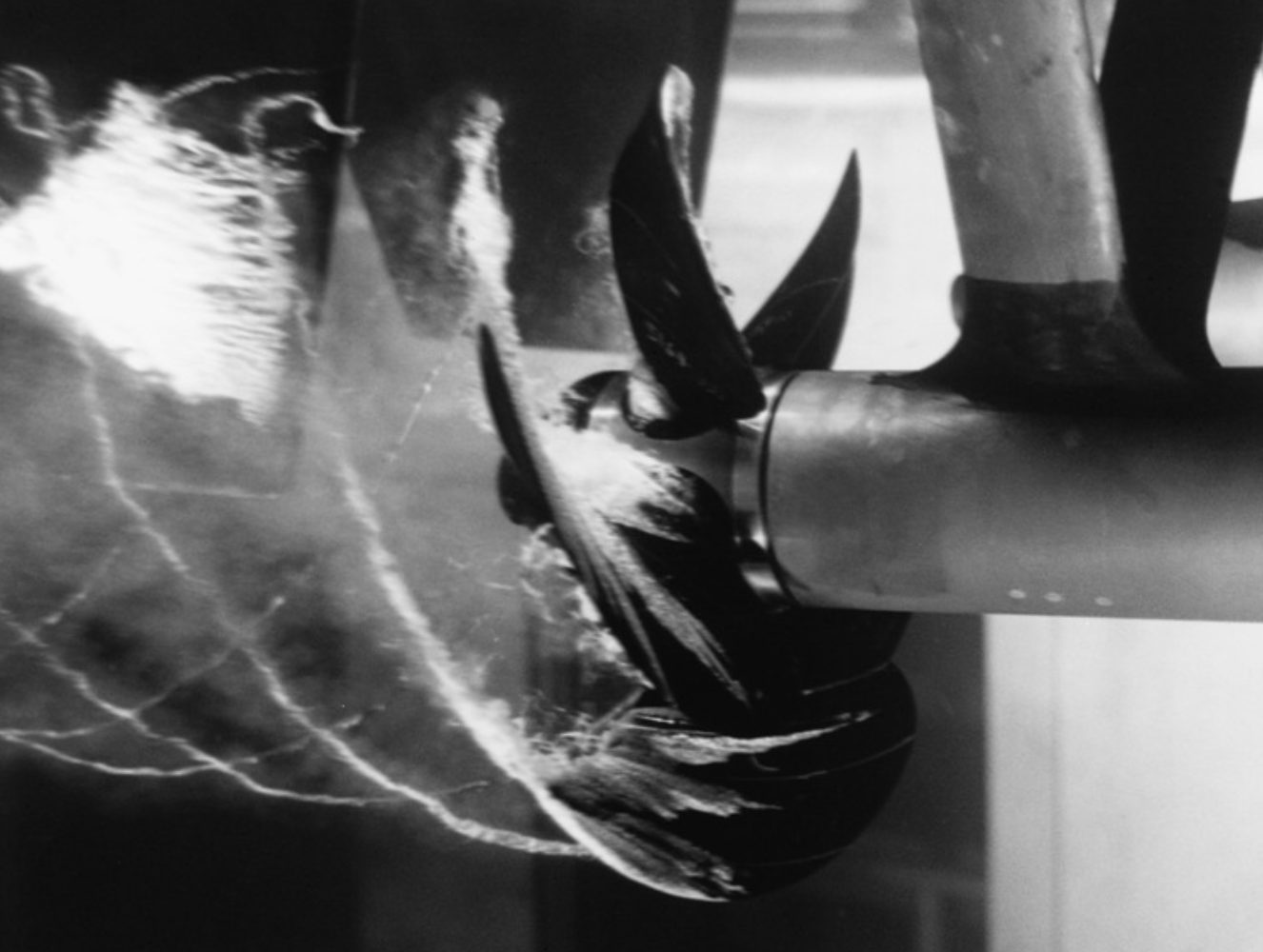
Cavitation happens when blade pressure drops so low the water boils, forming bubbles that collapse and burn pits into the blade. Ventilation is when the prop sucks air from the surface and loses bite—RPM spikes but the boat doesn't move.
A 4-blade resists both better than a 3-blade. More blade area means more consistent water contact, so the prop is less likely to ventilate during sharp turns or in following seas. If you're running a jack plate and your 3-blade ventilates when you trim up, a 4-blade will usually solve it. Learn more about installing a jack plate benefits for shallow water boating to improve your setup.
3-blade props are fine in clean water and moderate trim angles. Start pushing the limits—trimming the engine high, running shallow, or making aggressive turns—and you'll see them break loose more often.
Fuel Efficiency at Different RPM Ranges
At low speeds or when maintaining plane at 3000 RPM, a 4-blade can burn less fuel. It holds plane better, so you don't have to goose the throttle to keep the boat from falling off. If your 3-blade struggles to stay on plane below 3500 RPM, the 4-blade's extra grip lets you cruise at 3000 RPM and actually save fuel. For tips on improving fuel use overall, see our guide on lightening the load: how boat weight affects fuel use.
At wide-open throttle or high cruise speeds, the 3-blade usually wins. Less drag means the engine doesn't work as hard to hit the same speed. On a long run across open water at 4500 RPM, you'll burn less fuel with a 3-blade than a 4-blade.
Pitch Adjustment When Switching Blade Counts
Here's where people screw up. Adding a blade adds drag, which drops your engine RPM. If you're running a 19-pitch 3-blade and swap to a 19-pitch 4-blade, your RPM will fall—sometimes by 200-400 RPM. If your engine is already at the low end of its operating range, that's a problem.
Mercury's prop selection bulletins typically suggest dropping pitch by 1-2 inches when moving from a 3-blade to a 4-blade to keep the engine in its recommended WOT range. For example, if you're running a 21-pitch 3-blade and switch to a 4-blade, start testing with a 19-pitch or 20-pitch 4-blade. This keeps your RPM in the 5000-6000 band (or whatever your engine's spec is) and prevents the engine from lugging. For further details on genuine components, check Mercury parts direct from factory.
Ignoring this and just bolting on a 4-blade with the same pitch as your old 3-blade will bog the engine. You'll lose both top speed and acceleration because the engine can't reach its power band.
Diameter and Blade Area Impact
Diameter is the circle the blade tips trace as the prop spins. Larger diameter moves more water per rotation but also increases load on the engine. A 15-inch diameter 4-blade has more total blade area than a 15-inch 3-blade, so it generates more thrust at low RPM.
But you can't just slap on the biggest diameter that fits. If the prop is too large, the engine can't spin it to rated RPM. You'll overheat the powerhead or fry the stator trying. Check your engine's prop chart—most manufacturers list max and min diameter for each HP rating.
Stainless steel props hold their shape better than aluminum, so the effective blade area stays consistent. Aluminum 3-blade props flex under load, which reduces thrust. A stainless 4-blade is rigid, so you get the full benefit of that extra blade area. For more on prop materials and performance, see our post on stainless steel vs. aluminum propellers: which is better?.
Best Applications for 3-Blade Props
If you run a lighter boat—under 22 feet, single engine, not overloaded—and you want top speed, stick with a 3-blade. Bass boats, flats skiffs, and lighter center consoles all benefit from the reduced drag and higher RPM ceiling.
For general cruising at moderate speeds where you're not pushing the boat hard, a 3-blade is simpler and cheaper. Most recreational boats come factory-rigged with a 3-blade aluminum prop because it works well enough for weekend use.
If you're chasing every last MPH—tournament fishing, poker runs, or just like going fast—the 3-blade is your baseline. You can fine-tune pitch to max out your engine's power band and hit the highest possible speed. Learn how to optimize your prop pitch in comparing propeller pitches: finding the best pitch for your boat.
Best Applications for 4-Blade Props

For towing skiers, wakeboarders, or tubes, the 4-blade's hole shot is worth the top-speed loss. You need to pull a rider out of the water quickly and hold steady speed through turns. The extra thrust and grip make that easier.
Heavy boats—loaded center consoles, pontoons with 15 people aboard, or displacement cruisers—benefit from the 4-blade's low-end torque. We've sent 4-blade props to customers running 26-foot boats in saltwater who couldn't get on plane with a 3-blade when the livewell and coolers were full. The 4-blade fixed it.
If you run in choppy or rough water regularly, the improved grip and reduced ventilation of a 4-blade make the boat more controllable. You won't lose bite in the troughs or when the stern lifts in a following sea.
Rake and Cup Geometry
Blade count is only part of the story. Rake is the angle the blade leans back from vertical. High-rake props (15-20 degrees) lift the bow and reduce drag at speed, but they also reduce low-end thrust. Most 4-blade props use moderate rake because they already have enough blade area for thrust.
Cup is a small curl on the trailing edge of the blade. It reduces slip and ventilation. A heavily cupped 3-blade can sometimes match a 4-blade's grip, but you'll pay for it in drag and lower top speed. Cup is measured in fractions of an inch—a prop with 0.100" of cup has less slip than one with 0.050".
If you're comparing a cupped 3-blade to a standard 4-blade, test both. The cupped 3-blade might give you 90% of the 4-blade's grip with better top-end speed.
Aluminum vs. Stainless Steel Considerations

Aluminum 3-blade props flex under load, which changes their effective pitch and reduces thrust. Under hard acceleration, the blades bend backward, effectively adding pitch. At WOT, they flex forward, reducing pitch. This inconsistency makes them harder to tune.
Stainless steel doesn't flex. A 21-pitch stainless prop is 21 inches of pitch under all loads. That consistency gives you better performance and makes it easier to dial in the right prop. A stainless 4-blade also holds its blade shape, so you get the full benefit of the extra surface area.
Aluminum is cheaper and easier to repair if you hit a rock. Stainless costs 3-4 times more but lasts longer and performs better. For serious tuning or high-performance applications, stainless is worth it. For a deeper look, see our comparison in stainless steel vs. aluminum propellers: which is better?.
When to Stick with Your Current Prop
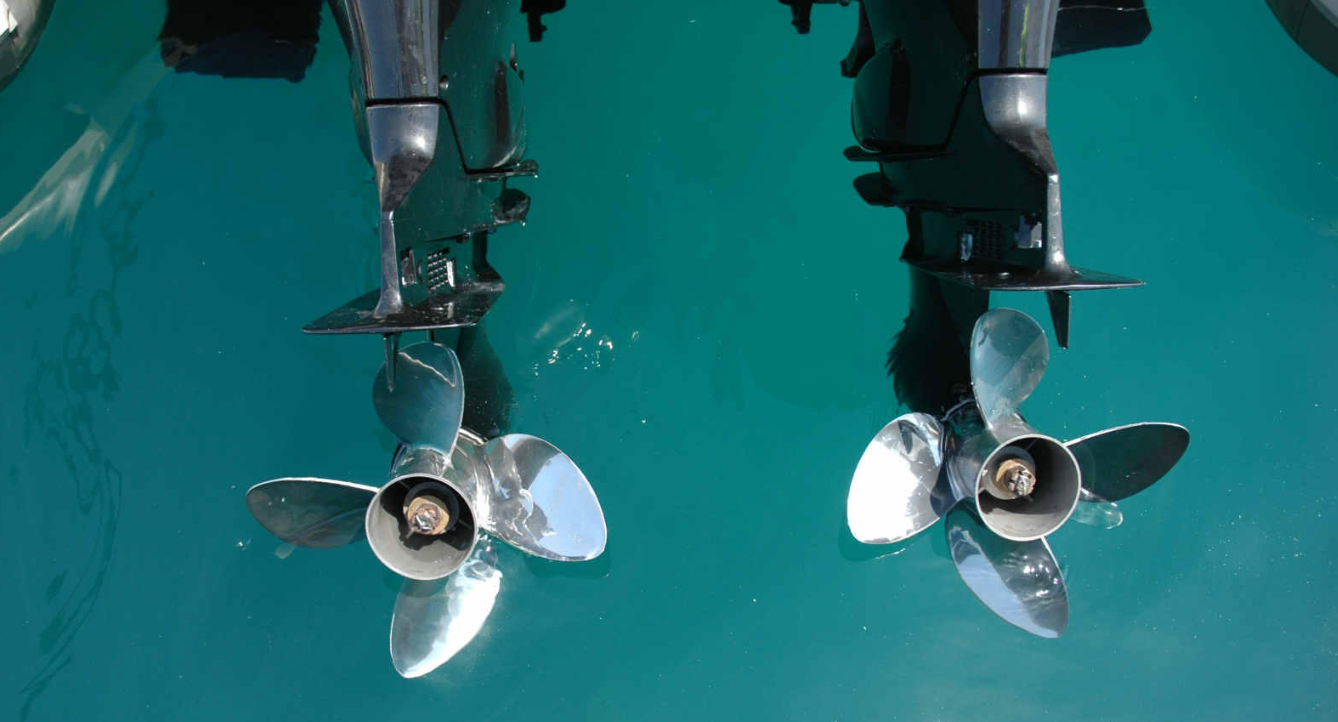
If your engine is hitting the middle of its WOT RPM range and the boat does what you need, don't change anything. Chasing a 2 MPH gain or slightly quicker planing isn't worth the cost and hassle unless you have a specific problem.
If your engine maxes out at redline with a 3-blade, switching to a 4-blade without adding pitch will make it worse. You need to address the pitch issue first—go up 2 inches, then test. If it still over-revs, the hull or engine setup has other problems.
If you're happy with your current performance but just want smoother running, a 4-blade might help reduce vibration. But if speed is fine and vibration isn't an issue, save your money.
Real-World Testing Beats Theory
Prop selection is trial and error. The formulas and charts get you close, but water testing is the only way to know for sure. Your hull shape, engine height, trim angle, and load all interact in ways that no chart predicts perfectly.
If possible, buy from a dealer with a prop exchange policy. Test a 4-blade for a few weekends. If it doesn't deliver, swap it for a different pitch or go back to the 3-blade. We've had customers cycle through three props before finding the right one, and that's normal.
Run WOT tests with a GPS and tachometer. Record your speed and RPM with each prop. Compare hole shot time with a stopwatch. That data tells you what's actually working, not what should work on paper.
Pro tip: Check your prop hub for rubber debris every few months. The rubber insert between the prop and the shaft can spin out and leave black shavings in the hub bore. If you see that, the hub is slipping and killing your performance, no matter how many blades you have.
For all your boating parts needs, including accessories that can enhance your propeller's installation and performance, explore our extensive selection of boat accessories at JLM Marine. For more information and further resources, visit the JLM Marine home page.