


OEM vs. Aftermarket Outboard Parts: What’s the Difference?
- Manufacturing and Specifications: Who's Building Your Parts
- Price Comparison: Evaluating the 20-40% Cost Gap
- Quality and Performance: What 30 Years of Repairs Taught Me
- Installation: Why OEM Drops In and Aftermarket May Require Tweaks
- Warranty Coverage: Reading the Fine Print
- Availability: The 12-Day Wait vs. Next-Day Shipping
- Resale Value: What Buyers Actually Care About
- When to Choose OEM vs. Aftermarket Parts
- What You Need Before Shopping

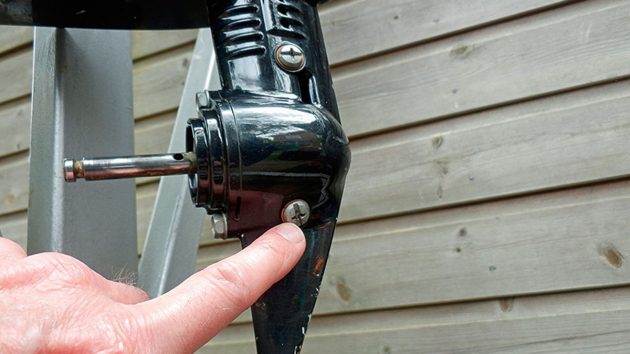
After 20 years wrenching on outboards, I've replaced enough parts to fill a small warehouse. The question I get asked most? "Should I buy OEM or aftermarket?" It's not a simple answer, and anyone who tells you otherwise hasn't seen enough failures.
OEM parts come from the original manufacturer—Yamaha makes Yamaha parts, Mercury makes Mercury parts. Aftermarket parts come from third-party companies that reverse-engineer these components to fit your engine. Both work. Both have their place. The trick is knowing when to use which.
Manufacturing and Specifications: Who's Building Your Parts
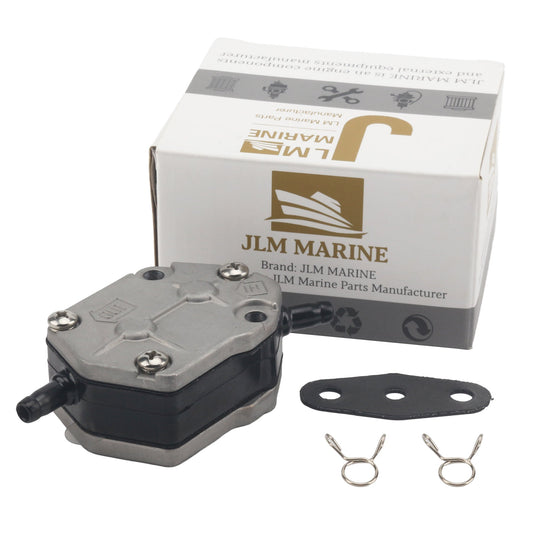
OEM parts follow the exact blueprints used when your engine was built. They meet specific standards like SAE J1171 for marine electrical ignition protection. The materials, tolerances, and manufacturing processes match what rolled off the assembly line.
Aftermarket manufacturers reverse-engineer these parts. Some do it well. Some don't. The factories that supply major OEM brands often use excess capacity to produce aftermarket parts—same equipment, same materials, just without the brand logo. Companies like JLM Marine source from these facilities. For a broad selection of direct-from-factory components, see our Inboard & Outboard Motor Parts collection.
The cheap stuff? Different story. We've pulled rubber impellers from unknown brands that disintegrated after 10 hours of use. The rubber was too hard, the vane thickness was off by half a millimeter, and the brass insert wasn't centered properly.
OEM: Manufactured to Factory Blueprints
- Built to original specifications
- Meets marine industry standards (SAE, ABYC)
- Consistent material sourcing
- Factory testing and certification
Aftermarket: Variable Quality Spectrum
- Ranges from factory-equivalent to junk
- Reputable brands often exceed OEM specs
- Quality depends entirely on manufacturer
- Some correct OEM design flaws
Price Comparison: Evaluating the 20-40% Cost Gap
Aftermarket parts typically cost 20-40% less than OEM. That's not marketing fluff—our internal pricing analysis of over 500 SKUs confirms it.
Here's what that looks like for common repairs:
Starter Motor
- OEM: $280-320
- Quality Aftermarket: $180-220
- Savings: $100-140
Fuel Pump Assembly
- OEM: $240-290
- Quality Aftermarket: $150-200
- Savings: $90-140
Stainless Steel Propeller (14" diameter)
- OEM: $380-450
- Quality Aftermarket: $240-310
- Savings: $140-170
That upfront savings looks good. But OEM fuel pumps last 3-5 times longer than cheap aftermarket versions. If you save $100 but replace the part three times as often, you're not saving anything. For quality fuel pumps and related components, shop direct factory parts at JLM Marine.
For routine maintenance items where failure won't strand you—anodes, zincs, split pins—aftermarket makes sense. For critical components, calculate total cost over the part's expected life, not just the purchase price.
Quality and Performance: What 30 Years of Repairs Taught Me
OEM parts undergo rigorous testing—salt spray corrosion chambers, thermal cycling between -40°F and 200°F, vibration testing. Yamaha's 2023 limited warranty policy covers parts for three years because they've tested them to death before release.
Aftermarket quality varies wildly. Tim Hogan at Outboard Exchange in Connecticut documented a Mercury crankshaft seal case that proves the point. The OEM seal used steel construction. In saltwater, it corroded, and the rubber seal detached—catastrophic failure. The aftermarket version? Stainless steel with rubber bonded to the edge. It outlasted the original by years.
We've also seen the opposite. One aftermarket supplier shipped parts with a 40% defect rate. They owned it, adjusted pricing, and fixed their process, but not before customers dealt with leaking gaskets and mismatched tolerances.
The CDI Electronics power pack for Johnson/Evinrude 150-175HP engines is another example of aftermarket improvement. CDI added a rev limiter that the 1990s OEM part lacked. It's objectively better than the original.
How to Identify Quality Aftermarket Parts
Look for stamped manufacturer logos and part numbers on metal castings. Blank, unbranded housings are red flags. Check the packaging—reputable brands include detailed fitment guides and installation instructions. Weight can tell you about material quality; a suspiciously light water pump housing probably uses thinner aluminum than the original.
OEM pistons are weight-matched to within a gram. Cheap aftermarket piston sets may require manual balancing, or worse, ship without weight specs at all. Quality aftermarket pistons from established manufacturers match OEM precision and often arrive as complete kits with rings and pins, while OEM requires ordering components separately.
For parts like water pump impellers, choosing high-quality options can mean the difference between quick failure and long life.
Installation: Why OEM Drops In and Aftermarket May Require Tweaks
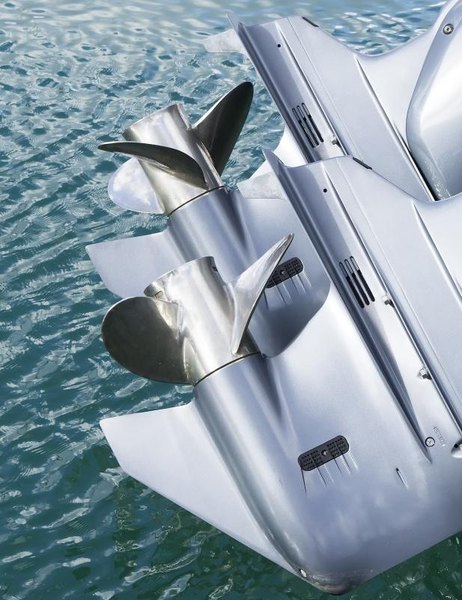
OEM parts fit without modification. You don't need a Dremel, extra sealant, or creative shimming. For DIY mechanics working in a driveway without a full shop, this matters.
Aftermarket parts usually fit fine, but "usually" isn't "always." We frequently see aftermarket gasket kits that are slightly too thin, requiring extra sealant that OEM gaskets don't need. Aftermarket impeller housings sometimes have different bolt hole spacing—off by one or two millimeters, enough to cause headaches.
For professional mechanics, these fitment issues slow down jobs. A repair that should take 90 minutes stretches to three hours because you're filing down a mounting tab or hunting for the right shim. Time is money in a shop.
Before buying aftermarket, check forum threads specific to your engine model. Search for "[brand name] fitment issues [your engine model]" and see what other mechanics report. If multiple people mention the same problem, believe them.
Check out our detailed guides on related topics like step-by-step installing a water pump repair kit on a Yamaha outboard for practical installation insight.
Warranty Coverage: Reading the Fine Print
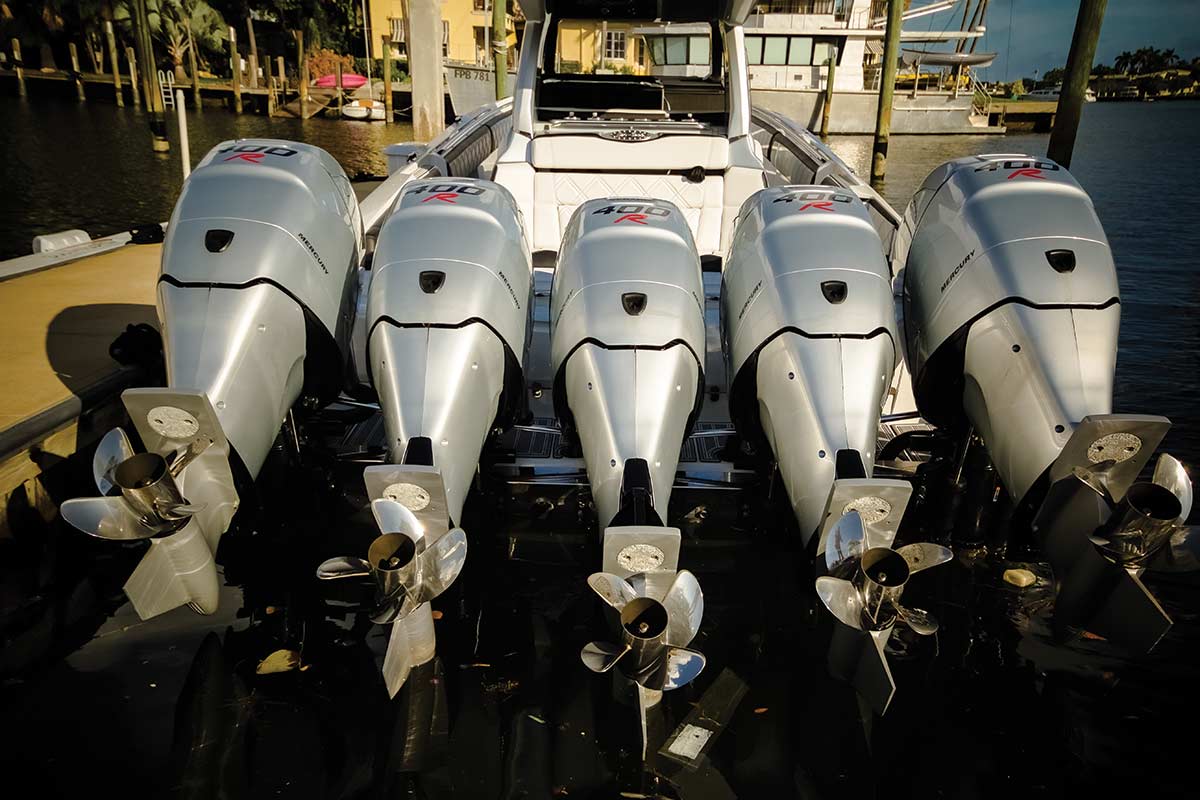
OEM warranties are straightforward. Yamaha and Mercury cover most components for three years. If it fails, you get a replacement.
Quality aftermarket brands often provide better warranty coverage to overcome buyer skepticism. We back JLM parts with a two-year warranty that includes replacement and, in documented failure cases, labor reimbursement.
Here's something most people don't know: some aftermarket manufacturers have paid repair shops over $10,000 when their parts failed, including labor costs. OEM manufacturers rarely reimburse labor. Ever.
Important: Warranty terms vary by region and manufacturer. Always verify specific coverage before purchase. Some warranties are void if you don't use authorized installers.
Keep your packaging and receipts. When you sell the boat, showing a buyer that you used quality aftermarket parts from established brands like Sierra or CDI proves you maintained the engine properly. "Aftermarket" doesn't automatically mean "cheap" if you have documentation.
Learn more about warranty policies in our blog on comparing outboard warranties.
Availability: The 12-Day Wait vs. Next-Day Shipping

OEM parts for older models can take forever. A customer needed a specific part for a 2010 Yamaha 150HP last month. The dealer quoted 12 days. Aftermarket? Three days.
The aftermarket has broader distribution. Multiple suppliers, multiple warehouses, better inventory management. We ship worldwide and typically deliver in 5-15 days regardless of location.
For urgent repairs—your boat's in the water, summer's half over, you've got family visiting—availability matters more than a perfect OEM pedigree. A quality aftermarket part that arrives tomorrow beats an OEM part that arrives next month.
We offer fast shipping on a wide range of parts including carburetors and fuel filters, so you can get your engine back running without delay.
Resale Value: What Buyers Actually Care About
Buyers want documentation. They want to see that you maintained the engine properly. If you've got a folder showing regular oil changes, impeller replacements, and thermostat service, they don't care much whether you used OEM or aftermarket parts.
What kills resale value is cheap parts that failed. If a buyer sees evidence of repeated repairs to the same component, they'll walk. One quality aftermarket water pump that lasted five years looks better than three OEM pumps that you replaced because you didn't flush the system properly.
Keep detailed records. Note part numbers, installation dates, and supplier names. This transparency builds buyer confidence regardless of your part choices.
Explore tips on maintenance and resale in our hub at JLM Marine.
When to Choose OEM vs. Aftermarket Parts
Use OEM for:
- Internal engine components (pistons, connecting rods, crankshafts)
- Fuel system components where contamination risks are high
- Electrical modules and ECUs
- Any part covered under active warranty
- Parts where failure could cause catastrophic damage
Use Quality Aftermarket for:
- Wear items (impellers, anodes, filters)
- External components (brackets, clamps, hoses)
- Routine maintenance parts replaced annually
- Older engines where OEM availability is limited
- Any repair where budget is the limiting factor
Commercial vs. Recreational Use
Commercial operators—fishing guides, charter captains—need different durability than weekend boaters. If your engine runs 8 hours daily, six days a week, OEM or top-tier aftermarket is non-negotiable. One breakdown costs you a full day's revenue. Recreational boaters with 100 hours annual use have more flexibility.
The Budget and Urgency Matrix
Tight budget + not urgent = research quality aftermarket options thoroughly
Tight budget + urgent = quality aftermarket from established brands
Flexible budget + not urgent = compare both, decide based on specific part
Flexible budget + urgent = OEM if available quickly, otherwise quality aftermarket
Contact our team with your engine serial number before ordering. We'll verify fitment and recommend the best option for your specific situation—OEM or aftermarket. For help locating your Yamaha outboard serial number, see our detailed guide.
What You Need Before Shopping
Have this information ready:
- Engine serial number (stamped on mounting bracket)
- Model year
- Horsepower rating
- Photos of the failed part if possible
This prevents wrong parts arriving in the box. We've seen fuel system components mixed up in kit boxes that caused leaks. Verify every part against the old component before installation. Measure specifications. Check gasket fit. This "trust but verify" approach prevents failures.
Daily maintenance tip: Flush your engine with fresh water after every saltwater ride and run it for three minutes. This simple habit prevents thermostat seizure, extends impeller life, and keeps your cooling passages clear. It takes less time than checking your oil and saves hundreds in premature part replacement. For more on cooling system care, visit our Cooling System collection.
For expert advice and premium marine parts, always rely on direct factory suppliers like JLM Marine, trusted by boaters worldwide for over 20 years.