



What to Do If Your Outboard Breaks Down at Sea

Your engine just quit. Water's moving you somewhere you don't want to go. Here's what to do, step by step.
Why Most Outboards Fail 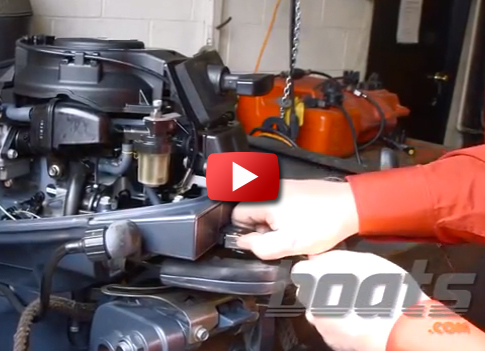
Fuel problems cause most breakdowns I see. Either you've got water in the tank from condensation, a clogged filter choking the line, or you switched to an empty tank without realizing it. After fuel, it's overheating—usually from a blocked water intake or a failed impeller. Then there's the obvious stuff: dead battery, fouled prop, tripped kill switch.
According to Eclipse Marine, the breakdown list goes: mechanical failure (engine, fuel system, electrical), fuel contamination or running dry, corroded connections, damaged or fouled props, and user error like hitting debris. In 2018, a boater in the Florida Keys was found drifting 12 miles offshore after water contamination killed his engine. He never made it back. That's why you deal with fuel before you leave the dock.
Before You Leave the Dock 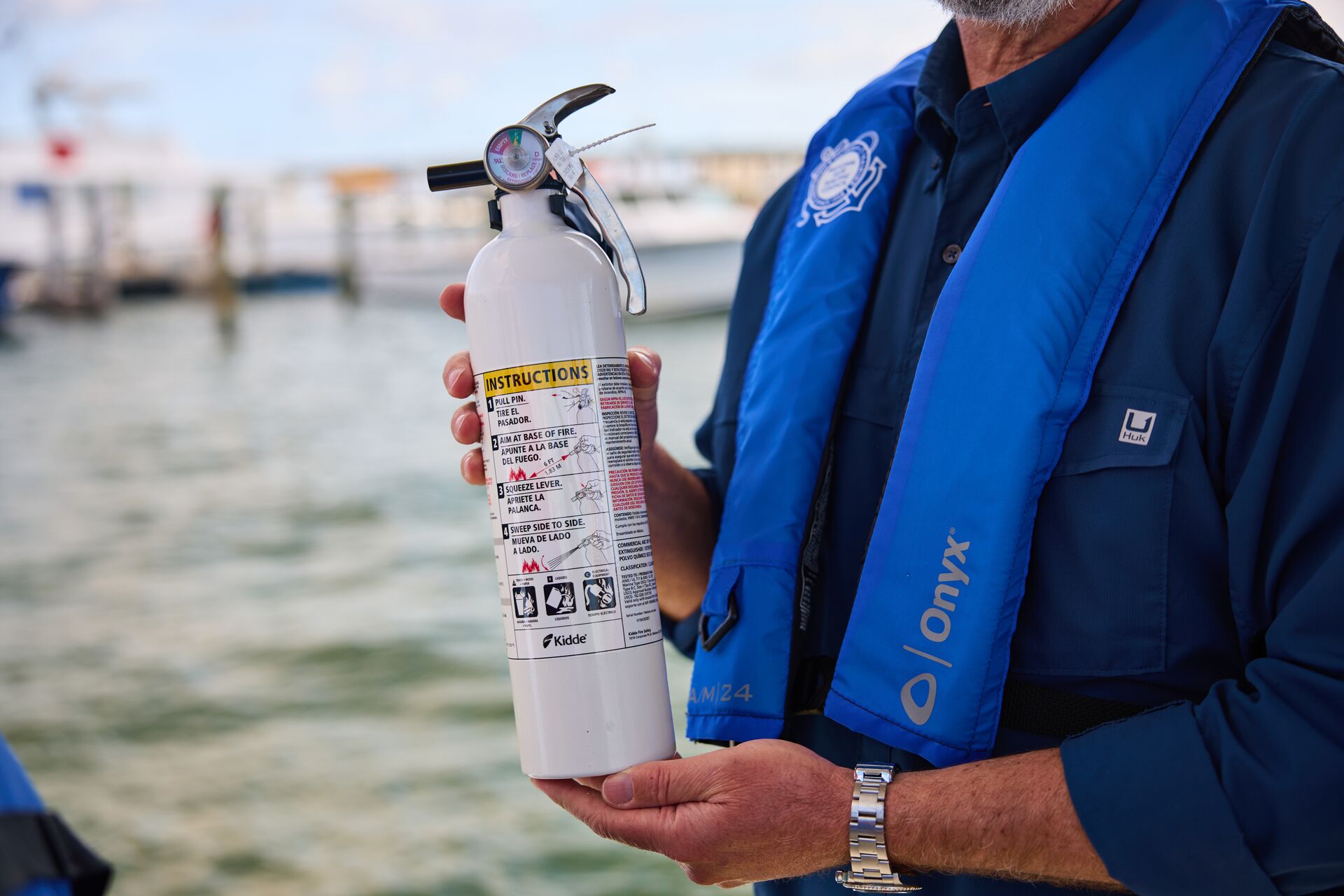
Fuel System Checks
Fill your tank to the top. A full tank leaves less room for condensation to form overnight, which means less water settling at the bottom where your pickup sits. If you see a cloudy or milky appearance in your fuel, that's phase separation—water and ethanol splitting out. Don't run it.
Check your fuel filter. If it's discolored or you can't remember the last time you changed it, swap it now. A clogged filter will starve the engine under load. You'll get surging RPMs at cruise, then the motor dies. I keep a strap wrench, catch pan, and a spare filter onboard for mid-trip swaps.
Inspect the primer bulb. It should be positioned vertically, arrow pointing toward the engine, close to the tank. Pump it until it's firm. If it stays soft after five pumps, you've got a leak in the line or a bad check valve in the bulb itself. Don't ignore it.
Quick Engine Checks
Battery: Connections clean and tight. Voltage above 12.4V if you've got a meter.
Kill switch: Lanyard attached, switch in the run position. I've seen guys pull their hair out troubleshooting when the clip just wasn't seated. For more on understanding this safety device, see Understanding the Kill Switch: Why Your Engine Won’t Start.
Throttle: Move it through the range. It should engage smoothly without binding.
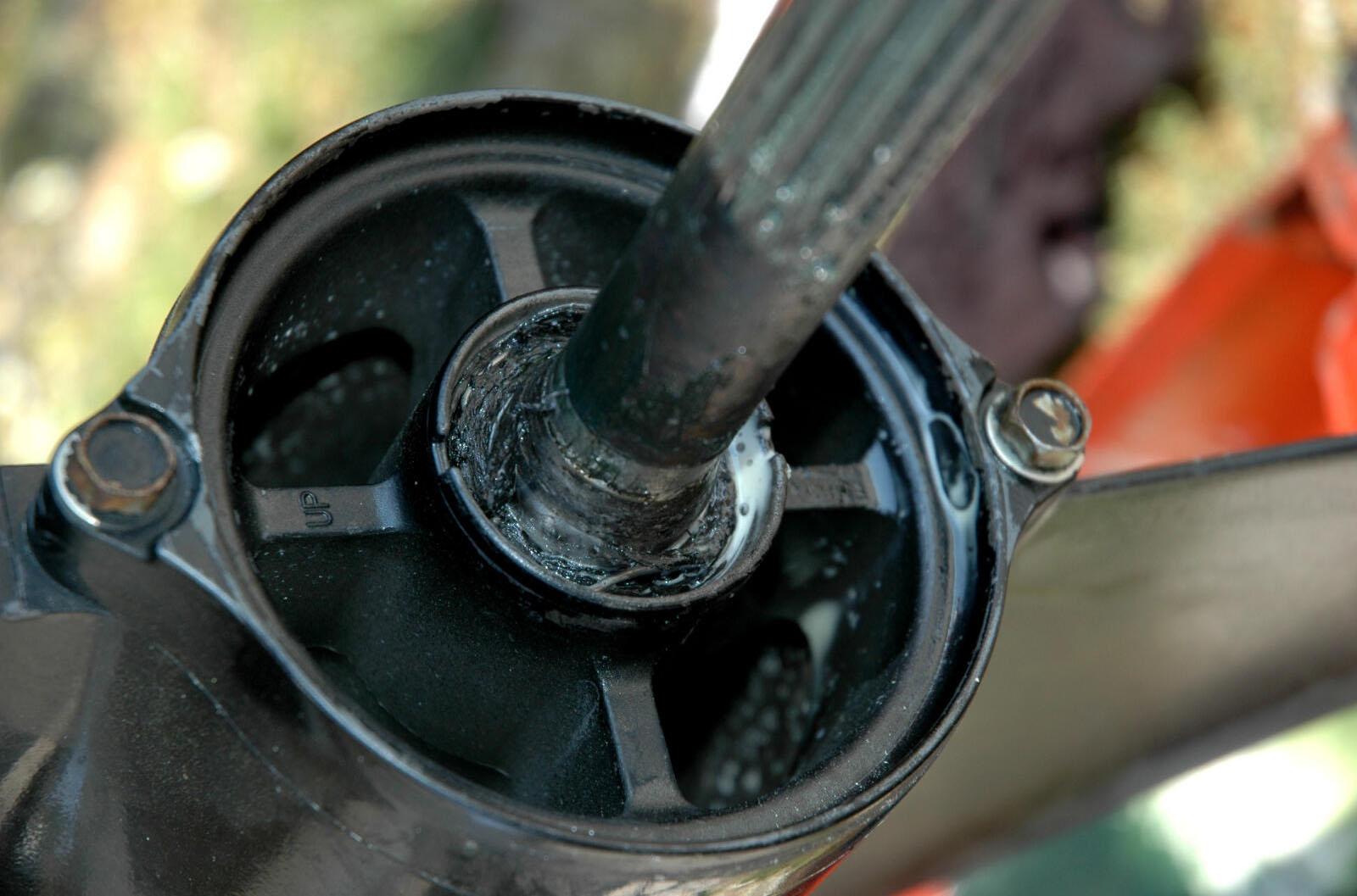
Prop: Spin it by hand with the engine off. Feel for fishing line wrapped around the shaft or any play in the hub. A spun hub will let the prop rotate freely on the shaft under load, and you'll lose all bite. For tips on inspecting props, check Inspecting Prop and Skeg After a Long Season.
Calculate your fuel burn. If your tank holds 50 gallons and you burn 10 gallons per hour at cruise, you've got five hours. Don't plan for five hours. Plan for three, and keep a reserve. The U.S. Coast Guard recommends filing a float plan with someone onshore—your departure point, destination, expected return, and who's aboard.
Deck and Safety Gear
Anchor: Ready to deploy, rode properly flaked, not tangled.
VHF radio: Powered on, set to Channel 16. A cell phone is backup, not primary. Once you're a few miles out, signal drops fast.
Visual distress signals: U.S. Coast Guard requires them for vessels 16 feet and longer. Carry a mix: red flares for night, orange smoke for day. Don't wait until you need them to figure out how the caps twist off.
Life jackets: One wearable Type I, II, or III PFD per person, accessible and properly sized. Not stuffed in a bow locker under the anchor.
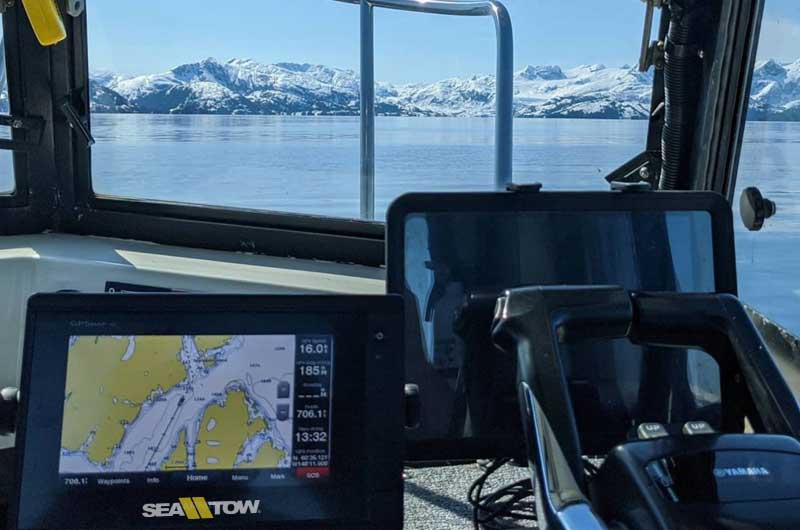
GPS: Your phone's GPS works even without cell signal. Get your exact coordinates before you call for help.
When the Engine Dies
First 60 Seconds
Stop. Don't touch anything yet. Make sure everyone's accounted for and seated. Hand out life jackets and have everyone put them on. A rocking boat and panicked passengers moving around is how someone goes overboard.
Assess. Are you drifting toward rocks, a shipping lane, or shallow water? If yes, your priority is the anchor. Get it down fast to stop the drift.
Listen and look. Smoke? Burning smell? Water coming in? If any of those are true, as Discover Boating notes, evacuate immediately and call for help. Don't troubleshoot a sinking or burning boat.
Troubleshooting: Most Likely to Least
Kill switch. Remove the lanyard clip, toggle the switch manually with your finger, reattach the clip, try starting. I've been called out for this more than I'll admit.
Fuel. Did you switch tanks? Check the selector valve. Is the bulb firm? If not, pump it. If it won't firm up, you've got a fuel delivery problem—air leak in the line, clogged vent on the tank, or a failed bulb.
Battery and connections. Wiggle the battery terminals. Corrosion or a loose connection will kill your crank. If you've got a voltage meter, check it. Below 12V, you're not starting.
Overheating. Did the alarm sound before it quit? Check the telltale stream (the "pee stream"). If there's no water coming out, you've got a blocked intake. Kill the engine, pull the lower cowl if it's safe, and look for debris, plastic bags, or seaweed at the water intake screen. Pull it off by hand. For detailed steps on clearing a blocked cooling intake, see Unclogging a Blocked Outboard Cooling Water Intake.
Prop. If you felt a sudden jolt or heard a bang before losing power, you hit something. Tilt the engine up (or lean over the transom with the key out and kill switch off) and inspect the prop. Fishing line wrapped around the shaft is common. Cut it away carefully. Check behind the prop for damage to the rubber hub—if the prop spins freely on the shaft, the hub is spun and you're not going anywhere under your own power.
Captain Matt from Boater's Secret Weapon puts it plainly: "Overheating tends to be the biggest cause of outboard breakdowns and it usually leaves you stranded… if you're in the salt water we tend to see where you pick something up." Debris in the intake is fixable at sea if you can reach it.
Calling for Help 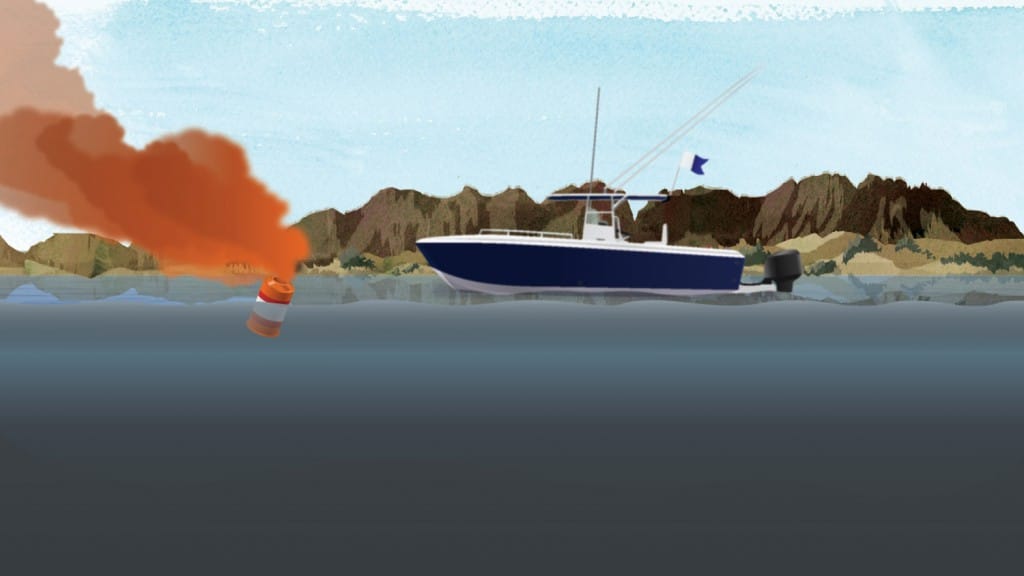
If you can't fix it in five minutes, stop trying and call.
VHF Radio Procedure
Switch to Channel 16. This is the international distress and hailing frequency.
If you're in immediate danger (sinking, fire, medical emergency):
"Mayday, Mayday, Mayday. This is [vessel name], [vessel name], [vessel name]. We are [briefly describe the emergency]. Our position is [GPS coordinates or landmark]. We have [number] persons on board. We are a [length] foot [color and type] vessel. Over."
If you're broken down but not in immediate danger:
"Pan-Pan, Pan-Pan, Pan-Pan. This is [vessel name]. We have experienced engine failure and are adrift. Our position is [coordinates]. We have [number] persons on board, all wearing life jackets. We are anchored. Requesting a tow. Over."
Repeat every few minutes if you don't get a response. Other boaters, marinas, or the Coast Guard will answer.
If you don't have a VHF, call 911 on your cell or dial *CG (244) to reach the Coast Guard directly. Give them your GPS coordinates first—if the call drops, they know where you are.
The Modern Sailing School emphasizes: "Remain calm and keep your wits. Ensure all of your crew are present, accounted for, and wearing PFDs. Quickly assess your location, hazards, and other vessels moving around you."
Visual Signals
If you see a boat nearby but can't reach them by radio, deploy your signals.
Daytime: Orange smoke. Pop the canister, hold it downwind so the smoke trails across the water.
Nighttime: Red flares. Aim them up and away from your boat, not at the other vessel.
Anytime: Wave a bright-colored cloth, your arms, or use a signal mirror to reflect sunlight toward a distant vessel.
Three long blasts on your horn is the sound signal for distress. Use it if someone's close enough to hear.
Professional Towing
Don't let another recreational boater tow you unless it's a very short distance in calm water. Towing puts huge strain on both boats' cleats and transoms. I've seen fiberglass transoms crack and cleats rip out. It's dangerous for everyone.
Call Sea Tow or TowBoatU.S. These are the two main on-water towing services in the U.S., operating like AAA for boats. They run 24/7. Membership costs around $150–$200 per year and covers unlimited towing within their service area. Without a membership, expect to pay $200–$600+ per tow depending on distance. Both services can deliver fuel, jump-start batteries, clear fouled props, or tow you to the nearest ramp or marina.
In 2023, Smith Point Sea Rescue in Virginia logged multiple missions towing disabled powerboats after outboard failures. One 23-foot Maycraft broke down in a shipping lane near Chesapeake Bay buoy R "62" and was towed 1.5 hours to Ingram Bay Marina. Another 22-foot Grady-White overheated near Potomac Buoy "1" and took 3 hours to tow to Smith Point Marina. Both crews had provided GPS coordinates and anchored immediately, which kept them out of traffic and made the rescue straightforward.
Towing by a professional is always the right call, as noted by Eclipse Marine: "Professional towing by marinas or these companies is recommended, either directly to the marina or preferably back to the ramp to haul it on the trailer."
While You Wait

Anchor. If you haven't already, get it down. Scope should be 7:1 in calm conditions (if you're in 10 feet of water, let out 70 feet of rode). This keeps you from drifting into hazards.
Stay seated. Keep everyone in one spot, wearing life jackets. Don't let people move around, especially kids. A wake from a passing boat can knock someone off balance.
Hydration and temperature. If it's hot, get under any shade you have, drink water, and wet down hats or towels to cool off. If it's cold or wet, break out jackets and blankets. Hypothermia can set in even in 60°F water or air if you're wet and the wind is blowing. For advice on hydration and cooling care for your engine and yourself, see Hydration for You, Cooling for Your Engine.
Monitor the radio. Keep listening to Channel 16 for updates from your tow service or Coast Guard. If conditions change—wind picks up, you start taking on water—update them immediately.
Don't waste your signals. If you've already made radio contact and help is confirmed en route, save your flares. You might need them if the situation changes.
According to PW Marina, if your boat starts taking on water while you wait, have a manual bilge pump or bailing bucket ready and an EPIRB (Emergency Position Indicating Radio Beacon) or PLB (Personal Locator Beacon) on hand to escalate the call.
Parts and Repairs After the Tow
Once you're back at the dock, you'll need parts. The dealership will sell you OEM, and it'll be good quality, but you're paying a markup for the brand sticker. On the other end, the $10 импeller kit from a random online seller is usually garbage—wrong rubber compound, fitment issues, and you'll be tearing the lower unit apart again in a month.
High-quality non-OEM parts exist. Some of the same factories that produce OEM components use their excess capacity to manufacture non-OEM items under different labels, and the quality is nearly identical. For example, JLM Marine sources directly from these factories and ships worldwide. You're getting the same specs, the same materials, without the dealer markup. We've shipped parts to over 100 countries—from fuel filters to impellers to full lower unit rebuild kits—because boaters want reliable parts that don't burn through their budget. For browsing quality replacement components, visit the JLM Marine home page.
Whether you're replacing a fuel water separator, a thermostat, or rebuilding a water pump, verify the part number against your engine's model and year. Fit matters. A thermostat that's 2°F off spec will cause overheating. A fuel filter with the wrong micron rating won't catch water.
To learn more about selecting the right part for your water pump or impeller repairs, see the Water Pump | Direct from Factory Boat Parts and Water Pump Impeller | Direct from Factory Boat Parts collections.
One Practical Maintenance Tip
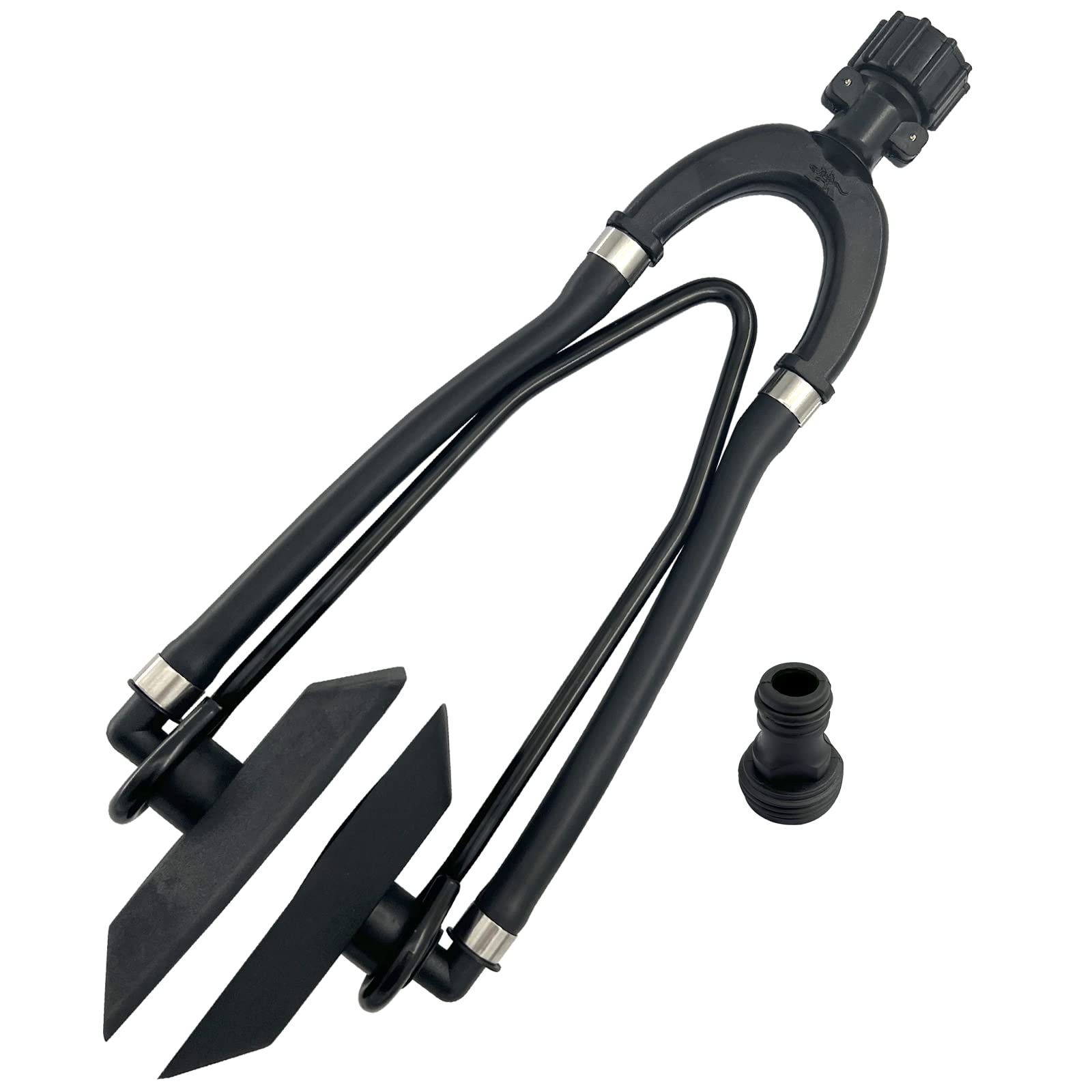
Flush your outboard with fresh water after every single ride, especially in saltwater. Connect a flush muff to a hose, clamp it over the water intakes, and run the engine at idle for 10 minutes. This prevents salt buildup in the cooling passages, stops corrosion in the powerhead, and keeps your water pump impeller from seizing. It's the single easiest thing you can do to avoid an overheating breakdown next season. For detailed flushing advice, see Daily Engine Flush for Saltwater Boats: A Good Habit.
For more expert advice and helpful guides on maintaining your outboard and finding quality parts, visit the JLM Marine home page.
Hi—I’m Jim Walker
I grew up in a Florida boatyard, earning pocket money (and a few scars) by rebuilding outboard carbs before I could drive. That hands-on habit carried me through a Ph.D. in mechanical engineering, where I studied how salt water quietly murders metal.
I spent ten years designing cooling systems for high-horsepower outboards, then joined JLM Marine as CTO. We bench-test every new part in the lab, but I still bolt early prototypes onto my own 23-foot skiff for a weekend shake-down— nothing beats real wake and spray for finding weak spots.
Here on the blog I share the fixes and shortcuts I’ve learned so your engine—and your day on the water—run smooth.

Para propietarios de embarcaciones:
Para ayudarlo a mantener y reparar sus motores marinos, esperamos que los siguientes recursos puedan serle de utilidad:
- Guía de números de serie de Mercury
- Manuales del propietario de Mercury
- Guía de referencia oficial de números de modelo en formato PDF de BRP
- Guía de números de serie de Johnson
-
Accesorios para barcos de JLM Marine
Acerca de JLM Marine
Fundada en 2002, JLM Marine se ha consolidado como un fabricante dedicado de piezas marinas de alta calidad, con sede en China. Nuestro compromiso con la excelencia en la fabricación nos ha ganado la confianza de las principales marcas marinas a nivel mundial.
Como proveedor directo, evitamos intermediarios, lo que nos permite ofrecer precios competitivos sin comprometer la calidad. Este enfoque no solo promueve la rentabilidad, sino que también garantiza que nuestros clientes reciban el mejor valor directamente del proveedor.
Estamos entusiasmados de ampliar nuestro alcance a través de canales minoristas, llevando nuestra experiencia y compromiso con la calidad directamente a los propietarios de embarcaciones y entusiastas de todo el mundo.
Accesorios para barcos en oferta
- $37.99
$45.99- $37.99
- Unit price
- per
- $34.99
- $34.99
- Unit price
- per
- $128.99
- $128.99
- Unit price
- per

- $25.30
$30.00- $25.30
- Unit price
- per


- $34.99
$41.99- $34.99
- Unit price
- per

- $32.50
$31.00- $32.50
- Unit price
- per

- $139.99
- $139.99
- Unit price
- per


- $45.00
- $45.00
- Unit price
- per
-
Rojo
-
Azul

- $28.50
$29.00- $28.50
- Unit price
- per

- $159.99
- $159.99
- Unit price
- per


- $105.00
- $105.00
- Unit price
- per


- $34.99
$41.99- $34.99
- Unit price
- per


- From $68.00
- From $68.00
- Unit price
- per
-
Plata
-
Azul
-
Rojo


- $34.99
$41.99- $34.99
- Unit price
- per

- $59.95
$71.00- $59.95
- Unit price
- per

- $59.99
$71.00- $59.99
- Unit price
- per


- $34.99
$41.99- $34.99
- Unit price
- per

- $65.50
$78.00- $65.50
- Unit price
- per

- $67.00
$65.00- $67.00
- Unit price
- per

- $19.99
- $19.99
- Unit price
- per