



Emergency Tools & Spares to Carry on Every Boat Trip
- USCG Safety Minimums vs. What You Actually Need
- Personal Locator Beacons and Distress Signals
- Fire Extinguishers and Proper Ratings
- Ditch Bags and Abandon-Ship Gear
- Multi-Tools and Hand Tool Essentials
- Electrical Repair Kit and Fuse Box Spares
- Spare Parts That Actually Matter
- Anchor, Rode, and Drift Prevention
- Bilge Pump and Manual Backup
- Tow Lines and Bridle Setup for Safe Towing
- VHF Radio and Communication Backup
- First Aid and Medical Supplies
- Battery Management and Power Backup
- Storage and Organization: Keep It Accessible
- Pre-Launch Checklist: Make It a Habit
- When to Upgrade Beyond Basics
- OEM vs. Aftermarket Spares: What Actually Works
- Building Confidence Through Preparation
Look, if your engine quits 15 miles out and you don't have the right gear, you're not getting home under your own power. I've been turning wrenches on outboards for 20 years, and I can tell you the boats that limp back to the dock are the ones carrying a proper toolkit and spares. The USCG sets federal minimums for safety equipment, but those are just to keep you legal. We're talking about what actually keeps you running when something breaks.
USCG Safety Minimums vs. What You Actually Need
The Coast Guard requires PFDs, fire extinguishers, sound signals, and visual distress signals based on boat length. One wearable PFD per person, boats over 16 feet need a throwable Type IV. Fire extinguishers are mandatory if you've got an inboard or enclosed fuel tanks – 5-B rating minimum for boats under 26 feet. Coastal boats need three day/night pyrotechnic flares or equivalents.
That's the bare minimum to avoid a citation. In 2024, the USCG logged 556 fatalities, with drowning causing about 75-87% of deaths where the cause was known. Here's the kicker: 85-87% of those drowning victims weren't wearing their PFD. So wear the damn thing.
But fatalities aren't the only problem. Machinery failure shows up in the top five accident causes alongside operator inattention and inexperience. You can't fix inattention with tools, but you can fix a fuel pump if you've got the spare onboard.
Personal Locator Beacons and Distress Signals
If you're running offshore or out of VHF range, a PLB is non-negotiable. These units transmit your GPS position via the Cospas-Sarsat satellite network directly to search and rescue. I'm talking about devices like the ACR ResQLink – they're registered to you, waterproof, and battery lasts years on standby.
A guy fishing out of Cape Canaveral had his 20-foot center console start taking water with his two young sons aboard. After two hours floating, he activated his ACR ResQLink+ PLB and the Coast Guard located them using the 406 MHz satellite signal. That beacon is the reason his family made it home.
Mount the PLB on your belt or life jacket, not in a pocket. If you go over, you need it accessible immediately.
For visual signals, electronic flares like the ACR ResQFlare are Coast Guard-approved and don't expire as fast as pyrotechnics. They're rechargeable, waterproof, and you can use them repeatedly. Pyrotechnic flares burn for 30-60 seconds max and misfire if damp. Carry both if you've got the space – redundancy matters.
Don't skip the basics: whistle, signal mirror, waterproof strobe. The whistle needs to be audible at half a mile minimum per USCG requirements. A signal mirror works during daylight when flares won't show up well.
Fire Extinguishers and Proper Ratings
Marine fire extinguishers need to be Coast Guard-approved with a B or C rating for fuel and electrical fires. Check the pressure gauge every season – a gauge reading "full" doesn't guarantee the powder inside isn't clumped at the bottom from vibration. Tap the canister and feel for movement.
Rechargeable units cost more upfront but you can service them. Non-rechargeable models are cheaper but once the gauge drops or the date expires, you're replacing the whole unit. For boats under 26 feet, one 5-B extinguisher is the minimum. Over 26 feet, you need at least two.
Mount it where you can grab it fast – near the helm or engine compartment, not buried in a locker. Wayne Spivak, Branch Chief for USCG Auxiliary Training, recommends checking extinguishers annually for corrosion and making sure the equipment matches your boat type and habits.
Ditch Bags and Abandon-Ship Gear
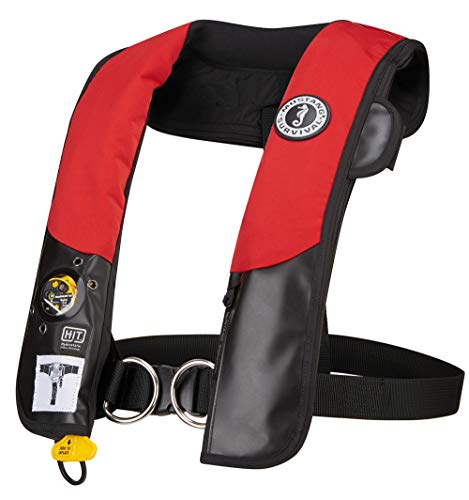
Your ditch bag is what you grab if the boat is going down. It needs to be waterproof, buoyant, and packed with survival essentials: PLB, handheld VHF, spare batteries, first aid kit, water, emergency rations, knife, light, and a copy of your float plan.
The RapidDitch Bag from ACR Artex is designed for this – it floats and keeps contents dry. Stow it somewhere you can reach in under 10 seconds, not in a locked cabin.
Pack a harness and tether if you're running offshore or in rough water. Harnesses clip to jacklines or strong points on deck so you stay attached if a wave washes over. Use double-action safety hooks on the tether – single-gate clips can pop open under load.
Multi-Tools and Hand Tool Essentials
You need tools that fit your engine. Japanese outboards – Yamaha, Suzuki, Honda – use metric hardware. Older American outboards might be SAE. Carry both if you're not sure.
A good marine toolkit includes:
- Multi-tool with needle-nose pliers, wire cutters, screwdrivers (flathead and Phillips), and a knife
- Socket set: 8mm through 19mm and equivalent SAE sizes
- Adjustable wrench (10-inch)
- Locking pliers (Vise-Grips)
- Magnetic pickup tool and telescoping mirror for retrieving dropped parts from the bilge
- Headlamp – frees your hands for two-handed jobs
Skip the cheap hardware-store sets. Saltwater and vibration will rust and strip low-grade steel. Marine-grade stainless or chrome-vanadium tools last.
Electrical Repair Kit and Fuse Box Spares
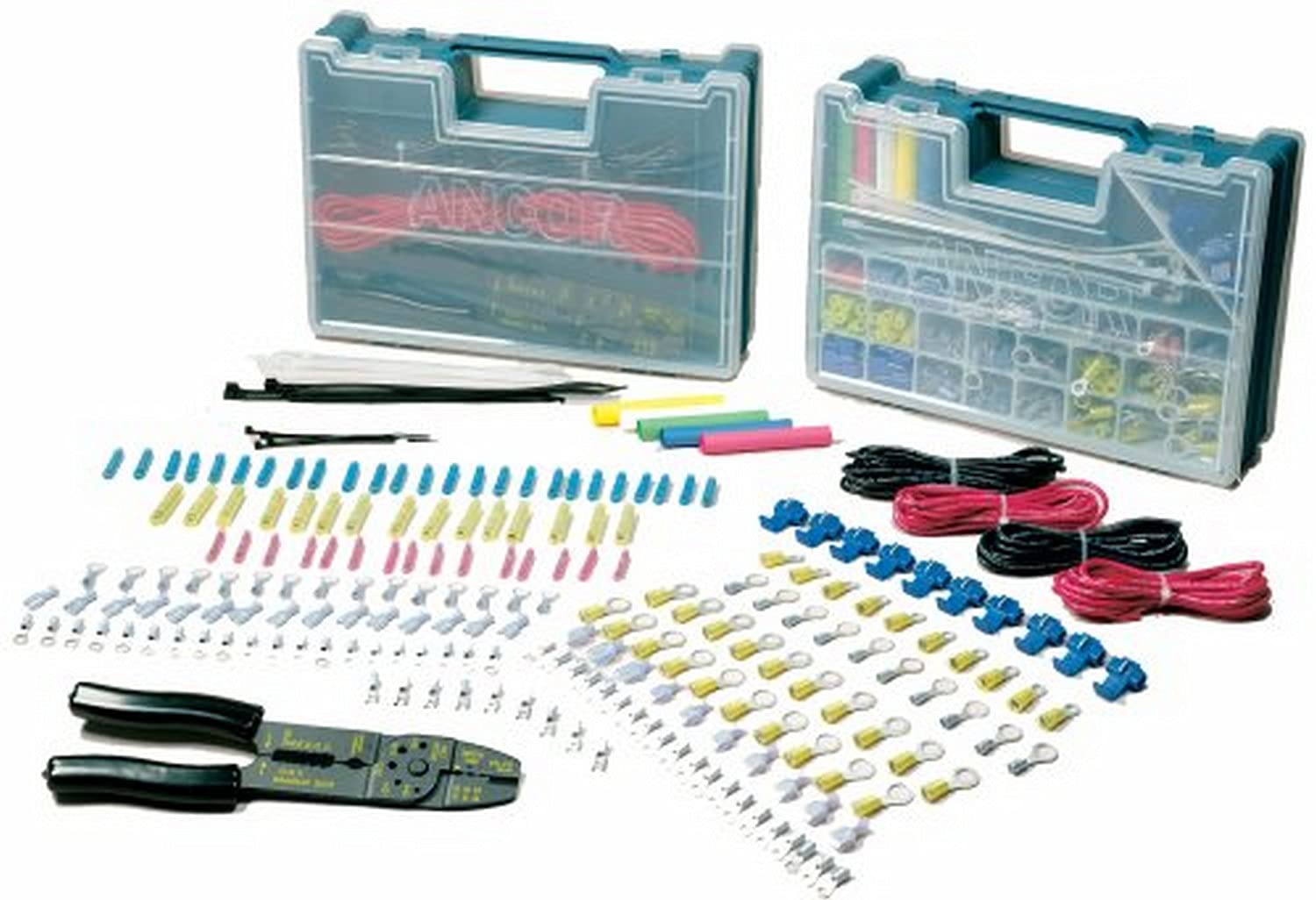
Electrical gremlins kill more trips than anything else. Corroded terminals, blown fuses, and failed connections are constant problems on boats.
Your electrical kit needs:
- Multimeter to check voltage and continuity
- Wire strippers and crimpers
- Marine-grade wire in 14, 16, and 18 gauge
- Heat-shrink tubing and silicone tape (not standard electrical tape – it doesn't seal)
- Assorted fuses: 5A, 10A, 15A, and 20A – check your fuse panel and carry spares for every slot
- Ring terminals and butt connectors, marine-grade tinned copper
One tip: in marine 12V DC systems, follow ABYC color codes. Yellow is often DC negative, red is positive, and green/green-yellow is ground. Don't cross them.
Corrosion happens fast in saltwater. Spray terminals with corrosion inhibitor and check connections monthly. A loose ground can mimic a dozen other problems.
Spare Parts That Actually Matter
Carrying every part for every failure isn't realistic, but there are high-failure items you can swap yourself in 20 minutes.
Water pump impeller: Rubber impellers crack, especially if the engine runs dry even briefly. Symptoms: weak pee stream at idle but improves with throttle, or engine overheats after 10 minutes. Carry a spare impeller kit, gasket, and the right screwdriver or Allen keys to pull the lower unit cover. We stock impeller kits for most Yamaha, Suzuki, Honda, and Mercury outboards – the factory-spec quality without dealership markup.
Fuel pump diaphragm and rebuild kit: If the engine cranks but won't fire, or dies under load and wonts restart, suspect fuel delivery. A cracked diaphragm is common on older engines. Carry a rebuild kit and a small flat-blade screwdriver. Browse our reliable fuel pump kits collection to find the right parts that keep you running.
Spark plugs: Fouled plugs cause misfires and rough running. NGK or equivalent, gapped to spec. Carry one spare per cylinder – for a 4-cylinder, that's four plugs.
Fuses and relays: Pack spares for your ignition, fuel pump, and trim/tilt circuits.
Propeller hardware: Spare prop nut, cotter pin, and shear pins. Shear pins are designed to break before the prop shaft does when you hit a rock. Replacing a shear pin takes five minutes; replacing a bent shaft takes a haul-out.
Hose clamps, wire, and duct tape: Temporary fixes for leaking hoses or cracked fittings. Stainless clamps in assorted sizes.
Wooden plugs: Tapered softwood plugs fit into a through-hull if a fitting cracks. Hammer it in, stop the leak, then head for shore.
I had a customer in Australia whose 150hp Yamaha dual-console died 20 miles out. Fog rolling in, no VHF response. He had a spare impeller and fuel pump rebuild kit from us in his toolkit. Swapped the impeller, engine fired, and he made it back just as visibility dropped to nothing. That $40 impeller saved him from spending the night adrift or worse.
Anchor, Rode, and Drift Prevention
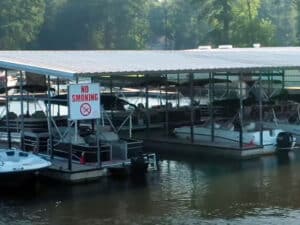
If your engine quits and you can't fix it, an anchor stops you from drifting into shipping lanes or onto rocks. Carry an anchor sized for your boat – typically 1 lb per foot of boat length for a Danforth-style, more for a plow or mushroom in strong current.
Rode (line or chain) needs to be 7:1 scope minimum – if you're anchoring in 10 feet of water, pay out 70 feet of rode. All-chain rode holds better but weighs more. Nylon line with 6-10 feet of chain leader is a good compromise for smaller boats.
Secure the anchor with a proper cleat hitch or shackle, not a half-ass loop. An anchor dragging free does nothing.
Bilge Pump and Manual Backup

Electric bilge pumps fail. Carry a manual pump or at least a sturdy bucket. If you're taking water faster than the automatic pump can handle, you need to be able to bail by hand.
Check your bilge pump float switch monthly – they corrode and stick. Pour a gallon of water in the bilge and make sure the pump kicks on. If it doesn't, pull the switch and clean the contacts.
Tow Lines and Bridle Setup for Safe Towing

A tow line isn't just any rope. You need low-stretch line – nylon has too much stretch and can snap back if it breaks. Double-braid polyester or a dedicated tow rope rated for your boat's displacement.
For safe towing, use a bridle setup: run the tow line to both bow cleats, not just one. This spreads the load and keeps the boat tracking straight. A single-point tow can rip a cleat out of the deck or pull the bow sideways in a swell.
Carry at least 50 feet of line for smaller boats, 100+ for bigger hulls. Stow it in a mesh bag so it doesn't tangle.
VHF Radio and Communication Backup
A fixed-mount VHF is your primary distress communication tool in coastal waters. Channel 16 is the international distress frequency. A handheld VHF is your backup if the boat's electrical system dies or you abandon ship.
When you call mayday, give your position (GPS coordinates or a landmark bearing), number of people on board, vessel description, and nature of the emergency. The Coast Guard's search and rescue coordination uses drift models and your last known position to calculate search areas – the more detail you provide, the faster they find you.
Carry spare AA or rechargeable batteries for the handheld unit. Test it monthly.
First Aid and Medical Supplies
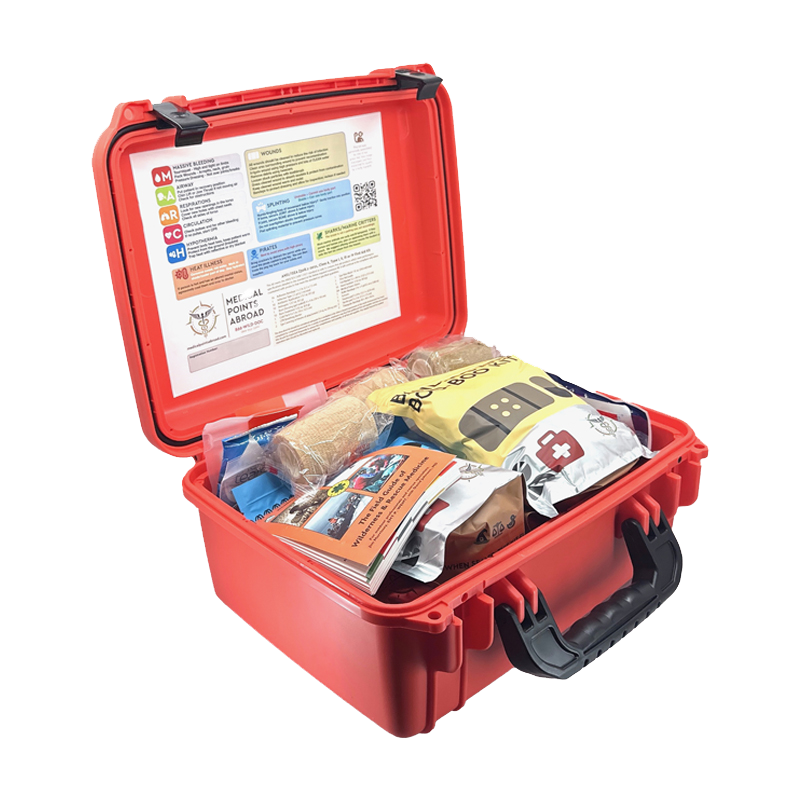
A marine first aid kit needs more than Band-Aids. Pack:
- Pressure bandages for severe bleeding
- Antiseptic wipes and antibiotic ointment
- Burn gel
- Seasickness meds (meclizine or dimenhydrinate)
- Pain relievers (ibuprofen, acetaminophen)
- Tweezers and scissors
- Triangle bandages for sprains or slings
- CPR face shield
- Emergency blanket
Hypothermia is a real risk if someone goes overboard. An emergency blanket and dry clothes can prevent shock.
Battery Management and Power Backup
Modern boats run electronics constantly – GPS, fishfinder, VHF, bilge pumps. A dead battery leaves you stranded even if the engine is fine.
Carry jumper cables or a portable lithium jump starter. Make sure it's charged – check it every month. For boats with dual batteries, wire them with an isolator switch so you can reserve one battery for starting.
Spare batteries for your PLB, VHF, flashlight, and any other electronics. Lithium AA batteries last longer in storage than alkaline.
If your boat has a house battery (deep-cycle) separate from the starting battery, know which one powers what. Jumping a deep-cycle battery with a standard jumper setup can damage it – use a proper charger or jump pack designed for deep-cycle cells.
Storage and Organization: Keep It Accessible

Tools and spares are useless if you can't find them in rough water. Use waterproof tackle boxes, dry bags, or dedicated toolkits. Label everything.
Store heavy items low and centered to avoid affecting stability. Mount fire extinguishers and flares in brackets near the helm, not loose in a locker.
For vertical storage in small boats, use bungee nets or rail-mounted bags. Keep the ditch bag, PLB, and VHF in the same spot every trip so you can grab them on autopilot.
Pre-Launch Checklist: Make It a Habit
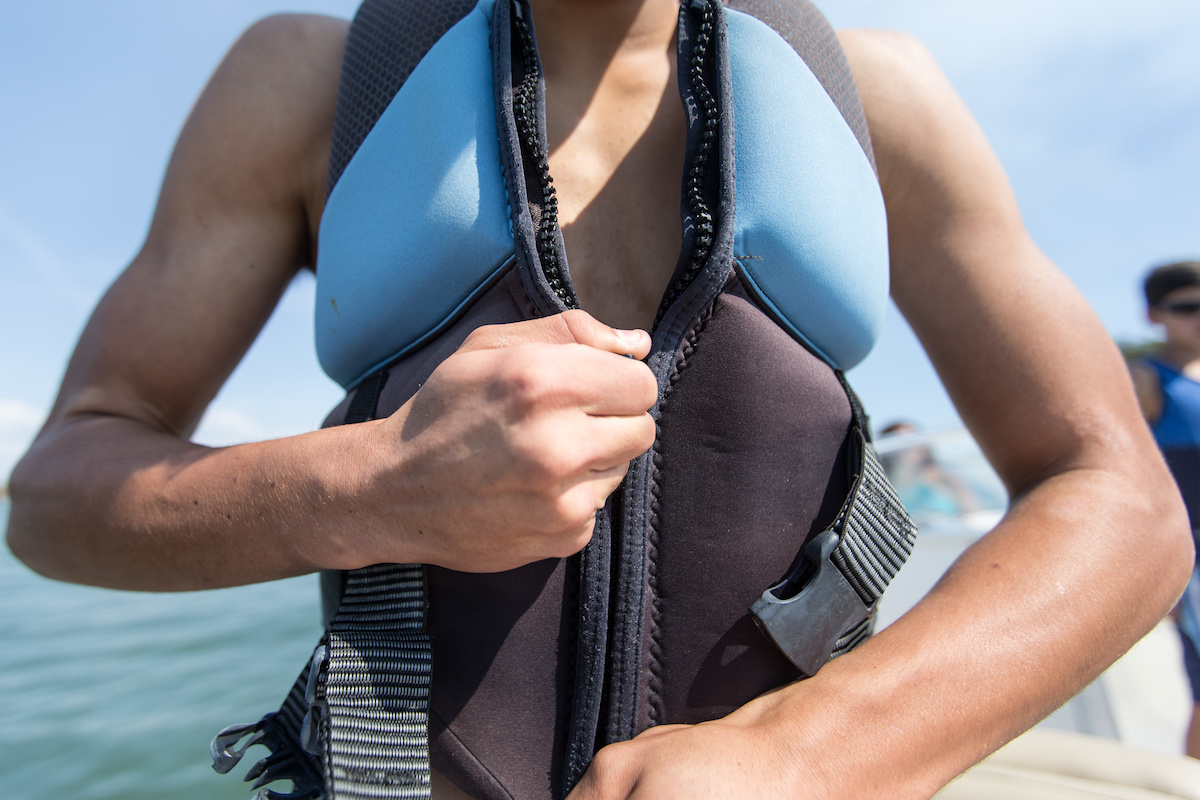
Before you turn the key:
- Check PFDs for rips, buckles, and inflation cartridge dates
- Confirm fire extinguisher pressure gauge is in the green
- Test bilge pump by pouring water in the bilge
- Turn on VHF and confirm Channel 16 reception
- Verify PLB/EPIRB test light (lift the latch and press the test button for one second – should flash green or display OK)
- Visual check of fuel lines, hose clamps, and battery terminals for corrosion
- Confirm you have your toolkit, spares, and ditch bag aboard
Set a phone reminder for the first of every month to check battery levels on your PLB and handheld VHF.
When to Upgrade Beyond Basics

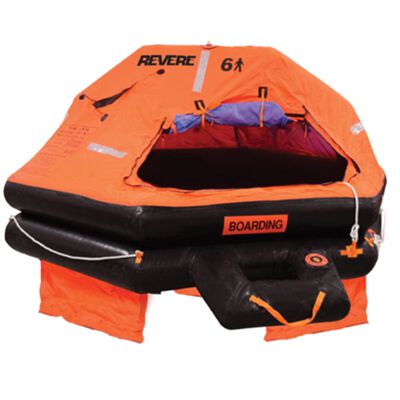
If you run offshore, at night, or in areas with limited VHF coverage, step up your gear:
- EPIRB instead of just a PLB
- Infrared strobe light for night vision compatibility during helicopter rescues
- AIS-integrated PLB like the ACR ResQLink AIS, which broadcasts your position to nearby AIS-equipped vessels
- Life raft for extended offshore trips
- Satellite communicator (Garmin inReach, etc.) for two-way messaging beyond VHF range
These aren't cheap, but neither is a Coast Guard rescue bill or, worse, not making it home.
OEM vs. Aftermarket Spares: What Actually Works
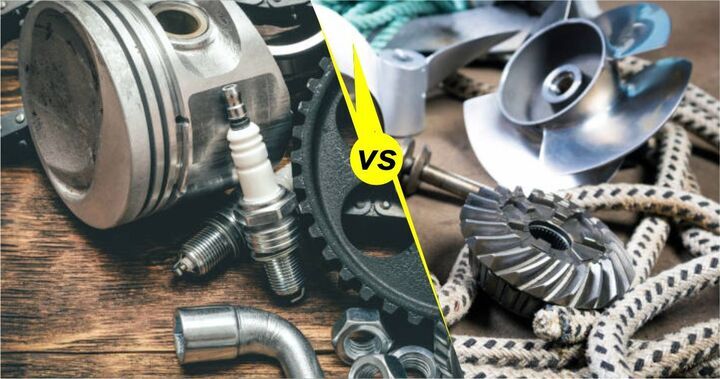

OEM parts are good quality, sure, but you're paying a premium for the sticker. A Yamaha-branded impeller might run $60 when an aftermarket equivalent is $25.
Cheap aftermarket is a different story. Don't buy a $10 fuel pump kit from a random seller with no reviews. The rubber is too hard, the gaskets don't seal, and you'll be tearing the engine apart again in a month.
The sweet spot is reputable aftermarket from manufacturers who supply OEM brands during excess production capacity. JLM Marine kits are factory-spec quality without dealership markup, they fit right, they last, and you're not burning cash unnecessarily. We ship directly from the factory to docks in over 100 countries, so we've seen what works and what doesn't.
For critical safety gear – fire extinguishers, PLBs, life jackets – stick with Coast Guard-approved brands. That's not the place to gamble.
Building Confidence Through Preparation


Carrying the right tools and spares isn't paranoia, it's seamanship. The water doesn't care if you're experienced or not – a fuel pump can fail on your first trip or your thousandth.
When you've got a spare impeller, a working PLB, and a toolkit that fits your engine, you stop worrying about "what if" and focus on the trip. That's not just peace of mind, it's the difference between self-rescue and waiting hours for a tow.
File a float plan with someone on shore – your departure time, route, destination, and expected return. The Coast Guard uses float plans and drift models to calculate search areas if you don't check in. It's a two-minute task that can cut rescue time in half.
Check your engine's lower unit gear oil every 50 hours – milky oil means water intrusion through a bad seal, and catching it early prevents a seized gearcase.
Sources:
- https://uscgboating.org/assets/1/AssetManager/Boaters-Guide-to-Federal-Requirements-for-Receational-Boats-20231108.pdf
- https://www.news.uscg.mil/Press-Releases/Article/4231745/coast-guard-reports-fewest-boating-fatalities-in-more-than-50-years/
- https://uscgboating.org/statistics/accident_statistics.php
- https://boatingmag.com/story/how-to/how-to-survive-a-boating-emergency/
- https://www.acrartex.com/products/resqme-emergency-beacon/rapidditch-bag
- https://www.westmarine.com/west-advisor/DIY-Safety-Equipment.html
- https://mauiboating.com/safety-think-boating-safety/
- https://www.discoverboating.com/ownership/boat-tool-kits
- https://www.acrartex.com/survivor-stories/epirb-saves-boaters-in-emergency-situation-quick-respon/
- https://jlmmarine.com/
Hi—I’m Jim Walker
I grew up in a Florida boatyard, earning pocket money (and a few scars) by rebuilding outboard carbs before I could drive. That hands-on habit carried me through a Ph.D. in mechanical engineering, where I studied how salt water quietly murders metal.
I spent ten years designing cooling systems for high-horsepower outboards, then joined JLM Marine as CTO. We bench-test every new part in the lab, but I still bolt early prototypes onto my own 23-foot skiff for a weekend shake-down— nothing beats real wake and spray for finding weak spots.
Here on the blog I share the fixes and shortcuts I’ve learned so your engine—and your day on the water—run smooth.

Para propietarios de embarcaciones:
Para ayudarlo a mantener y reparar sus motores marinos, esperamos que los siguientes recursos puedan serle de utilidad:
- Guía de números de serie de Mercury
- Manuales del propietario de Mercury
- Guía de referencia oficial de números de modelo en formato PDF de BRP
- Guía de números de serie de Johnson
-
Accesorios para barcos de JLM Marine
Acerca de JLM Marine
Fundada en 2002, JLM Marine se ha consolidado como un fabricante dedicado de piezas marinas de alta calidad, con sede en China. Nuestro compromiso con la excelencia en la fabricación nos ha ganado la confianza de las principales marcas marinas a nivel mundial.
Como proveedor directo, evitamos intermediarios, lo que nos permite ofrecer precios competitivos sin comprometer la calidad. Este enfoque no solo promueve la rentabilidad, sino que también garantiza que nuestros clientes reciban el mejor valor directamente del proveedor.
Estamos entusiasmados de ampliar nuestro alcance a través de canales minoristas, llevando nuestra experiencia y compromiso con la calidad directamente a los propietarios de embarcaciones y entusiastas de todo el mundo.
Accesorios para barcos en oferta
- $37.99
$45.99- $37.99
- Unit price
- per
- $34.99
- $34.99
- Unit price
- per
- $128.99
- $128.99
- Unit price
- per

- $25.30
$30.00- $25.30
- Unit price
- per


- $34.99
$41.99- $34.99
- Unit price
- per

- $32.50
$31.00- $32.50
- Unit price
- per

- $139.99
- $139.99
- Unit price
- per


- $45.00
- $45.00
- Unit price
- per
-
Rojo
-
Azul

- $28.50
$29.00- $28.50
- Unit price
- per

- $159.99
- $159.99
- Unit price
- per


- $105.00
- $105.00
- Unit price
- per


- $34.99
$41.99- $34.99
- Unit price
- per


- From $68.00
- From $68.00
- Unit price
- per
-
Plata
-
Azul
-
Rojo


- $34.99
$41.99- $34.99
- Unit price
- per

- $59.95
$71.00- $59.95
- Unit price
- per

- $59.99
$71.00- $59.99
- Unit price
- per


- $34.99
$41.99- $34.99
- Unit price
- per

- $65.50
$78.00- $65.50
- Unit price
- per

- $67.00
$65.00- $67.00
- Unit price
- per

- $19.99
- $19.99
- Unit price
- per