


Top 5 Outboards of 2025: Comparative Review
- Mercury Outboards: Raw Power and Market Dominance
- Yamaha Outboards: The Reliability Benchmark
- Suzuki Outboards: Fuel Misers with Saltwater Grit
- Honda Outboards: Smooth, Quiet, Built Like a Car Engine
- Tohatsu: The Value Play That Actually Works
- Choosing the Right Shaft Length and Propeller
- NMEA Connectivity and Modern Electronics
- Warranty and Parts Availability
- Fuel System Maintenance
- Flushing and Corrosion Control
- Oil and Filter Changes
- Lower Unit Gear Oil Service
- Spark Plug Inspection and Replacement

After two decades wrenching on outboards, I've pulled apart enough powerheads to know what separates a solid motor from a floating headache. Mercury, Yamaha, Suzuki, Honda, and Tohatsu dominate the US market for 2025, but not all of them suit every hull or use case. Here's what actually matters when you're comparing these engines.
Mercury Outboards: Raw Power and Market Dominance

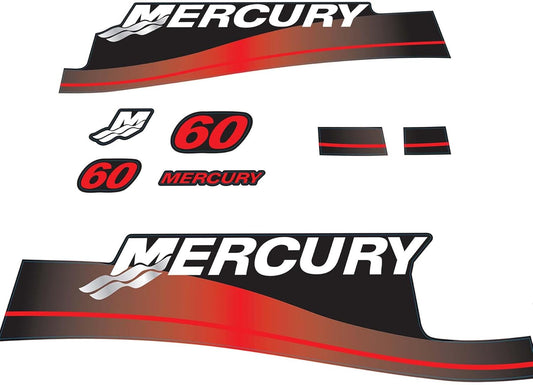
Mercury commands nearly 50% of the US outboard market, and that's no accident. Their four-stroke lineup runs from the 15HP Pro Kicker—purpose-built for trolling on walleye rigs—up to the screaming 450HP Verado V8s. The Racing series pushes even harder; the 200R V6 will spin a bass boat to 85+ mph if you prop it right and know how to trim.
What sets Mercury apart is the engineering focus on hole shot. The 2.08:1 gear ratio on the Pro XS models delivers that initial punch you feel in your chest when you hammer the throttle. We've mounted dozens of these on performance hulls, and the feedback is consistent: they plane fast and hold speed efficiently once you're up. The downside? They're not the quietest motors at idle, and if you're running one hard in saltwater, stay on top of your anode inspections—corrosion sneaks up fast on neglected units. For detailed help with this, see our How to Replace a Mercury Outboard Water Pump Impeller: A Step-by-Step Guide to keep your cooling system in top shape.
For 2025, Mercury rolled out refined electronics across the Verado line, including improved SmartCraft integration that plays nice with most modern fish finders and GPS chartplotters. The V10 Verado 400 twins pushed an Axopar 37 to 62.7 mph at 6,800 RPM during Lake X testing, burning 76 gph wide open but settling to a reasonable 21.3 gph at a 34 mph cruise. That kind of data matters when you're planning a run 40 miles offshore.
Yamaha Outboards: The Reliability Benchmark

Yamaha earned its reputation the hard way—by not breaking. Walk any commercial dock in the Gulf, and you'll see F200s and F250s with 3,000+ hours still running clean. The F115 is the sweet spot for recreational boaters who want a motor that starts cold, runs smooth, and doesn't guzzle fuel. At 377 lbs, it's one of the lighter 115HP four-strokes, and that power-to-weight advantage shows up in real-world acceleration.
The F115's fuel injection system adjusts precisely across the RPM band, so you get smooth power whether you're idling through a no-wake zone or running wide open across a lake. We've logged customer feedback showing this motor consistently delivers 45-50 mph on compatible aluminum hulls without excessive vibration or noise. The alternator output (35 amps) is adequate for basic electronics but can struggle if you're running a full livewell system, multiple graph screens, and LED lighting—plan your electrical load accordingly.
For offshore work, the Yamaha F350 V6 stepped up in 2025 with a 4.3L displacement. Sea trials on a SeaPro 322 Offshore with twins showed high-50s mph top speeds and fuel economy hitting 1.4-1.7 mpg at cruise (3,000-4,500 RPM). That's legitimately good for a 350HP motor pushing a loaded center console. The larger intake valves and Variable Cam Timing (VCT) give it more low-end grunt than the older F300, so you're not dropping a gear ratio to get the boat up.
One quirk: Yamaha's proprietary control systems don't always integrate seamlessly with third-party digital throttle setups. Stick with Yamaha 6Y8 controls or verify compatibility before you buy. If troubleshooting is needed, our Yamaha Outboard Carburetor Rebuild Tutorial offers expert guidance on keeping your engine running smoothly.
Suzuki Outboards: Fuel Misers with Saltwater Grit
Suzuki doesn't get enough credit for what they've done with fuel efficiency. The DF150SS runs a Lean Burn Control System that monitors load and adjusts the air-fuel mixture on the fly, cutting consumption by a measurable margin compared to most competitors. In our shop, we've had commercial operators switch to Suzuki specifically for the fuel savings—over a season of heavy use, it adds up to real money.
At 511 lbs, the DF150SS is the heaviest 150HP motor on this list, but that weight comes from a robust 2.8L DOHC block built to resist saltwater corrosion. The gear case and lower unit use upgraded alloys and protective coatings that hold up better in brine than cheaper alternatives. If you're running in the coastal Southeast or spend time in brackish estuaries, this motor will outlast a comparable Honda or Tohatsu by years if maintained correctly.
The DF200A and DF350A models also feature Suzuki Precision Control (digital shift and throttle) and integrated rigging that simplifies multi-engine installations. The DF150SS will top out around 55 mph on a properly matched hull and consistently deliver quick hole shots thanks to strong mid-range torque.
One maintenance note: the Lean Burn system relies on clean fuel. Run a quality 10-micron fuel/water separator and replace the element every 100 hours. We've seen clogged injectors on units that skipped this step, and cleaning them is a pain. For fuel filtration options, check out our Fuel Filter collection at JLM Marine for OEM-quality parts.
Honda Outboards: Smooth, Quiet, Built Like a Car Engine
Honda brings automotive-grade engineering to marine applications, and it shows. The BF150 operates at roughly 90dB at cruise—quiet enough that you can hold a normal conversation at the helm without shouting. The VTEC system (yes, the same tech from Honda cars) optimizes valve timing across the RPM range, delivering smooth power delivery and low vibrations.
The BF350 V8 is Honda's answer to the big-displacement offshore market. It's a 5.0L V8 that runs on regular 86-octane fuel—a real cost saver if you're burning 50+ gallons per trip. The BLAST (Boosted Low Speed Torque) system gives it strong hole shot performance on heavy boats without needing to spin to 6,000 RPM. We rigged a pair on a 28-foot Parker and got reliable planing with a full load, even in a 2-foot chop.
Honda's 5-year warranty is one of the best in the industry, and their dealer network is solid for parts availability. The downside? Honda controls are expensive, and aftermarket support is limited compared to Mercury or Yamaha. If a throttle body fails out of warranty, you're buying OEM—no quality aftermarket alternatives exist yet. For replacement parts, browse our extensive Honda Outboard Motor Parts collection.
At 478 lbs, the BF150 is mid-pack for weight. The dry sump oiling system is more complex than a traditional wet sump, so oil changes require a bit more attention to procedure. Don't skip the filter, and use genuine Honda 10W-30 or a marine-grade synthetic that meets their spec.
Tohatsu: The Value Play That Actually Works
Tohatsu motors are the choice when budget matters but you still need reliability. They share some DNA with Mercury—Mercury actually rebadges certain Tohatsu models—but Tohatsu's own lineup offers solid performance at a lower price point. The MFS20 EFI is the best portable 20HP on the market. At just 95 lbs, you can lift it solo onto a transom bracket without throwing out your back.
The EFI system means it starts on the first pull in cold weather, and it'll push a 14-foot aluminum skiff to 22-25 mph with reasonable fuel burn. We've rigged these on jon boats, inflatable tenders, and small sailboats as auxiliary power—they're versatile and dead simple to maintain. The entire fuel system is accessible without pulling the powerhead, so a carburetor cleaning (if you get a non-EFI model) takes 30 minutes, not half a day.
For larger applications, the BFT 150D offers up to 30% better fuel economy than some competitors, depending on the comparison baseline. The Tohatsu four-stroke range uses conventional technology—no fancy variable valve timing or electronic throttle-by-wire—which keeps repair costs down. Parts are affordable, and most shade-tree mechanics can handle routine service without special tools. Find Tohatsu spares in our Tohatsu Outboard Motor Parts collection.
The trade-off is refinement. Tohatsu motors are noisier than Honda and don't have the silky throttle response of a Yamaha F115. But if you're running a commercial oyster boat or need a no-nonsense kicker for your offshore rig, Tohatsu delivers function over flash.
Choosing the Right Shaft Length and Propeller

Shaft length is critical and often overlooked. Outboards come in short (15"), long (20"), and extra-long (25") shafts, sized to match your boat's transom height. Too short, and the prop will ventilate (suck air), killing thrust and potentially damaging the gearcase. Too long, and you'll drag the lower unit through the water, increasing resistance and reducing top speed.
Measure from the top of the transom to the bottom of the hull while the boat is level. Add the depth of the hull bottom (usually 1-2 inches) to get your total required submersion. Match that to the manufacturer's spec chart—don't guess.
Propeller selection is equally important. Pitch determines RPM and speed: lower pitch (e.g., 17") spins faster, delivering better hole shot but lower top speed. Higher pitch (e.g., 21") reduces RPM, improving top-end speed but slowing acceleration. The goal is to hit the manufacturer's recommended wide-open-throttle (WOT) RPM range, usually printed in the owner's manual.
For the Mercury 150 Pro XS, WOT is typically 5,800-6,400 RPM. If you're only hitting 5,400 RPM with a 21-pitch prop, drop to a 19-pitch. If you're over-revving at 6,600 RPM with a 19-pitch, step up to a 21-pitch. Running outside the WOT range either lugs the engine (under-revving) or over-revs it, both of which cause premature wear.
Stainless steel props are more expensive than aluminum but hold their shape better and deliver crisper performance. Aluminum props are cheaper and easier to repair if you hit a rock, so they're a smart choice for shallow-water use.
NMEA Connectivity and Modern Electronics
For 2025, digital integration is a bigger deal than most boaters realize. The Suzuki DF150SS, Mercury Pro XS, and Yamaha F115 all support NMEA 2000 connectivity, allowing the engine to communicate with your chartplotter, fish finder, and multifunction display. You get real-time data on fuel flow, trim position, engine temp, and RPM—all displayed on a single screen.
The Honda BF150 uses a proprietary system that works with Honda's own gauges but doesn't always play nice with third-party displays. If you're running a Garmin or Simrad setup, verify compatibility before committing to Honda.
Tohatsu's smaller motors, like the MFS20 EFI, don't have digital integration—they're analog, which keeps them simple and affordable. For a portable kicker, you don't need digital data; a basic tach is enough.
Warranty and Parts Availability
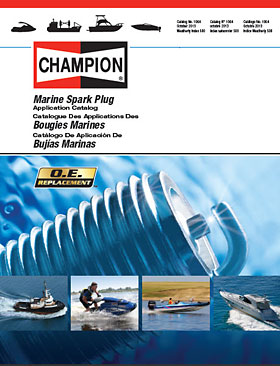
Warranty length varies: Suzuki, Honda, and Tohatsu offer 5-year coverage on most models. Mercury and Yamaha stick with 3-year warranties, but their dealer networks are larger, which can offset the shorter coverage period.
Parts availability matters when something breaks. Mercury and Yamaha have the widest dealer networks in the US, so you can usually get critical parts within 24-48 hours. Honda and Suzuki are solid but have fewer service centers in rural areas. Tohatsu parts are affordable, but some specialty items may require ordering from a regional distributor.
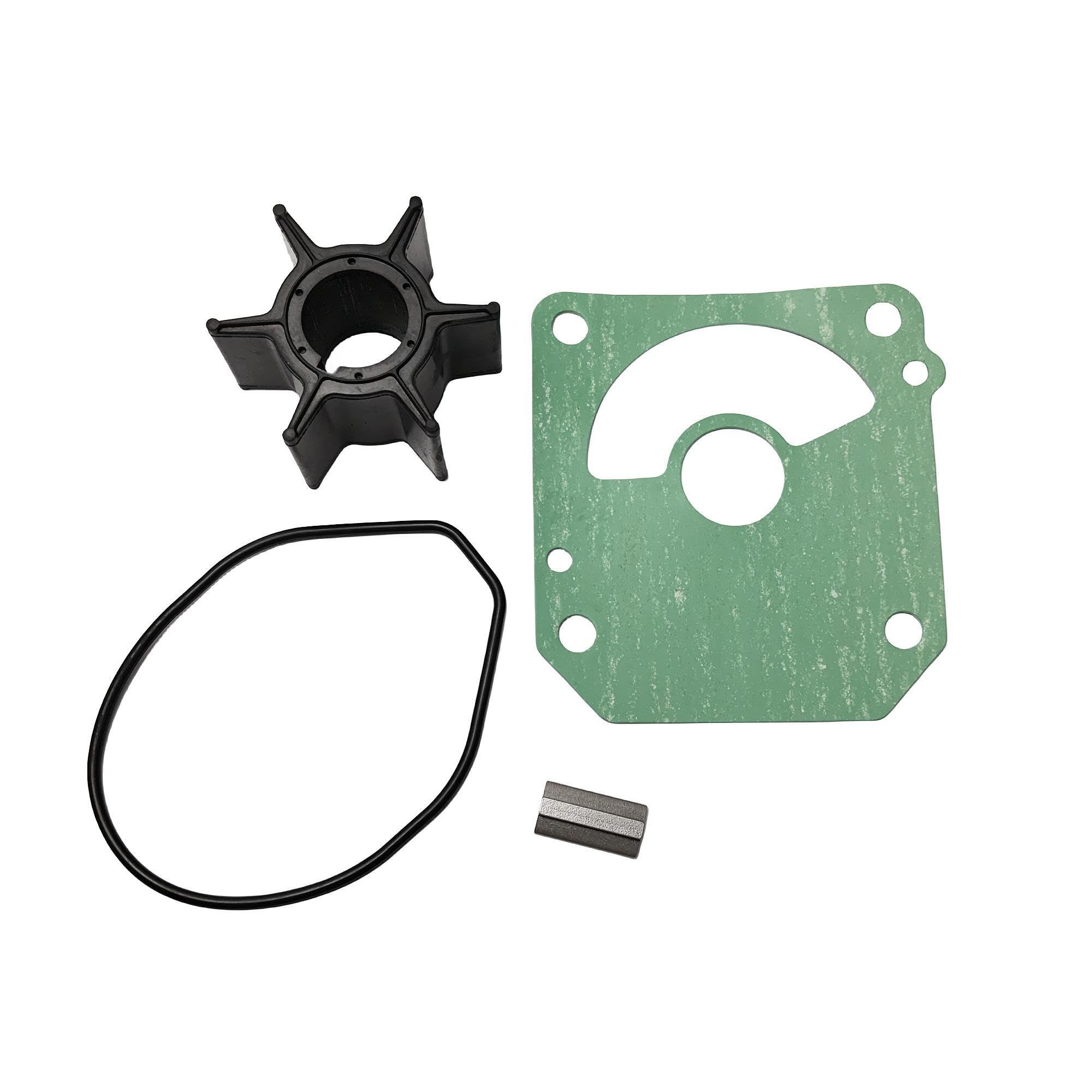
For routine service parts—oil filters, fuel filters, spark plugs, lower unit seals—aftermarket options from reputable suppliers can save you money without sacrificing quality. At JLM Marine, we source impellers, gasket kits, and anodes directly from factories that also supply OEM manufacturers. You get OEM-spec quality without the dealership markup. A $60 OEM impeller kit becomes a quality aftermarket kit that fits perfectly and lasts just as long.
Avoid the bottom-tier no-name kits on auction sites. The rubber compounds are often too hard, gaskets don't seal properly, and you'll end up doing the job twice. Stick with known suppliers who provide dimension specs and material certifications.
Learn more about our full range of OEM and upgraded marine parts on the JLM Marine homepage.
Fuel System Maintenance
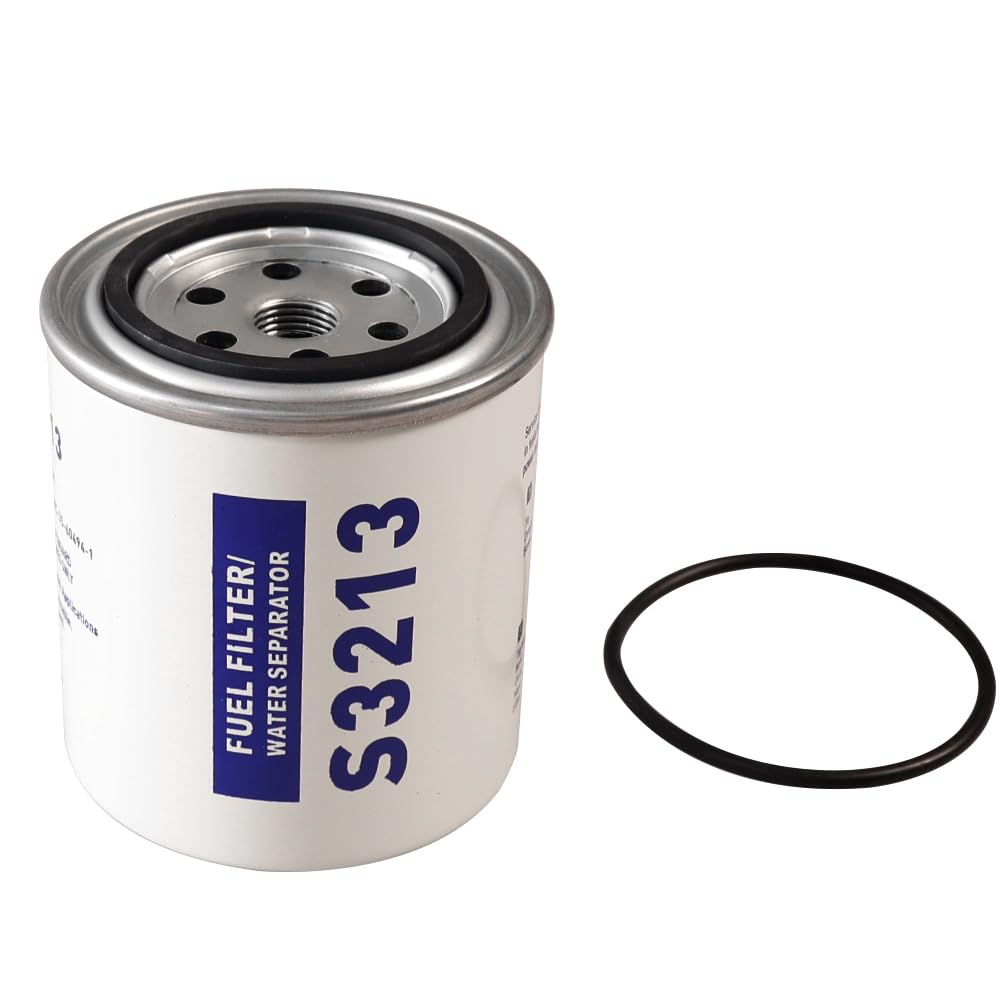
Ethanol-blended fuel (E10) is the standard across most of the US, and it's hard on fuel systems. Ethanol absorbs water, which leads to phase separation—water settles to the bottom of the tank, and you end up pumping water-laced fuel into your engine. This corrodes fuel lines, clogs filters, and fouls injectors.
Run a quality fuel stabilizer year-round, not just during storage. Add it every time you fill the tank. For storage periods longer than 30 days, fill the tank completely (reduces condensation), add stabilizer, and run the engine for 10 minutes to circulate treated fuel through the system.
Replace your fuel/water separator filter at least once per season, more often if you boat frequently. A clogged filter starves the engine and can cause lean running, which damages pistons and valves. The filter element costs $15-30; a new powerhead costs thousands. Easy math.
If you're in saltwater, inspect fuel line connections for corrosion every 100 hours. Salt accelerates the breakdown of rubber hoses and metal clamps. Replace any line that shows cracking, swelling, or stiffness.
For genuine fuel filters and pumps, browse the Fuel Filter and Fuel Pump collections for OEM and compatible aftermarket parts.
Flushing and Corrosion Control
After every saltwater outing, flush your outboard with fresh water. Most motors have a flush port where you attach a garden hose. Run the engine at idle for 5-10 minutes to clear salt from the cooling passages. Don't skip this—salt crystals build up inside the block and restrict water flow, leading to overheating.
If your motor doesn't have a flush port, use flush muffs (earmuffs) that clamp over the lower unit water intakes. Make sure the water supply is strong enough to activate the impeller; a weak garden hose won't cut it.
Check your sacrificial anodes (zincs) every 50 hours in saltwater. These soft metal pieces corrode instead of your engine's aluminum and steel components. If an anode is more than 50% eroded, replace it. If it's completely gone, your gearcase, trim ram, and powerhead are corroding instead. Anodes are cheap; new gearcases are not.
For the Suzuki DF150SS and other motors marketed for saltwater use, inspect the paint and coating on the lower unit regularly. Touch up any chips or scrapes with marine-grade paint to prevent corrosion from starting.
If you need replacement wear items, our collections include Water Pump Impellers and Impeller Kits.
Oil and Filter Changes
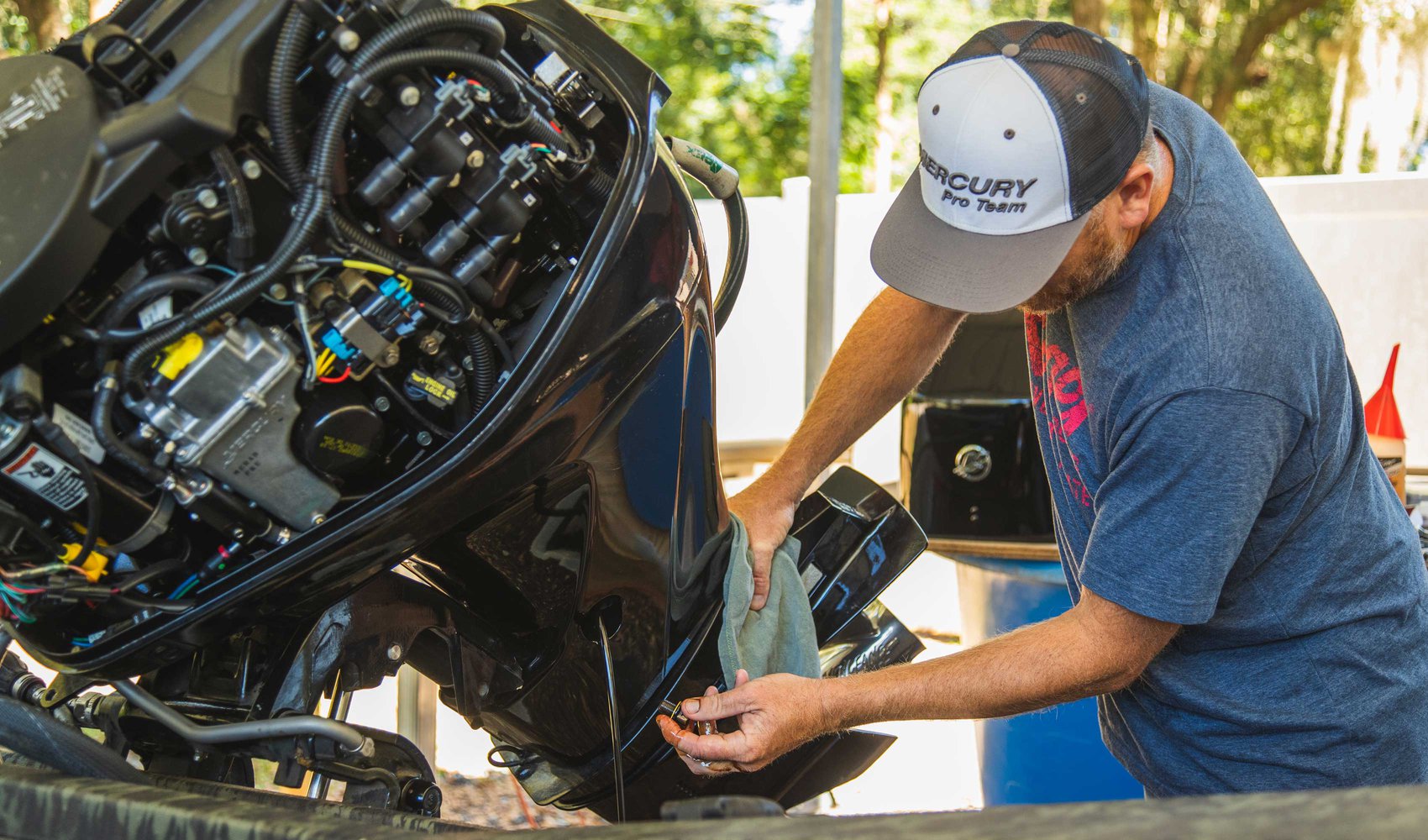
Four-stroke outboards use engine oil just like a car, but the operating environment is harsher—constant vibration, high RPM, and exposure to moisture. Change your oil every 100 hours or annually, whichever comes first. Use the manufacturer's specified oil grade (usually 10W-30 or 10W-40 for marine applications) or a quality synthetic that meets the spec.
Don't use automotive oil—marine oil includes additives for corrosion resistance and water contamination. The cost difference is minimal, and it's cheap insurance against premature wear.
When you drain the oil, inspect it. If it's milky or has foam, you've got water intrusion—likely a bad head gasket or a cracked block. Address it immediately before the engine seizes.
Replace the oil filter every oil change. Cut open the old filter and inspect the pleats for metal shavings. A few fine particles are normal; chunks or excessive glitter indicate serious internal wear. If you see that, pull the lower unit and inspect the gears, or have a shop do a compression test on the cylinders.
For genuine marine oil filters and parts, see our wide selection in the Inboard & Outboard Motor Parts collection.
Lower Unit Gear Oil Service
The lower unit (gearcase) operates in water, and the seals eventually allow water to seep in. Change the gear oil every 100 hours or annually. The process is simple: remove the drain screw at the bottom of the gearcase, let the old oil drain into a pan, then refill from the bottom vent hole using a gear oil pump.
Inspect the old oil as it drains. Clean, amber oil is good. Milky oil means water intrusion—replace the seals. If you see metal flakes or chunks, you've got gear damage; pull the unit apart and inspect the pinion and forward/reverse gears.
Use the manufacturer's specified gear oil (usually 80W-90 hypoid gear oil). Some brands (like Yamaha) sell proprietary formulations with additional friction modifiers; using the right oil ensures smooth shifting and long gear life.
After refilling, let the motor sit upright for 10 minutes to allow air bubbles to escape, then top off the oil level if needed. Reinstall the vent screw first, then the drain screw, to avoid airlocks.
Find compatible Water Pump impellers and repair kits in our collections to help prevent cooling failures that strain gears.
Spark Plug Inspection and Replacement
Spark plugs are cheap and easy to replace, and they tell you a lot about engine health. Pull the plugs every 100 hours and inspect them. The electrodes should be light tan or gray. Black, sooty deposits indicate rich running (too much fuel); white, chalky deposits indicate lean running (too little fuel). Adjust the carburetor or have the fuel injection system checked if you see either extreme.
Replace plugs every 300 hours or every 3 years. Use the manufacturer's specified plug type and gap; don't substitute a "close enough" plug from the auto parts store. Marine plugs are designed to resist corrosion and fouling in high-moisture environments.
When installing new plugs, hand-tighten them first, then snug with a torque wrench to the specified torque (usually 18-22 ft-lbs for most outboards). Over-tightening can strip the threads in the aluminum head; under-tightening can cause the plug to back out and damage the threads or allow compression loss.
Explore our Boat Accessories collection for marine tools and torque wrenches that make maintenance easier.
For comprehensive parts, maintenance supplies, and expert advice, visit JLM Marine, your trusted source for OEM marine components and genuine boat parts direct from the factory.
Hi—I’m Jim Walker
I grew up in a Florida boatyard, earning pocket money (and a few scars) by rebuilding outboard carbs before I could drive. That hands-on habit carried me through a Ph.D. in mechanical engineering, where I studied how salt water quietly murders metal.
I spent ten years designing cooling systems for high-horsepower outboards, then joined JLM Marine as CTO. We bench-test every new part in the lab, but I still bolt early prototypes onto my own 23-foot skiff for a weekend shake-down— nothing beats real wake and spray for finding weak spots.
Here on the blog I share the fixes and shortcuts I’ve learned so your engine—and your day on the water—run smooth.

Para propietarios de embarcaciones:
Para ayudarlo a mantener y reparar sus motores marinos, esperamos que los siguientes recursos puedan serle de utilidad:
- Guía de números de serie de Mercury
- Manuales del propietario de Mercury
- Guía de referencia oficial de números de modelo en formato PDF de BRP
- Guía de números de serie de Johnson
-
Accesorios para barcos de JLM Marine
Acerca de JLM Marine
Fundada en 2002, JLM Marine se ha consolidado como un fabricante dedicado de piezas marinas de alta calidad, con sede en China. Nuestro compromiso con la excelencia en la fabricación nos ha ganado la confianza de las principales marcas marinas a nivel mundial.
Como proveedor directo, evitamos intermediarios, lo que nos permite ofrecer precios competitivos sin comprometer la calidad. Este enfoque no solo promueve la rentabilidad, sino que también garantiza que nuestros clientes reciban el mejor valor directamente del proveedor.
Estamos entusiasmados de ampliar nuestro alcance a través de canales minoristas, llevando nuestra experiencia y compromiso con la calidad directamente a los propietarios de embarcaciones y entusiastas de todo el mundo.
Accesorios para barcos en oferta
- $54.00
- $54.00
- Unit price
- per
- $38.50
- $38.50
- Unit price
- per
- From $39.13
$45.50- From $39.13
- Unit price
- per
- $53.50
- $53.50
- Unit price
- per
- From $54.00
- From $54.00
- Unit price
- per
- $34.50
- $34.50
- Unit price
- per

- $34.50
- $34.50
- Unit price
- per


- $54.00
- $54.00
- Unit price
- per

- $54.00
- $54.00
- Unit price
- per
- $32.00
- $32.00
- Unit price
- per
- $23.50
- $23.50
- Unit price
- per
-
Red
-
Blue
- $45.00
- $45.00
- Unit price
- per
- $40.00
- $40.00
- Unit price
- per
- $22.80
- $22.80
- Unit price
- per
-
Red
-
Blue

- $31.50
- $31.50
- Unit price
- per
- $22.80
- $22.80
- Unit price
- per
-
Red
-
Blue


- $59.00
- $59.00
- Unit price
- per

- $54.00
- $54.00
- Unit price
- per

- $22.80
$27.00- $22.80
- Unit price
- per

- $32.00
- $32.00
- Unit price
- per