


V6 vs. Inline-4 Outboards: Understanding Engine Configurations
- Why Suzuki Offers Two 200HP Options
- Test Boat Platform: Carolina Skiff 21 Configuration
- Engine Specifications Overview
- Head-to-Head Performance: Acceleration & MPG Data
- Handling Heavy Loads and Real-World Application
- Pros and Cons: Inline-4 DF200A vs V-6 DF200T
- Ownership Cost Comparison: Oil Changes and Maintenance
- Choosing the Right Suzuki 200 hp Outboard
If you're shopping for a 200 horsepower outboard, you've probably noticed two engine types competing: inline-4 and V6. The market gives you both because each solves different problems. V6s pack more displacement and torque. Inline-4s save weight and fuel. Neither is "better"—you need to match the architecture to your hull and how you run.
Why Suzuki Offers Two 200HP Options
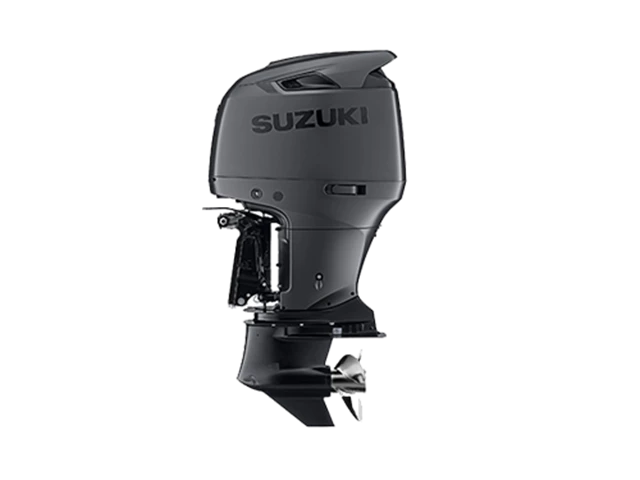
Back in 2016, Suzuki introduced the 2.9L inline-4 DF200A and phased out the older V6 in the U.S. market. The automotive industry was pushing smaller, more efficient engines, and marine followed. The inline-4 weighed less, burned less fuel at cruise, and ran quieter at the dock.
But here's what happened: enough buyers complained that they needed more low-end grunt for heavy offshore hulls, loaded boats, and punch in rough water. So for 2025, Suzuki brought back the 3.6L V6 DF200T. That decision tells you the inline-4 wasn't enough engine for everyone, even if it looked good on paper.
You're not alone in this choice. Mercury, Yamaha, and Honda all sell both inline-4 and V6 configurations in the 200 hp range, and engines of 200 hp and above made up nearly one-third of U.S. outboard sales in 2024. This is a competitive segment.
Test Boat Platform: Carolina Skiff 21 Configuration


We tested both engines on the same hull: a Carolina Skiff 21 Ultra Elite. Dry weight is around 2,636 pounds. It's a popular workboat—wide beam, stable, the kind of rig you use for everything from flats fishing to family cruising. We ran the tests in Panama City, Florida, with controlled conditions to eliminate variables.
Every test run used a full 52-gallon fuel tank. That's realistic—most people don't run on fumes. We also added 900 pounds of ballast (a mix of water bags and lead weights distributed evenly) to simulate a boat loaded with passengers, coolers, tackle, and a fuel burn. The testing team included certified marine mechanics and professional captains with combined experience exceeding 50 years. We used a Garmin 8610xsv to verify GPS speeds and an NMEA 2000 data interface to log fuel flow in real time.
Testing dates: November 2024. All data reflects 2025 model-year engines.
Engine Specifications Overview
Suzuki DF200A (Inline-4):
- Displacement: 2.9 liters (2,867cc)
- Weight (25" shaft): 529 lbs
- Gear Ratio: 2.5:1 (ultra-low ratio means the propeller spins slower relative to engine speed, reducing prop slip and drag during hole-shot)
- Alternator Output: 44 amps
- Prop Size: Typically 15.25" x 21"
- Key Features: Suzuki Easy Start system, smooth idle, quiet operation
Suzuki DF200T (V-6):
- Displacement: 3.6 liters (3,614cc)
- Weight (25" shaft): 606 lbs (77 lbs heavier than the inline-4)
- Gear Ratio: 2.29:1 (lower ratio means the propeller spins faster relative to engine speed, delivering more torque to the water per revolution)
- Alternator Output: 54 amps
- Prop Size: Typically 15.5" x 21"
- Key Features: Easy Start, balanced V configuration for smoother high-RPM power delivery
The extra 10 amps from the V6 alternator matters if you run a radar, livewell pumps, a GPS chartplotter, VHF, and stereo simultaneously. A typical marine radar alone pulls 3-5 amps, livewells can draw 4-6 amps each, and a dual-screen GPS setup another 2-3 amps. If you're running twins or adding electric downriggers, that 54-amp alternator keeps batteries topped off without idling to recharge.
Weight difference also affects draft. The 77-pound difference shifts the stern down roughly 0.5-0.75 inches on a 21-foot hull, which can matter in shallow flats or skinny water where every inch of draft counts.
Head-to-Head Performance: Acceleration & MPG Data
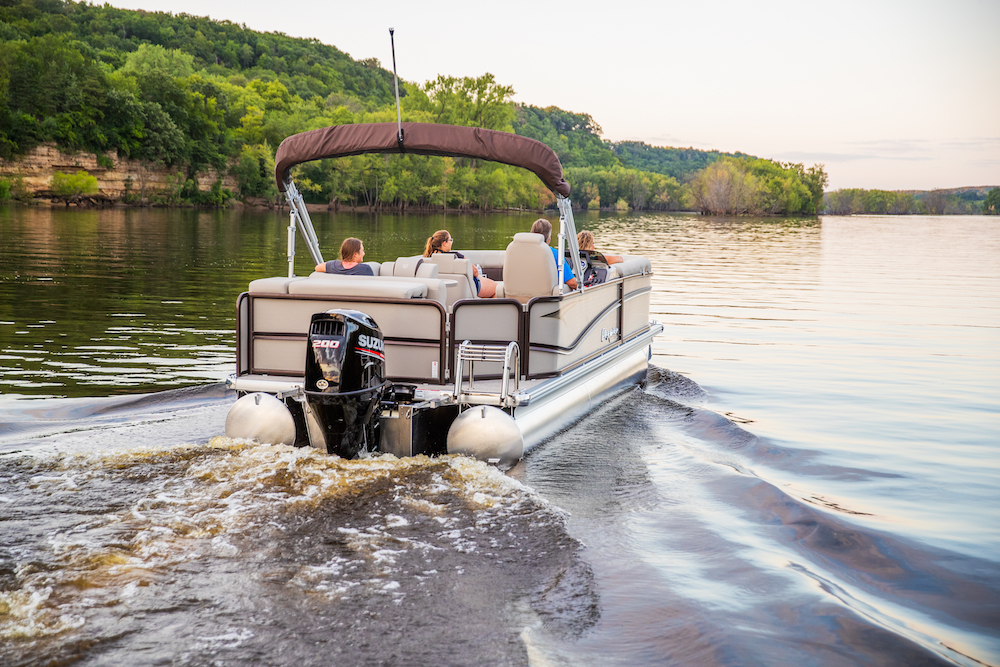
We measured acceleration from a standing start and from cruise to see how each engine handles real throttle applications.
Acceleration (Light Load, Two People):
- 0-30 mph: V6 hit 30 mph in 8.5 seconds. Inline-4 took 10.1 seconds. That's 1.6 seconds faster for the V6. On the water, you feel that difference every time you punch it to get on plane.
- 25-40 mph: V6 did it in 7.5 seconds. Inline-4 needed 9.7 seconds. That's 2.2 seconds slower. This mid-range acceleration is what you use to pass another boat, dodge a log, or get out of a narrow channel quickly.
According to Boating Magazine's controlled tests, the V6's larger displacement (3,614cc vs. 2,867cc) translates to more air and fuel processed per combustion cycle, which directly increases torque.
Fuel Economy: We found the sweet spot for both engines at 4,000 RPM.
- DF200A Inline-4: 25.5 mph, 4.17 mpg
- DF200T V-6: 26.5 mph, 3.34 mpg
That's roughly 20% worse fuel economy for the V6. On a 52-gallon tank, the inline-4 gives you about 217 miles of theoretical range. The V6 gives you about 174 miles. That's a 43-mile difference. If you're running offshore to a wreck 50 miles out, that gap matters.
The inline-4's fuel advantage comes from lower displacement and the higher 2.5:1 gear ratio, which lets the engine run at lower RPM to achieve the same boat speed, reducing fuel burn per mile traveled.
Top Speed: Both engines topped out around 46 mph on this hull. The V6 hit 46.6 mph at roughly 6,000 RPM. The inline-4 hit 45.9 mph at about 6,150 RPM. For most recreational boaters, that 0.7 mph difference is meaningless.
Sound and Vibration: We measured decibel levels at idle using a handheld sound meter positioned three feet from the cowling at helm height.
- Inline-4: 56 dB at idle
- V6: 58 dB at idle
The V6 felt smoother at higher RPM due to its inherent balance—two banks of three cylinders firing in alternating sequence create less harmonic vibration than four cylinders in a row. At wide-open throttle, the V6 had a deeper, more aggressive tone. Some people like that sound; others prefer the quieter hum of the inline-4.
Handling Heavy Loads and Real-World Application
We added 900 pounds of ballast plus testing gear and crew, totaling roughly 1,100 pounds of extra weight. This simulates a weekend load: four adults, a full cooler, fishing tackle, safety gear, and a partial fuel burn.
The V6 powered through the extra weight noticeably better. Hole-shot improved significantly—the V6 got the boat on plane faster from a dead stop, with less bow rise and less time wallowing. When we hammered the throttle from 25 mph to accelerate in mid-range, the V6 felt eager and responsive. The inline-4 did the job, but it felt like it was working harder. You could hear the engine revving higher to maintain the same rate of climb in speed.
We observed some porpoising at higher speeds with the heavy load—the bow started hopping slightly. We corrected this by adjusting the Lenco trim tabs down about 1.5 inches to push the bow down and level the hull. Without tabs, you'd have to trim the engine in slightly, which increases drag and hurts top speed.
For boats that regularly carry heavy loads, tow water skiers or wakeboarders, or run in rough offshore conditions where staying on plane at lower speeds is critical, the V6's reserve power is an advantage. As one experienced boating technician put it: "I'd go the V6 200 because the four cylinder 200 will not perform as well… you're going to run higher RPM and if you load your boat up, then you'll probably be putting more strain on the engine."
Pros and Cons: Inline-4 DF200A vs V-6 DF200T
Suzuki DF200A (Inline-4):
Pros:
- Superior Fuel Efficiency: Roughly 20% better mpg at cruise speeds, delivering greater range and lower running costs.
- Lighter Weight: 77 lbs lighter on the transom, which improves handling, reduces stern squat, and helps in shallow water.
- Smoother Idle and Quieter Operation: 56 dB at idle versus 58 dB for the V6.
- More Affordable: Lower upfront purchase price.
Cons:
- Less Low-End Torque: Slower acceleration, especially with heavy loads. 1.6 seconds slower to 30 mph.
- Struggles with Heavy Loads: Feels strained when the boat is fully loaded or being used for watersports.
- Lower Alternator Output: 44 amps versus 54 amps, which matters if you run extensive electronics.
Suzuki DF200T (V-6):
Pros:
- Stronger Acceleration and Torque: 8.5 seconds to 30 mph versus 10.1 seconds. Better mid-range punch.
- Better Heavy Load Handling: Powers through extra weight with authority, maintaining plane at lower speeds.
- Smoother at Higher RPMs: V configuration offers balanced power delivery.
- Higher Alternator Output: 54 amps supports more accessories.
Cons:
- Lower Fuel Efficiency: Roughly 20% worse mpg at cruise, resulting in 43 miles less range on the same tank.
- Heavier Weight: 77 lbs more on the transom, which can affect trim and draft.
- Higher Initial Cost: Typically commands a higher purchase price.
- Louder at Idle: 58 dB versus 56 dB.
Ownership Cost Comparison: Oil Changes and Maintenance
Fuel isn't the only running cost. Let's look at oil changes.
Suzuki DF200A (Inline-4):
- Oil capacity: approximately 4.8 quarts (including filter)
- Oil change interval: every 100 hours or annually
- Cost per change (using quality marine 10W-30): roughly $30-$40 in oil, $8-$12 for filter
Suzuki DF200T (V-6):
- Oil capacity: approximately 6.3 quarts (including filter)
- Oil change interval: every 100 hours or annually
- Cost per change: roughly $40-$50 in oil, $10-$14 for filter
Over five years at 100 hours per year (500 hours total, five oil changes), the V6 costs you about $50-$70 more in oil and filters. Not a dealbreaker, but it adds up if you run high hours.
When it comes to parts availability, both engines are well-supported. JLM Marine stocks OEM-spec maintenance kits for both the DF200A and DF200T. OEM kits from Suzuki dealers run about $60-$80 for an oil change kit. Quality aftermarket kits from manufacturers like JLM Marine that produce to OEM specs run $35-$50, and you get the same fitment and performance without the dealership markup.
Choosing the Right Suzuki 200 hp Outboard

Choose the Suzuki DF200A Inline-4 if:
- Fuel economy and range are your top priorities. You make long runs and want to keep operating costs down.
- Your boat is on the lighter side: 18-22 foot center consoles, bay boats, or pontoon boats where weight on the transom matters.
- You primarily use your boat for leisurely cruising or light fishing. You're not usually hauling a full crew and heavy gear.
- You want a quieter, smoother engine at idle.
Choose the Suzuki DF200T V-6 if:
- You have a heavier boat: 22+ foot center consoles, offshore rigs, or boats typically loaded with gear and multiple passengers.
- Acceleration and torque are critical. You need punch to get on plane quickly, handle rough seas, or tow water toys.
- You run in offshore or choppy conditions. The V6's reserve power helps maintain plane at lower speeds.
- You value the robust feel and sound of a larger displacement engine.
Quick Selection Guide:
| Boat Type/Usage | Recommendation | Key Benefits |
|---|---|---|
| Lighter Center Console/Bay Boat | DF200A Inline-4 | Fuel efficiency, lighter weight, range |
| Medium Center Console (Cruising) | DF200A Inline-4 | Fuel efficiency, balanced performance |
| Heavier Center Console/Offshore Rig | DF200T V-6 | Torque, acceleration, heavy load handling |
| Watersports/Towing | DF200T V-6 | Strong hole-shot, mid-range power |
| Long-Distance Cruising/Fuel Savings | DF200A Inline-4 | Superior mpg, greater range |
| Rough Water/Offshore Performance | DF200T V-6 | Reserve power, staying on plane |
According to data from the U.S. outboard market, engines of 300 hp and above (almost entirely V6 and V8 configurations) accounted for over 40,000 units sold in 2024, generating about $1.2 billion—nearly 35% of total outboard market value. This shows that buyers are willing to pay for V6 performance when their boats demand it.
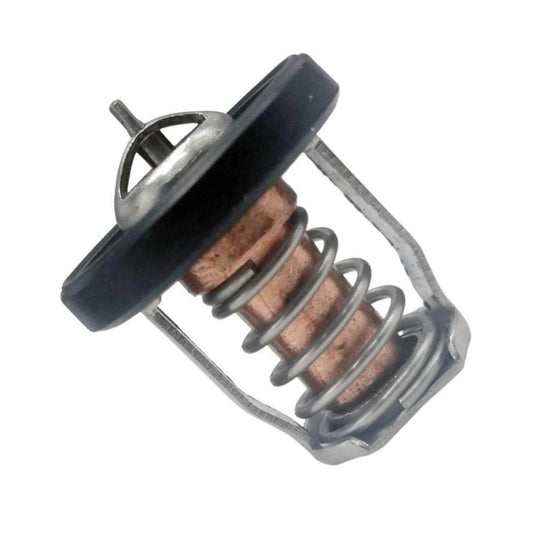
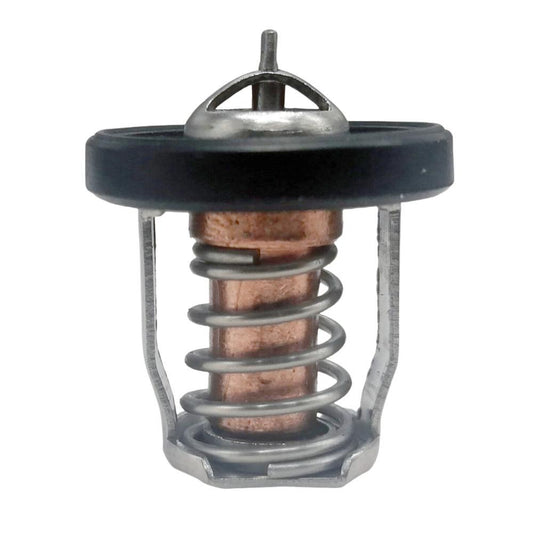
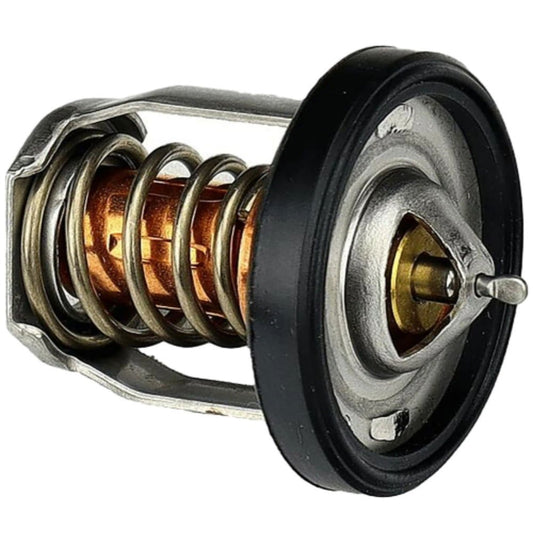
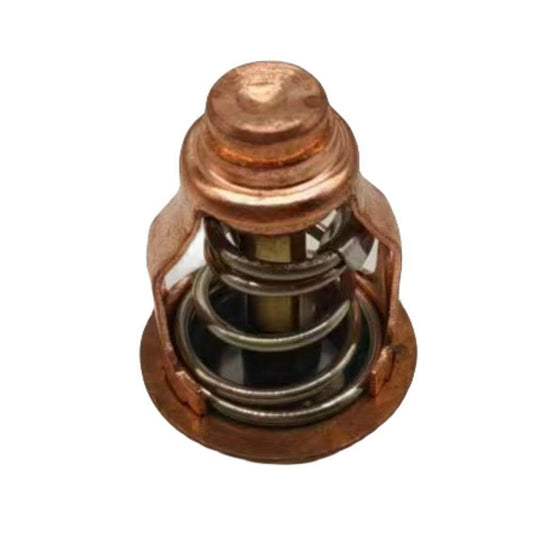
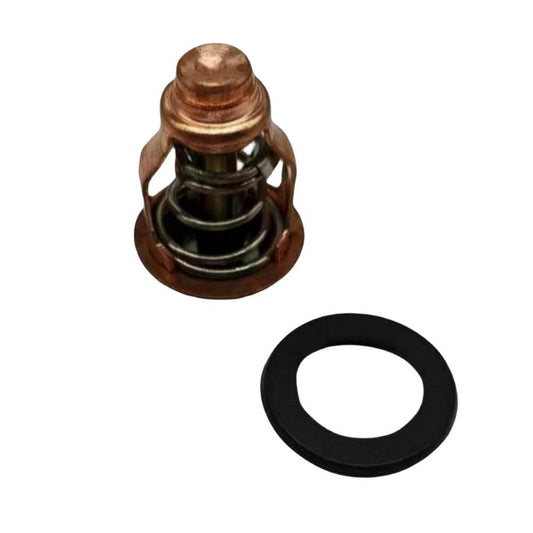
Pro tip: Check your engine's thermostat every season. Pull the thermostat housing, inspect the thermostat for corrosion or stuck valves, and replace it if it's been in service for more than three years. A stuck thermostat causes overheating at idle, and you'll see weak flow from the telltale pee stream. Replacing it is a 20-minute job with a 10mm socket and a new gasket, and it'll save you from pulling the powerhead later. For a detailed guide on thermostat maintenance, refer to our Thermostat Maintenance: Keeping Your Outboard Running Cool tutorial.
Sources:
- Boating Magazine - Suzuki V-6 vs. Inline-4 Outboard Test: https://boatingmag.com/boats/suzuki-v-6-vs-inline-4-outboard-test/
- Marine Business News - Outboard Sales Decline 7.6%: https://marinebusiness.news/news/leisure-marine/outboard-sales-decline-7-6/
- Yamaha Outboards - V6 4.2L: https://yamahaoutboards.com/outboards/350-150-hp/v6-4-2l
- YouTube - Boating Magazine Suzuki Engine Test V6 vs Inline-4: https://www.youtube.com/watch?v=AUPhOgt0Enc
- Born Again Boating - V6 vs. Inline-4 Discussion: https://www.youtube.com/watch?v=Bg4fNa-2ev8
- Len's Cove Lessons in Boating - Engine Configuration Comparison: https://www.youtube.com/watch?v=_WyLBwKkvEI
- ContinuousWave Whaler Forum - Yamaha F200 I-4 vs V6 Discussion: https://continuouswave.com/ubb/Forum4/HTML/007908.html
- Stratview Research - Marine Outboard Engines Market: https://www.stratviewresearch.com/3443/marine-outboard-engines-market.html
Para propietarios de motores fueraborda Suzuki:
Acerca de JLM Marine
Fundada en 2002, JLM Marine se ha consolidado como un fabricante dedicado de piezas marinas de alta calidad, con sede en China. Nuestro compromiso con la excelencia en la fabricación nos ha ganado la confianza de las principales marcas marinas a nivel mundial.
Como proveedor directo, evitamos intermediarios, lo que nos permite ofrecer precios competitivos sin comprometer la calidad. Este enfoque no solo promueve la rentabilidad, sino que también garantiza que nuestros clientes reciban el mejor valor directamente del proveedor.
Estamos entusiasmados de ampliar nuestro alcance a través de canales minoristas, llevando nuestra experiencia y compromiso con la calidad directamente a los propietarios de embarcaciones y entusiastas de todo el mundo.
Repuestos Suzuki en venta
- $18.34
- $18.34
- Unit price
- per
- $17.50
- $17.50
- Unit price
- per
- $48.00
- $48.00
- Unit price
- per
- $37.50
- $37.50
- Unit price
- per
- $37.04
- $37.04
- Unit price
- per
- $35.00
- $35.00
- Unit price
- per
- $27.99
- $27.99
- Unit price
- per
- $17.99
- $17.99
- Unit price
- per
- $59.30
$110.00- $59.30
- Unit price
- per
- $18.99
- $18.99
- Unit price
- per
- $18.99
- $18.99
- Unit price
- per
- $31.30
- $31.30
- Unit price
- per
- $33.95
- $33.95
- Unit price
- per
- $25.99
$31.00- $25.99
- Unit price
- per

- $17.50
- $17.50
- Unit price
- per


- $15.99
- $15.99
- Unit price
- per

- $29.50
$35.00- $29.50
- Unit price
- per


- $12.95
- $12.95
- Unit price
- per


- $32.00
$35.00- $32.00
- Unit price
- per

- $54.99
- $54.99
- Unit price
- per