


Outboard Engine Sputtering Tell-Tale: A Sign of Blown Head Gasket or Exhaust Leaks?
- How Sputtering Tell-Tale Happens
- Spotting the Difference: Minor Blockage vs. Serious Failure
- Step-by-Step Diagnosis Process
- Exhaust Leaks and Tell-Tale Interaction
- Mechanic's Roadside Check for Combustion Gases
- Tools You'll Need
- Typical Symptoms by Cause
- When to Stop and Call a Shop
- Model-Specific Notes
- OEM vs. Aftermarket Parts for Repairs
- Cost and Time Expectations
- Immediate Next Steps Checklist
- Two-Stroke vs. Four-Stroke Differences
- What a Blown Gasket Actually Feels Like
- Pro Tip for Daily Maintenance
If your outboard's tell-tale stream is sputtering, odds are you're not looking at a blown head gasket. I've seen this a hundred times at the shop, and in about 80% of cases, it's a cooling system problem—usually a worn impeller or a clog in the thermostat housing. Head gaskets fail catastrophically with white smoke and milky oil, not subtle sputtering from that little pee hole.
Before you panic about major engine damage, work through the simpler causes. The tell-tale spits water to confirm your cooling system is moving fluid. When it sputters or shoots air, something's restricting flow or letting air in upstream. Fuel problems account for nearly 40% of outboard failures and cause about 60% of sputtering during acceleration, but those show up as engine performance issues, not tell-tale problems. A weak or erratic stream points to the cooling circuit.
How Sputtering Tell-Tale Happens

Your outboard pulls raw water through the lower unit intake, pushes it via the impeller through the mid-section, then routes it around the block and out the tell-tale. Any restriction—debris in the intake screen, a failing impeller, salt buildup in the thermostat, or a clogged tell-tale tube—chokes that flow. Air gets sucked in through worn pump seals or cavitation, and you see sputtering instead of a solid stream.
Combustion gases can show up in the tell-tale, but only after the cooling system has already failed and the engine is massively overheating. If exhaust gases are mixing with your cooling water, you'll smell it—a sharp, burnt odor mixed with hot steam. That scenario is rare and means you ignored earlier warnings like the stream stopping completely or the block running hot enough to blister paint.
Spotting the Difference: Minor Blockage vs. Serious Failure
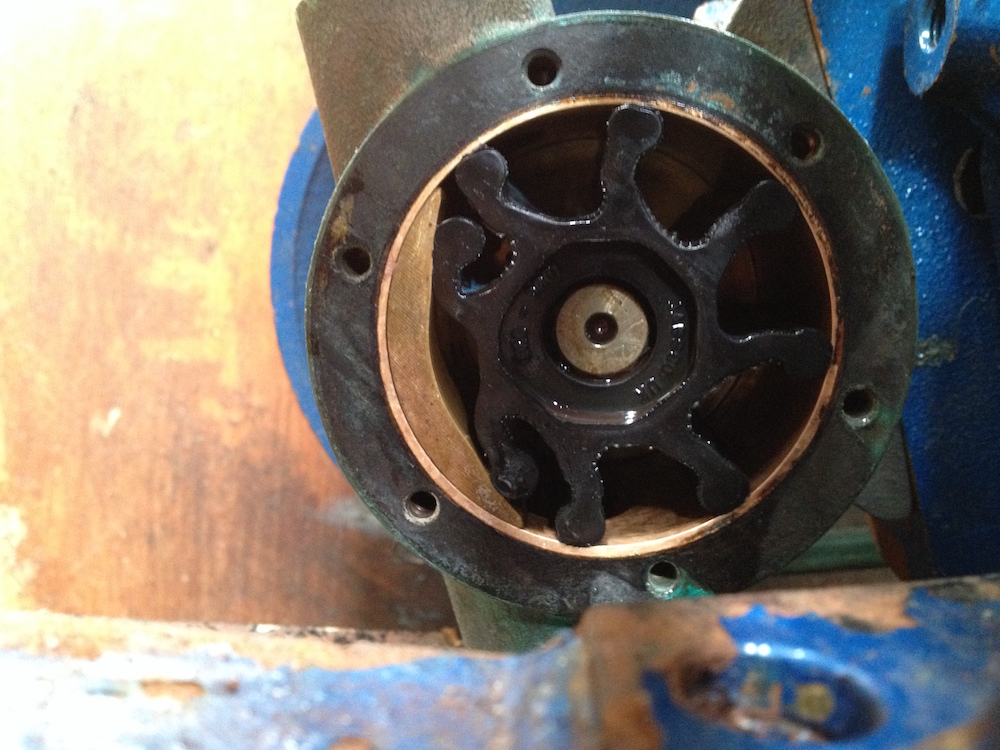
Sputtering that starts strong then fades at high RPM: Usually an impeller losing vanes or debris shifting in the cooling passages. The pump can't keep up with demand once you open the throttle.
Random, intermittent spurts with hot water: Air intrusion through a worn impeller housing seal or a pinhole crack in a water tube. The pump is pulling air along with water.
Steam or exhaust smell from the tell-tale: Your engine has overheated to the point where coolant is vaporizing or combustion gases are leaking into the water jacket. Shut down immediately. This can happen from a blown head gasket or a corroded exhaust cover plate that's let combustion pressure into the cooling passages, but by this stage you'll have other obvious problems like zero power and smoke pouring out the prop.
A blown head gasket shows up as loss of compression in one or more cylinders, milky engine oil from water contamination, and often white smoke from the exhaust as coolant burns off. You won't see just a sputtering tell-tale and nothing else. If you pull the dipstick and the oil looks like a chocolate milkshake, that's your gasket. If the oil is clean and the engine runs strong but the pee stream is acting up, stay focused on the cooling system.
Step-by-Step Diagnosis Process
Start at the easiest, most likely point and work up. Don't skip steps.
1. Check the lower unit intake screens. Pull the boat and look at the water intakes on the gear case. Plastic bags, weeds, and mud block these constantly. Clear them and test again on muffs. If you need guidance on clearing intake blockages, see our comprehensive Unclogging a Blocked Outboard Cooling Water Intake article.
2. Inspect the impeller. Drop the lower unit and pull the water pump housing. A good impeller has flexible, intact vanes. If the vanes are stiff, cracked, or missing chunks, replace it. Impellers should be changed every 300 hours or two years, whichever comes first. Running a worn impeller will overheat your engine and wreck the thermostat. Refer to our detailed guide on How to Replace a Mercury Outboard Water Pump Impeller for a step-by-step replacement process.
3. Flush the tell-tale tube. Pull the tube where it exits near the cowling and run a small wire or compressed air back through it. Salt crystals and debris pack in there, especially if you don't flush after every saltwater trip. Maintaining this component is crucial for cooling efficiency.
4. Test the thermostat. Remove it and drop it in a pot of water on the stove with a thermometer. It should open at the rated temp stamped on the housing (usually 140–160°F depending on the engine). If it stays shut or opens late, replace it. A stuck thermostat will cause overheating and can blow a head gasket over time, but you'll see high block temps before the tell-tale goes totally erratic. Learn more about thermostat maintenance in Thermostat Maintenance: Keeping Your Outboard Running Cool.
5. Compression test. If you've ruled out the cooling system and you're still seeing issues, hook up a compression gauge to each cylinder. Spec is usually 90–120 PSI depending on the model. A cylinder reading 20+ PSI below the others indicates a blown gasket or scored cylinder walls. Document your readings and compare them to your engine's service manual.
6. Leak-down test. If compression is borderline, a cylinder leak-down tester will show you where pressure is escaping—past the rings, through the valves (on a four-stroke), or into the water jacket via a gasket leak. You'll hear bubbling in the cooling system or air hissing out the exhaust if the gasket is compromised.
Exhaust Leaks and Tell-Tale Interaction
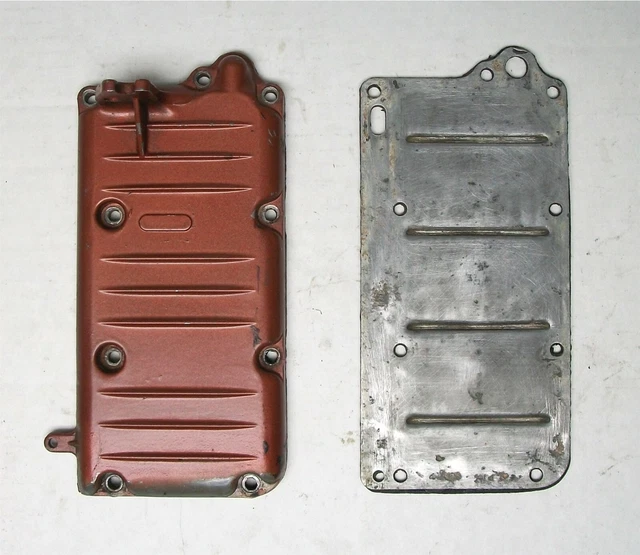
Exhaust jacket leaks are less common than impeller failures but they do happen, especially on older outboards with corroded mid-section castings. The exhaust gases travel down through passages in the block and exit underwater through the prop hub. If an exhaust cover gasket fails or the casting cracks, high-pressure combustion gases can breach into the water jacket.
When that happens, the gases aerate the cooling water. You'll see steam and possibly smell exhaust fumes coming from the tell-tale, but only after the engine has been running long enough for the leak to fully develop. Most exhaust leaks show up as bubbles around the lower unit or a popping sound from the mid-section before they contaminate the cooling water.
On a two-stroke, exhaust pressure is higher and more likely to push into the cooling system if a gasket blows. On a four-stroke, you're more likely to see coolant entering the cylinders than exhaust entering the water jacket, because the cooling passages run closer to the combustion chambers.
Corroded exhaust cover plates are an insider issue. The plates bolt to the block and seal the exhaust passages. They rust from the inside out in saltwater environments. You won't see the corrosion until you pull the plate off during a head gasket job. If the plate is pitted or cracked, combustion pressure will leak into the surrounding water passages and cause sputtering or steam in the tell-tale. Replace the plate and gasket together. For parts, check our Cooling System collection for quality OEM and aftermarket options.
Mechanic's Roadside Check for Combustion Gases
If you suspect a head gasket but don't have a leak-down tester, pull the thermostat housing and start the engine on muffs with the thermostat removed. Watch the housing opening. If you see bubbles rising aggressively from below while the engine idles, combustion gases are leaking into the cooling passages. Normal flow will show steady water circulation with maybe a few tiny bubbles. Heavy, consistent bubbling means a gasket leak or a cracked head.
You can also feel the cylinder head temperatures by hand—carefully—after a short run. On a multi-cylinder engine, one cylinder running significantly hotter than the others can indicate a localized gasket failure or a clogged water passage around that jug. If the top cylinder is scalding and the bottom one is warm, suspect a blockage or gasket leak affecting the top end.
Tools You'll Need

- Marine compression tester with the correct spark plug adapter for your engine
- Cylinder leak-down tester (optional but confirms gasket leaks)
- Impeller puller or flat-blade screwdriver (depending on pump design)
- Thermostat (have a spare on hand; they're cheap insurance)
- Submersible thermometer or infrared temp gun for checking block temps
- Inspection mirror and flashlight for looking inside cooling passages
- Metric and SAE socket set (most Japanese outboards are metric; older US engines may be SAE)
- Torque wrench rated to at least 60 ft-lbs for head bolt work
- Gasket scraper and solvent for cleaning mating surfaces
- Garden hose and flush muffs for bench testing
Typical Symptoms by Cause
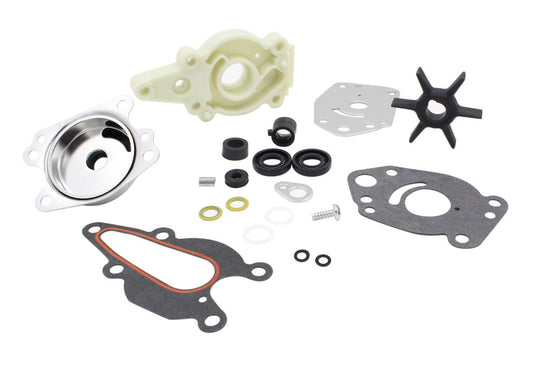
Failing impeller: Stream starts normal, then weakens or sputters as RPMs increase. Engine may run hot after 10–15 minutes. Impeller vanes will be visibly damaged when you pull the pump. Read our Signs Your Outboard Impeller Needs Replacement for in-depth symptom identification.
Clogged tell-tale tube: Stream is weak or absent even though the engine isn't overheating. You can blow through the tube when it's disconnected.
Stuck thermostat: Engine overheats quickly, tell-tale may steam or stop entirely. Block temperature climbs rapidly. Thermostat won't open when tested in hot water.
Blown head gasket: Loss of power, rough idle, white smoke from exhaust, milky oil on the dipstick. Compression test shows one or more low cylinders. Tell-tale may sputter only if the gasket leak is severe and has caused extensive overheating. For a complete repair walk-through, see Replacing a Blown Head Gasket on an Overheated Outboard.
Exhaust cover gasket leak: Bubbles around the lower unit or mid-section while running. Possible exhaust smell or steam from the tell-tale after prolonged operation. Usually paired with other exhaust symptoms like popping or backfiring.
When to Stop and Call a Shop

If you pull the lower unit and find the impeller missing multiple vanes, stop. Those vane chunks are now inside your cooling passages and can lodge anywhere from the pump housing up to the thermostat. Flushing may clear them, but you risk blocking a critical passage and overheating on your next run. A shop can disassemble and flush the system properly.
If you've confirmed low compression on one or more cylinders, and you don't have experience pulling and torquing cylinder heads, walk away. Head bolts on outboards often corrode into the block. Snapping one off means drilling, tapping, or installing a Helicoil—all jobs that require precise alignment and the right tools. Botching a head gasket replacement will cost you more in machine shop fees than paying a mechanic upfront.
If you see coolant in the cylinders (pull the plugs and check for water pooling on the piston tops), the engine has been ingesting water. Cranking it over can hydraulic-lock the cylinder and bend a connecting rod. Do not attempt to start it. Pull the plugs, turn the engine over by hand to expel the water, and then assess the damage.
Model-Specific Notes
Yamaha F150 and similar four-strokes: These engines use a closed-loop cooling system for the block and an open-loop raw-water system for the exhaust. A weak tell-tale usually means impeller or raw-water pump issues. Head gasket failures on these show up as overheating alarms and coolant loss from the overflow, not tell-tale sputtering.
Mercury Optimax and two-stroke DFI models: High-pressure fuel injection makes these sensitive to fuel contamination, which causes sputtering under load, but not tell-tale issues. The tell-tale on these engines is fed by the water pump like any other outboard. Impeller failure is the top cause of weak stream.
Older carbureted two-strokes (Evinrude, Johnson, OMC): Exhaust systems on these are simpler but also more prone to corrosion. Exhaust cover gaskets fail more often than on modern engines, and the tell-tale can show steam or exhaust smell if the gasket is blown. Check the exhaust tuner chamber and cover plates if you've ruled out the water pump. You can find Evinrude parts in the Evinrude Outboard Motor Parts collection.
OEM vs. Aftermarket Parts for Repairs
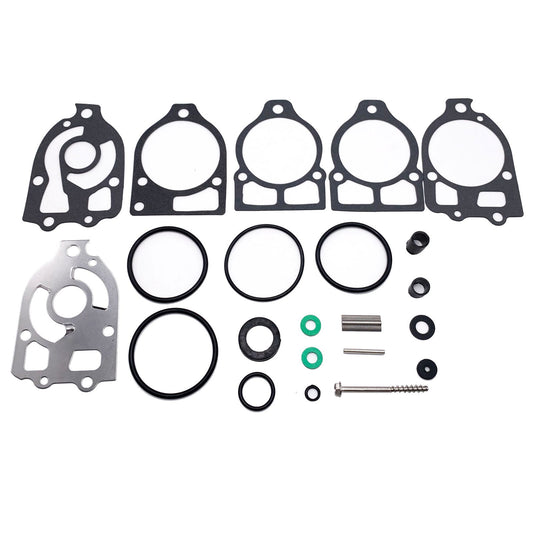
OEM impellers and gaskets are reliable but overpriced. You're paying for the logo on the box. A Yamaha OEM impeller kit might run $60–$80, while a quality aftermarket kit is $25–$35 and uses the same rubber compounds.
Cheap no-name impellers from random online sellers are trash. The rubber is too stiff, the vanes don't flex properly, and they shred after a few hours. You'll be tearing the lower unit off again within a month. Not worth the $10 savings.
JLM Marine kits hit the sweet spot. The parts meet OEM specs because some of the same factories that make OEM components produce these during off-hours or for the aftermarket. You get correct fitment and durability without the dealership markup. We ship worldwide, and we've sent kits to guys in Australia, the Gulf Coast, and the Great Lakes with zero fitment complaints.
For head gaskets, stick with OEM or equivalent-spec aftermarket from a known supplier. Gasket thickness and material composition matter. A gasket that's even 0.010" off spec will change your compression ratio and cause detonation. Don't gamble on that.
For more on part selection, check out our article on OEM vs. Aftermarket Outboard Parts: What’s the Difference?.
Cost and Time Expectations

Impeller replacement (DIY): $25–$50 in parts, 1–2 hours if you've done it before. First-timers allow 3 hours. You'll need a service manual for torque specs on the lower unit bolts.
Thermostat replacement (DIY): $15–$30 for the part, 30 minutes of work. Easiest cooling system fix you can do.
Head gasket replacement (shop): $800–$1,500 depending on the engine size and how many cylinders. Includes machining the head if it's warped, new gaskets, possibly new head bolts (many are torque-to-yield and can't be reused), and a full cooling system flush. Budget 8–12 shop hours.
Exhaust cover gasket replacement (shop): $300–$600 depending on accessibility. If the cover is corroded and needs replacement, add another $200–$400 for the part.
Immediate Next Steps Checklist
-
Verify the symptom on muffs. Hook up a garden hose to flush muffs, clamp them over the lower unit intakes, and start the engine. Watch the tell-tale. Does it spit, dribble, or run steady? Does it change behavior as you increase RPM?
-
Pull the top cowling. Check for obvious coolant leaks around the thermostat housing, hose connections, or head gasket seam. Look for white crust (dried coolant) or rust stains.
-
Remove the lower unit. Four to six bolts, shift linkage, and water tube disconnect. Inspect the impeller and housing for wear. Replace the impeller if there's any question.
-
Clear the tell-tale tube. Disconnect it at the fitting and blow it out with compressed air or run a wire through it. Reconnect and retest.
-
If the stream is still weak, pull the thermostat. Test it in hot water. Replace if it doesn't open cleanly at spec temp.
-
Run a compression test. If cooling system repairs didn't solve it and you're seeing other symptoms (smoke, rough running, oil contamination), test compression across all cylinders.
If compression is good and the cooling system checks out, you've likely got a partial blockage somewhere in the block passages. That requires a full teardown and flush, which is a shop job unless you're comfortable splitting the powerhead.
Two-Stroke vs. Four-Stroke Differences
Two-strokes: Exhaust exits through the block and prop hub. Exhaust leaks into the cooling system are more common due to higher combustion pressures and simpler gasket designs. Tell-tale sputtering from exhaust intrusion is more likely on older two-strokes with worn cover gaskets.
Four-strokes: Separate exhaust manifold routes gases away from the block. Cooling system is more isolated. A blown head gasket typically pushes coolant into the cylinders rather than letting exhaust into the water jacket. Tell-tale sputtering is almost always impeller or blockage-related on four-strokes.
If you're running a two-stroke and you smell exhaust from the tell-tale, inspect the exhaust cover gaskets and tuner chamber seals. If you're on a four-stroke, focus on the water pump and thermostat first.
What a Blown Gasket Actually Feels Like

You'll know. The engine loses power under load, idles rough, and may refuse to plane off. The tell-tale might steam instead of spitting water. White smoke pours from the exhaust, thick enough to leave a visible trail on the water. Pull the dipstick and the oil will be milky or have visible water droplets floating in it. The block temperature will spike within minutes of starting.
A subtle, intermittent sputter from the tell-tale with no other symptoms is not a blown head gasket. It's a cooling restriction or air intrusion, and it's fixable in an afternoon without pulling the head.
Pro Tip for Daily Maintenance
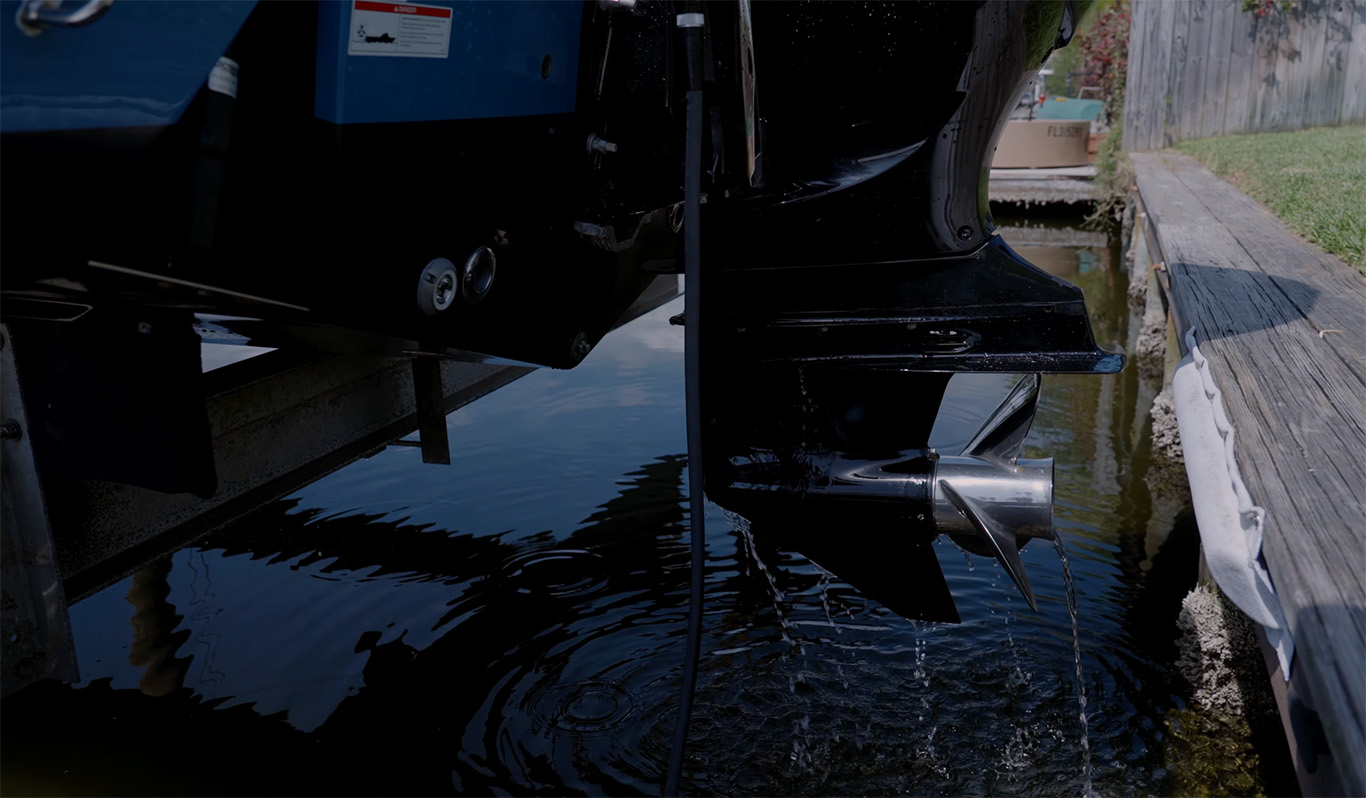
Flush your engine with fresh water after every saltwater run, even if it's just a quick 10-minute trip. Hook up the flush muffs, let the engine idle for 5 minutes, and you'll dissolve salt crystals before they can build up in the thermostat, tell-tale tube, and cooling passages. That one habit prevents 90% of the sputtering tell-tale problems I see in the shop. For more about flushing benefits, see Daily Engine Flush for Saltwater Boats: A Good Habit.
For all your marine parts needs, shop with JLM Marine for quality products and free worldwide shipping.