





Yamaha 2.5hp Outboard Cylinder Head Removal: Unsticking Stuck Water Passages
- The Usual Suspects (In Order of What Actually Happens)
- Diagnosing the Problem Without Tearing Everything Apart
- When You Have to Pull the Head
- Blocked Passages - The Hidden Problem
- What Actually Causes This Stuff
- Quick Check Before You Start Tearing Things Apart
- The Salt Issue
- Random Things I've Seen
- Parts You Might Need
- Practical Maintenance Advice
Your Yamaha 2.5HP is running hot, the tell-tale stream is weak or gone, and you're stuck wondering what the hell happened. After 20 years fixing these things, I can tell you the culprits are usually the same handful of issues.
The Usual Suspects (In Order of What Actually Happens)
Water Pump Impeller - This Fails First
Nine times out of ten, it's the impeller. These little rubber vanes wear out, crack, or lose chunks. On the 2.5HP, you're looking at maybe 6-8 vanes that pump water up from the lower unit. When they go bad, you get no flow.
Pull the lower unit off - four bolts on the bottom, disconnect the shift rod. The pump housing sits right there. Pop it open and check the impeller. If the vanes are flat, cracked, or there's pieces missing, that's your problem. Also check the housing itself - sometimes a chunk of broken impeller gets wedged in there and blocks everything even after you install a new one.
When you replace it, here's what they don't tell you: coat the new impeller with some glycerin or dish soap before installing. Makes it slide in easier and prevents tearing. And for god's sake, make sure those vanes are facing the right direction when you put the housing back on. Counter-clockwise rotation on these engines. For a detailed guide on replacing this part, check out Step-by-Step: Installing a Water Pump Repair Kit on a Yamaha Outboard.
Clogged Water Intakes
The raw water intakes on the lower unit are tiny. I mean really small slots on the side. If you run in weedy water, shallow muddy areas, or just leave it sitting in mucky water, they plug up with debris. Sometimes it's so packed in there you can't even see the openings.
First thing - lift the motor and look at the intake slots. Use a small wire or a dental pick to clear them out. I keep an old piece of guitar string in my tool bag just for this. Don't use anything too thick or you'll damage the grate. If you want replacement parts for this section, you can browse the Cooling System collection for compatible components.
Tell-Tale Passage Blocked
Sometimes the engine is pumping water fine, but the tell-tale indicator hole is just clogged. You think you've got a cooling problem when really it's just that little pee hole.
Stick a thin wire up through it - careful not to scratch the tube. I've seen guys use weed-whacker line, those twist-ties from bread bags, whatever. If water suddenly shoots out, congratulations, you just saved yourself three hours of work.
Thermostat Stuck Closed
The thermostat on these sits under a small cover on the cylinder head. Two bolts, easy access. When it sticks closed, water can't circulate properly through the head.
Remove it and drop it in a pot of water on the stove. Heat it up to about 140-150°F and watch if it opens. If it stays shut, toss it. When reinstalling a new one, scrape that old gasket off completely - and I mean completely. Use a plastic scraper, not metal. Even a tiny piece of old gasket left behind will cause a leak. Don't reuse the old gasket either, just don't. For insights on maintaining this component, see Thermostat Maintenance: Keeping Your Outboard Running Cool.
Diagnosing the Problem Without Tearing Everything Apart

Start simple. Flush attachment on the lower unit, turn on the hose. Does water come out the tell-tale strong? Weak? Nothing? That tells you if the pump is doing its job.
If you get nothing, pull the lower unit and check the impeller. Takes maybe 30 minutes.
If you get weak flow - like it's dribbling instead of a solid stream - could be partial impeller failure, could be partly blocked passages. Try back-flushing. Remove the thermostat cover and shove a garden hose up against the opening. Sometimes you can blast debris backwards out through the intakes.
Here's a specific thing: if the stream is weak at idle but gets stronger when you rev it up, that's usually a worn impeller that can barely pump at low RPM but sort of works at higher speed. Replace it before it completely fails. For more details on impeller diagnostics and replacement, visit Signs Your Outboard Impeller Needs Replacement.
When You Have to Pull the Head

If you've replaced the impeller, cleared the intakes, verified the thermostat works, and you're still overheating, you've got blocked passages inside the head or block. Salt deposits, rust scale, whatever - it's in there.
On the F2.5 4-stroke, you need to remove the rocker cover first, then the pushrods. Don't mix up the pushrods - they need to go back in the same holes. The head bolts come out in a pattern, but honestly on an engine this small it's not as critical as on a car. Just don't only loosen one side first.
You'll need a 10mm socket for most of the head bolts. When you lift the head off, look at the water jacket openings. See any white crusty buildup? That's your blockage. You can pick it out with a screwdriver, use a wire brush, or if it's really bad, soak it in vinegar overnight. Not kidding about the vinegar - it dissolves salt and mineral deposits.
For the really stubborn stuff in the narrow passages, I've used brake line with a rag wrapped around it, shoved it through and pulled it back and forth like you're flossing. Works surprisingly well.
The head gasket needs to be replaced - don't even think about reusing it. They're cheap. When you bolt the head back down, torque spec is around 7-9 ft-lbs - check your manual because I'm going from memory here. Tighten in a cross pattern, but again, it's a small engine so you're not going to warp anything unless you really crank on it.
Blocked Passages - The Hidden Problem

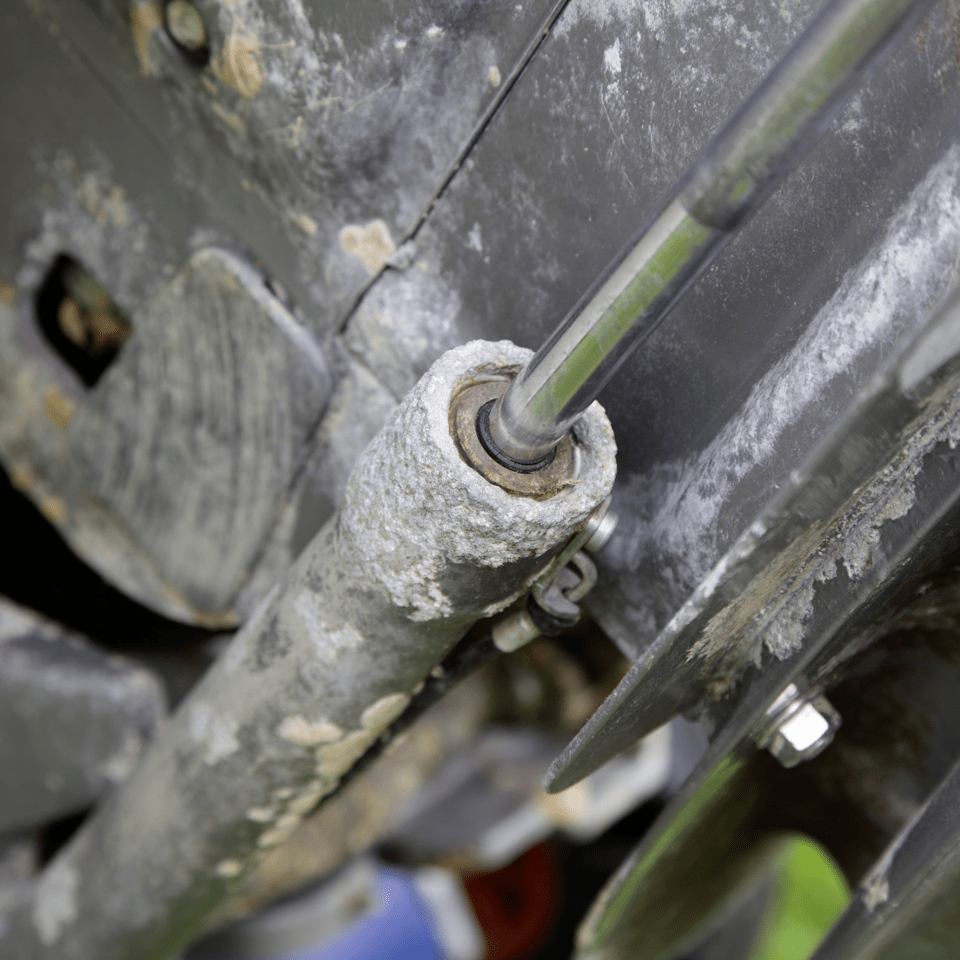
Sometimes water passages get blocked inside the engine where you can't see them. The transfer ports between the block and head, the small channels around the cylinder. On 2.5HP engines that spent their life in saltwater without proper flushing, I've seen passages completely closed off with hardened salt.
Pull the thermostat and anode. You can see into some of the passages from there. Shine a flashlight in. If you see white or brown crusty stuff, it's everywhere inside.
The anode is there for a reason - it corrodes so your engine doesn't. When it's eaten away to nothing, corrosion starts attacking the aluminum and that oxide buildup flakes off into the water passages. Check it when you do your annual maintenance and replace it when it's half gone. You can find replacement anodes and parts at JLM Marine's Outboard Motor Parts.
What Actually Causes This Stuff
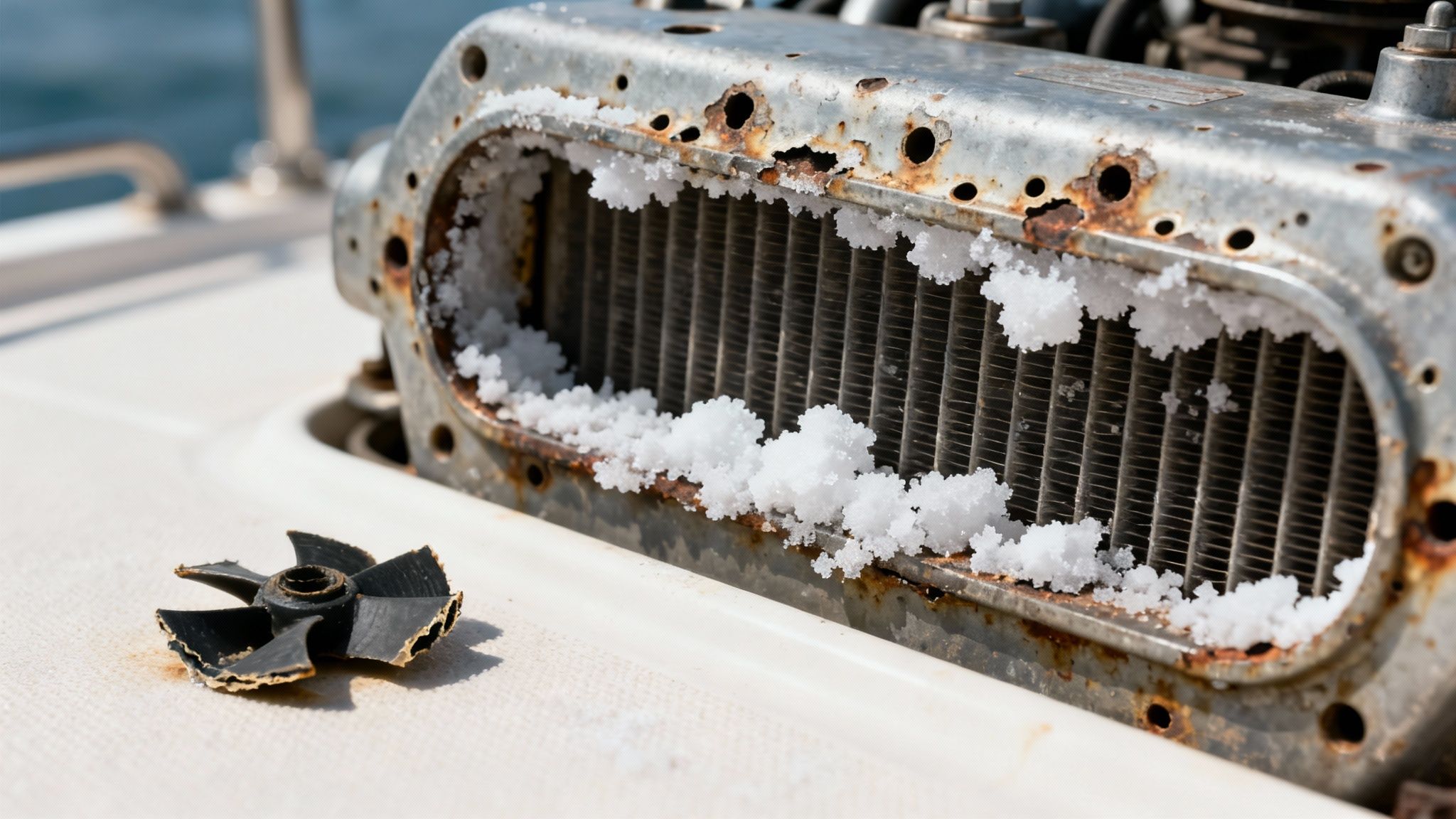
Not flushing with fresh water after saltwater use. That's 90% of it. Salt crystallizes in the passages as the water evaporates. Do that a hundred times and you've got serious blockages.
Letting the engine sit for months with stagnant water inside. Corrosion happens, deposits form.
Running in silty or sandy water. That fine sediment gets everywhere.
Old impellers that shed rubber pieces which then lodge in passages.
Quick Check Before You Start Tearing Things Apart
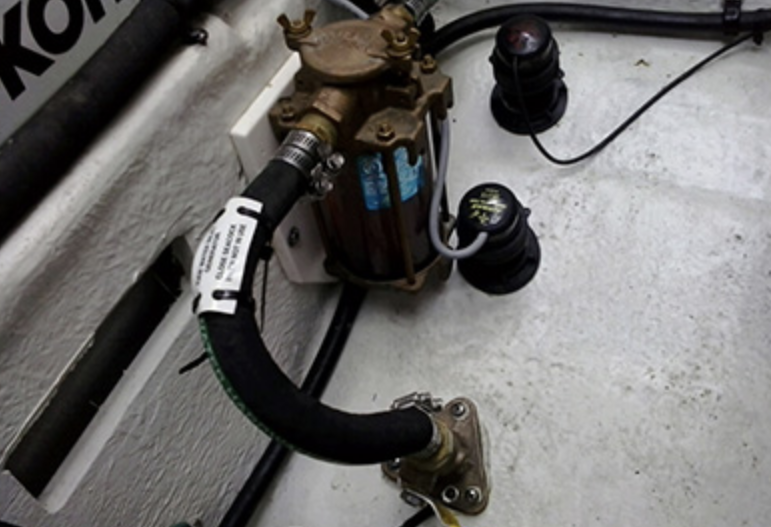
Motor running rough and hot? Put your hand near the tell-tale. Is it warm? If there's no water coming out but the area is warm, water is circulating inside but just not making it to the indicator. If it's cold, no water is moving at all - that's pump failure.
Listen to the engine. An overheating 2-stroke will start sounding "tinny" or pinging. 4-stroke will just lose power and eventually seize if you keep running it.
If you ever need parts for your Yamaha motor, remember to get genuine components from JLM Marine's Yamaha Outboard Motor Parts.
The Salt Issue


Saltwater eats these small engines. The passages are tiny compared to bigger outboards. A 25HP Yamaha might shrug off some salt buildup. A 2.5HP will overheat from deposits that wouldn't even affect a larger motor.
After every saltwater trip, connect the flush attachment and run fresh water through it for at least 10 minutes. Don't just spray the outside. Actually run the engine with the flusher attached, or at minimum run fresh water through with the engine off. Let it flow through until what comes out is clear.
Some guys use Salt-Away or similar products. They help, but honestly fresh water flushing right after use does 95% of the job.
Random Things I've Seen
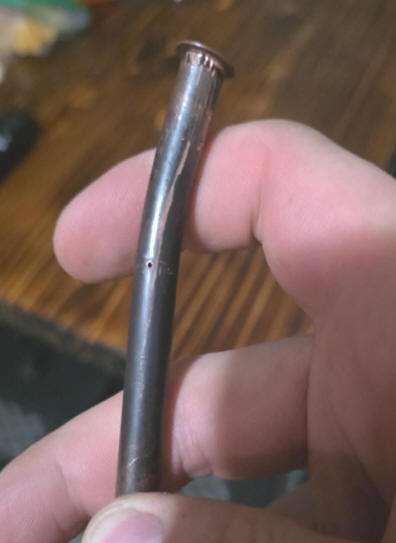
Wasp nests in the tell-tale tube. Seriously. If the boat sits for a while, wasps will build in there.
A piece of plastic bag sucked into the water intake. Completely blocked it.
Someone installed the water pump plate backwards and it blocked the inlet port. Engine was brand new, wouldn't cool at all.
Cross-threaded thermostat housing bolts because someone forced them in. Stripped the threads in the aluminum head. That was expensive.
Parts You Might Need

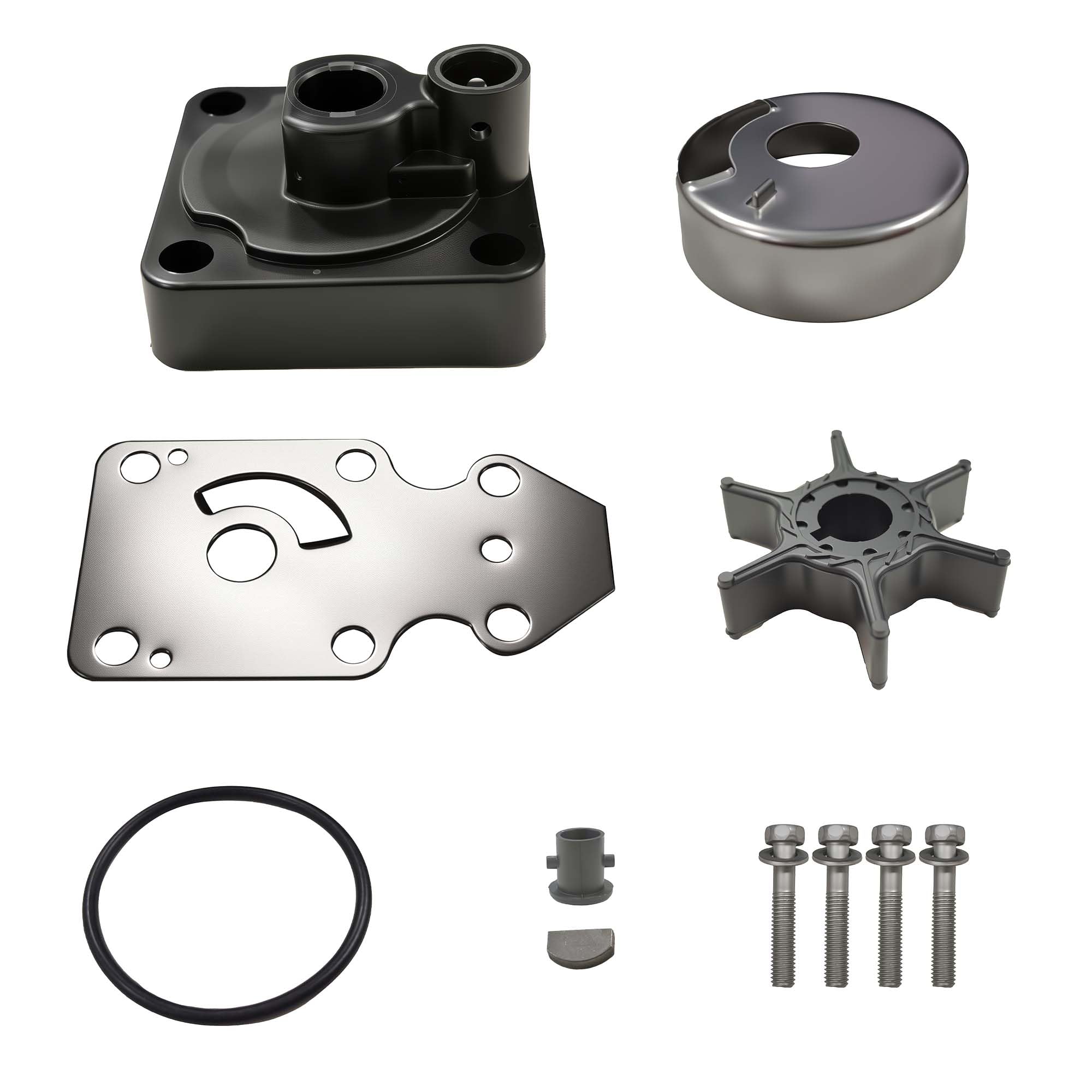
Water pump kit (impeller, housing, plate, gasket) - around $25-30
Thermostat - $15-20
Cylinder head gasket - $8-12
Anode - $5-8
Keep a spare impeller kit on the boat. I've saved multiple fishing trips by swapping an impeller on the water. Takes 20 minutes if you've done it before. You can find all these items easily by browsing the Water Pump Kit and Yamaha Water Pump Impeller Kits collections.
Practical Maintenance Advice
Here's what actually prevents this: After every use in salt or brackish water, flush it. Not next week. Not when you get around to it. Right then. It takes 5 minutes and saves you hours of frustration later. And once a year, pull the lower unit and replace the impeller whether it looks bad or not. They're $15 and failing in the middle of nowhere isn't worth saving that money.
For more expert advice and parts to keep your outboard running smoothly, visit the JLM Marine home page.