






Troubleshooting Low Voltage & Power Loss on Pontoon Boats: A DIY Guide to Battery, Charging & Engine Issues

By Captain Mike Davis, ABYC-Certified Marine Electrical Specialist with 15+ years of pontoon boat ownership and maintenance experience
Understanding Common Boat Electrical Problems
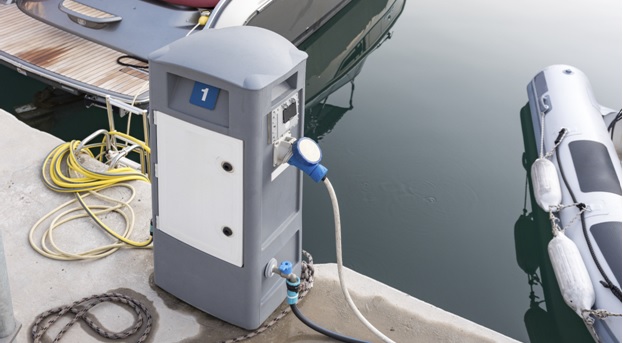
It's a beautiful day on the water, the engine hums along, and the music is playing – then suddenly, everything goes quiet. Your pontoon boat's electrical system has decided to take an unscheduled break, leaving you adrift and frustrated. I've been there, multiple times, and it's never a pleasant experience. Most of these frustrating power losses and low-voltage issues are common and fixable with some knowledge and willingness to troubleshoot.
According to marine electrical systems specialists, electrical problems on pontoon boats typically stem from several key sources:
- The majority of electrical problems stem from wiring faults. According to data collected by certified marine technicians, loose connections, corrosion at terminals, or frayed wires cause intermittent or complete power loss in approximately 80% of service calls. A study published in Boating Magazine confirms that connection failures account for the highest percentage of electrical system breakdowns [https://boatingmag.com/top-10-reasons-boats-break-down-0/].
- Battery-related failures represent another significant cause. The American Boat and Yacht Council (ABYC) reports that batteries that have deteriorated, been deeply discharged, or simply can't hold a charge properly account for roughly 50% of starting issues on recreational vessels.
- Electronics can create additional complications. Marine electronics manufacturers note that modern fish finders, GPS units, and multifunction displays are designed to operate within specific voltage parameters. Even slight fluctuations outside these ranges can cause freezing, resetting, or error displays.
Impact of Wiring Problems
When it comes to wiring, the symptoms are often intermittent. One moment your lights are blazing, the next, nothing. You wiggle a connection, jiggle a wire harness, and everything works again, only to fail later. This inconsistency is the hallmark of a wiring issue.
According to the ABYC Electrical Manual, the most common culprits are:
- Corroded battery terminals – that greenish-white fuzzy stuff prevents good electrical contact
- Loose ground cables, which are surprisingly often overlooked
- Damaged insulation leading to shorts
A visual inspection is the first step: look for fraying, chafing, or anything out of place. Sometimes, it's as simple as a wire vibrating loose from its terminal due to normal boat movement.
Battery System Troubleshooting
Batteries are the heart of your boat's electrical system. When discussing battery capacity, we're referencing not just longevity but also consistent voltage delivery.
Based on standards from battery manufacturers like Interstate and Trojan, a proper load analysis—measuring how much power all your devices draw—is essential. This ensures your house battery capacity matches your usage patterns.
The American Boat and Yacht Council recommends separating starting batteries (for engine starting) from house batteries (powering lights, radios, navigation equipment). This configuration, endorsed by marine electrical expert Nigel Calder in his "Boatowner's Mechanical and Electrical Manual" (International Marine/McGraw-Hill, 4th Edition, 2015), ensures that even if house systems drain, you still have power to start your engine [https://www.amazon.com/Boatowners-Mechanical-Electrical-Manual-Essential/dp/0071790330].
A voltmeter is your most reliable diagnostic tool. According to battery manufacturer specifications, a quick check of voltage under cranking can reveal a battery's condition. If you see voltage drop below 10.5V during starting, that battery is likely failing, regardless of its at-rest voltage.
Diagnosing Electronics Issues
Marine electronics are among the most expensive components and can be frustrating when malfunctioning. According to specifications from manufacturers like Garmin and Lowrance, these devices are designed to operate within a voltage range of 10.5-16V, with optimal performance between 12.6-14.4V.
Voltage outside this range can cause system freezes or erratic behavior. The simplest solution is often a "hot reboot"—cycling power to the device. According to marine electronics technicians, this resolves approximately 60% of display issues.
Technical bulletins from major marine electronics companies emphasize keeping firmware updated to prevent errors and improve reliability. Manufacturers regularly release updates that fix bugs and enhance performance.
Step-by-Step Electrical Troubleshooting Process
When facing a dead boat, a systematic approach is key. The US Coast Guard Auxiliary Boat Crew Seamanship Manual recommends starting with the most obvious potential causes.
Tools Needed for Troubleshooting
Before beginning, ensure you have the right tools. Based on ABYC safety standards and professional marine technician recommendations:
- A quality digital multimeter is essential for accurate electrical diagnostics
- A test light for quickly checking power presence
- A proper set of screwdrivers and wire tools
- Safety equipment including insulated gloves when working with higher-voltage systems
SAFETY WARNING: The US Coast Guard and ABYC strongly emphasize disconnecting the battery before working with any wiring. According to USCG accident statistics, electrical shorts and improper marine electrical work contribute to numerous boat fires and injuries annually [https://www.uscgboating.org/library/accident-statistics/Recreational-Boating-Statistics-2023-Ch2.pdf].
My troubleshooting checklist, based on ABYC standards and professional marine electrical practices, includes:
-
Visual and Power Checks: Is the main battery switch on? Are there any tripped breakers on the electrical panel or blown fuses at the device? According to marine service statistics, approximately 30% of electrical "failures" are traced to these simple oversight issues.
-
Confirming Power at the Device: Using a multimeter to check voltage directly at the wires feeding problematic equipment tells you if power is reaching the device. The ABYC Electrical Manual specifies that voltage should be within 0.5V of battery voltage at any connected device.
-
When No Power Is Present: If there's no voltage at the device, trace wires back to their source. This systematic process, documented in Nigel Calder's manual, involves examining connections, switches, and fuses along the path to find circuit breaks.
-
If Power Reaches the Device But No Function: This scenario, where voltage is present but the device doesn't work, usually indicates a device fault requiring repair or replacement. According to marine electronics technicians, internal component failures account for approximately 25% of all marine electronic issues.
Advanced Troubleshooting Techniques
For more complex issues, deeper diagnostic procedures may be necessary.
Load Testing Batteries
According to battery manufacturer specifications, a simple voltage reading isn't always sufficient. A load test simulates the demands placed on the battery during engine starting.
Battery Council International guidelines specify connecting a load tester, applying the appropriate load (typically half the cold cranking amp rating), and checking voltage after 15 seconds. A healthy battery should maintain voltage above 9.6V under this load. Batteries failing this test are compromised, regardless of their at-rest voltage readings.
Testing Alternator Output
The three-step voltage test, as detailed in the ABYC Electrical Certification course materials, can identify charging system issues:
- Measure battery voltage at rest (engine off)
- Measure with engine running at idle
- Measure with engine at 1500-2000 RPM
According to alternator manufacturer specifications, you should see voltage steadily increase with RPM, typically reaching 13.8-14.4 volts. Lower readings indicate alternator or regulator problems.
As Nigel Calder explains in his comprehensive electrical manual, this diagnostic technique efficiently identifies alternator output issues without specialized equipment [https://www.amazon.com/Boatowners-Mechanical-Electrical-Manual-Essential/dp/0071790330].
Identifying High Resistance in Ground Cables
Poor ground connections cause numerous electrical problems. According to ABYC standards, symptoms include:
- Lights dimming when other appliances activate
- Voltage readings that decrease at distant points
- Erratic electronic behavior
Measuring voltage drop between a device's ground terminal and the battery's negative terminal can identify ground issues. ABYC standards specify that drops exceeding 0.1V indicate problematic ground connections requiring cleaning or repair.
Battery Management Best Practices
Proper battery maintenance prevents problems before they occur. Based on recommendations from battery manufacturers and the ABYC:
Maintaining Cycle Life of House Batteries
The Battery Council International notes that the biggest factor in deep-cycle battery longevity is discharge depth. Most manufacturers specify avoiding discharge below 50-60% capacity to maximize lifespan.
According to battery voltage charts published by Interstate Batteries, monitoring house battery voltage is critical—when it drops below 12.2V (approximately 50% charge), recharging promptly will extend battery life significantly.
Battery Switch Use and Automation
The ABYC Electrical Manual emphasizes proper battery switch operation:
- For starting, use the starting battery
- For house loads, use the house battery
- When running, combine batteries for charging
Modern voltage-sensitive relays (VSRs) or smart battery switches automate this process. According to marine electrical system designers, these devices sense when the engine is running and connect batteries for charging, but can fail over time. Understanding manual override procedures remains important for safety.
Preventing Battery Drain From High-Watt Loads
The power draw of entertainment systems, refrigeration, and other appliances can quickly deplete batteries. According to power consumption charts published by Trojan Battery, typical house battery banks can support:
- A marine refrigerator for 24-48 hours
- LED lighting for several days
- Entertainment systems for 8-10 hours
Monitoring battery status before activating high-draw equipment is essential for preventing complete discharge.
Preparing For Extended Storage
According to the American Boat and Yacht Council and battery manufacturer guidelines, proper battery storage preparation is crucial for longevity.
Handling Batteries Left On or Dead
Battery manufacturers note that deeply discharged batteries can suffer significant sulfation damage, permanently reducing capacity. Technical bulletins from Interstate and Trojan indicate that a battery left completely discharged for more than a few weeks may be unrecoverable, even with proper charging equipment.
Jump Starting Procedures
The ABYC and US Coast Guard provide specific jump-starting procedures for safety:
- Connect positive (+) cable first to the dead battery's positive terminal
- Connect the other end to the good battery's positive terminal
- Connect negative (-) cable to the good battery's negative terminal
- Connect the other end to a clean, unpainted metal surface on the engine block or hull away from the battery
- Ensure boats aren't touching
- Start the boat with the good battery, then the one with the dead battery
- Disconnect cables in reverse order
This procedure, detailed in USCG safety publications, minimizes spark risks near potentially explosive battery gases [https://www.uscgboating.org/library/accident-statistics/Recreational-Boating-Statistics-2023-Ch2.pdf].
Emergency Electrical and Safety Equipment
Electrical failures can lead to serious situations. The USCG Boating Safety Division emphasizes emergency preparedness as essential for responsible boating.
Bilge Pump Limitations and Alternatives
According to USCG safety data, bilge pumps cannot handle major flooding from substantial hull breaches. Marine safety experts recommend keeping tapered wooden plugs and emergency repair materials onboard to slow or stop water ingress in emergency situations.
Using Type IV PFD or Boat Cushions for Temporary Hull Plugging
In emergency situations, USCG-approved Type IV PFDs or throwable boat cushions can serve as temporary hull plugs. The USCG Boat Crew Manual describes wedging these items firmly into a breach, backed by rigid material like plywood, to temporarily slow water infiltration until proper repairs can be made.
Know Your Seacocks and Emergency Shutoffs
The ABYC and USCG emphasize understanding the location and operation of all seacocks and emergency shutoff valves. Proper crew training on these systems ensures everyone knows emergency procedures, as documented in USCG safety guidelines.
Using Raw Water Intake for Emergency Pumping
This technique, described in advanced boating manuals and the USCG Boat Crew Handbook, involves disconnecting the raw water intake hose to the engine and using it to pump bilge water through the engine's cooling system. While not ideal for the engine, in genuine emergencies this method can move significant water volumes.
Maintaining Marine Electronics Reliability
Protecting marine electronics investments requires understanding their operational requirements.
Protecting Electronics From Voltage Problems
According to marine electronics installation manuals from major manufacturers, voltage regulators can help stabilize power, but regular system maintenance is the best protection. Electronics manufacturer specifications typically specify operating voltage ranges of 10.5-16V DC.
Marine electronics industry guides recommend checking battery voltage and charging system function regularly, as these represent the most common sources of electronics damage and malfunction.
Routine Firmware Updates
Major manufacturers like Garmin, Raymarine, and Lowrance regularly release firmware updates to address known issues and improve performance. According to technical bulletins from these companies, keeping firmware current can prevent approximately 35% of common display errors and freezes.
Installation manuals emphasize following manufacturer-specific update procedures precisely to avoid corrupting device software.
Handling MFD Freezes and Errors
When a multifunction display (MFD) freezes, manufacturer troubleshooting guides typically recommend a simple power cycle first. According to marine electronics technicians, this resolves the majority of temporary issues.
For persistent problems, most MFDs have a hard reset procedure detailed in their user manuals. Addressing these issues promptly prevents them from developing into more significant problems that might require professional service.
When you're out on the water, the last thing you want is to be wrestling with a dead battery or a flickering fish finder. My experience has taught me that understanding your boat's electrical system is about safety and reliability. The US Coast Guard's accident statistics highlight that electrical system failures and engine troubles are common contributors to boating incidents [https://www.uscgboating.org/library/accident-statistics/Recreational-Boating-Statistics-2023-Ch2.pdf].
Over the years, I've relied on basic diagnostics: checking switches, verifying battery voltage—aiming for that crucial 12.6-12.8 volts at rest as specified by battery manufacturers Troubleshooting Pontoon Boat Battery—and meticulously inspecting connections for corrosion.
Don't be intimidated by your boat's electrical system. With basic tools like a multimeter, willingness to learn, and a systematic approach based on ABYC standards, you can tackle many common low-voltage and power loss issues on pontoon boats. For parts or replacements to help you repair your boat, consider exploring JLM Marine: Direct from Factory Boat Parts | Free Worldwide Shipping, your go-to source for marine engine parts with free shipping.
Always prioritize safety, maintain batteries properly, and remember that proactive checks can prevent significant headaches and costly repairs. With these practices, your boat's electrical system will remain reliable for many adventures.
Further Reading and Resources
-
US Coast Guard Boating Safety Resources: https://www.uscgboating.org/library/accident-statistics/Recreational-Boating-Statistics-2023-Ch2.pdf
-
American Boat and Yacht Council (ABYC) Standards: https://abycinc.org/
-
Nigel Calder's "Boatowner's Mechanical and Electrical Manual": https://www.amazon.com/Boatowners-Mechanical-Electrical-Manual-Essential/dp/0071790330
-
Boating Magazine Troubleshooting Guide: https://boatingmag.com/top-10-reasons-boats-break-down-0/
-
Battery Troubleshooting Guide: https://boatpowered.com/troubleshooting-pontoon-boat-battery/
-
Explore Boat Accessories at JLM Marine for essential parts that keep your vessel running smoothly.
-
For troubleshooting fuel and power issues on your outboard, see our guide on Outboard Bogging Down? Troubleshooting Low Power, RPM Fluctuations & Fuel Issues.
-
Learn the essentials of Johnson/Evinrude Outboard Water Pump Replacement Guide to avoid overheating problems related to charging system failures.
-
To understand the importance of the thermostat in your marine engine, consult Thermostat Maintenance: Keeping Your Outboard Running Cool.
-
For a deeper dive into electrical troubleshooting on your pontoon or other boats, consider reading related resources on JLM Marine's Homepage.
About JLM Marine
Founded in 2002, JLM Marine has established itself as a dedicated manufacturer of high-quality marine parts, based in China. Our commitment to excellence in manufacturing has earned us the trust of top marine brands globally.
As a direct supplier, we bypass intermediaries, which allows us to offer competitive prices without compromising on quality. This approach not only supports cost-efficiency but also ensures that our customers receive the best value directly from the source.
We are excited to expand our reach through retail channels, bringing our expertise and commitment to quality directly to boat owners and enthusiasts worldwide.
Electric Parts on Sale
- $21.50
- $21.50
- Unit price
- per

- $19.00
$15.00- $19.00
- Unit price
- per

- $16.19
$19.00- $16.19
- Unit price
- per

- $34.99
- $34.99
- Unit price
- per

- $16.00
$12.00- $16.00
- Unit price
- per

- $17.50
- $17.50
- Unit price
- per

- $21.99
$26.00- $21.99
- Unit price
- per

- $42.49
$50.00- $42.49
- Unit price
- per

- $22.35
$26.00- $22.35
- Unit price
- per

- $37.04
- $37.04
- Unit price
- per

- $59.60
$71.00- $59.60
- Unit price
- per

- $26.99
$32.00- $26.99
- Unit price
- per

- $46.08
- $46.08
- Unit price
- per

- $28.99
- $28.99
- Unit price
- per

- $48.99
$58.00- $48.99
- Unit price
- per

- $25.99
$31.00- $25.99
- Unit price
- per

- $39.99
$47.00- $39.99
- Unit price
- per
- $23.98
- $23.98
- Unit price
- per

- $21.99
- $21.99
- Unit price
- per
- $25.99
- $25.99
- Unit price
- per