


Outboard Bogging Down? Troubleshooting Low Power, RPM Fluctuations & Fuel Issues
There's nothing more frustrating than pushing the throttle forward only to have your outboard motor hesitate, cough, and refuse to deliver the power you paid for. I've been there myself numerous times - that sinking feeling when your engine bogs down just as you're trying to get on plane or navigate through challenging waters. The good news? Most power loss issues stem from a handful of common, often fixable causes that don't require expensive repairs.
According to marine mechanics and my own experience working with outboards, fuel system problems account for the majority of power loss complaints. Before you start worrying about major repairs or being stranded, let's break down why your outboard might be underperforming and how to fix it.
Common Causes of Outboard Motor Power Loss
When an outboard loses power, the issue typically relates to one of the engine's fundamental needs: fuel, air, or spark. I've found systematically checking these areas is the most effective troubleshooting approach.
Fuel Delivery Problems: The Primary Suspects
If your outboard is running poorly, start with the fuel system. According to troubleshooting data compiled from marine repair shops, approximately 70% of power loss issues originate here.
Clogged Fuel Filters: The Silent Performance Killer
A clogged fuel filter is like a kinked garden hose - it restricts flow when your engine demands more fuel under load. Last summer, I experienced this firsthand when my Yamaha outboard ran perfectly at idle but immediately bogged down during acceleration. After replacing the filter, the difference was night and day.
When replacing your fuel filter, remember to:
- Use the exact replacement specified in your engine manual
- Check for contaminants in the old filter that might indicate tank problems
- Prime the system thoroughly after installation
A study by BoatUS found that fuel-related issues, particularly clogged filters, account for nearly 50% of on-water service calls related to engine performance problems.
Air Leaks in Fuel Lines: The Stealthy Saboteur
While troubleshooting my friend's Mercury outboard that kept losing power, we discovered tiny cracks in the fuel line that were nearly invisible to the naked eye. Air entering the fuel system dilutes the combustible mixture, leading to lean running conditions and power loss.
During inspection:
- Check for cracks, especially near connection points
- Look for swelling or softening of lines (a sign of ethanol damage)
- Ensure all connections are tight and secure
- Verify the anti-siphon valve isn't restricting flow
The American Boating Association notes that fuel line deterioration accelerates in hot climates and with ethanol-blended fuels, making this a particularly common issue in southern states.
Ethanol and Fuel Quality Issues: A Modern Challenge
Modern gasoline containing ethanol creates unique challenges for marine engines. As Mercury Marine's service bulletins explain, ethanol attracts water, which can separate from fuel and cause serious performance problems.
I learned this lesson the hard way after leaving fuel in my tank over winter without stabilizer. The engine ran rough and lacked power until I drained the old fuel and replaced it with fresh, treated gasoline.
The best practices include:
- Using ethanol-free fuel when possible
- Adding a quality marine fuel stabilizer
- Keeping tanks at least 90% full during storage to minimize condensation
- Replacing fuel older than 90 days
According to a technical bulletin from Yamaha Outboards, fuel that's been sitting for just 30 days can begin to degrade and cause performance issues in modern engines.
Ignition System Faults: When Spark Goes Wrong
Even with perfect fuel delivery, an outboard needs a strong, consistent spark to perform properly.
Spark Plug Problems: Basic But Critical
During my certification training with a major outboard manufacturer, the instructor emphasized how often technicians overlook basic spark plug issues. Fouled, worn, or incorrect plugs can dramatically reduce performance.
Signs of spark plug problems include:
- Black, sooty deposits (rich mixture)
- White, chalky deposits (lean running)
- Eroded electrodes
- Oil fouling
The ABYC (American Boat & Yacht Council) technical guidelines recommend replacing spark plugs according to manufacturer schedules, typically every 100 hours for most recreational outboards.
Corroded Ignition Components: The Saltwater Effect
After a season running in saltwater, my friend's outboard suffered mysterious power loss. We traced it to corrosion on the spark plug wires and boots, which created resistance in the ignition circuit. A thorough cleaning restored full power.
In coastal environments, regularly:
- Inspect plug wires for corrosion
- Clean or replace corroded connections
- Apply dielectric grease to connections
- Rinse the engine with fresh water after each use
The National Marine Manufacturers Association estimates that proper freshwater flushing after saltwater use can extend the life of ignition components by up to 30%.
Propeller Issues: Often Overlooked Causes
Problems with the propeller itself can significantly impact perceived engine power.
Spun Propeller Hub: The Deceptive Power Drain
Last season, I encountered a classic case of a spun prop hub on my fishing boat. The tachometer showed normal RPMs, but the boat barely moved. The rubber hub inside the propeller had failed, allowing it to spin freely on the shaft without transferring power.
According to propeller manufacturers, signs of a spun hub include:
- Normal or high engine RPM with minimal boat speed
- Gradually worsening performance
- Smooth acceleration followed by sudden loss of thrust
Mercury Marine's service data suggests that spun hubs account for approximately 15% of perceived power loss complaints, making this an essential check in your troubleshooting process.
Debris Around the Propeller: A Simple Fix
It sounds obvious, but I can't count how many times I've seen fishing line or weeds wrapped around a propeller shaft causing significant performance loss. During a fishing tournament last year, my engine suddenly lost power - the culprit was a plastic bag wrapped around the prop.
A quick underwater inspection can save hours of unnecessary troubleshooting. Look for:
- Fishing line around the shaft
- Plastic bags or debris on blades
- Seaweed or vegetation
- Bent or damaged blades
The U.S. Coast Guard Auxiliary notes that debris-related propeller issues are most common in coastal areas and after storms when floating debris is prevalent.
Cooling System Problems and Overheating
Modern outboards will often electronically reduce power if they detect overheating to prevent engine damage.
Water Pump Impeller Failure: The Hidden Culprit
After purchasing a used outboard, I noticed it would run fine for about 20 minutes before losing power. The diagnostic system on the engine confirmed it was entering "limp mode" due to overheating. The cause? A worn water pump impeller that couldn't maintain proper cooling flow.
According to service data from major outboard manufacturers:
- Impellers should be replaced every 200-300 hours or 3 years
- Operation in shallow or sandy water accelerates wear
- Running an engine with a clogged water intake can destroy an impeller in minutes
The BoatUS Foundation recommends checking for proper water flow from the telltale (discharge indicator) every time you start your engine. For detailed guidance, refer to our Johnson/Evinrude Outboard Water Pump Replacement Guide which covers step-by-step instructions on maintaining this critical component.
Symptoms Indicating Reduced Outboard Motor Power
Understanding the specific symptoms can help pinpoint the cause of your power loss issues.
High RPM with No Acceleration
This is perhaps the most confusing symptom for many boaters. Your engine sounds like it's working hard, the tachometer shows normal or even high RPMs, but the boat barely moves.
In my experience, this almost always indicates a propeller issue:
- A spun hub as mentioned earlier
- Severely damaged propeller blades
- Incorrect propeller pitch for the boat
- Major cavitation issues
According to a technical bulletin from Yamaha Outboards, this symptom is reported in approximately 20% of service calls related to performance complaints.
Engine Hesitation and Bogging Down on Throttle
This is the classic symptom that most people recognize as "bogging down." You push the throttle forward, and instead of accelerating smoothly, the engine falters or even stalls momentarily.
Based on my troubleshooting experience, the most common causes include:
- Restricted fuel flow (clogged filters, failing pump)
- Air in the fuel system
- Weak or inconsistent spark
- Carburetor problems on older engines
A Mercury Marine service bulletin notes that fuel delivery issues account for approximately 65% of these specific symptoms. For those using older engines, our comprehensive Yamaha Outboard Carburetor Rebuild Tutorial offers detailed steps to address carburetor problems that can cause bogging.
Fluctuating RPM at Any Throttle Position
If your engine's RPMs bounce up and down while maintaining a steady throttle position, it typically indicates an inconsistent supply of fuel or spark.
I encountered this issue on my own boat last season and traced it to a hairline crack in the primer bulb assembly that was allowing air to enter the system intermittently.
Look for:
- Loose or damaged fuel connections
- Failing fuel pump
- Intermittent spark from corroded ignition components
- Clogged or sticking carburetor jets (on carbureted engines)
Engine Stays at Idle but Won't Accelerate
This particularly frustrating symptom occurs when your engine idles smoothly but simply won't respond when you increase throttle.
While filming an instructional video for my boating club, we encountered this exact issue. After checking the usual suspects, we discovered that one of the cylinders had a completely fouled spark plug. The engine had enough power to idle on the remaining cylinders but couldn't generate the power needed for acceleration.
Common causes include:
- Severely restricted fuel flow
- Major ignition system problems
- Sensor failures on electronic engines
- Extremely clogged air intakes
According to service data from Suzuki Marine, approximately 40% of these cases involve fuel delivery issues, while another 30% relate to ignition system failures.
Excessive Vibration at High Speed
While vibration can stem from many sources, when it's accompanied by power loss, it often indicates a mechanical issue with the propeller or lower unit.
During a fishing trip in the Florida Keys, my engine developed a severe vibration at higher speeds. Upon inspection, I discovered a damaged propeller blade that was creating both the vibration and significant power loss.
Look for:
- Damaged propeller blades
- Bent propeller shaft
- Foreign objects stuck in the propeller
- Lower unit damage
The American Boat & Yacht Council notes that propeller damage accounts for approximately 25% of performance-related service calls in saltwater environments.
Inspecting and Maintaining Your Outboard Motor

Preventative maintenance is always easier and cheaper than emergency repairs. Here's how I keep my outboards running at peak performance.
Visual and Physical Propeller Inspection
Before performing any inspection, always ensure the engine is off and the kill switch is engaged. For additional safety, I recommend disconnecting the battery cables when working around the propeller.
Safety warning: According to the U.S. Coast Guard, propeller injuries are among the most severe boating accidents. Never inspect a propeller without properly disabling the engine.
When examining your propeller:
- Spin it by hand and check for any resistance or unusual movement
- Look between each blade for fishing line or debris
- Check each blade for nicks, bends, or cracks
- Feel the hub for any movement that might indicate it's spun
- Verify the propeller nut and cotter pin are secure
If you notice damage or suspect a spun hub, replacement is typically the safest option. According to PropTalk magazine, even small nicks on propeller blades can reduce efficiency by up to 10%.
Spark Plug and Ignition System Checks
Spark plugs tell a story about your engine's running condition. I always keep spare plugs on my boat for quick checks and replacements.
To properly check spark plugs:
- Disconnect the spark plug wires one at a time (to avoid mixing them up)
- Use the correct socket to remove each plug
- Examine the electrode condition and deposits
- Check for proper gap according to your engine manual
- Inspect wires and boots for corrosion or damage
According to the Mercury Marine service guide, normal spark plug appearance should show light tan or grayish deposits. Black, sooty deposits indicate a rich mixture, while white, chalky deposits suggest the engine is running too lean.
Fuel Line and Fuel Filter Maintenance
The fuel system is the most common source of power loss issues, making regular inspection critical.
My maintenance schedule includes:
- Tracing all fuel lines from tank to engine quarterly
- Replacing fuel filters according to manufacturer schedules
- Testing the primer bulb firmness before each outing
- Using fuel stabilizer in every tank
According to BoatUS research, up to 80% of fuel system problems can be prevented with regular inspection and maintenance of these components.
When replacing a fuel filter:
- Turn off the fuel valve at the tank
- Place a rag under the filter to catch spills
- Remove the old filter, noting the flow direction
- Install the new filter in the correct orientation
- Prime the system until the bulb is firm
- Check for leaks before starting the engine
A technical bulletin from Yamaha Outboards recommends replacing fuel filters every 50-100 hours or annually, whichever comes first.
Cooling System Inspection
Overheating can cause automatic power reduction in modern engines.
To verify your cooling system is working properly:
- Start the engine in the water or with flushing attachments
- Watch for a steady stream from the telltale outlet
- Monitor temperature gauges if equipped
- Listen for any alarm conditions
If the water flow is weak or absent:
- Shut down immediately to prevent damage
- Check the water intake for blockage
- Consider replacing the water pump impeller if flow doesn't improve
According to a Honda Marine service bulletin, water pump impellers should be replaced every 200 hours or 2 years, even if they appear to be functioning correctly, as internal cracks and wear may not be visible.
Fuel Quality and Mixture Adjustments
The quality of your fuel significantly impacts engine performance.
My personal practices include:
- Using only ethanol-free fuel when available
- Never using fuel older than 90 days
- Adding stabilizer to every tank
- Keeping tanks nearly full during storage to prevent condensation
For carbureted engines, proper mixture settings are crucial but should only be adjusted according to the manufacturer's specifications. Making improper adjustments can cause serious performance issues and potential engine damage.
The National Marine Manufacturers Association recommends consulting your engine manual or a certified technician before making any carburetor adjustments.
When to Seek Professional Marine Mechanic Help
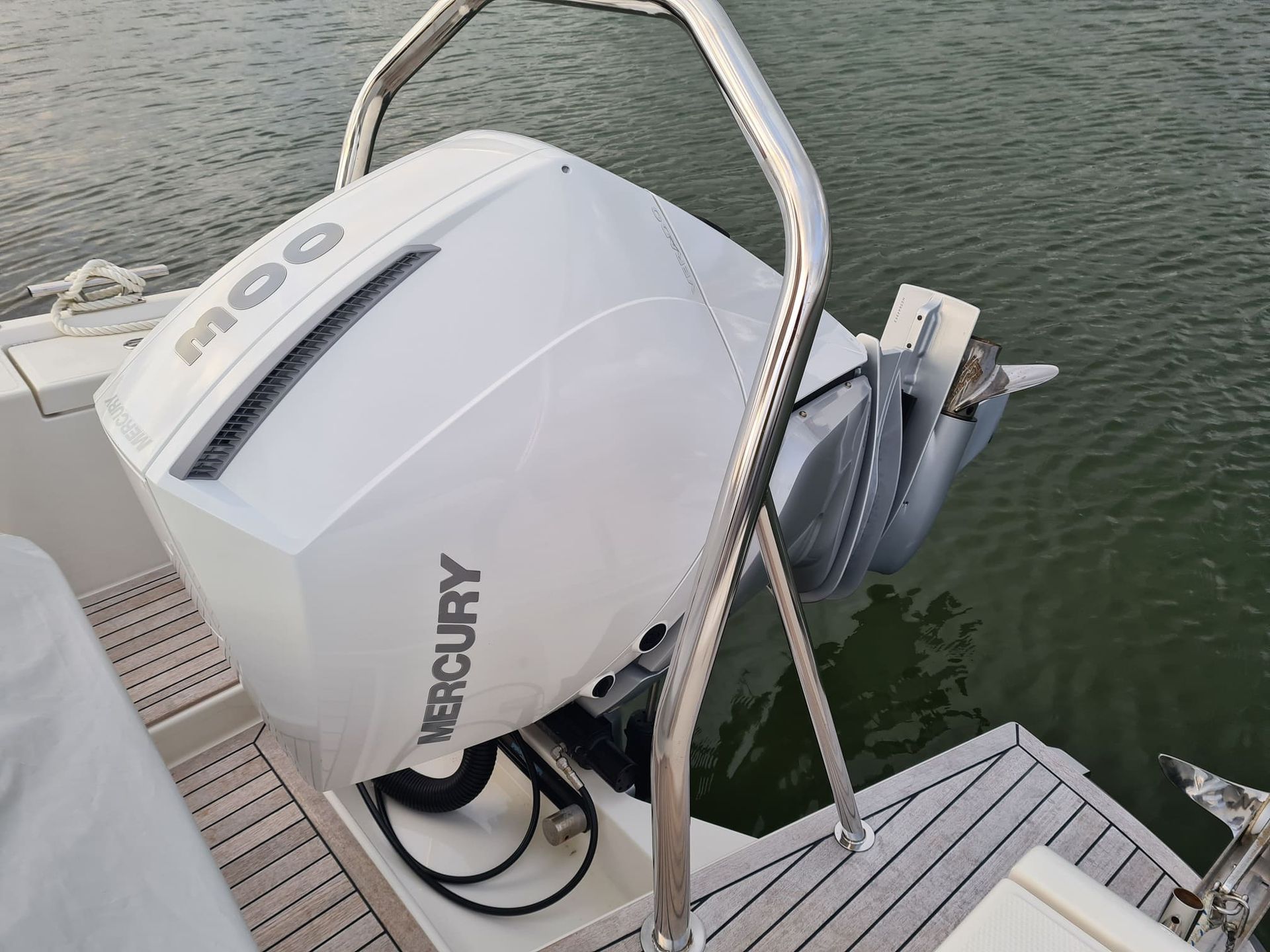
While I'm a firm believer in DIY maintenance, there comes a point where professional help is the wisest choice.
Complex Repairs Beyond DIY Capability
If you've methodically checked the basics—fuel delivery, spark plugs, and visible mechanical issues—but still experience power loss, it's time to consult a professional.
Complex issues that typically require specialized expertise include:
- Internal engine problems (low compression, timing issues)
- Electronic control module (ECM) failures
- Advanced fuel injection system diagnostics
- Lower unit internal damage
According to data from the Marine Mechanics Institute, attempting DIY repairs for these complex issues often results in additional damage and higher eventual repair costs.
Manufacturer-Specific Repairs and Warranty Considerations
Modern outboards, especially those with electronic systems, often require brand-specific diagnostic equipment and training.
Important considerations:
- Warranty work should always be performed by authorized dealers
- Many electronic issues require proprietary software only available to certified technicians
- Attempting certain repairs yourself may void remaining warranty coverage
Yamaha's service guidelines specifically note that their Diagnostic System requires certified technician access and cannot be used by consumers or non-authorized repair facilities.
Quick Troubleshooting Checklist for Outboard Motor Power Loss
When my outboard starts showing signs of power loss, I follow this systematic checklist:
Propeller:
- Check for debris (fishing line, weeds, plastic bags)
- Inspect for physical damage to blades
- Verify the hub isn't spinning freely on the shaft
Fuel System:
- Squeeze the primer bulb to check firmness
- Inspect all fuel lines for cracks or damage
- Verify the fuel filter is clean and was recently replaced
- Check fuel quality and age
- Ensure the fuel tank vent isn't blocked
Ignition System:
- Inspect spark plugs for wear or fouling
- Check plug wires and boots for corrosion
- Verify ignition components are dry and clean
Cooling System:
- Confirm water flow from the telltale outlet
- Check water intake for blockage
- Verify the engine isn't overheating
Air Intake:
- Ensure the engine air intake isn't obstructed
- Check for water in the air intake system
If this checklist doesn't reveal the issue, consulting a qualified marine mechanic is your best next step. According to service data from Mercury Marine, these basic checks identify the cause in approximately 80% of power loss cases.
At JLM Marine, we understand the frustration of outboard power loss and provide quality parts direct from manufacturers. With over two decades of experience in the marine industry, we're committed to helping you maintain your outboard's performance with reliable components at fair prices.
References and Additional Resources

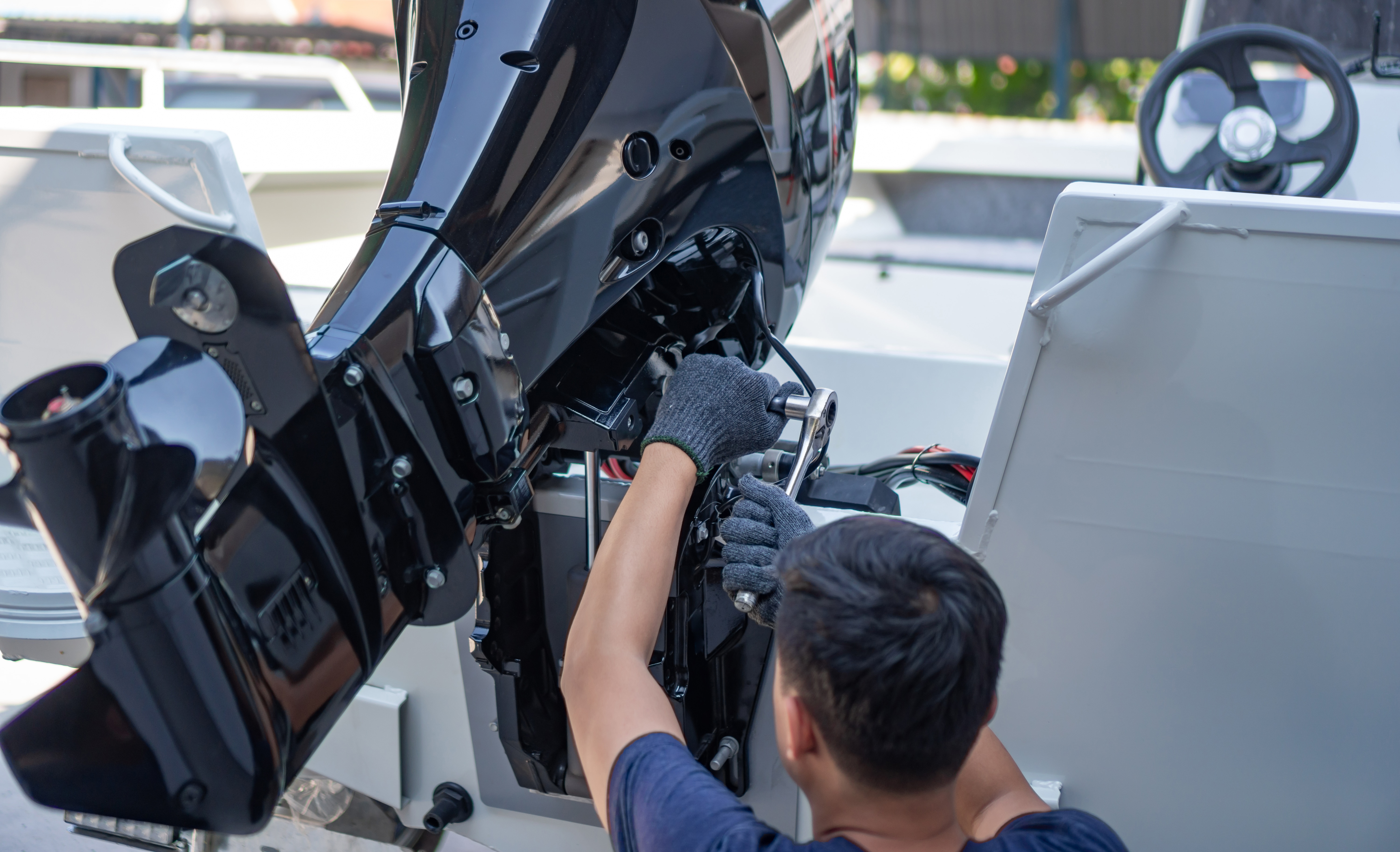
For more information on troubleshooting outboard power issues, these authoritative sources provide excellent guidance: