



Outboard Service Manuals: OEM Guide vs Online Resources
- What Owner's Manuals Actually Cover
- Finding the Right Manual Using Your Serial Number
- OEM Service Manuals vs Aftermarket Guides
- Parts Catalogs and Why You Need Them
- Mercury and Suzuki Serial Number Lookup
- Troubleshooting When the Manual Isn't Enough
- Legal and Safety Notices in Manuals
- OEM vs Non-OEM Parts Quality
- Maintenance Checklists and Staying Consistent


You need to fix your outboard. You track down the serial number, start hunting for a manual, and suddenly you're staring at a dozen different options. OEM from the factory, Clymer paperbacks, Seloc PDFs, random forum posts. Which one actually works?
After 20 years wrenching on outboards, I've used them all. The answer depends on what you're fixing and how deep you're going. Here's what you need to know.
What Owner's Manuals Actually Cover
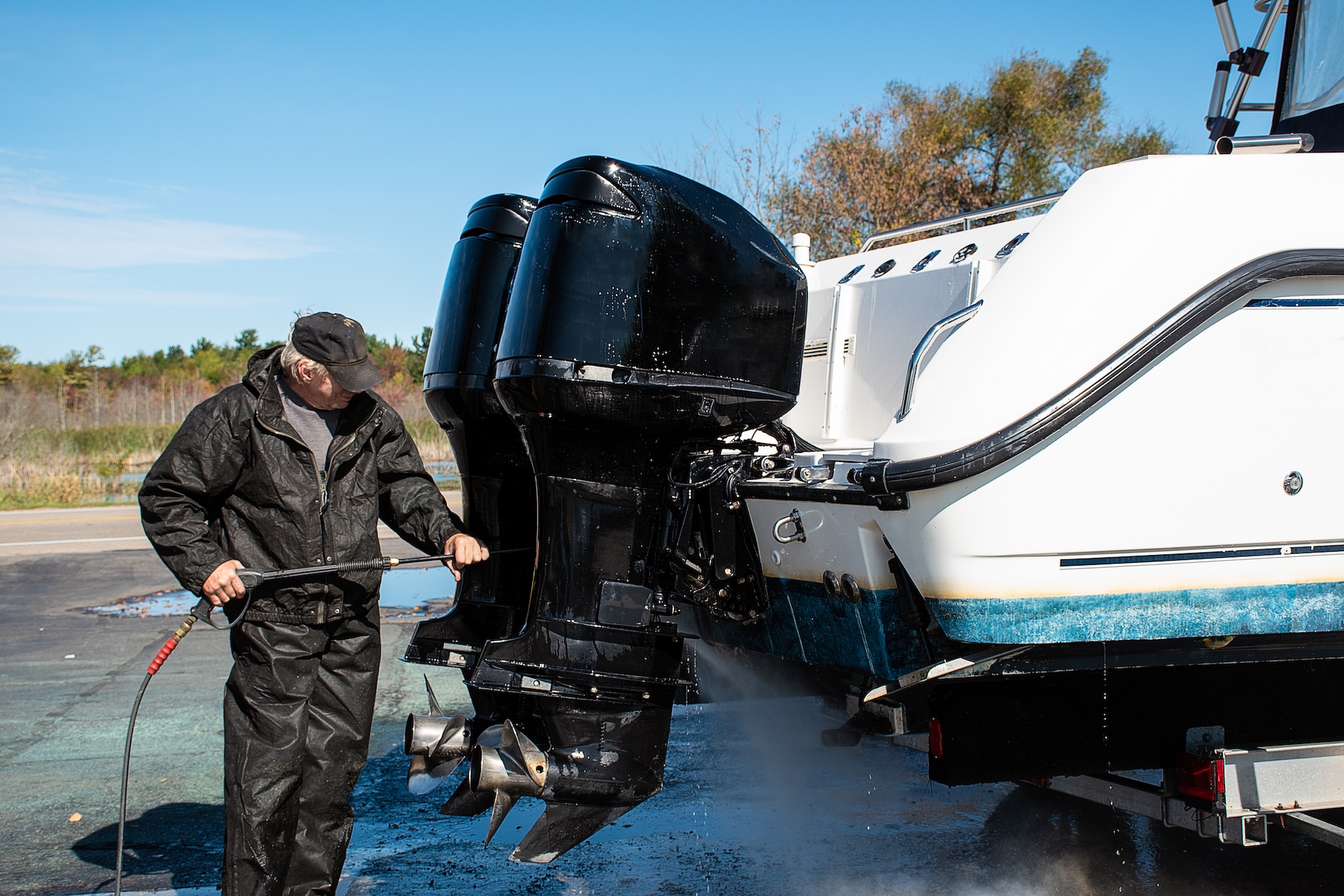
Owner's manuals handle the basics: startup procedure, pre-ride checks, fluid specs, maintenance intervals. They're not for tearing down a powerhead, but they'll tell you when to change lower unit oil, what the fuel/oil ratio is, and how to winterize. Most manufacturers provide these free as PDFs once you register your engine serial number on their site.
Yamaha's owner portal, Mercury's owner resources page, and Honda's marine support section all follow this model. You enter your serial number, download the PDF, done.
Don't skip the pre-use checklist in these manuals. I've caught loose battery terminals, cracked fuel lines, and blown fuses just by running through the list before launching. Simple stuff prevents offshore breakdowns. For more on maintenance tips, see our guide on Avoiding Common DIY Maintenance Mistakes.
Finding the Right Manual Using Your Serial Number
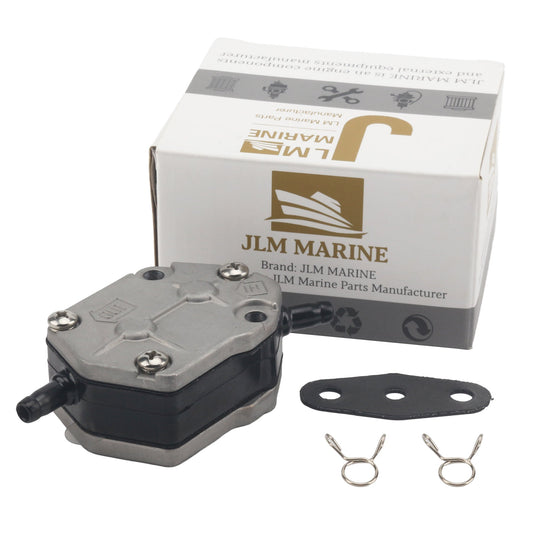
The serial number is the key. Without it, you're guessing at which manual matches your specific engine year and variant. A 2015 Yamaha F150 and a 2018 F150 might share a model name, but they can have different fuel systems, wiring harnesses, and torque specs.
Where to Find Your Serial Number
Yamaha: Check the clamp bracket where the engine mounts to the transom, or the swivel bracket. You'll see a stamped plate with an alpha-numeric code like "F150TXR 6C6L1234567." The whole string matters.
Mercury: Look on the swivel bracket or the upper cowling near the powerhead. Serial format varies by year, but it's usually a combination of letters and numbers on a riveted tag.
Honda: Steering bracket, usually on a silver tag. Honda uses a different format—often starts with "B" or "Z" depending on the series.
Suzuki: Typically on the transom clamp bracket. Suzuki engines often have the serial number stamped directly into the metal, not just on a sticker, so check carefully if the tag is missing.
Once you have it, plug it into the manufacturer's site. Yamaha's online parts system, Mercury's owner center, and Honda's marine manual lookup will pull the exact owner's manual for that engine. These are almost always free downloads. For a deep dive into serial numbers, refer to our Yamaha Outboard Serial Number Guide (2025) and Mercury Serial Number Guide.
Older Models and Archive Manuals
Engines from the 1970s through early 2000s are trickier. Manufacturers don't always keep those manuals on their main portals. Yamaha has archived some older PDFs, but you might need to contact a dealer or dig through forums.
For vintage Johnson, Evinrude, or Force engines, check dedicated forums like iBoats or The Hull Truth. Members scan and share old manuals, though quality varies. Some are blurry photocopies, others are high-res PDFs. Verify the manual matches your exact year and model before trusting it for a rebuild.
If you're hunting a service manual (not just the owner's manual) for an old engine, expect to pay. OEM service manuals for discontinued models sometimes appear on eBay or specialty sites, but they're not cheap.
OEM Service Manuals vs Aftermarket Guides
Owner's manuals get you started. Service manuals get you through the actual repair.
OEM service manuals come straight from the manufacturer. They're written for dealership techs, so they assume you know what a spline tool is and don't need hand-holding. The payoff is accuracy. Wiring diagrams are color-coded and match the actual harness in your engine. Torque sequences are listed in the exact order. Clearances, shim specs, timing marks—it's all there.
Clymer and Seloc publish aftermarket service manuals. These are aimed at DIYers. Clymer manuals, in my experience, have better exploded diagrams and clearer step-by-step sequences than Seloc. When I'm doing something intricate—like setting valve clearances on a four-stroke or timing a CDI ignition—Clymer's diagrams make it easier to see how parts stack and orient.
Seloc manuals work fine for general overviews and parts identification, but the photos can be generic (same image used across multiple models), and the diagrams sometimes lack the detail you need when you're elbow-deep and can't remember which spacer goes where.
When to Use Which Manual
OEM: Use it for electrical troubleshooting, torque specs, and any time you need the exact factory procedure. If you're chasing a no-spark condition, the OEM wiring diagram is the only reliable reference. Aftermarket manuals sometimes simplify or generalize the schematic, which leads to wrong diagnoses.
Clymer: Use it for mechanical tear-downs where you need visual guidance. Carburetor rebuilds, lower unit overhauls, powerhead removal—Clymer walks you through with photos and exploded views that are easier to follow than OEM's technical line drawings. Visit our Carburetor Repair Kit collection for parts to assist your rebuild.
Seloc: Use it if you're doing routine maintenance (impeller swaps, gear oil changes) and just need a quick reference. It's lighter on detail, which is fine when the job is straightforward.
I keep both an OEM PDF and a Clymer paperback in the shop. The OEM manual for specs and wiring, the Clymer for the actual repair sequence.
Parts Catalogs and Why You Need Them
A parts catalog is a diagram of every single component in your engine, with part numbers. When you're ordering a replacement thermostat or a shift shaft bushing, the parts catalog confirms which part number fits your serial number.
Parts catalogs also show you how assemblies fit together. If you're rebuilding a fuel pump and can't remember the diaphragm orientation, the exploded view in the parts catalog will show it. You can browse the Inboard & Outboard Motor Parts collection to find the right components at JLM Marine.
JLM Marine ships parts globally, and the most common mistake we see is customers ordering the wrong part because they guessed at the number instead of checking the catalog. The catalog eliminates that guesswork.
Mercury and Suzuki Serial Number Lookup

Mercury's process mirrors Yamaha's. Go to their owner resources portal, enter your serial number, and download the manual. Mercury's site also links to parts diagrams and maintenance schedules specific to your engine.
Suzuki's marine site requires you to select the model year first, then the horsepower, then the variant (tiller vs remote, standard vs long shaft). It's an extra step, but once you drill down, you'll get the correct manual and parts list.
For both brands, the serial number is the gatekeeper. Don't skip this step.
You might also want to check the Suzuki Outboard Parts Diagrams & Catalog for accurate exploded views when ordering parts.
Troubleshooting When the Manual Isn't Enough
Sometimes the manual tells you to "check for voltage at the CDI unit," but you're still lost. That's when forums help.
The Hull Truth, iBoats, and Continuous Wave (for two-strokes) have techs and experienced DIYers who've seen your exact symptom before. Post your engine model, serial number, and the specific issue (e.g., "pees fine at idle, overheats at WOT"), and you'll get targeted advice.
Use forums to supplement the manual, not replace it. A forum post might point you toward a common failure point (like a clogged popoff valve on a Yamaha HPDI), but the manual will tell you the exact popoff pressure spec and replacement procedure.
Legal and Safety Notices in Manuals
Manuals include USCG references and safety warnings for a reason. If you're modifying a fuel system or bypassing a safety interlock, you're not just risking a breakdown—you're creating a liability.
Always wear safety glasses when working with fuel or compressed air. Gloves protect your hands from sharp edges and hot components. Hearing protection matters if you're running the engine for extended diagnostics.
These aren't suggestions. They're the difference between a quick repair and a trip to urgent care.
OEM vs Non-OEM Parts Quality
Not all aftermarket parts are junk, and not all OEM parts are worth the markup.
High-quality non-OEM parts come from the same factories that produce OEM components. These factories use excess capacity to manufacture parts under different labels. JLM Marine sources from these manufacturers, so you get OEM-spec quality without the dealer price.
Low-quality aftermarket parts—the $10 impeller kits from unknown sellers—use harder rubber, poor tolerances, and incorrect materials. They fail fast. Spending $15 more on a quality non-OEM kit saves you from pulling the lower unit apart again in six months.
OEM parts are reliable, but you're paying for the logo on the box. For wear items like impellers, anodes, and filters, a reputable non-OEM supplier delivers the same performance at a better price. Explore the Cooling System collection and Water Pump Impeller Kit collection for reliable parts.
Maintenance Checklists and Staying Consistent
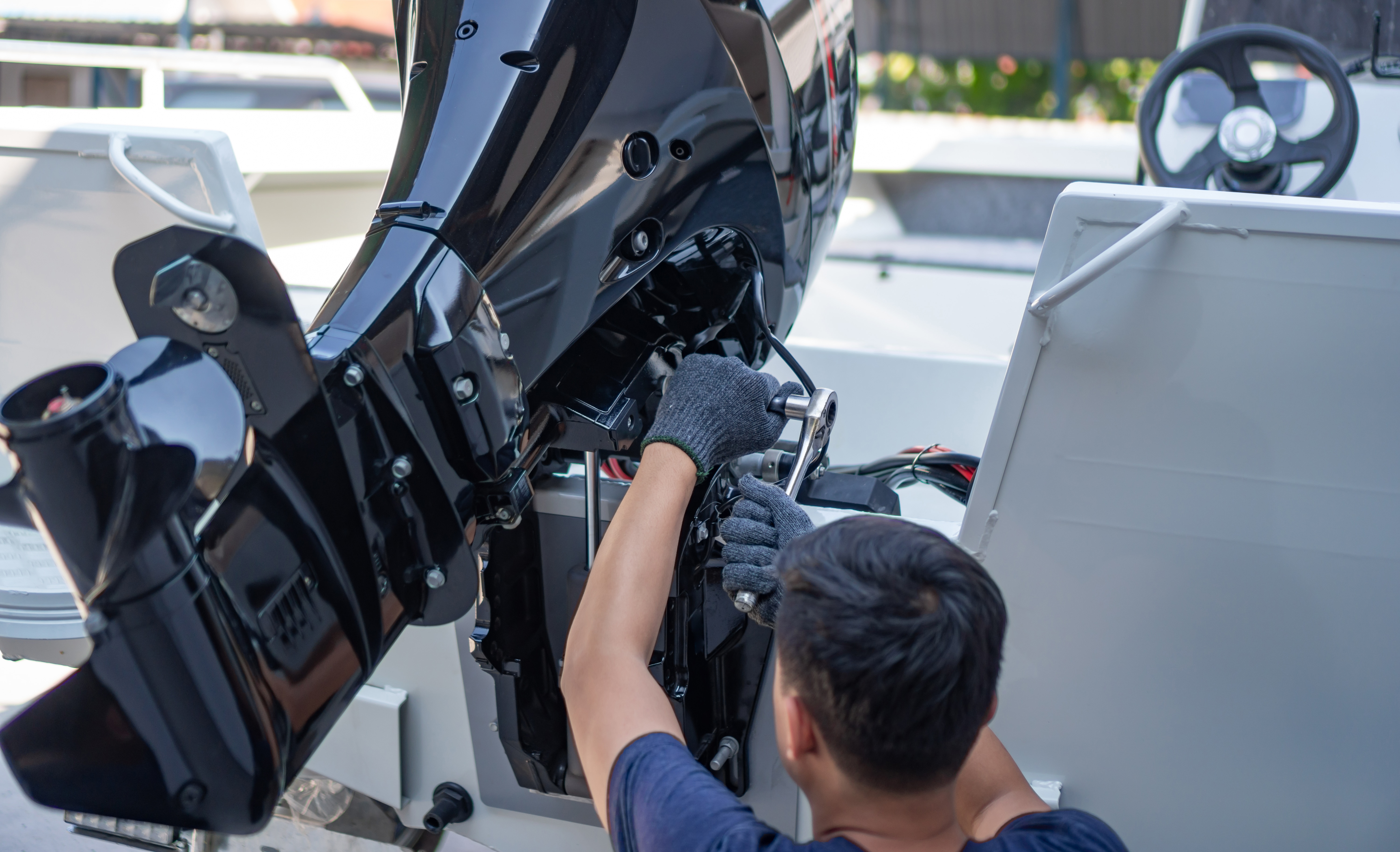
Manuals include maintenance schedules for a reason. Follow them. A Yamaha four-stroke manual will list valve clearance checks every 100 hours. Skip it, and you'll burn a valve or bend a pushrod.
Print the checklist from your manual, laminate it, and keep it in the boat. Tick off each task as you complete it. This prevents the "I think I changed the fuel filter last season" guesswork.
For daily checks, focus on the basics: check the oil level, inspect the fuel line for cracks, confirm the battery terminals are tight, and verify the cooling system pees within 30 seconds of startup. These take five minutes and catch 90% of preventable failures.
After every saltwater ride, flush the engine with fresh water for at least ten minutes. This prevents salt buildup in the cooling passages and keeps the thermostat from seizing. It's the single most effective maintenance habit you can build. Read more about cooling maintenance in our post on Outboard Overheating 101: Quick Checks to Prevent Damage.
For more on overall parts and accessories for your boat, visit the JLM Marine main site.
Hi—I’m Jim Walker
I grew up in a Florida boatyard, earning pocket money (and a few scars) by rebuilding outboard carbs before I could drive. That hands-on habit carried me through a Ph.D. in mechanical engineering, where I studied how salt water quietly murders metal.
I spent ten years designing cooling systems for high-horsepower outboards, then joined JLM Marine as CTO. We bench-test every new part in the lab, but I still bolt early prototypes onto my own 23-foot skiff for a weekend shake-down— nothing beats real wake and spray for finding weak spots.
Here on the blog I share the fixes and shortcuts I’ve learned so your engine—and your day on the water—run smooth.

For Boat Owners:
To assist you in maintaining and repairing your marine engines, we hope the following resources may be of use:
- Mercury Serial Number Guide
- Owner's Manuals from Mercury
- Official Model Number Reference Guide PDF from BRP
- Johnson Serial Number Guide
-
Boat Accessories from JLM Marine
About JLM Marine
Founded in 2002, JLM Marine has established itself as a dedicated manufacturer of high-quality marine parts, based in China. Our commitment to excellence in manufacturing has earned us the trust of top marine brands globally.
As a direct supplier, we bypass intermediaries, which allows us to offer competitive prices without compromising on quality. This approach not only supports cost-efficiency but also ensures that our customers receive the best value directly from the source.
We are excited to expand our reach through retail channels, bringing our expertise and commitment to quality directly to boat owners and enthusiasts worldwide.
Boat Accessories on Sale
- $54.00
- $54.00
- Unit price
- per
- $38.50
- $38.50
- Unit price
- per
- From $39.13
$45.50- From $39.13
- Unit price
- per


- $53.50
- $53.50
- Unit price
- per
- From $54.00
- From $54.00
- Unit price
- per
- $34.50
- $34.50
- Unit price
- per

- $34.50
- $34.50
- Unit price
- per


- $54.00
- $54.00
- Unit price
- per


- $54.00
- $54.00
- Unit price
- per
- $23.50
- $23.50
- Unit price
- per
-
Red
-
Blue
- $45.00
- $45.00
- Unit price
- per
- $32.00
- $32.00
- Unit price
- per
- $40.00
- $40.00
- Unit price
- per
- $22.80
- $22.80
- Unit price
- per
-
Red
-
Blue

- $31.50
- $31.50
- Unit price
- per
- $22.80
- $22.80
- Unit price
- per
-
Red
-
Blue


- $59.00
- $59.00
- Unit price
- per

- $54.00
- $54.00
- Unit price
- per

- $22.80
$27.00- $22.80
- Unit price
- per

- $32.00
- $32.00
- Unit price
- per