

Mercury vs. Yamaha: Which Outboard Engine Is Right for You?
- Horsepower and Power Delivery
- Fuel Consumption
- Build Quality and Corrosion Resistance
- Operation: Noise and Vibration
- Technology and Features
- Dealer Network and Parts Availability
- Warranty Coverage
- Styling and Customization
- Manufacturing Origin
- Maintenance Reality
- Common Issues We See in the Shop
- Who Should Buy Which
- Sources

Mercury and Yamaha dominate the US outboard market. Mercury pushes over 45% market share in many regions, especially in high-horsepower applications, according to Brunswick Corporation's 2023 report. Yamaha trails but holds strong as a competitor, particularly in the mid-range segment per Yamaha's investor materials. After 20 years in the shop, I've rebuilt, diagnosed, and repowered boats with both brands. This is what you actually need to know.
Horsepower and Power Delivery
Mercury's range runs 2.5 HP to 600 HP. Their Verado V12 600 hits that top number—no one else offers that kind of grunt on an outboard. Yamaha caps at 450 HP with the XF450. For most recreational boats, the fight happens in the 150-250 HP range, where both manufacturers have mature, proven models.
Mercury's power delivery leans aggressive. The throttle response is immediate, almost twitchy if you're not used to it. You punch it, the boat jumps. This makes sense for performance applications—tournament bass boats, go-fast center consoles, anything where you want the bow up and the hull on plane fast. The Pro XS line is built specifically for that violent hole-shot.
Yamaha's torque curve is flatter, especially down low. When you ease into the throttle, the boat climbs onto plane without drama. It's predictable. You won't blow past your drift or spook fish with a jerky takeoff. For trolling, this is ideal. The Variable Trolling Speed (VTS) system on many Yamaha models lets you dial in RPM in 50-RPM increments—perfect for dialing in that exact speed for walleye or tuna.
Fuel Consumption

Yamaha consistently burns less fuel in real-world conditions. Their high-pressure direct injection (HPDI) and Variable Camshaft Timing (VCT) systems optimize combustion across the RPM range. We've seen the Yamaha F25 pull 10.4 mpg at wide-open throttle, according to Fishtalk Magazine's test. That's not a misprint—a small four-stroke sipping fuel like that is the result of tight engineering.
Mercury's FourStroke EFI engines are efficient, but they prioritize power. The fuel economy is competitive, just not class-leading. Where Mercury shines is their Active Trim system. It auto-adjusts engine trim based on speed and load, which can save fuel by keeping the hull at the optimal running angle without you fiddling with the trim switch every time conditions change. If you're cruising long distances and don't want to babysit the trim, it's a genuinely useful feature.
If you run 200+ hours a season, Yamaha's fuel efficiency adds up. On a 250 HP comparison, expect Yamaha to save you 10-15% on fuel over a season compared to Mercury, based on our customers' logs. For detailed tips on maximizing your engine’s efficiency and fuel economy, check out our guide on Diagnosing Poor Fuel Economy in Your Outboard Engine.
Build Quality and Corrosion Resistance

Yamaha engines use specific alloys designed for saltwater. Their paint process and anode placement are conservative—they over-engineer corrosion protection. We've torn down 15-year-old Yamahas that spent their entire lives in Florida saltwater, and the internals look surprisingly clean. One Charleston Water Taxi operator logged over 15,000 hours on a 2008 F150 on the original powerhead. That's not a fluke—Yamaha's service intervals are longer, and their engines tolerate neglect better than most.
Mercury's build quality is solid, especially on the Verado and SeaPro lines. The Advanced MidSection (AMS) isolates vibration well, and their gearcases are tough. But in our shop, we see more frequent maintenance needs on Mercury engines in saltwater environments. Anode replacement, paint touch-ups, and internal corrosion on older models come up more often. If you're in the Great Lakes or freshwater, this gap narrows. In the ocean, Yamaha has the edge.
Mercury's SeaPro commercial line is built like a tank—thicker castings, heavier-duty components—but it's a premium option. For the average recreational boater, the standard Mercury FourStroke is what you're getting, and it's good but not bulletproof.
For those interested in maintenance tips especially related to corrosion and saltwater usage, see our article on Saltwater Use and Overheating: Prevention Tips.
Operation: Noise and Vibration

Yamaha engines run quieter. At idle, at cruise, at WOT—they're consistently 3-5 decibels lower than comparable Mercury models. The engine mounts and internal dampening Yamaha uses are exceptional. If you fish or cruise for hours, the reduced fatigue from less noise and vibration is real.
Mercury engines, especially the high-output models, have more mechanical noise. The V8 and V10 Verados are smoother than the inline fours, but even then, you hear the engine working. Some people like that—they want to feel the power. If you're into that sporty, connected experience, Mercury delivers. If you want a conversation at 30 mph without yelling, Yamaha is the call.
Technology and Features
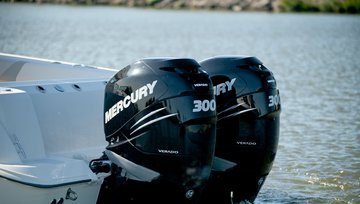
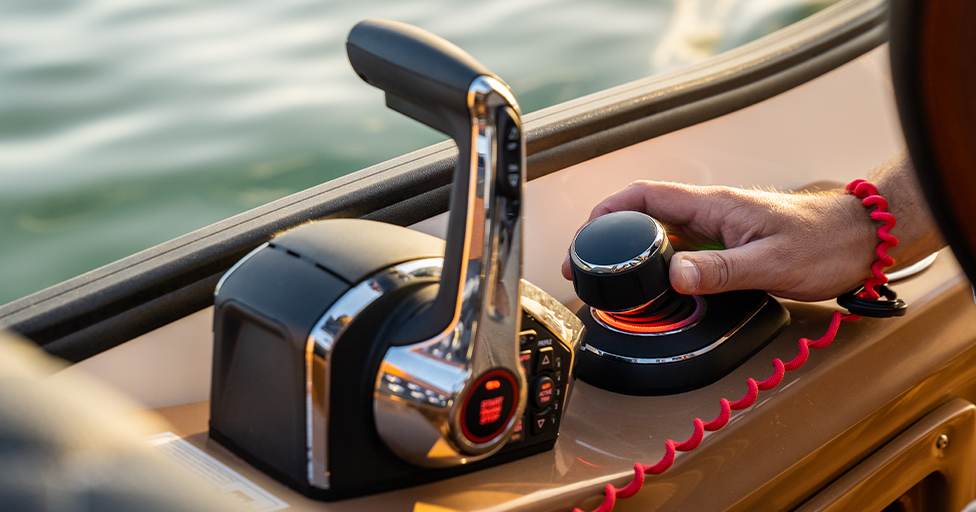
Mercury invests heavily in SmartCraft digital integration. This system networks engine data, fuel management, and diagnostics into a single platform. You can pull up real-time fuel flow, trim angle, engine hours, and fault codes on a multifunction display. For larger boats with twin or triple setups, SmartCraft makes monitoring and sync easy. Mercury's mobile app extends this—you can check engine stats from your phone, get maintenance reminders, and even geofence your boat.
Mercury's joystick piloting systems (available on Verado models) are genuinely useful for docking and maneuvering in tight marinas. You can spin the boat on its axis, crab sideways, or hold position with a button. If low-speed boat control stresses you out, this tech removes that variable.
Yamaha's Digital Network Gauges are simpler but reliable. They give you the essentials—RPM, fuel, trim, diagnostics—without the ecosystem complexity. Yamaha focuses less on flashy tech and more on making the engine itself work well. Their Command Link system ties multiple engines together for sync and monitoring, but it's not as feature-rich as SmartCraft.
For most single-engine setups under 30 feet, Yamaha's approach is adequate. For multi-engine performance boats or if you love integrated tech, Mercury has more to offer.
Dealer Network and Parts Availability
Both brands have extensive US dealer networks. Mercury's presence is slightly deeper in rural and inland areas due to Brunswick Corporation's distribution muscle. Yamaha's dealer network is strong on the coasts and in major boating markets.
The real issue isn't if you can find a dealer—it's how good that dealer is. We've seen customers wait weeks for parts because their local Mercury dealer didn't stock common items. Conversely, some Yamaha dealers are slow on diagnostics. Before you buy, call the local dealers for both brands. Ask about parts inventory for your specific model. Ask about technician certifications. A bad dealer can ruin a good engine.
For parts, non-OEM options exist for both brands. Quality varies. Some factories that produce OEM parts also make non-branded versions during excess capacity—these can match OEM quality at lower cost. We source parts directly from these factories at JLM Marine, and have seen they hold up. Cheap generic parts, especially impellers, thermostats, and gaskets, are a gamble. You'll save $20 and spend $200 in labor redoing the job. You can explore a wide range of Mercury Water Pump Impellers and Yamaha Water Pump Impellers at our store.
Warranty Coverage

Both brands offer a 3-year limited warranty on most recreational models. Mercury extends this on Verado and premium FourStroke models with Gold and Platinum extended service plans. The Platinum plan can push coverage to 8 years, covering major components and offering roadside (or dockside) assistance. The cost is steep—often $1,500-$3,000 depending on horsepower—but for a $20,000+ engine, it's insurance.
Yamaha offers Yamaha Extended Service (Y.E.S.) plans that extend coverage similarly. The terms and pricing are comparable to Mercury's. The key difference: read the fine print. Mercury's Platinum plans often cover more electronic components (like SmartCraft modules), while Yamaha's plans focus on mechanical durability.
If you're buying used, transferable warranties matter. Yamaha's Y.E.S. plans generally transfer to a new owner with less hassle than Mercury's extended plans, which sometimes require dealer verification and fees.
Styling and Customization

Mercury engines have sharper, more aggressive lines. The cowlings on the Verado and Pro XS models look fast sitting still. Mercury offers more color and graphic customization—you can spec custom colors, logos, even hydro-dipping if you're into that.
Yamaha's standard engines have a classic, rounded look. Conservative. The SHO (Super High Output) line breaks this mold with a lower-profile, race-inspired cowling and bolder graphics, but it's still more understated than Mercury's offerings.
The lower units differ in design philosophy. Mercury's Torquemaster gearcase on the Pro XS is built for high-speed efficiency, with a more aggressive bullet shape. Yamaha's SHO bullet-style gearcase is similar but optimized for their V6 platform. Both reduce drag, but Mercury's top-end models edge out Yamaha in hydrodynamic refinement at speeds over 50 mph.
If you care about matching your engine's look to a custom boat build, Mercury gives you more options. If you want a clean, functional look that doesn't call attention to itself, Yamaha delivers.
Manufacturing Origin

Mercury manufactures in the USA. For buyers who prioritize domestic production, that's a selling point. Yamaha engines are built in Japan. Both companies have strict quality control, and the "where it's made" debate mostly comes down to personal preference or principle. We've seen excellent and poor examples from both countries of origin—it's more about the specific factory line and quality oversight than the flag.
Maintenance Reality
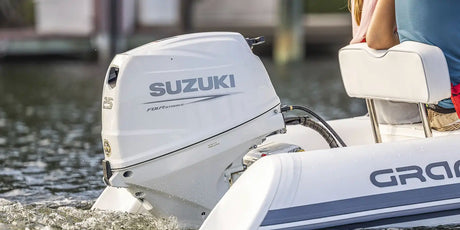
Yamaha engines tolerate longer intervals between service. Their oil capacity is often higher, and the cooling systems are more forgiving if you miss a flush or two. We don't recommend skipping maintenance, but if life gets in the way, a Yamaha will forgive you more often.
Mercury engines, especially the high-output models, are less forgiving. Miss an oil change, run it hard in dirty water, skip the lower unit service—these mistakes compound faster on a Mercury. We see more thermostats, water pumps, and fuel system issues on Mercury engines that weren't maintained on schedule.
For DIY maintenance, both brands are serviceable, but Yamaha's parts layout is often simpler. Changing a fuel filter on a Yamaha F150 takes 15 minutes. On a Mercury Verado, you're often pulling cowlings and navigating tight spaces. If you do your own work, factor that in. For more detailed DIY maintenance guidance on parts like fuel filters and water pumps, explore our collection of Boat Accessories and Cooling System parts.
Common Issues We See in the Shop
Mercury:
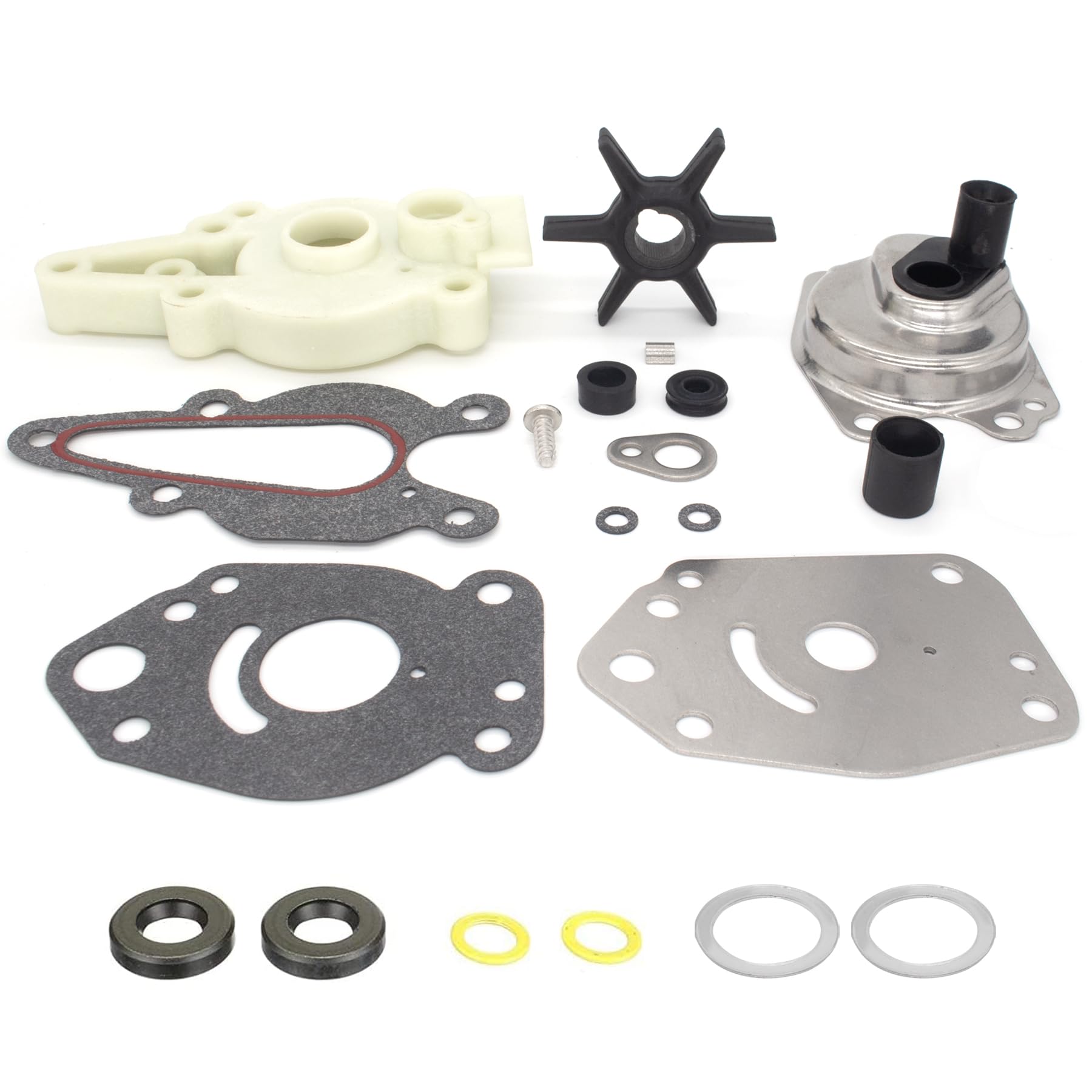
- Water pump impellers on older FourStroke models (pre-2015) wear faster in sandy or silty water. Symptoms: engine overheats at idle, pee stream weak or nonexistent. Fix: pull the lower unit, replace the impeller and housing if scored. Use OEM or quality aftermarket—cheap impellers shed vanes. Learn step-by-step how to replace a Mercury outboard water pump impeller in our guide How to Replace a Mercury Outboard Water Pump Impeller.
- Fuel system contamination on EFI models. Ethanol fuel left sitting degrades, clogs injectors. Symptoms: rough idle, stumbling throttle response, won't start. Fix: clean or replace injectors, run fuel treatment religiously if storing.
- Corrosion on older 2-stroke OptiMax power trim systems. Symptoms: slow or erratic trim movement. Fix: rebuild the trim pump or replace.
Yamaha:
- Thermostat sticking on high-hour engines (2,000+ hours). Symptoms: engine runs cold, pees fine but never reaches operating temp, fuel economy drops. Fix: replace thermostat and gasket, flush system, check for debris. See our tutorial How to Replace the Thermostat on Your Yamaha F225, F250, or F300 for step-by-step instructions.
- Lower unit gear oil leaks on older models due to seal wear. Symptoms: milky oil on drain, water intrusion. Fix: replace seals, inspect gears for pitting, refill with proper weight oil.
- Stator/rectifier failures on older two-stroke models. Symptoms: battery won't charge, electrical gremlins. Fix: replace stator and rectifier together, check wiring harness for chafing.
Both brands share common issues like fouled spark plugs from extended idling (common in fishing boats) and fuel pump failures from bad gas. The difference is frequency—Yamaha's issues pop up less often in our bay.
Who Should Buy Which
Buy Mercury if:
- You need maximum horsepower (400+ HP range).
- You prioritize top-end speed and aggressive acceleration for tournament bass fishing, offshore racing, or performance boating.
- You want integrated tech like SmartCraft, joystick piloting, and app-based monitoring.
- You value a sporty, responsive throttle feel.
- You have access to a top-tier Mercury dealer and plan to stick to the maintenance schedule.
Buy Yamaha if:
- You prioritize fuel efficiency, quiet operation, and low vibration for cruising, fishing, or long trips.
- You operate in saltwater and want the best corrosion resistance without constant maintenance.
- You want proven long-term durability with minimal downtime—commercial operators and high-hour recreational users consistently report fewer issues.
- You prefer a smooth, predictable power delivery over aggressive response.
- You plan to keep the engine 10+ years and value resale or long-term reliability over cutting-edge features.
If you're repowering, check what your local dealers stock for parts and how fast they turn around service. A great engine with poor local support is worse than a good engine with excellent support.
Before you write the check, run both engines on similar boats if possible. The spec sheet doesn't capture how the throttle feels in your hand or whether the engine note annoys you after an hour. Mercury and Yamaha are both excellent—your decision comes down to what you prioritize on the water.
Pro tip: After every saltwater trip, flush your engine with fresh water for at least 10 minutes using a motor flusher or built-in flush port. This single step prevents 90% of the corrosion and cooling system failures we see in the shop. For flushing tips and tools, check out our Water Pump Repair Kit vs. Impeller Only: What Does Your Outboard Need? article.
Sources
- Ancora GmbH: Yamaha vs Mercury Outboards
- Brunswick Corporation Press Release on Market Share
- Yamaha Marine Investor Report PDF
- Fishtalk Magazine: Yamaha F25 Test and Review
- Business Wire: Charleston Water Taxi Case Study
- Foothills Marine: Yamaha vs Mercury Comparison
- Bay Manufacturing: Yamaha vs Mercury
- OB Parts: Yamaha vs Mercury Outboards
- Power Implements: Mercury vs Yamaha Performance Face-off
Explore JLM Marine's full range of quality marine parts and expert advice at our official site.