

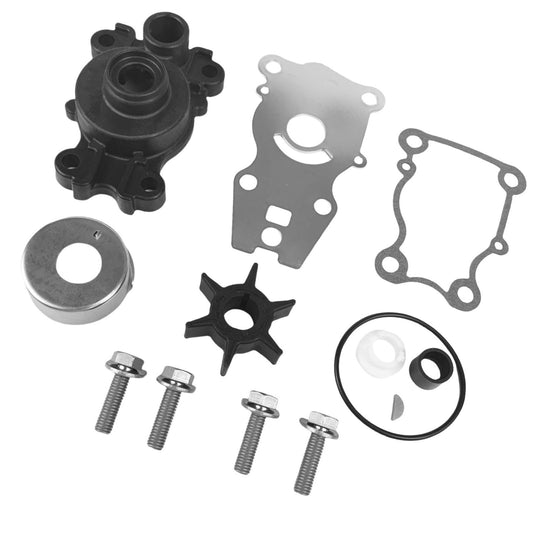
Yamaha 4-Stroke vs. Evinrude 2-Stroke: Performance & Maintenance
- The 2-Stroke Cycle: How Evinrude Engines Generate Power
- The 4-Stroke Cycle: Yamaha's Engine Design
- Yamaha F-Series vs. Evinrude E-TEC: Real-World Performance Data
- Maintenance Schedules and Long-Term Costs
- Parts Availability: The Evinrude Problem
- Troubleshooting Common Failures
- Yamaha vs. Evinrude: Which One to Buy in 2024
- Environmental Regulations and Engine Design
- Parts Sourcing Example: How JLM Marine Helps

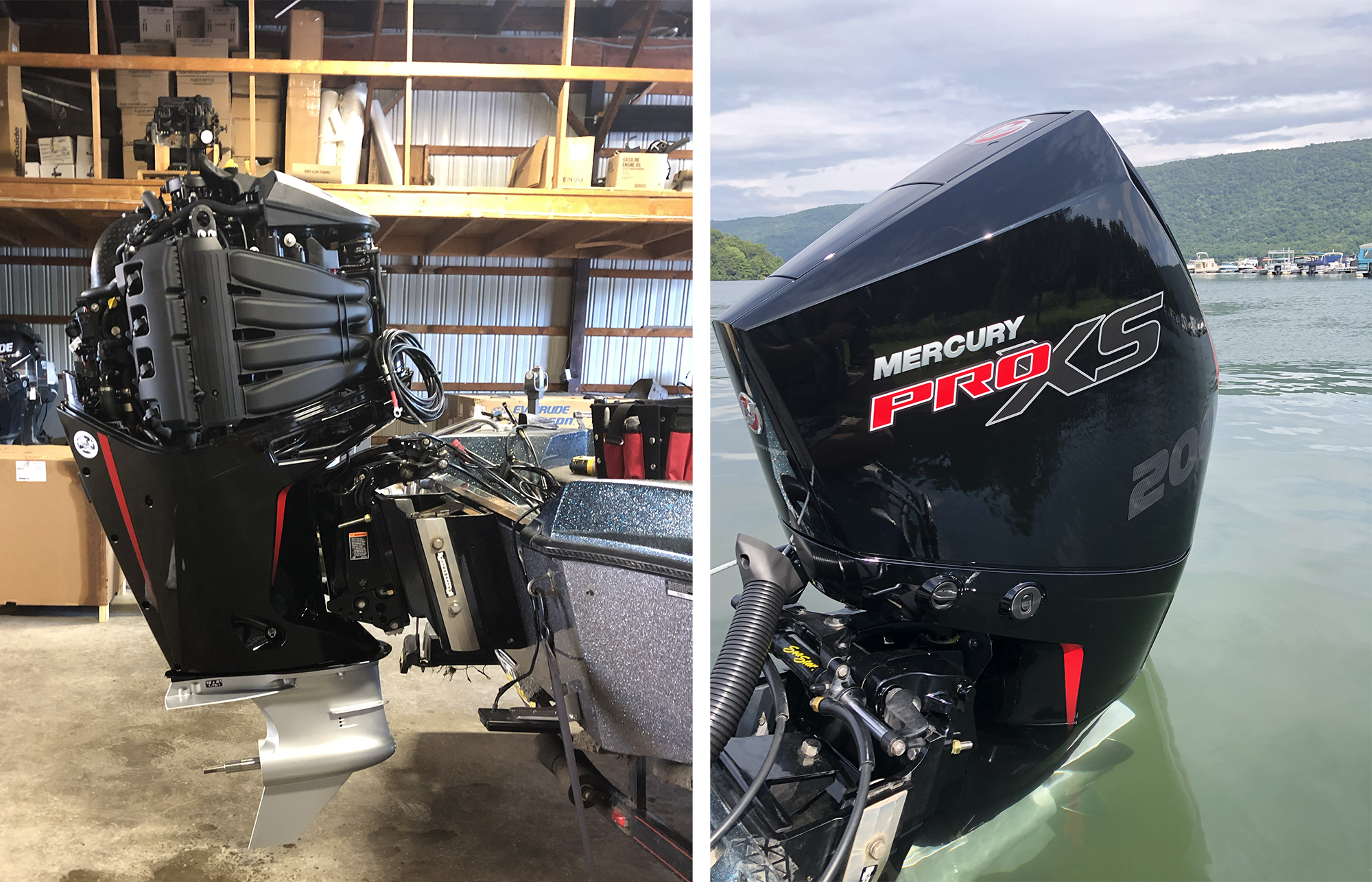
I've worked on outboards for 20 years, and the Yamaha versus Evinrude debate still comes up daily. Yamaha went all-in on 4-strokes while Evinrude pushed 2-stroke technology until they shut down in 2020. Both engines work, but they're built on completely different approaches to combustion and maintenance.
The 2-Stroke Cycle: How Evinrude Engines Generate Power
A 2-stroke fires every crankshaft revolution. The piston moves down, uncovers the exhaust port to dump burnt gases, then uncovers the transfer ports to pull fresh fuel-air mixture from the crankcase into the cylinder. As it moves up, it seals those ports, compresses the mixture, and the spark plug ignites it at the top. That explosion drives the piston back down, and the cycle repeats. No valves, no camshaft—just ports in the cylinder wall and precise timing.
Oil mixes with the fuel to lubricate everything. Older 2-strokes required manual pre-mixing, but Evinrude E-TEC models use an auto-mixing reservoir that injects oil at ratios up to 500:1 depending on load, cutting oil consumption dramatically compared to carbureted designs.
Why 2-Strokes Deliver More Torque
Because a 2-stroke fires every revolution instead of every other, it produces up to 25% more torque than a 4-stroke of the same displacement. Ryan Moody, a charter captain with 30 years on the water, puts it plainly: "My Evinrude E-Tec has a lot more power and torque than an equivalent 4 stroke which means the engine is working less saving fuel." That immediate punch gets a loaded boat on plane faster, which is why you still see 2-strokes on flats boats and tournament rigs where weight and acceleration matter.
The power-to-weight ratio is hard to beat. An Evinrude E-TEC G2 150 weighs 20-100 lbs less than a comparable Yamaha F150, depending on the model. On a 17-foot aluminum hull, that weight difference shows up in handling and hole shot.
2-Stroke Fuel Economy: Better Than You Think
The old knock on 2-strokes was that they guzzled gas. That was true for carbureted engines that dumped raw fuel out the exhaust during scavenging. Evinrude's direct fuel injection changed that. In a head-to-head test on a Key West 239FS, an Evinrude E-TEC G2 150 got 12.5 mpg at cruise. The Yamaha F150 managed 6.1 mpg in the same conditions—17-20% worse. At wide-open throttle, an E-TEC 300 burned fuel at 1.92 mpg while hitting 50.3 mph at 5500 rpm, edging out most 4-stroke competitors in efficiency and speed.
The 4-Stroke Cycle: Yamaha's Engine Design

A 4-stroke takes four piston strokes to complete one power cycle. Intake stroke: piston drops, intake valve opens, fuel-air mixture enters. Compression stroke: both valves close, piston rises, mixture compresses. Combustion stroke: spark plug fires, explosion drives piston down. Exhaust stroke: exhaust valve opens, piston rises, burnt gases exit. The crankshaft rotates twice to complete the sequence.
This requires a camshaft to precisely open and close the valves, and a separate oil sump to lubricate the internals. The fuel stays clean—no oil mixed in—which leads to more complete combustion and lower emissions.
Yamaha 4-Stroke Advantages: Smoothness and Dealer Support
Yamaha 4-strokes are quieter and vibrate less. The power delivery is linear, which most recreational boaters prefer for cruising. They're also cleaner. EPA Tier 3 emissions standards pushed most manufacturers toward 4-strokes, and Yamaha's F-series engines meet those requirements easily.
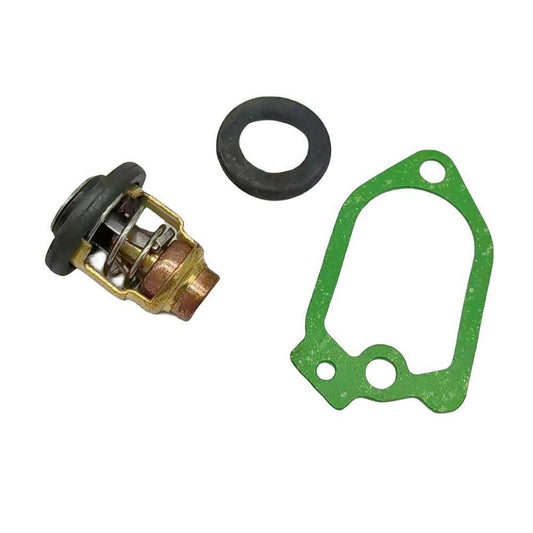
The real advantage in the US market is the dealer network. Yamaha has won 24 straight NMMA Customer Satisfaction Index awards. Parts are everywhere, and any competent marine shop can service a Yamaha. That matters when you're 200 miles from home and need a water pump or a thermostat. For high-quality parts like these, you can find Yamaha Water Pumps and Yamaha Thermostats from reliable suppliers.
Reliability surveys back this up. Yamaha 4-strokes under 150 HP score 9.7 out of 10 in consumer studies, and JD Power consistently ranks them ahead of most competitors for fewer reported issues.
4-Stroke Weight and Complexity
You pay for that refinement in pounds. A Yamaha F150 weighs around 480 lbs. The equivalent Evinrude is closer to 380-400 lbs. On a light hull, that extra weight sits on the transom and affects how the boat rides.
There are more parts to fail. Camshafts, valve springs, timing chains, oil pumps—all of it needs maintenance. A seized valve or a jumped timing chain will leave you dead in the water, and the repair bill won't be small.
Yamaha F-Series vs. Evinrude E-TEC: Real-World Performance Data

We've dyno-tested and water-tested both brands hundreds of times. Here's what the numbers show for popular models in the US market.
Fuel Consumption at Wide-Open Throttle:
- Yamaha F150: 15.5 GPH (source)
- Yamaha F250: 23.8 GPH (source)
- Evinrude E-TEC G2 150: Significantly lower consumption at cruise, with up to 20% better economy than Yamaha at mid-range throttle (source)
Acceleration and Top Speed: In a controlled comparison on the same hull (Key West 239FS), the Evinrude E-TEC G2 250 hit plane quicker and delivered stronger mid-range acceleration than the Yamaha F250. Top speed was nearly identical—around 50 mph—but the Evinrude used less fuel getting there. The torque advantage at 3000-4000 rpm is noticeable when you're loaded with gear and passengers.
Maintenance Schedules and Long-Term Costs
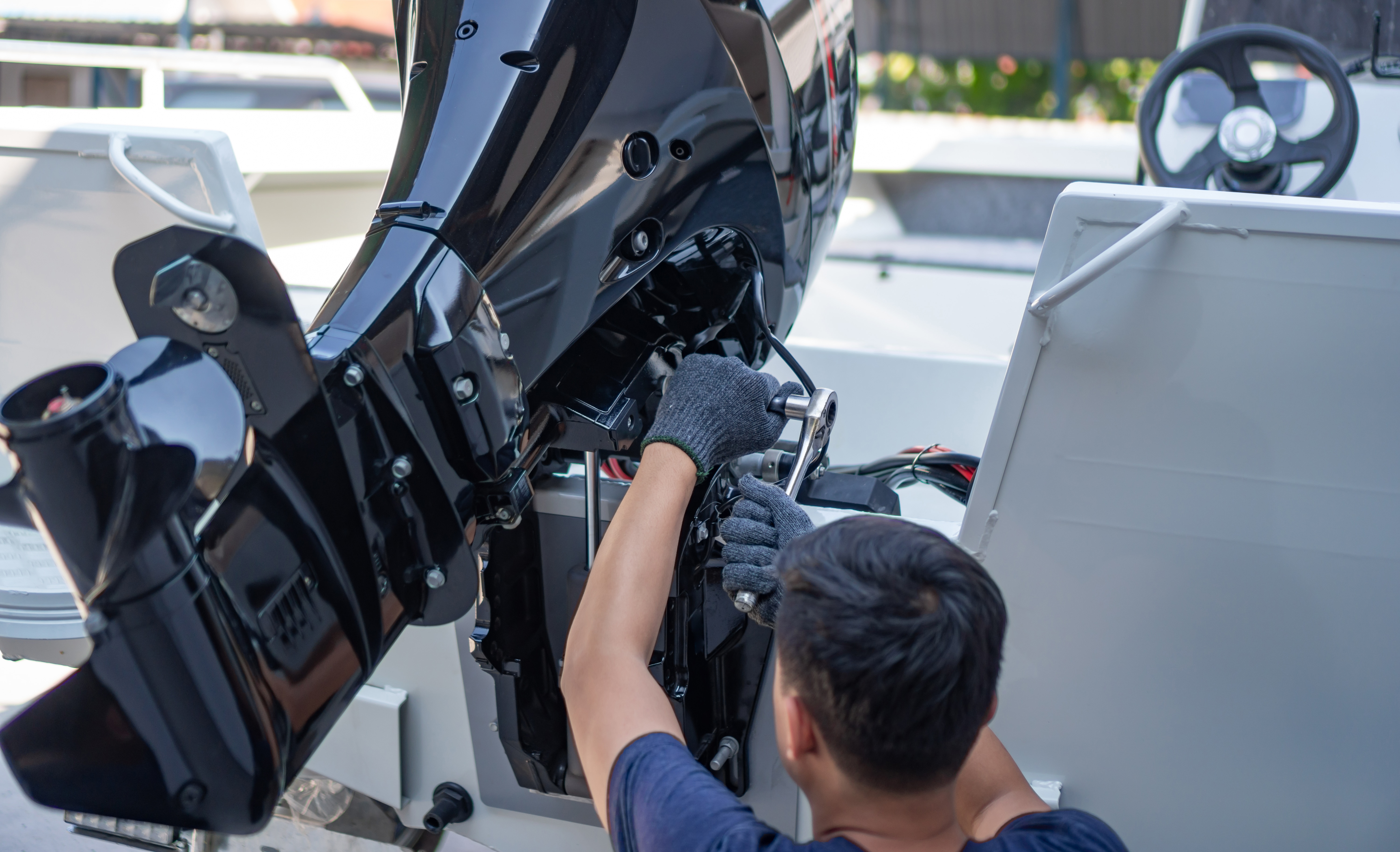
This is where the differences get expensive.
Yamaha 4-Stroke Maintenance Requirements
Oil change every 100 hours or annually, whichever comes first. Cost: $200-$400 per service depending on whether you do it yourself or pay a shop. Lower unit gear oil: every 100 hours or seasonally. Fuel filter and water separator: annually. Thermostat inspection: every 200 hours. Valve clearance check: every 1000 hours, but most mechanics recommend checking it at 500 if you run hard.
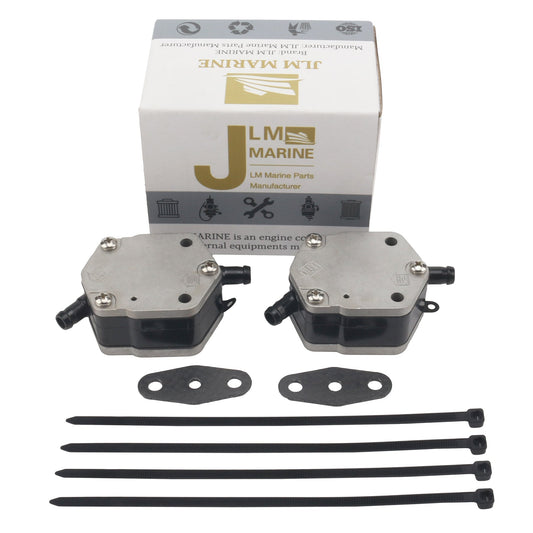
Professional winterization in cold climates runs $400 per engine. If you run twin Yamaha 250s and hit 100 hours a year, you're looking at roughly $2,000 annually in routine maintenance alone (source). For tasks like oil changes, filters, or fuel pump replacements, you can source affordable Yamaha Fuel Filters and Yamaha Fuel Pumps for DIY maintenance.
Evinrude 2-Stroke Maintenance Requirements
No oil changes. The oil reservoir auto-mixes, and you just top it off. First dealer service at 3 years or 300 hours. After that, service intervals stretch to 5 years or 500 hours for most E-TEC models. Spark plugs and lower unit oil are the only regular DIY tasks. The engine has an auto-winterization mode—run it for two minutes, and it circulates fogging oil through the system. Done.
Ryan Moody runs Evinrude E-TECs on his charter operation and calculated the savings: "If I were running a 4 stroke… that would be five lots of servicing fees, which range between $600 and $800… My 2 stroke however has negligible servicing requirements and only requires a plug change and gearbox oil every 300 hours" (source). Over 10 years, one analysis showed E-TEC routine service costs $4,230 less than a comparable 4-stroke, even accounting for the slightly higher cost of 2-stroke oil. You can find key parts like Evinrude Fuel Filters and Evinrude Fuel Pumps at competitive prices ready to ship worldwide.
| Aspect | Yamaha 4-Stroke | Evinrude E-TEC 2-Stroke |
|---|---|---|
| Oil change interval | 100 hrs/annually | None—auto-mix reservoir |
| Dealer service interval | 100 hrs | 300 hrs (first), then 500 hrs |
| Annual cost (150-300 HP, 100 hrs/year) | $400-$1,000/engine | $200-$500 |
| Winterization | Professional ($400) or DIY manual fogging | Auto-winterization (2-minute procedure) |
| 10-year total cost (routine + consumables) | Higher by ~$3,595 | Lower overall |
Parts Availability: The Evinrude Problem
Evinrude stopped production in 2020. BRP still supports existing engines through authorized dealers, but the long-term outlook is uncertain. We've seen lead times for certain Evinrude ECU modules and injectors stretch to 8-12 weeks, sometimes longer if the part isn't in the North American warehouse.
Yamaha parts ship same-day or next-day from most US distributors. If you need a fuel pump or a power pack for a 20-year-old Yamaha 2-stroke, it's still in stock. That's the advantage of an active production line and a massive dealer network.
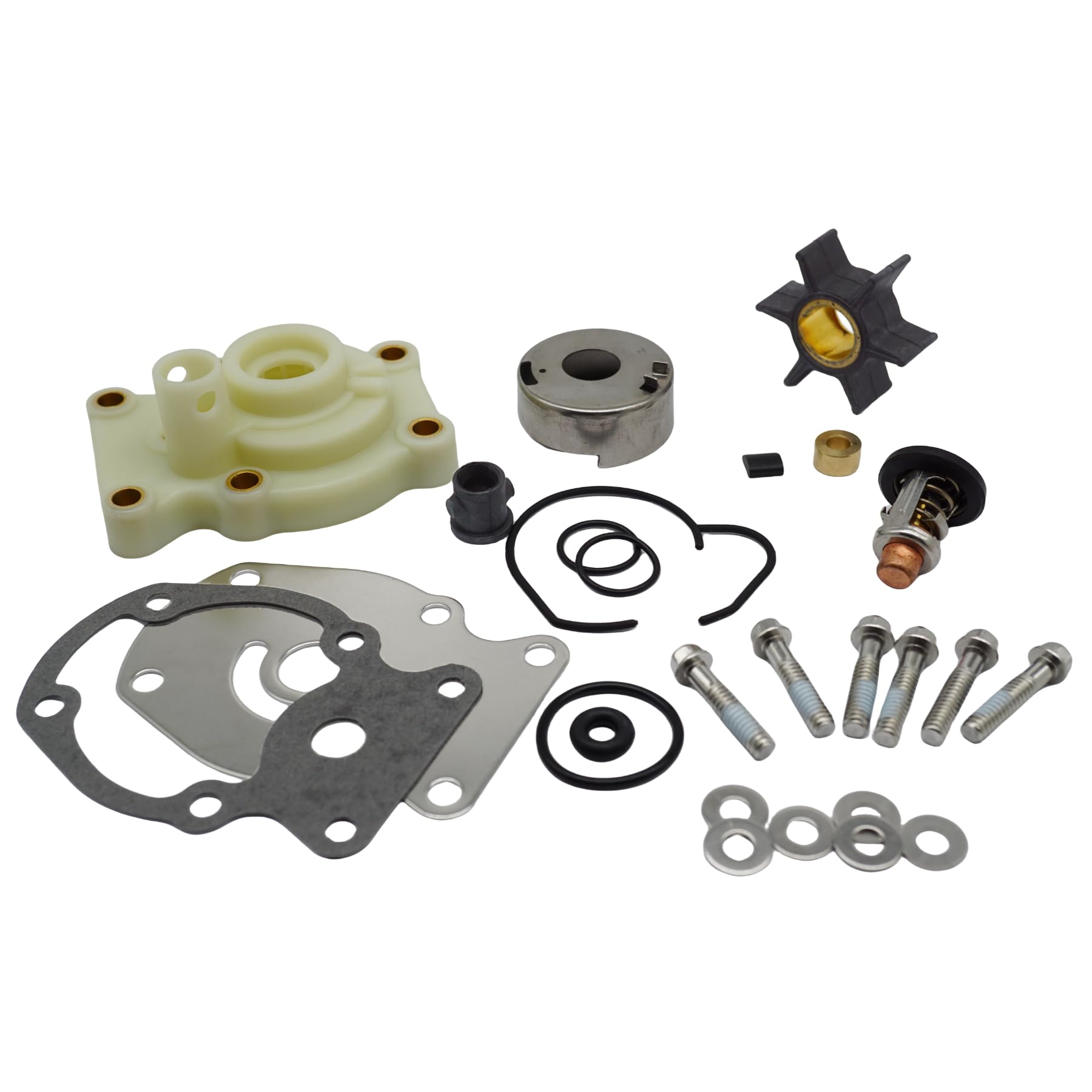
For Evinrude owners, stockpiling critical wear parts—injectors, fuel pumps, stators—is becoming standard practice. If you're buying a used boat with an E-TEC, factor in the cost of a spare parts kit. We recommend sourcing directly from trusted suppliers like JLM Marine, which offers Evinrude Outboard Motor Parts and high-quality Evinrude Water Pumps and Water Pump Impellers to help keep your engine running smoothly.
JLM Marine: Aftermarket Parts That Match OEM Quality
We manufacture marine parts directly and ship worldwide. Aftermarket quality varies, but high-end non-OEM parts often come from the same factories that produce OEM components. They use excess capacity to produce parts without the brand markup. Our thermostats, impellers, and fuel system components meet or exceed OEM specifications because we control the manufacturing process from the start.
For example, a Yamaha thermostat from the dealer costs $80-$120. Our equivalent part is $35-$50, ships free worldwide, and arrives in 5-15 days. We've supplied parts to Australia, Europe, and across North America for engines that dealers claimed were "too old" to service. If you email us your engine serial number and model, we'll confirm fitment before shipping.
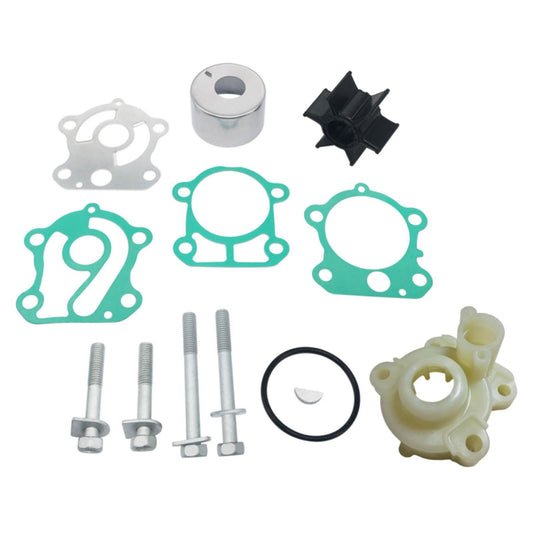
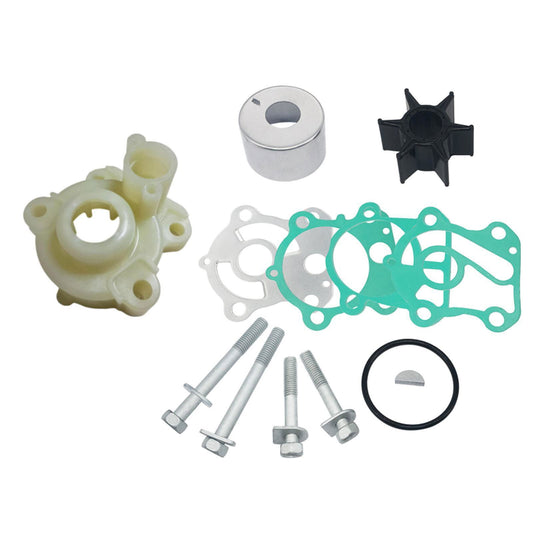
Avoid the $10 impeller kits from random online sellers. The rubber is too hard, the fitment is off, and you'll be pulling the lower unit again in six months. It's not worth the headache. Learn more about Water Pump Repair Kits vs. Impeller Only options to make the right choice for your outboard.
Troubleshooting Common Failures

Yamaha 4-Stroke: Overheating at Idle, Normal at Throttle
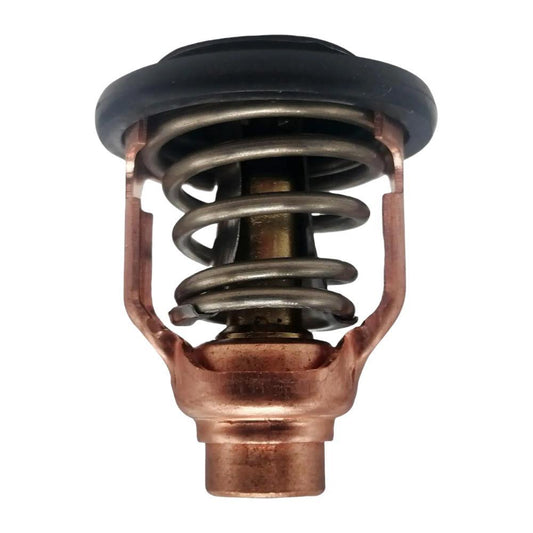
Check the intake screens first. They clog with grass, leaves, and plastic bags. Pull them, rinse them, reinstall. If that doesn't fix it, pull the thermostat. A stuck-closed thermostat will overheat the engine at low RPM when water flow is minimal. Look for white salt crust or corrosion on the thermostat spring—that's what causes it to seize. If the thermostat is clean and opens properly in boiling water, check the water pump impeller for wear or missing vanes.
For precise steps on thermostat care, review our Thermostat Maintenance: Keeping Your Outboard Running Cool guide. You'll also find detailed guidance on how to replace the thermostat on Yamaha F-series engines.
Tool list: 10mm socket, flathead screwdriver, needle-nose pliers, thermometer (for testing thermostat).
Evinrude 2-Stroke: Excessive Smoke or Rough Idle
If it's smoking more than usual, check the oil reservoir level first. Low oil will trigger the engine to dump excess oil as a protective measure, causing blue smoke. If the reservoir is full, inspect the oil pump operation. The E-TEC self-diagnoses, so hook up a diagnostic tool and check for fault codes related to the oil injection system.
Fouled spark plugs are another common cause. Pull the plugs and inspect them. Black, sooty deposits mean incomplete combustion—either from a clogged injector or weak ignition. Clean or replace the plugs, then run the engine hard for 10 minutes to clear carbon buildup. If the smoke persists, the injectors need cleaning or replacement.
Rough idle usually points to a vacuum leak in the intake or a failing throttle position sensor. Spray carburetor cleaner around the intake manifold gaskets while the engine is idling. If the RPM changes, you've found your leak.
Evinrude E-TEC Oil Pump Verification
To verify the oil pump is working: Start the engine and let it idle. The oil reservoir should show a slight drop in level after 5-10 minutes of running. If the level doesn't change, the pump isn't injecting. Check the wiring harness to the pump for corrosion or breaks. The pump itself rarely fails, but the electrical connection does.
Yamaha vs. Evinrude: Which One to Buy in 2024

If you're buying new or want zero risk, Yamaha is the answer. Parts are available, service is everywhere, and the engines last. You'll pay more upfront and more over time for maintenance, but you won't be stranded.
If you're looking at a used boat with an Evinrude E-TEC and the price reflects the parts risk, it's still a solid engine. The torque, fuel economy, and low maintenance are real advantages, especially if you're running a light boat or fishing tournaments where every pound and every gallon of fuel counts. Just budget for a parts stockpile—injectors, a spare ECU, fuel pumps—and find a mechanic who knows the E-TEC system.
For DIY maintenance, Evinrude is easier. A forum user named Jefecinco who has hands-on experience with both summed it up: "Yamahas are not built with DIY maintenance in mind, but rather dealer maintenance and parts department profits… Evinrudes are clearly more DIY friendly" (source). Changing a fuel filter on an Evinrude takes 5-10 minutes and costs $10-15. On a Yamaha HPDI, the filter is buried under the vapor separator, and the job takes 45-60 minutes with half the cowling disassembled. Yamaha owners looking for fuel filters or pumps will find what they need with ease from JLM Marine's Yamaha Fuel Filter parts collection.
Environmental Regulations and Engine Design
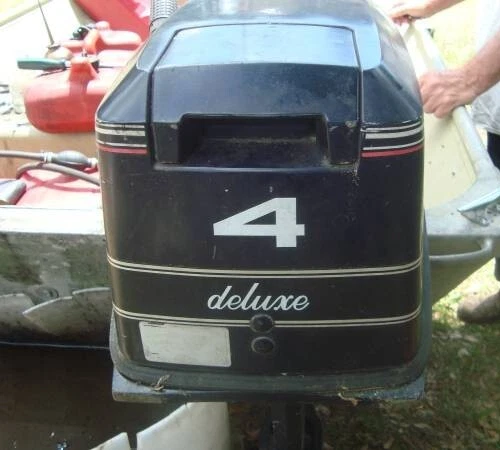
EPA Tier 3 standards regulate hydrocarbon and nitrogen oxide emissions. Yamaha 4-strokes meet these limits easily due to clean fuel combustion and closed-loop oil systems. Evinrude E-TEC 2-strokes also meet the standards—direct injection eliminates most of the raw fuel that older 2-strokes dumped overboard. In fact, E-TEC engines produce 30-50% less CO than 2004-era 4-strokes in some tests, which surprised a lot of people who assumed all 2-strokes were dirty.
The push toward electric and hybrid outboards is coming, but for now, the Yamaha 4-stroke and Evinrude 2-stroke represent the two most refined combustion technologies available.
Parts Sourcing Example: How JLM Marine Helps
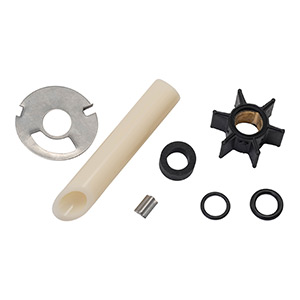
We helped an Australian customer source a discontinued water pump housing for a 1995 Yamaha 150 2-stroke. Local dealers quoted 6-8 weeks and $400. We had the part in stock, shipped it for free, and he installed it five days later. That's the advantage of direct factory supply and a global parts network.
If you're working on an older engine or a discontinued model, email us the serial number and a photo of the part. We'll confirm the part number and ship it. No guesswork, no wrong parts showing up at your door.
Pro tip: Flush your engine with fresh water after every saltwater run. It takes two minutes, and it prevents salt crystallization in the cooling passages that causes thermostats to seize and water pumps to fail early. For tips on preventing cooling system failures, see the Johnson/Evinrude Outboard Water Pump Replacement Guide to keep your engine running cool and reliable.
For more premium marine parts and to explore our entire product range, visit JLM Marine: Direct from Factory Boat Parts | Free Worldwide Shipping.
Для владельцев подвесных моторов Yamaha:
Мы надеемся, что следующие ресурсы окажутся полезными для вас в обслуживании и ремонте ваших судовых двигателей:
-
Детали подвесных моторов Yamaha
- Водяной насос Ямаха
- Рабочее колесо водяного насоса Yamaha
- Комплект крыльчатки водяного насоса Yamaha
- Термостат Ямаха
- Карбюратор Ямаха
- Комплект для ремонта карбюратора Yamaha
- Топливный насос Ямаха
- Топливный фильтр Ямаха
- Топливная магистраль и соединитель Yamaha
- Топливная магистраль Yamaha
- Сальник Yamaha
- Прокладка Ямаха
- Переключатель зажигания Yamaha
- Комплект топливного насоса Yamaha
О компании JLM Marine
Основанная в 2002 году, компания JLM Marine зарекомендовала себя как специализированный производитель высококачественных морских деталей, базирующийся в Китае. Наша приверженность совершенству в производстве заслужила нам доверие ведущих мировых морских брендов.
Как прямой поставщик, мы обходим посредников, что позволяет нам предлагать конкурентоспособные цены без ущерба качеству. Такой подход не только поддерживает экономическую эффективность, но и гарантирует, что наши клиенты получают наилучшую ценность напрямую от источника.
Мы рады расширить свое присутствие через розничные каналы, предлагая наш опыт и приверженность качеству непосредственно владельцам и любителям лодок по всему миру.
Распродажа деталей Yamaha
- $34.50
- $34.50
- Unit price
- per
- $32.00
- $32.00
- Unit price
- per
- $55.50
- $55.50
- Unit price
- per
- $21.19
$32.00- $21.19
- Unit price
- per

- $36.00
- $36.00
- Unit price
- per
- $22.80
$28.50- $22.80
- Unit price
- per
- $19.95
$25.00- $19.95
- Unit price
- per
- $34.99
- $34.99
- Unit price
- per
- $30.00
- $30.00
- Unit price
- per

- $73.50
$84.99- $73.50
- Unit price
- per
- $21.79
- $21.79
- Unit price
- per

- $28.90
- $28.90
- Unit price
- per
- $17.58
$23.00- $17.58
- Unit price
- per

- $22.95
- $22.95
- Unit price
- per

- $38.50
- $38.50
- Unit price
- per
- $69.99
$88.88- $69.99
- Unit price
- per

- $42.50
- $42.50
- Unit price
- per

- $51.40
$65.00- $51.40
- Unit price
- per
- $40.00
$47.00- $40.00
- Unit price
- per
- $44.50
- $44.50
- Unit price
- per