



Fall Fishing Season: Maintenance Before Temperatures Drop
Winterizing Your Outboard Before the First Frost
The biggest mistake I see every fall is guys waiting too long to winterize. They fish into late October, temps drop overnight, and by morning there's a cracked block sitting in the driveway. A replacement block runs $5,000 or more, not counting labor. Skip that.
Start winterization when water temps hit about 50°F, even if you plan to fish a few more weekends. You can always run the engine again, but you can't un-crack a frozen block. For a proven winterizing process, our detailed How to Winterize Your Outboard Engine (Step-by-Step) guide is a great resource.
Flushing and Antifreeze
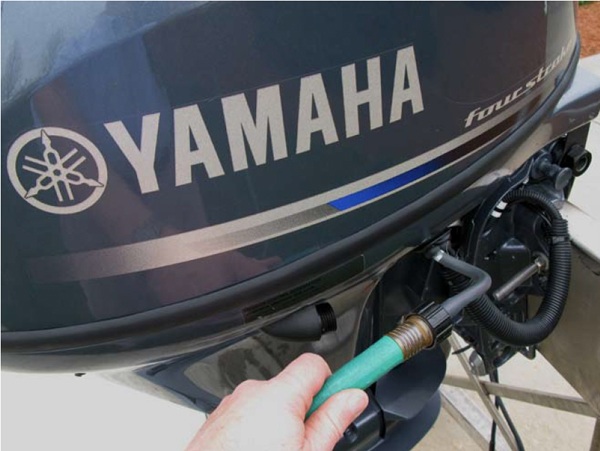
Flush your engine with fresh water after every trip. Saltwater corrosion builds fast in cooling passages during fall because you're running shorter trips in colder water—the engine never gets hot enough to burn off deposits. For tips on cooling system maintenance, check our Cooling System parts collection to ensure you have quality replacement components.
For antifreeze, use propylene glycol-based marine antifreeze rated to -50°F. Ethylene glycol (automotive antifreeze) corrodes aluminum and voids most warranties. Pour antifreeze into the raw water intake until it comes out the pee hole. On a typical 115 HP outboard, this takes about 2 gallons. Don't skip the pee hole check—if antifreeze isn't coming out, your passages are blocked or you're pouring it into the wrong fitting.
If you already suspect freeze damage from a previous season, check for these signs before you even start the engine: coolant in the oil (milky appearance on the dipstick), visible cracks on the block casting near the thermostat housing, or water weeping from the block when the engine sits cold overnight. Catching these early saves you from grenading a motor on the first spring start. For more on diagnosing thermostat and cooling problems, see our How to Replace the Thermostat on Your Yamaha F225, F250, or F300 Outboard Motor tutorial.
Oil and Fuel System
Change your oil and filter before storage, not in spring. Combustion acids sit in old oil all winter and pit the bearings. For a four-stroke outboard, this is a 20-minute job. Used oil disposal is free at most auto parts stores.
Fuel stabilizer is non-negotiable. Ethanol-blended fuel (E10) phase-separates in as little as 60 days in cold storage. The ethanol absorbs moisture, sinks to the bottom of the tank, and you're trying to start your engine on a layer of water come April. Non-ethanol fuel is more stable, but still needs stabilizer for storage over 90 days.
Add stabilizer at a 1:100 ratio for E10 (1 ounce per 2.5 gallons), then fill the tank completely—a full tank prevents condensation. Run the engine for 10 minutes to circulate treated fuel through the carburetor or injectors. I've seen guys add stabilizer and immediately shut down; the untreated fuel in the carb bowl gums up the jets and they're pulling the carb apart in March. If you need carburetor parts or repair kits in preparation for winterizing, visit our Carburetor and Carburetor Repair Kit collections.
Draining Water Systems
Drain livewells, bait tanks, washdown pumps, and any raw water plumbing. Water left in these systems freezes, splits the plumbing, and you're looking at $800 in parts and a weekend of tracing hidden leaks.
For livewells with pumps below the waterline, opening the drain plug isn't enough. Disconnect the intake hose at the thru-hull and blow compressed air (30 PSI max) back through the system to clear the pump housing. I've replaced dozens of livewell pumps that cracked because the owner assumed gravity drained them completely.
Run antifreeze through the freshwater system if your boat has a galley or head. Pour a quart into the tank, turn on the pump, and open every faucet until you see pink antifreeze. Don't forget the deck shower or transom washdown—those lines run through unheated compartments and freeze first.
Outboard-Specific Checks
Lower Unit
Pull the lower unit drain and vent plugs and inspect the gear oil. If it comes out milky or has metal flakes, your seals are shot. Water in the gear case freezes, expands, and can crack the housing. A lower unit rebuild starts around $1,200. Refill with the manufacturer's specified gear oil weight—usually 80W-90 for most outboards, but Mercury Verado uses a synthetic blend. Check your manual. For detailed gearcase maintenance tips, see our Maintaining Your Outboard’s Gearcase: Mercury vs. Yamaha post.
Grease the prop shaft splines while the lower unit is drained. Corrosion on the splines can lock the prop onto the shaft by spring. I've had to cut props off with an angle grinder because guys skipped this step.
Fogging the Engine
Two-strokes and four-strokes both benefit from fogging oil. Remove the air intake (or air filter on a four-stroke), start the engine, and spray fogging oil into the intake until the engine starts to smoke heavily. Kill the ignition while still spraying—you want that oil coating the cylinder walls while the engine dies. This prevents rust on the cylinder bores during storage. For a focused explanation, see our Fogging Your Engine for Winter: Why and How post.
Pull the spark plugs and spray a short burst of fogging oil directly into each cylinder, then hand-turn the flywheel a few revolutions to distribute it. Reinstall the plugs finger-tight. I leave them slightly loose to relieve any pressure from condensation, but some mechanics argue this lets moisture in. Your call.
Trailer and Electrical
Inspect trailer bearings for play and grease them. Bearing failure is the number one cause of roadside breakdowns, especially after a boat has been sitting in the driveway all winter with weight on one side. A bearing buddy and a grease gun takes 10 minutes per hub.
Check tire pressure and look for cracks in the sidewalls. Trailer tires dry-rot faster than car tires because they sit stationary for months. If your tires are over five years old (check the DOT date code on the sidewall), replace them before next season.
Test trailer lights before the first spring launch. Corrosion in the connectors is guaranteed if you launch in saltwater. Pull the connector apart, spray with electrical contact cleaner, coat with dielectric grease, and reconnect. If your lights still don't work, the ground wire is corroded where it bolts to the frame. Sand the contact point and reconnect.
Disconnect the battery and store it on a trickle charger indoors. A battery sitting in a cold hull will sulfate and lose capacity. If you don't have a charger, at least bring the battery inside and check the voltage monthly—recharge if it drops below 12.4V. For more tips on battery care, explore our Battery Care During the Off-Season: Keep It Charged guide.
Tackle Maintenance for Cold Storage
Reels take more abuse in fall than any other season. Cold water, grit from dying vegetation, and the longer fights from pre-winter feeding all wear on drags and bearings.
Disassemble each reel and clean with a degreaser—Simple Green works, but I prefer brake cleaner for the spool and gears because it evaporates instantly. Dry all parts with compressed air or a blow dryer on low (high heat warps plastic). Inspect the drag washers; if they're glazed or compressed, replace them.
For lubrication: use light oil (like Quantum Hot Sauce or 3-in-1) on bearings and the line roller. Use light grease (like Cal's Drag Grease) on the drag washers and any sliding surfaces. Do not use heavy grease on high-speed components—it slows the reel and traps moisture. Do not use WD-40 on drags—it's a solvent, not a lubricant, and will destroy the drag washers in about three trips.
Spool off old line and inspect it under tension. Run it between your fingers; if you feel nicks, flat spots, or stiffness, respool. Monofilament and fluorocarbon degrade from UV exposure even if you didn't fish much. Braid lasts longer, but check for fraying at the knot and the first 20 feet that saw the most casts. Store bulk line spools in a cool, dark place—not the garage where temperature swings accelerate breakdown.
Rods need a wipe-down with a damp cloth to remove salt spray and fish slime, which are both corrosive. Inspect the guides for cracks or grooves. A cracked guide will fray your line on the first cast in spring. If the guide insert (usually ceramic or silicon carbide) is damaged, replace the guide. Don't try to wrap a new guide yourself unless you've done it before—most guys make a mess and the guide ends up crooked. A rod shop charges about $15 per guide.
Store rods vertically in tubes or a rack. Horizontal storage on hooks can create a bend in the blank over time, especially in a hot garage. Temperature swings weaken epoxy bonds, so keep rods in a climate-controlled space if possible—between 50°F and 75°F is ideal.
Late-Season Fishing Adjustments 
If you're still fishing into November, water temps in most US regions drop into the 45°F to 55°F range. Fish metabolism slows, but they're still feeding heavily to build fat reserves. The difference is they won't chase fast-moving lures.
At 50°F, slow your retrieve to about half your summer speed. At 40°F, you're barely crawling the lure. Use a countdown method: cast, let the lure sink on a slack line while you count to 10, then retrieve for three cranks, pause for five seconds, repeat. This mimics a dying baitfish and triggers strikes from lethargic bass or walleye.
Switch to larger profile baits—4-inch swimbaits, 3/4 oz spinnerbaits, or 6-inch jerkbaits. A bigger meal is worth the energy expenditure for a cold fish. Smaller 2-inch grubs that worked in summer get ignored now.
For lure color in murky fall water, use chartreuse or white in stained water under 2 feet of visibility. Use silver or chrome in clear water when baitfish (shad, shiners) are the primary forage—the flash mimics scales. Use gold or copper in tannic or tea-colored water common in reservoirs with heavy leaf fall. These colors reflect the low-angle fall sunlight better than darker hues.
Tie your lures with a non-slip loop knot (also called a Rapala knot). This allows the lure to swing freely on the loop rather than being cinched tight to the line, which creates more erratic action on slow retrieves. It makes a noticeable difference when fish are finicky.
Transition Zones and Structure
Target depth transition zones—the edge where a flat drops from 8 feet to 15 feet. Baitfish use these as highways, moving shallow to feed in the morning and retreating deep by afternoon. Position your boat in 12 feet and cast both directions, covering the drop.
In reservoirs, focus on main lake points where a ridge runs from the bank out into deeper water. These are ambush points for bass and walleye. In rivers, look for current breaks—behind boulders, log jams, or bridge pilings—where fish can rest but still intercept food drifting by.
Vegetation dies back in fall, but the remaining green weed patches are gold. Largemouth bass and pike concentrate in the last healthy weed clumps because baitfish do the same. Cast to the outside edge and work your lure through the sparse tops, not deep into the weeds.
Species-Specific Fall Patterns
Walleye move into 15-25 feet of water during the day in fall, then push shallow (5-10 feet) at dusk to feed on rocky points or gravel flats. Use a 1/4 oz jig tipped with a minnow or a shallow-diving crankbait (like a Rapala Shad Rap) in the evening. Walleye feed actively in water temps from 50°F down to 40°F, and their low-light vision gives them an advantage at dawn and dusk.
Northern pike are at their most aggressive in fall. Water temps between 50°F and 55°F trigger heavy feeding. Fish shallow bays (3-8 feet) with dying weed edges using large spoons (Johnson Silver Minnow), swimbaits (5-7 inch), or oversized spinnerbaits. Pike will hit fast retrieves in early fall, but slow down as temps drop below 45°F.
Largemouth bass follow baitfish schools into shallow coves on warm, sunny afternoons (water temps 55°F-65°F). Use a lipless crankbait (like a Rat-L-Trap) or a jerkbait (like a Megabass Vision 110) in shad or perch patterns. Smallmouth bass move deeper, to 20-30 feet, and prefer rocky structure. Use a drop-shot rig with a 4-inch finesse worm in natural colors (green pumpkin, brown).
Crappie school tightly in fall, suspending over deep structure (15-25 feet) near submerged timber or brush piles. Once you find the school, you can catch limits quickly. Use a 1/16 oz jig under a slip bobber, set to suspend the jig at the depth you're marking fish on sonar.
Catfish (channel, blue, flathead) feed actively at night in fall, especially in rivers and the lower ends of reservoirs. Water temps from 55°F to 65°F are prime. Fish deep holes (10-20 feet) with cut bait (shad, skipjack) or live bait (creek chubs, bluegill) on a slip-sinker rig. Current breaks and downstream sides of wing dams are consistent producers.
Bird Activity and Baitfish Schools
When you see gulls, terns, or pelicans diving and hovering over a spot, get there fast. They're feeding on shad or minnows that are being pushed to the surface by feeding gamefish below. This is called a "blitz" in saltwater and a "boil" in freshwater.
Cast past the activity and retrieve through it. Use a topwater lure (popper, walking bait) or a shallow-running crankbait. The window is short—often 10 to 20 minutes—before the school disperses.
If you don't see birds but you're marking baitfish on sonar, try a vertical presentation. Drop a jigging spoon or a blade bait straight down into the school and yo-yo it up and down. This works well for suspended crappie, white bass, or stripers.
Safety and Regulations for Late Fall Fishing

Check your state fish and wildlife agency website before you launch. Many states have fall-specific regulation changes: trout stocking schedules shift, bass seasons close in certain zones (Pennsylvania closes bass from October 1 to mid-April in some lakes), and creel limits change for species like walleye or muskellunge.
For example, New York mandates life jacket wear from November 1 through May 1 for all boaters, not just kids. Pennsylvania has a similar rule. Enforcement is heavy during fall because cold water immersion kills fast—water at 50°F can cause loss of dexterity in under 10 minutes and hypothermia in 30 to 60 minutes, according to the U.S. Coast Guard cold water survival guidelines.
Wear a Type III life jacket (the kind with armholes, not the bulky orange blocks). Modern inflatables are low-profile and don't restrict casting. I wear a Mustang Survival inflatable; I forget it's on.
Layer clothing—avoid cotton. Cotton holds moisture and saps body heat. Use a synthetic or merino wool base layer, a fleece mid-layer, and a waterproof outer shell. Bring gloves (fingerless for casting) and a hat. I've seen guys lose feeling in their hands at 40°F air temps and drop rods overboard.
Tell someone your plan. Text a friend your launch location and expected return time. Fall weather shifts fast—sunny and 60°F at 8 AM, then sleet and 35°F by 2 PM. Monitor NOAA marine weather forecasts, not just the local news.
Parts Quality and Reliability

We manufacture our parts to the same specs as OEM components, but we ship factory-direct, so you're not paying dealer markup. A Mercury-spec water pump impeller from a dealer costs $65. The same part from us is $28, made in the same factory that supplies Mercury during overflow production runs. Explore the full range in our Mercury Water Pump Impeller collection.
Non-OEM parts vary. Some are garbage—soft rubber impellers that shred in 20 hours, stamped steel fuel pump diaphragms that crack, plastic carburetors that warp. These parts flood online marketplaces at $10 to $15. They fail, often at the worst time.
Higher-end non-OEM manufacturers use OEM tooling and materials. We're one of those. For example, our stainless steel prop nuts are machined to OEM thread specs and include nylon lock inserts. An OEM prop nut from Yamaha runs $18. Ours is $7. Same part, same quality.
We shipped a 1998 Johnson 70 HP water pump rebuild kit to a customer in Queensland, Australia, last month. He'd been searching for six weeks—the model was discontinued in 2005 and Aussie dealers had nothing. We matched his engine serial number to our inventory and shipped within 48 hours. He had the part in 10 days and avoided a $1,500 lower unit replacement. That's the advantage of dealing with a manufacturer who stocks deep inventory, not a retailer who only carries current models. Find what you need in our Johnson Water Pump collections and Johnson Water Pump Impeller Kit collections.
If you need a part for an older outboard—pre-2000 Mercury, Johnson, Evinrude, or Yamaha—send us the engine's model and serial number from the mounting bracket tag. We cross-reference to find the correct part. Most dealers will tell you it's not available. For serial number info, see our Mercury Serial Number Guide and Johnson Serial Number Guide.
If you want to browse all our parts or explore other marine maintenance supplies, start at the JLM Marine home page.
Fall Fishing FAQ

What are the best fish to catch in the fall?
Bass (largemouth, smallmouth, spotted), walleye, northern pike, pickerel, crappie, and catfish are all active. Saltwater anglers target redfish, speckled trout, striped bass, and false albacore. These species feed aggressively in fall to build fat before winter.
How does water temperature affect fishing in autumn?
Cooling water triggers a feeding response but slows fish metabolism. At 60°F, fish are aggressive. At 50°F, they're still feeding but require slower presentations. Below 45°F, most species (except trout and pike) become lethargic and move deep or seek thermal refuges.
What times of day are best for fall fishing?
Early morning (first light to 10 AM) and late afternoon (3 PM to dusk) are prime. Midday can be productive on sunny, calm days when shallow water warms up and baitfish move in to feed.
How should I adjust my fishing tackle in colder weather?
Slow your retrieve speed by 50% or more. Upsize lure profiles to 4-6 inches. Use a non-slip loop knot for better action. Switch to brighter or metallic colors in murky water. Inspect line for cold-induced stiffness and replace if needed.
Are there specific safety considerations for fishing in late fall?
Yes. Water temps below 60°F drastically reduce survival time if you fall in. Wear a life jacket at all times—many states mandate this from November through April. Layer synthetic clothing, avoid cotton, and bring extra dry layers. Check weather forecasts and tell someone your location and return time.
What's the difference between OEM and non-OEM outboard parts?
OEM (Original Equipment Manufacturer) parts are made by or for the engine brand (Mercury, Yamaha, etc.) and sold through dealers at a premium. Non-OEM parts range widely in quality. Low-end aftermarket parts use inferior materials and fail quickly. High-quality non-OEM parts, like ours at JLM Marine, are often made in the same factories as OEM parts during excess production runs, using identical specs and materials, but sold at lower prices because there's no dealer markup.
How do I know if my engine suffered freeze damage from last winter?
Check for milky oil on the dipstick (indicates coolant intrusion), visible cracks on the block near the thermostat housing, or water weeping from the block when the engine sits cold. If you see any of these, do not start the engine—you risk catastrophic damage. Pull the spark plugs and inspect for coolant in the cylinders. A compression test will confirm if a cylinder has lost pressure due to a cracked wall.
After every trip, wipe down your reel handles and spool with a damp rag to remove salt spray and grit. Takes 30 seconds and adds years to the bearings.
For more comprehensive guides and parts, visit the JLM Marine home hub.
Hi—I’m Jim Walker
I grew up in a Florida boatyard, earning pocket money (and a few scars) by rebuilding outboard carbs before I could drive. That hands-on habit carried me through a Ph.D. in mechanical engineering, where I studied how salt water quietly murders metal.
I spent ten years designing cooling systems for high-horsepower outboards, then joined JLM Marine as CTO. We bench-test every new part in the lab, but I still bolt early prototypes onto my own 23-foot skiff for a weekend shake-down— nothing beats real wake and spray for finding weak spots.
Here on the blog I share the fixes and shortcuts I’ve learned so your engine—and your day on the water—run smooth.

Для владельцев лодок:
Мы надеемся, что следующие ресурсы окажутся полезными для вас в обслуживании и ремонте ваших судовых двигателей:
- Руководство по серийным номерам Mercury
- Руководства пользователя от Mercury
- Официальное руководство по номерам моделей в формате PDF от BRP
- Руководство по серийным номерам Johnson
-
Аксессуары для лодок от JLM Marine
О компании JLM Marine
Основанная в 2002 году, компания JLM Marine зарекомендовала себя как специализированный производитель высококачественных морских деталей, базирующийся в Китае. Наша приверженность совершенству в производстве заслужила нам доверие ведущих мировых морских брендов.
Как прямой поставщик, мы обходим посредников, что позволяет нам предлагать конкурентоспособные цены без ущерба качеству. Такой подход не только поддерживает экономическую эффективность, но и гарантирует, что наши клиенты получают наилучшую ценность напрямую от источника.
Мы рады расширить свое присутствие через розничные каналы, предлагая наш опыт и приверженность качеству непосредственно владельцам и любителям лодок по всему миру.
Распродажа лодочных аксессуаров
- $37.99
$45.99- $37.99
- Unit price
- per
- $34.99
- $34.99
- Unit price
- per
- $128.99
- $128.99
- Unit price
- per

- $25.30
$30.00- $25.30
- Unit price
- per


- $34.99
$41.99- $34.99
- Unit price
- per

- $32.50
$31.00- $32.50
- Unit price
- per

- $139.99
- $139.99
- Unit price
- per


- $45.00
- $45.00
- Unit price
- per

- $28.50
$29.00- $28.50
- Unit price
- per

- $159.99
- $159.99
- Unit price
- per


- $105.00
- $105.00
- Unit price
- per


- $34.99
$41.99- $34.99
- Unit price
- per


- From $68.00
- From $68.00
- Unit price
- per


- $34.99
$41.99- $34.99
- Unit price
- per

- $59.95
$71.00- $59.95
- Unit price
- per

- $59.99
$71.00- $59.99
- Unit price
- per


- $34.99
$41.99- $34.99
- Unit price
- per

- $65.50
$78.00- $65.50
- Unit price
- per

- $67.00
$65.00- $67.00
- Unit price
- per

- $19.99
- $19.99
- Unit price
- per