


When to Haul Out Your Boat: Timing the Winter Layup
- Check Your Local First Freeze Date
- Book Your Marina Slot Early
- Plan 1-2 Weeks Before Sustained Freezes
- What Happens If You Wait Too Long
- Winterizing the Engine Before Haul-Out
- Wet Slip vs. Dry Storage
- Insurance and Lay-Up Periods
- OEM vs. Aftermarket Winterization Parts
- Common Mistakes
- Final Tip
- Sources
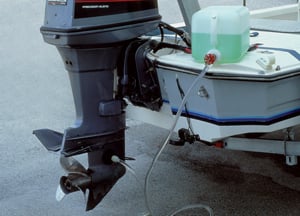
The rule is simple: haul out before the first hard freeze hits your area. A hard freeze means temperatures drop to 32°F or below long enough for water to expand and crack engine blocks, manifolds, and plumbing. I've pulled apart too many motors in spring that could've been saved if the owner had hauled out two weeks earlier.
Check Your Local First Freeze Date
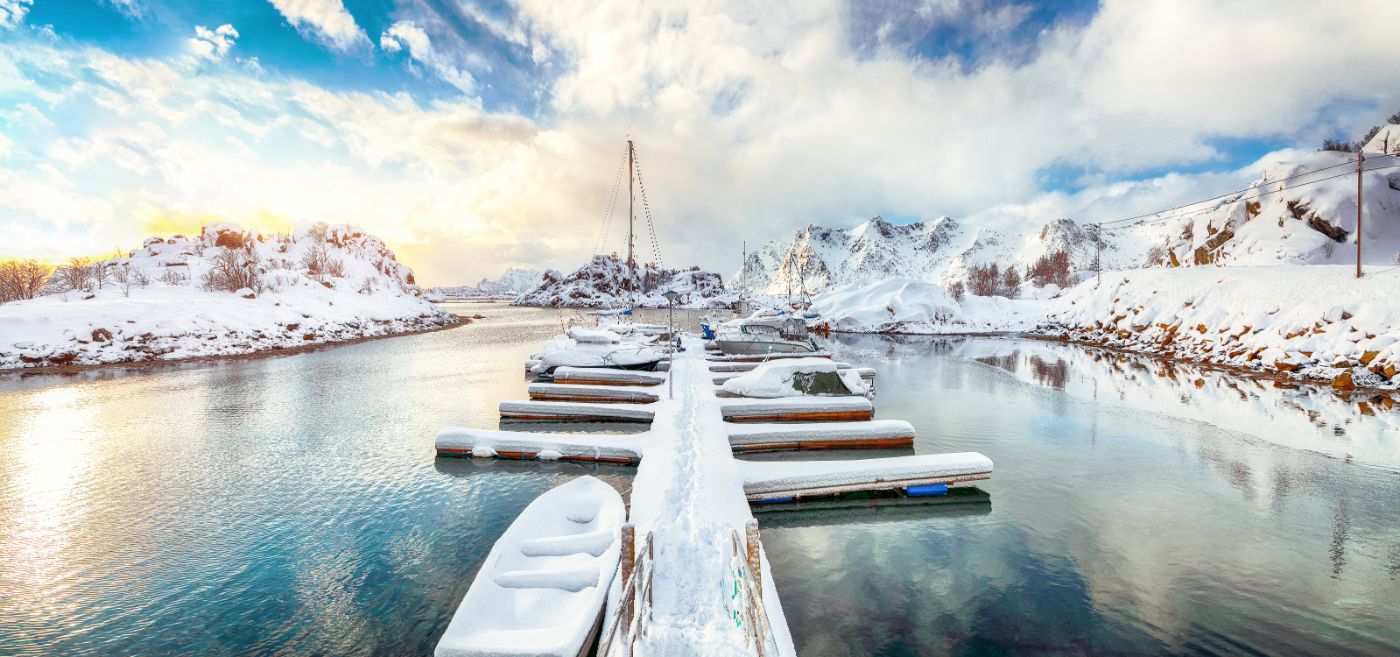
Don't guess. Use the Old Farmer's Almanac or NOAA's frost data to find the average first frost date for your zip code. In the Northeast and Great Lakes, that's usually mid-September to early October. Midwest is similar. Southeast states like Georgia see frost in early October to December, while Florida and Southern California rarely need to haul out at all unless a cold snap is forecasted.
Here's what we see across regions:
- Northeast (New York, Massachusetts, Connecticut): Late September through October. Marinas book up fast. We had a guy last year who waited until mid-November and had to scramble when temperatures dropped to 28°F overnight. His manifold cracked.
- Great Lakes and Midwest (Michigan, Wisconsin, Minnesota): October is your window. Water starts to freeze earlier up there. A yacht club near the Canadian border hauled out 120 boats on October 21st in one coordinated push.
- Southeast (Florida, Georgia, coastal Carolina): November to December, and only if you're in a zone that actually freezes. Most freeze claims we see in Texas and Florida come from unexpected cold snaps, so if a front is coming, don't wait.
- West Coast (California, Pacific Northwest): December or later in mild areas, but check local forecasts. Some northern parts of Washington and Oregon freeze earlier.
Book Your Marina Slot Early

Marinas fill their haul-out schedules by early fall. If you want your boat out before the rush, call in August or early September. By late October, you're competing with everyone who procrastinated. We've seen owners stuck leaving their boat in the water because the yard was booked through November.
At Spring Brook Marina, they haul most boats by the end of October. Their service manager told owners to plan accordingly—if you want an early haul, schedule it early. Otherwise, you're waiting until the crew gets through the backlog, and by then it might be too late.
Plan 1-2 Weeks Before Sustained Freezes
Don't cut it close. Haul out at least one to two weeks before you expect sustained freezing temperatures below 28°F. A single overnight freeze might not kill your engine, but it only takes one cold night with water sitting in the block to do serious damage.
If you're doing the winterization yourself, you need time to drain the cooling system, stabilize fuel, fog the cylinders, and pull the battery. If you're hiring it out, book that work as soon as you haul. Marine trades are slammed in fall, and waiting until November means you might not get a technician until spring.
What Happens If You Wait Too Long
We've repaired plenty of engines that sat through a freeze. The most common failures:
- Cracked engine blocks: Water expands when it freezes. If it's trapped in the block, the cast iron or aluminum splits. That's a $3,000+ repair or a new powerhead.
- Cracked manifolds and risers: Same deal. Water sits in the exhaust passages, freezes, and cracks the metal. Manifolds alone run $500-$800 for parts.
- Burst raw water pumps and hoses: The impeller housing cracks, hoses split, and fittings snap. You're looking at a full cooling system rebuild. Consider replacing with a quality water pump impeller, which is critical for preventing freeze damage.
- Frozen plumbing in the head and galley: Freshwater systems crack at the pump, valves, and holding tank. Saltwater intake lines can crack at the seacocks.
A 52-foot Viking owner in Cape Cod hauls out every year before deep freezes and uses the off-season for upgrades like prop tuning and engine work to avoid spring delays. That's the smart move. Get it out early, fix what needs fixing, and you're ready to launch on the first warm day.
Winterizing the Engine Before Haul-Out
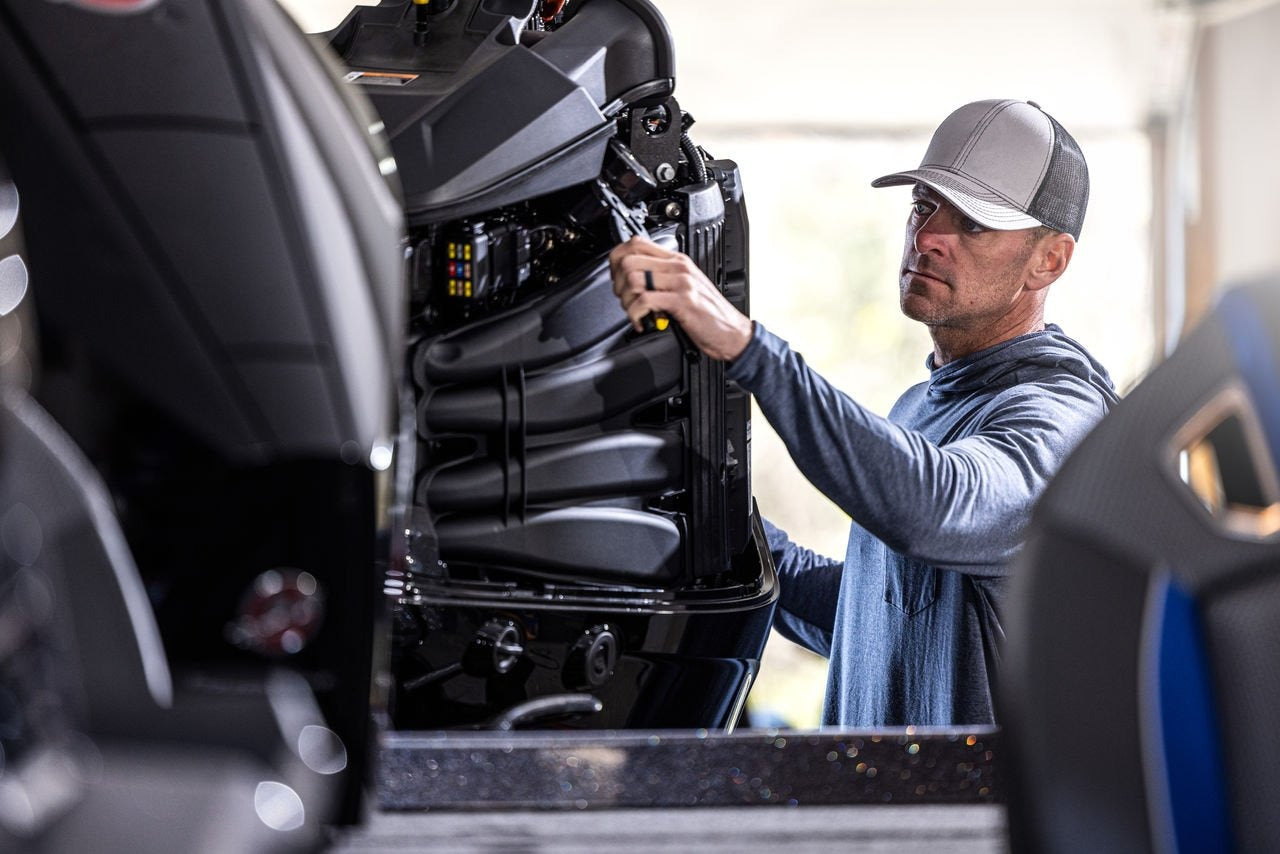
If you're hauling out yourself or doing the winterization, here's the sequence we follow for outboards and sterndrives:
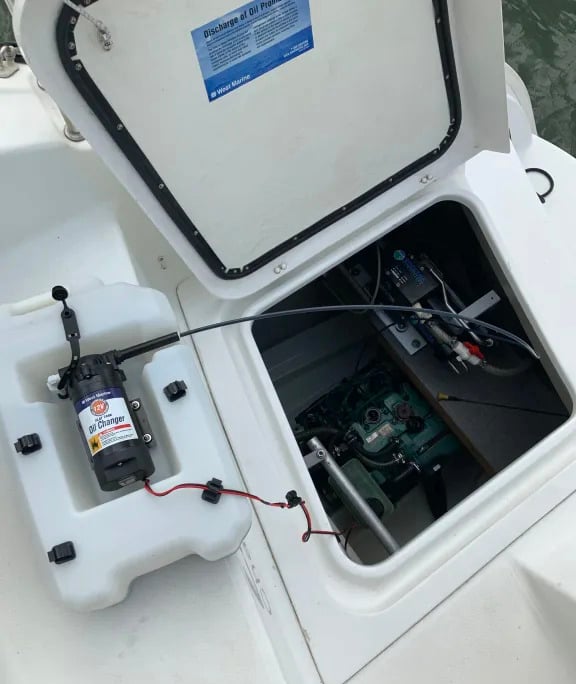
- Change the oil and filter. Old oil has acids and moisture that sit all winter and corrode bearings. Do this before the last trip of the season. A 52-foot Viking owner changes oil, filters, and fuel filters before hauling, following the manufacturer's checklist.
- Stabilize the fuel. Add stabilizer (like STA-BIL) to a full tank. Run the engine for 10 minutes to circulate it through the system. If the fuel smells like varnish or looks cloudy, stabilization won't save it—drain the tank. For fuel system maintenance, consider checking out fuel filters and fuel pump kits to keep your engine running reliably.
- Fog the cylinders. Pull the spark plugs or remove the air intake, spray fogging oil into each cylinder, and turn the engine over a few times by hand. This coats the cylinder walls and prevents rust.
- Drain the cooling system. For inboards and sterndrives, pull every drain plug on the block, manifolds, and heat exchanger. If you miss one, that's where it'll crack. We use a small pick to clear any plugs that are clogged with corrosion. For outboards, tilt the motor down and let the water drain out the lower unit and pee hole. Learn how to properly maintain your water pump impeller for optimal cooling in our guide on water pump impellers.
- Remove the battery. Store it on a trickle charger in a warm place. Lead-acid batteries freeze and crack if left discharged in the cold. Lithium LiFePO4 batteries need to be stored above 32°F or their internal protection circuits can fail.
Wet Slip vs. Dry Storage
If you're in a region that doesn't freeze hard, you can leave the boat in a wet slip with a bubbler system. Bubblers circulate warmer water from below and prevent surface ice from forming around the hull. We see this in the Chesapeake and parts of the Great Lakes where owners don't want to pay for land storage.
But here's the catch: you still need to winterize the engine and plumbing, and you need to check the boat regularly. Ice can still form if the bubbler fails or the power goes out. Forum users advised a Chesapeake sailboat owner to haul out if he couldn't check monthly, emphasizing the risk of unchecked issues like ice or vandalism.
Dry storage on land is safer. The boat is out of the water, the engine is drained, and you don't have to worry about a bilge pump failure sinking it. Most northern marinas offer indoor or shrink-wrapped outdoor storage. Shrink wrap keeps snow and ice off the deck, but make sure there's ventilation—sealed boats grow mold all winter.
Insurance and Lay-Up Periods
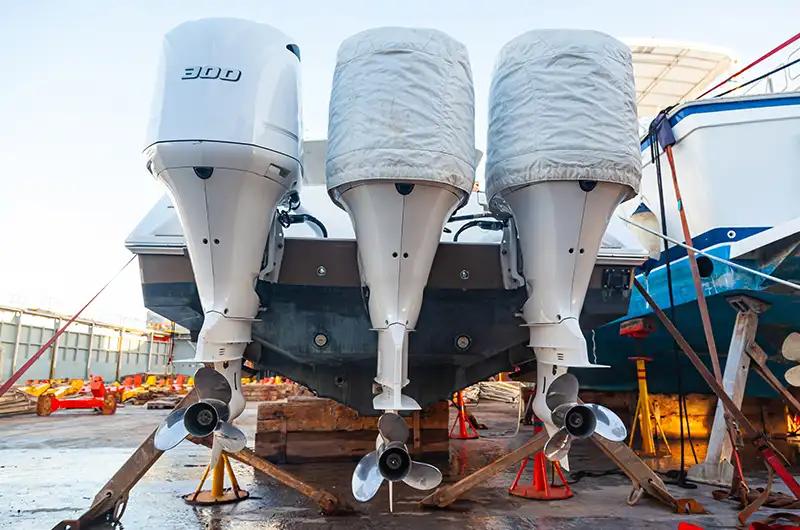
Your marine insurance policy likely has a "lay-up period" clause. This is the time of year when the insurer expects your boat to be hauled out and winterized. If you violate this period and leave the boat in the water during winter, the policy might not cover freeze damage.
We've seen claims denied because the owner left the boat in the water past the lay-up date stated in the policy. Check your policy or call your agent. BoatUS and other underwriters usually define lay-up periods by region, often November 1st to April 1st in the North.
Also, ask about "consequential damage" coverage. If a part fails due to normal wear and tear (like a raw water pump impeller) and that failure causes the boat to sink because you weren't there to notice it, is the sinking covered? Some policies exclude consequential damage, meaning they'll pay for the failed part but not the total loss.
Take photos of the winterized engine before you cover the boat. Document that you drained the block, pulled the plugs, and removed the battery. If the insurance adjuster questions your winterization process in spring, you have proof.
OEM vs. Aftermarket Winterization Parts
You'll need a few parts to winterize: fuel stabilizer, fogging oil, maybe new drain plugs or a raw water pump impeller if yours is worn.
OEM parts are fine but overpriced. A Yamaha or Mercury fogging oil can costs $15-$20 for the same chemical you get in a generic marine fogging oil for $10. Same with fuel stabilizer—STA-BIL is STA-BIL whether you buy it at the dealer or the auto parts store.
For mechanical parts like impellers or anodes, avoid the cheap no-name kits. The rubber is too hard, the fitment is off, and you'll tear the pump housing trying to install it. We like the JLM kits for this reason. You get factory-spec quality without the dealership markup. It fits right, it lasts, and you're not burning cash on a logo. See our full range of OEM-quality aftermarket marine parts for trusted winterization supplies.
Non-OEM quality ranges widely. Some factories that manufacture for OEM brands use excess capacity to produce non-OEM items, and those parts are often similarly high quality. JLM sources from those factories, so the impeller or anode you get is the same spec, just without the 40% markup.
Common Mistakes
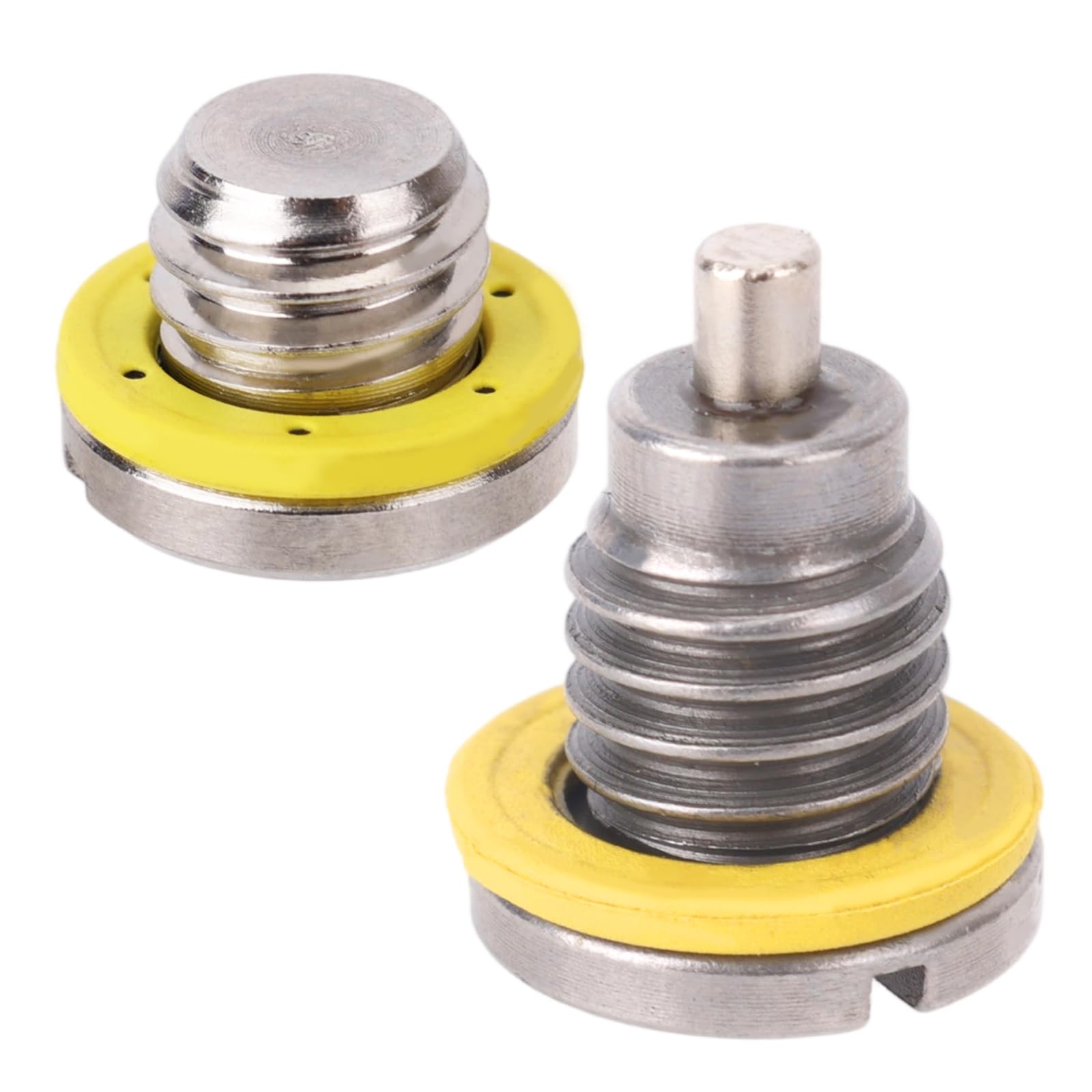
- Forgetting to pull the lower unit drain plug on outboards. Water sits in the gearcase, freezes, and cracks the housing. Always pull both the fill and drain plugs and let it drain completely.
- Not running stabilized fuel through the system. Adding stabilizer to the tank isn't enough. Run the engine for 10 minutes so the treated fuel reaches the carburetor or injectors. Learn more about carburetor repair kits and maintenance to keep your fuel system in top shape.
- Leaving the drain plug in the boat. If you pull the plug to drain the bilge, put it back in or tie it to the steering wheel. You don't want to launch in spring and sink because you forgot.
- Skipping the battery. A dead battery in freezing temps will freeze and crack. Pull it, charge it, and store it inside.
Final Tip
After every ride, flush your engine with fresh water. If you run in saltwater, hook up a hose to the flush port and run the engine for 5-10 minutes. This prevents salt crystals from building up in the cooling passages and corroding the thermostat housing. Do this all season, and your thermostat won't seize up next winter. For more on avoiding overheating, check our guide on thermostat maintenance.
Sources

- https://www.almanac.com/gardening/frostdates
- https://www.ncei.noaa.gov/news/when-expect-first-fall-freeze
- https://www.youtube.com/watch?v=-BjfdAKo2nw
- https://www.pbo.co.uk/all-latest-posts/how-to-prepare-boat-winter-expert-lay-up-tips-69119
- https://www.marlinmag.com/story/boats/winter-lay-up-tips-and-techniques-for-boats/
- https://forums.sailboatowners.com/threads/haul-out-for-winter-or-leave-in.146579/
- https://www.boatus.com/
- https://jlmmarine.com/