


Hot Weather Boating: Preventing Outboard Overheat in Summer
- Check Your Cooling System Before Every Trip
- Replace Your Impeller Annually
- Watch Your Thermostat
- Avoid High Loads in Peak Heat
- What to Do When It Overheats
- Recognize the Symptoms Early
- Run Diagnostics on Muffs After Every Trip
- Carry Spares and Tools
- Monitor Gauges Constantly
- Fuel and Oil Considerations
- Shallow Water and Vegetation Hazards
- Know When to Call for Help
Summer heat doesn't just drain you—it punishes your outboard. In 2023, the US logged 3,844 recreational boating accidents, with machinery failure ranking as the 5th leading cause in 291 incidents. Summer months spike those numbers because heat strains cooling systems, warmer water carries more debris, and operators run harder for longer. Your motor's cooling system is working overtime when the mercury climbs, and if you skip the basics, you're looking at a seized engine or a tow bill.
Check Your Cooling System Before Every Trip

Your tell-tale stream is the first line of defense. Before you leave the dock, fire up the motor on muffs and watch that stream. It should be strong and steady at idle—anything less than a solid pencil-width flow means something's wrong. A weak dribble or sputtering stream usually points to a clogged intake or a dying impeller.
Pull the lower unit intake grates and clear any weeds, plastic bags, or mud. Summer waters are thick with vegetation and debris. We've pulled everything from sandwich bags to chunks of kelp out of intakes. A boater in Puget Sound avoided engine seizure by catching a kelp blockage early—he shut down immediately when his gauge spiked and his tell-tale disappeared, then cleaned the strainer on the water with a toothbrush. That ten-minute fix saved his weekend and his powerhead.
Inspect your raw-water strainer if you've got one. Pop the bowl off, dump it, and look for crud. A toothbrush works great for scrubbing the basket. If you're running in saltwater, flush with fresh water after every ride to dissolve salt buildup that clogs impellers and passages.
Replace Your Impeller Annually

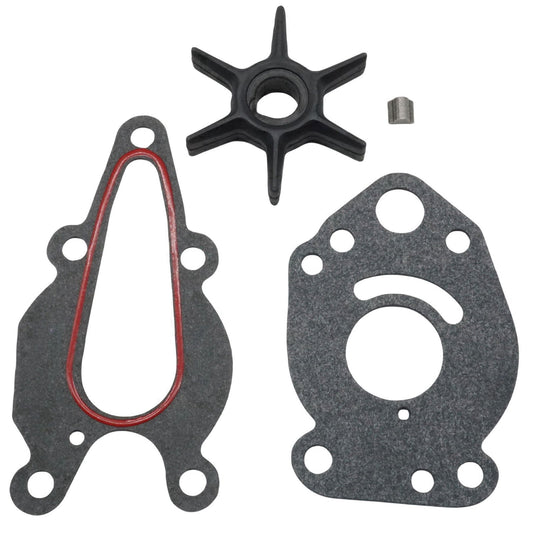
Impellers are cheap insurance. Replace yours every year or every 100 hours, whichever comes first. Rubber vanes crack, melt, or lose their flex in hot conditions, and once they fail, water flow drops to nothing. When you pull the old impeller, check the vanes for melted tips, missing chunks, or a glazed appearance—that's heat damage.
Lube the new impeller with dish soap or glycerin before installation. It helps the vanes slide into the housing without tearing. Don't use grease; it can swell the rubber. If you've got a worn housing with visible scoring, replace it too—damaged walls shred new impellers fast. Learn more in our detailed guide on signs your outboard impeller needs replacement.
Watch Your Thermostat
A stuck-closed thermostat will cook your motor even with perfect water flow. Thermostats fail more often in summer because constant high heat fatigues the spring. If your motor runs hot but the tell-tale is strong, pull the thermostat and test it in a pot of water on the stove with a thermometer. It should open at its rated temp (usually stamped on the housing). If it stays closed or opens late, toss it.
Clean the poppet valve while you're in there. Salt and corrosion can lock it shut, blocking the pressure relief. A stuck poppet mimics a bad thermostat. Use a wire brush and vinegar to clear deposits. This maintenance is covered comprehensively in our post on thermostat maintenance: keeping your outboard running cool.
Avoid High Loads in Peak Heat
Plan your trips for early morning (4–7 a.m.) or late afternoon (after 4 p.m.) when air and water temps are lower. Peak sun from 10 a.m. to 4 p.m. heats your engine bay, raising baseline temps before the motor even fires. Cooler ambient air helps the cooling system do its job.
Don't run wide-open throttle for extended periods in hot weather, especially while towing skiers or tubes. Constant high RPMs under load generate maximum heat. Vary your speed—drop back to cruising RPM every 10–15 minutes to let things cool. Watch your temperature gauge. If it climbs into the red, throttle back immediately.
Trim also matters. Excessive trim lifts the prop and can cause the intake to suck air instead of water, which kills your water flow. If your tell-tale sputters or weakens when you trim up, drop the trim and the problem usually clears instantly. Run a visual check on your grates every trip—it takes thirty seconds and catches air ingestion issues before they cause damage. For more on trim, see our guide on tilt assist vs. power trim: understanding your trim options.
What to Do When It Overheats 
If your temperature alarm sounds or the gauge spikes, stop the engine immediately. Shift to neutral, anchor or drift safely, and let it cool for 15–30 minutes. Do not pour cold water on a hot block—thermal shock can crack the head or cylinder walls.
Check the tell-tale. No stream? Pull the cowling and look for steam or burnt paint around the cylinder head. Clear any debris from the intake. If the stream's still weak after cooling, you've likely got impeller failure or a clog deeper in the system. Don't restart and run hard—you'll warp the head or seize a piston. Call for a tow or idle back slowly while monitoring the gauge.
A forum case showed a Force 125 that sucked mud in shallow water and smoked at 3000 RPM. The operator shut down fast, got towed, and later confirmed impeller damage but no catastrophic failure. Quick shutdown limits harm—keep running a hot motor and you'll destroy it.
Recognize the Symptoms Early

Learn what your motor sounds like when it's running right. An overheating engine often changes pitch slightly or loses power before the alarm trips. Some motors will steam from the cowling vents or smell like hot metal and burning paint.
Water that spits or surges from the tell-tale instead of flowing steady usually means an intermittent blockage—something's partially clogging the system and breaking free, then re-blocking. That's a red flag to pull the intake and strainer immediately.
If the pee stream is strong at throttle but weak at idle, suspect a worn impeller. The vanes can pump enough volume at higher RPM to mask damage, but fail at low speed. Replace it before it quits completely.
Run Diagnostics on Muffs After Every Trip
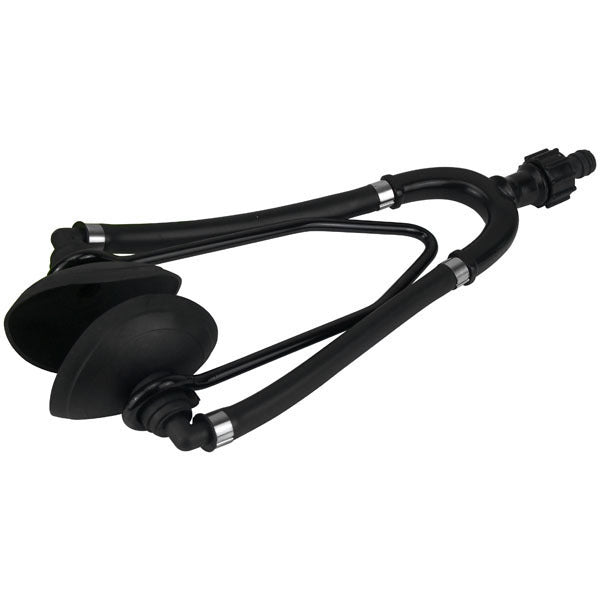
After you trailer the boat, hook up your dual-feed muffs (they're more stable than single-feed versions) and run the motor for 3–5 minutes. Watch the tell-tale. A strong, consistent stream confirms your cooling system is working. A weak or absent stream means you've got a problem to fix before the next trip.
This is also your chance to flush saltwater and debris. Let fresh water circulate through the system to dissolve salt deposits and rinse out any grit. If you run in brackish or saltwater regularly, consider a monthly backflush of the tell-tale with a small hose adapter to clear stubborn buildup in the tube itself.
Carry Spares and Tools
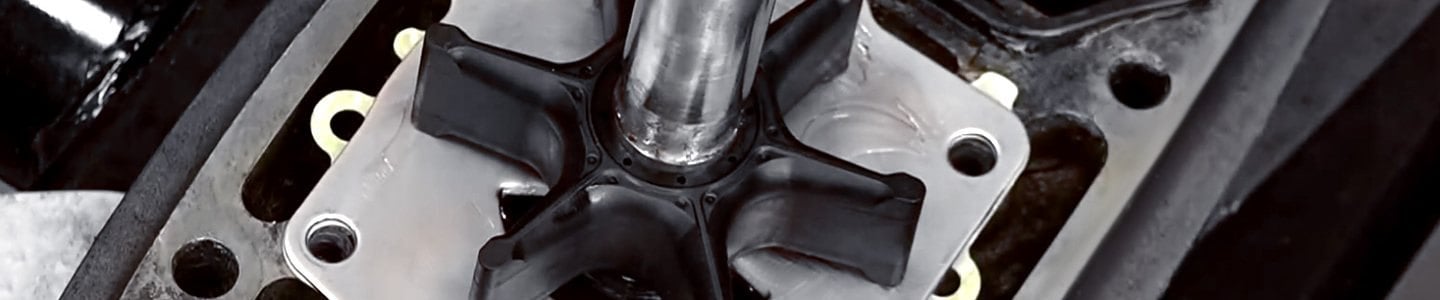
Keep a spare impeller kit, thermostat, and basic tools onboard. A 1989 case proved how critical spares are—boater sucked mud, limped back, and a mechanic swapped the impeller dockside in under an hour. Without the part, he'd have been stuck for days waiting on shipping.
A multitool, adjustable wrench, and a few screwdrivers cover most emergency cooling system work. Throw in a small wire brush for cleaning and a tube of dish soap for impeller installation. If you're running an older motor, carry hose clamps—summer heat ages rubber hoses fast and a blown cooling hose will strand you.
For quality parts and kits, check the cooling system collection at JLM Marine.
Monitor Gauges Constantly
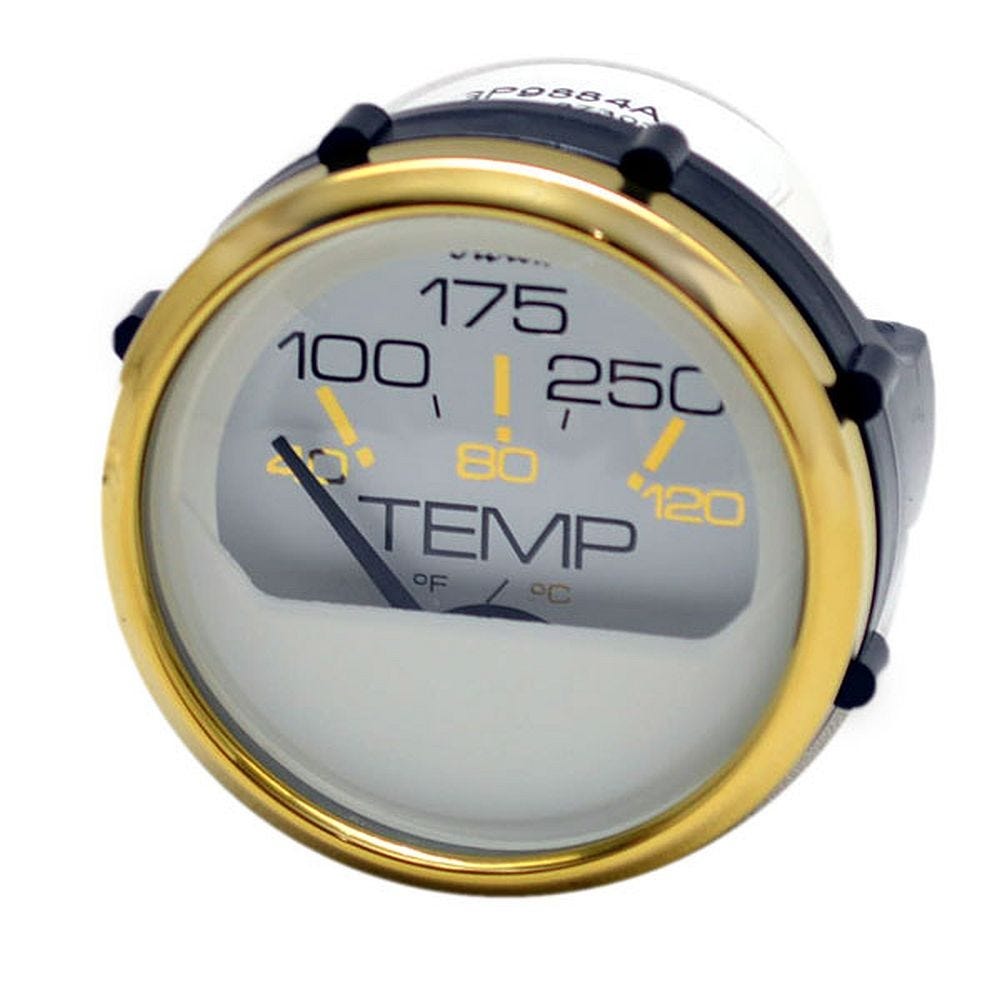
Your temperature gauge and tell-tale are your only real-time feedback. Glance at them every few minutes, especially under load or in shallow, weedy water. Most overheats give you a 30-second to 1-minute warning before the alarm trips—if you catch the needle climbing early, you can throttle back and avoid damage.
Install an aftermarket temperature gauge if your motor only has an idiot light. Lights tell you when it's already too late. A gauge lets you see trends and respond before you hit critical temps.
Fuel and Oil Considerations
Low oil in 2-stroke systems or a failing oil pump increases friction and heat. Check your oil reservoir before every trip and confirm your oil injection system is working. If you're pre-mixing, use the correct ratio—too lean and you'll burn up bearings and pistons in hot weather.
Old fuel can vapor-lock in hot conditions, starving the motor and causing it to run lean, which spikes combustion temps. Use fresh fuel and consider adding a fuel stabilizer if your boat sits between trips. Keep jerry cans and safety gear stored in shaded, ventilated areas—pressurized flares and fuel cans can vent or rupture in extreme heat.
Shallow Water and Vegetation Hazards
Avoid running through weed beds or shallow areas thick with bottom sediment in summer. Soft mud can pack an intake in seconds, cutting water flow to zero. If you must cross shallow water, trim up just enough to keep the prop off the bottom but keep the intakes submerged. Too much trim and you'll suck air.
If you feel or hear debris hit the lower unit, stop and check immediately. A small branch wedged in the intake won't show up on your gauge right away, but it'll choke flow and overheat the motor within minutes once you throttle up.
For more on shallow water performance and related engine mods, see our discussion on engine mods for shallow water performance (tunnel hulls, etc.).
Know When to Call for Help
If you've cooled the motor, cleared blockages, and it still overheats on restart, don't keep trying. You've likely got internal damage—a failed water pump housing, cracked head, or blown head gasket. Running it further will turn a $200 repair into a $2,000 rebuild. Call Sea Tow or a local marine towing service and get towed in. Use VHF Channel 16 for emergency assistance.
For more expert guides, parts, and boating solutions, visit the JLM Marine hub.