


Fuel Quality Matters: Choosing the Right Octane for Your Outboard


Look, I've been turning wrenches on outboards for two decades, and fuel problems cause half the issues that roll into the shop. Most of you already know octane numbers and what ethanol is—you just need to know which one your engine actually needs and how to keep fuel from destroying your system.
What Octane Your Outboard Actually Needs
Octane measures fuel's resistance to knocking—early ignition that sends a shockwave through your cylinders. For most recreational outboards in the US, 87 octane regular unleaded is exactly what you need. Your owner's manual will confirm this. High-performance or supercharged models might require 89 or 91+, but if your manual says 87, that's the number.
Using premium in a standard engine won't make it faster. Clark Roberts, a veteran outboard tech, puts it plainly: "If an engine is in proper tune… the 87 octane fuels are perfect! … higher octane is a waste of money… and may contribute to deposit build up." Higher octane fuel burns at a higher temperature and needs more compression to ignite efficiently. In a low-compression recreational engine, it won't burn completely. You get carbon fouling, less power, and wasted cash.
Two mechanics I trust—one in New York, one in Delaware—both warned against high-test specifically because of higher alcohol content in some premium blends. That alcohol burns hotter, leaning out a two-stroke mix, which is terrible for lubrication. I've seen a piston with a literal burn-through hole from running premium in a rental fleet motor that should've been on 87.
When you do need higher octane: If you hear knocking or pinging under load, step up to 89. If your manual specifies premium for a high-compression model, use it. Otherwise, save your money.
The Ethanol Problem in Marine Fuel
Ethanol is hygroscopic—it pulls water right out of humid air. On a boat, surrounded by moisture, this is a disaster. E10 (10% ethanol) is the standard at 95% of US retail fuel stations, but when ethanol absorbs more than 0.5% water, you get phase separation. The ethanol-water mix drops to the bottom of your tank, and the remaining gasoline's effective octane falls to around 83. Your engine either starves or gets a slug of water.
Tests by the US Department of Energy in collaboration with the NMMA showed E15 caused catastrophic damage in 2 out of 3 outboards before durability cycles even finished—valve failures, higher emissions, complete breakdowns. E0 (ethanol-free) controls had zero failures. Since ethanol adoption ramped up nationwide, BoatUS has logged hundreds of complaints from owners of pre-1990 outboards experiencing fuel system corrosion and degradation.
Older engines built before widespread ethanol use have fuel lines, gaskets, and carburetor components that weren't designed for alcohol exposure. The rubber swells, cracks, or dissolves. I've replaced fuel lines on 2010-era outboards that had disintegrated from the inside because of phase-separated E10 sitting over winter. If you need replacement parts, consider browsing our carburetor repair kits collection for quality OEM components suited for maintaining your fuel system's integrity.
Material compatibility: If your engine was built after 2010, it likely has ethanol-resistant components rated for E10. Check your manual. If it pre-dates that, consider ethanol-free fuel or plan on more frequent fuel system inspections.
Choosing Between E10 and Ethanol-Free Fuel
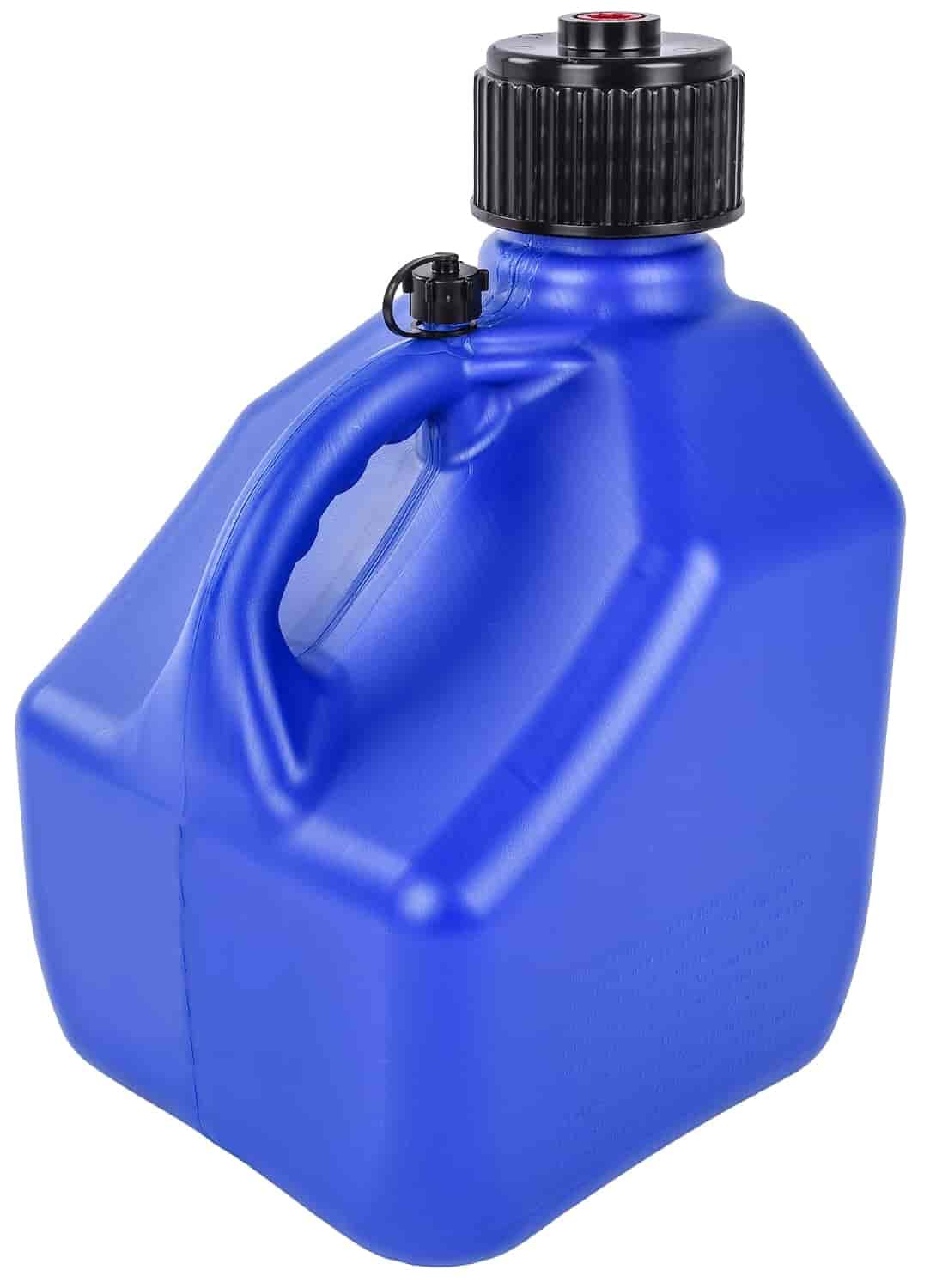
Ethanol-free gasoline (often labeled as "recreational" or "marine" fuel) typically comes in 91 or 93 octane. It costs more per gallon—sometimes 50 cents to a dollar more—but the benefits are significant:
- No phase separation risk. Water can still enter your tank, but it won't bind with the fuel and drop octane.
- Longer shelf life. E10 starts degrading in 30 days. Ethanol-free can last 90+ days untreated, far longer with stabilizer.
- Less corrosion. No ethanol means no alcohol eating at fuel system components.
For carbureted engines or boats that sit for weeks between outings, ethanol-free is the smart call. For newer fuel-injected outboards run frequently, E10 is manageable if you use a quality stabilizer and a 10-micron water-separating filter. To ensure your fuel delivery system stays clean and reliable, check out our fuel filter collection featuring water-separating filters designed specifically for marine engines.
At the pump, ethanol-free stations often mark it with a blue handle or specific "Marine Fuel" signage. Apps like Pure-Gas.org list locations nationwide.
Fuel Additives: When and Why
Additives aren't magic, but they solve real problems when used correctly.
Ethanol Stabilizers
If you're stuck with E10, use a marine-grade ethanol treatment every fill-up. These additives chemically bind to water molecules ethanol absorbs, keeping them suspended instead of separating. Critical point: stabilizers cannot reverse phase separation once it's happened. If you drain your filter bowl and see a clear line between layers, that fuel is done. Drain the tank.
For seasonal storage (anything over 30 days), stabilizer is non-negotiable. Add it to a full tank—fuel degrades faster with air exposure, and a full tank minimizes moisture infiltration.
Fuel System Cleaners
Detergent additives prevent varnish and carbon buildup in injectors and carburetors. Name-brand fuels (Shell, Chevron, Exxon) include detergent packages, which is why I recommend them over off-brand stations even if octane is the same. If you're running discount fuel, add a cleaner like Sea Foam or a product designed for marine systems every few tanks.
One mechanic I respect noted that higher-octane fuels often include better detergent packages, which might be the only real advantage of premium in a standard engine—not the octane itself, but the cleaning additives bundled with it.
Octane Boosters
Only use these if your engine requires higher octane than you can access at local pumps, or if you're experiencing knock on the recommended grade. Pouring booster into an engine that runs fine on 87 does nothing useful.
Maintaining Your Fuel System
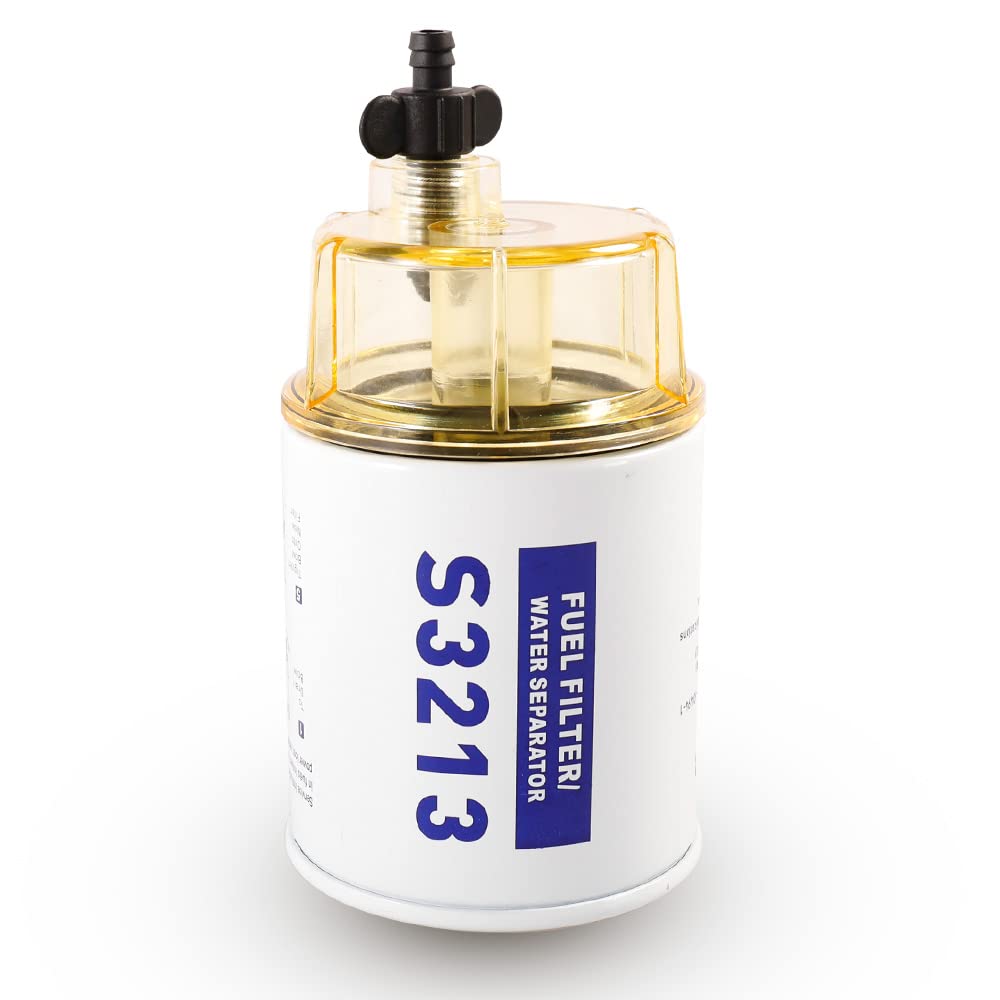
Good fuel in a bad system still causes problems. Here's what actually matters.
Water-Separating Fuel Filters
Install a quality 10-micron water-separating filter in your fuel line. This is the single most important piece of hardware between your tank and your engine. It traps sediment and separates water before it reaches carburetors or injectors.
How to check it: Most have a clear bowl at the bottom. If you see a layer of water or the bowl looks cloudy instead of clear amber, drain it immediately. Check this every few trips, especially early season. Replace the filter element annually or per manufacturer spec—a clogged filter will starve your engine at WOT (wide-open throttle). You can find suitable options in our fuel filter collection designed to keep your engine running clean.
Recognizing Stale Fuel
Gasoline oxidizes over time, forming gum and varnish. E10 goes bad faster—figure 30 days in hot weather, maybe 60 in cooler temps. Stale fuel smells sour, almost varnish-like, instead of the sharp gasoline smell. It may look darker or cloudy.
If your engine cranks but won't start after sitting all winter, and you didn't stabilize the fuel, stale gas is the likely culprit. Carbureted engines show this worst—jets clog, float needles stick. Drain the tank, pull the carb, and clean it. Our carburetor collection features OEM carbs built to precise tolerances for a smooth, reliable start after storage.
It's a pain, which is why you stabilize before storage.
Winterization and Storage
If your boat sits more than 30 days, top off the tank (minimize air space), add stabilizer at the recommended ratio, then run the engine for 10 minutes to circulate treated fuel through the entire system. Some guys prefer to drain tanks completely for winter—that works too, but you need to fog the fuel system to prevent internal corrosion.
For carbureted outboards, phase separation or varnish from stale fuel is the number-one reason they won't start in spring. I've torn down dozens of carbs every April that could've been avoided with $8 worth of stabilizer in October.
Oil Selection for Your Outboard 
Fuel and oil both matter. You can run perfect gas and still wreck an engine with wrong or cheap oil.
Four-Stroke Engines: FC-W Certification
Four-stroke outboards need marine-specific oil, not automotive oil. Look for FC-W certification from the National Marine Manufacturers Association (NMMA). FC-W oils are tested for saltwater corrosion resistance, shear stability under load, and rust protection in humid environments.
Automotive oils don't face those tests. I've seen cylinder walls on four-strokes that ran conventional car oil show surface rust after a single season of saltwater use. FC-W-certified oil prevents that. Brands like Yamaha, Mercury, and Quicksilver all meet the spec, as do quality aftermarket options that carry the FC-W mark.
Viscosity matters. Your manual will specify 10W-30, 10W-40, or similar. Stick to it. Wrong viscosity causes improper lubrication—too thin and you get metal-on-metal wear at high RPM, too thick and the oil pump struggles, especially in cold starts.
Two-Stroke Engines: TC-W3 Certification
Two-stroke outboards burn oil mixed with gasoline (either pre-mix or via oil injection). Use TC-W3 certified marine oil. TC-W stands for Two-Cycle Water-cooled; the "3" indicates the current spec.
TC-W3 oils are designed to burn cleanly, minimize exhaust smoke, prevent spark plug fouling, and protect against piston seizure. Automotive two-stroke oils (for chainsaws, dirt bikes) are formulated differently—they'll foul plugs and carbon up your exhaust ports in a marine engine.
Mix ratios vary—most modern two-strokes run 50:1, but older models might need 25:1 or 32:1. Check your manual. Running too lean (not enough oil) will seize the engine. Too rich fouls plugs and creates excessive smoke.
Manufacturer Specifications and Warranty
Your engine manual lists exact fuel and oil specs for a reason. Major brands like Yamaha, Mercury, Honda, and Suzuki have specific requirements, and many warranties require proof of compliant fuel and oil use. If you file a claim and the dealer finds you've been running automotive oil or E15 in an E10-rated engine, they can void it.
Mercury explicitly warns against E15 in most recreational outboards. Yamaha's manuals specify minimum 87 AKI (Anti-Knock Index) octane and recommend E10 maximum. Running outside those parameters puts you at risk of both mechanical failure and denied warranty coverage.
Real-World Fuel Failures
A case documented by Marine Engine Digest showed outboards running continuous 87 octane in high-load conditions developed severe piston coking—carbon buildup that insulates heat, causes expansion, and leads to seizure. These engines lasted one-third as long as identical models running 89 octane. The engineering takeaway: if your engine works hard (trolling, towing, sustained WOT), even if 87 is "acceptable," 89 may extend service life.
Conversely, a mechanic documented a customer who returned a repaired 20 HP Mercury after one year with the carburetor varnished again—not from octane choice, but from running premium E10 without stabilizer over winter and assuming "premium" meant "better storage." Premium doesn't prevent varnish. Stabilizer and proper fuel management do.
A forum user reported knocking after switching from 87 to 92—turned out the 92 blend at that station had higher ethanol content, causing misfires. The lesson: octane alone doesn't define quality. Source matters.
When to Step Up from 87 Octane
Stick with 87 unless:
- You hear knocking or pinging under load. This means fuel is igniting too early. Step up to 89 or 91.
- Your manual specifies higher octane. High-performance, supercharged, or high-compression engines need it to prevent detonation.
- You're running sustained high-load operations. Commercial or tournament use in hot climates may benefit from 89 even if 87 is "acceptable."
Otherwise, save the money. As experienced Mercury tech lhg noted, "Mechanics at two different dealerships have said 87 is all that should be run on a regular basis… higher octanes, like 91 or 93, cause the engines to run too hot and can damage them." That's not universal—premium won't hurt a fuel-injected four-stroke designed for it—but in carbureted two-strokes or standard engines, it offers no advantage and can cause incomplete combustion.
Quick Fuel and Oil Checklist

Here's what to do right now if you want to avoid the fuel and oil issues I see every week:
- Use 87 octane unless your manual says otherwise. Don't waste cash on premium for a standard engine.
- Run ethanol-free if your engine is carbureted or sits for weeks. If you must use E10, add stabilizer every fill.
- Install a 10-micron water-separating fuel filter. Check and drain it regularly from our fuel filter collection.
- Use only FC-W certified oil in four-strokes, TC-W3 in two-strokes. Match the viscosity and mix ratio to your manual's specs.
- Buy fuel from name-brand stations (Shell, Chevron, Exxon) to ensure detergent additives.
- Stabilize fuel before any storage over 30 days. Run the engine after adding it to circulate treated fuel through the system.
- Check your manual for ethanol limits. Most recreational outboards max out at E10; E15 voids warranties and causes damage.
After every saltwater outing, flush your engine with fresh water for five minutes. This keeps the cooling passages clear and prevents salt from corroding internal components. That simple habit will add years to your thermostat, water pump, and cylinder walls. If you need genuine replacement parts for your water pump or thermostat, visit our cooling system collection to find premium OEM components that ensure optimal engine cooling and longevity.
For more expert advice on maintaining your outboard and parts sourcing, visit JLM Marine's homepage.
Hi—I’m Jim Walker
I grew up in a Florida boatyard, earning pocket money (and a few scars) by rebuilding outboard carbs before I could drive. That hands-on habit carried me through a Ph.D. in mechanical engineering, where I studied how salt water quietly murders metal.
I spent ten years designing cooling systems for high-horsepower outboards, then joined JLM Marine as CTO. We bench-test every new part in the lab, but I still bolt early prototypes onto my own 23-foot skiff for a weekend shake-down— nothing beats real wake and spray for finding weak spots.
Here on the blog I share the fixes and shortcuts I’ve learned so your engine—and your day on the water—run smooth.

For Outboard Owners:
To assist you in maintaining and repairing your marine engines, we hope the following resources may be of use:
-
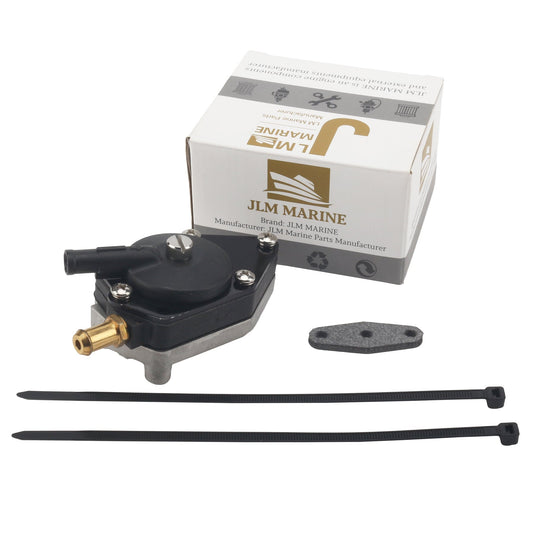
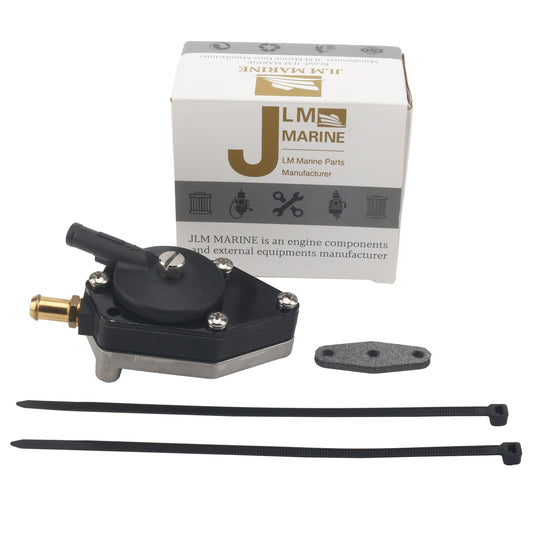
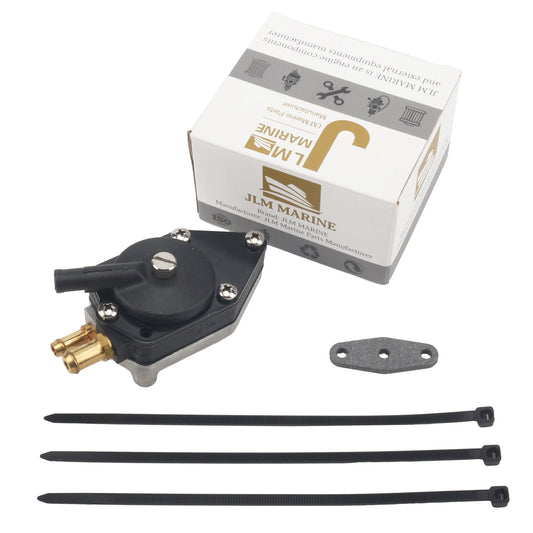
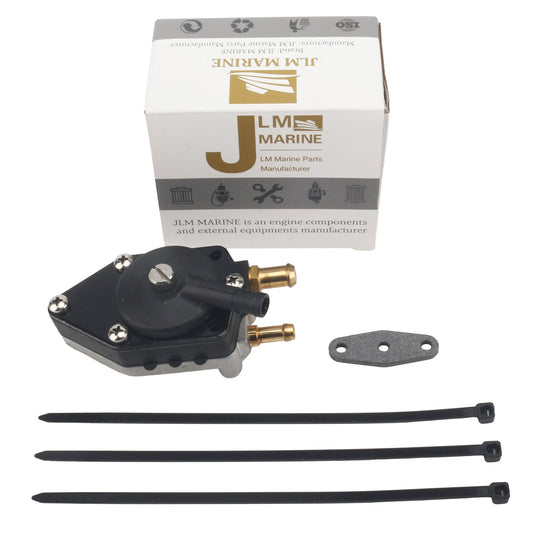
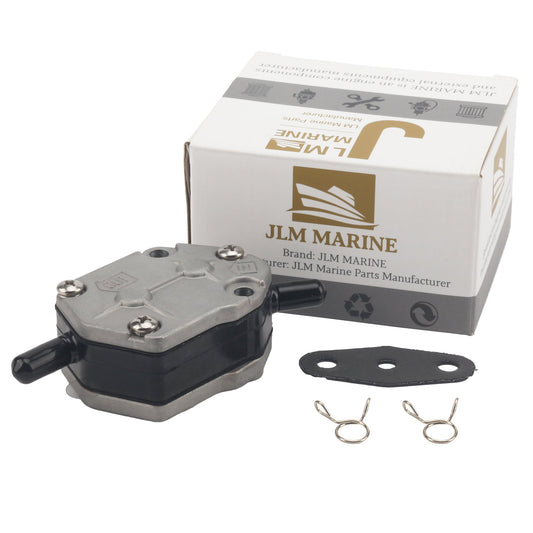
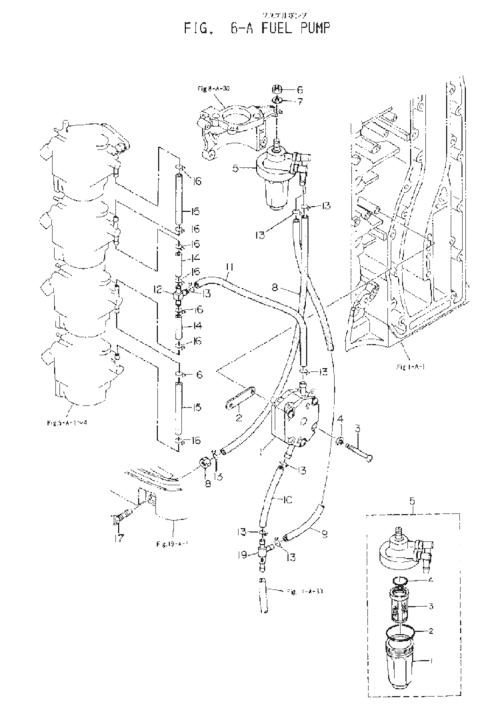
Fuel Pumps from JLM Marine
-
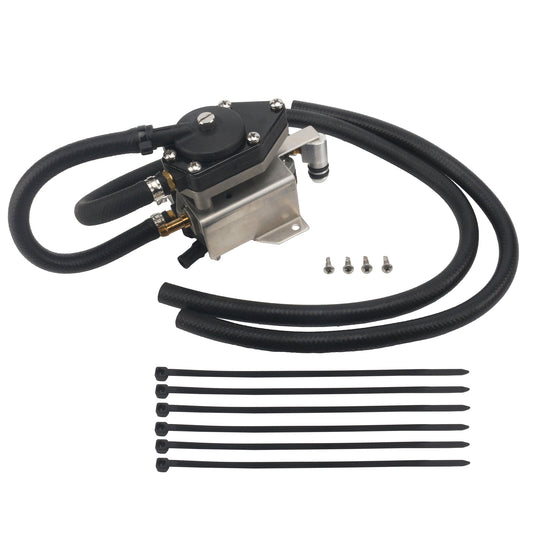
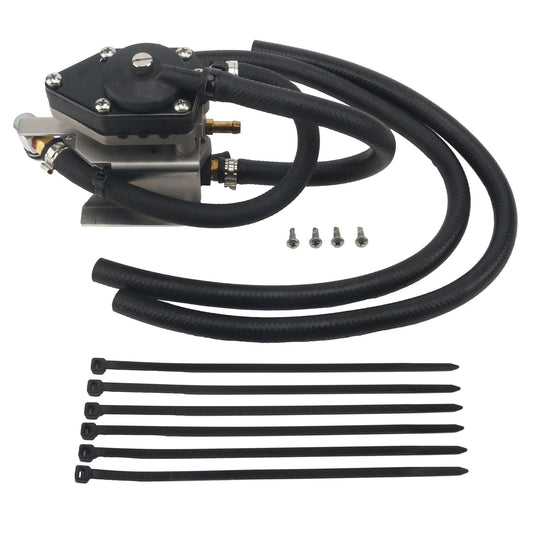
Fuel Pump Kits from JLM Marine
About JLM Marine
Founded in 2002, JLM Marine has established itself as a dedicated manufacturer of high-quality marine parts, based in China. Our commitment to excellence in manufacturing has earned us the trust of top marine brands globally.
As a direct supplier, we bypass intermediaries, which allows us to offer competitive prices without compromising on quality. This approach not only supports cost-efficiency but also ensures that our customers receive the best value directly from the source.
We are excited to expand our reach through retail channels, bringing our expertise and commitment to quality directly to boat owners and enthusiasts worldwide.
Fuel Pump on Sale
- $73.50
$88.00- $73.50
- Unit price
- per
- $16.00
- $16.00
- Unit price
- per
- $17.99
$21.00- $17.99
- Unit price
- per

- $18.99
- $18.99
- Unit price
- per

- $21.99
- $21.99
- Unit price
- per

- $45.99
$55.00- $45.99
- Unit price
- per

- $23.59
$28.00- $23.59
- Unit price
- per

- $28.99
$34.00- $28.99
- Unit price
- per

- $21.99
- $21.99
- Unit price
- per
- $46.50
$60.00- $46.50
- Unit price
- per
- $26.80
- $26.80
- Unit price
- per
- $24.80
- $24.80
- Unit price
- per
- $28.90
- $28.90
- Unit price
- per

- $27.77
- $27.77
- Unit price
- per

- $56.99
- $56.99
- Unit price
- per

- $129.95
$155.00- $129.95
- Unit price
- per

- $31.20
$37.00- $31.20
- Unit price
- per

- $129.95
$155.00- $129.95
- Unit price
- per
- $138.00
- $138.00
- Unit price
- per
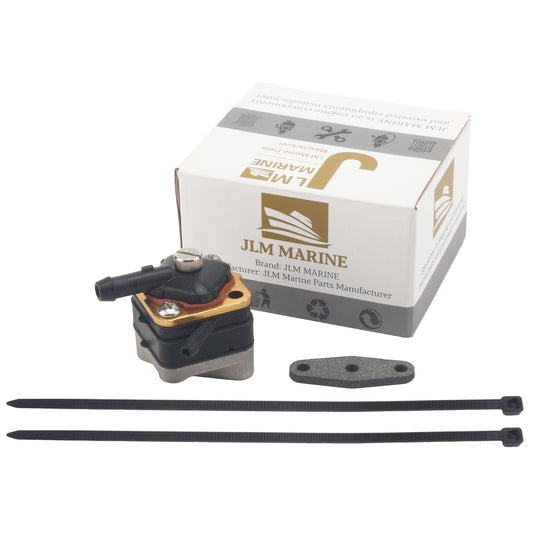
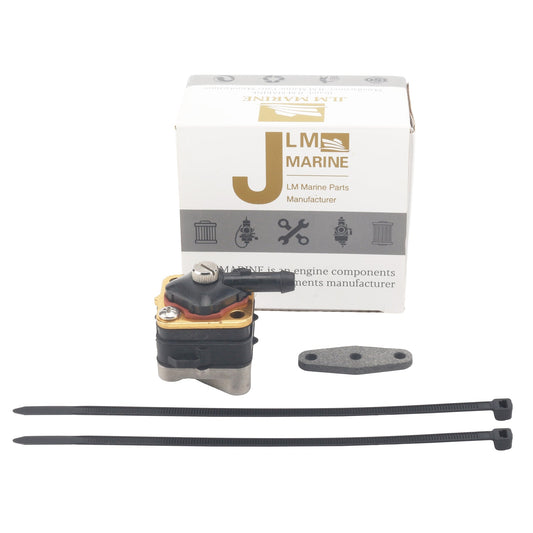
- $24.80
$45.00- $24.80
- Unit price
- per