


DIY Performance Testing: How to Measure Your Boat’s Gains
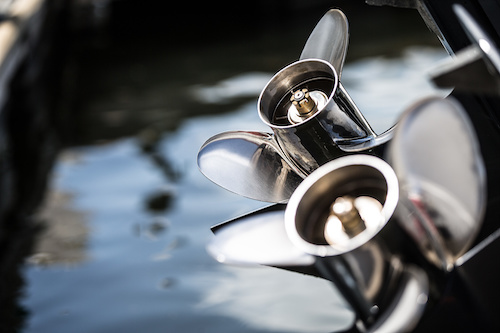
You've just swapped your prop or dropped a few hundred pounds from your boat. You think it's faster. But how do you know? Real performance testing means controlled conditions, repeatable data, and isolating one variable at a time. Here's how to do it without renting a test facility.
Two-Boat Testing: The Only Way to Get Clean Data
The standard method is the two-boat test. Pick a control boat that's as close to yours as possible—same hull, same power, similar bottom condition. One boat stays stock, the other gets your modification. That's it. You're comparing apples to apples.
Set up identical numbered decals on both boats for trim tabs, throttle positions, and steering wheel markers. You need to duplicate settings exactly. Run each test for 3-4 minutes, then repeat it three or four times. One run isn't enough—waves, wind shifts, and steering mistakes can make either boat look faster by accident.
Positioning matters. For upwind work, keep the boats two boatlengths apart, bows even. Any closer and the windward boat blankets the leeward one. For reaching, drop the trailing boat back one boatlength to clear the air. For running, line them up bow-to-bow at two boatlengths and hold a constant compass heading.
A 10-degree wind shift can hand either boat a half-length advantage. Use handheld radios to call out wind changes between crews. After you confirm one boat is faster, switch positions—windward to leeward—and run it again. If the same boat keeps winning, your data is good.
We tested a set of new sails on a J/24 a few years back. Control boat had three-year-old North sails, test boat had a fresh set from Quantum. First two runs looked even. Third run, the wind kicked up two knots, and the new sails pulled a full length ahead. We switched positions, ran it again, and the Quantum boat still edged out. That's when we knew the gain was real, not just a lucky puff.
What to Measure on a Powerboat
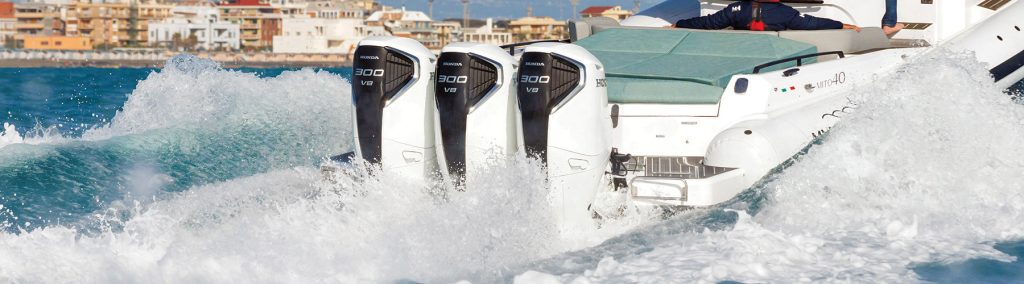
For outboards and I/O rigs, your core metrics are speed over ground (SOG), engine RPM, gallons per hour (GPH), and trim angle.
Use a GPS unit for SOG—your speedometer reads water speed, not ground speed, and any current will skew it. Run the test in opposite directions and average the results to cancel out current effects. Start at idle, then bring the throttle up in 500 RPM increments. At each step, hold RPM steady for 30 seconds and record SOG and GPH.
Trim angle changes everything. Start with the drive fully down (negative trim). Run to full throttle, then bump the trim button with your thumb and watch the SOG. When you hear the prop start to slip—engine pitch climbs but speed drops 1-2 MPH—you've over-trimmed. Back it off one click. That's your optimal trim for that throttle setting.
Fuel efficiency peaks at a specific RPM range, usually 2,500–3,000 for planing hulls. That's where the hull levels out and drag drops. Beyond that point, you're burning fuel faster than you're gaining speed. Graph your MPH against GPH. When those lines diverge without corresponding speed gains, you're wasting fuel.
We ran this test on a 22-foot bay boat with a Yamaha F150. Stock 15-inch prop hit 42 MPH at 5,800 RPM, burning 12 GPH. Swapped to a 17-inch stainless prop from a reputable non-OEM manufacturer. Top speed dropped to 40 MPH, but cruise RPM at 30 MPH fell from 4,200 to 3,600, and GPH went from 8.5 to 6.2. Range jumped by 35%. That's the kind of data you need to make informed decisions. For more on proper prop selection, see our guide on Comparing Propeller Pitches: Finding the Best Pitch for Your Boat.
Testing Variables One at a Time
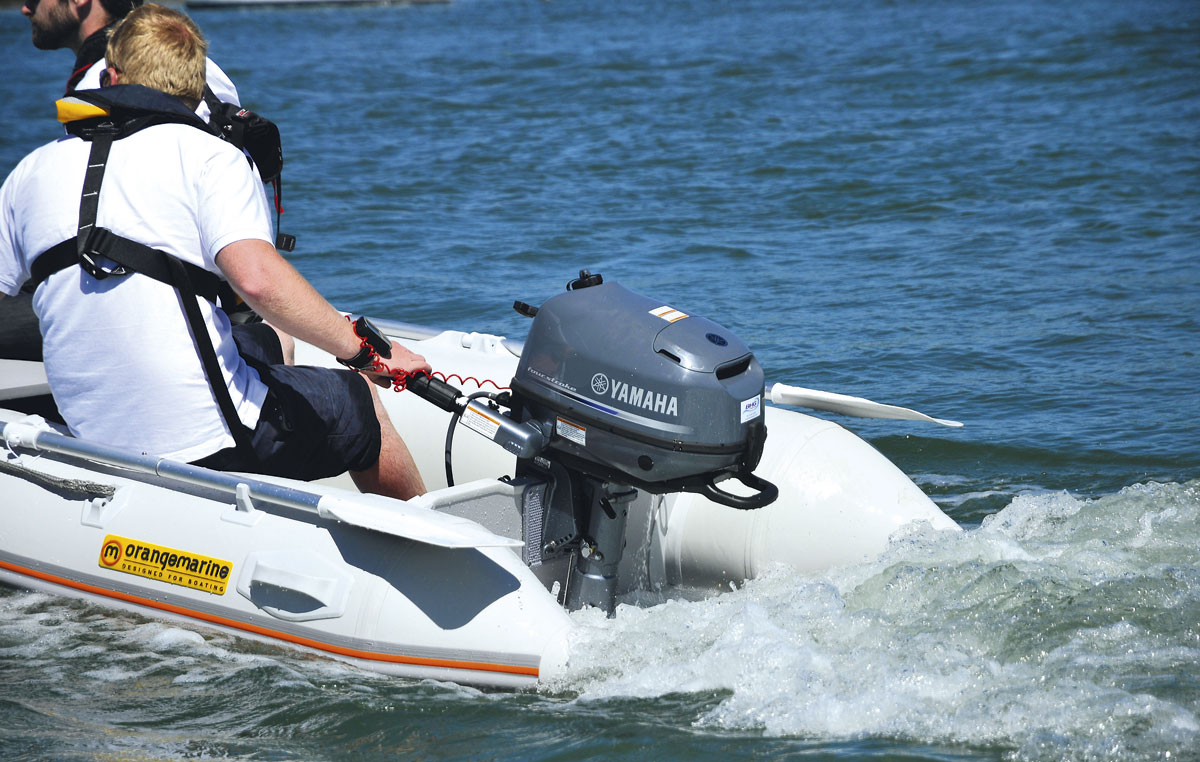
You can't test three things at once and know which one made the difference. Pick one variable per session.
Common variables: propeller pitch, bottom paint type, weight distribution, trim tab settings, or fuel load. For each test, document the exact condition of both boats. Half-full fuel tanks are the standard—full tanks add weight high up, empty tanks make the boat unrealistically light. Weight and balance can significantly affect performance, so understanding Weight Distribution for Speed: Balancing Your Boat can help improve your test accuracy.
Mark your test day conditions in detail: wind speed and direction, wave height, water temperature, barometric pressure. A 5-degree temperature swing changes air density enough to affect engine output. The Society of Automotive Engineers allows engine manufacturers a 10% tolerance between rated horsepower and actual output, so identical motors can perform differently.
We had a guy call us last year about a "slow" Suzuki DF90. He'd bolted on a new 19-inch prop and couldn't hit the brochure speed. Turned out his fuel tank was mounted three inches higher than the previous owner's original setup, shifting the center of gravity. We moved it back down, reran the test, and he picked up 4 MPH. One variable at a time would've caught that sooner.
Recording Data You Can Actually Use

Assign someone to take notes. The driver is too busy managing the boat to write legible records. Your note-taker logs time, heading, wind speed, SOG, RPM, GPH, and any observations—porpoising, ventilation, cavitation, how the boat feels.
For sail testing, note whether the faster boat pointed higher or footed faster. Did it punch through waves better or heel less? These observations explain why one setup won. Take video from the chase boat if you can. Review it afterward to spot differences in sail trim, crew weight placement, or steering technique.
Save your data even if it contradicts previous tests. Conditions change. A jib setting that worked in 12 knots might fall apart in 18. You're building a reference library, not chasing one perfect number.
Motorboat Speed Testing Protocol
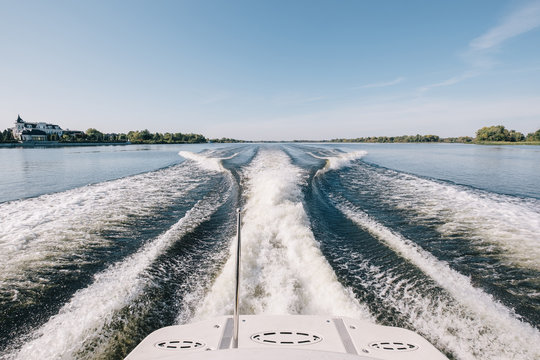
Professional testers make two runs in opposite directions. First run: idle to wide-open throttle (WOT) in increments. Second run: start at WOT, then reduce throttle in the same increments. This cancels out wind and current bias.
Planing speed is marked by the rooster tail. That's your objective, boat-independent reference point. Don't wait for the bow to settle—there's a 1-2 second lag that messes with timing.
Bottom cleanliness changes everything. A fouled hull can cost you 3-5 MPH on a planing boat, more on displacement hulls. Test immediately after haul-out if you're comparing bottom paints. If you're testing a prop, clean both boats the same day. To maintain your boat's hull and prop condition, refer to tips on Hull and Prop Cleanliness: The Hidden Key to Saving Fuel.
A modified hull or drive setup can shift your efficient cruise speed. We saw a 28-foot center console switch from a 19-inch to a 23-inch Solas three-blade stainless. Efficient cruise jumped from 31.5 MPH to 37.3 MPH, MPG improved from 1.76 to 1.99, and top speed climbed from 60 to 63 MPH. That's an 18% gain in cruise speed with the same engine, same hull, same fuel. Simple prop swap, massive difference.
Wind and Water: What Kills Your Data
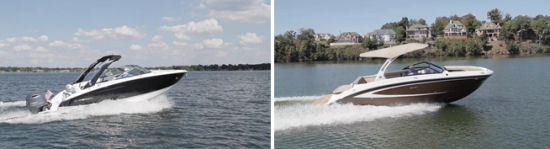
Test in sheltered water. Open ocean swells or boat wakes introduce variables you can't control. A random wake hitting one boat mid-run invalidates the whole test.
Pick a day with steady wind under 10 knots. Anything gustier and you're chasing shifts instead of testing variables. Flat water is ideal. If there's chop, make sure both boats hit the same wave sets—run them close enough that the water conditions are identical.
Current is the hidden variable. If you're in tidal water, test at slack tide. If you can't avoid current, run both directions and average the speeds. A 2-knot current can make a 30 MPH boat read 32 in one direction and 28 in the other.
We ran a fuel efficiency test in a channel with a 1.5-knot ebb. First run downstream looked great—40 MPH at 3,200 RPM. Return run at the same throttle setting dropped to 36 MPH. Average was 38 MPH, which matched the GPS track over ground. Without the reverse run, we'd have been off by 5%.
When to Stop Testing

You've got enough data when the same boat wins three consecutive runs under identical conditions after switching positions. If results flip randomly, something's wrong—either the boats aren't matched, conditions are too variable, or you're not isolating the variable cleanly.
Stop testing if wind picks up past 15 knots or wave height exceeds 1 foot. You're just collecting noise at that point.
After every test session, review the notes while the details are fresh. What worked? What didn't? Which variables are worth testing next? Write it down before you forget.
After your next haul-out, snap a photo of your prop blades. Check for nicks, dings, or bent edges. A single impact can throw off pitch by a degree or two, costing you 2-3 MPH without any obvious symptoms. For advice on inspecting and maintaining your propeller and outboard motor parts, visit our collection of Boat Accessories and explore the wide range of Inboard & Outboard Motor Parts to keep your boat performing at its best.
For all your marine parts needs and to discover more expert tips on boat maintenance and performance, visit our JLM Marine hub.