


Aftermarket Performance Parts for Outboards: Are They Worth It?
- The Risk Side: Where Aftermarket Goes Wrong
- Quality Aftermarket: What to Look For
- Direct-Fit Parts: A Safer Bet
- When Aftermarket Makes Sense
- Performance Gains You Can Expect
- Case Study: Real-World Upgrade
- Quality Control Indicators
- Frequently Asked Questions About Aftermarket Outboard Parts and Warranties
- Sources
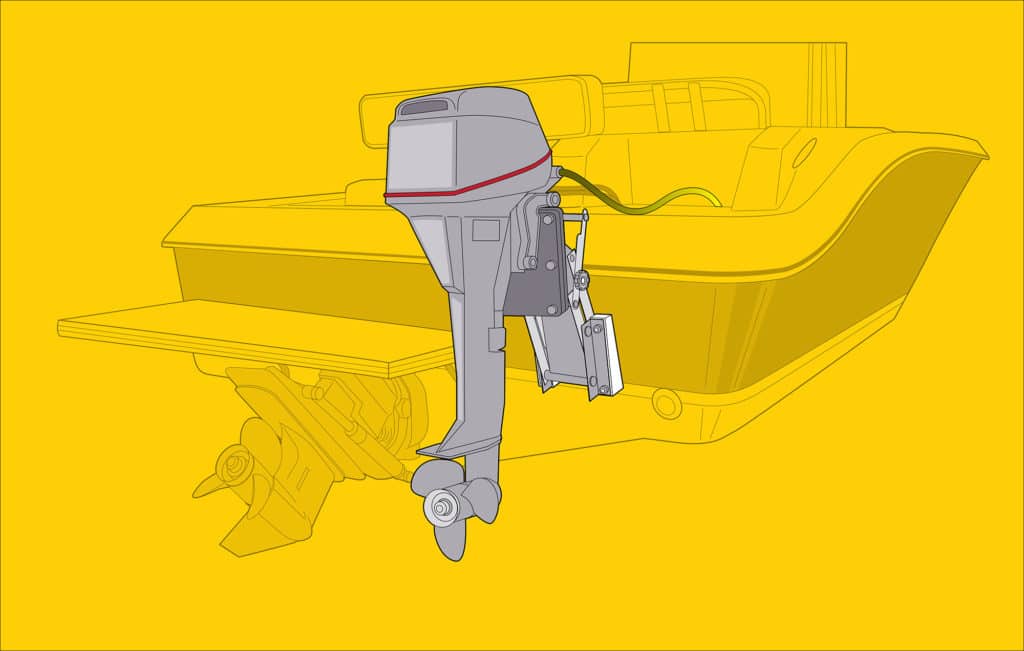
After two decades wrenching on outboards, I've installed hundreds of aftermarket parts—some brilliant, some absolute junk. The US marine aftermarket pulled in $12.4 billion in 2024, with engine-related components taking a big slice of that. The outboard engine market itself hit $3.6 billion in retail value the same year, moving 278,000 units, and aftermarket channels grabbed 62.86% of that share. North America leads globally in aftermarket demand, driven by aging fleets and owners chasing better efficiency without buying new rigs.
The main draw is cost. Aftermarket parts typically run 20-40% less than OEM. ECU tuning, for example, averages around $899 and can add serious horsepower—sometimes over 100—for a fraction of what you'd spend on a repower. Upgraded exhausts cut back pressure, giving you more torque and horsepower. Higher compression pistons improve airflow and can bump performance without necessarily shortening engine life. Even dialing in your prop or tweaking the intake can squeeze out 5-10% better fuel economy at cruise on certain models, as detailed in our guide on Proper Propeller Selection for Better Fuel Economy.
Quality aftermarket parts often match or exceed OEM for non-critical components. I've installed plenty that outlast factory stuff.
The Risk Side: Where Aftermarket Goes Wrong

Not all aftermarket parts are equal. Some are garbage that'll cost you more than you saved. I've pulled cheap fuel filters that let debris through and trashed injectors. I've seen poorly molded seals leak, letting water in or oil out. Bad electrical components can spike voltage and fry your ECU.
Buying the cheapest part available is penny-wise, pound-foolish. Repair bills from failed junk parts dwarf any initial savings. Worse, using non-OEM components can void your warranty. If an aftermarket part fails and damages other components, or if the manufacturer traces a failure back to your modification, they'll deny the claim. I've delivered that news more times than I want to count. For newer engines still under warranty, sticking close to factory spec is the safest play to keep that coverage intact, as explained in the OEM vs. Aftermarket Outboard Parts: What’s the Difference? article.
Aftermarket Trouble Spots
ECU Tuning and Chips: Altering your Engine Control Unit changes how the computer runs your engine. Push it beyond design limits, and you risk blown head gaskets, piston damage, even cracked blocks. Technicians can spot tunes by checking flash counts or max RPM history logged in the ECU. If your ECU gets damaged from a bad tune, you're looking at an expensive, non-covered repair.
Exhaust Systems: These can add power and sound great, but poor fitment causes leaks or unexpected backpressure that strains the engine. Installation needs to be precise. A professional who knows your specific engine model is key here.
Emissions Modifications: In the US, EPA regulations govern modifications to emissions-related components. Tampering with tuners or exhausts that affect emissions can land you in legal trouble beyond just warranty issues. Always verify compliance before installing performance parts that alter emissions output.
Hull and Weight Modifications: Heavy-duty bumpers or significant structural changes alter weight distribution. If a manufacturer can link a failure to these modifications, they'll deny coverage.
Before You Install: Inspect the Part
Check aftermarket impellers for excess rubber flash on molding seams. That flash causes premature wear. Look for fitment issues before you commit to installation. If a part requires drilling, cutting, or permanent modification to your engine, think twice—removal will be messy, and warranty risk shoots up. For detailed advice on How to Replace a Mercury Outboard Water Pump Impeller, see our step-by-step guide.
Quality Aftermarket: What to Look For
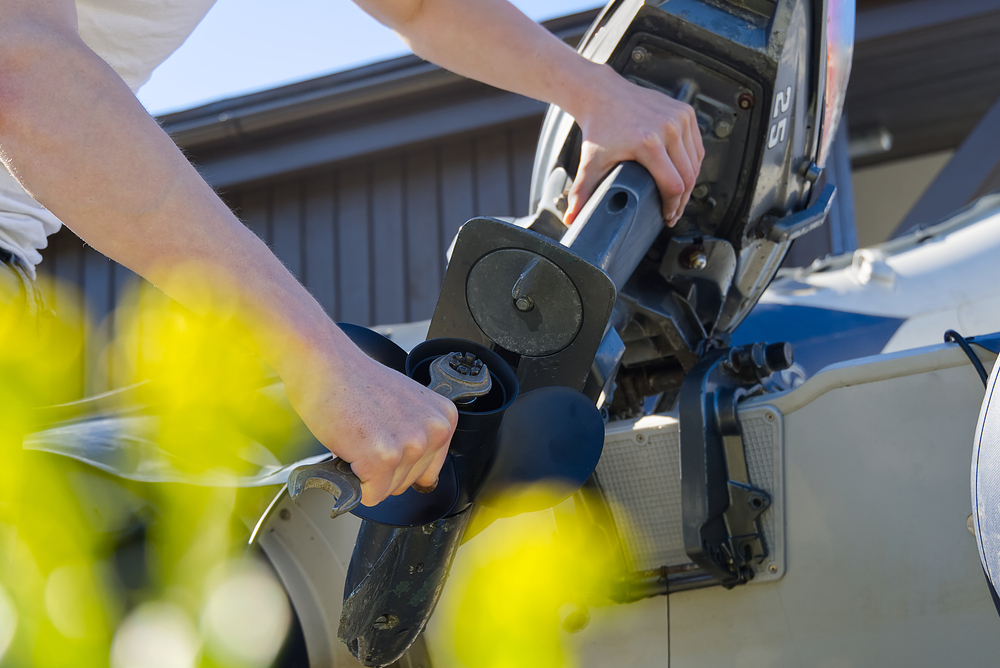
Some aftermarket manufacturers produce parts in the same factories that make OEM components, using excess capacity. These parts are often identical in quality. Finding them requires homework.
Research the Brand: Hit the forums where real mechanics and owners post. Read reviews. Look for independent testing data or case studies. Brands with decades of track records and consistent quality control earn trust.
Know Your Engine: Be precise about your model and year. The more specific, the better your chance of finding an exact-fit or proven-compatible upgrade. Our Yamaha Outboard Serial Number Guide (2025) can help you identify your exact engine specifications.
Check Warranty Terms: Pull out your warranty paperwork. What voids it? What's covered? If unsure, contact the manufacturer's customer service or a trusted independent shop before you buy.
Under the Magnuson-Moss Warranty Act, manufacturers must prove an aftermarket part caused the failure to deny a warranty claim. This gives consumers legal protection, but it still means a fight if something goes wrong. Keeping documentation and choosing quality parts minimizes that risk.
Prioritize Easy Installation: Plug-and-play parts that install and remove cleanly are safer for maintaining warranty coverage. If installation requires specialized tools or permanent changes, warranty risk increases.
Direct-Fit Parts: A Safer Bet
High-quality aftermarket parts designed as direct replacements for OEM components reduce warranty risk. These parts fit factory specs, function within the engine's original design parameters, and don't alter software or intercept ECU signals. Impeller kits, fuel filters, spark plugs, and propellers from reputable brands fall into this category. They're less likely to trigger warranty issues if they match the correct specification and install properly. For example, browse our Fuel Filter and Water Pump Impeller Kit collections for direct-fit options.
For critical internal sensors, fuel pumps, water pumps, ignition components, outdrive parts, shift cables, and starters, OEM is often the smarter choice. These components are the heart of your engine's reliability, and cutting corners here invites trouble.
When Aftermarket Makes Sense
Aftermarket performance parts work best when:
- Your engine is out of warranty or close to it
- You're maintaining an older engine where OEM parts are expensive or hard to find
- You buy from manufacturers with proven quality control and real customer support
- You're upgrading wear-and-tear items like filters, plugs, or props
- You want cost savings without sacrificing reliability
Decision Guide:
- Engine under 1 year old: Stick to OEM
- Engine 1-3 years old: Use trusted aftermarket for non-critical components
- Engine out of warranty: Aftermarket is a smart move for most parts
Performance Gains You Can Expect
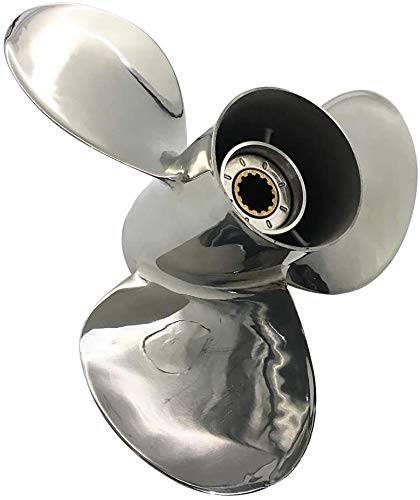
Propeller optimization is one of the easiest wins. Swapping to a polished stainless steel prop on a 150hp outboard can add several mph and improve throttle response compared to a standard aluminum prop. The exact gain depends on your hull, weight, and existing setup, but the difference is noticeable and aligns with tips in Stainless Steel vs. Aluminum Propellers: Which Is Better?.
Exhaust upgrades can drop backpressure and add measurable horsepower. Installing high-performance exhausts on twin outboard setups has resulted in improved top-end speed and better hole shot.
ECU tuning can deliver big horsepower bumps—sometimes north of 100hp—for under $1,000. But be aware: pushing compression ratios beyond 9.5:1 or tweaking fuel maps aggressively can shorten engine life and void warranties.
Intake tweaks and engine trim adjustments reduce drag and improve fuel efficiency. Jack plates let you optimize engine height, cutting drag and improving performance, especially on performance hulls. We cover some of these recommendations in our post on Installing a Jack Plate: Benefits for Shallow Water Boating.
Case Study: Real-World Upgrade
A boat owner with a 2018 Cobia 277 upgraded from Yamaha F200 motors (over 1,000 hours) to Yamaha F250XCB motors, saving around $9,000 compared to a large local dealer's quote. The upgrade cost $40,500 for two motors, $1,600 for rigging, $396 for water pressure sensors, $1,600 for props, and $3,300 for extended warranty—totaling $49,416.76. Selling the old F200s for $12,000 brought the net cost to $37,416.76. The new motors delivered better throttle response and smoother performance during break-in.
Mercury Racing's 500R, featuring a 4.6L supercharged V8, produces 500 horsepower and delivers 10% more torque while maintaining temperature control under extreme conditions. Their 300X outboard, introduced in the early 2000s, used advanced fuel delivery systems to push lightweight hulls over 90 mph.
Professional rebuilder Tim Hogan, owner of Outboard Exchange in Waterford, CT, notes that aftermarket pistons and seals often exceed OEM quality. Aftermarket seals use rubber bonded all the way to the edge with stainless steel materials, making them more reliable than OEM. However, quality varies—some suppliers have failure rates as high as 60% for certain components.
Quality Control Indicators
Look for manufacturers that test parts beyond industry standards. Pressure testing fuel filters to 1.5x operating PSI, for example, proves durability. Brands that publish ISO certifications, factory square footage, or years in operation demonstrate transparency.
If a manufacturer offers personalized support—like emailing your engine details for a compatibility check—that's a good sign. Real customer service indicates they stand behind their products.
Avoid sellers who don't list part specifications, fitment details, or quality testing. If a price seems too good, it probably is.
Explore our full range of Inboard & Outboard Motor Parts for trusted factory-direct options.
Frequently Asked Questions About Aftermarket Outboard Parts and Warranties
Can aftermarket parts really void my outboard warranty?
Yes. If an aftermarket part fails and damages other components, or if the modification negatively impacts engine performance or reliability, the manufacturer can deny a warranty claim. This is especially true for critical components or parts that deviate significantly from OEM specs. Under the Magnuson-Moss Warranty Act, manufacturers must prove the aftermarket part caused the failure, but you'll still face a dispute if something goes wrong.
What aftermarket parts are safest to use without voiding my warranty?
Wear-and-tear items like filters, spark plugs, impellers, and propellers from reputable brands are less likely to cause warranty issues if they match the correct specification and install properly. For anything more significant, working with brands that demonstrate a commitment to quality and compatibility reduces warranty risk. Avoid parts that require permanent modifications or alter engine software.
How do I know if an aftermarket part is high quality?
Research the brand. Check forums where mechanics and owners post honest reviews. Look for independent testing data or case studies. Brands with decades of track records and consistent quality control earn trust. Look for transparency: manufacturers that publish ISO certifications, factory details, or testing procedures demonstrate accountability. Avoid sellers with vague specs or prices that seem too low.
Are aftermarket parts as durable as OEM?
It depends. High-quality aftermarket parts from reputable manufacturers often match or exceed OEM durability for non-critical components. Some factories that produce OEM parts also make aftermarket items using excess capacity—these parts are often identical in quality. However, low-quality aftermarket parts cut corners and fail prematurely. Stick to trusted brands with proven track records.
When should I stick with OEM parts?
For critical internal sensors, fuel pumps, water pumps, ignition components, outdrive parts, shift cables, and starters, OEM is often the smarter choice. These components are the heart of your engine's reliability. If your engine is under a year old, stick to OEM to protect warranty coverage. For engines 1-3 years old, use trusted aftermarket for non-critical components. Out of warranty? Aftermarket is a smart move for most parts.
Aftermarket performance parts offer real value if you choose wisely. Stick with junk, and you'll pay for it in repairs and lost time on the water. But reputable brands deliver quality upgrades and cost savings without compromising reliability. Do your homework, verify fitment, and understand warranty terms before you buy.
Pro tip: Flush your outboard with fresh water after every saltwater outing to prevent corrosion and extend the life of internal components.
For all your parts needs, check out the JLM Marine home page for factory-direct boat parts and free worldwide shipping.
Sources
- National Marine Manufacturers Association (NMMA), 2024 Recreational Boating Statistics: https://www.nmma.org/press/article/25236
- NMMA, US Outboard Engine Market Report 2024: https://www.nmma.org/press/article/25121
- Mordor Intelligence, Outboard Motor Market Analysis: https://www.mordorintelligence.com/industry-reports/outboard-motor-market
- GM Insights, Outboard Boats Engine Market: https://www.gminsights.com/industry-analysis/outboard-boats-engine-market
- Yamaha Online Parts, OEM vs. Aftermarket Outboard Parts: https://yamahaonlineparts.com/blogs/yamaha-outboard-motors-maintenance/pros-and-cons-of-oem-vs-aftermarket-outboard-parts
- Trident Marine, OEM vs. Aftermarket Boat Parts Comparison: https://trident-marine.com/oem-vs-aftermarket-boat-parts-which-are-better/
- Marine Trading Post, Are Aftermarket Boat Parts Worth Buying: https://marinetradingpost.com/are-aftermarket-boat-parts-worth-buying-for-your-engine/
- Marine Engine Blog, OEM or Aftermarket Parts: https://blog.marineengine.com/2018/03/22/which-are-a-better-buy-oem-or-aftermarket-parts/
- iBoats Forums, OEM vs. Aftermarket Parts Discussion: https://forums.iboats.com/threads/oem-vs-aftermarket-parts.342777/
- YouTube, Yamaha F250 Upgrade Case Study: https://www.youtube.com/watch?v=4ADyPXMDJks
- YouTube, Mercury Racing Performance Engine Evolution: https://www.youtube.com/watch?v=jlEK3CPIA84
- YouTube, Outboard Exchange Professional Rebuilder Insights: https://www.youtube.com/watch?v=1o1vioDStqk
- Miller's Marine, Customer Service Testimonials: https://www.millers-marine.com/reviews-testimonials-pontoon-outboard-trailer-dealership--xtestimonials
- Boat Engine, OEM or Aftermarket Boat Parts: https://boatengine.com/oem-or-aftermarket-boat-parts/
- Tampa Marine Tuning, Repowering Strategies: https://tampamarinetuning.com/blogs/news/repowering-strategies
- Bay MFG, Outboard Motor Performance Upgrades: https://baymfg.com/outboard-motor-performance-upgrades