


DIY Winterization Guide: Mercury 60HP Bigfoot Outboard
By the JLM Marine Technical Team – 20+ years keeping outboards running
If you've got a Mercury 60HP Bigfoot, winter prep is mandatory. Skip it, and freeze damage will crack your block, corrosion will eat components, and stale fuel will clog your EFI system. Professional winterization runs $300 for small outboards, but this is straightforward work you can handle yourself with the right steps and parts.
Nearly half of US boaters tackle their own winterization, and for good reason—outboards are simpler than inboards. This guide covers every critical system to get your Bigfoot through winter without damage.
Tools and Parts You'll Need

Tools:
- 10mm and 13mm sockets
- Torque wrench (15-20 ft-lbs range)
- Gear lube pump with Mercury thread adapter
- Standard grease gun with Zerk tip
- Drain pan (5+ quart capacity)
- Spark plug socket
Parts and Fluids:
- Mercury 25W-40 four-stroke oil (3 quarts/2.8L)
- Oil filter (Mercury P/N 35-866340K01 or equivalent)
- Marine fuel stabilizer
- Marine gear lube (20 oz for Bigfoot gearcase)
- Fogging oil
- Marine grease (Mercury Precision 2-4-C)
- Corrosion inhibitor spray
- New spark plugs (optional, NGK IZFR6K11 or equivalent)
- Fiber drain plug washers
Time estimate: 2-3 hours
Difficulty: Moderate – basic mechanical skills required
Fuel System: Preventing Ethanol Damage
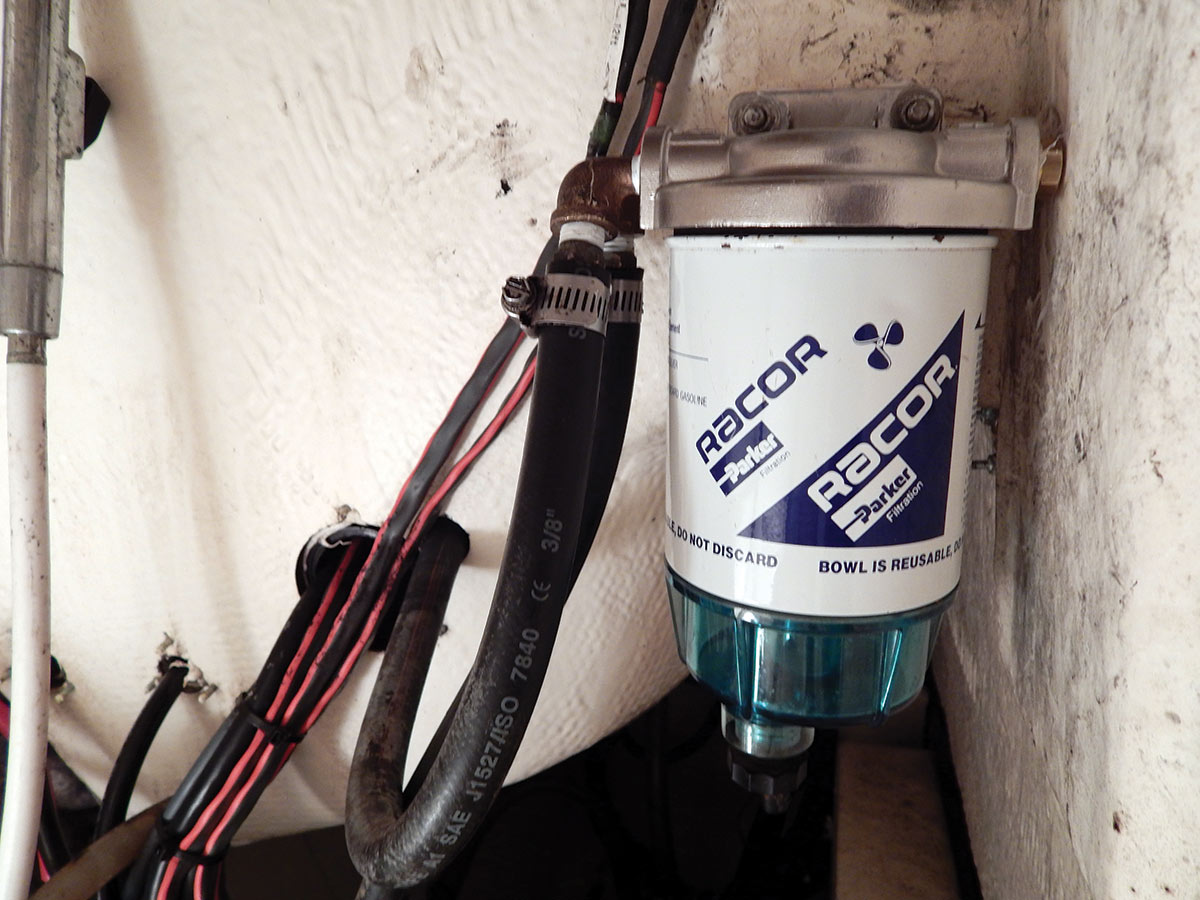
Ethanol fuel attracts water and separates when sitting for months. This causes corrosive deposits that wreck EFI components.
Add marine-specific fuel stabilizer at 1 ounce per 10 gallons. Fill your tank to 95% capacity—less air space means less condensation. Generic car stabilizers won't cut it for marine environments.
Critical step: Connect flushing muffs to the lower unit intakes or use the flushing port. Start the engine and run it for 10-15 minutes. Watch for a steady stream from the tell-tale hole on the mid-section—this confirms cooling flow. If nothing comes out, shut down immediately and clear the hole with a thin wire.
This run time circulates stabilized fuel through the fuel pump, lines, vapor separator, and injectors. Skip this, and you're leaving untreated fuel sitting in the most expensive parts of your engine.
Check the low-pressure fuel filter under the cowl. It's a mesh screen in a clear bowl—if you see debris or dark fuel, replace it now. A clogged filter will starve your high-pressure pump, and that's a $400+ repair. For reliable parts, consider browsing the fuel filter collection at JLM Marine where OEM-quality filters are available at competitive prices.
Engine Oil and Filter: Fresh Protection
Old oil holds combustion acids, moisture, and carbon. Leaving it in over winter accelerates internal corrosion.
Procedure:
Warm the engine for 5 minutes to thin the oil. Locate the drain plug on the starboard side of the mid-section, about halfway down. Place your drain pan directly underneath—it will gush.
Remove the plug with a 13mm socket. Let it drain completely (takes 3-4 minutes). While draining, unscrew the old oil filter. Position a rag or cut-off plastic bottle under the filter mount because oil trapped in the filter housing will spill when you break the seal.
Before installing the new filter, dip your finger in fresh Mercury 25W-40 and coat the rubber gasket. Hand-tighten only—overtorquing tears the gasket.
Reinstall the drain plug with a new fiber washer. Torque to 18 ft-lbs. Old washers leak.
Refill with exactly 2.8 liters (3 quarts) of Mercury 25W-40 four-stroke oil through the fill cap on top of the powerhead. Automotive oil foams at high RPM and lacks the anti-corrosion additives needed in saltwater environments. Don't use it. For understanding the importance of using marine-grade fluids, see our blog on Conventional vs. Synthetic Oil: Impact on Engine Performance.
Start the engine and idle for 30 seconds. Shut down and check the dipstick—top off if needed. Inspect the drain plug and filter for leaks. Take your used oil to an auto parts store for free recycling.
Lower Unit: Protecting the Gearcase
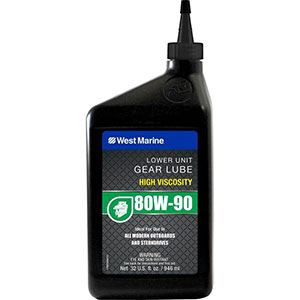
The Bigfoot gearcase is larger than standard 60HP models—it's built for high thrust in shallow water. That bigger case holds 20 ounces of gear lube, not the 16-18 oz of a standard lower unit.
Draining:
Remove the upper vent screw first (10mm socket), then the lower drain screw. Let it drain into a clear container so you can inspect it. Clean, amber lube is good. Milky white means water intrusion—your seals are failing, and you need to address that before next season. Metal shavings on the magnetic drain plug are normal if they're fine dust. Chunks or glitter means gear damage.
Refilling:
Attach your gear lube pump to the lower drain hole. Verify your pump adapter fits Mercury's thread pitch—generic pumps sometimes cross-thread and leak during filling. Pump slowly until lube flows from the upper vent hole. This confirms the entire gearcase is full with no air pockets.
Install the upper vent screw first with a new fiber washer, then the lower drain with a new washer. Torque both to 15 ft-lbs. Over-torquing strips the soft aluminum housing.
For detailed maintenance on protecting outboard gearcases, check our Maintaining Your Outboard’s Gearcase: Mercury vs. Yamaha guide.
Prop shaft maintenance:
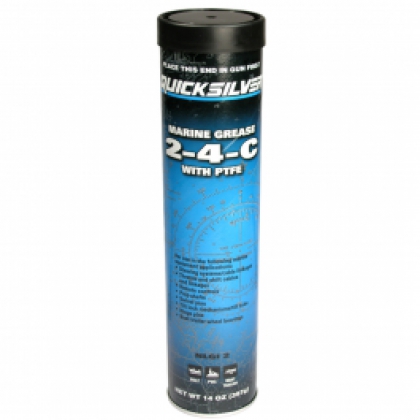
Pull the prop. Remove the cotter pin (straighten the legs first), then unscrew the castle nut. Clean all fishing line, weeds, and oxidation from the prop shaft with a wire brush. Apply a heavy coat of Mercury Precision grease to the entire shaft. This prevents galvanic corrosion and makes removal possible next season—without grease, the prop seizes on.
Reinstall the prop, torque the castle nut to 55 ft-lbs, and install a new cotter pin. Bend the legs around the nut.
Check the anode on the lower unit. If it's more than 50% eroded, replace it. In saltwater, anodes protect your aluminum gearcase from galvanic corrosion.
Flushing and Fogging: Internal Freeze Protection
Freshwater flush:
With muffs connected and water running, start the engine. Idle for 5 minutes to flush salt, debris, and combustion deposits from the cooling passages. Confirm water flow from the tell-tale throughout. For parts like water pumps and impellers related to cooling, visit our Cooling System collection or the Mercury Water Pump impeller collection.
Fogging procedure:
With the engine still running at idle, spray marine fogging oil directly into the air intake on top of the throttle body. Keep spraying in 2-3 second bursts. The engine will smoke heavily and eventually sputter and stall—this is correct. You've coated the intake runners, valves, and combustion chambers.
Cylinder treatment:
Shut off fuel and disconnect the kill switch. Remove all four spark plugs with a spark plug socket. Label the plug wires if they're not numbered—mixing up firing order causes rough starts.
Give each cylinder a 2-second shot of fogging oil directly through the spark plug hole. Rotate the flywheel by hand (grip the flywheel fins under the top cowl) several full turns. This spreads the oil across piston tops, cylinder walls, and piston rings. Without this coating, rust forms on bare metal over winter.
You can reinstall the old spark plugs loosely or thread in a fresh set now (NGK IZFR6K11, gapped to 0.043"). Torque plugs to 18 ft-lbs—undertorquing causes misfires, overtorquing cracks the porcelain. For insights on high-performance ignition parts, see our High-Performance Spark Plugs: Do They Make a Difference? blog.
Battery, Greasing, and External Protection
Corrosion prevention:
Spray a marine corrosion inhibitor on all external linkages, bolts, steering pivot, and tilt rams. Pay attention to the throttle and shift cables where they connect—these seize up when moisture sits all winter.
Greasing points:
The Bigfoot has grease fittings (Zerk nipples) on the steering tube and tilt pivot. Use a grease gun loaded with marine-grade waterproof grease. Pump until you see fresh grease purge from the seals—usually 2-3 pumps per fitting. This displaces any water that's worked its way in.
Water drainage:
Tilt the engine all the way down (full trim-in). This drains residual water from the exhaust passages and cooling system. Water left inside will freeze and crack the block.
Battery storage:
Disconnect both cables (negative first). Clean the terminals with a wire brush. Store the battery in a cool, dry location above 32°F. Connect it to a trickle charger or smart maintainer—a dead battery sulfates and loses capacity permanently. A basic maintainer costs $30 and saves you a $150 battery replacement. For more detailed battery care, see our Battery Care During the Off-Season: Keep It Charged guide.
Storage position:
Store the outboard in a vertical position on the transom or a proper stand. Avoid tilting it for extended periods—oil pools incorrectly and internal seals can dry out. Use a breathable canvas cover, not a plastic tarp. Plastic traps condensation and promotes mildew.
Winterization FAQ
Q: How often should I change the gear lube on my Mercury 60HP Bigfoot?
Every 100 hours or annually, whichever comes first. In saltwater or brackish conditions, annual changes are mandatory. Water contamination happens even without obvious leaks.
Q: What kind of oil is best for winterizing my Mercury 60HP Bigfoot?
Mercury 25W-40 four-stroke marine oil. Automotive oils lack the zinc and anti-foaming additives required for high-RPM marine use and saltwater corrosion resistance. Using car oil voids your warranty.
Q: Can I use a regular car fuel stabilizer, or do I need a marine-specific one?
Use marine-specific stabilizer. It's formulated to handle ethanol phase separation and the higher moisture exposure marine fuel systems face. Car stabilizers aren't strong enough for 4-6 month storage in humid environments.
Q: I heard you need to remove the spark plugs to fog. Is that always necessary?
Yes. Fogging through the intake coats the upper combustion chamber, but removing plugs and spraying directly is the only way to coat cylinder walls and piston rings fully. Rotating the flywheel distributes the oil evenly. This prevents rust and ring sticking.
Q: What happens if I don't adequately fog my engine for winter storage?
Bare steel cylinder walls oxidize in humid air. When you start the engine in spring, piston rings drag across rust, causing scoring, compression loss, and potentially seized rings. It's an easy 10-minute step that prevents catastrophic damage.
Q: My engine overwinters in a non-freezing climate. Do I still need to winterize it?
Yes. Freeze damage isn't the only threat. Corrosion, fuel degradation, and seal drying happen everywhere. Ethanol fuel goes stale in 30-60 days and forms varnish in injectors. Oil changes remove corrosive acids. Full winterization protects your investment regardless of temperature.
Q: What are the risks of using cheaper, aftermarket fuel filters for my Mercury 60HP Bigfoot?
Cheap filters use inconsistent media that either restricts flow or lets debris through. A failed filter can destroy your high-pressure fuel pump ($400) or clog injectors ($100 each). This is why we stock filters that meet OEM specifications—same filtration, better price than the dealer, without the risk of junk filters. Quality non-OEM filters from manufacturers who supply OEM brands (like JLM Marine) offer the same protection without the Mercury logo markup.
Q: Should I replace the thermostat during winterization?
Not unless it's failed. If your engine runs consistently at 140-160°F and the tell-tale flows properly, the thermostat is fine. Replace it every 3-4 years or if you see overheating symptoms (weak pee stream, alarm). It's located in the thermostat housing on the starboard cylinder head—accessible with a 10mm socket after removing two bolts. For a detailed thermostat replacement tutorial, refer to How to Replace the Thermostat on Your Yamaha F225, F250, or F300 4.2L V6 Outboard Motor as a reference for similar maintenance.
Q: Can I winterize with the boat still in the water?
You can perform fuel treatment, oil changes, and fogging with the boat in the water using a flushing port for the cooling system. However, you cannot properly drain the lower unit or inspect for water contamination without tilting the engine fully, which requires the boat on a trailer or lift.
Warranty note: Performing your own winterization with OEM-spec parts and fluids does not void your Mercury warranty, provided you keep receipts and follow factory service intervals. The Magnuson-Moss Warranty Act protects your right to self-maintain.
Pro tip: Flush your engine with freshwater for 5 minutes after every ride in salt or brackish water. Salt deposits build up in cooling passages and cause the thermostat to seize, leading to overheating next season. A simple flush habit prevents a $200 thermostat housing teardown. For more on flushing and overheating prevention, see our Outboard Overheating 101: Quick Checks to Prevent Damage.
Explore more to keep your marine engine operating smoothly at the JLM Marine homepage.