

Stainless Steel vs. Aluminum Propellers: Which Is Better?
- Material Strength and Blade Design
- Cost Reality Check
- Performance Differences You Can Feel
- Durability in Real Conditions
- Pitch and RPM Changes When Switching Materials
- When Aluminum Makes Sense
- When Stainless Steel Makes Sense
- Propeller Selection and Sizing
- Maintenance and Longevity
- Troubleshooting Common Prop Problems

After two decades wrenching on outboards, I can tell you the aluminum-versus-stainless debate isn't about which metal is "better." It's about matching the prop to your boat, your wallet, and where you actually run.
Material Strength and Blade Design
The physics here matter more than the marketing. Stainless steel's core advantage isn't just that it's "stronger"—it's that the strength allows fundamentally different blade shapes.
Aluminum blades need thickness to survive. That extra material creates drag. On a Mercury Black Max aluminum prop, you're looking at blade thickness that's dictated by the metal's flexibility, not hydrodynamic optimization. When you trim up and push the throttle, those blades flex. That flex is slip, and slip is wasted fuel.
Stainless steel—especially Mercury's proprietary X7 alloy—can run thinner blades that hold their pitch geometry under load. At 5000 RPM with a heavy load on, an aluminum blade is bending. The stainless blade isn't. That rigidity translates to an 11% efficiency improvement in real-world testing. It's not magic; it's just less metal moving through the water and less deformation under stress.
Stainless steel also handles about five times the stress tolerance of aluminum before permanent deformation. That doesn't mean it's indestructible—it means when you clip a stump, the outcome is different. Aluminum absorbs impact by bending or shedding a blade. Stainless usually takes a gouge and keeps spinning.
Cost Reality Check
Aluminum props run about one-third to one-fifth the cost of stainless. A basic aluminum prop for a 90 HP engine might cost $180. The stainless equivalent can hit $500 or more. That's not dealer markup—that's material and manufacturing cost.
But here's where it gets interesting. Aluminum's lower upfront cost comes with higher operating expenses. Every time you ding an aluminum blade on a sandbar, you're looking at either a $120 repair or reduced performance until you fix it. I've seen guys run bent aluminum props for months because they don't want to deal with it. Meanwhile, their fuel consumption is up 15% because the blade pitch is inconsistent.
Stainless props are harder to damage in the first place. When you do nick one, you can often file the edge smooth and keep running without measurable performance loss. The fuel efficiency gain—typically 5-10% better consumption at cruise—adds up. If you burn 60 gallons a weekend and save 6 gallons at $4/gallon, that's $24 per trip. Over a season, the stainless prop can pay for itself through fuel savings alone, especially on larger engines above 150 HP.
Repair costs flip the script too. Fixing a stainless prop requires heat treatment and specialized welding. Most shops won't touch it, and those that do charge $300+. But you're repairing it far less often. Aluminum repairs are cheap ($100-150), but you're doing them constantly in rocky water.
Performance Differences You Can Feel

The performance gap shows up immediately at the helm. On a test with a 150 HP Mercury on a center console, switching from aluminum to stainless of the same pitch yielded a jump from 42 mph to 45 mph at wide-open throttle. That's a 7% speed increase, which matches the 5-10% range we see across different hull types.
Acceleration differs too, but not always in stainless's favor. Stainless props are heavier. On lighter boats with smaller engines (under 75 HP), that extra rotating mass can slow your hole shot. The engine has to spin up more weight before the boat moves. On a 60 HP tiller motor pushing a jon boat, aluminum will plane you out faster.
But on heavier hulls or when pulling skiers, stainless wins. The rigidity prevents ventilation when you're trimmed up and hammering it. Aluminum blades flex enough at high trim angles that they lose bite and the engine over-revs. You'll hear the RPMs spike and feel the boat settle back. Stainless holds the water.
The "shift clunk" is real with stainless. When you drop the engine into gear, the heavier prop creates more drivetrain shock. You'll hear a louder clunk through the transom. It's not damage—it's inertia—but it unnerves some owners. Modern dampening hubs like Mercury's Flo-Torq SSR system reduce this, but it's still noticeable compared to aluminum.
Durability in Real Conditions

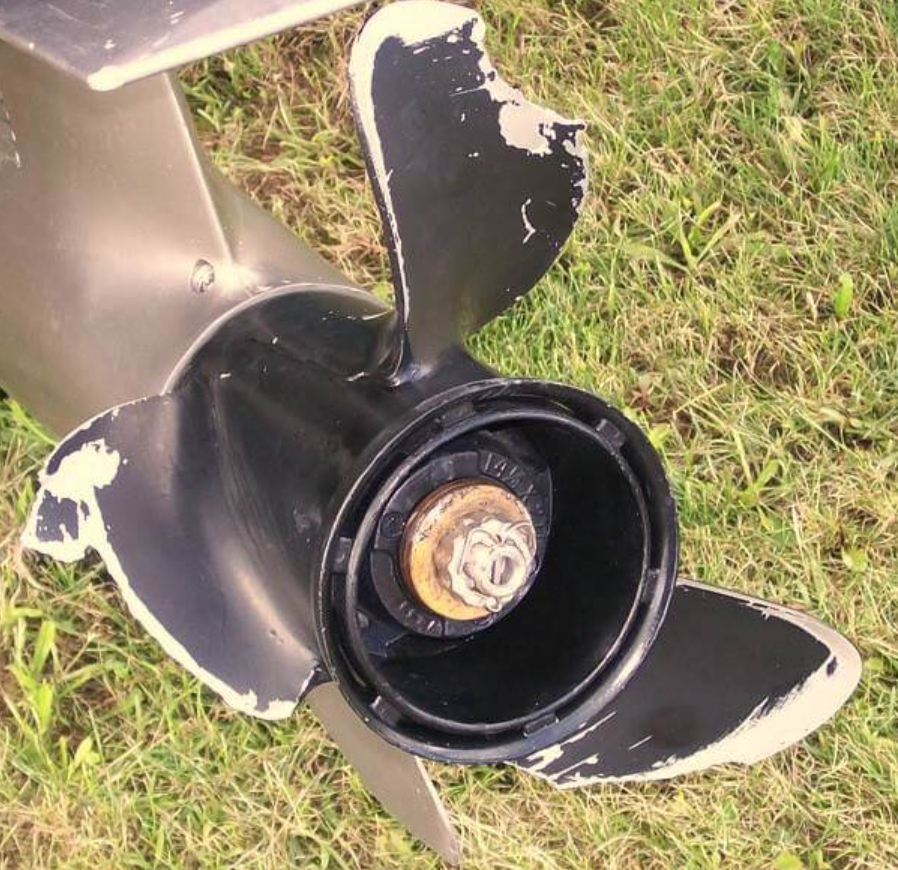
Stainless steel doesn't just resist damage—it changes what counts as "damage." I've pulled stainless props that hit rocks at 40 mph and came away with a half-inch gouge on the leading edge. Filed it smooth, checked balance, put it back on. The boat ran fine. An aluminum prop from the same strike would need replacement.
That said, stainless doesn't bend back. When aluminum hits hard, it bends. If it's not too bad, you can sometimes cold-bend it close enough to run. Stainless either survives intact or cracks. There's no middle ground for field repairs. On a remote lake, a bent aluminum prop might get you home. A cracked stainless blade won't.
In saltwater, stainless holds up far better long-term. Aluminum oxidizes. You'll see white corrosion on the blades and hub, especially if you don't flush after every trip. Stainless corrodes too, but much slower, and the corrosion doesn't pit as aggressively. For coastal or offshore guys, stainless makes sense just on corrosion life alone.
One underappreciated factor: galvanic corrosion. When you bolt a stainless prop onto an aluminum gearcase in saltwater, you've created a battery. The aluminum becomes the sacrificial anode. Your anode maintenance schedule becomes critical. If your trim tab anodes or gearcase anode wear out, the gearcase itself starts corroding. I've seen gearcases pitted through in two seasons because the owner ignored anodes after upgrading to stainless. Keep fresh anodes on the lower unit, or you'll pay for that stainless prop twice.
Pitch and RPM Changes When Switching Materials
This trips up more people than anything else. You cannot swap an aluminum prop for a stainless prop of the same pitch and expect the same RPM.
Stainless blades don't flex. That means effective pitch stays consistent under load. Aluminum blades flex, which reduces effective pitch by 1-2 inches at wide-open throttle. If you're running a 19-pitch aluminum and your engine hits 5500 RPM (within spec for a 5000-5500 RPM range), switching to a 19-pitch stainless will drop you to 5200 RPM. You've just lugged the engine below its power band.
The fix: drop pitch when switching to stainless. If you're on a 19-pitch aluminum, try a 17-pitch stainless. Test your wide-open throttle RPM with a tachometer. The engine should hit the top of its rated RPM range. If it doesn't, you're over-propped, which kills acceleration and can overheat the engine under sustained load.
Diameter matters too, but pitch is where most people mess up. Always verify your engine's WOT RPM spec before buying. It's stamped on the engine's capacity plate or in the owner's manual. If your manual says 5000-5500 RPM and you're hitting 4800, you need less pitch or smaller diameter.
When Aluminum Makes Sense
Aluminum works best on engines under 75 HP, especially on boats where top speed isn't the priority. Pontoons, small fishing boats, jon boats—these don't need the performance edge stainless offers, and the cost savings matter.
It's also the right choice for a spare prop. If you run shallow rivers, rocky shorelines, or tidal flats, carry an aluminum spare. When you hit a rock, swap props and keep fishing. I've seen Florida Keys guides run stainless as their primary prop but keep aluminum in the truck for skinny water. When you're poling up on a flat and the depth finder reads eight inches, you're not risking the $600 prop.
Aluminum is easier to replace in remote areas too. Every marine shop stocks aluminum props. Stainless props, especially in oddball pitches, often require ordering. If you're cruising the Chesapeake and shred a prop on a Friday, you'll find aluminum locally. Stainless might take three days to ship.
For boats that see occasional use—weekenders who run calm lakes a few times a summer—aluminum's lower cost outweighs stainless's benefits. You're not logging enough hours to recoup the fuel savings, and you're not stressing the prop hard enough to notice the performance difference.
When Stainless Steel Makes Sense

Stainless is the move for anything above 150 HP or any boat used in performance applications. Offshore fishing boats, ski boats, bass boats running tournaments—these demand the efficiency and durability stainless delivers.
If you're trimming the engine up to run skinny or cruising at high speed consistently, stainless's resistance to flex prevents ventilation and maintains thrust. Aluminum will cavitate when trimmed aggressively. Stainless won't, at least not as easily.
Saltwater boats benefit from stainless's corrosion resistance, but only if you maintain your anodes. Don't bolt stainless onto your gearcase and forget about it. Check your anodes every month in saltwater. Replace them when they're half gone, not when they've dissolved completely.
For boats used commercially—guides, charter captains, anyone running 200+ days a year—stainless's durability justifies the cost. You're not repairing props every other month, and the fuel savings at that usage level are substantial. A guide running 30 gallons a day, six days a week, saving 10% on fuel, is looking at thousands of dollars a year in savings.
Heavy boats, especially those with high bow lift or loaded with gear, need the added thrust stainless provides. The blades hold their shape under load, which means better acceleration and less slip when you're pushing a heavy hull onto plane.
Propeller Selection and Sizing

Choosing a prop isn't just about material. You need to know your current setup before buying anything. Check the propeller's size markings. They're stamped on the hub, usually in a format like "14 x 19," where 14 is diameter in inches and 19 is pitch in inches.
Pitch is the theoretical distance the prop would move forward in one revolution if there were no slip. Higher pitch = higher top speed but slower acceleration. Lower pitch = faster acceleration but lower top speed. Most boaters over-prop because they chase top speed, then wonder why their boat struggles to plane out with four people and a cooler on board.
Mercury Marine's Prop Selector Tool is free and actually useful. Plug in your boat and engine specs, and it suggests pitch and diameter based on your stated use (cruising, watersports, fishing). It's not perfect, but it narrows the field.
If you're buying without testing, here's the rule: match pitch to your engine's RPM range at wide-open throttle. Run your boat with the current prop at WOT on a calm day with a normal load. Check the tachometer. If RPMs are below the spec range, you need less pitch. If they're above, you need more pitch. Each inch of pitch changes RPM by about 150-200, depending on engine size and hull.
For diameter, bigger isn't always better. Larger diameter props move more water but require more torque to spin. On smaller engines, oversized diameter kills acceleration. Stick within the manufacturer's recommended diameter range unless you're custom-tuning for a specific application.
Maintenance and Longevity

Neither material lasts forever, but maintenance schedules differ. Aluminum props need inspection after every bottom strike, even minor ones. Check for bent blades by sighting down the edge. A bent blade throws the prop out of balance, which vibrates the engine and wears shaft seals. If it's slightly bent, some shops can cold-press it straight. Badly bent blades usually mean replacement.
Stainless props tolerate more neglect, but they still need regular checks. Inspect the leading edges for nicks after running in sandy or rocky water. Small nicks (under 1/4 inch) can be filed smooth with a fine file. Deeper gouges might need professional dressing to avoid creating stress risers that propagate cracks.
Both materials require hub maintenance. The rubber or composite hub insert absorbs shock and protects the prop shaft. If the hub spins inside the prop (you'll feel it as the engine revs but the boat doesn't accelerate), the hub is shot. Aluminum props with damaged hubs are cheap enough that replacement often beats repair. Stainless props justify hub replacement, which costs $100-150 at most shops.
In saltwater, flush the lower unit and prop after every trip. Saltwater sits in the hub and blade roots, accelerating corrosion. A freshwater flush takes five minutes and adds years to the prop's life, regardless of material.
Check mounting hardware every season. The prop nut, cotter pin, and thrust washer take enormous stress. A lost prop at speed can destroy the gearcase. Torque the prop nut to spec (usually 55-60 ft-lbs for most outboards), and replace the cotter pin every time you remove the prop. Don't reuse old pins.
For all your boat parts needs, including essential maintenance supplies and more, visit JLM Marine's main site.
Troubleshooting Common Prop Problems
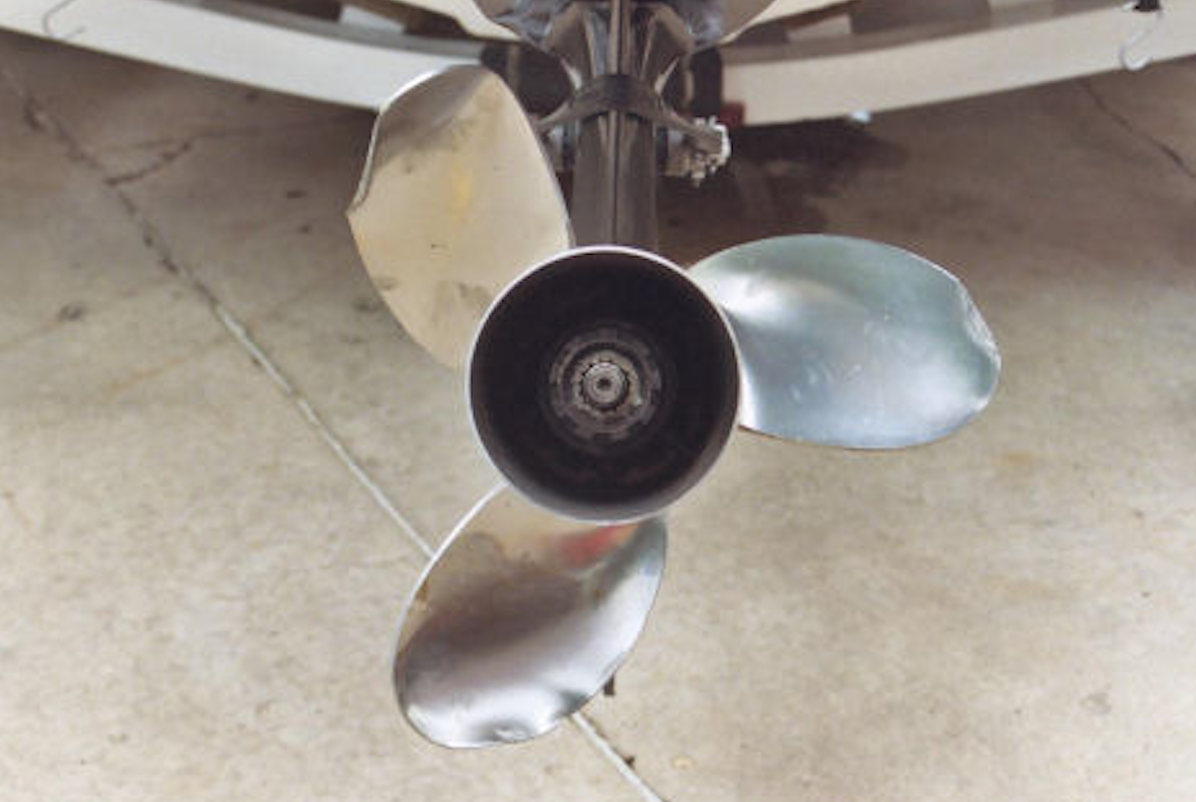
If you just switched from aluminum to stainless and you're seeing issues, here's what to check:
RPMs dropped and the boat feels sluggish: You're over-propped. The stainless prop's lack of flex means you need to drop pitch by 1-2 inches compared to your old aluminum prop. Test WOT RPM and adjust accordingly.
Loud clunk when shifting into gear: Normal with stainless due to the heavier mass. If it's excessive (sounds like metal-on-metal banging), check that the Flo-Torq hub or spline is installed correctly. Some stainless props require specific hub kits; using the wrong one amplifies shift shock.
Vibration at speed: Check blade balance. Even stainless props can develop imbalance from uneven nicks or damage. A prop shop can static-balance it for $40-60. Also verify the hub isn't spinning.
Ventilation or cavitation at high trim: Stainless reduces this compared to aluminum, but it still happens if pitch is too aggressive or the engine is mounted too high. Lower the engine on the transom by one mounting hole and retest. If ventilation persists, you might need a cupped prop or lower pitch.
White residue on blades (saltwater): Aluminum oxidation or salt buildup on stainless. Scrub with a soft brush and vinegar solution. If it's aluminum and the oxidation is heavy (pitted metal), the prop's lifespan is limited. On stainless, it's usually just cosmetic salt crust.
After switching props, run the boat in a safe area and monitor engine temperature and RPM for the first few hours. Stainless props load the engine differently. If the engine runs hotter than normal or struggles to hit rated RPM, pull back and reassess your pitch choice before you cook the powerhead.
Keep a torque wrench in your tool kit. Prop nuts loosen over time, especially after the first few trips with a new prop. Check torque after the first five hours of run time, then every 50 hours or each season.
For more insights on outboard maintenance and troubleshooting, explore the Outboard 101 blog collection.
If you're looking for quality propellers or other boat accessories, browse JLM Marine's Boat Accessories collection for OEM quality and competitive prices.
Hi—I’m Jim Walker
I grew up in a Florida boatyard, earning pocket money (and a few scars) by rebuilding outboard carbs before I could drive. That hands-on habit carried me through a Ph.D. in mechanical engineering, where I studied how salt water quietly murders metal.
I spent ten years designing cooling systems for high-horsepower outboards, then joined JLM Marine as CTO. We bench-test every new part in the lab, but I still bolt early prototypes onto my own 23-foot skiff for a weekend shake-down— nothing beats real wake and spray for finding weak spots.
Here on the blog I share the fixes and shortcuts I’ve learned so your engine—and your day on the water—run smooth.

Para propietarios de embarcaciones:
Para ayudarlo a mantener y reparar sus motores marinos, esperamos que los siguientes recursos puedan serle de utilidad:
- Guía de números de serie de Mercury
- Manuales del propietario de Mercury
- Guía de referencia oficial de números de modelo en formato PDF de BRP
- Guía de números de serie de Johnson
-
Accesorios para barcos de JLM Marine
Acerca de JLM Marine
Fundada en 2002, JLM Marine se ha consolidado como un fabricante dedicado de piezas marinas de alta calidad, con sede en China. Nuestro compromiso con la excelencia en la fabricación nos ha ganado la confianza de las principales marcas marinas a nivel mundial.
Como proveedor directo, evitamos intermediarios, lo que nos permite ofrecer precios competitivos sin comprometer la calidad. Este enfoque no solo promueve la rentabilidad, sino que también garantiza que nuestros clientes reciban el mejor valor directamente del proveedor.
Estamos entusiasmados de ampliar nuestro alcance a través de canales minoristas, llevando nuestra experiencia y compromiso con la calidad directamente a los propietarios de embarcaciones y entusiastas de todo el mundo.
Accesorios para barcos en oferta
- $54.00
- $54.00
- Unit price
- per
- $38.50
- $38.50
- Unit price
- per
- From $39.13
$45.50- From $39.13
- Unit price
- per
- $53.50
- $53.50
- Unit price
- per
- From $54.00
- From $54.00
- Unit price
- per
- $34.50
- $34.50
- Unit price
- per

- $34.50
- $34.50
- Unit price
- per
- $54.00
- $54.00
- Unit price
- per
- $54.00
- $54.00
- Unit price
- per
- $23.50
- $23.50
- Unit price
- per
-
Red
-
Blue
- $45.00
- $45.00
- Unit price
- per
- $32.00
- $32.00
- Unit price
- per
- $40.00
- $40.00
- Unit price
- per
- $22.80
- $22.80
- Unit price
- per
-
Red
-
Blue

- $31.50
- $31.50
- Unit price
- per
- $22.80
- $22.80
- Unit price
- per
-
Red
-
Blue


- $59.00
- $59.00
- Unit price
- per
- $54.00
- $54.00
- Unit price
- per

- $22.80
$27.00- $22.80
- Unit price
- per

- $32.00
- $32.00
- Unit price
- per