


Outboard Smokes Too Much: Rich Mixture or Oil Problem?
- Two-Stroke Smoke: What's Normal vs. What's Not
- Four-Stroke Smoke: Oil Shouldn't Be There
- Blue Smoke Diagnosis
- White Smoke: Combustion or Cooling Problems
- Black Smoke: Rich Fuel Mixture
- Spark Plugs and Combustion Quality
- Fuel Quality and Ethanol Issues
- Oil Type and Quality
- When to Call a Mechanic
- Tools You Need for Diagnosis
- Proactive Maintenance to Prevent Smoke
- Two-Stroke vs. Four-Stroke Emissions Data
- OEM vs. Aftermarket Parts
- Learning Resources

If your outboard is dumping smoke, you're dealing with either too much fuel, too much oil, or oil burning where it shouldn't. I've diagnosed hundreds of these cases, and the fix starts with identifying smoke color and engine type. Blue smoke means oil burn. White smoke means combustion problems or cooling system issues. Black smoke means too much fuel. Let's break down what's actually happening and what you need to check.
Two-Stroke Smoke: What's Normal vs. What's Not
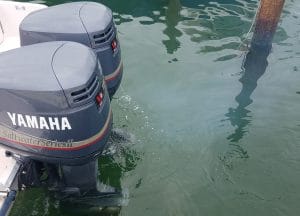
Two-stroke engines burn oil by design. You're mixing oil directly into the fuel—typically 50:1 for most modern motors, though older models might call for 32:1 or 40:1. Check your specific manual. Because this oil lubricates internal parts as it passes through the cylinder, a light blue haze at startup or low RPM is normal. That's just combustion byproduct.
But if you're getting thick plumes that hang in the air or leave an oily film on your transom, something's off. Overoiling is the most common culprit. I've seen customers accidentally mix 25:1 when the engine calls for 50:1—double the oil means double the smoke. If you premix your fuel, re-verify your ratio. If you've got a VRO or oil injection system, a stuck linkage or failed sensor can dump excessive oil into the combustion chamber. Broken linkages are especially common on older Johnsons and Evinrudes [source].
Engines that sit idle for weeks or months will smoke heavily on the first startup. Oil pools in the crankcase and lower cylinders. When you fire it up, all that accumulated oil burns off at once, creating a smoke cloud that clears after 2-3 minutes of running. Store your two-stroke upright or slightly tilted bow-up to let oil drain back into the tank.
Two-stroke engines also smoke more at low RPMs. Trolling at 1600 RPM for hours means incomplete combustion—fuel and oil don't burn hot enough to vaporize completely. A 90s-era 200 HP Johnson smoked heavily while trolling at 7-8 MPH but ran clean at higher speeds. The fix? Run the engine at cruising RPM (3000-4000 RPM) for 10-15 minutes every few hours to burn off carbon deposits and unburned oil.
Four-Stroke Smoke: Oil Shouldn't Be There
Four-stroke outboards have a sealed crankcase and separate oil reservoir. They're not designed to burn oil. If you see blue smoke from a four-stroke, oil is leaking into the combustion chamber through worn piston rings, valve seals, or a blown head gasket.
A Yamaha F150 with low hours produced massive blue smoke for 3-5 minutes on startup, resembling a fire. Compression tested normal, but the symptoms pointed to rings not seating properly or valve guide wear. The engine ran smoothly after warm-up, suggesting oil was pooling overnight and burning off during initial combustion.
Storage position matters. If you trailer your boat or store it with the lower unit tilted all the way down, oil can migrate past the rings and pool behind the pistons. When you start the engine, this oil burns off as blue smoke. Store your four-stroke trimmed up so the powerhead sits higher than the lower unit. This lets oil drain back into the sump where it belongs.
Worn valve seals also let oil drip down valve stems into the cylinder. You'll see blue smoke primarily at startup and deceleration, when manifold vacuum pulls oil past the seals. Replacing valve seals requires pulling the cylinder head—not a dock-side fix.
Blue Smoke Diagnosis
Two-stroke blue smoke is normal at idle and startup. It becomes a problem when it's excessive—thick enough that you can't see through it, or persistent at all RPMs. Check your fuel-oil ratio first. Then inspect the oil injection system. Look for:
- Broken or disconnected linkage rods between the throttle and oil pump
- Stuck oil pump check valves
- Air leaks in fuel lines (common on VRO systems), which cause the oil pump to over-inject to compensate for reduced fuel flow
On older VRO-equipped Johnsons, replacing cracked fuel lines fixed excessive smoke by restoring proper fuel delivery and reducing compensatory oil injection.
Four-stroke blue smoke always indicates internal wear or damage. Pull the spark plugs. If they're oil-fouled (wet and black), oil is entering the cylinder. Perform a compression test. Low compression (below 90 PSI on most motors) plus blue smoke confirms worn rings. A leak-down test pinpoints whether the leak is past the rings, valves, or head gasket.
White Smoke: Combustion or Cooling Problems
White smoke is water vapor or unburned fuel, not oil. It indicates incomplete combustion or water entering the combustion chamber. Common causes:
Cold starts: Modern fuel-injected outboards produce white smoke for 30-60 seconds during cold starts because combustion temperatures are too low to vaporize fuel completely. This clears once the engine warms up.
Overheating: If your engine runs hot, fuel won't burn efficiently. Check the tell-tale stream first. A healthy cooling system on most outboards produces a steady pencil-thick stream of water from the pee hole. If it's weak or intermittent, your water pump impeller is worn or your cooling passages are clogged. Pull the lower unit and inspect the impeller. Worn vanes or a cracked hub mean replacement—we stock impeller kits for all major brands [cooling system parts].
White smoke combined with rough running often means a stuck-open thermostat or corroded cooling passages. Use a digital infrared thermometer to check cylinder head temperature. Most outboards run 140-160°F. Above 180°F, you're overheating.
Water in the cylinder: A blown head gasket or cracked cylinder head lets cooling water seep into the combustion chamber. When this water hits the hot piston, it vaporizes as white steam. You'll also see milky oil on the dipstick (water mixing with crankcase oil) and bubbles in the coolant overflow. This requires immediate shutdown to prevent catastrophic damage. Continuing to run the engine will warp the head and score the cylinder walls.
Black Smoke: Rich Fuel Mixture
Black smoke means your engine is getting too much fuel and not enough air. It's essentially soot—unburned carbon from incomplete combustion. Causes:
Dirty or stuck fuel injectors: On fuel-injected motors, clogged injector tips or stuck-open pintle valves spray fuel incorrectly or dump excess fuel into the cylinder. You'll also notice rough idle and hesitation. Remove the fuel rail and send the injectors out for ultrasonic cleaning. Most shops charge $15-20 per injector. Replace the O-rings when you reinstall them.
Carburetor flooding: On carbureted motors, a stuck float needle or incorrectly adjusted float level causes the bowl to overflow, dumping raw fuel into the intake. Pull the carb, disassemble it, and check the float pivot pin for wear. Replace the needle and seat. Set the float height per the service manual—usually 13-16mm measured from the gasket surface to the top of the float with the bowl inverted. For a detailed guide, see our Yamaha Outboard Carburetor Rebuild Tutorial.
Carbon buildup: Engines that idle for hours (fishing boats) accumulate carbon on piston tops, valves, and injector tips. This carbon disrupts airflow and combustion, creating localized rich spots. A 1988 Mercury 70 three-cylinder popped and puffed black smoke at idle after timing adjustments but ran fine at higher RPM, suggesting carbon deposits or lean idle mixture causing backfire into the crankcase.
Fix it by running the engine hard. Take the boat out and run at wide-open throttle for 5-10 minutes. High RPM and combustion temperatures burn off carbon deposits. Do this every 10-15 hours of runtime if you fish or troll frequently. Use a fuel additive like Mercury Quickleen or Yamaha Ring Free every third tank to prevent carbon formation. These additives contain polyether amines that break down deposits without harsh solvents.
Spark Plugs and Combustion Quality
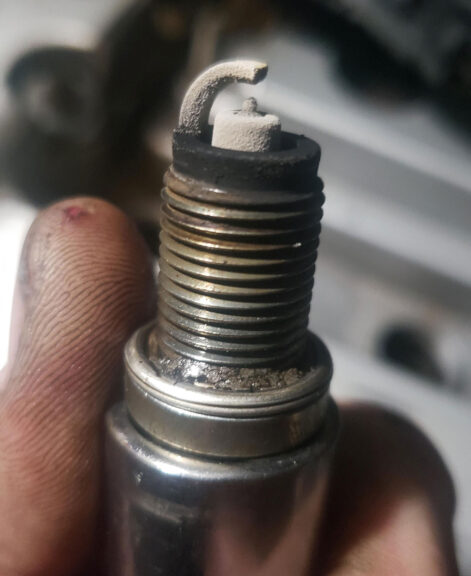
Fouled spark plugs cause incomplete combustion, which produces smoke. Pull your plugs and read them:
- Dry black soot: Rich fuel mixture or weak spark
- Wet and oily: Oil fouling from worn rings (four-stroke) or overoiling (two-stroke)
- White or tan deposits: Normal combustion
- Blistered or melted electrodes: Overheating or detonation
Replace plugs every 100 hours or annually, whichever comes first. Use the exact heat range specified in your service manual. Installing plugs one range colder won't fix a rich condition—it'll just foul faster.
Gap your plugs correctly. Most outboards call for 0.035-0.040 inches. Use a wire feeler gauge, not a flat blade. Check plug wire resistance with a multimeter; it should read 2,000-5,000 ohms per wire. Higher resistance means carbon tracking inside the wire, which causes weak spark and misfires.
Fuel Quality and Ethanol Issues
Modern pump gas contains up to 10% ethanol (E10), which causes phase separation in fuel that sits for more than 30 days. Water absorbed by ethanol separates out, leaving a water-ethanol layer at the bottom of your tank and pure gasoline on top. When your engine sucks up this water-ethanol mix, it runs lean and rough, or doesn't run at all.
Old two-stroke engines (pre-1990) have rubber fuel lines and diaphragms that aren't ethanol-resistant. Ethanol dissolves these components, clogging jets and causing erratic running. Replace old fuel lines with ethanol-rated hose (SAE J1527 or J2260). Add a fuel stabilizer like Star Tron or Sta-Bil to every tank if you don't burn fuel within 30 days. Also, consider checking your fuel filters regularly as part of your maintenance plan.
Oil Type and Quality

Two-stroke oil quality affects smoke output. Cheap TCW-II oils contain higher ash content and don't burn as cleanly as TCW-3 or synthetic oils. Use marine-specific low-smoke oil from Pennzoil, Quicksilver, or Yamalube. Automotive 2-cycle oil is formulated for air-cooled engines and burns dirty in water-cooled outboards.
Synthetic oils like Amsoil HP Marine produce 60-70% less smoke than conventional TCW-II oils and prevent carbon buildup on exhaust ports and piston rings. They cost more—about $25/quart vs. $12/quart for conventional—but you'll run cleaner and reduce maintenance.
For four-strokes, use marine-grade 10W-30 or 10W-40 oil that meets NMMA FC-W specs. Automotive oils contain detergents that foam excessively in wet-sump marine engines. Check your oil level every 10 hours of runtime. Overfilling causes oil to blow past the rings and burn, creating blue smoke.
When to Call a Mechanic
If you've verified your fuel-oil ratio, checked spark plugs, confirmed your cooling system works, and the smoke persists, it's time for professional diagnostics. A marine technician can perform a compression test (requires a marine-specific compression gauge that screws into the plug hole—standard automotive gauges don't seal properly) and a leak-down test (requires a regulated air source and leak-down tester) to pinpoint internal wear.
White smoke that smells sweet plus milky oil always means a head gasket leak. Stop running the engine immediately. Water in the oil will destroy bearings within hours.
Persistent blue smoke on a four-stroke with normal compression suggests valve guide wear, which requires cylinder head removal and machining. Expect $800-1,500 for this repair depending on the engine size.
Black smoke with rough running that doesn't improve after carburetor cleaning or injector service could indicate ignition timing problems or a failed throttle position sensor (TPS) on EFI models. These require scan tool diagnostics beyond what most DIYers can do.
Tools You Need for Diagnosis
- Compression gauge (marine-specific threaded type): Tests cylinder health
- Infrared thermometer: Checks cylinder head and powerhead temperatures
- Multimeter: Tests plug wire resistance and sensor voltages
- Fuel pressure gauge: Verifies fuel pump output (40-60 PSI for most EFI motors)
- Spark tester: Confirms ignition system produces adequate spark under load
- Wire feeler gauge set: Sets spark plug gaps accurately
Keep these in your boat toolkit along with spare spark plugs, a lower unit drain plug, and basic hand tools. You can diagnose 80% of smoking issues with this gear.
Proactive Maintenance to Prevent Smoke
Run your engine at cruising RPM regularly. Don't just troll. Every 3-4 hours of low-RPM operation, run at 3500-4500 RPM for 10 minutes to clear carbon deposits and burn off accumulated oil.
Use quality fuel and oil. Don't cheap out. The $5 you save buying bargain-brand two-stroke oil will cost you $200 in spark plugs and decarbonizing service.
Store your engine properly. Four-strokes get trimmed up. Two-strokes can sit level or slightly bow-high. Never store a four-stroke fully trimmed down for more than a few days.
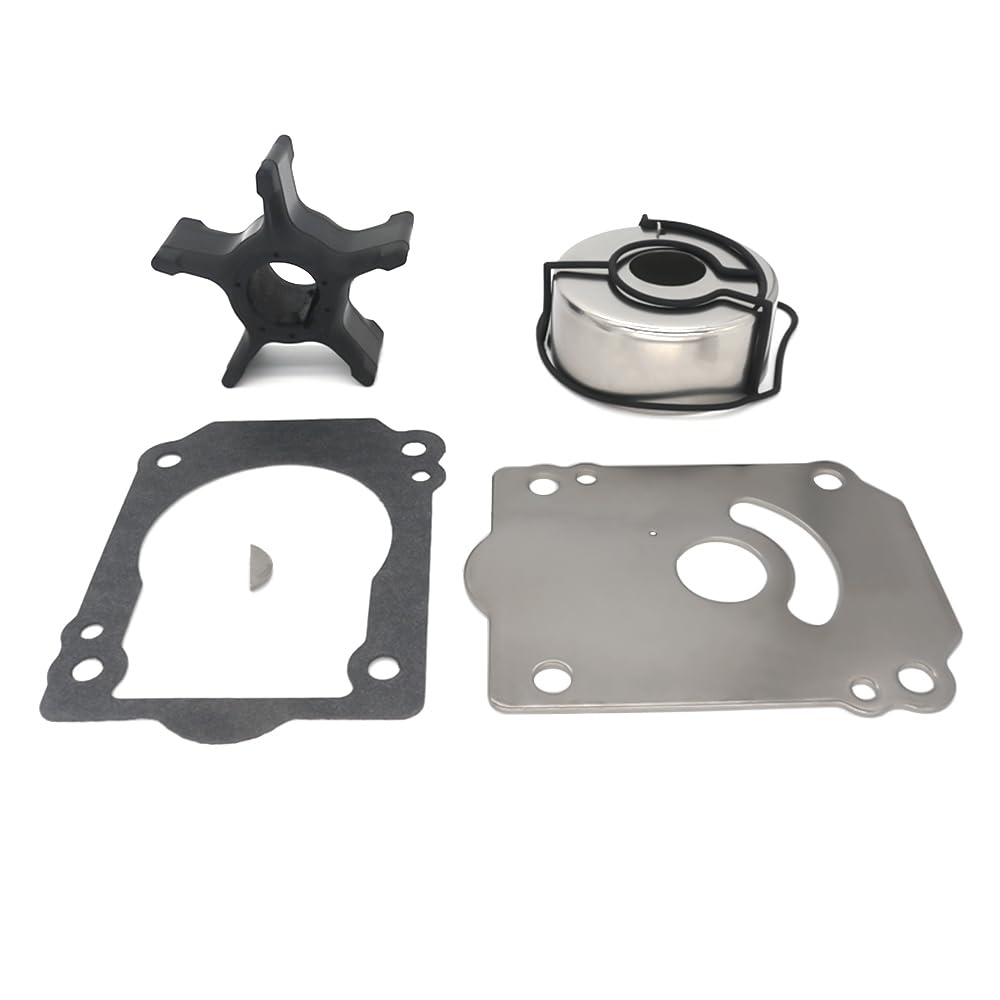
Flush after every saltwater use. Run fresh water through the cooling system for 5-10 minutes using flushing muffs or a built-in flush port. Salt deposits clog thermostats and reduce cooling efficiency, leading to overheating and white smoke. Learn how to replace your water pump impeller to keep cooling flow optimal.
Replace your fuel filter annually and your water pump impeller every 2-3 years, even if it looks fine. Impellers are $30-50 and take 30 minutes to replace. A failed impeller will overheat your engine and warp the head in under 10 minutes of running [impeller replacement guide].
Inspect fuel lines on two-strokes every season. Cracked or soft lines let air enter the system, which causes erratic oil injection on VRO systems or lean running on carbureted motors. Replace any line that feels soft or shows cracks.
Two-Stroke vs. Four-Stroke Emissions Data 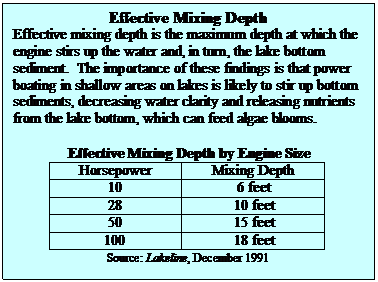
Two-stroke engines emit approximately 10 times more pollution than four-stroke engines due to lower trapping efficiency. In comparative testing of 90 HP engines, total particulate matter emissions were less than 0.47g for four-strokes, compared to 1.95g for two-stroke direct injection and 9.23g for two-stroke carbureted engines.
Two-stroke motors release 10-25% of their fuel unburned into the water, and depending on load, this can range from 1-40%. This is why you see that oily sheen behind an old two-stroke at idle. Modern direct-injection two-strokes reduce this significantly but still release more contaminants than equivalent four-strokes.
OEM vs. Aftermarket Parts
When you need parts—impellers, thermostats, fuel pumps—you'll face the OEM vs. aftermarket decision. OEM parts (Mercury, Yamaha, Suzuki branded) are reliable but expensive. You're paying $80 for an impeller kit that costs $12 to manufacture.
Cheap aftermarket parts from random suppliers are trash. The rubber is too hard, the brass inserts are undersized, and you'll be tearing the lower unit apart again in six months. We've seen $15 impeller kits shred after 10 hours.
Quality aftermarket from manufacturers like JLM Marine hits the sweet spot. Same factory-spec tolerances, same material quality, half the price of OEM. Many non-OEM suppliers source from the same factories that produce OEM components—they just don't pay for the brand sticker. A JLM impeller kit for a Yamaha F150 costs $35 vs. $75 OEM and uses the same neoprene compound [browse quality impellers].
For critical parts like fuel pumps, head gaskets, and electronics, stick with OEM. For wear items like impellers, thermostats, anodes, and filters, quality aftermarket saves you money without compromising reliability.
Learning Resources

If you want to go deeper into outboard diagnostics and repair, Born Again Boating offers practical video courses and live repair sessions. Their content focuses on real-world troubleshooting, not theoretical engine theory. They cover everything from carburetor rebuilds to lower unit seal replacement using the same direct, no-fluff approach we use in the shop.
Pro tip: Carry two spare spark plugs in your boat toolkit. They're cheap, take 5 minutes to swap, and can rule out fouling as the cause of smoke or rough running when you're 10 miles offshore.
For all your marine replacement parts and accessories, discover the full range of direct from factory boat parts at JLM Marine to keep your engine running at peak performance.
Hi—I’m Jim Walker
I grew up in a Florida boatyard, earning pocket money (and a few scars) by rebuilding outboard carbs before I could drive. That hands-on habit carried me through a Ph.D. in mechanical engineering, where I studied how salt water quietly murders metal.
I spent ten years designing cooling systems for high-horsepower outboards, then joined JLM Marine as CTO. We bench-test every new part in the lab, but I still bolt early prototypes onto my own 23-foot skiff for a weekend shake-down— nothing beats real wake and spray for finding weak spots.
Here on the blog I share the fixes and shortcuts I’ve learned so your engine—and your day on the water—run smooth.

Para propietarios de motores fuera de borda:
Para ayudarlo a mantener y reparar sus motores marinos, esperamos que los siguientes recursos puedan serle de utilidad:
-
Bombas de combustible de JLM Marine
-
Kits de bomba de combustible de JLM Marine
- Kit de bomba de combustible
- Kit de bomba de combustible Yamaha
- Kit de bomba de combustible Mercury
- Kit de bomba de combustible Johnson
- Kit de bomba de combustible Evinrude
- Kit de bomba de combustible Suzuki
- Kit de bomba de combustible Honda
- Kit de bomba de combustible Tohatsu
- Kit de bomba de combustible Volvo
Acerca de JLM Marine
Fundada en 2002, JLM Marine se ha consolidado como un fabricante dedicado de piezas marinas de alta calidad, con sede en China. Nuestro compromiso con la excelencia en la fabricación nos ha ganado la confianza de las principales marcas marinas a nivel mundial.
Como proveedor directo, evitamos intermediarios, lo que nos permite ofrecer precios competitivos sin comprometer la calidad. Este enfoque no solo promueve la rentabilidad, sino que también garantiza que nuestros clientes reciban el mejor valor directamente del proveedor.
Estamos entusiasmados de ampliar nuestro alcance a través de canales minoristas, llevando nuestra experiencia y compromiso con la calidad directamente a los propietarios de embarcaciones y entusiastas de todo el mundo.
Bomba de combustible en venta
- $73.50
$88.00- $73.50
- Unit price
- per
- $16.00
- $16.00
- Unit price
- per
- $17.99
$21.00- $17.99
- Unit price
- per

- $21.99
- $21.99
- Unit price
- per

- $18.99
- $18.99
- Unit price
- per

- $45.99
$55.00- $45.99
- Unit price
- per

- $28.99
$34.00- $28.99
- Unit price
- per

- $21.99
- $21.99
- Unit price
- per

- $23.59
$28.00- $23.59
- Unit price
- per
- $46.50
$60.00- $46.50
- Unit price
- per
- $26.80
- $26.80
- Unit price
- per
- $24.80
- $24.80
- Unit price
- per
- $28.90
- $28.90
- Unit price
- per

- $27.77
- $27.77
- Unit price
- per

- $56.99
- $56.99
- Unit price
- per

- $129.95
$155.00- $129.95
- Unit price
- per

- $31.20
$37.00- $31.20
- Unit price
- per

- $129.95
$155.00- $129.95
- Unit price
- per
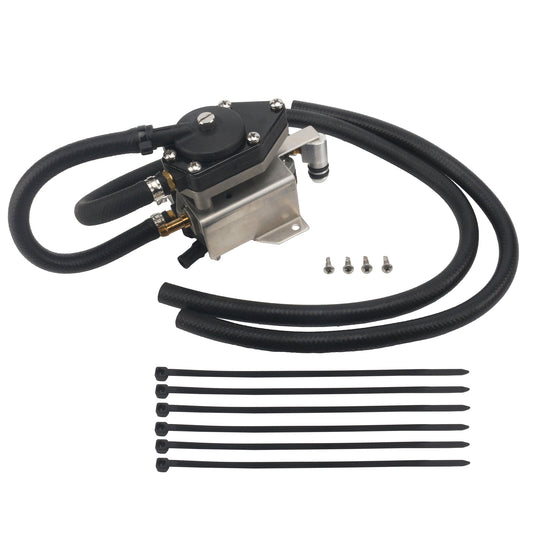
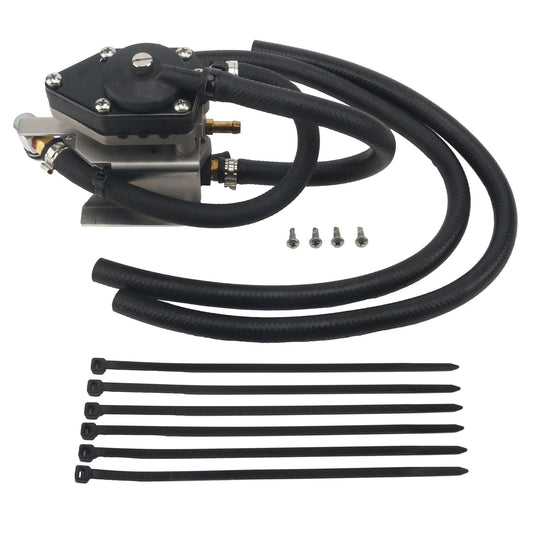
- $138.00
- $138.00
- Unit price
- per
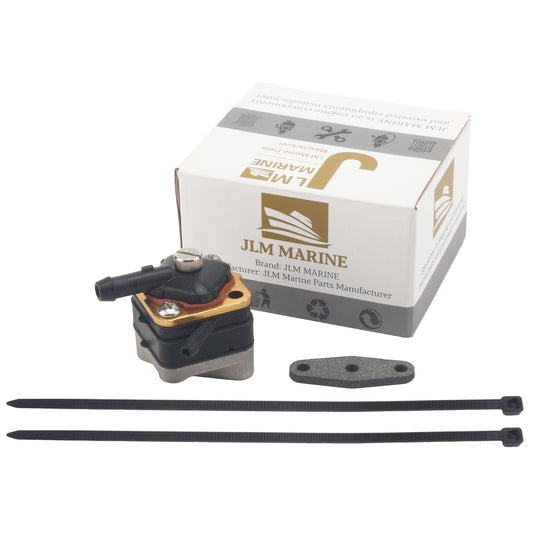
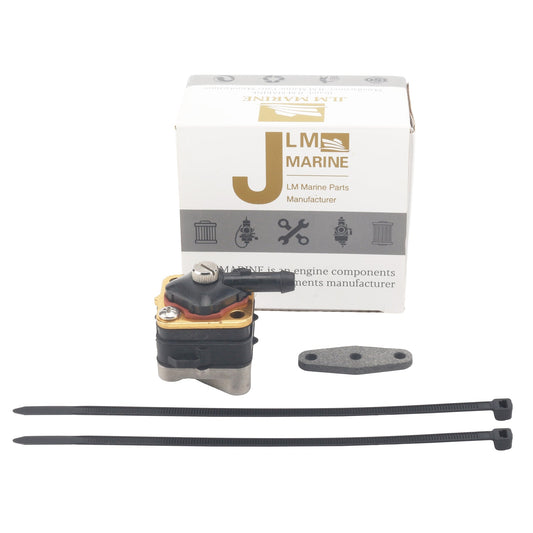
- $24.80
$45.00- $24.80
- Unit price
- per