

Johnson/Evinrude vs. Mercury: Comparing Two-Stroke Legends
- Two-Stroke Basics: Why Weight and Simplicity Matter
- OMC's Philosophy: Built for the Garage Mechanic
- Mercury's Approach: Performance and Precision
- Weight Differences and Why They Matter
- Specific Model Eras Worth Considering
- Maintenance Reality Check
- Parts Availability: The Current Landscape
- Resale Value: What the Market Pays
- Real-World Example: Alumacraft Decision
- Choosing Based on Your Situation
- The DIY Factor
- Noise and Vibration
- Propeller Compatibility
- Actual Failure Points to Check
- Final Recommendation

I've been wrenching on outboards for two decades, and the Johnson/Evinrude versus Mercury debate still comes up every week in the shop. Both brands built serious two-stroke engines, but they took different paths getting there. If you're looking at a vintage two-stroke for a repower or restoration, here's what actually matters.
Two-Stroke Basics: Why Weight and Simplicity Matter

Two-strokes fire every revolution instead of every other like a four-stroke. Fewer parts, lighter weight, more power per pound. That's the advantage. For older boat hulls designed around lighter engines, a two-stroke is often the only smart choice. A 70hp two-stroke weighs around 250-280 pounds. The same horsepower in a four-stroke? You're looking at 350-400 pounds or more. That extra weight changes how the boat sits, how it planes, and whether it porpoises at speed.
Small aluminum boats, older fiberglass hulls, anything with a weight-sensitive transom—these need a two-stroke. I've seen guys bolt a modern four-stroke onto a 16-foot tin boat rated for it, and the stern squats so low they take water over the transom in any chop. The boat wasn't engineered for that load.
OMC's Philosophy: Built for the Garage Mechanic
Johnson and Evinrude, both OMC products, were designed so you could fix them yourself. As vintage outboard specialist T-Mike puts it, "The OMC products Johnson Evinrude were made for the garage mechanic… normal American wrenches and sockets and screwdrivers and work on them." Six screws on the gearcase, and it comes apart. Power pack mounted externally where you can get at it. Carburetor sitting right there, not buried under a cowling.
From the late 1970s through the mid-1990s, these engines earned a reputation you could count on. Marine historians note that "You could abuse an Evinrude, skip maintenance, run it on questionable gas, and it would still start on the third pull 20 years later." Their 9.9hp and 15hp models became workhorses for commercial fishermen worldwide because you could fix them with basic tools and scrap parts.
Late 1980s Johnson/Evinrude two-strokes are especially solid. Forum discussions and real-world use show average lifespans between 2,500 and 4,500 hours for recreational use. These engines tolerated abuse better than most. If you're looking at a 1985-1995 Johnson or Evinrude, odds are decent it's still running if someone put even minimal care into it.
The downside? OMC faced serious issues in specific eras. Their oil injection systems on some late 1980s and early 1990s models could fail, leading to seized powerheads if owners didn't catch it. The Ficht fuel injection system, used from roughly 1998-2001, had reliability problems that hurt the brand's reputation. Early direct-injection technology wasn't sorted out yet, and those engines earned a bad name. If you're shopping used, avoid Ficht-era engines unless you know the specific model was updated or you're comfortable gambling on parts availability.
Mercury's Approach: Performance and Precision
Mercury took a different route. They built for speed and innovation, but that came with complexity. T-Mike points out Mercury engines "are more made for you have to bring it back in to a mechanic to work on it… hard to work on yourself." The rewind starter integrates into the cowling, so checking compression or spark means pulling the whole hood assembly. The stator and trigger sit under the flywheel, requiring a flywheel puller—not something most guys have in their toolbox.
That doesn't mean Mercury engines were unreliable. Their V6 two-strokes, with proper maintenance, lasted 1,500-2,500 hours, according to documented use cases. But high-RPM operation without regular service could cut that to 500 hours. Mercury built engines that rewarded careful owners and punished those who didn't follow the manual.
Mercury's design philosophy focused on "constant innovation" and speed. They introduced direct fuel injection before anyone else, integrated power trim, computer-controlled ignition. If you wanted the fastest thing on the water, Mercury delivered. But you paid for it in complexity and sometimes in repair bills.
Their dealer network, though, has always been stronger. Parts for a 1990s Mercury are easier to source than for a comparable Evinrude, especially after BRP discontinued Evinrude production in 2020. Mercury kept building, kept supporting older models, and that matters when you're hunting down a lower unit seal or a stator.
Weight Differences and Why They Matter

A 15hp two-stroke from either brand weighs around 80-100 pounds. Move up to 40hp, and you're looking at 180-220 pounds. At 70hp, Johnson/Evinrude models typically land around 250-270 pounds, Mercury around 260-290 pounds. These aren't huge differences, but on a boat rated for exactly 70hp with a 300-pound weight limit on the transom, every pound counts.
I've worked on plenty of restorations where the original engine was a 1970s Johnson 50hp weighing 230 pounds, and the owner wanted to repower with a modern 60hp four-stroke at 380 pounds. The boat wouldn't plane right anymore. The extra weight on the stern changed the hull's attitude in the water, killed the performance, made it handle like a barge. For vintage hulls, especially aluminum, keeping the original weight profile is critical.
Specific Model Eras Worth Considering
Johnson/Evinrude: The Golden Years
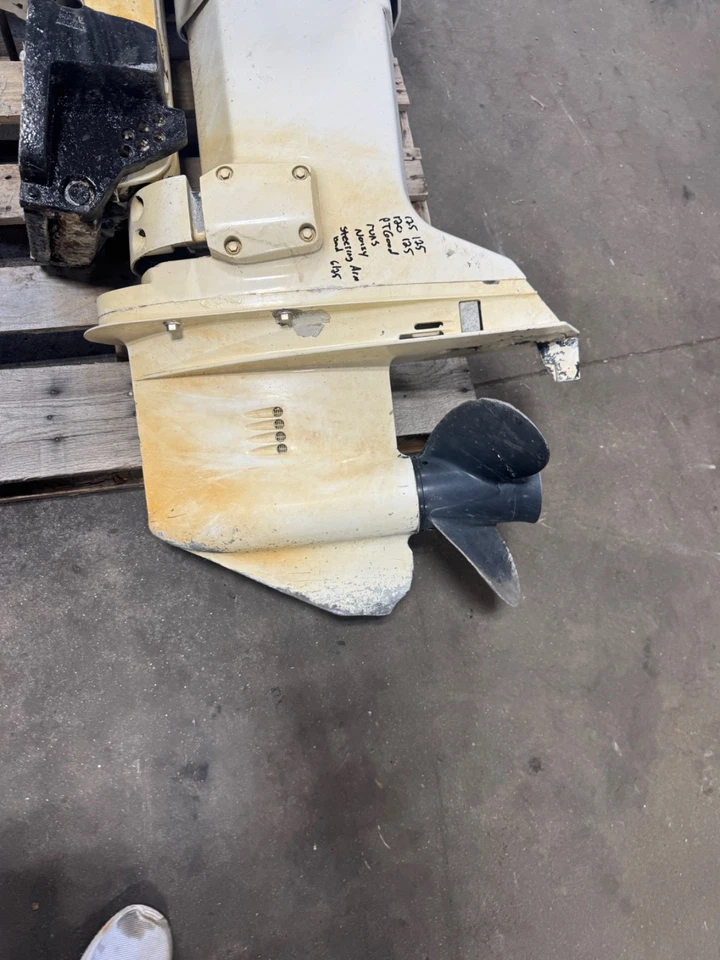
1985-1995 is the sweet spot for carbureted OMC two-strokes. Simple ignition systems, robust powerheads, parts still available. The 25hp, 40hp, 48hp, and 70hp models from this era are bulletproof if maintained. Stay away from anything 1998-2001 with Ficht injection unless you've got documentation of updates or a very low price to offset risk.
The E-TEC engines, introduced in the mid-2000s, were genuinely good. Direct injection done right, fuel consumption rivaling four-strokes, and better emissions. One pontoon owner reported cutting fuel use in half switching from a 2004 Mercury 90hp four-stroke to a 2010 Evinrude E-TEC 90hp two-stroke, dropping from over half a 32-gallon tank to about a quarter on typical 3500 RPM cruises. The E-TEC was also quieter and 100+ pounds lighter.
But E-TEC parts are getting harder to find. BRP committed to supporting them, but regional dealer availability varies. If you're in a major boating area, you'll probably be fine. Rural areas or outside the US? Tougher.
Mercury: What Holds Up
Mercury's carbureted V6 two-strokes from the 1990s are solid. The 150hp and 200hp models, maintained properly, run strong. Their Optimax direct-injection two-strokes, introduced in the late 1990s, outsold Evinrude's E-TEC roughly 2:1 in the two-stroke market segment by 2009. Optimax technology was reliable once sorted out, though early models had some teething issues.
Mercury's four-stroke shift hurt their two-stroke lineup long-term. By 2007, Mercury held 32% of the overall US outboard market while Evinrude sat at 8%, but Evinrude dominated the repower market where engines were sold separately from boats. Mercury bundled engines with Brunswick boats, inflating their total sales numbers.
If you're buying a used Mercury two-stroke, focus on the 1995-2005 range for carbureted models or post-2001 for Optimax. Avoid the transition years when they were still sorting out fuel injection.
Maintenance Reality Check
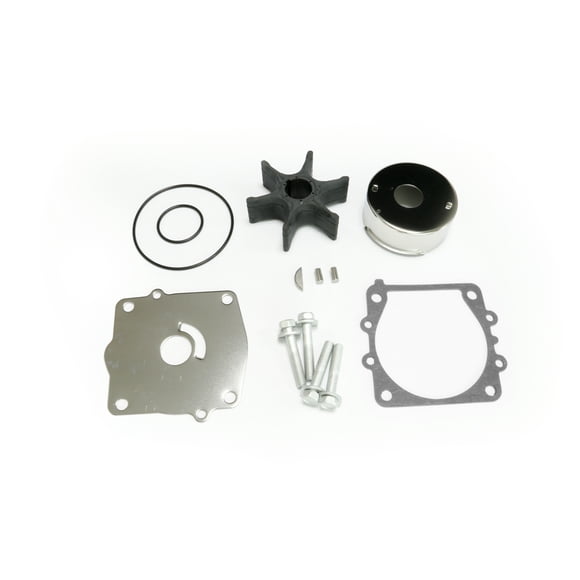
Both brands need the same basic care: fresh fuel, clean plugs, water pump impeller every 100-200 hours, gearcase oil changes annually, thermostat inspection. But the how differs.
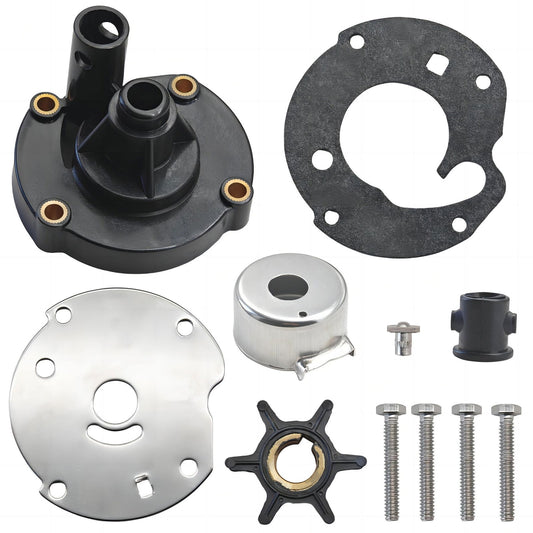
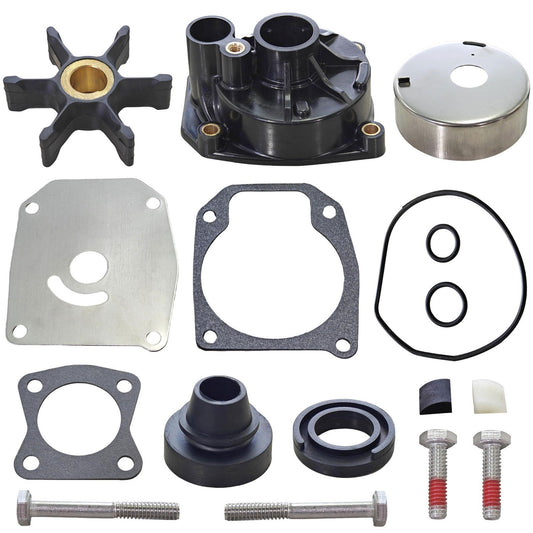
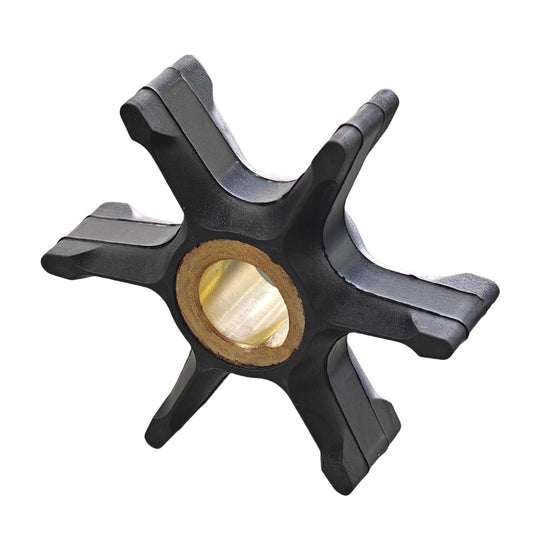
On a Johnson or Evinrude, the water pump is usually accessible with basic hand tools. Drop the lower unit, six bolts, pull the pump housing, swap the impeller. Mercury? Sometimes you need a specific puller for the drive shaft or a spanner wrench for the prop shaft nut that isn't in a normal toolbox.
Power packs on OMC engines mount externally. If it fails, you unbolt it, bolt on a new one, done. Mercury integrates more components, so a stator failure means flywheel removal, which requires a puller and sometimes a strap wrench to hold the flywheel while you break the retaining nut loose.
For someone who wrenches their own stuff, OMC is friendlier. For someone who takes it to a shop, Mercury's dealer network makes life easier, but you'll pay more per hour.
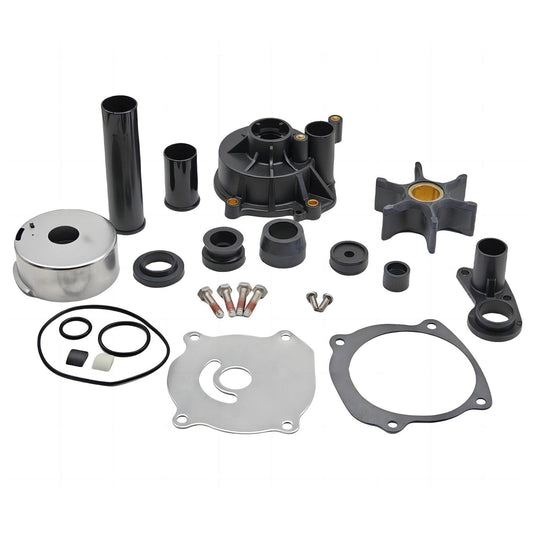
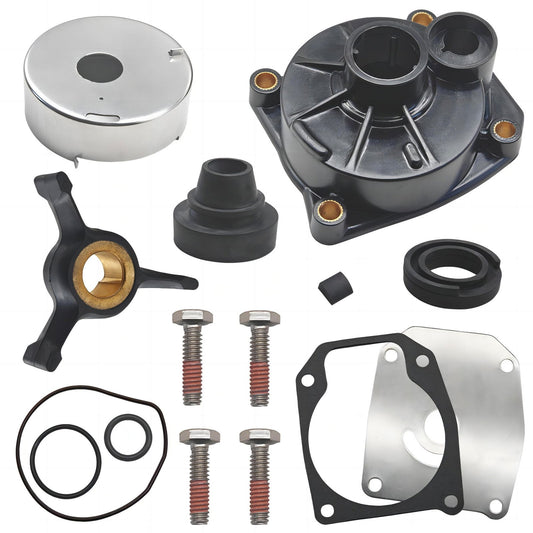
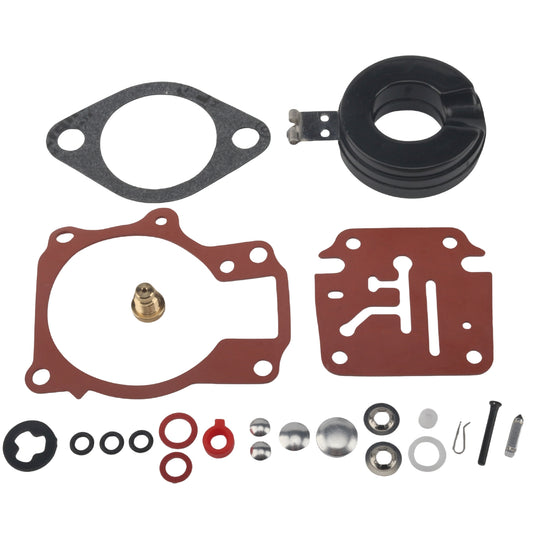
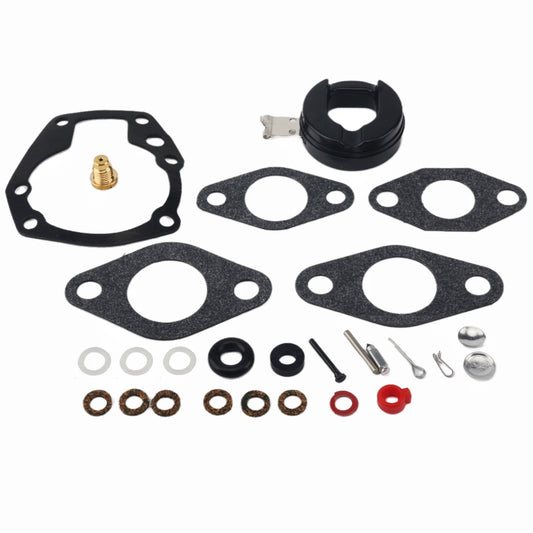
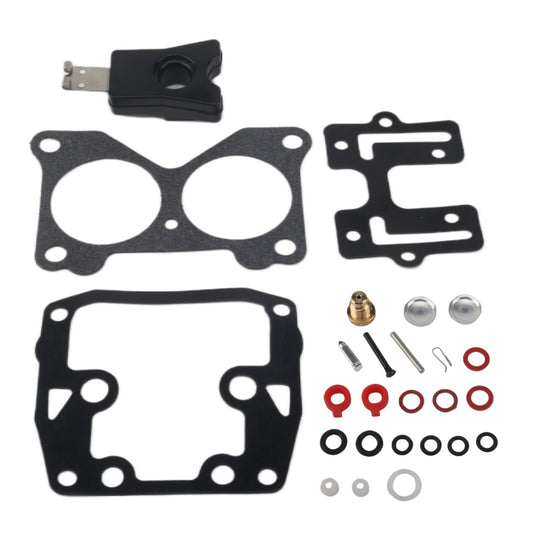
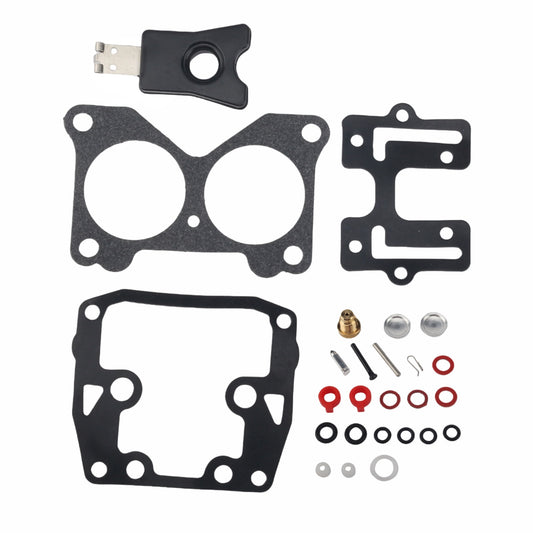
If you’re looking to source quality components for your two-stroke maintenance, the extensive range of Johnson/Evinrude outboard motor parts at JLM Marine offers factory-direct OEM-quality parts. Whether you need a replacement water pump impeller or a carburetor repair kit, JLM has you covered with premium parts shipped worldwide.
Parts Availability: The Current Landscape

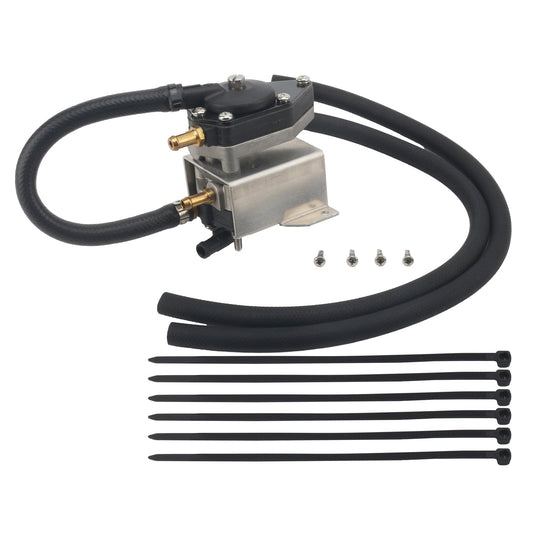
This is where Mercury has a clear edge today. Their parts network is still active, dealers stock common items, and aftermarket suppliers like Sierra Marine and CDI Electronics produce reliable replacement ignition components, fuel pumps, and water pump kits.
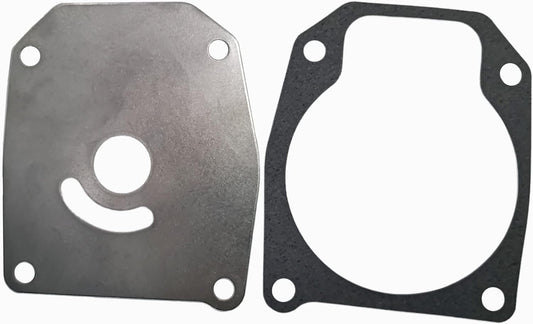
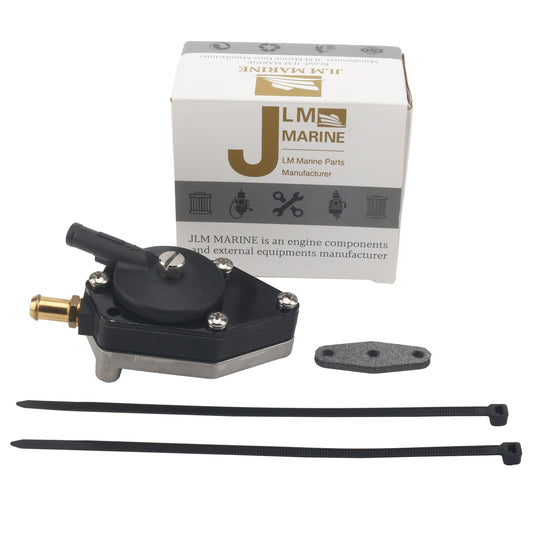
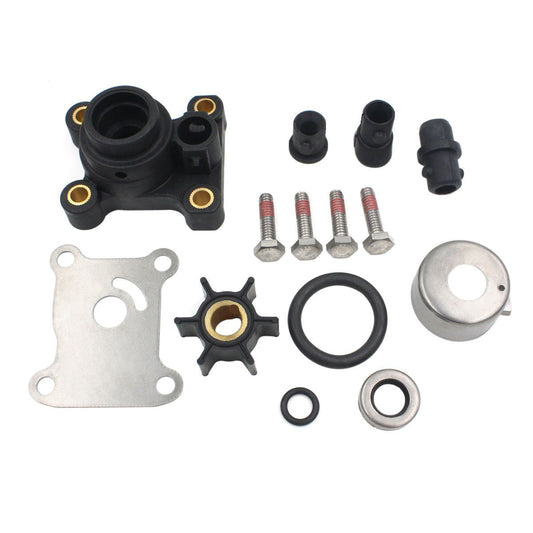
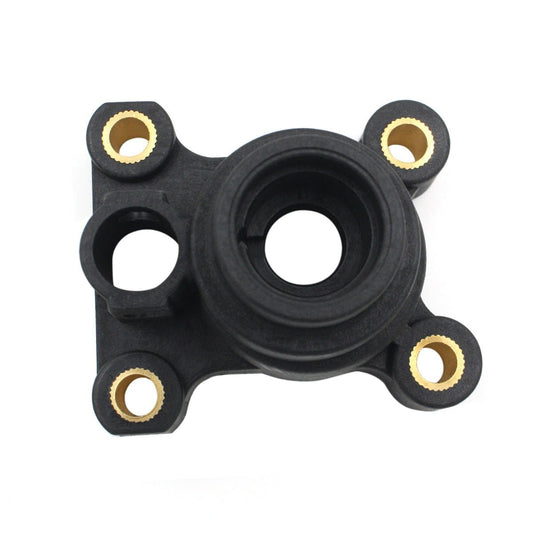
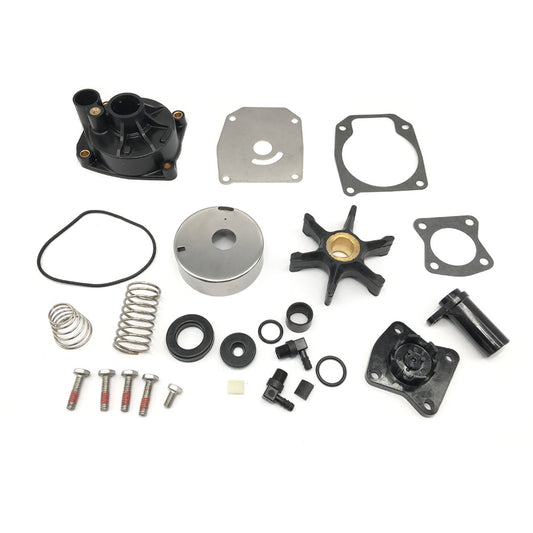
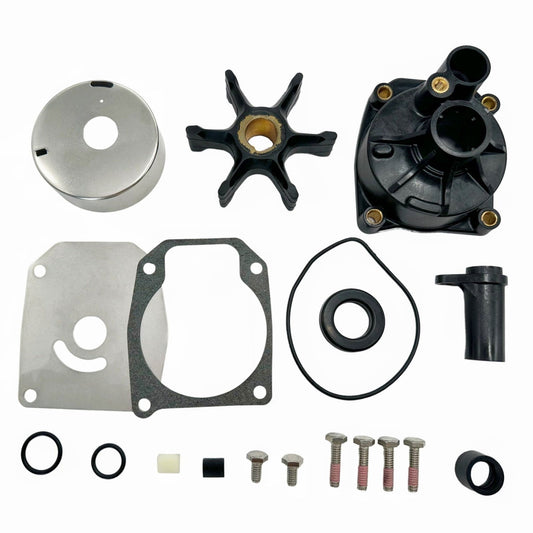
For Johnson/Evinrude, OEM parts are harder to source post-2020. BRP still supports them, but inventory is shrinking. Aftermarket fills the gap, but quality varies. Low-end kits use harder rubber in impellers that doesn't seal as well, or gaskets that don't fit right. This is why we like JLM Marine kits for OMC engines—factory-spec quality without the dealership markup. The impellers fit correctly, the gaskets seal, and you're not pulling the lower unit again in six months because a cheap part failed.
For common items like thermostats, fuel pumps, and starter solenoids, reputable aftermarket is fine. For powerhead internals or lower unit gears, OEM or high-quality aftermarket (like JLM) is the move. Don't gamble on $10 eBay kits for critical components.
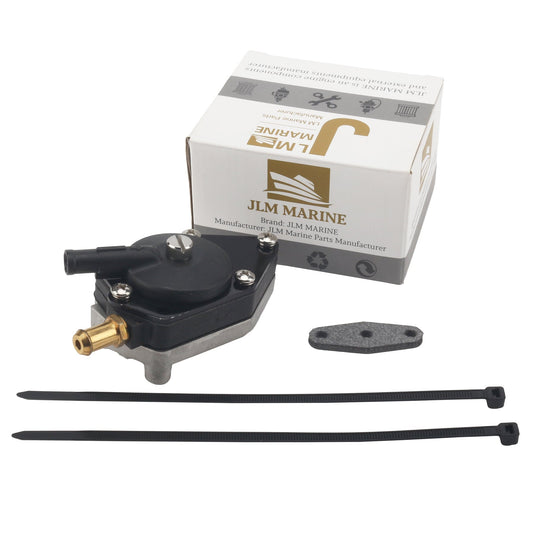
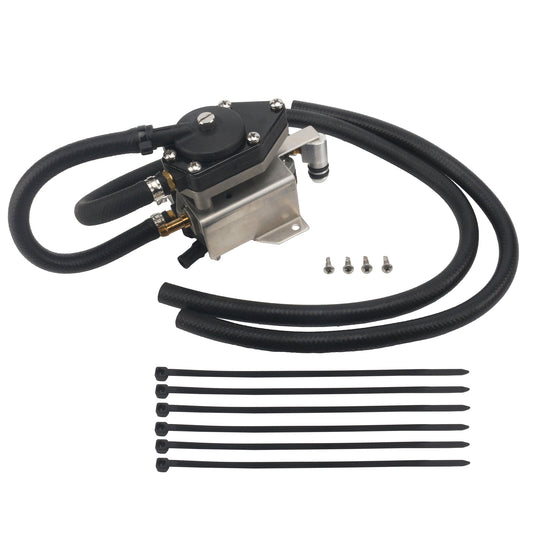
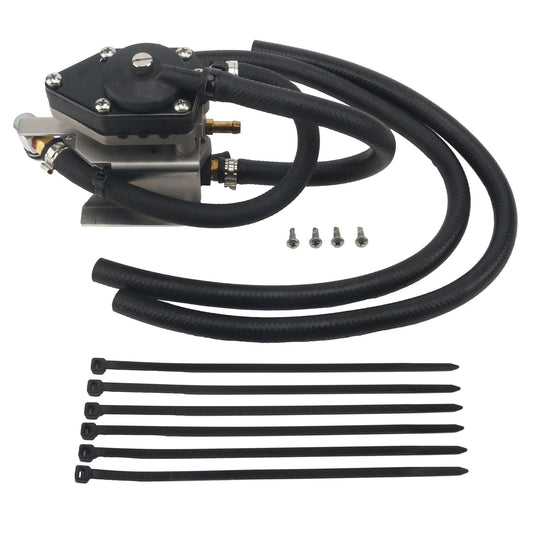
If you need specialized components to keep your engine running smooth, consider exploring JLM Marine's dedicated collections for Evinrude water pump impellers, carburetor repair kits, or fuel pumps to find reliable parts that meet factory standards.
Resale Value: What the Market Pays
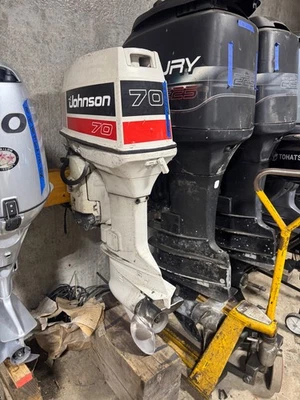
Mercury two-strokes hold value better than Johnson/Evinrude. NADA pricing reflects this, as does the used market. A 2003 Mercury 90hp might list for $2,000-$2,500, while a comparable 2003 Johnson 90hp lists for $1,500-$2,000.
Why? Brand perception. Mercury marketed themselves as premium, performance-oriented, cutting-edge. That sticks. Even if a Johnson runs just as well, buyers perceive Mercury as more valuable. The stronger dealer network also reassures buyers they can get parts and service.
Ficht-era Evinrudes took a hit they never recovered from. A 2000 Evinrude with Ficht injection sells for less than a 1995 carbureted model in similar condition because buyers remember the problems.
For long-term value retention, Mercury wins. But if you're buying for use, not resale, a well-maintained OMC at a lower price is often the smarter buy.
Real-World Example: Alumacraft Decision

A forum user compared a 1982 Mercury 40hp two-stroke stored for 15 years against a 1993 Evinrude 40hp with a replaced powerhead due to prior oil injection failure (now running pre-mix). Both ran well after carb cleaning, water pump replacement, and lower unit service on a 16-foot Alumacraft rated to 40hp. Performance was identical. The decision came down to whether power trim could be added later, with Mercury having slightly easier trim retrofit options.
This is typical. For boats in the 15-20 foot range rated for 40-70hp, either brand works if the engine is in good shape. Condition trumps the badge.
Choosing Based on Your Situation
Pick Johnson/Evinrude if:
- You wrench your own engines and want simple, accessible designs
- You're repowering a vintage boat and need period-appropriate weight
- You found a well-maintained model from 1985-1995 or a later E-TEC at a good price
- You prioritize low initial cost over resale value
Pick Mercury if:
- You rely on dealer service and want easy parts access
- You want the best resale value down the line
- You're drawn to performance and don't mind slightly more complex maintenance
- You're buying Optimax (post-2001) or a carbureted V6 from the 1990s
Avoid these specific eras:
- Johnson/Evinrude Ficht models (1998-2001) unless heavily discounted and you accept the risk
- Early Mercury Optimax (1998-2000) unless service records show updates
- Any OMC engine with a known failed oil injection system unless it's been converted to pre-mix and you verify the powerhead wasn't damaged
The DIY Factor
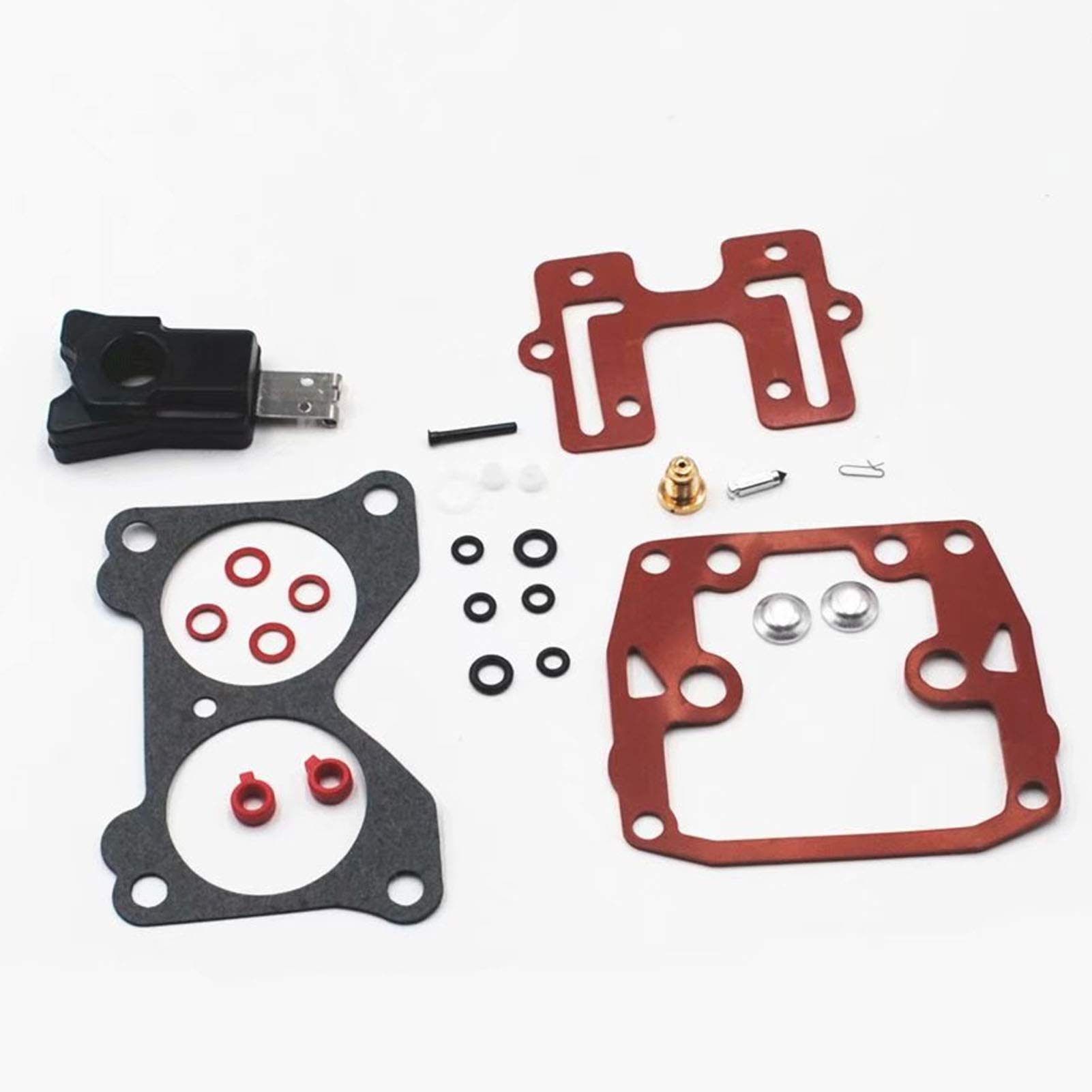
If you're going to maintain this yourself, know what you're getting into. Johnson/Evinrude engines reward basic mechanical skills. You can pull a carburetor, check the jets, clean it, reinstall it in an afternoon with a socket set and a screwdriver.
Mercury engines often need specialized tools. Flywheel pullers, spline tools for lower unit service, specific snap ring pliers. If you're building a two-stroke tool kit, budget for those extras if you go Mercury.
For water pump service, both brands require lower unit removal. OMC typically has six bolts holding the gearcase, straightforward drop and reinstall. Mercury can have integrated shift linkage that's fussier to align on reassembly.
Ignition troubleshooting is easier on OMC. Power pack failure? Swap it. Mercury stator failure? Pull the flywheel, disconnect, replace, reinstall. More steps, more chance for error if you're learning.
If you plan on doing your own repairs and need guidance, the Johnson/Evinrude Outboard Water Pump Replacement Guide offers step-by-step instructions to help you maintain your engine efficiently.
Noise and Vibration

Neither brand was quiet by modern four-stroke standards, but there were differences. Mercury V6 two-strokes had a sharper, higher-pitched exhaust note. Johnson/Evinrude engines, especially the inline models, had a deeper, throatier sound.
Vibration depended more on the specific model and mounting than the brand. A well-balanced 70hp Mercury on good motor mounts vibrated about the same as a comparable Evinrude. Larger V6 models from both brands could buzz at idle, smoothing out at cruising RPM.
This isn't a major decision factor, but if you've got a preference, test-run the specific engine before buying.
Propeller Compatibility

Mercury historically offered more propeller pitch and diameter options, especially for performance applications. If you're trying to dial in exact RPM at wide-open throttle or optimize for a specific speed range, Mercury's prop selection gives you more choices.
Johnson/Evinrude used common hub systems, and aftermarket props are widely available, but the range isn't as deep. For a standard fishing or cruising setup, it doesn't matter. For racing or highly tuned applications, Mercury's edge in prop availability can matter.
Actual Failure Points to Check
When you're looking at a used two-stroke from either brand, here's what fails:
Johnson/Evinrude:
- Power pack (common on 1980s-1990s models, replacement is straightforward)
- Oil injection pump (if it's still equipped, verify it's working or convert to pre-mix)
- Carburetor needle and seat (causes flooding, easy fix)
- Water pump impeller (standard wear item)
- Lower unit seals (causes gear oil contamination, inspect during oil change)
Mercury:
- Stator (under the flywheel, more involved to replace)
- Rectifier/regulator (charging system failure, moderately easy swap)
- Fuel pump diaphragm (carbureted models, common wear item)
- Water pump impeller (standard wear item)
- Shift cable corrosion (especially in saltwater, replacement requires lower unit removal)
For both brands, check compression first. Pull all the plugs, screw in a compression gauge, crank it over. You want consistent readings across all cylinders within 10% of each other. Anything below 90-100 PSI on a two-stroke is suspect. Readings in the 110-130 PSI range are solid.
Check the water pump by running the engine briefly with muffs. You should see a strong stream from the pee hole at idle that increases with throttle. A weak stream or none at all means the impeller is failing.
Pull the lower unit oil. It should be dark but clean, not milky. Milky oil means water intrusion through a seal, which can lead to gear damage if ignored. Metal flakes in the oil mean the gears are already damaged.
If you suspect your impeller is worn or leaking, JLM Marine offers a range of water pump impeller kits that ensure good fit and durable materials so you don’t have to pull the lower unit repeatedly.
Final Recommendation
For a small boat restoration or repower where weight matters, I'd pick a 1985-1995 Johnson or Evinrude. Simple, light, reliable, cheap to fix. For a larger hull where performance and dealer support matter more, or if you're not doing your own work, a 1995-2005 Mercury makes sense.
Condition beats brand every time. A pristine 1990 Evinrude is a better buy than a neglected 2000 Mercury, even if the Mercury has a higher NADA value.
Pro tip: After every use, especially in saltwater, run the engine on muffs with fresh water for five minutes to flush the cooling passages. This prevents salt buildup in the water jackets and keeps your thermostat from seizing, saving you a breakdown next season. You can also check out our comprehensive thermostat maintenance guide for tips on keeping your engine running cool and avoiding overheating issues.
For more about finding the right parts and tools to maintain your vintage or modern outboard engine, visit the JLM Marine homepage to explore all our collections and expert resources.
Para propietarios de Johnson:
Para ayudarlo a mantener y reparar sus motores marinos, esperamos que los siguientes recursos puedan serle de utilidad:
- Guía de números de serie de Johnson
- Guía de referencia oficial de números de modelo en formato PDF de BRP
-
Piezas para motores fuera de borda Johnson de JLM Marine
- Termostato Johnson
- Bomba de agua Johnson
- Impulsor de bomba de agua Johnson
- Kit de impulsor de bomba de agua Johnson
- Carburador Johnson
- Kit de reparación de carburador Johnson
- Conector de línea de combustible Johnson
- Filtro de combustible Johnson
- Bomba de combustible Johnson
- Kit de bomba de combustible Johnson
- Filtro de aceite Johnson
- Sello de aceite Johnson
- Junta Johnson
- Relevo Johnson
- Transmisor de ajuste Johnson
- Cable de bujía Johnson
- Accesorios Johnson
Acerca de JLM Marine
Fundada en 2002, JLM Marine se ha consolidado como un fabricante dedicado de piezas marinas de alta calidad, con sede en China. Nuestro compromiso con la excelencia en la fabricación nos ha ganado la confianza de las principales marcas marinas a nivel mundial.
Como proveedor directo, evitamos intermediarios, lo que nos permite ofrecer precios competitivos sin comprometer la calidad. Este enfoque no solo promueve la rentabilidad, sino que también garantiza que nuestros clientes reciban el mejor valor directamente del proveedor.
Estamos entusiasmados de ampliar nuestro alcance a través de canales minoristas, llevando nuestra experiencia y compromiso con la calidad directamente a los propietarios de embarcaciones y entusiastas de todo el mundo.
Repuestos Johnson en oferta
- $50.99
$59.00- $50.99
- Unit price
- per
- $39.98
$45.00- $39.98
- Unit price
- per
- $26.80
- $26.80
- Unit price
- per
- $24.80
- $24.80
- Unit price
- per
- $17.39
$22.50- $17.39
- Unit price
- per


- $21.99
$24.00- $21.99
- Unit price
- per
- $18.99
$15.00- $18.99
- Unit price
- per
- $26.90
- $26.90
- Unit price
- per

- $43.00
- $43.00
- Unit price
- per
- $15.99
$13.00- $15.99
- Unit price
- per
- $138.00
- $138.00
- Unit price
- per
- $42.00
$42.00- $42.00
- Unit price
- per
- $24.80
$45.00- $24.80
- Unit price
- per
- $32.00
$38.00- $32.00
- Unit price
- per

- $32.50
- $32.50
- Unit price
- per
- $41.85
$44.00- $41.85
- Unit price
- per
- $64.80
$82.00- $64.80
- Unit price
- per

- $134.40
$145.00- $134.40
- Unit price
- per
- $39.99
$46.00- $39.99
- Unit price
- per
- $42.00
$39.00- $42.00
- Unit price
- per