


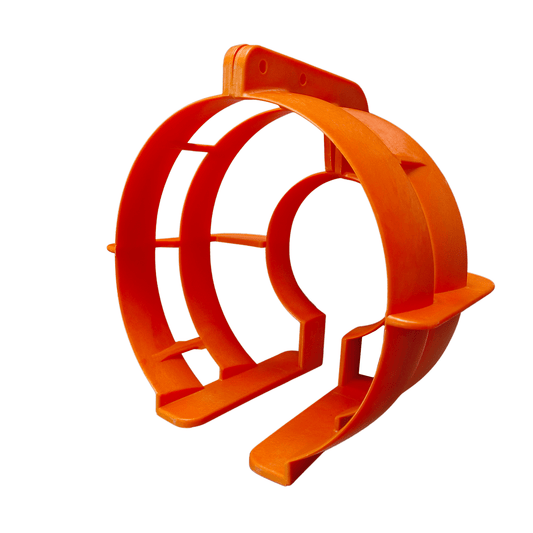

Proper Propeller Selection for Better Fuel Economy
- Why Pitch Is Everything for Fuel Economy
- Diameter Matters More Than You Think
- Stainless Steel vs. Aluminum: Fuel Economy Impact
- Understanding Cup and Rake
- Propeller Slip and Efficiency
- Ventilation vs. Cavitation: Know the Difference
- Engine Mounting Height and Propeller Performance
- Real-World Testing: What Actually Works
- How to Choose Pitch Based on Your Use
- Propeller Damage and Fuel Economy
- Troubleshooting Common Propeller Issues
- Decision Matrix: What Prop to Try Next
- Propeller Maintenance for Consistent Efficiency

I've torn down enough lower units to know this: if your boat's burning through fuel, first thing I'm looking at is the propeller. Not the carbs, not the fuel pump—the prop. You'd be surprised how many boats are running the wrong pitch or a beat-up prop that's chewing through gas.
Most of the fuel waste I see comes from a mismatch. Engine's either screaming too high or lugging too low because someone slapped on whatever prop was cheap or convenient. According to Sjoerd van Herk, senior naval architect at Heesen Yachts, around 40% of your engine's output gets lost at the propeller if it's not optimized. That's a massive waste.
Why Pitch Is Everything for Fuel Economy
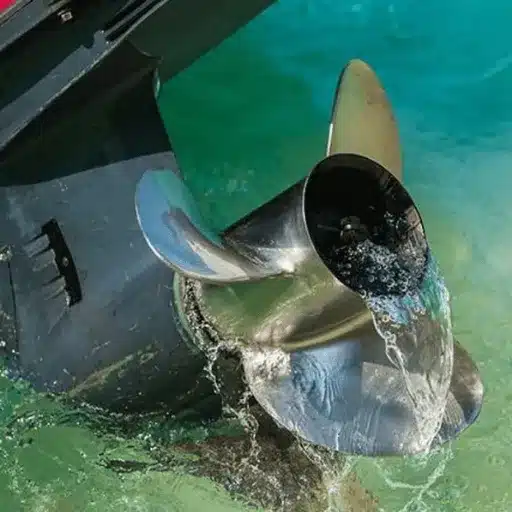
Pitch is the theoretical distance your prop moves forward in one rotation. Think of it like gearing on a bike. Lower pitch is like low gear—easier on the engine, better acceleration, but you're spinning higher RPMs at wide-open throttle. Higher pitch is the opposite: engine works harder to turn it, but once you're moving, RPMs drop and you cruise more efficiently.
David Meeler from Yamaha Marine explains it straight: "Each inch of the pitch will affect engine speed by 150 to 200 rpm. As the pitch goes up, rpm goes down." That's your starting point for dialing in fuel economy.
Low Pitch Problems
A 15-inch pitch prop might get you out of the hole fast, great for pulling skiers. But at cruise, your engine's spinning too fast. You're burning fuel just to keep those RPMs up. I've seen boats running 5500 RPM when they should be at 4800. That's money out the exhaust.
Lower pitch works if you're hauling heavy loads regularly or need quick acceleration in tight spots. Otherwise, you're wasting fuel.
High Pitch Trade-Offs
A 21-inch pitch prop drops your RPMs at wide-open throttle, which sounds efficient. And it is—once you're on plane and cruising. But if your engine can't hit its recommended operating range (usually stamped on a plate near the cowling), you're lugging. That's when the engine bogs, runs rough, and actually burns more fuel trying to overcome the load.
Worst case I've seen: guy couldn't even get his boat on plane with a family and coolers aboard. Engine was struggling at 3800 RPM when it needed 5000-5800. Swapped down two inches of pitch, problem solved, and his fuel economy improved because the engine could finally breathe.
The sweet spot is hitting your engine's recommended WOT RPM range. For most Yamahas and Mercurys, that's between 5000-6000 RPM depending on the model. Check your manual. Testing different pitches is the only real way to find where your boat sips fuel instead of gulping it.
Diameter Matters More Than You Think

Diameter is blade tip to blade tip. Bigger diameter moves more water, gives you more thrust. Smaller diameter spins easier, less drag.
For a rough starting point, you can use this formula for a three-blade prop: diameter = 18 × (horsepower^(1/4)). So a 150 HP engine would calculate to around 20 inches. It's not exact, but it's a baseline.
When to Go Larger
Heavy boats need larger diameter props. More blade area grabs more water, which helps a loaded-down hull get on plane without over-pitching the engine. If you're running a center console loaded with gear, fuel, and people, you want that extra thrust. David Greenwood from Suzuki Marine recommends adjusting diameter first for heavier hulls to get better hole-shot without killing efficiency.
I've also seen larger diameter props help in choppy water. More blade in the water means less chance of ventilation (prop sucking air instead of water). Ventilation kills thrust and spikes RPMs momentarily, wasting fuel.
Smaller Diameter Benefits
Lighter, faster boats can get away with smaller diameter. Less drag means the engine doesn't work as hard at high speeds. If you're running a light flats boat or a performance rig, a smaller diameter with the right pitch can be the ticket.
Stainless Steel vs. Aluminum: Fuel Economy Impact
Aluminum props are cheaper. That's their main selling point. But they flex under load, especially at higher speeds. That flex bleeds efficiency. They also get dinged up easier—hit a rock, bang a dock, and suddenly your blade tips are bent. Even minor damage increases drag and throws off balance, which tanks your fuel economy.
Stainless steel is stiffer. The blades hold their shape under load, which means more consistent thrust and better efficiency. It's also more resistant to damage. I've pulled stainless props that took hits that would've destroyed aluminum, and they just needed a quick tune-up.
One case study I came across involved a 57-foot motoryacht that switched to custom CNC-machined stainless props. They documented an 8-10% reduction in annual fuel consumption, plus a 0.6 knot speed increase and 25% less vibration. That's real-world data, not marketing fluff.
Non-OEM stainless props can be just as good as OEM if they're from a reputable manufacturer. Some factories that produce for the big brands also make their own lines with the same quality standards. You're getting similar metallurgy and precision without the dealer markup.
For those interested in optimizing their engine's overall performance and maintenance, it's also wise to inspect related components like the carburetor, which can affect fuel efficiency if not functioning correctly.
Understanding Cup and Rake
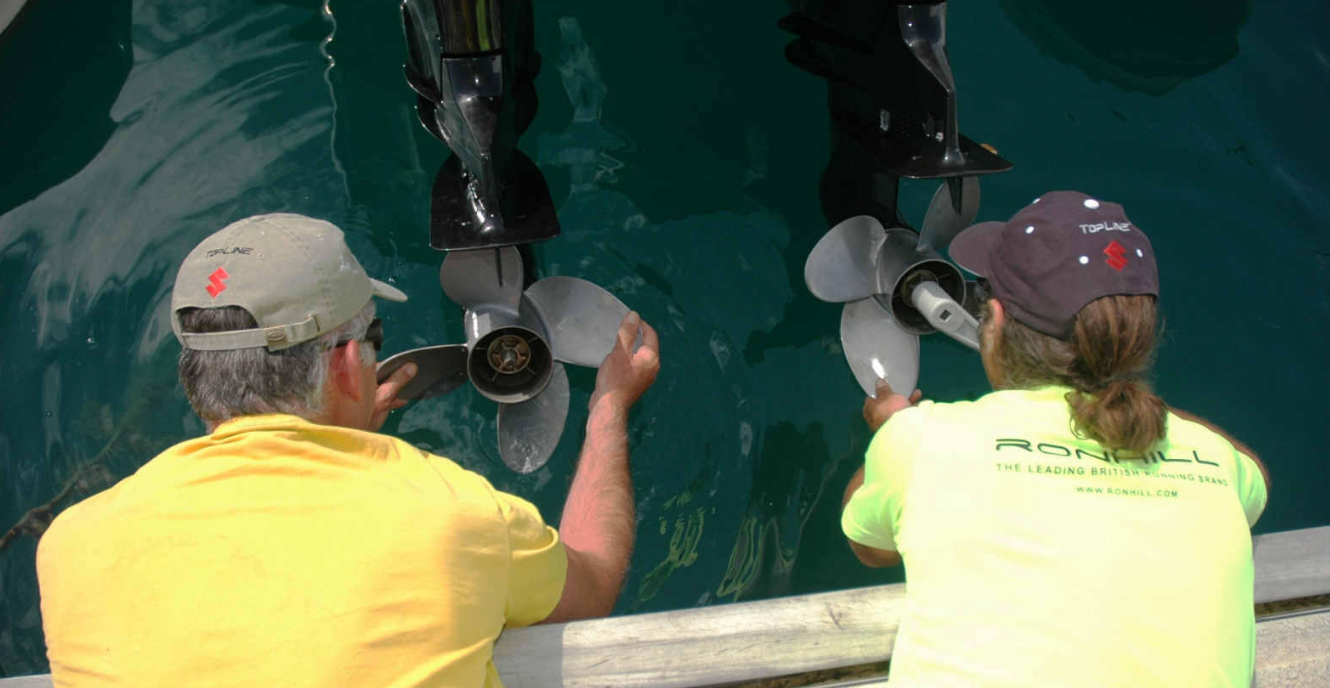
Cup is the curved lip on the trailing edge of the blade. It adds bite, helps the prop hold water, and reduces ventilation. A prop with more cup can run at a higher engine height on the transom, which reduces drag and improves fuel economy. But too much cup increases load, so you might need to drop pitch to compensate.
Rake is the angle of the blade relative to the hub. More rake lifts the bow, which can help a boat get on plane faster and reduce wetted surface area at speed. Less rake keeps the bow down, better for rough water. Rake affects how the boat sits, which changes drag and fuel burn.
I don't mess with cup and rake unless I'm chasing specific handling issues or trying to squeeze every last bit of efficiency out of a setup. But it's worth knowing they exist, especially if you're buying a high-performance prop.
Propeller Slip and Efficiency

Slip is the difference between theoretical distance (pitch) and actual distance traveled per rotation. Some slip is normal—usually 10-20%. Too much slip means the prop isn't grabbing water efficiently, which wastes fuel. Too little slip can mean the prop is over-pitched or you're ventilating.
You can calculate slip if you know your speed, RPM, pitch, and gear ratio. Formula is: Slip % = [(Pitch × RPM × Gear Ratio × 60) ÷ (Distance × 1056)] - 1, then multiply by 100. Most prop manufacturers have charts or calculators to make it easier.
If your slip is too high, consider dropping pitch or checking for damage. If it's too low, you might be over-propped.
Ventilation vs. Cavitation: Know the Difference
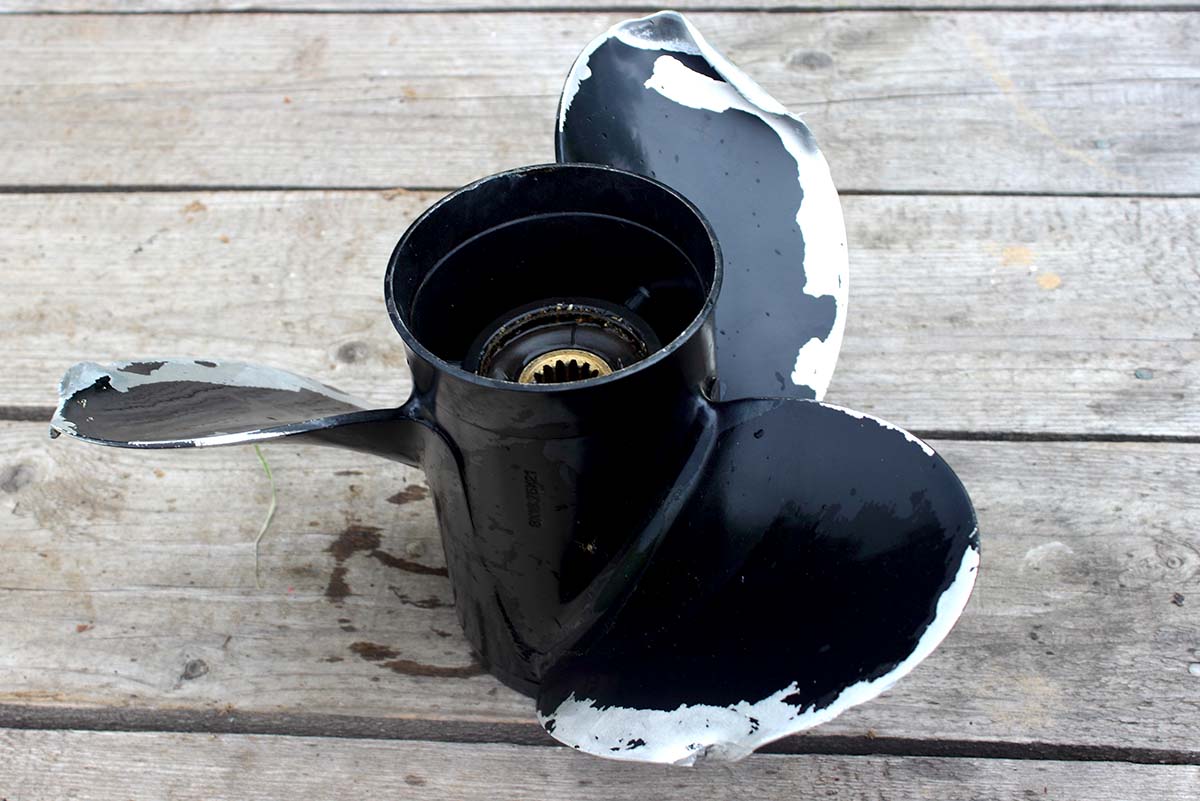
Ventilation is when the prop sucks air from the surface, usually because it's mounted too high or you're in a sharp turn. RPMs spike suddenly, thrust disappears, and you're just churning air. It's loud, the engine screams, and you're wasting fuel.
Cavitation is when water pressure drops so low around the blade that it boils, forming vapor bubbles. When those bubbles collapse, they erode the blade surface. You'll see pitting on the blade faces. Cavitation is usually caused by a damaged or poorly designed prop, or running too much cup.
Both kill efficiency. Ventilation is an installation or handling issue. Cavitation is a prop design or condition issue. If you're getting either, fix it—you're burning fuel for nothing.
To avoid ventilation or cavitation problems, regular maintenance of your outboard's components like the water pump is critical to keep proper cooling and prevent engine strain.
Engine Mounting Height and Propeller Performance
Mounting the engine higher on the transom can reduce drag because less of the lower unit is submerged. Less drag means better fuel economy. But go too high and you risk ventilation, especially in turns or rough water.
The trick is finding the balance. I usually start at the manufacturer's recommended height and work up in half-inch increments, testing after each adjustment. You want the anti-ventilation plate just above or level with the bottom of the hull. Any higher and you're gambling.
Higher mounting works well with props that have more cup, since the cup helps hold water even when the prop is shallow.
Real-World Testing: What Actually Works
I've seen guys swap props and claim magical fuel savings without ever checking their numbers. Here's what actually matters: measure your WOT RPM, your cruising speed, and your fuel burn at that speed. Change one thing—pitch, diameter, or mounting height—and test again. Write it down.
Sharrow propellers, for example, were independently tested by the University of Michigan and showed fuel savings of 10-30% at 2,500-4,000 RPMs compared to standard propellers. They also allowed boats to plane at 1,000 RPMs lower. That's not some guy's anecdote—that's documented testing.
Another example: retrofitted fishing vessels in Alaska achieved a 15% fuel reduction at cruising speeds after propeller upgrades. These are commercial boats where every gallon counts, so the numbers are solid.
You don't need a lab. But you do need consistent testing conditions and honest data. Otherwise, you're just guessing.
If you want to improve fuel economy consistently, consider exploring comprehensive boat accessories that can help maintain your vessel's overall efficiency.
How to Choose Pitch Based on Your Use
If you tow skiers, wakeboarders, or haul heavy loads regularly: Go lower pitch. You need quick acceleration and strong hole-shot. Accept that your cruising RPMs will be higher and fuel economy will take a hit. Drop 1-2 inches from your current pitch and test.
If you cruise long distances or run offshore: Go higher pitch. You want to drop RPMs at cruising speed. Make sure your engine can still hit its WOT RPM range under normal load. Increase pitch in 1-inch increments and test each one.
If you do a mix of both: Find the middle ground. Test a mid-range pitch that gets you on plane without lugging but doesn't scream at cruise. You'll sacrifice peak acceleration and peak efficiency, but you'll get a usable all-around setup.
Gary Diehl from Mercury Marine says to start with the manufacturer's recommended prop and adjust from there. That's solid advice. The factory specs are usually close, and you're just fine-tuning.
Propeller Damage and Fuel Economy
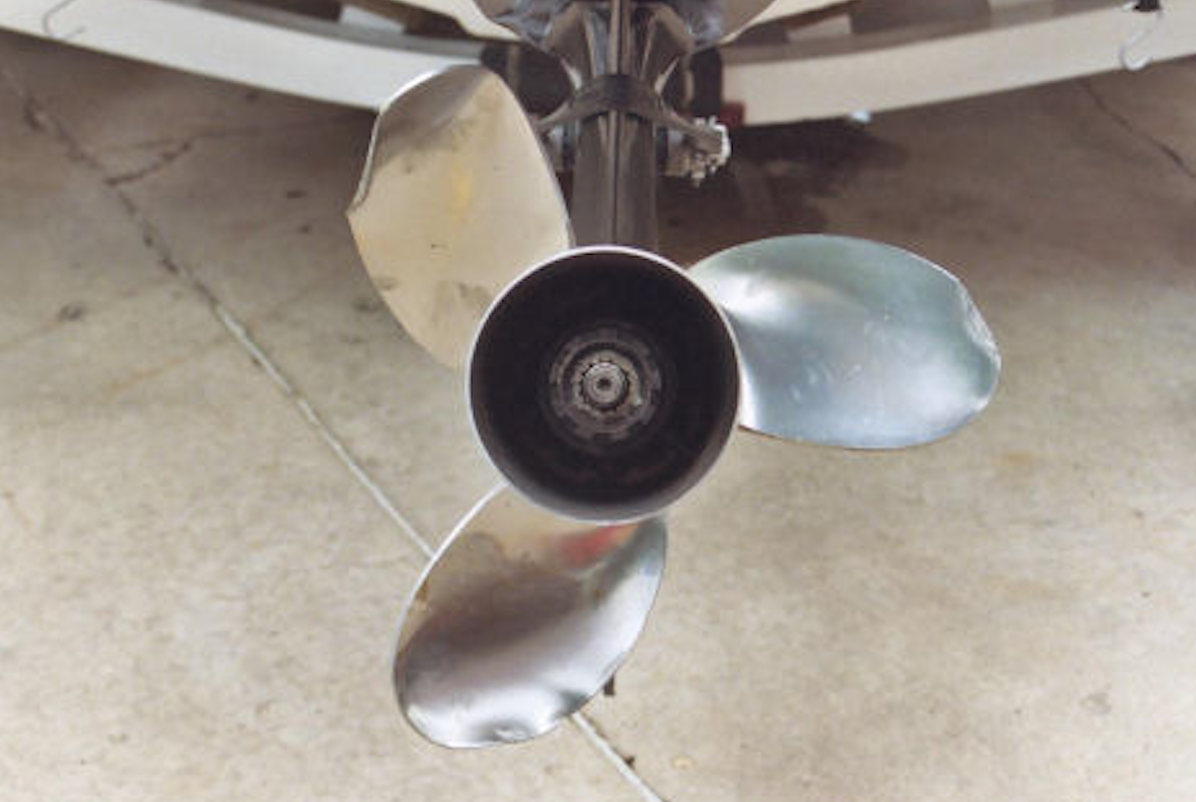
Even small damage kills efficiency. A bent blade tip, a missing chunk, or corrosion pitting changes how the prop moves through water. It increases drag, causes vibration, and throws off balance. Your engine has to work harder to compensate, burning more fuel.
I pulled a prop last month that looked fine from five feet away. Up close, the trailing edges were chewed up from sand and debris. Owner complained his fuel economy dropped and the boat vibrated at speed. After a prop reconditioning, both problems disappeared.
Inspect your prop every few trips. Pull it off and check for:
- Bent or damaged blades
- Nicks or gouges on the edges
- Pitting from cavitation or corrosion
- Loose or spun hub (prop spins on the hub instead of with it)
If you see damage, repair or replace it. Don't wait. A damaged prop costs you money every time you run the boat.
Troubleshooting Common Propeller Issues
| Symptom | Likely Cause | What to Check |
|---|---|---|
| Slow acceleration, takes forever to plane | Pitch too high, prop too large | Drop pitch 1-2 inches, check for spun hub |
| Engine over-revs at WOT, low top speed | Pitch too low, ventilation, spun hub | Increase pitch, check mounting height, inspect hub |
| Vibration at speed | Damaged blades, bent shaft, spun hub | Inspect prop for damage, check shaft alignment |
| Poor fuel economy, high RPMs at cruise | Pitch too low, damaged prop | Increase pitch, inspect for damage |
| Engine bogs, won't reach WOT RPM | Pitch too high, fouled prop | Decrease pitch, clean prop and lower unit |
Decision Matrix: What Prop to Try Next

| Your Goal | Current Problem | Recommended Action |
|---|---|---|
| Better acceleration for towing | Slow hole-shot | Decrease pitch 1-2 inches |
| Better fuel economy on long runs | High RPMs at cruise | Increase pitch 1 inch, test WOT RPM |
| Handle heavy loads | Engine lugs, won't plane | Increase diameter, or decrease pitch |
| More top speed | Good acceleration, low top end | Increase pitch 1 inch |
| Reduce vibration | Rough at speed | Inspect prop for damage, check balance |
Propeller Maintenance for Consistent Efficiency
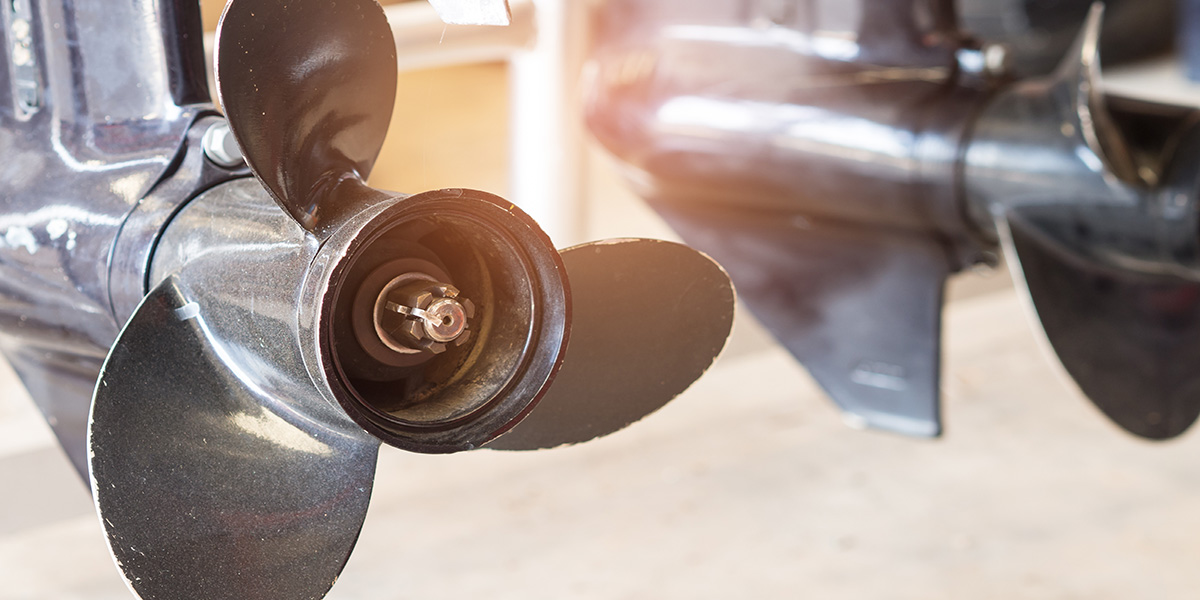
Fuel economy isn't just about picking the right prop—it's about keeping it in good shape. Corrosion, marine growth, and fishing line wrapped around the shaft all add drag.
After every few trips, especially in saltwater, pull the prop and check the shaft. Look for:
- Fishing line or debris wrapped around the shaft
- Corrosion on the shaft or hub
- Damage to the prop or hub
- Smooth rotation when you spin the prop by hand
Clean the shaft, grease it with marine-grade waterproof grease, and reinstall the prop. Torque the prop nut to spec—usually 55-80 ft-lbs depending on the engine. Use a new cotter pin every time.
If you hit something hard—a rock, a log, whatever—pull the prop immediately and inspect the blades and the lower unit. Even if it looks fine, a bent blade or a dinged gear can cause problems down the line.
At the end of the season, or if you're storing the boat for more than a month, pull the prop, clean it thoroughly, inspect it, and store it separately. This prevents corrosion from locking it onto the shaft.
After every ride, hose off the prop and lower unit with fresh water. Saltwater and debris left sitting accelerate corrosion and buildup.
For all your quality boat parts and marine components, including propellers and maintenance items, check out JLM Marine's main site for the best deals direct from the factory.
Hi—I’m Jim Walker
I grew up in a Florida boatyard, earning pocket money (and a few scars) by rebuilding outboard carbs before I could drive. That hands-on habit carried me through a Ph.D. in mechanical engineering, where I studied how salt water quietly murders metal.
I spent ten years designing cooling systems for high-horsepower outboards, then joined JLM Marine as CTO. We bench-test every new part in the lab, but I still bolt early prototypes onto my own 23-foot skiff for a weekend shake-down— nothing beats real wake and spray for finding weak spots.
Here on the blog I share the fixes and shortcuts I’ve learned so your engine—and your day on the water—run smooth.

Для владельцев лодок:
Мы надеемся, что следующие ресурсы окажутся полезными для вас в обслуживании и ремонте ваших судовых двигателей:
- Руководство по серийным номерам Mercury
- Руководства пользователя от Mercury
- Официальное руководство по номерам моделей в формате PDF от BRP
- Руководство по серийным номерам Johnson
-
Аксессуары для лодок от JLM Marine
О компании JLM Marine
Основанная в 2002 году, компания JLM Marine зарекомендовала себя как специализированный производитель высококачественных морских деталей, базирующийся в Китае. Наша приверженность совершенству в производстве заслужила нам доверие ведущих мировых морских брендов.
Как прямой поставщик, мы обходим посредников, что позволяет нам предлагать конкурентоспособные цены без ущерба качеству. Такой подход не только поддерживает экономическую эффективность, но и гарантирует, что наши клиенты получают наилучшую ценность напрямую от источника.
Мы рады расширить свое присутствие через розничные каналы, предлагая наш опыт и приверженность качеству непосредственно владельцам и любителям лодок по всему миру.
Распродажа лодочных аксессуаров
- $37.99
$45.99- $37.99
- Unit price
- per
- $34.99
- $34.99
- Unit price
- per
- $128.99
- $128.99
- Unit price
- per

- $25.30
$30.00- $25.30
- Unit price
- per


- $34.99
$41.99- $34.99
- Unit price
- per

- $32.50
$31.00- $32.50
- Unit price
- per

- $139.99
- $139.99
- Unit price
- per


- $45.00
- $45.00
- Unit price
- per

- $28.50
$29.00- $28.50
- Unit price
- per

- $159.99
- $159.99
- Unit price
- per


- $105.00
- $105.00
- Unit price
- per


- $34.99
$41.99- $34.99
- Unit price
- per


- From $68.00
- From $68.00
- Unit price
- per


- $34.99
$41.99- $34.99
- Unit price
- per

- $59.95
$71.00- $59.95
- Unit price
- per

- $59.99
$71.00- $59.99
- Unit price
- per


- $34.99
$41.99- $34.99
- Unit price
- per

- $65.50
$78.00- $65.50
- Unit price
- per

- $67.00
$65.00- $67.00
- Unit price
- per

- $19.99
- $19.99
- Unit price
- per