

Why Did Evinrude Stop Production? Impact on Owners
- The Two-Stroke Gamble: E-TEC and G2 Technology
- Strategic Missteps: Product Gaps and the Four-Stroke Takeover
- Regulatory and Emissions Compliance Challenges
- Why 2020 Was the Breaking Point: The Pandemic's Role
- BRP's Shift to Boat Brands and Mercury Partnership
- What Industry Experts Say About the Shutdown
- Impact on Evinrude Owners and Parts Availability
- Should You Buy a Used Evinrude Today?
- Owner Checklist for Existing Evinrude Engines
- What Evinrude's Fall Teaches the Marine Industry
- Supporting Evinrude Owners Through the Transition
.jpg)
BRP killed Evinrude outboard production on May 27, 2020. The decision came after decades of the brand defining two-stroke outboard technology. For owners and dealers, it was a shock—one day you had a manufacturer, the next you didn't.
The shutdown wasn't random. It was a combination of market missteps, stubborn commitment to two-stroke engines when the industry moved to four-strokes, and the COVID-19 pandemic delivering the final hit. According to financial reports analyzed by BoatTest, BRP saw a 26% revenue decline and over 40% drop in outboard sales in the first quarter of 2020. The company couldn't justify keeping the outboard division alive when boat brands like Alumacraft offered better returns.
The Two-Stroke Gamble: E-TEC and G2 Technology
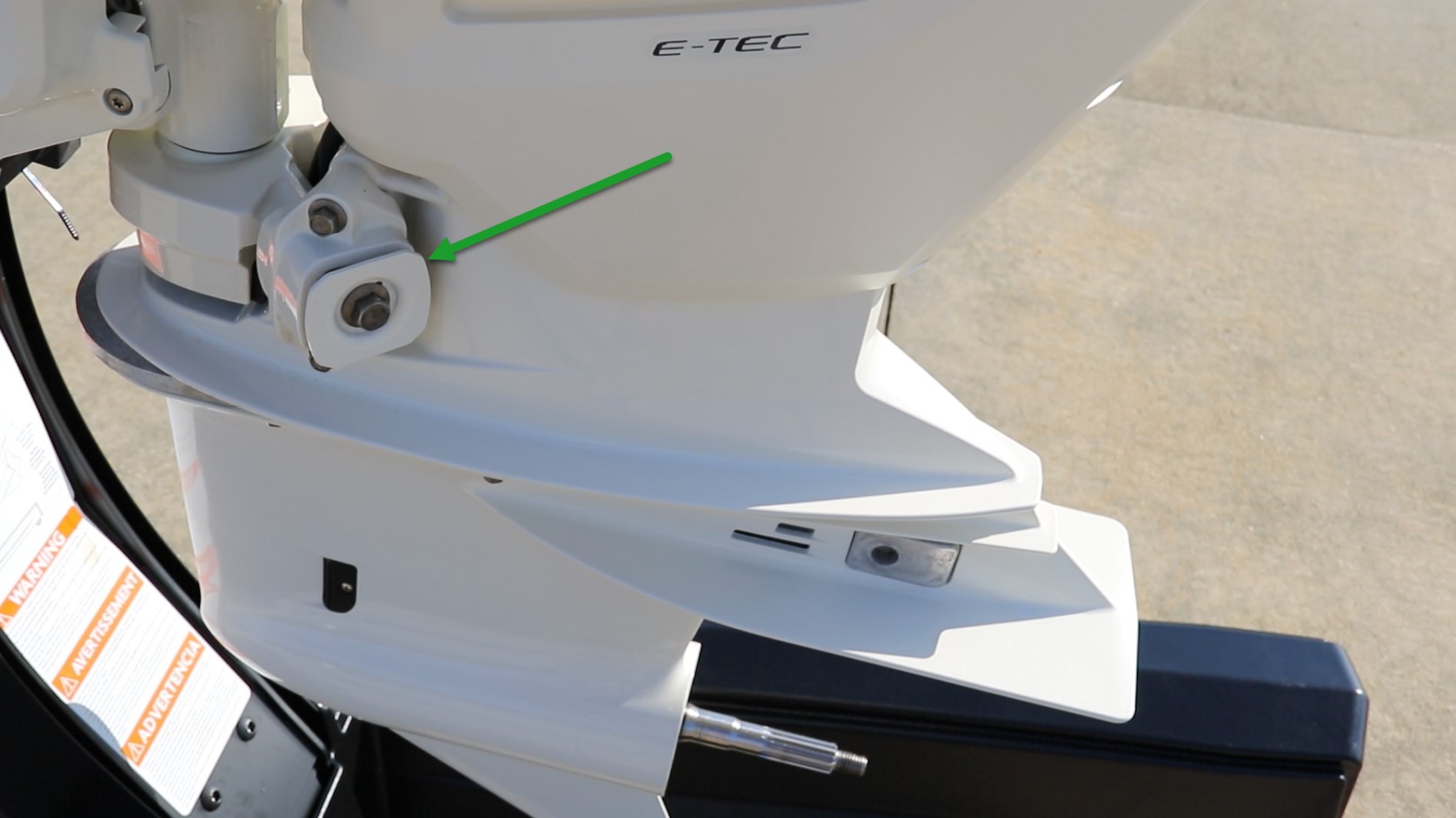
Evinrude bet everything on direct fuel injection two-strokes while Mercury and Yamaha went all-in on four-strokes. The E-TEC line, launched in the early 2000s, was genuinely good tech. Direct fuel injection meant cleaner combustion than older two-strokes, better fuel economy, and torque that four-strokes couldn't match in the same weight class. Our technicians noted the combustion on those engines was remarkably clean—minimal carbon buildup compared to the older OMC units.
Then came the E-TEC G2 in the mid-2010s. BRP pushed integrated digital steering, massive torque output, and customizable cowlings. The 3.4L G2 offered serious power-to-weight advantage. The problem? The market didn't care. Boaters wanted quiet four-strokes, and the G2's styling—those bold cowling options—felt gimmicky to traditional buyers who just wanted an engine that worked.
Key G2 features:
- Integrated digital steering requiring significantly more installation hours than standard hydraulic setups
- Service intervals of 3 years or 300 hours, comparable to four-stroke competitors
- Higher initial cost than established E-TEC models, creating internal product line confusion
The reality we saw in parts demand: orders for standard E-TEC injectors and fuel pumps remained steady through 2019, but G2-specific components moved slower. The market voted with their wallets, and they picked the older, proven E-TEC over the flagship.
Strategic Missteps: Product Gaps and the Four-Stroke Takeover
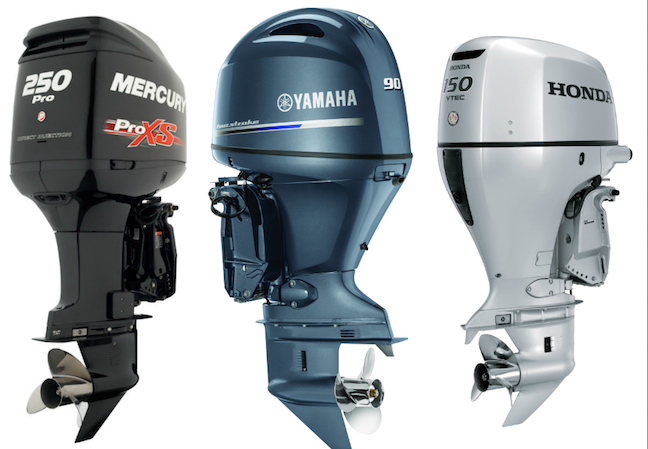
BRP made critical errors managing the Evinrude product line. The biggest was the horsepower gap. If you wanted 300+ HP for offshore applications, Evinrude had nothing. Mercury offered the Verado 400, Yamaha had the F425. Evinrude topped out lower, and that entire segment of high-dollar buyers went elsewhere.
The G2 launch created internal competition with the existing E-TEC line instead of replacing it. Dealers didn't know which to push. Customers saw two similar engines at different price points and went with the cheaper, proven option or switched brands entirely.
BRP's dealer network, while extensive with over 1,000 locations, never achieved the market penetration Mercury or Yamaha had. Compare this to the OMC bankruptcy in 2000—when Johnson and older Evinrude lines vanished, dealers scrambled. BRP's network was stronger, but the competition had them boxed in on market share.
Fred Kiekhaefer, former president of Mercury Racing, put it bluntly: "Internally at Mercury, I argued that only four-stroke technology could win with long-term emissions compliance. BRP stuck with two-strokes. That difference in choices hurt Evinrude irreparably today. COVID-19 is just the final nail."
Regulatory and Emissions Compliance Challenges
Two-stroke engines face a fundamental emissions problem: unburned hydrocarbons. Even with direct injection, the combustion process allows some fuel-oil mix to escape through the exhaust port during the scavenging cycle. Four-strokes separate oil from fuel and burn cleaner by design.
Evinrude's E-TEC technology reduced this dramatically compared to older carbureted two-strokes. But EPA Tier 3 standards and CARB star ratings kept tightening. Meeting those standards for high-horsepower two-strokes became commercially and technically impractical. The engineering cost to develop compliant 300+ HP two-strokes would have been massive, with no guarantee the market would accept them over established four-stroke options.
Dr. Laura Mitchell, Professor of Marine Engineering at Coastal Technical University, confirmed this in an analysis: "The decision to stop manufacturing Evinrude engines was driven by shifting market demands and environmental regulations."
Mercury and Yamaha spent billions developing four-stroke platforms. That investment created momentum Evinrude couldn't counter. The technical path forward required a complete redesign or capitulation—BRP chose to exit instead.
Why 2020 Was the Breaking Point: The Pandemic's Role
COVID-19 didn't kill Evinrude alone, but it accelerated the end. When global supply chains froze and boat sales collapsed in early 2020, BRP had to cut losses fast. According to Soundings Online, the Sturtevant, Wisconsin plant—the heart of U.S. Evinrude production—saw 387 positions gradually eliminated through September 2020. Globally, around 650 jobs disappeared.
The first quarter 2020 numbers were brutal. A 26% revenue drop across BRP and over 40% decline in outboard sales meant the division was hemorrhaging cash during a crisis. BRP's leadership made a calculation: invest in a struggling two-stroke brand during a pandemic, or pivot resources to boat manufacturing and partner with a four-stroke supplier. They picked survival.
The plant closure wasn't just numbers. Sturtevant had decades of institutional knowledge—mechanics who knew every quirk of the E-TEC fuel system, engineers who designed the G2 steering integration. That expertise is gone.
BRP's Shift to Boat Brands and Mercury Partnership
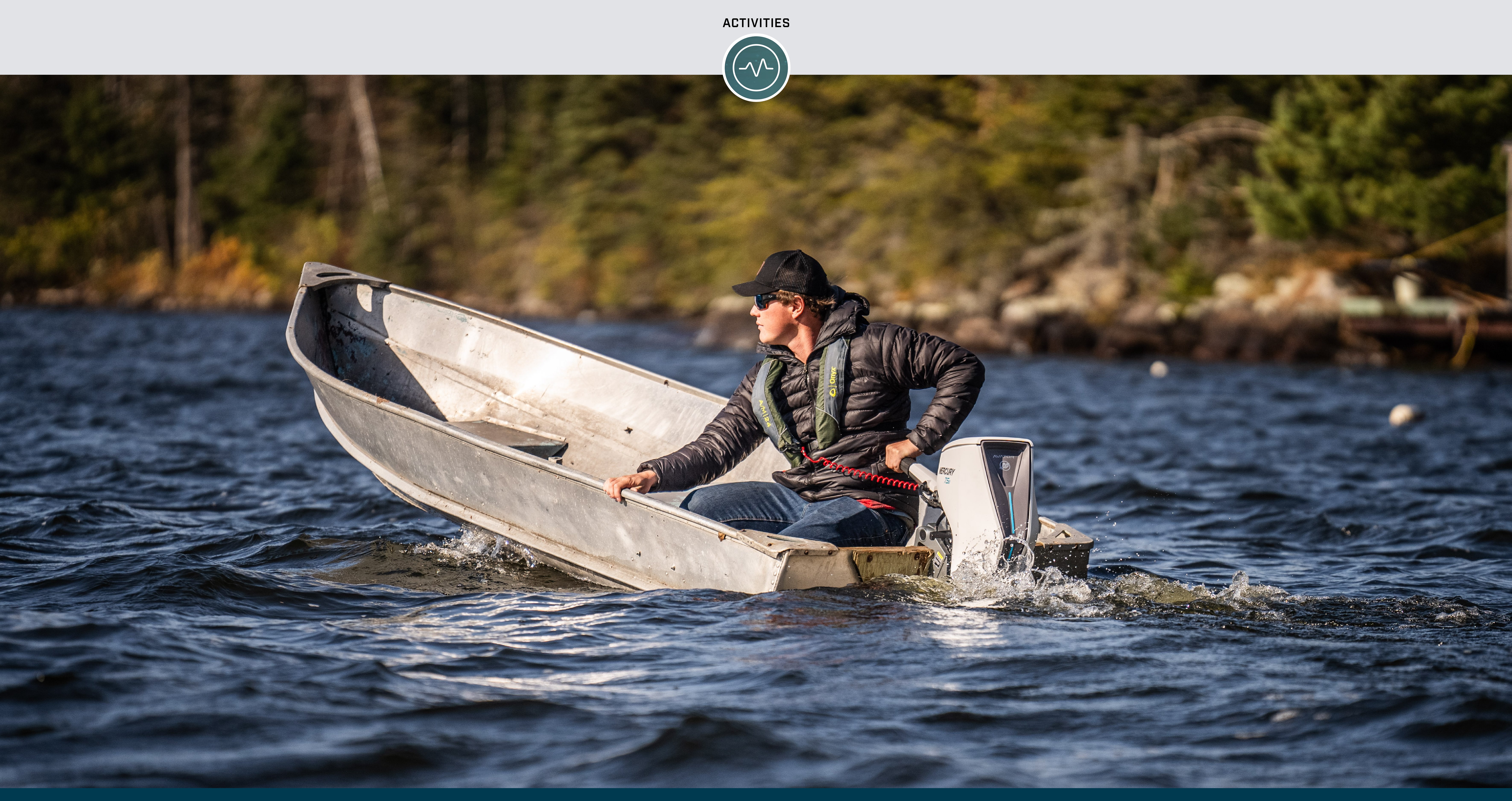
After shuttering Evinrude, BRP pivoted hard to its boat brands. Alumacraft and Manitou became the focus, and BRP partnered with Mercury Marine to supply engines. The irony wasn't lost on anyone—BRP's primary outboard competitor now powers BRP boats.
From a business standpoint, it made sense. Mercury's four-stroke lineup offered the horsepower range Evinrude lacked, dealer network support, and regulatory compliance. BRP could sell boats without the capital expenditure of engine R&D.
For owners, this partnership meant BRP wasn't abandoning the marine market, just the engine manufacturing side. Parts supply for existing Evinrudes remained a priority because BRP still needed those boat owners in the ecosystem, even if future repowers would be Mercury or Yamaha.
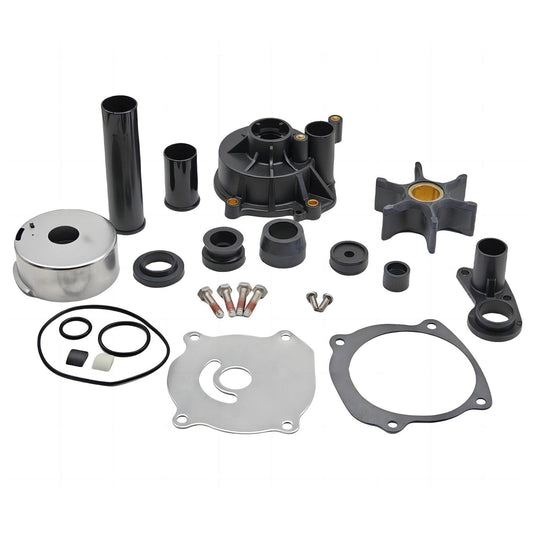
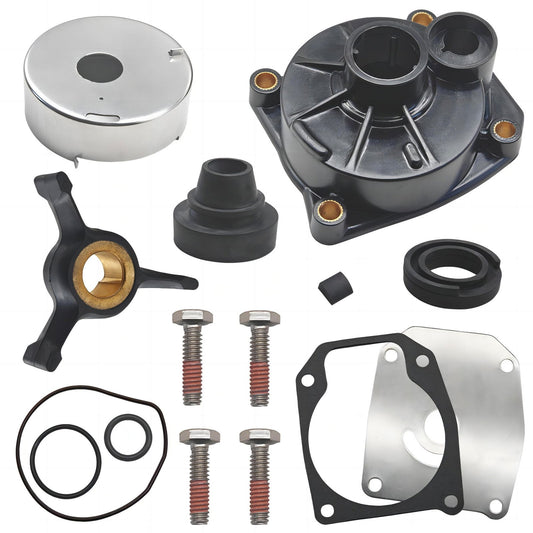
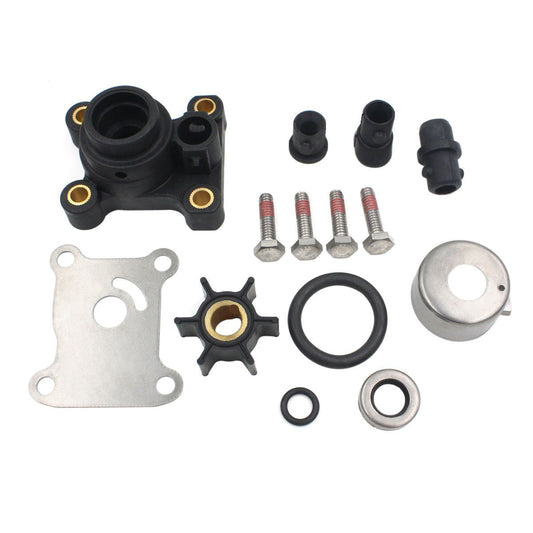
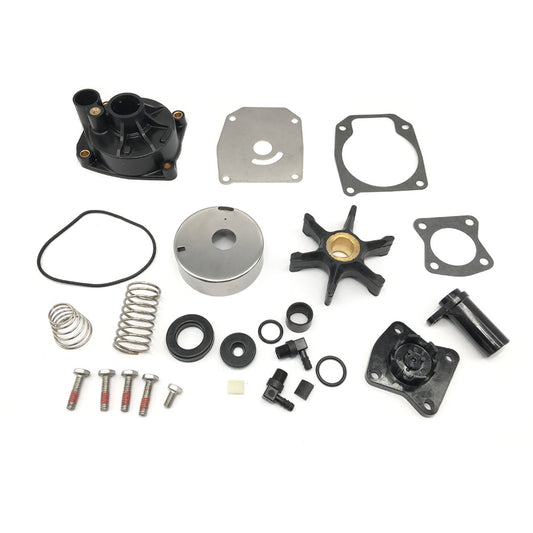
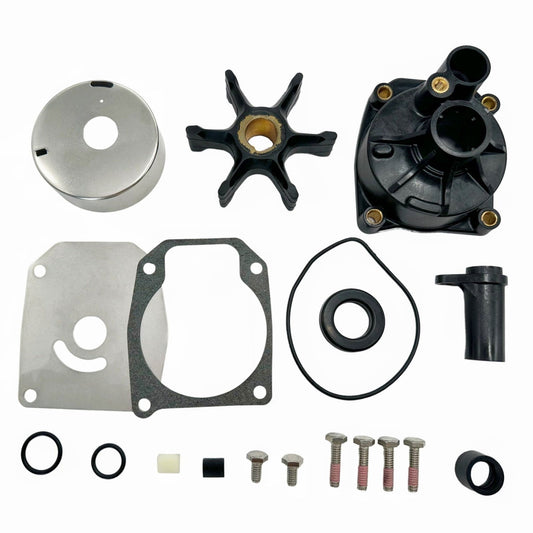
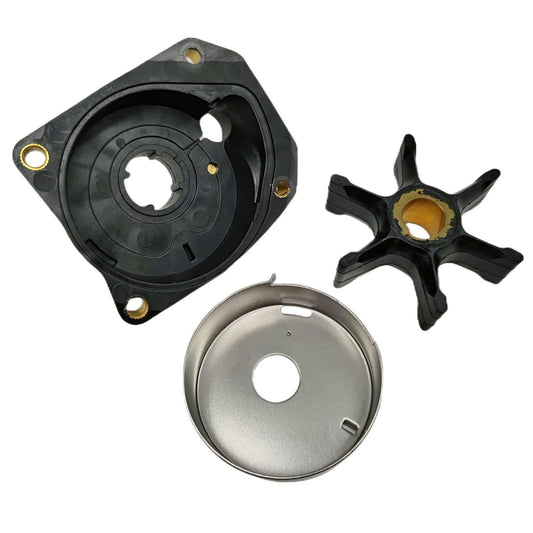
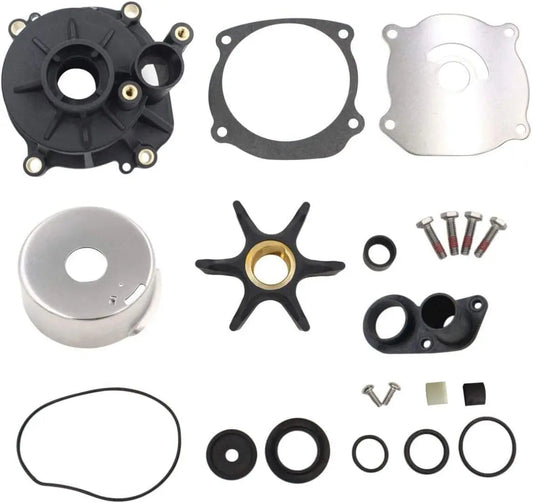
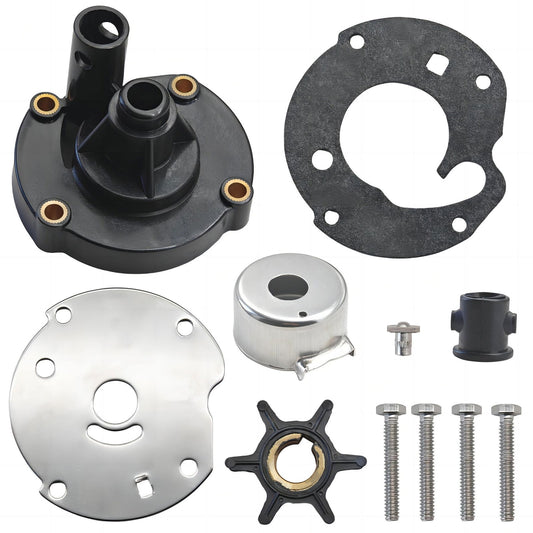
We've seen the supply chain shift. While BRP stopped making engines, they didn't stop the OEM parts pipeline. Dealers were stocked with inventory, and specialized suppliers like us picked up the slack for older models. A 2010 E-TEC 60HP still needs impellers, thermostats, and fuel injectors—those parts remain available, though sourcing is tighter than when the factory was running. For sourcing reliable replacement parts like water pumps and impellers for Evinrude engines, you can explore the Evinrude water pump impeller kits collection which stocks quality OEM-level components.
What Industry Experts Say About the Shutdown
Kiekhaefer's assessment was harsh but accurate. He also noted the human cost: "Today, the dealers and employees are the ones who will suffer the Evinrude brand's demise. Sadly, it is not of their doing."
Michael Jensen, marine industry analyst at Nautical Insights Group, observed: "While the company itself did not go out of business in the traditional sense, the Evinrude name was retired, marking the end of its presence in the marine engine market." BRP survived; Evinrude didn't.
Thomas Greene, a veteran marine mechanic and industry consultant, confirmed ongoing support: "From a service and maintenance perspective, Evinrude engines remain widely supported despite production ending." That's consistent with what we see—parts availability isn't zero, but it requires knowing where to look.
Some analysts pointed to a deficit in market knowledge within BRP's leadership. When you don't have deep, hands-on understanding of what boaters need—quieter engines, higher horsepower, simpler maintenance—it's easy to miss the shift. The G2's integrated steering was technically impressive but added installation complexity and cost that buyers didn't want.
Impact on Evinrude Owners and Parts Availability

BRP committed to honoring all manufacturer warranties and extended service contracts. According to Power & Motoryacht, the dealer network was stocked for multi-year parts supply, based on historical precedent from the 2007 Johnson discontinuation.
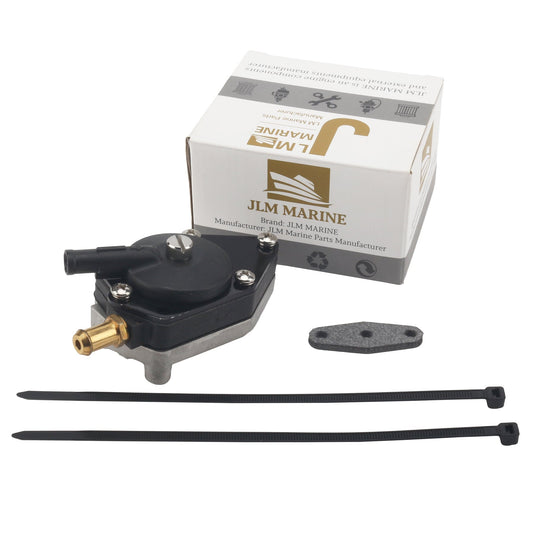
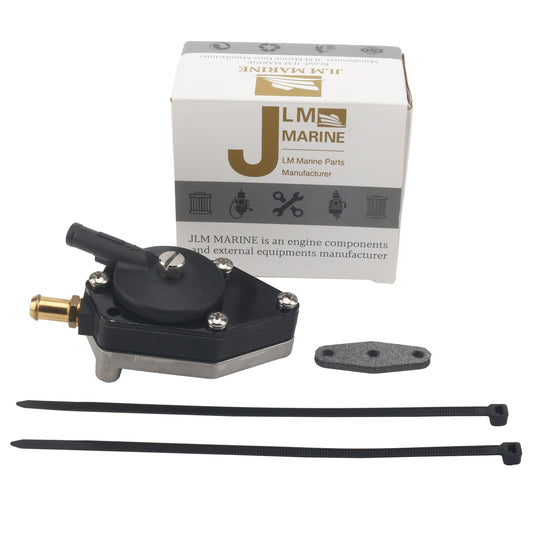
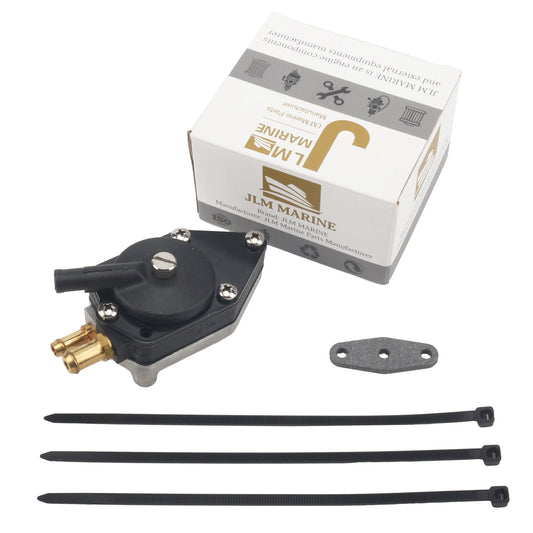
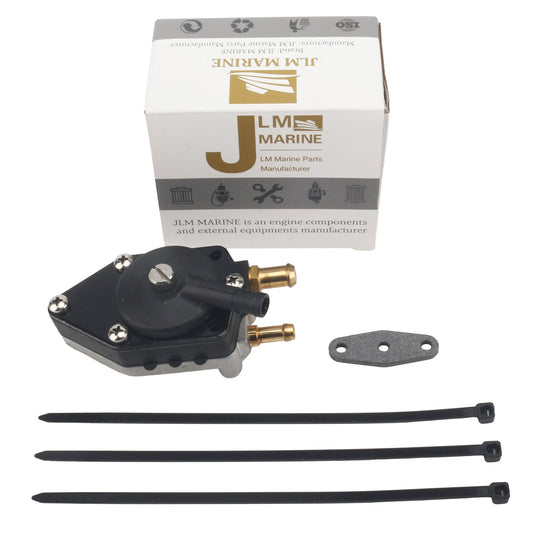
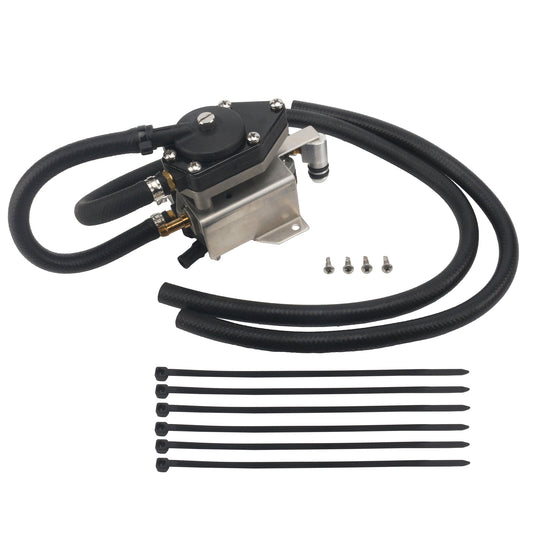
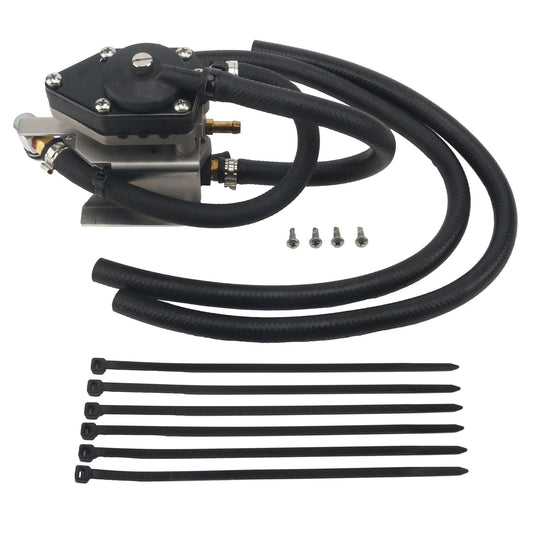
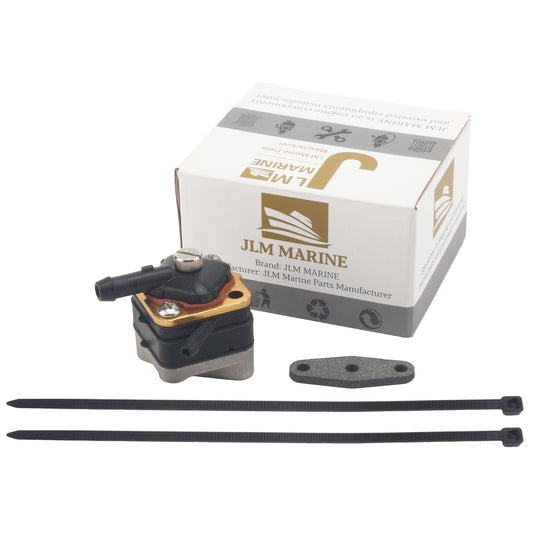
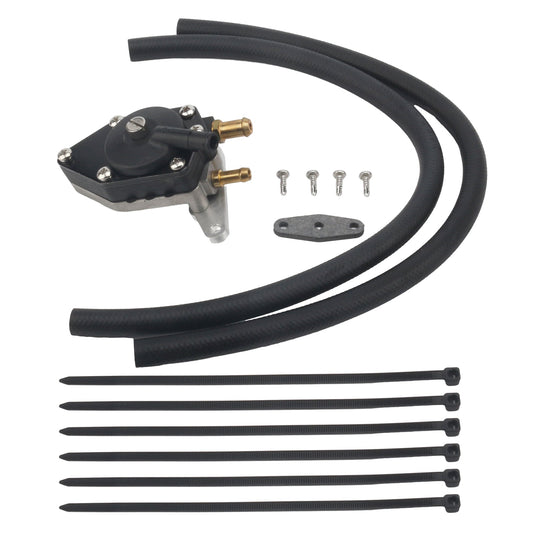
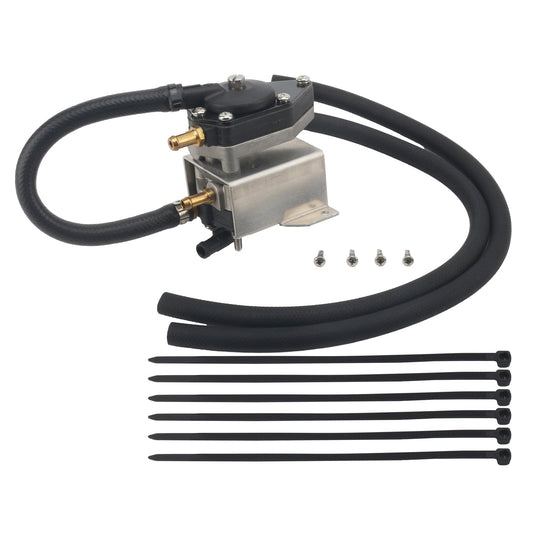
As of 2025, no widespread parts shortages have been reported for common maintenance items. Specialized suppliers now hold over 2 million parts, including 8,375 unique Evinrude/Johnson part numbers, according to BoatEngine.com. Impellers, thermostats, fuel pumps, and injectors for 2000s-era E-TECs remain accessible. For specific fuel pump replacements and filters for Evinrude motors, consider browsing the Evinrude fuel pump kit collection and Evinrude fuel filter collection available directly from certified suppliers.
Resale values did drop initially. A 2018 E-TEC G2-powered boat saw valuation adjustments compared to Yamaha-powered equivalents within the first year of the announcement, as buyers worried about long-term support. The market has stabilized somewhat—well-maintained E-TECs with documented service history retain value among enthusiasts who know the engines and aren't scared by the discontinued status.
Owner communities like the ETEC Owners Group remain active. Mechanics and owners share fixes, part sources, and keep engines running. One forum member described a 14-year-old 60HP E-TEC on a pontoon with 500 hours, still running strong. These engines were built well; the shutdown doesn't change that.
Challenges exist for obscure G2-specific components. If you need a proprietary digital steering module or a G2 cowling part, supply is tighter. Dealers who stocked G2 inventory are your best bet, but that inventory is finite.
Should You Buy a Used Evinrude Today?
Pros:
- Excellent power-to-weight ratio, especially for bass boats and applications needing quick acceleration
- Proven E-TEC reliability on models from 2010-2020 with proper maintenance
- Lower purchase price compared to equivalent four-stroke models
- Parts still available for common wear items (impellers, thermostats, fuel system components)
- Strong torque output at lower RPMs
Cons:
- Finite parts supply for model-specific components, particularly G2 digital steering and electronics
- Resale value uncertainty compared to active brands
- Fewer technicians familiar with E-TEC fuel injection systems as knowledge base retires
- No factory support for software updates or diagnostic tools on G2 models
- Limited high-horsepower options (no 300+ HP models)
If you're considering a used Evinrude, focus on 2010-2018 E-TEC models in the 60-150HP range. These have the best parts availability and mechanic familiarity. Avoid the 3.4L G2 if you're not comfortable with limited parts access. Document all service history—this is critical for resale value on discontinued engines.
Owner Checklist for Existing Evinrude Engines
For owners keeping their Evinrudes running:
Annual Maintenance Priorities:
- Stock critical wear parts now: impeller kit, thermostat, fuel filters, spark plugs. You can source Evinrude water pump impellers and fuel filter parts conveniently online from specialized collections.
- Verify your dealer still services Evinrude or find a mechanic with E-TEC diagnostic software
- Document all service with receipts and photos—this preserves resale value
- Join owner forums for part-sourcing knowledge and troubleshooting support
- Check fuel system every season: injectors, low-pressure pump, high-pressure pump on E-TEC models. Reliable parts can be found through Evinrude fuel pump kits.
Parts Sourcing Strategy:
- OEM parts through remaining authorized dealers are reliable but expect dealer markup
- Quality aftermarket exists—some manufacturers that produced for OEM brands use excess capacity for non-OEM parts of similar quality
- Avoid ultra-cheap kits from unknown sellers; the rubber is too hard, fitment is off, and you'll be tearing the lower unit off again next season
- We focus on factory-spec quality without dealership markup, sourcing from reputable factories that meet OEM standards
For owners of 2010+ E-TEC models, prioritize stocking fuel injectors and the low-pressure fuel pump—these are the components where supply is tightening fastest.
What Evinrude's Fall Teaches the Marine Industry
The Evinrude shutdown is a case study in the cost of strategic inflexibility. BRP's commitment to two-stroke technology was admirable from an engineering standpoint—the E-TEC and G2 were genuinely advanced engines. But the market wanted four-strokes, regulations favored four-strokes, and competitors invested billions in four-stroke platforms.
Compare this to the broader industrial shift happening in automotive, where diesel technology faced similar regulatory and market headwinds despite technical advantages in torque and efficiency. Volkswagen, Mercedes, and others spent billions on diesel tech just as emissions scandals and tightening standards pushed the market toward hybrids and electric. Evinrude's two-stroke bet followed a similar arc—technical merit doesn't guarantee market survival when external forces shift.
The product line overlap between E-TEC and G2 was a self-inflicted wound. Instead of a clean transition, BRP created confusion. The horsepower gap in the high-performance segment handed Mercury and Yamaha the offshore and multi-engine center console market on a silver platter.
BRP's pivot to boat brands and the Mercury partnership shows pragmatism, but it also highlights what was lost. The institutional knowledge at Sturtevant, the unique engineering approach to direct injection two-strokes—that's gone. The marine industry has fewer voices pushing alternative propulsion technologies now.
For parts suppliers, this is a reminder of our role. When manufacturers exit, owners still have engines that need to run. Keeping a 2012 E-TEC on the water in 2026 requires a supply chain that doesn't depend on active production. Our purpose is keeping these legacy engines running, whether that's sourcing hard-to-find injectors or stocking impeller kits for discontinued models. To support continued maintenance, customers often look for trusted sources like the JLM Marine parts collections that specialize in direct-from-factory marine parts, including proven options for outboard motor components.
Supporting Evinrude Owners Through the Transition
Owners aren't abandoned. BRP's warranty commitment, dealer network support, and parts availability mean existing engines can be maintained. The key is proactive planning—don't wait until you need a part to find out it's on backorder.
Mechanics familiar with E-TEC fuel systems are your most critical resource. The diagnostic software and knowledge base for these engines isn't growing; it's shrinking as technicians retire or focus on current brands. Find a mechanic now, establish a relationship, and don't wait until you're dead in the water.
The community matters. Forums, owner groups, and mechanics who specialize in discontinued brands keep knowledge alive. When BRP's official support documentation eventually disappears, these communities will be the repository of fixes, part numbers, and troubleshooting guides.
Parts quality matters more now than ever. With finite OEM supply, the temptation to buy cheap replacements is strong. Resist it. A $10 impeller kit that doesn't fit right or fails after 20 hours costs more in labor and downtime than buying a quality part upfront. Non-OEM quality ranges widely—some factories that manufactured for OEM brands produce high-quality aftermarket parts, while others cut corners. Know your supplier.
For long-term Evinrude owners, the brand's end is disappointing, but it doesn't mean your engine is obsolete. A well-maintained E-TEC with documented service history is still a solid powerplant. The two-stroke torque, light weight, and simplicity (compared to modern four-strokes) have genuine advantages for specific applications.
After every ride, flush your E-TEC with fresh water using the flushing attachment—not just muffs over the intake. Run it for 10 minutes to clear salt from the cooling passages and fuel system. This single habit prevents more thermostat seizures and corrosion issues than any other maintenance step. For tips on keeping your outboard running cool, see guides like Thermostat Maintenance: Keeping Your Outboard Running Cool that cover critical cooling system upkeep.
Para propietarios de Johnson:
Para ayudarlo a mantener y reparar sus motores marinos, esperamos que los siguientes recursos puedan serle de utilidad:
- Guía de números de serie de Johnson
- Guía de referencia oficial de números de modelo en formato PDF de BRP
-
Piezas para motores fuera de borda Johnson de JLM Marine
- Termostato Johnson
- Bomba de agua Johnson
- Impulsor de bomba de agua Johnson
- Kit de impulsor de bomba de agua Johnson
- Carburador Johnson
- Kit de reparación de carburador Johnson
- Conector de línea de combustible Johnson
- Filtro de combustible Johnson
- Bomba de combustible Johnson
- Kit de bomba de combustible Johnson
- Filtro de aceite Johnson
- Sello de aceite Johnson
- Junta Johnson
- Relevo Johnson
- Transmisor de ajuste Johnson
- Cable de bujía Johnson
- Accesorios Johnson
Acerca de JLM Marine
Fundada en 2002, JLM Marine se ha consolidado como un fabricante dedicado de piezas marinas de alta calidad, con sede en China. Nuestro compromiso con la excelencia en la fabricación nos ha ganado la confianza de las principales marcas marinas a nivel mundial.
Como proveedor directo, evitamos intermediarios, lo que nos permite ofrecer precios competitivos sin comprometer la calidad. Este enfoque no solo promueve la rentabilidad, sino que también garantiza que nuestros clientes reciban el mejor valor directamente del proveedor.
Estamos entusiasmados de ampliar nuestro alcance a través de canales minoristas, llevando nuestra experiencia y compromiso con la calidad directamente a los propietarios de embarcaciones y entusiastas de todo el mundo.
Repuestos Johnson en oferta
- $50.99
$59.00- $50.99
- Unit price
- per
- $26.80
- $26.80
- Unit price
- per
- $17.39
$22.50- $17.39
- Unit price
- per
- $24.80
- $24.80
- Unit price
- per
- $39.98
$45.00- $39.98
- Unit price
- per


- $21.99
$24.00- $21.99
- Unit price
- per
- $26.90
- $26.90
- Unit price
- per
- $18.99
$15.00- $18.99
- Unit price
- per
- $15.99
$13.00- $15.99
- Unit price
- per

- $43.00
- $43.00
- Unit price
- per
- $138.00
- $138.00
- Unit price
- per
- $42.00
$42.00- $42.00
- Unit price
- per
- $24.80
$45.00- $24.80
- Unit price
- per

- $32.50
- $32.50
- Unit price
- per
- $32.00
$38.00- $32.00
- Unit price
- per
- $64.80
$82.00- $64.80
- Unit price
- per
- $41.85
$44.00- $41.85
- Unit price
- per

- $134.40
$145.00- $134.40
- Unit price
- per
- $39.99
$46.00- $39.99
- Unit price
- per
- $88.59
$102.00- $88.59
- Unit price
- per