


Monsoon Rains: Keeping Water Out of Your Fuel Tank

Water in your fuel tank is a problem that shows up fast during heavy rain. You'll get rough idling, loss of power, or an engine that won't start. In the Southwest, where monsoon season dumps 30-50% of the annual rain between June and September, condensation and direct rain infiltration hit fuel tanks hard.
How Water Gets Into Fuel Tanks

Condensation is the main culprit. When warm, humid air sits in your tank and the temperature drops overnight, moisture condenses into water droplets that drip straight into your fuel. Arizona and New Mexico see up to 50% of their yearly precipitation during monsoon months—that humidity sits in your tank's air space waiting to condense.
Direct infiltration happens through worn fuel cap seals, cracked vent pipes, or leaving the cap off. For underground storage tanks at gas stations, water seeps in during heavy downpours through damaged manhole covers, worn gaskets, or faulty vent pipes. The 2022 monsoon season was the 9th wettest on record at 4.68 inches across the region, with over 77% of the Southwest getting at least 5 inches—enough to overwhelm weak seals fast.
Monsoon storms have also intensified. Since the 1970s, they deliver the same rain volume 6-11% faster, meaning your tank gets hit harder in shorter bursts.
Symptoms of Water in Your Fuel
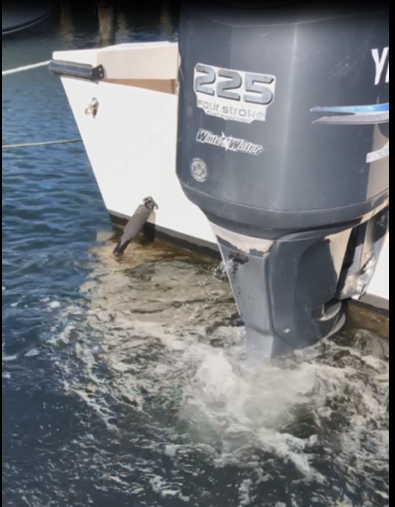
Your engine tells you when it's ingested water. Here's what we see in the shop:
- Hard starting: Engine cranks but won't fire, or struggles to turn over
- Power loss: Throttle response falls flat, especially under load
- Sputtering and misfiring: Engine skips or jolts instead of running smooth
- Rough idle: Shaking or uneven RPM when it should be steady
- Water spits at idle but improves with throttle: A marine-specific symptom where the engine coughs droplets from the exhaust at low RPM
On a boat, you might also see RPM fluctuations when planing—different from a car's steady-state idle problem, but same root cause.
If you're getting a strong gasoline smell, that's often unburnt fuel passing through the exhaust due to misfires caused by water contamination. For detailed troubleshooting on engine misfires and rough running, refer to our guide on Engine Misfires and Runs Rough: Ignition or Fuel?.
Why Water Damages Engines
Water doesn't burn. When it hits your combustion chamber, it causes misfires. Worse, it sits in your fuel system and corrodes metal. We're talking rust inside the tank, fuel lines, and injectors. That rust breaks loose, clogs filters, and damages injectors.
Ethanol phase separation is the killer for gasoline, especially E10 blends. Ethanol attracts water. When enough water accumulates, the ethanol separates from the gasoline and sinks to the bottom as a water-ethanol layer that won't combust. If that layer gets sucked into your engine, you're looking at serious damage.
For diesel, water accelerates rust and fosters microbial growth—a slimy, dark contamination that clogs filters and degrades fuel. Injector damage and unexpected shutdown follow.
After heavy rains in Indiana, a gas station with flooded underground tanks sold contaminated fuel. Customers faced $3,000 in repairs from pure water layers at the bottom of the station's tanks. That's the kind of cost you're trying to avoid.
Preventing Water Contamination
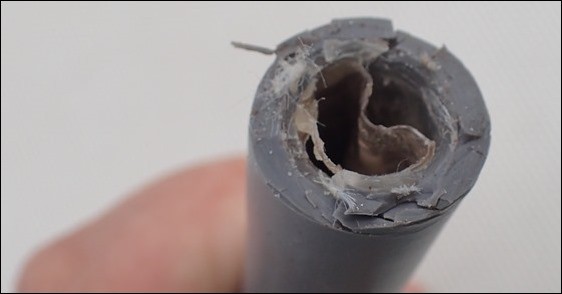
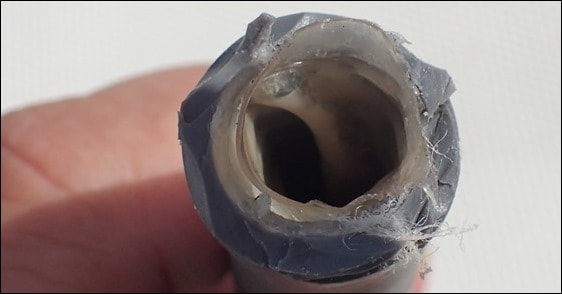
Keep Tanks Full
A half-full tank has more air space, which means more room for condensation. Keep your tank at least half-full, especially if the boat or vehicle sits during monsoon season. For long-term storage, fill it to the top to minimize air.
Inspect and Replace Seals
Check your fuel cap and gasket every few months. Cracks or wear mean water gets in. For boats, check vent fittings and deck fills. On underground tanks at stations, cracked manhole covers and worn vent pipe gaskets are the main entry points. If you own above-ground storage, make sure fill caps are watertight and vent caps have shields.
Use Fuel Additives Correctly
Not all additives work the same. Avoid alcohol-based dryers if you're running E10 fuel—they can make phase separation worse. Look for emulsifiers or demulsifiers designed to bond water molecules so they pass through the fuel system and burn off safely. Products with polyether amine chemistry work better than cheap alcohol-based formulas.
We've seen too many guys buy the $5 mystery bottle at the auto parts store, then wonder why their problem got worse. You want something with proven chemistry, ideally recommended by engine manufacturers for marine or high-humidity environments. For more on fuel additive effectiveness, see our article on Fuel Additives Showdown: Do Cleaners and Stabilizers Work?.
Regular Water Checks
Use water-finding paste or detection sticks on the tank's lowest point. The paste changes color when it contacts water. For boats, draw a sample from the tank's sump into a clear glass jar. If you see a distinct cloudy layer at the bottom with clear fuel on top, that's phase separation. If it's just a thin line of droplets, you've caught it early.
Check after every heavy rain or at least monthly during monsoon season.
Fueling Practices
When you fuel up at a station, try to avoid pumps right after a tanker delivery—sediment and water get stirred up. If the station just got hit with a heavy storm, consider waiting a day or fueling elsewhere. For your own above-ground storage, paint the tank silver to reduce heat-induced condensation.
Park vehicles and store portable tanks under cover when possible.
Removing Water from a Contaminated Tank
The Glass Jar Test
Before you drain anything, confirm you've got water. Draw fuel from the lowest point of the tank into a clear glass jar. Let it settle for a few minutes. Phase separation looks like a cloudy or milky layer at the bottom, with clear fuel on top. Pure water will be a distinct layer, sometimes with a sharp line of demarcation. If you see either, you need to drain.
Using a Siphon Pump
Most modern vehicles and many boats have anti-siphon screens in the filler neck. If you can't get a hose past 2 feet, you're hitting that screen. At that point, you need to access the tank from below—either through the fuel sending unit or a drain plug, if equipped.
For boats or older vehicles without anti-siphon valves:
- Ventilate the area: Work outside or in a well-ventilated space, away from sparks or flames.
- Wear PPE: Fuel-resistant gloves and eye protection. Gasoline and diesel are skin irritants.
- Use a fuel-safe siphon pump: Not a cheap garden hose siphon. You need one rated for gasoline or diesel.
- Insert the hose to the tank bottom: Water settles at the lowest point. You need to reach it.
- Pump into a fuel-safe container: A gas can or a drum rated for flammable liquids. Not a plastic milk jug.
Pump until you've cleared the bottom few inches. For a 20-gallon boat tank with a quart of water at the bottom, you might need to drain 3-5 gallons to be safe.
Disposal
You can't dump a fuel-water mixture down the drain or on the ground. Hazardous waste disposal is required. Contact your local waste management facility or a marine service center that handles contaminated fuel. Many municipalities have specific drop-off days for hazardous liquids.
Refilling and Additives
After draining, refill with fresh fuel. Add a water-dispersing additive at this point to handle any residual moisture. For the next 10-15 hours of operation (boats) or 100-150 miles (vehicles), watch for the symptoms listed earlier. If sputtering persists, you may need to replace the fuel filter or clean injectors. For quality replacement parts, browse high-quality Fuel Filters available direct from the factory.
When to Call a Pro
If you can't access the tank bottom due to baffling (common in boat tanks), if the anti-siphon valve blocks you, or if you're seeing signs of severe corrosion or microbial growth (black sludge in the filter), bring it to a shop. Trying to force a siphon past an obstruction can damage the filler neck. We've had to replace $200 necks because someone jammed a garden hose in there.
Ongoing Maintenance for Fuel Systems

Monitor Engine Behavior
If you notice hesitant acceleration, rough idling, or RPM drops that don't go away after a fuel filter change, suspect water. Don't ignore early symptoms—corrosion sets in within days once water sits in the tank.
Replace Fuel Filters on Schedule
Filters catch debris and water. A clogged filter from water contamination loses effectiveness fast. For marine engines, check filters every 100 hours or annually, whichever comes first. For vehicles in humid climates or monsoon-prone areas, inspect every 6 months. Check our extensive selection of reliable fuel filters for your marine engine.
Check Fuel Lines and Tank Condition
Older boats and vehicles develop rust spots inside the tank. If you're seeing repeated water issues despite sealing everything, the tank itself may be corroded. Pull the sending unit and inspect the tank interior with a flashlight. Surface rust is manageable with a tank cleaning and sealant. Deep pitting means replacement.
Install a Water Separator
For diesel systems, a fuel-water separator with a drain valve is standard. For gasoline boats operating in high-humidity areas, consider adding an inline water separator. It won't stop all moisture, but it catches bulk water before it hits the engine. Explore options for fuel pumps and water separators that help protect your engine.
Why This Matters for Marine Applications

Boats sit in or near water, often in humid climates. Fuel tanks are vented to atmosphere, so they breathe humid air constantly. During a Southwest monsoon season where Phoenix can see 2.7 inches of rain in a few weeks, that moisture is everywhere. Lake Powell, Lake Mead, and other Southwest reservoirs see heavy boat traffic during monsoon months—those boats are breathing the same saturated air.
If you're storing a boat on a trailer in Arizona or New Mexico during monsoon season, that tank is condensing water every night. Keeping it full and sealed is the only defense.
For reliable parts during maintenance or repairs, consider browsing the boat accessories and marine parts collections from JLM Marine.
OEM vs. Non-OEM Fuel System Parts
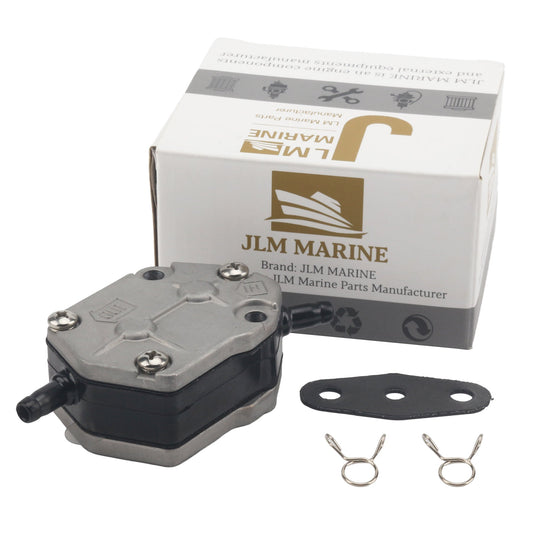
When you're replacing fuel caps, vent fittings, or fuel-water separators, OEM parts are reliable but overpriced. You're paying for the logo. Cheap aftermarket parts—the $10 fuel cap with the hard rubber gasket that doesn't seal—will fail in six months and you'll be pulling the tank apart again.
High-quality non-OEM parts, like those from manufacturers that also produce for OEM brands (such as JLM Marine), offer factory-spec fitment and materials without the dealership markup. The gasket compound is the same, the threads are machined to the same tolerance, and you're not burning cash on branding.
After every ride in salt or brackish water, flush your engine with fresh water to remove corrosive elements that weaken seals and create future water entry points. For tips on protecting your marine engine, see our guide on Saltwater Use and Overheating: Prevention Tips.
For more marine engine parts and accessories direct from the factory, visit the main JLM Marine hub.
Hi—I’m Jim Walker
I grew up in a Florida boatyard, earning pocket money (and a few scars) by rebuilding outboard carbs before I could drive. That hands-on habit carried me through a Ph.D. in mechanical engineering, where I studied how salt water quietly murders metal.
I spent ten years designing cooling systems for high-horsepower outboards, then joined JLM Marine as CTO. We bench-test every new part in the lab, but I still bolt early prototypes onto my own 23-foot skiff for a weekend shake-down— nothing beats real wake and spray for finding weak spots.
Here on the blog I share the fixes and shortcuts I’ve learned so your engine—and your day on the water—run smooth.

Para propietarios de motores fuera de borda:
Para ayudarlo a mantener y reparar sus motores marinos, esperamos que los siguientes recursos puedan serle de utilidad:
-
Bombas de combustible de JLM Marine
-
Kits de bomba de combustible de JLM Marine
- Kit de bomba de combustible
- Kit de bomba de combustible Yamaha
- Kit de bomba de combustible Mercury
- Kit de bomba de combustible Johnson
- Kit de bomba de combustible Evinrude
- Kit de bomba de combustible Suzuki
- Kit de bomba de combustible Honda
- Kit de bomba de combustible Tohatsu
- Kit de bomba de combustible Volvo
Acerca de JLM Marine
Fundada en 2002, JLM Marine se ha consolidado como un fabricante dedicado de piezas marinas de alta calidad, con sede en China. Nuestro compromiso con la excelencia en la fabricación nos ha ganado la confianza de las principales marcas marinas a nivel mundial.
Como proveedor directo, evitamos intermediarios, lo que nos permite ofrecer precios competitivos sin comprometer la calidad. Este enfoque no solo promueve la rentabilidad, sino que también garantiza que nuestros clientes reciban el mejor valor directamente del proveedor.
Estamos entusiasmados de ampliar nuestro alcance a través de canales minoristas, llevando nuestra experiencia y compromiso con la calidad directamente a los propietarios de embarcaciones y entusiastas de todo el mundo.
Bomba de combustible en venta
- $73.50
$88.00- $73.50
- Unit price
- per
- $16.00
- $16.00
- Unit price
- per
- $17.99
$21.00- $17.99
- Unit price
- per

- $18.99
- $18.99
- Unit price
- per

- $21.99
- $21.99
- Unit price
- per

- $45.99
$55.00- $45.99
- Unit price
- per

- $23.59
$28.00- $23.59
- Unit price
- per

- $28.99
$34.00- $28.99
- Unit price
- per

- $21.99
- $21.99
- Unit price
- per
- $46.50
$60.00- $46.50
- Unit price
- per
- $26.80
- $26.80
- Unit price
- per
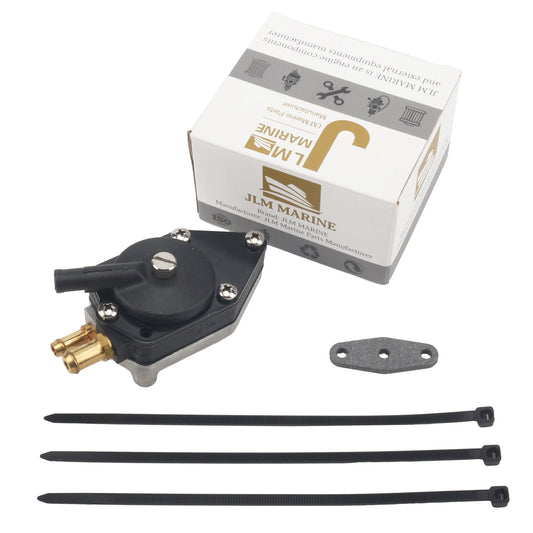
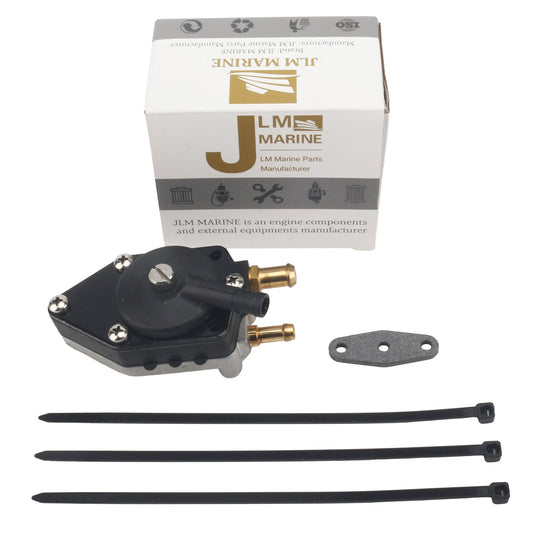
- $24.80
- $24.80
- Unit price
- per
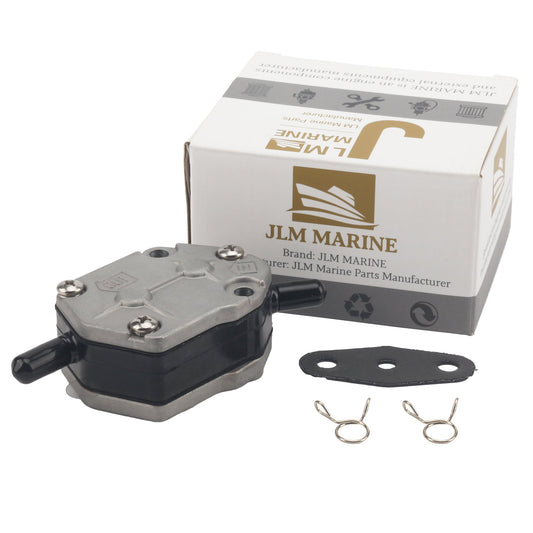
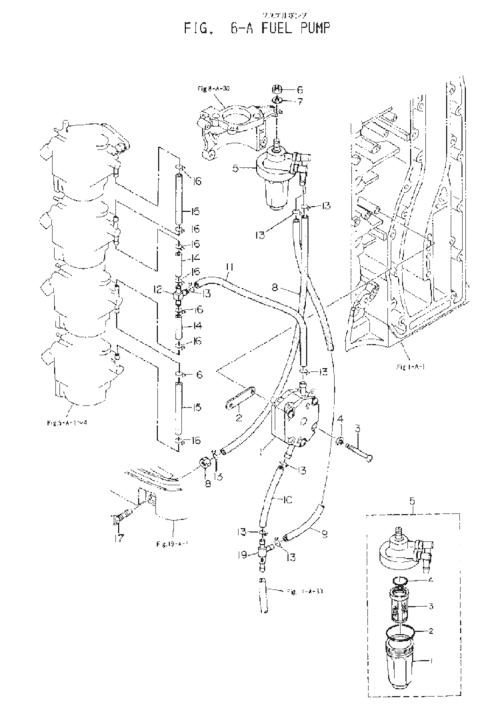
- $28.90
- $28.90
- Unit price
- per

- $27.77
- $27.77
- Unit price
- per

- $56.99
- $56.99
- Unit price
- per

- $129.95
$155.00- $129.95
- Unit price
- per

- $31.20
$37.00- $31.20
- Unit price
- per

- $129.95
$155.00- $129.95
- Unit price
- per
- $138.00
- $138.00
- Unit price
- per
- $24.80
$45.00- $24.80
- Unit price
- per