


Lightening the Load: How Boat Weight Affects Fuel Use

Understanding Fuel Weight and Its Effect on Boats
More weight means more strain on the engine, and more strain means more fuel burned. After 20 years working on outboards, we've traced hundreds of fuel economy complaints back to simple overloading.
Fuel Weight Basics
A gallon of diesel fuel weighs 7 pounds per gallon. Gasoline comes in at about 6 pounds per gallon. Fresh water weighs 8.4 pounds per gallon. A 100-gallon diesel tank, when full, represents 700 pounds—like hauling an extra passenger who never leaves.
Here's a real case from our shop: a customer with a 22-foot center console complained his fuel bills had doubled over two seasons. We pulled everything out of his storage compartments and found 320 pounds of accumulated gear—old batteries, rusted tools, half-empty oil jugs, a spare anchor he'd forgotten about, and two deflated fenders. After clearing it out, his fuel consumption dropped from 12 gallons per hour to 9.5 at cruising speed. That's a 21% improvement just from removing junk.
The impact varies by hull type. On planing hulls—most center consoles, bowriders, and bay boats—extra weight hits fuel economy hardest at higher speeds. A lightweight planing hull gets 2.9 nMPG at 7.5 knots but only 0.9 nMPG at 25 knots; adding weight worsens that gap significantly according to PassageMaker magazine's comparative fuel tests. On displacement hulls like trawlers, weight matters less at slow speeds but still affects efficiency. A full-displacement trawler achieves 2.5 nautical MPG at 7.5 knots, dropping to 0.8 nMPG at 9 knots—slowing down matters more than lightening up on these hulls.
Calculating Added Weight
When you top off your tanks before a long trip, you're increasing the load your hull and engines must manage. This extra weight makes a boat feel sluggish, increases its draft, and significantly impacts fuel consumption.
Reducing weight by 8.3%—say, 400 pounds off a 4,800-pound Boston Whaler—lowers fuel use by roughly 8.3% per Crouch's planing hull formula, because horsepower demand scales with weight. In our shop, we use a rough guideline: every 100 pounds of added weight raises RPM by 50-75 to maintain the same speed on a typical 22-24 foot outboard boat, which translates directly to higher fuel burn.
Understanding your boat's maximum load capacity and how fuel impacts that balance is key to safe and efficient operation. Your capacity plate lists maximum weight—respect it.
Weight Distribution and Vessel Handling
Where weight sits is as critical as total pounds. Fuel tank placement relative to the boat's center of balance affects stability, planing ability, and stopping distance. A well-balanced boat planes more easily and requires less throttle to maintain speed.
We've seen boats with poorly distributed weight struggle to get onto plane, essentially "pushing water" for much longer than necessary—a massive fuel drain. One customer stored all his dive gear in the bow locker of a 26-foot walkaround. The bow sat low, the stern rode high, and he couldn't plane without trimming the engine down so far the prop ventilated. Moving that gear amidships dropped his time-to-plane from 18 seconds to 7 seconds and cut his fuel use by 15% in the first 10 minutes of every trip.
Keep weight low and centered. Uneven loads, especially concentrated too far aft or forward, cause porpoising, stern squat, or bow plowing—all of which waste fuel and make the boat dangerous in rough seas.
Fuel Management Best Practices for Optimal Consumption
Managing your fuel is a strategic process that starts before you leave the dock.
Avoiding Excess Weight
Ry Landry from Yamaha Outboards puts it perfectly: "Your boat is the lightest it will be when you first buy it. As you start to use it, you bring stuff on board and much of it stays there. I call that weight creep. If you periodically go through the compartments and the console to remove stuff that's not necessary for the next trip, you're bound to lighten the load substantially and improve your mileage accordingly."
We recommend a quick inventory before every trip. Common non-essential items we find in boats:
- Old batteries (35-50 lbs each)
- Rusted toolboxes with seized wrenches
- Half-empty cleaning product jugs
- Spare anchors and chain (60-80 lbs)
- Deflated fenders and old dock lines
- Fishing rods that haven't been used in years
- Extra lifejackets beyond legal minimums
Eric Miller from Mercury is blunt: "Weight is a killer. Anything you can do to shed weight is a good thing, and that might be something as simple as draining the livewells before heading back in after fishing." Even water in livewells and baitwells adds up—drain them if you're not actively using them.
Fuel Filling Safety and Expansion
Don't fill your tanks to the brim every time. Fuel expands when the sun heats your boat. Gasoline can expand 1% for every 15°F temperature increase. If your tanks are completely full, this expansion has nowhere to go, leading to overflow. Spilled fuel is an environmental hazard, a fire risk, and wasted money.
Fill to about 90-95% of capacity. This ensures you have ample fuel without risking overflow and dangerous fumes. Most modern fuel systems are designed with expansion space in the fill neck—use it.
Fuel Reserve Planning
The "1/3, 1/3, 1/3" rule is a safety lifeline. Allocate one-third of your total fuel capacity for the outbound journey, one-third for the return trip, and one-third in reserve for unexpected circumstances, diversions, or rough weather.
Here's the math: if your tank holds 90 gallons, turn around at 30 gallons burned. At any point during your trip, you should have enough fuel to get back to your starting point, even if you encounter headwinds or need to travel at a less efficient speed. We've seen too many boaters caught short because they pushed their luck. This rule ensures you're never left stranded.
Headwinds can double your fuel consumption compared to calm conditions. Weather significantly alters effective range independent of physical weight—a 15-knot headwind on a 25-foot boat can reduce your range by 30-40% even with no additional cargo.
Ethanol Fuel Risks and Recommendations
Modern gasoline often contains ethanol, which causes problems for marine engines. Ethanol-rich fuels attract and absorb water, leading to phase separation where the ethanol and water settle at the bottom of your fuel tank, which can then be ingested by the engine. Specific problems include:
- Phase separation: Ethanol-water mixture drops out and gets sucked into the fuel system
- Corrosion: Ethanol attacks aluminum and steel components in fuel systems
- Rubber degradation: Ethanol dissolves older rubber hoses and gaskets
Most manufacturers, including Mercury and Yamaha, specify a maximum of E10 (10% ethanol) in their engine manuals. We strongly advise using ethanol-free premium gasoline where available. It's generally more stable, less corrosive, and better for your engine's health and efficiency. Ethanol-free fuel has a shelf life of 12-18 months with stabilizer, compared to 3-6 months for E10. While it costs more upfront, the long-term savings in reduced maintenance and improved performance are worth it.
Mechanical Factors: Maintenance, Props, and Hull
Weight is a big player, but several other factors contribute to how much fuel a boat burns.
Regular Maintenance and Filter Care
Your engine needs to be healthy and free of blockages to operate efficiently. Clogged fuel filters restrict fuel flow, forcing the engine to work harder to draw fuel. This leads to sluggish performance and increased fuel consumption.
A clogged fuel filter causes specific symptoms: engine surging at high RPMs, hesitation when you punch the throttle, or rough idle that smooths out when you back off. Dirty air filters mean the engine can't "breathe" properly, impacting combustion efficiency.
Check and replace fuel filters and fuel-water separators according to your engine manufacturer's recommendations, or more frequently if you're operating in dusty or harsh environments. We tell customers to check the clear bowl on their fuel-water separator before every outing—if you see any sediment or water, drain it immediately and replace the element if it looks dirty.
Propeller Condition and Selection
The wrong propeller, or a damaged one, severely impacts fuel economy. A propeller that's too small might allow the engine to over-rev, while one that's too large will lug the engine down. Getting the right pitch and diameter for your boat's weight, hull type, and intended use is crucial.
Beyond selection, physical condition matters. Nicks, dings, or marine growth on your propeller blades disrupt water flow. This creates cavitation—tiny vapor bubbles that collapse against the blade, causing slip. Slip is the difference between theoretical and actual distance traveled per revolution. A damaged prop can increase slip from a normal 10-15% to 25-30%, which means you're spinning the prop faster to go the same speed, burning more fuel.
Perform annual inspections and repair any damage promptly. Proper propeller selection can reduce fuel consumption by 5-10 percent, as reported by BoatUS. The difference between cavitation burn (smooth, polished areas on the blade face) and impact damage (gouges and bent edges) tells you whether you hit something or have a ventilation problem.
Hull and Running Gear Cleanliness
Marine growth—barnacles, algae, slime—on your hull and running gear creates drag. This isn't just cosmetic. Barnacles and other fouling create a rough surface that disrupts laminar water flow over the hull, transitioning it to turbulent flow. Turbulent flow has exponentially higher drag.
Regular hull cleaning and proper application of ablative bottom paint make a huge difference. Ablative paints wear away slowly, revealing a fresh, smooth surface and discouraging growth. For boats kept in wet slips, bottom paint is essential and should be reapplied every 1-2 years depending on water temperature and salinity. Trailered boats have different needs—they dry out between uses, so fouling is less of an issue, but you still need to wash off algae and slime that accumulate on the waterline and running gear.
Don't forget coatings for your running gear. Products like Propspeed minimize drag caused by biofouling. A test on the commercial vessel Windroos showed a 7.5% fuel reduction after applying foul-release coating to running gear, according to data from Netherlands shipbuilder Padmos. That's a commercial fishing boat, but the physics apply to recreational hulls—clean metal moves through water with less resistance.
Proper Boat Trimming Techniques
Trimming your boat means adjusting its attitude in the water. Properly trimmed, a boat lifts its hull further out of the water, reducing wetted surface area and drag. This allows the engine to operate at lower RPM for a given speed.
Here's how to find the sweet spot:
- From standstill: Start with trim tabs fully up (retracted) and engine trimmed all the way down (in).
- Getting on plane: Advance throttle smoothly. As the bow rises, trim the engine up slightly to help the boat climb onto plane faster. If you have trim tabs, deploy them 25-50% to keep the bow from rising too high.
- On plane: Once the boat settles onto plane, adjust engine trim up in small increments. Watch your RPM and speed—you want maximum speed with minimum RPM. The boat should run flat with minimal rooster tail off the transom.
- Fine-tuning tabs: Use trim tabs to level the boat side-to-side and adjust bow height. The goal is to run with the bow just high enough that you're not plowing water, but not so high that you're ventilating the prop or losing visibility.
Tim Reid from Mercury explains: "Boats in general are inefficient, the drag is so high. Ideally, you want to get as much of the wetted hull surface as possible out of the water. More horsepower allows a better cruise and fuel economy, since the engine isn't working as hard." Trimming is how you achieve that dynamic lift without adding horsepower.
We see folks running with their tabs up when they should be down, or vice versa. Taking a few minutes to experiment saves fuel.
Using Technology to Monitor Fuel Use
Modern boats have sophisticated electronic displays that provide data. Engine monitoring systems, fuel flowmeters, and RPM gauges are tools for smart operation. A fuel flowmeter tells you precisely how many gallons per hour (GPH) your engine is consuming at any given moment.
Combine GPH with your speed to calculate real-time miles per gallon (MPG). For example, if you're burning 8 GPH and traveling at 24 MPH, your economy is 3 MPG. This data allows you to experiment and discover your boat's most economical cruising speed. PassageMaker's tests showed that a slight reduction in speed drastically improves MPG—slowing from 9 knots to 7.5 knots nearly tripled economy on a displacement trawler.
Important: GPH is a measure of fuel flow, which is relatively constant for a given throttle setting. MPG is affected by current, wind, and waves. If you're fighting a 2-knot current, your GPH stays the same but your MPG drops because your speed over ground is lower. Always compare data in similar conditions.
For older boats without electronic flowmeters, use the "top-off method":
- Fill your tank completely at the dock and note your hour meter or trip odometer.
- Run your planned cruise and return to the dock.
- Top off the tank again and record how many gallons it took to refill.
- Divide the distance traveled by the gallons used to get MPG.
You can't improve what you don't measure. Understanding these numbers empowers you to make informed decisions about speed and fuel consumption.
Safety Implications of Overloading and Fuel Vapors

Weight and fuel management aren't just about saving money—they're about staying safe.
Risks of Overloading
An overloaded boat is an unstable boat. Beyond burning more fuel, overloading makes it handle poorly. Stopping distances increase dramatically, the boat becomes more susceptible to tipping in turns, and overall maneuverability is compromised. This is dangerous in crowded waterways or when navigating hazards.
Exceeding a boat's weight capacity significantly increases the risk of accidents, capsizing, or swamping. Your capacity plate lists maximum weight—that includes people, fuel, water, and gear. A boat overloaded by just 15-20% can take on water in conditions it would normally handle safely. Always respect your load ratings.
Bilge and Fuel Vapor Safety
When fueling, always run your bilge blower for at least 4 minutes before starting engines and ensure proper ventilation. Fuel vapors are heavier than air and accumulate in the bilge, creating a highly explosive atmosphere. A single spark from an electrical component or even static discharge can cause a catastrophic explosion.
Regularly inspect your fuel vents and filler tubes for damage or blockages. These are potential pathways for vapor escape. Maintaining a clean and well-ventilated bilge area isn't just about keeping water out—it's a critical safety measure against fuel vapor ignition. Never smoke near fuel fills, and never fill tanks with engines running or electrical systems on.
Balance Between Weight and Trip Requirements
You need enough fuel to safely complete your intended trip, including reserves, but you don't want to haul excessive fuel that compromises performance and safety. The "1/3, 1/3, 1/3" rule provides this balance. It ensures you have the necessary range without taking on excess weight that hinders performance and burns more fuel.
Consider your planned route, potential weather conditions, and the availability of refueling stops. Make informed decisions based on these factors. For a quick afternoon trip within 10 miles of the dock, you don't need full tanks. For an offshore run, you do. Adjust accordingly.
Additional Education and Resources
Continuous learning is key in boating, just like in any hands-on trade.
Boating Safety Courses
If you're not regularly attending advanced boating safety and handling courses, you're missing vital knowledge. Organizations like America's Boating Club offer comprehensive programs that go beyond the basics. These courses cover navigation, emergency procedures, maintenance, and efficient and safe boat handling.
Understanding how your boat reacts in different conditions, how to optimize its performance, and how to manage risks effectively will make you a more confident and capable boater.
Expert Content and Updates
The marine world is constantly evolving, from new technologies to updated best practices. Staying informed through reputable sources is essential. Publications like Marlin magazine consistently offer expert advice on everything from engine maintenance to navigating fuel efficiency challenges. Following these seasoned professionals and industry leaders helps you stay current with the latest tips and techniques.
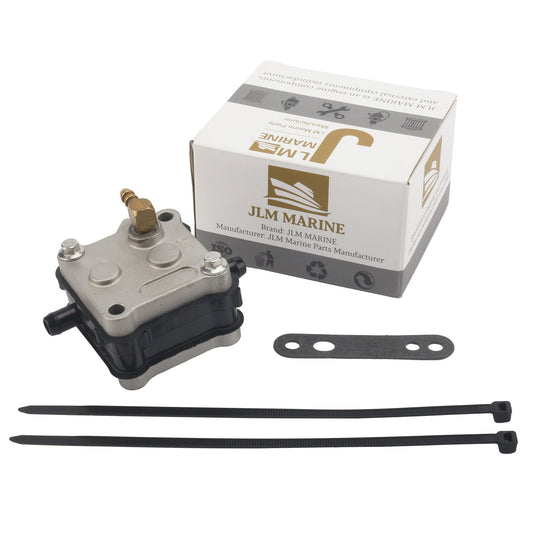
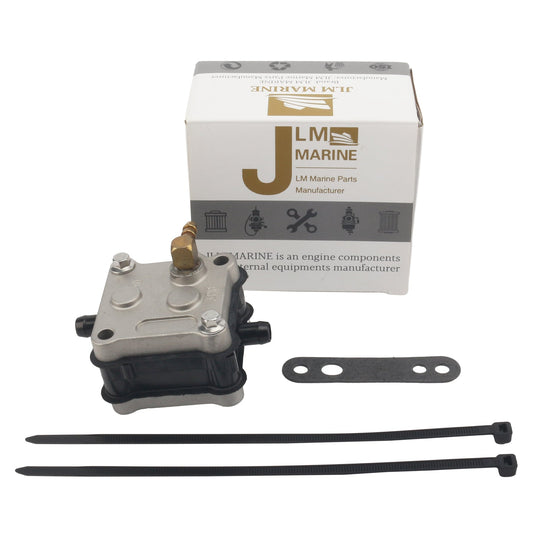
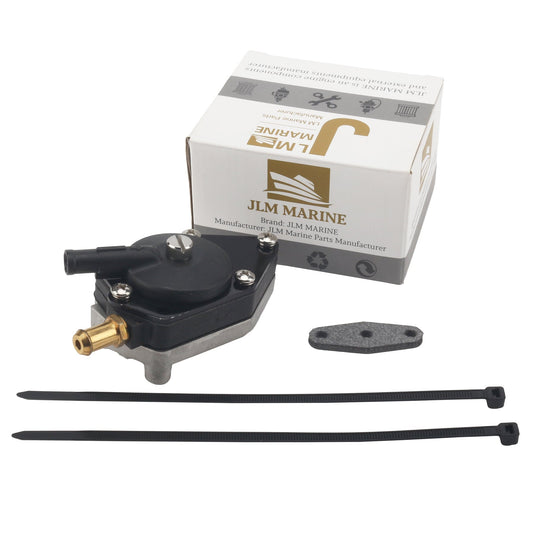
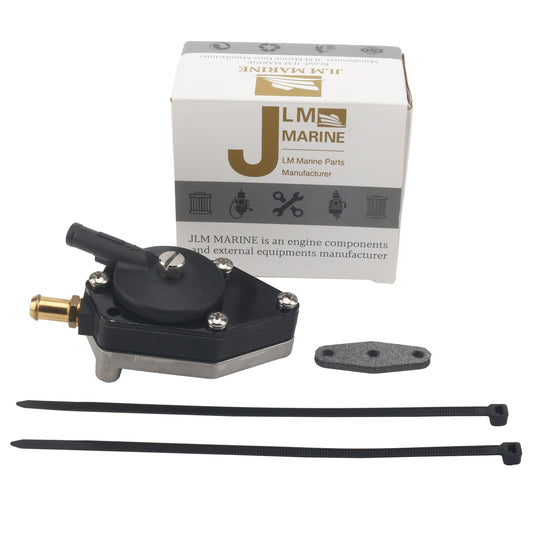
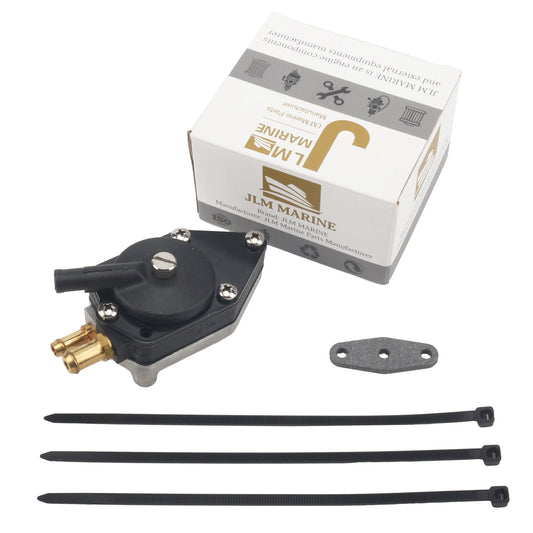
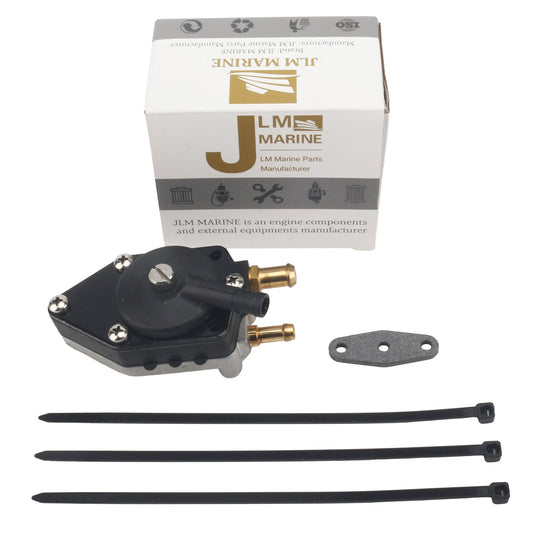
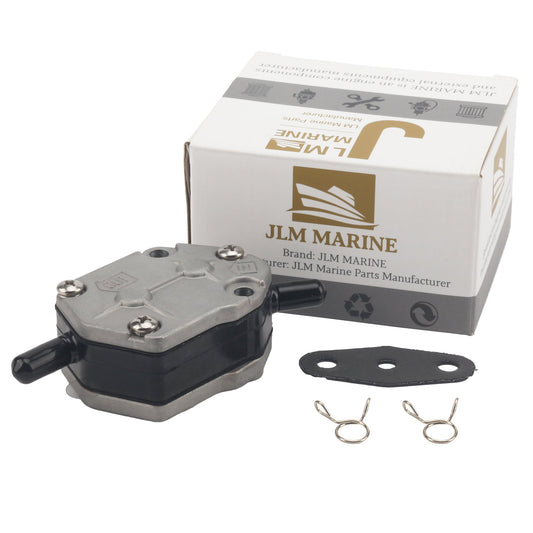
For quality marine parts to keep your boat performing at its best, explore JLM Marine's direct factory boat parts, offering a wide range of components including fuel filters and fuel pumps that help maintain efficient fuel systems.
Pro tip: Check your fuel-water separator's clear bowl before every outing. If you see any sediment or water, drain it immediately. A clean separator prevents water from reaching your engine and keeps fuel flow unrestricted, ensuring efficient combustion and preventing expensive repairs. For more on maintaining your engine's cooling system, see our guide on Johnson/Evinrude Outboard Water Pump Replacement.
Hi—I’m Jim Walker
I grew up in a Florida boatyard, earning pocket money (and a few scars) by rebuilding outboard carbs before I could drive. That hands-on habit carried me through a Ph.D. in mechanical engineering, where I studied how salt water quietly murders metal.
I spent ten years designing cooling systems for high-horsepower outboards, then joined JLM Marine as CTO. We bench-test every new part in the lab, but I still bolt early prototypes onto my own 23-foot skiff for a weekend shake-down— nothing beats real wake and spray for finding weak spots.
Here on the blog I share the fixes and shortcuts I’ve learned so your engine—and your day on the water—run smooth.

Para propietarios de motores fuera de borda:
Para ayudarlo a mantener y reparar sus motores marinos, esperamos que los siguientes recursos puedan serle de utilidad:
-
Bombas de combustible de JLM Marine
-
Kits de bomba de combustible de JLM Marine
- Kit de bomba de combustible
- Kit de bomba de combustible Yamaha
- Kit de bomba de combustible Mercury
- Kit de bomba de combustible Johnson
- Kit de bomba de combustible Evinrude
- Kit de bomba de combustible Suzuki
- Kit de bomba de combustible Honda
- Kit de bomba de combustible Tohatsu
- Kit de bomba de combustible Volvo
Acerca de JLM Marine
Fundada en 2002, JLM Marine se ha consolidado como un fabricante dedicado de piezas marinas de alta calidad, con sede en China. Nuestro compromiso con la excelencia en la fabricación nos ha ganado la confianza de las principales marcas marinas a nivel mundial.
Como proveedor directo, evitamos intermediarios, lo que nos permite ofrecer precios competitivos sin comprometer la calidad. Este enfoque no solo promueve la rentabilidad, sino que también garantiza que nuestros clientes reciban el mejor valor directamente del proveedor.
Estamos entusiasmados de ampliar nuestro alcance a través de canales minoristas, llevando nuestra experiencia y compromiso con la calidad directamente a los propietarios de embarcaciones y entusiastas de todo el mundo.
Bomba de combustible en venta
- $73.50
$88.00- $73.50
- Unit price
- per
- $16.00
- $16.00
- Unit price
- per
- $17.99
$21.00- $17.99
- Unit price
- per

- $21.99
- $21.99
- Unit price
- per

- $18.99
- $18.99
- Unit price
- per

- $45.99
$55.00- $45.99
- Unit price
- per

- $23.59
$28.00- $23.59
- Unit price
- per

- $28.99
$34.00- $28.99
- Unit price
- per

- $21.99
- $21.99
- Unit price
- per
- $46.50
$60.00- $46.50
- Unit price
- per
- $26.80
- $26.80
- Unit price
- per
- $24.80
- $24.80
- Unit price
- per
- $28.90
- $28.90
- Unit price
- per

- $27.77
- $27.77
- Unit price
- per

- $56.99
- $56.99
- Unit price
- per

- $129.95
$155.00- $129.95
- Unit price
- per

- $31.20
$37.00- $31.20
- Unit price
- per

- $129.95
$155.00- $129.95
- Unit price
- per
- $138.00
- $138.00
- Unit price
- per
- $24.80
$45.00- $24.80
- Unit price
- per