



Hull and Prop Cleanliness: The Hidden Key to Saving Fuel
- How Fouling Stages Affect Your Fuel Bill
- Proactive Cleaning vs. Reactive Cleaning
- How Robotic Hull Cleaning Works
- Case Study: Heavy Fouling on a Gulf of Mexico Cruise Ship
- Case Study: Progressive Cleaning Over Seven Months
- Measuring Performance: ISO 19030 and NSTM Ratings
- Propeller Cleaning: The Other Half of the Equation
- Combined Hull and Propeller Cleaning: The Full Picture
- Environmental Impact Beyond Fuel Savings
- When Proactive Cleaning Doesn't Make Sense
- What to Track Before Implementing a Cleaning Program
- Limitations of Robotic Systems on Barnacle Removal
- Cost Structure: Robotic Cleaning vs. Dry Dock
- Future of Hull Cleaning Technology
- FAQ: Proactive Hull Cleaning and Fuel Efficiency
- Sources
After twenty years wrenching on outboards, I can tell you this: fuel efficiency isn't just about what's happening inside the powerhead. Half the battle is what's happening outside the hull.
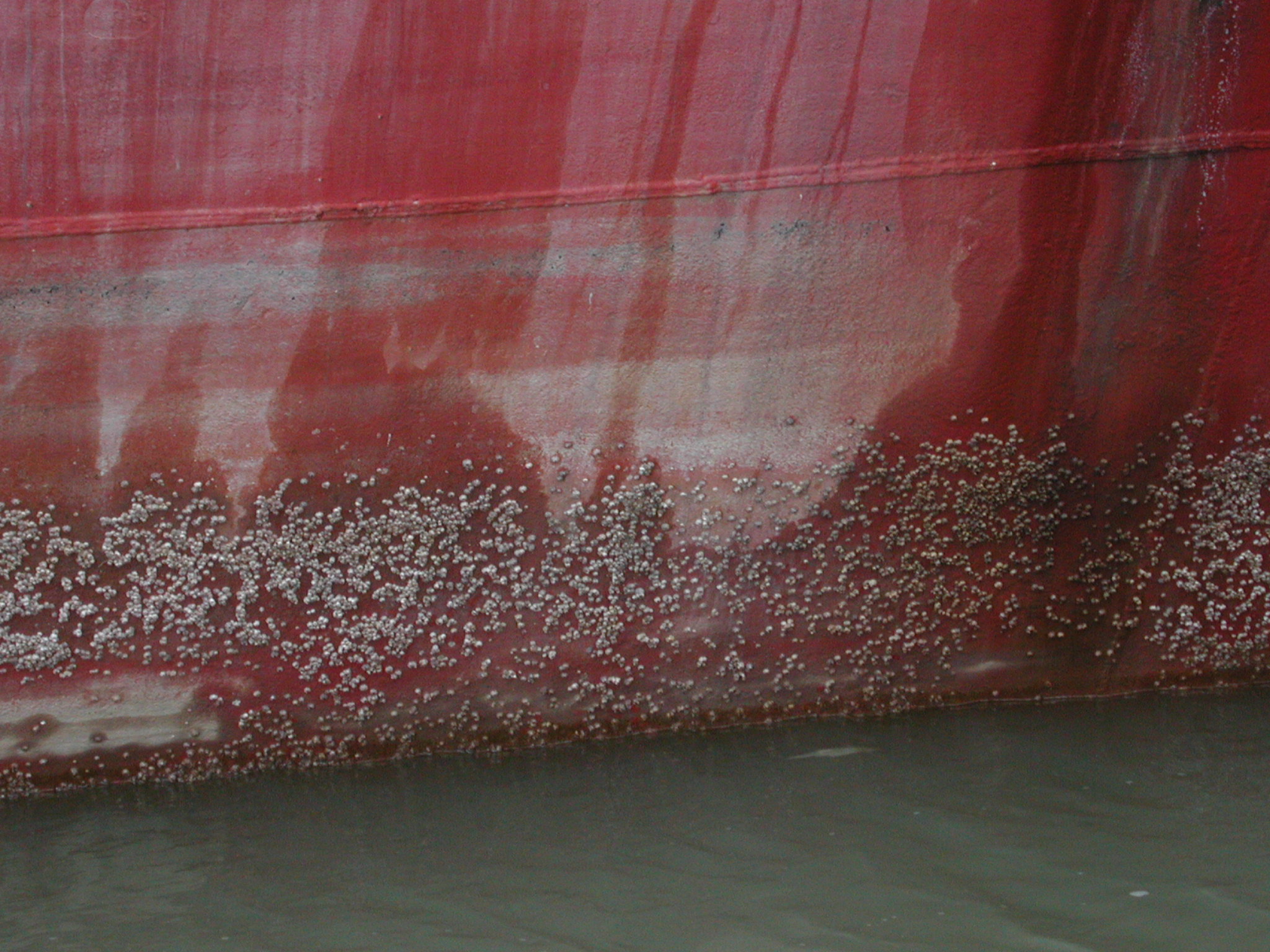
Ship managers spend serious money chasing efficiency gains through route optimization and engine tuning. But biofouling—that layer of slime, algae, and barnacles growing on your underwater surfaces—is quietly eating your fuel budget. Light slime alone can increase fuel consumption by up to 20%, and heavy calcareous fouling pushes that penalty to 85%. One commercial vessel saw a 38% spike in fuel consumption just by deferring a scheduled cleaning.
The International Maritime Organization set a 2030 target for 20% emissions reduction. You can hit part of that goal just by keeping your hull clean.
How Fouling Stages Affect Your Fuel Bill
Fouling isn't binary. It progresses, and each stage hits your fuel consumption differently.
Microfouling starts as biofilm—a microscopic slime layer you can't always see but can feel if you run your hand along the hull. This early-stage buildup creates surface roughness that disrupts laminar flow. Even at this stage, you're looking at fuel penalties around 20%.
Macrofouling is the visible stuff: green algae, tube worms, bryozoans, barnacles. When barnacle coverage exceeds 10%, resistance spikes hard enough to require 36% more shaft power just to hold your speed through the water. This is where you start seeing 40% to 85% fuel penalties.
The problem compounds. Biofilm acts as an adhesive base layer for larger organisms. Skip the early cleaning, and you're not just dealing with slime anymore—you're dealing with calcareous fouling that's bonded to your coating.
Proactive Cleaning vs. Reactive Cleaning
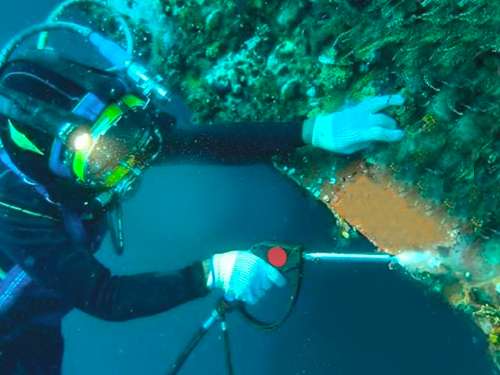
Most operators still work on a reactive schedule: wait until performance drops, then haul out for dry-dock cleaning. That approach has two problems.
First, you're burning extra fuel the entire time fouling accumulates. Second, aggressive dry-dock cleaning—especially with stiff brushes or pressure washing—damages antifouling coatings. Those coatings aren't cheap, and once you've abraded them down, you're recoating sooner than planned.
Proactive cleaning flips the model. Instead of waiting for heavy fouling, you clean frequently with gentle methods that remove biofilm before it becomes a structural problem. This keeps drag low, protects your coatings, and cuts the need for expensive haul-outs.
The fuel savings are measurable. Hapag-Lloyd ran a 17-month trial with proactive hull cleaning on two container carriers. One vessel—an 18,800 TEU ship—saw a 16% improvement in fuel efficiency. The other, an 8,749 TEU vessel, gained 5%. That 16% improvement is equivalent to removing the emissions of nearly 5,000 cars.
How Robotic Hull Cleaning Works

Modern proactive cleaning relies on robotic systems that operate in-water during port calls. These aren't the hull-scraping ROVs from ten years ago. Current designs use soft nylon bristle brushes designed specifically for fouling control coatings.
Take the EverClean system as an example. The robot operates with a 0.7-meter swath width, cleaning at a rate that allows full hull service within a typical port call. It captures video and positional data as it works, building a hull condition map that tracks fouling development over time.
The soft bristles handle biofilm and algae effectively. They'll knock off light slime without gouging your coating. But they have limits—calcareous fouling like barnacles and tube worms won't budge with nylon brushes. If you've let fouling progress to that stage, you'll need mechanical removal or a trip to dry dock.
That's the trade-off with proactive systems: they only work if you use them before heavy fouling sets in. Once barnacles have a foothold, you're past the maintenance window.
Case Study: Heavy Fouling on a Gulf of Mexico Cruise Ship
Greensea IQ documented a cleaning operation on a cruise ship operating in the Gulf of Mexico and Caribbean—warm water, high biofouling pressure. At the time of service, the hull was covered with encrusting bryozoans, tube worms, and heavy green algae.
The EverClean robot removed the slime and algae but couldn't dislodge the calcareous fouling. Even so, the powering performance improved by 2.5%. Over the next 90 days, the vessel saved approximately 80 metric tons of fuel and reduced CO2 emissions by 256 metric tons.
This case shows that even partial cleaning delivers returns. You don't need a pristine hull to see fuel savings—you just need to reduce drag enough to lower the engines' workload.
Case Study: Progressive Cleaning Over Seven Months
The second vessel in the Greensea study used a different approach: 19 port-call cleanings over seven months. This vessel never developed heavy fouling because the robot kept hitting it before biofilm could establish.
Powering performance improved progressively: 9% after four months, 12% after six months, and nearly 20% after seven months. Total fuel savings over the period: 320 metric tons. CO2 reduction: 1,024 metric tons.
The difference between the two vessels is clear: consistent maintenance beats reactive intervention. The second ship never gave fouling a chance to settle, and the compounding efficiency gains proved it.
Measuring Performance: ISO 19030 and NSTM Ratings
You can't improve what you don't measure. The shipping industry uses two main frameworks to track hull performance.
ISO 19030 is the international standard for measuring hull and propeller performance. It provides a methodology for tracking how fouling and cleaning affect powering requirements over time. The standard accounts for variables like draft, weather, sea state, and speed, so you're comparing apples to apples when you calculate fuel savings.
ISO 19030 isn't perfect—it requires consistent data logging and careful normalization of environmental conditions. If you don't control for a storm that hit during your measurement period, your data's garbage. But when applied correctly, it isolates the true impact of hull condition on fuel consumption.
The Naval Ships Technical Manual (NSTM) fouling rating scale gives you a visual, section-by-section assessment of fouling severity. It's a standardized way to document what you're seeing on the hull—whether that's light slime, patchy algae, or heavy barnacle coverage. Divers or ROV operators use this scale to create before-and-after records that justify cleaning intervals.
Between the two, ISO 19030 tells you how much fuel you're wasting, and NSTM tells you why.
Propeller Cleaning: The Other Half of the Equation

Hull fouling gets most of the attention, but propeller fouling is just as destructive. A fouled propeller disrupts hydrodynamic efficiency, creating turbulence and cavitation that waste energy.
Regular propeller polishing delivers immediate fuel savings of 2% to 5%. With consistent maintenance, that range climbs to 2.5% to 8%.
One documented case: a 134-meter cruise ship had its propeller cleaned mid-voyage. Over the next 30-hour trip, the vessel saved $2,100 in fuel costs—a 5% reduction in consumption.
The Hydrex method—frequent, lighter buffing rather than aggressive grinding—maintains that efficiency over time without removing material from the blades. Traditional polishing can be too aggressive, thinning the blades and shortening their service life.
Combined Hull and Propeller Cleaning: The Full Picture
A hull-only cleaning gets you partway there. Add propeller maintenance, and the savings stack.
Propulsion Dynamics studied an Aframax tanker running a combined cleaning program over five years. Three propeller cleanings plus one hull cleaning reduced mean added resistance from 44% to 31%. Daily fuel consumption dropped from 52 tons (laden) and 46 tons (ballast) to 47.3 tons and 42.3 tons, respectively. Total savings over five years: US$2.2 million.
Bump the propeller cleanings to nine over the same period, and savings climb to US$2.4 million.
The lesson: hull and propeller efficiency are linked. Clean one and ignore the other, and you're leaving money on the table.
Environmental Impact Beyond Fuel Savings
Lower fuel consumption means lower emissions, but the numbers are worth spelling out.
Odfjell's 2023 data showed that hull cleaning reduced CO2 emissions by 6 to 8 tons per day per vessel. Over six months, that's 600 to 800 tons of CO2 per ship.
The IMO's biofouling study found that even a 0.5mm slime layer covering half the hull increases greenhouse gas emissions by 20% to 25%. For a large vessel burning hundreds of tons of fuel per day, that's a massive penalty.
Proactive cleaning doesn't just save money—it's one of the few interventions that pays for itself while reducing your environmental footprint. For those interested in exploring efficient marine parts and accessories to further optimize vessel performance, consider checking out the JLM Marine accessories collection for quality solutions to complement your maintenance routine.
When Proactive Cleaning Doesn't Make Sense
Proactive robotic cleaning isn't a universal solution. It works best under specific conditions.
High-fouling environments: If you're operating in tropical waters with extreme biofouling pressure and can't maintain a frequent cleaning schedule, you may hit heavy calcareous fouling before the next port call. At that point, the robot can't help—you need mechanical removal.
Incompatible coatings: Older silicone-based or ablative coatings may not respond well to repeated brush cleaning. Some coatings are designed to erode gradually, releasing biocides as they wear. Frequent brushing can accelerate that wear beyond the design intent.
Port restrictions: Many ports ban in-water cleaning due to biosecurity concerns. Regulations vary by region, but if your route doesn't include ports that allow robotic cleaning, logistics become a problem.
Low-speed vessels: Ships that operate at very low speeds don't see the same fuel penalty from fouling as high-speed vessels. The economic case for frequent cleaning is weaker.
Proactive cleaning works best for vessels with:
- Regular port calls in cleaning-friendly jurisdictions
- Modern fouling control coatings
- Moderate to high operating speeds
- Access to performance monitoring systems
If those conditions don't apply, traditional dry-dock cleaning may still be the practical choice.
What to Track Before Implementing a Cleaning Program
If you're considering a proactive cleaning program, you need baseline data first. Without it, you can't prove ROI or optimize your cleaning intervals.
Fuel consumption baseline: Log your current fuel consumption under controlled conditions. Normalize for speed, draft, weather, and sea state. You need at least 30 days of clean data to establish a reliable baseline.
Hull coating type and age: Know what's on your hull and when it was last applied. Different coatings respond differently to cleaning methods. If your coating is near the end of its service life, plan for recoating before starting a cleaning program.
Fouling development rate: If possible, document fouling accumulation over a 90-day period. This tells you how often you'll need to clean to stay ahead of the curve.
Port call schedule: Identify which ports on your route allow in-water cleaning. If your schedule doesn't align with cleaning-friendly ports, you'll need to adjust logistics or consider alternative methods.
Operational constraints: Know your departure windows. If a port call is only 12 hours and the cleaning takes 18, it doesn't matter how good the system is—it won't work for your schedule.
Collect this data before you talk to a service provider. It saves time and ensures you're making decisions based on your vessel's actual operating profile, not generic marketing claims.
Limitations of Robotic Systems on Barnacle Removal
Soft nylon brushes are effective on biofilm and algae. They're not effective on barnacles.
Barnacles secrete a protein-based adhesive that's stronger than most commercial epoxies. Once they've cemented themselves to the hull, you need mechanical force to remove them—scrapers, high-pressure water, or abrasive pads. Soft brushes won't cut it.
This creates a maintenance window. If you clean every 60 to 90 days and catch fouling in the biofilm stage, robotic systems work fine. If you wait six months and barnacles have colonized, you've missed the window. At that point, you're back to traditional cleaning methods.
The best approach: use robotic cleaning as preventive maintenance, not corrective maintenance. Once you've got barnacles, you need a different tool.
Cost Structure: Robotic Cleaning vs. Dry Dock
Dry-dock cleaning costs vary widely, but for a mid-sized commercial vessel, expect $50,000 to $150,000 per haul-out, including hull cleaning, coating inspection, and minor repairs. Add recoating, and you're well over $200,000.
Robotic in-water cleaning typically costs $5,000 to $15,000 per service, depending on vessel size and fouling level. If you're cleaning every 90 days, that's $20,000 to $60,000 per year.
Compare that to the fuel savings. The second Greensea case study—320 tons of fuel saved over seven months—translates to roughly $192,000 in fuel cost savings at $600 per ton. Subtract the cost of 19 cleanings (roughly $100,000 to $150,000), and you're still ahead by $40,000 to $90,000, plus you've extended the life of your hull coating and deferred the next dry-dock cycle.
The ROI depends on fuel prices, vessel speed, and fouling rate, but in most cases, proactive cleaning pays for itself within the first year.
Future of Hull Cleaning Technology
The shift toward automated, in-water cleaning is accelerating. We're seeing new sensor technologies that detect fouling in real time, allowing operators to schedule cleanings based on actual hull condition rather than fixed intervals.
Machine learning algorithms are starting to predict fouling rates based on environmental data—water temperature, salinity, vessel speed, and time in port. This lets you optimize cleaning schedules dynamically, cleaning only when necessary rather than on a rigid calendar.
Brush materials are improving too. Newer polymer composites are gentler on coatings while maintaining cleaning effectiveness. Some systems are experimenting with ultrasonic cleaning heads that disrupt biofilm adhesion without mechanical contact.
The IMO's biofouling guidelines are pushing the industry toward better hull management, and that regulatory pressure is driving innovation. Expect to see more efficient, more data-driven cleaning systems in the next five years.
FAQ: Proactive Hull Cleaning and Fuel Efficiency
How often should I clean my hull to maintain fuel efficiency?
It depends on your fouling rate, which varies by water temperature, operating speed, and time in port. As a baseline, cleaning every 60 to 90 days keeps most vessels ahead of macrofouling. Monitor your fuel consumption—if you see a 3% to 5% increase over your baseline, it's time to clean.
Can robotic hull cleaning damage my antifouling coating?
Not if the system is designed correctly. Modern robotic cleaners use soft nylon or polymer brushes with controlled pressure. These materials remove biofilm without abrading the coating. Aggressive cleaning with stiff brushes or high-pressure water will damage coatings, which is why dry-dock cleaning often shortens coating life.
What are the fuel and emissions savings I can expect?
It varies. Light fouling (biofilm and algae) typically costs you 10% to 20% in fuel efficiency. Heavy fouling (barnacles and calcareous organisms) can push that to 40% or higher. Cleaning returns you to baseline. The Greensea case studies showed gains ranging from 2.5% (partial cleaning on a heavily fouled hull) to 20% (consistent proactive cleaning). Emissions reductions scale with fuel savings—roughly 3.2 tons of CO2 per ton of fuel saved.
Is proactive cleaning suitable for all vessel types?
No. It works best for vessels with modern fouling control coatings, regular port calls, and moderate to high operating speeds. Vessels operating in ports with strict biosecurity regulations may not be able to clean in-water. Slow-speed vessels see smaller fuel penalties from fouling, so the economic case is weaker.
How long does a robotic cleaning take?
For a mid-sized commercial vessel, a full hull cleaning typically takes 12 to 24 hours, depending on hull size and fouling level. Most services schedule cleanings during port calls to minimize operational disruption. If your port call is shorter than the cleaning window, you'll need to coordinate logistics in advance.
What regulations apply to in-water hull cleaning?
Regulations vary by port and country. Some jurisdictions ban in-water cleaning entirely due to concerns about releasing invasive species or biocides into the water. Others require containment systems (catch bags or vacuums) to capture removed material. Check local regulations before scheduling a cleaning. The IMO's biofouling guidelines provide a framework, but enforcement is handled at the port level.
After two decades working on boats, here's my practical tip: check your hull's waterline for slime buildup every time you're in port. If you can feel a slick layer when you run your hand along the surface, you've got biofilm starting. That's your signal to schedule a cleaning before it progresses to macrofouling.
For additional tips on maintaining your outboard motor's performance and fuel efficiency, visit the JLM Marine homepage to explore trusted marine parts and accessories designed to keep your vessel running smoothly.
Sources
- DNV: Improve Environmental Performance with a Ship-Specific Biofouling Management Plan
- UMS Florida: Hidden Costs Hull Cleaning: Real Case Studies & Data
- International Maritime Organization: Impact of Ships' Biofouling on Greenhouse Gas Emissions
- Selektope: New Study Confirms Barnacle Biofouling is a Big Burden
- Peterson Energy Logistics: Hull Cleaning and Decarbonisation
- Greensea IQ: Powering and Fuel Consumption Impact of EverClean Service on Two Vessels
- Nereus Subsea: How Propeller Polishing Impacts Fuel Efficiency
- Vessel Performance Info: Hydrex Propeller Cleaning Method Generates 5% Fuel Savings
- Riviera Maritime Media: How to Achieve a 'Clean' Fuel Saving of US$2M Between Dry Dockings
- Odfjell: Enhancing Vessel Performance: The Critical Role of Hull Cleaning
- JLM Marine Accessories Collection
- JLM Marine Homepage
Hi—I’m Jim Walker
I grew up in a Florida boatyard, earning pocket money (and a few scars) by rebuilding outboard carbs before I could drive. That hands-on habit carried me through a Ph.D. in mechanical engineering, where I studied how salt water quietly murders metal.
I spent ten years designing cooling systems for high-horsepower outboards, then joined JLM Marine as CTO. We bench-test every new part in the lab, but I still bolt early prototypes onto my own 23-foot skiff for a weekend shake-down— nothing beats real wake and spray for finding weak spots.
Here on the blog I share the fixes and shortcuts I’ve learned so your engine—and your day on the water—run smooth.

Para propietarios de embarcaciones:
Para ayudarlo a mantener y reparar sus motores marinos, esperamos que los siguientes recursos puedan serle de utilidad:
- Guía de números de serie de Mercury
- Manuales del propietario de Mercury
- Guía de referencia oficial de números de modelo en formato PDF de BRP
- Guía de números de serie de Johnson
-
Accesorios para barcos de JLM Marine
Acerca de JLM Marine
Fundada en 2002, JLM Marine se ha consolidado como un fabricante dedicado de piezas marinas de alta calidad, con sede en China. Nuestro compromiso con la excelencia en la fabricación nos ha ganado la confianza de las principales marcas marinas a nivel mundial.
Como proveedor directo, evitamos intermediarios, lo que nos permite ofrecer precios competitivos sin comprometer la calidad. Este enfoque no solo promueve la rentabilidad, sino que también garantiza que nuestros clientes reciban el mejor valor directamente del proveedor.
Estamos entusiasmados de ampliar nuestro alcance a través de canales minoristas, llevando nuestra experiencia y compromiso con la calidad directamente a los propietarios de embarcaciones y entusiastas de todo el mundo.
Accesorios para barcos en oferta
- $37.99
$45.99- $37.99
- Unit price
- per
- $34.99
- $34.99
- Unit price
- per
- $128.99
- $128.99
- Unit price
- per

- $25.30
$30.00- $25.30
- Unit price
- per


- $34.99
$41.99- $34.99
- Unit price
- per

- $32.50
$31.00- $32.50
- Unit price
- per

- $139.99
- $139.99
- Unit price
- per


- $45.00
- $45.00
- Unit price
- per
-
Rojo
-
Azul

- $28.50
$29.00- $28.50
- Unit price
- per

- $159.99
- $159.99
- Unit price
- per


- $105.00
- $105.00
- Unit price
- per


- $34.99
$41.99- $34.99
- Unit price
- per


- From $68.00
- From $68.00
- Unit price
- per
-
Plata
-
Azul
-
Rojo


- $34.99
$41.99- $34.99
- Unit price
- per

- $59.95
$71.00- $59.95
- Unit price
- per

- $59.99
$71.00- $59.99
- Unit price
- per


- $34.99
$41.99- $34.99
- Unit price
- per

- $65.50
$78.00- $65.50
- Unit price
- per

- $67.00
$65.00- $67.00
- Unit price
- per

- $19.99
- $19.99
- Unit price
- per