

Cavitation vs Ventilation: Why Your Prop Isn’t Gripping Water
- Cavitation Explained: The Physics of Vapor Bubbles
- What is Ventilation and How is it Different?
- The Impact of Boat Hull Condition on Performance Problems
- Step-by-Step Guide to Diagnosing Prop Slip
- Preventive Measures to Extend Engine Life and Save Fuel
- Frequently Asked Questions About Boat Cavitation and Ventilation
- Sources

If your engine screams but the boat barely moves, your propeller isn't gripping water. Two things cause this: cavitation and ventilation. They're different problems requiring different fixes.
Cavitation Explained: The Physics of Vapor Bubbles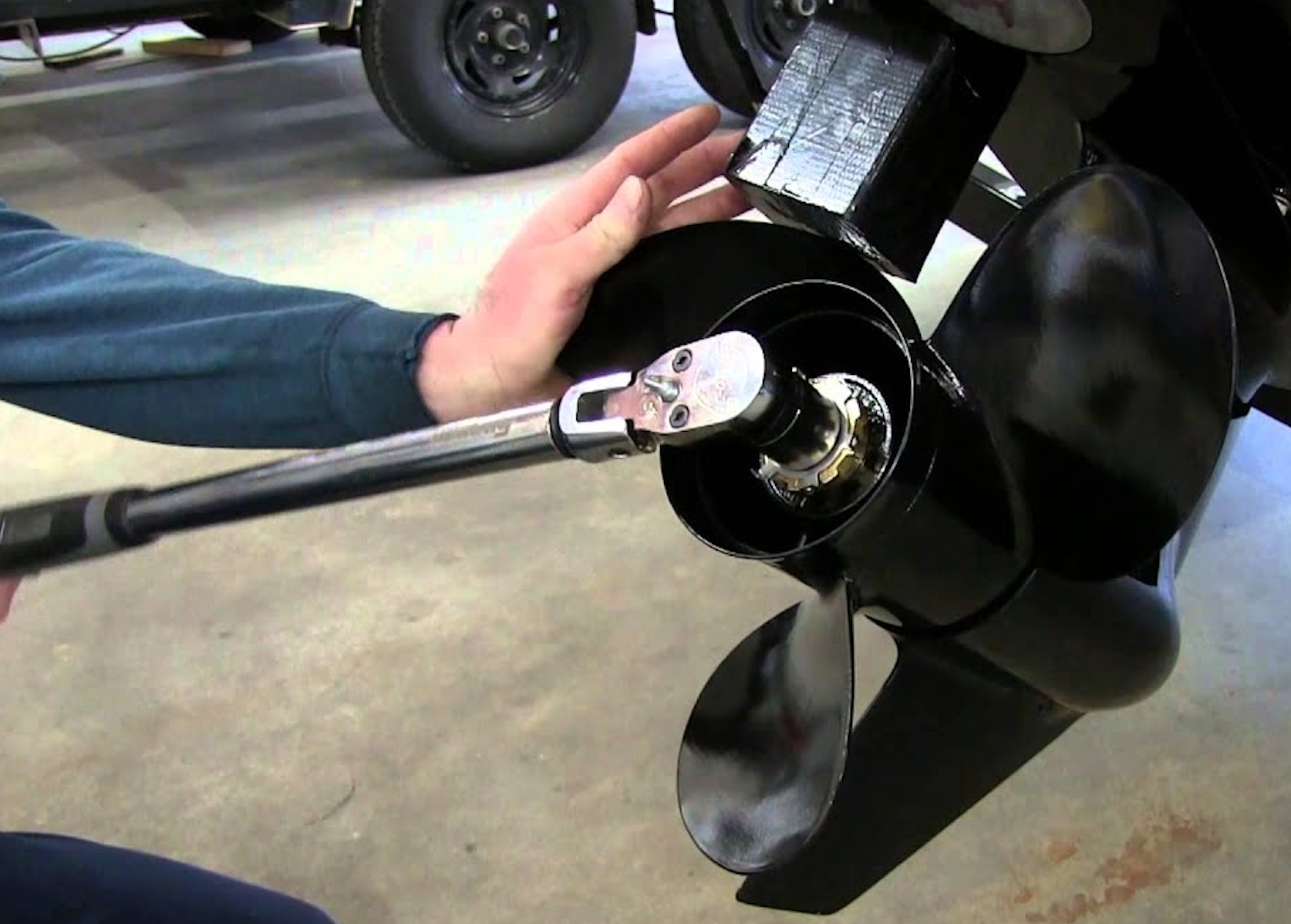
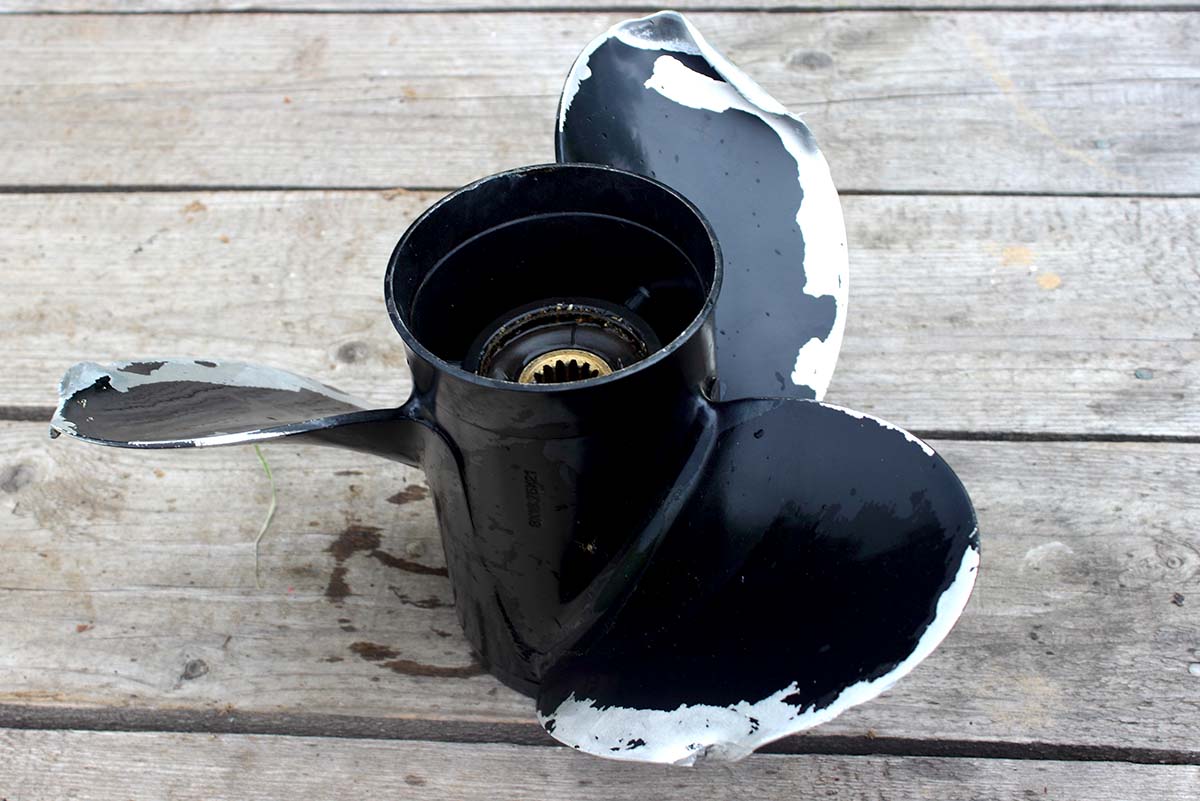
Cavitation happens when pressure on the back of your propeller blade drops so low that water boils at normal operating temperature, forming vapor bubbles. When those bubbles hit higher-pressure areas, they collapse violently—thousands of tiny explosions pitting and eroding your blade surface. Doug Innes, an RYA Advanced Powerboat Trainer, describes the damage: "As these bubbles meet the blade of your propeller and implode, they give off a shock wave of energy which can cause damage to the surface of the propeller blade. The damage is often described as pitting and can feel and appear a bit like the surface of orange peel."
How Cavitation Occurs on Propeller Blades
Propellers create thrust through pressure differences: low pressure on the front pulls water, high pressure on the back pushes it. Cavitation starts when that low pressure becomes too low, typically near the leading edges or blade tips where pressure changes hit hardest. Water boils at 100°C normally, but at 23.7 millibars of pressure, it boils at just 20.5°C.
Blade imperfections accelerate this. A nick from a rock, a bent tip from a dock hit, even general wear—all disrupt smooth water flow. Instead of laminar flow, you get turbulence behind the damaged spot, creating low-pressure pockets where vapor bubbles form. Guys who sharpen leading edges thinking they'll gain speed usually make cavitation worse by disrupting the blade geometry that maintains proper flow adhesion.
Effects of Damaged Propeller Blades on Cavitation
Damaged blades directly cause cavitation. That small ding you ignored creates rough spots that break laminar flow, generating turbulent low-pressure zones. We assess over 500 propellers annually at JLM Marine, and cavitation accounts for roughly 30% of performance complaints traced to blade damage.
MIT and Sharrow Marine testing showed that redesigned toroidal propellers addressing cavitation doubled speed at lower RPMs and cut fuel consumption by 20%, proving how critical proper blade geometry is to maintaining water grip. For quality replacement or repair, consider exploring our Inboard & Outboard Motor Parts collection to find OEM-spec propellers designed to minimize cavitation.
Specific Cavitation Damage Criteria
When deciding repair versus replacement, use these thresholds:
- Replace if: blade area loss exceeds 10%, cracks extend within 1 inch of the hub, or pitting covers more than 25% of any single blade face
- Repairable if: nicks are isolated, bends don't exceed 5 degrees from original pitch, and surface pitting is shallow (less than 1mm deep)
- Marginal cases: if you can slide a credit card under a bent section gap, it's within tolerance; if a pencil fits, it's a defect requiring correction
Professional repair must restore original pitch within 0.5 degrees and balance within 0.5 ounces to prevent recurring cavitation.
What is Ventilation and How is it Different?
Ventilation happens when air or exhaust gases get sucked into the propeller blades instead of solid water. Thomas P from BoatTEST explains: "Ventilation is the result of the entrance of air or exhaust gases (they are drawn into propeller blades) between and around the propeller blades. This leads to a sudden reduction of water load on the blades, an increase in engine rpm and the loss of the propeller's grip on the water." The prop spins in air, causing RPM to spike while speed drops—like spinning tires on ice.
Common Causes of Ventilation
Several conditions allow air to reach your prop:
- Engine height/trim: Excessive trim or too-high mounting lifts the prop near the surface where air intrudes
- Lower unit damage: Scratches, nicks, or holes in the housing create pathways for air entry
- Hull disturbances: Improperly positioned transducers, damaged trim tabs, or hull gouges near the transom disrupt water flow, allowing air pockets
- Sharp maneuvers: Hard turns at speed can temporarily expose the prop to surface air
- Exhaust leaks: Cracks in the lower unit housing near the prop shaft let exhaust gases contaminate the water stream
A CFD case study on the PPTC propeller measured power losses during air suction, showing asymmetric loading between blade sections in water versus air—direct evidence of ventilation's grip-killing effect.
Anti-Ventilation Plates and Their Role
The flat plate above your propeller—the anti-ventilation plate—blocks surface air from being drawn down, especially when trimmed up. It prevents ventilation, not cavitation. Cavitation originates from pressure on the blade itself; no plate stops that.
Some aftermarket hubs feature ported versus solid designs:
- Ported hubs: allow exhaust flow through the hub center, reducing back-pressure but potentially allowing exhaust gases near blades during certain conditions
- Solid hubs: completely block exhaust pathways through the hub, minimizing exhaust-gas ventilation but creating slightly higher exhaust back-pressure
Look for hub kits with rubber inserts that seal exhaust paths—these reduce ventilation risk from exhaust leaks.
The Impact of Boat Hull Condition on Performance Problems
Hull damage near the transom disrupts water flow to the prop, causing ventilation. Deep gouges from oyster reefs or rocks create turbulence that diverts clean water away from the propeller disk, allowing air intrusion.
Two hull shapes cause major issues:
- Hook: A concave curvature at the stern forces water downward as it leaves the hull, creating upward lift on the transom. This pulls the prop closer to the surface, increasing ventilation risk during acceleration or trim-up
- Rocker: A convex upward bow at the stern leads to porpoising—erratic pitching at speed. While not directly causing ventilation, porpoising indicates hull instability that disrupts consistent water delivery to the prop
Weight distribution compounds these problems. Batteries mounted too far aft, or passengers seated near the transom, can falsely mimic a hull "hook" by forcing the stern down and bow up. Before assuming structural damage, redistribute weight and retest.
Diagnosing Hull Problems Affecting Propeller Performance
Check the hull bottom within five feet forward of the transom:
- Visual inspection: Look for deep cracks, gouges, or uneven areas
- Hand test: Run your palm along the hull curve—it should feel smooth and continuous. A "hook" feels like a spoon's curve against your palm, dipping downward. A "rocker" feels like the hull curves upward
- Straight-edge test: Lay a long, straight board (6-8 feet) lengthwise along the hull bottom. Gaps you can see or feel underneath indicate shape defects:
- Credit card fits: Within tolerance
- Pencil fits: Defect requiring correction
Soot trails near the transom or around lower unit mounting bolts indicate exhaust leaks, another ventilation source.
Step-by-Step Guide to Diagnosing Prop Slip

When you get high RPMs with slow speed, start here. Don't assume it's a blown hub—that specific failure feels like slipping in neutral, with zero bite. Follow this sequence from most to least likely:
1. Inspect Your Propeller
Pull the boat out. Rotate the prop by hand and check every blade, root to tip:
- Look for: nicks, bends, cracks, pitting, erosion resembling orange-peel texture
- Spin test for bent shaft: With the prop removed, spin the prop shaft by hand. It should rotate smoothly with slight, consistent resistance. "Chunkiness" or binding indicates internal gear damage or a bent shaft
- Minor damage: Small isolated nicks under 5mm can sometimes be filed smooth with a fine metal file, then sanded. Maintain the original blade curve
- Significant damage: Replacement is safer. At JLM Marine, we ship factory-spec props globally—same quality as OEM without dealership markup. You can browse our Inboard & Outboard Motor Parts collection for a wide selection of high-quality propellers.
2. Examine the Lower Unit Housing
Check for air entry points:
- Housing damage: Look for scratches, gouges, or small holes around the prop area, especially near the exhaust ports
- Exhaust ports: Ensure they're clear. Blockages force exhaust gases toward the prop
- Leak test: With the engine off, look for soot trails or corrosion around the prop shaft seal and lower unit mounting bolts—signs of exhaust or water intrusion
- Sound check: When turning the prop by hand, listen for grinding or clicking inside the lower unit. Healthy gears produce a soft, consistent whir
3. Check for Hull Disturbances
Anything that disrupts water flow can cause issues:
- Transducers and fittings: Are they flush-mounted or protruding into the water stream? Even a transducer 6 inches forward of the prop can create turbulence
- Trim tabs: Check for bent, damaged, or misaligned tabs
- Hull bottom: Re-examine the transom area for damage as described above
4. Consider Engine Trim and Height
If problems worsen during turns or at higher speeds:
- Trim adjustment: Reduce trim (trim the engine down) and retest. Excessive trim lifts the prop toward the surface
- Engine height: If mounted too high, the prop rides shallow. Proper height typically places the anti-ventilation plate 1-2 inches below the boat bottom at the transom for most recreational hulls (check your engine manufacturer specs)
5. Rule Out Mechanical Issues
Check lower unit oil for contamination:
- Milky oil: Water intrusion, indicating seal failure or cracked housing
- Metallic flakes: Gear damage
- Low level: Leak requiring immediate repair
If/Then Quick-Route Table
| Symptom | Check First |
|---|---|
| Grinding noise at specific RPM + gradual power loss | Cavitation → Inspect blades for damage/pitting |
| Sudden RPM spike + immediate speed drop | Ventilation → Check trim, engine height, hull disturbances |
| Engine revs but zero thrust (feels like neutral) | Spun hub → Perform hub marking test (mark hub and prop, run engine, check if marks separate) |
| Vibration increasing over time + visible blade pitting | Advanced cavitation → Replace propeller |
| Problem only in sharp turns | Ventilation → Reduce speed in turns, check engine height |
Preventive Measures to Extend Engine Life and Save Fuel
Driving carefully is the first defense. Watch for shallow water and submerged rocks, especially in unfamiliar areas. Hitting debris damages your prop and hull, creating cavitation and ventilation entry points.
Regular inspections: Every 10 hours of operation or weekly during heavy use, visually check your prop blades. Look for new nicks or bends. Early detection prevents minor damage from becoming a major cavitation problem.
Avoid modification myths: Sharpening leading edges sounds like a performance trick, but it disrupts the blade's boundary layer interaction—the thin film of water that adheres to the blade surface. Factory leading edges are slightly rounded (typically a 0.5-1mm radius) to maintain smooth water molecule adhesion. Sharpening creates a knife edge that breaks adhesion, causing turbulent separation and localized low-pressure zones. Physics, not folklore.
Distinguish pitting types: Not all blade damage is cavitation. Here's how to tell:
- Cavitation burn: Deep, sharp-edged pits clustered near blade edges or tips, often with a "cratered" appearance
- Galvanic corrosion: White powdery residue or broad, shallow erosion across the entire blade surface, indicating electrolysis from improper grounding or dissimilar metals
Information needed before replacement: Before ordering a new prop, write down:
- Current RPM at wide-open throttle (WOT)
- Engine model and year
- Current propeller pitch, diameter, and material
- Boat length, weight, and typical load
This helps us match the correct prop to your setup, avoiding repeat issues. Check our Boat Accessories collection for tools and parts that help with installation and maintenance.
Next Steps for Hull Issues
If you find a "hook" or "rocker," a new prop won't fix it. Contact:
- Fiberglass specialist: For composite hull repairs and reshaping
- Marine surveyor: For structural assessment if the deformity is severe or you suspect internal damage
- Boat manufacturer: Some hull shape issues are covered under warranty if the boat is newer
At JLM Marine, our job isn't just selling parts—it's making sure you don't buy the wrong part for a hull problem. For all your marine part needs, visit our JLM Marine HUB to browse our full range of quality products and expert advice.
Frequently Asked Questions About Boat Cavitation and Ventilation
What is the difference between boat propeller cavitation and ventilation?
Cavitation is water boiling into vapor bubbles due to extreme low pressure on blade surfaces, causing erosion. Ventilation is air or exhaust gases being sucked into the propeller, causing sudden loss of grip. Cavitation damages blades; ventilation over-revs the engine without direct blade harm.
How do I know if my boat has cavitation problems?
Listen for grinding or vibrating noise at specific RPMs. You'll notice gradual thrust loss over time. Inspect your prop—cavitation leaves visible pitting and erosion resembling orange-peel texture, typically near blade edges or tips.
Can damaged propeller blades be repaired to prevent cavitation?
Yes, if damage is minor: isolated nicks under 10% blade area loss, bends under 5 degrees, and shallow pitting (under 1mm deep). Professional repair must restore original pitch within 0.5 degrees and balance within 0.5 ounces. Severe damage—cracks near the hub, deep pitting over 25% of blade area—requires replacement for reliable performance.
Does ethanol in fuel cause cavitation on boats?
No. Ethanol does not cause cavitation. Cavitation is a pressure and fluid dynamics problem on propeller blades, unrelated to fuel composition. Ethanol can cause other engine issues (fuel system corrosion, phase separation), but not cavitation.
How does hull damage contribute to ventilation issues?
Hull gouges, improper fittings, or shape defects (hook/rocker) near the transom disrupt smooth water flow to the propeller. This turbulence diverts water away from the prop disk, allowing surface air to intrude and causing ventilation, especially during acceleration or turns.
Case Study: 900TEU Container Vessel Cavitation Fix
A 900-ton container vessel suffered propeller-hull vortex (PHV) cavitation—a flow problem that killed performance. Engineers tested different propeller designs using numerical simulations. The solution: a small propeller combined with a wake equalizing duct (WED). This eliminated PHV cavitation completely, restoring normal thrust. The fix shows how targeted design changes solve cavitation when blade damage isn't the root cause.
Case Study: High-Speed Ferry Fuel Efficiency
A ferry company dealt with cavitation causing high fuel consumption. Installing anti-cavitation plates improved speed and cut fuel costs measurably. The plates didn't stop cavitation (that's a misnomer), but repositioning water flow reduced turbulence that was triggering cavitation onset. It's a reminder that sometimes the fix isn't the prop itself—it's controlling the environment around it.
Case Study: Rudder Damage from Vortex Cavitation
A twin-screw vessel had deep pitting on all four blades of the starboard prop; the port prop was fine. Investigation traced the damage to a vortex from a padeye accidentally left welded to the hull. The vortex created localized low pressure, forming cavitation bubbles that collapsed violently against the rudder leading edge and prop blades. Removing the padeye and smoothing the hull stopped the issue. Small structural details matter.
At JLM Marine, we manufacture and supply marine parts globally, shipping factory-direct to your dock. We use excess capacity from OEM factories to produce non-OEM parts with the same specs and quality, often from the same production lines. You get reliability without the brand tax. If you're replacing a damaged prop or upgrading to prevent cavitation, we'll match your engine details to the correct part. Check out our extensive Boat Accessories for tools and replacement parts to keep your setup in top shape.
After every outing, flush your engine with fresh water for 5-10 minutes using a flush muzzle or motor flusher. This removes salt, sand, and debris from cooling passages, preventing corrosion and blockages that can indirectly stress your lower unit and prop shaft bearings.
Sources
- Chieftain Training (Doug Innes, RYA Advanced Powerboat Trainer): https://chieftain.training/propeller-cavitation-propeller-ventilation-explained/
- BoatTEST (Thomas P): https://boattest.com/article/propeller-ventilation-and-cavitation-know-difference
- Louisiana Sportsman: https://www.louisianasportsman.com/fishing/is-it-cavitation-or-ventilation/
- Boats.com: https://uk.boats.com/how-to/propeller-cavitation-propeller-ventilation/
- Tacoma Propeller: https://www.tacomapropeller.com/what-is-propeller-cavitation-causes-prevention-repair/
- Taylor & Francis Online (900TEU Case Study): https://www.tandfonline.com/doi/abs/10.1080/17445302.2024.2309433
- Bay Manufacturing (Anti-Cavitation Plates): https://baymfg.com/what-is-a-cavitation-plate
- Flowing Science Consulting (CFD Ventilation Study): https://flowingscience-consulting.com/home/case-studies-archive/prop-ventilation/
- IIMS (Rudder Cavitation Case): https://www.iims.org.uk/introduction-propeller-cavitation/
- MIT/Sharrow Toroidal Propeller Testing: https://www.youtube.com/watch?v=UzYHO4tksTc
- General Propeller Mechanics: https://www.youtube.com/watch?v=KbFa1fmlAXg
Hi—I’m Jim Walker
I grew up in a Florida boatyard, earning pocket money (and a few scars) by rebuilding outboard carbs before I could drive. That hands-on habit carried me through a Ph.D. in mechanical engineering, where I studied how salt water quietly murders metal.
I spent ten years designing cooling systems for high-horsepower outboards, then joined JLM Marine as CTO. We bench-test every new part in the lab, but I still bolt early prototypes onto my own 23-foot skiff for a weekend shake-down— nothing beats real wake and spray for finding weak spots.
Here on the blog I share the fixes and shortcuts I’ve learned so your engine—and your day on the water—run smooth.

Para propietarios de embarcaciones:
Para ayudarlo a mantener y reparar sus motores marinos, esperamos que los siguientes recursos puedan serle de utilidad:
- Guía de números de serie de Mercury
- Manuales del propietario de Mercury
- Guía de referencia oficial de números de modelo en formato PDF de BRP
- Guía de números de serie de Johnson
-
Accesorios para barcos de JLM Marine
Acerca de JLM Marine
Fundada en 2002, JLM Marine se ha consolidado como un fabricante dedicado de piezas marinas de alta calidad, con sede en China. Nuestro compromiso con la excelencia en la fabricación nos ha ganado la confianza de las principales marcas marinas a nivel mundial.
Como proveedor directo, evitamos intermediarios, lo que nos permite ofrecer precios competitivos sin comprometer la calidad. Este enfoque no solo promueve la rentabilidad, sino que también garantiza que nuestros clientes reciban el mejor valor directamente del proveedor.
Estamos entusiasmados de ampliar nuestro alcance a través de canales minoristas, llevando nuestra experiencia y compromiso con la calidad directamente a los propietarios de embarcaciones y entusiastas de todo el mundo.
Accesorios para barcos en oferta
- $54.00
- $54.00
- Unit price
- per
- $38.50
- $38.50
- Unit price
- per
- From $39.13
$45.50- From $39.13
- Unit price
- per
- $53.50
- $53.50
- Unit price
- per
- From $54.00
- From $54.00
- Unit price
- per

- $34.50
- $34.50
- Unit price
- per
- $34.50
- $34.50
- Unit price
- per
- $54.00
- $54.00
- Unit price
- per

- $54.00
- $54.00
- Unit price
- per
- $40.00
- $40.00
- Unit price
- per
- $32.00
- $32.00
- Unit price
- per
- $23.50
- $23.50
- Unit price
- per
-
Red
-
Blue
- $45.00
- $45.00
- Unit price
- per
- $22.80
- $22.80
- Unit price
- per
-
Red
-
Blue

- $31.50
- $31.50
- Unit price
- per
- $54.00
- $54.00
- Unit price
- per
- $22.80
- $22.80
- Unit price
- per
-
Red
-
Blue


- $59.00
- $59.00
- Unit price
- per

- $32.00
- $32.00
- Unit price
- per

- $22.80
$27.00- $22.80
- Unit price
- per