


Battery Care During the Off-Season: Keep It Charged
- Full Charge Before Storage Is Non-Negotiable
- Clean Terminals and Check Water Levels
- Disconnect Both Terminals
- Storage Location: Temperature and Humidity Control
- Battery Types and Their Storage Needs
- Use a Battery Maintainer or Trickle Charger
- Cold Weather and Cold Cranking Amps (CCA)
- Monthly Maintenance Checks During Storage
- Troubleshooting: When Things Go Wrong
- Battery Bank Storage for Dual Setups
- Bringing the Battery Out of Storage (Spring Start-Up)
- Sources

You've stored your boat, RV, or classic car for the season. Engine's prepped, fluids topped off, maybe you threw a tarp over it. But if you skip battery care, you're setting yourself up for a dead cell and wasted money come spring. After 20 years wrenching on outboards and marine equipment, I've seen more batteries killed by bad storage than by actual use.
The fix isn't complicated, but it requires you to actually do it. This is what works.
Full Charge Before Storage Is Non-Negotiable
Every battery has a natural self-discharge rate. If you store a battery at 50% charge, it'll be completely dead in a few months, and you can't always bring it back. A discharged battery left sitting develops sulfation—hard lead sulfate crystals that form on the plates and permanently reduce capacity. Once sulfation hardens, the battery is junk.
For lead-acid batteries, you want 12.8 to 13 volts before storage. That's a full charge. Use a charger with an auto shut-off or float mode. Don't just hook it up and walk away for hours—overcharging kills batteries too. If the battery case gets hot during charging, stop immediately.
AGM and gel batteries hold charge better than flooded lead-acid, but the rule stays the same: store them fully charged. Lithium (LiFePO4) batteries are different—store them at 40-50% charge to reduce cell stress during long sits, but they still need monitoring.
Why "Low and Slow" Charging Matters
High-amperage charging is fast, but it heats the battery and degrades the plates over time. Use the lowest amperage setting your charger has—2 amps is ideal for overnight charging. After charging, let the battery rest for 24 hours before rechecking voltage. This allows the surface charge to dissipate and gives you an accurate reading of the battery's true state.
I've had customers charge a battery, see 13 volts, and assume they're good. Two days later it's down to 12.2 volts because the surface charge wore off and the battery never actually reached full capacity.
Clean Terminals and Check Water Levels
Dirt and corrosion create pathways for current to leak off the battery. You're literally watching your charge drain into the air. Before storage, wipe down the battery casing with a clean rag. For corrosion on the terminals, mix baking soda (sodium bicarbonate) and water—it neutralizes sulfuric acid residue through a simple acid-base reaction, turning the corrosion into water-soluble salts you can scrub off with a wire brush.
Rinse with clean water and dry completely. Any moisture left on the battery will attract more corrosion.
For flooded lead-acid batteries, check the water level in each cell. If any cell is low, top it off with distilled water only. Tap water is full of minerals—calcium, magnesium, chlorine—that contaminate the electrolyte and increase self-discharge. We've diagnosed failures in 2-year-old batteries where the owner had been topping them off with tap water the whole time. The mineral buildup creates internal shorts.
Tools you'll need:
- 10mm wrench or socket (for most terminal bolts)
- Terminal wire brush
- Baking soda
- Distilled water (for flooded batteries)
- Corrosion inhibitor spray (optional, but worth it)
Disconnect Both Terminals
Even when your equipment is off, onboard electronics pull power. Radios, GPS units, engine control modules—they all have a small parasitic drain. Over a winter, that drain will kill your battery.
Pull both terminals. Don't just disconnect the negative; pull both. Label them if you need to—"positive" and "negative" written on masking tape saves confusion in the spring. I've seen guys reverse the terminals when reinstalling and blow a fuse or worse.
If the battery is staying in the equipment and you can't remove it, at minimum disconnect the negative terminal to break the circuit.
Storage Location: Temperature and Humidity Control
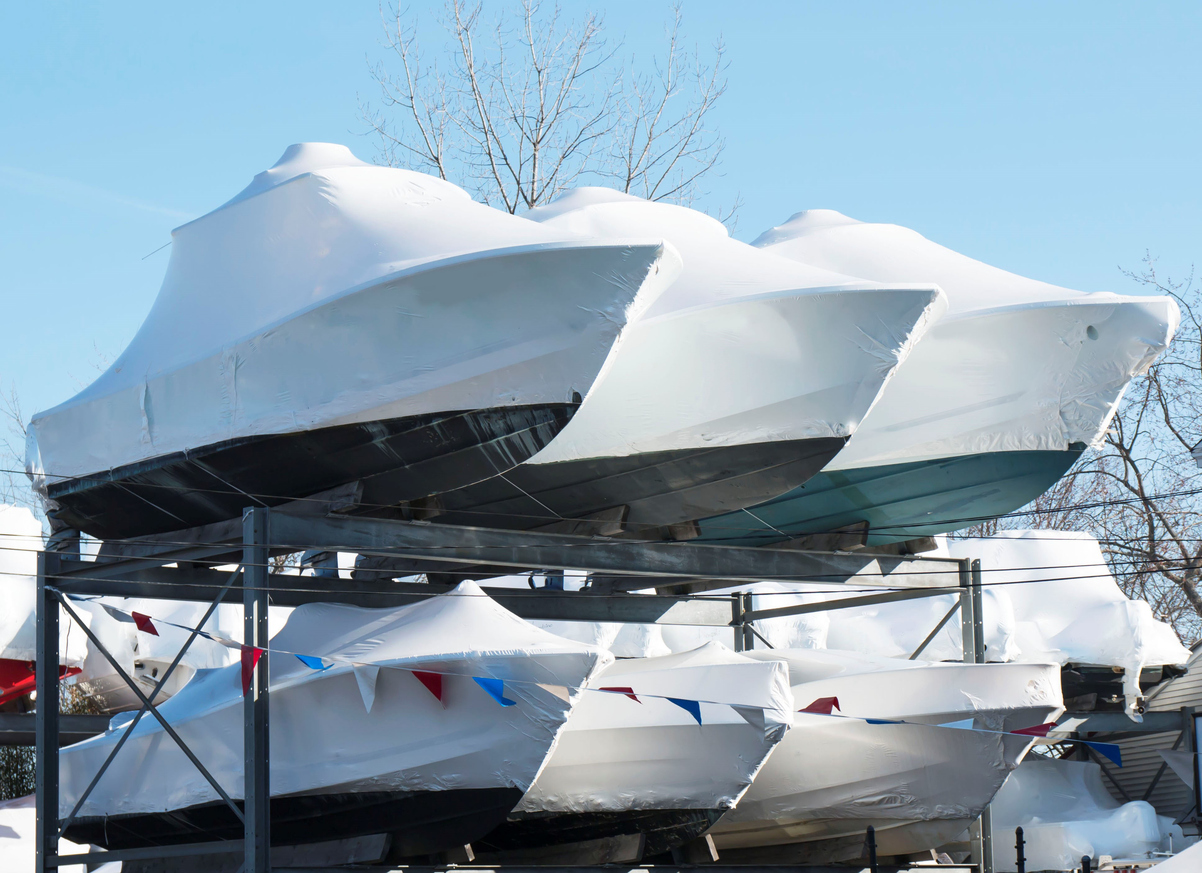
Store your battery somewhere between 32°F and 80°F. The sweet spot is 40-70°F. A fully charged battery can handle well below -20°F without freezing, but a discharged battery will freeze at 32°F. When a battery freezes, the water inside expands and cracks the case. Game over.
Heat is just as bad. Every 15°F increase in temperature doubles the rate of self-discharge. Storing a battery in a hot shed or truck bed in summer will drain it fast.
Store it in:
- A garage or basement with stable temps
- A dry location away from rain, snow, and humidity
- Off the ground—use a wood shelf or rubber mat
The old advice about concrete floors draining batteries comes from when battery cases were made of hard rubber, which was porous and could absorb moisture from concrete, creating a discharge path. Modern polypropylene cases don't have this issue, but concrete can still hold moisture and stay cold, which isn't ideal. A piece of plywood or a plastic bin works fine.
Keep it away from furnaces, water heaters, or windows with direct sunlight.
Battery Types and Their Storage Needs

Flooded Lead-Acid Batteries
These are the traditional batteries in older boats and equipment. They require the most attention—checking water levels, keeping them fully charged, and preventing sulfation. Self-discharge rate is higher than sealed types.
AGM (Absorbed Glass Mat) Batteries
AGM batteries are sealed and maintenance-free. The electrolyte is absorbed in fiberglass mats, so there's no water to check. They hold charge better than flooded batteries and can tolerate deeper discharges without damage. Still, store them fully charged and check voltage every couple of months.
Gel Batteries
Gel batteries use a gelled electrolyte. They're sealed, maintenance-free, and very sensitive to overcharging. If you're charging a gel battery, make sure your charger has a gel-specific setting. Overcharging will destroy them.
Lithium (LiFePO4) Batteries
Lithium batteries are increasingly common in marine and RV applications. They hold charge far longer than lead-acid, don't suffer from sulfation, and won't freeze. However, they have a Battery Management System (BMS) that can be damaged by over-discharge or over-charge. Store lithium batteries at 40-50% charge, not full. Check them every three months and top off if they drop below 30%.
Some lithium batteries (like Norsk Lithium marine batteries) have a "Deep Sleep" mode you can activate via app, which completely shuts down the BMS and prevents parasitic drain from connected electronics like fish finders. When you reactivate them in spring, they wake up at the same voltage.
Use a Battery Maintainer or Trickle Charger
If you're storing a battery for more than a few months, a battery maintainer (also called a smart charger or float charger) is the best insurance. These devices monitor the battery's voltage and deliver a small charge to keep it topped off without overcharging.
Difference between a trickle charger and a smart maintainer:
- Trickle charger: Delivers a constant low current (usually 1-2 amps) regardless of battery state. If left on too long, it will overcharge the battery, boil off water in flooded cells, and cause damage.
- Smart maintainer: Monitors voltage and switches between charging and float mode automatically. Once the battery reaches full charge, it stops charging and only kicks back on if voltage drops. This is what you want for long-term storage.
Battery Tender and NOCO are common brands. Make sure the charger is compatible with your battery type—AGM, gel, and flooded batteries all have slightly different charging profiles.
We've had customers in northern Canada store equipment batteries for six months using a maintainer. They come back in spring, disconnect it, and the battery fires up like it was stored yesterday. According to Jim from Clore Automotive, maintainers extend battery life significantly, even for seasonal vehicles like boats and ATVs, because unattended batteries degrade fast over winter. For other valuable tips on storing your boat and gear, see our JLM Marine homepage.
If you don't have a maintainer, recharge the battery at least once every three months during storage.
Cold Weather and Cold Cranking Amps (CCA)
Cold weather slows the chemical reactions inside a battery, which reduces its available power. A battery that cranks an engine fine at 70°F might struggle or fail completely at 0°F.
Cold Cranking Amps (CCA) is the measure of how much current a 12-volt battery can deliver for 30 seconds at 0°F without dropping below 7.2 volts. It's the battery's starting power in extreme cold.
Higher CCA = more starting power in cold conditions. If your equipment originally came with a battery rated for 750 CCA, don't replace it with a 600 CCA battery just to save $20. You'll regret it the first cold morning.
For engines that are hard to start or operate in consistently cold climates, I recommend batteries with CCA ratings 10-15% higher than the minimum spec. It's cheap insurance.
Why Freezing Kills Batteries
A fully charged lead-acid battery can handle temperatures well below -20°F without freezing because the electrolyte has a high concentration of sulfuric acid, which lowers the freezing point. But as the battery discharges, the acid concentration drops and the freezing point rises. A dead battery can freeze at 32°F.
When the water inside freezes, it expands and cracks the case. The battery leaks, loses electrolyte, and the plates can warp. It's not repairable.
This is why you store batteries fully charged.
Monthly Maintenance Checks During Storage
Don't store your battery and forget about it. Check on it once a month.
What to check:
-
Voltage: Use a multimeter. For lead-acid (flooded, AGM, or gel), you want to see at least 12.6 volts. If it's dropped to 12.4 volts or lower, recharge it immediately.
Voltage vs. State of Charge (Lead-Acid):
- 12.7V+ = 100%
- 12.4V = 75%
- 12.2V = 50%
- 12.0V = 25%
- Below 11.8V = Dead
-
Terminal condition: Look for new corrosion. If you see white or green buildup, clean it off again. Corroded terminals increase resistance and can prevent the charger from working properly.
-
Water levels (flooded batteries only): Check cells and top off with distilled water if needed. Don't overfill—leave about 1/8" below the fill hole.
-
Smell: If the battery smells like rotten eggs (sulfur), it's gassing—either from overcharging or an internal short. Disconnect the charger immediately and check voltage. If it's overcharged (above 13.5V with no charger connected), let it rest. If the smell persists, the battery is failing.
If you're using a maintainer, you can extend these checks to every 6-8 weeks, but I still prefer monthly.
Troubleshooting: When Things Go Wrong
Sulfation
What it is: Lead sulfate crystals harden on the battery plates when a battery sits discharged for too long. It reduces capacity and prevents the battery from accepting a full charge.
How to identify it: Battery won't hold a charge. You charge it to 13V, disconnect it, and the next day it's back down to 12V or lower. Voltage drops rapidly under load.
Fix: Try a slow charge with a maintainer designed for deep discharge recovery. Some smart chargers have a "desulfation" mode that uses high-frequency pulses to try to break up light sulfation. This works sometimes if the sulfation is recent and not too severe. If the battery is heavily sulfated, it's done. Replace it.
Prevention: Never store a battery discharged. Ever.
Cracked Case or Leaks
Cause: Freezing or physical damage.
Fix: None. If the case is cracked, the battery is compromised. Sulfuric acid is corrosive and dangerous. Replace the battery immediately and dispose of it properly. Most auto parts stores and marine shops (including JLM Marine) will accept old batteries for recycling.
Battery Won't Hold a Charge
Symptoms: You've cleaned it, charged it fully, stored it properly, but it still drops voltage within days.
Cause: Internal failure—usually a dead cell, shorted plates, or the battery has simply reached the end of its lifespan (typically 3-5 years for lead-acid, longer for AGM).
Diagnosis: Perform a load test. Most auto parts stores will do this for free. If the battery fails the load test, replace it.
When to replace: If the battery is more than 5 years old and won't hold a charge, don't waste time trying to revive it. Battery technology has a finite life. Replace it.
Charger Compatibility Issues
Not all chargers work with all battery types. Using a standard lead-acid charger on a gel battery will overcharge and destroy it. AGM batteries tolerate slightly higher charging voltages than flooded batteries, but not by much.
Check the charger settings:
- Does it have selectable modes for Flooded / AGM / Gel / Lithium?
- Does the voltage output match your battery's specs?
If you're unsure, check the battery manufacturer's documentation. For example, Trojan, Interstate, and Odyssey all publish charging guidelines for their batteries. If you're still not sure, reach out to us at JLM Marine—we can help match the right charger to your battery.
Battery Bank Storage for Dual Setups
If you're running a dual-battery system (common in larger boats and RVs), all batteries in the bank need to be the same type, age, and capacity. Mixing old and new batteries, or different chemistries, causes the weaker battery to drag down the entire bank.
In cold weather, the effective capacity of each battery drops. If your battery bank is barely adequate in summer, it'll fall short in winter. Plan for 10-20% more capacity than you think you need if you operate in cold climates.
Storage for battery banks:
- Charge all batteries to full before storage.
- Disconnect all batteries from each other and from the system.
- Store them in the same environment so they experience the same temperature.
- Check voltage on all batteries monthly—if one is discharging faster, it's failing and should be replaced before you put the system back into service.
Bringing the Battery Out of Storage (Spring Start-Up)
When you're ready to use the battery again, don't just hook it up and crank the engine.
Spring checklist:
- Check voltage. Should still be 12.6V or higher for lead-acid. If it's dropped, recharge before use.
- Inspect terminals. Clean any corrosion.
- Check water levels (flooded batteries only). Top off if needed.
- Reconnect terminals. Positive first, then negative. Coat terminals with anti-corrosion spray or dielectric grease.
- Load test. If the battery is more than 3 years old or you had any issues during storage, get a load test before relying on it.
If the battery fails any of these checks, replace it before the season starts. A failing battery will leave you stranded.
Pro tip: Before storing, attach small adhesive labels near the terminals marking which is positive and which is negative. Six months later when you're digging the battery out, it'll save you from making a very expensive mistake.
Sources
- https://northeastbattery.com/battery-101-store-batteries-off-season/
- https://intl.varta-automotive.com/en-au/varta-battery-support/maintenance-and-storage-battery/battery-season-care-and-storage
- https://www.youtube.com/watch?v=qQbokxZbs4s
- https://www.midtronics.com/blog/how-to-store-batteries-seasonal-vehicles/
- https://www.allstarcolumbia.com/how-to-keep-your-car-battery-healthy-during-the-late-winter-months
- https://www.batterytender.com/blogs/battery-tender-blog/winter-car-battery-maintenance-complete-guide-to-cold-weather-battery-ca
- https://cloreautomotive.com/preventive-maintenance-charging-why-its-important/
- https://thefishingwire.com/how-to-store-your-boat-batteries-for-winter/
- https://revcityautostorage.com/using-a-battery-tender-for-long-term-storage/
- https://www.odysseybattery.com/blog/2023/11/06/seasonal-rv-battery-check-in/
- https://knowhow.napaonline.com/how-to-store-a-car-battery-for-winter/
- https://lifelinebatteries.com/blog/how-to-take-care-of-your-rv-batteries-over-winter/
- https://www.batteriesinaflash.com/blog/prepare-your-battery-for-the-off-season
- https://toolingideas.com/how-to-keep-lawn-mower-battery-charged-over-winter/
- https://www.autozone.com/diy/battery/how-to-protect-your-car-battery-from-the-cold
- https://www.bioennopower.com/blogs/news/essential-battery-maintenance-tips-for-fall-and-winter-storage
- https://fieldsheerca.com/blogs/the-compass/end-of-season-battery-maintenance-and-care
- https://www.enersys.com/en/about-us/news/tips-for-off-season-marine-battery-maintenance.pdf/
- https://www.yuasabatteries.com/resources/guides/off-season-storage-guidelines/